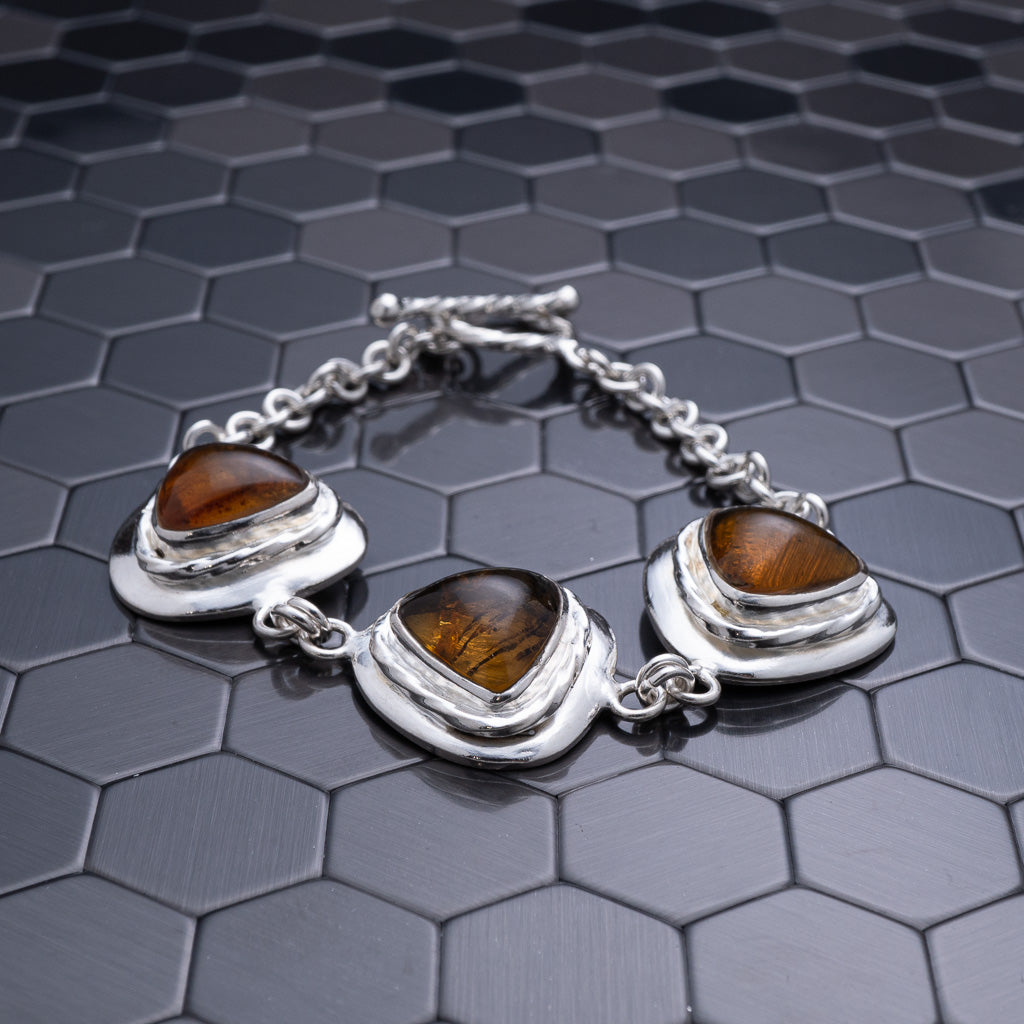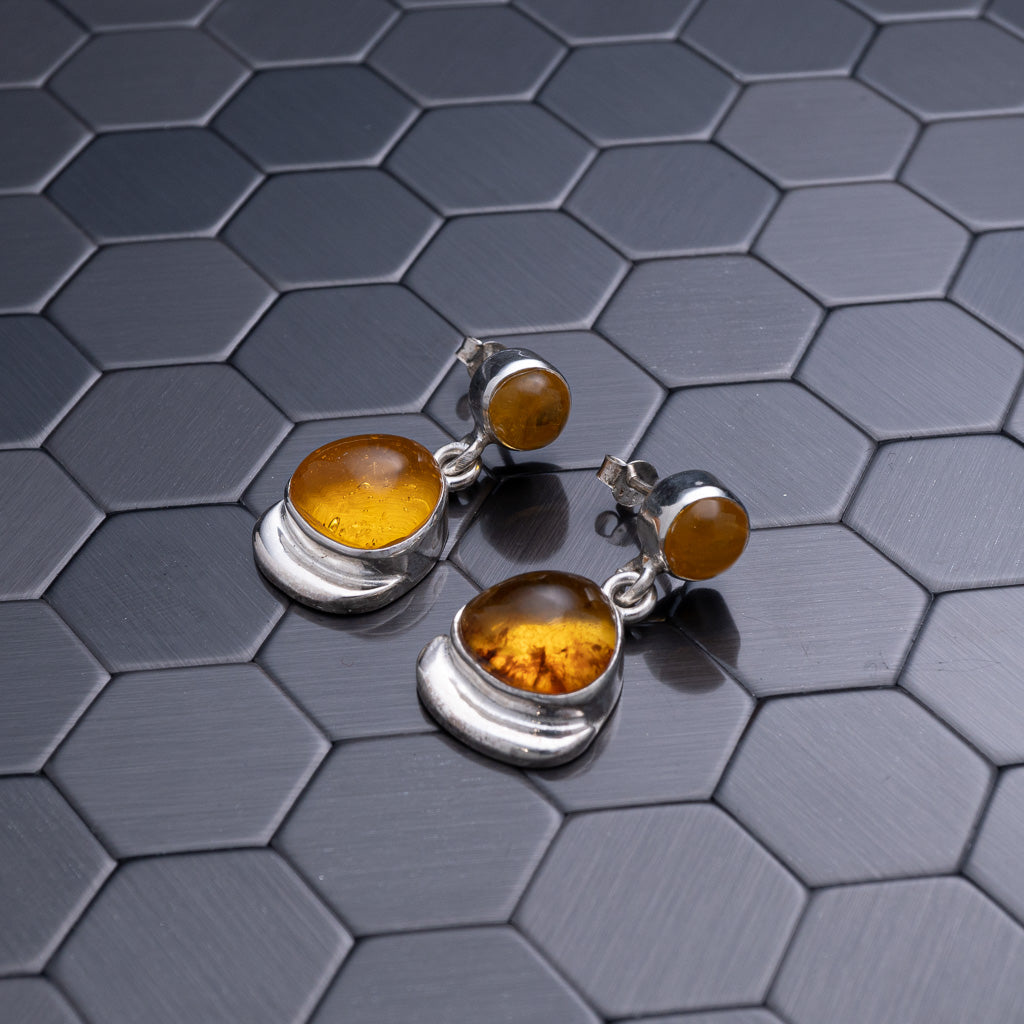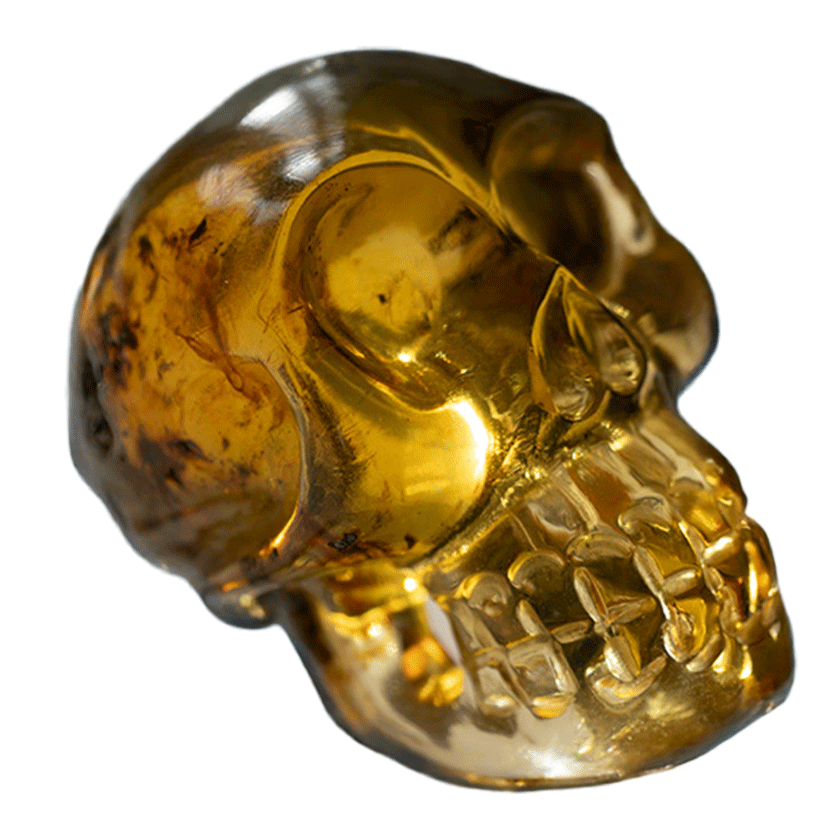


Handcrafted in DR.

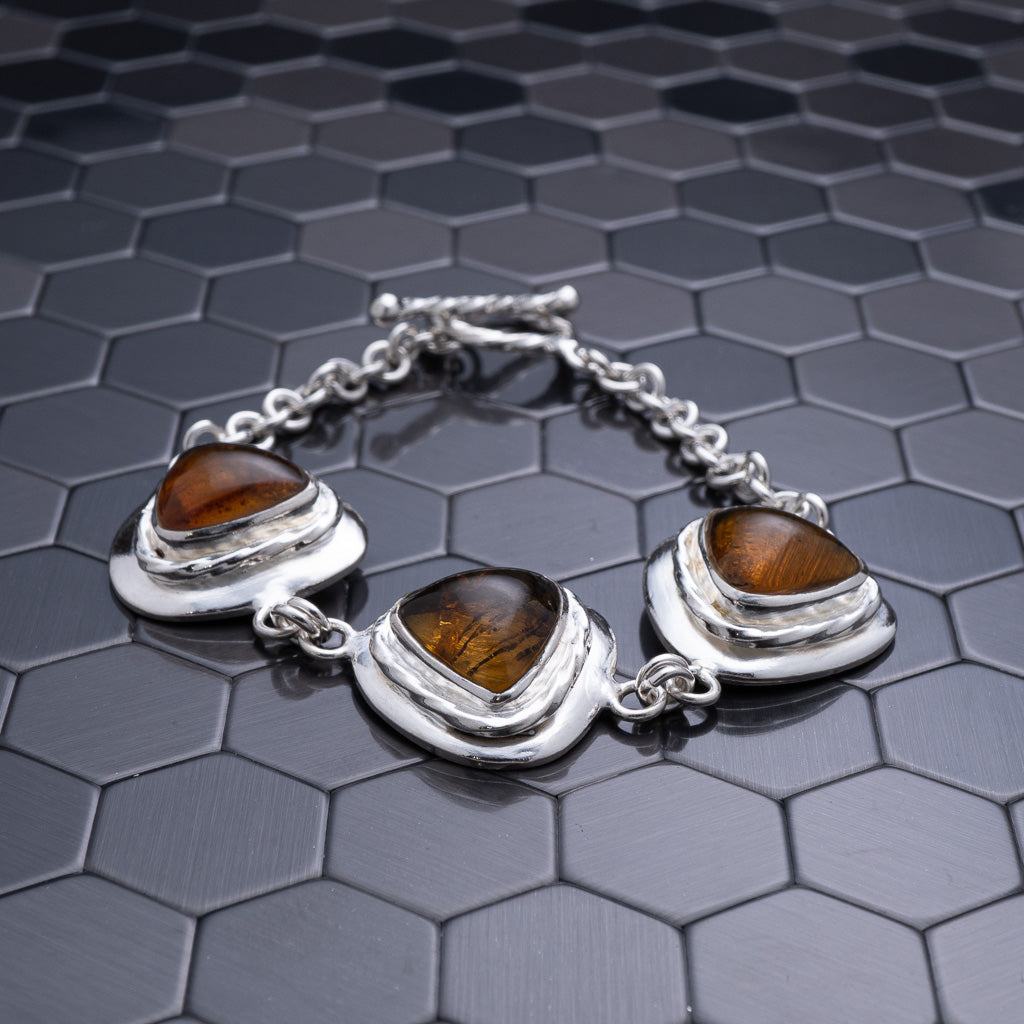
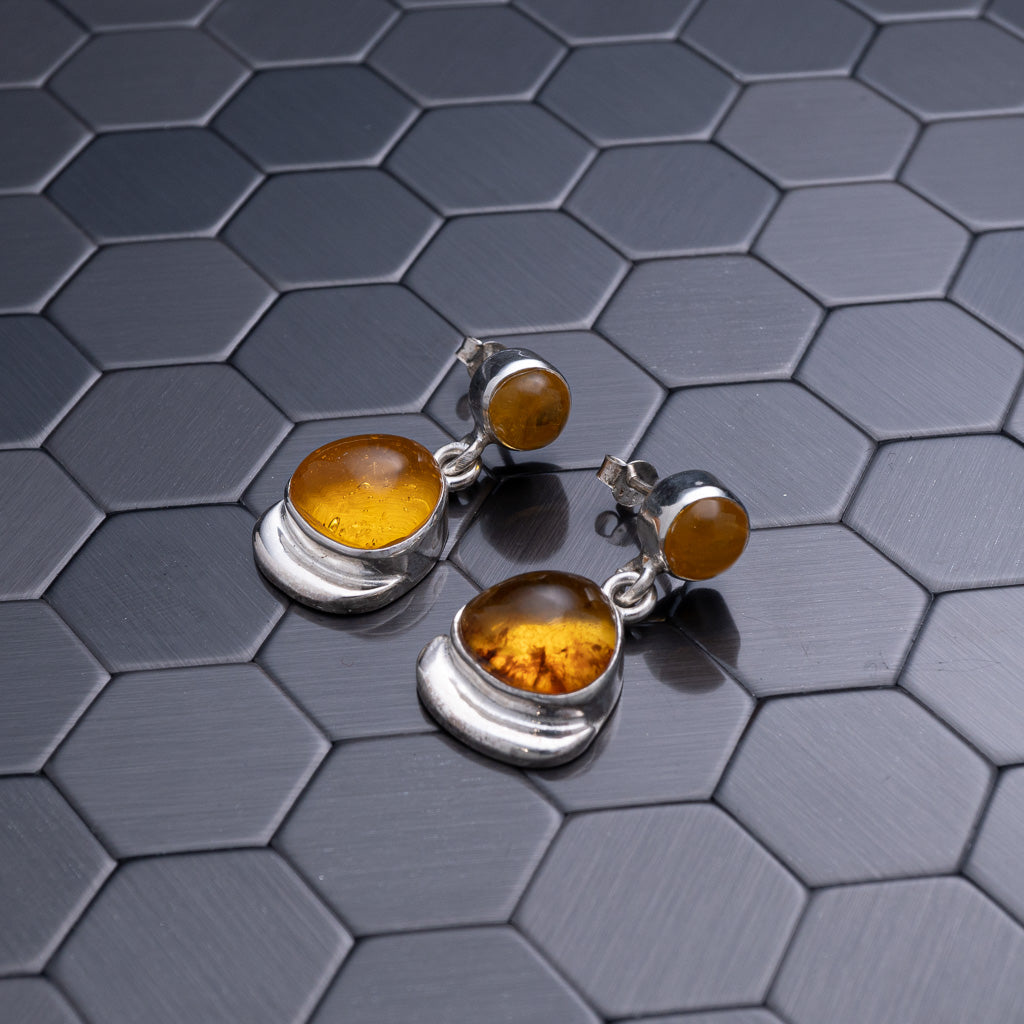


100% Handcrafted in DR.

The color blue captivates us like no other hue in nature, yet it remains remarkably rare among Earth's minerals and gemstones. While green, red, and yellow appear abundantly throughout the geological world, natural blue stands as an exceptional phenomenon requiring unique chemical compositions and specific formation conditions. Understanding why blue is so uncommon in gemstones reveals fascinating insights into mineralogy, optics, and the extraordinary circumstances that create treasured blue stones like larimar and Dominican blue amber. For collectors, jewelers, and gemstone enthusiasts, appreciating the science behind natural blue deepens the connection to these precious materials and underscores their genuine rarity in the marketplace.
Natural blue in gemstones arises through several distinct mechanisms, each governed by specific atomic and optical principles. The rarest form involves trace element substitution within a crystal lattice, where copper, iron, or other transition metals replace primary elements during formation. These substitutions alter how the crystal absorbs and reflects light wavelengths, selectively filtering out reds and yellows while allowing blue to dominate the visible spectrum.
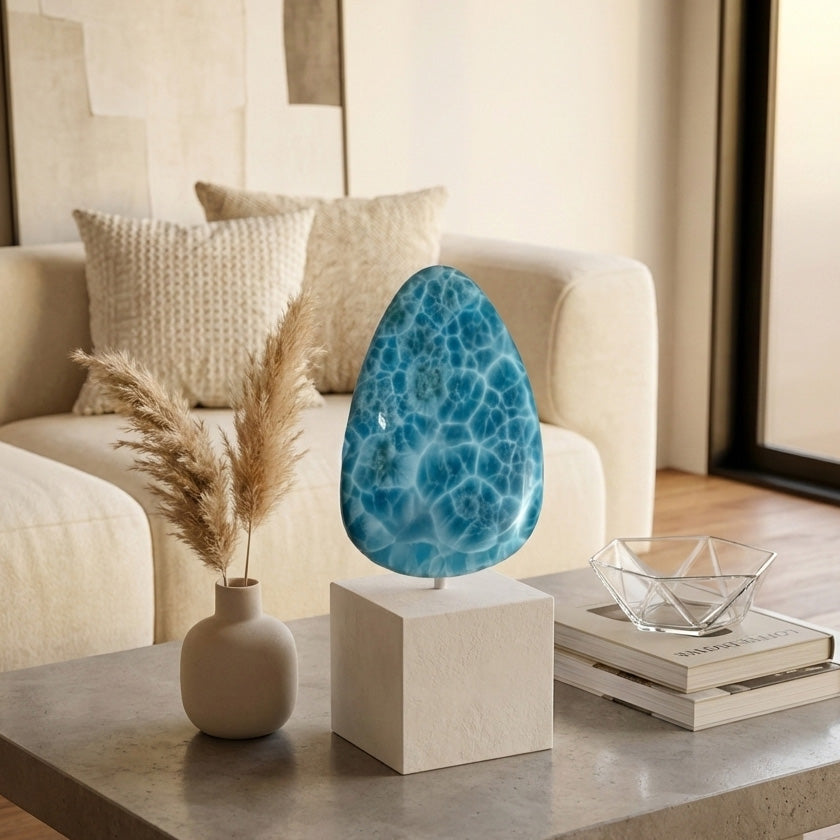
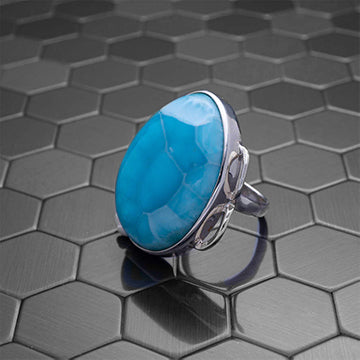
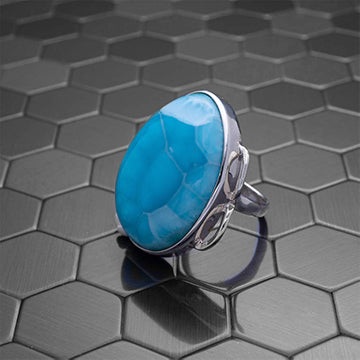
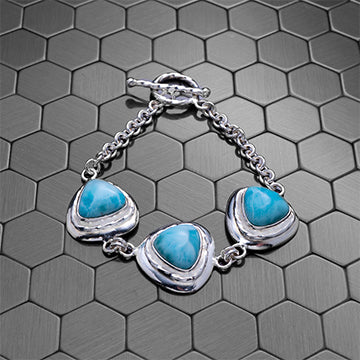
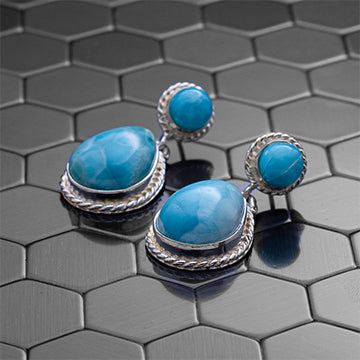
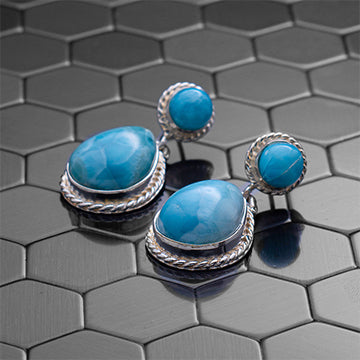
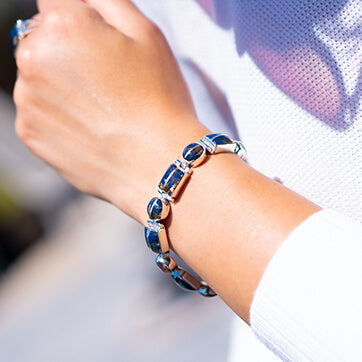
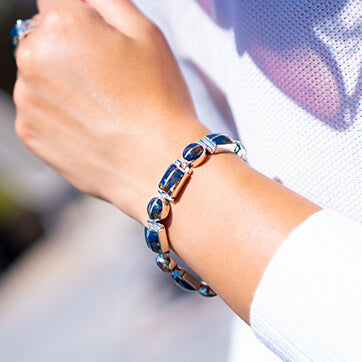
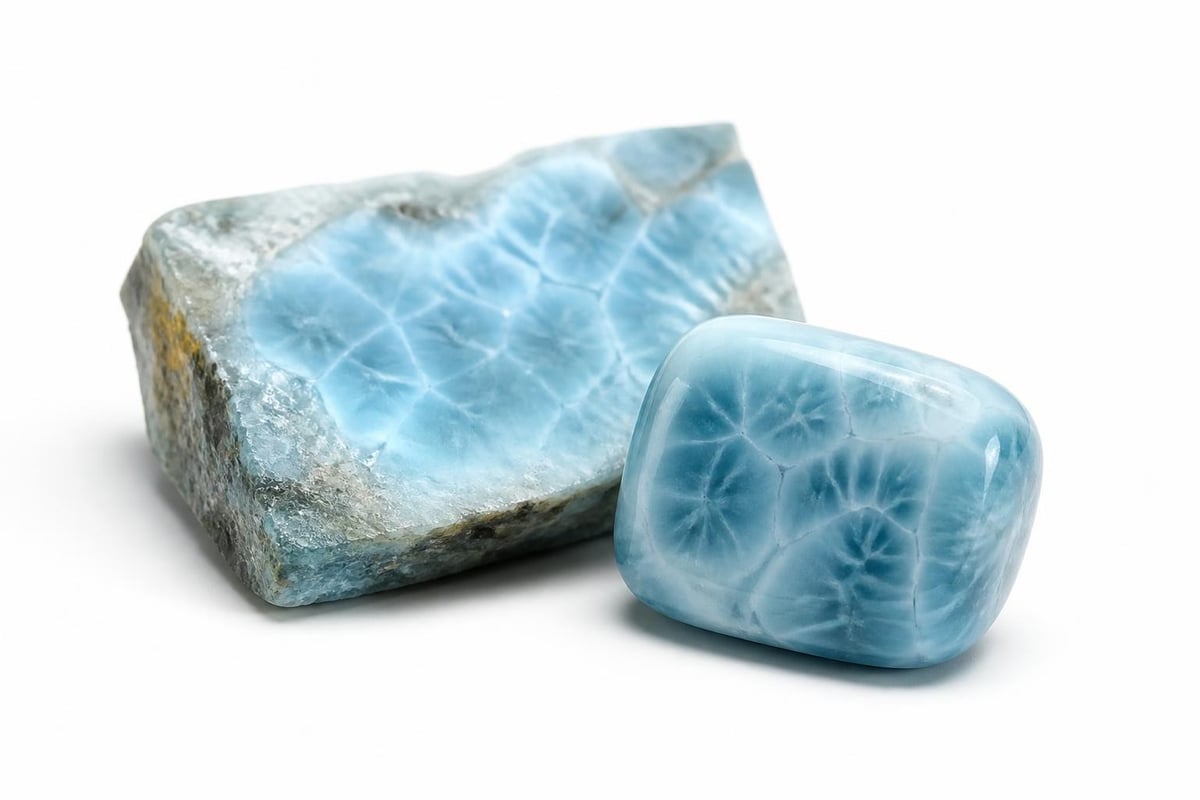
Larimar exemplifies this process perfectly. This pectolite variety owes its signature sky-blue color to copper ions incorporated during hydrothermal formation deep within volcanic environments. The Dominican Republic remains the only known source of gem-quality blue pectolite, making authentic larimar inherently limited in global availability.
Not all natural blue derives from chemical pigmentation. Structural color in nature produces some of the most brilliant blues through physical phenomena rather than absorbing pigments. Microscopic structures within materials scatter light waves at specific angles, constructively interfering with blue wavelengths while destructively canceling other colors.
This mechanism explains the vivid blues found in:
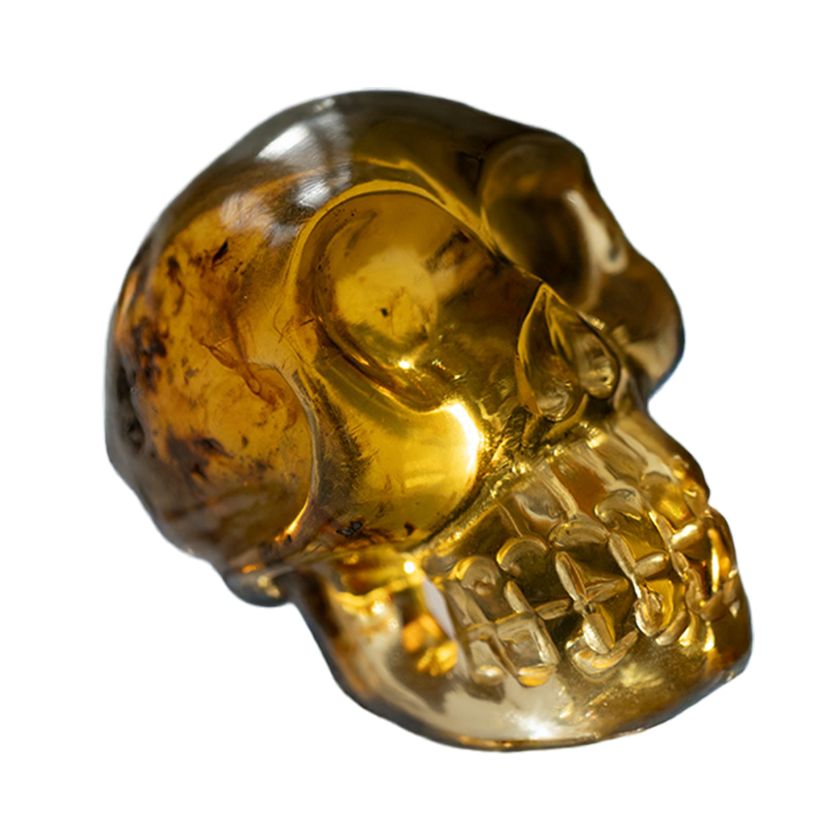
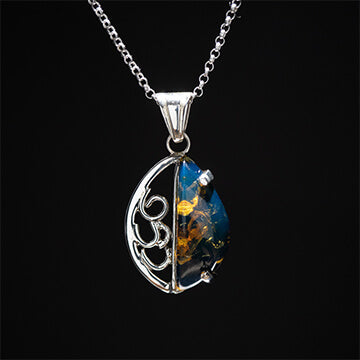
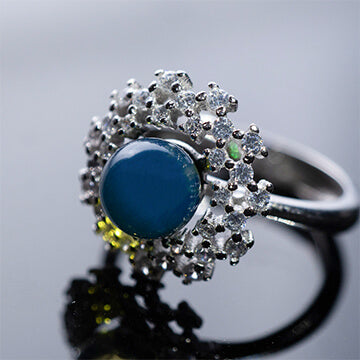
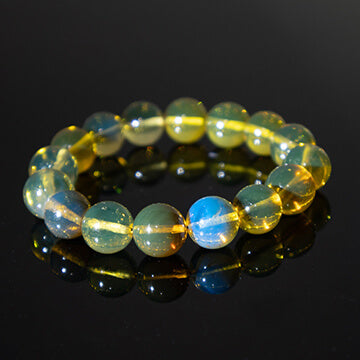
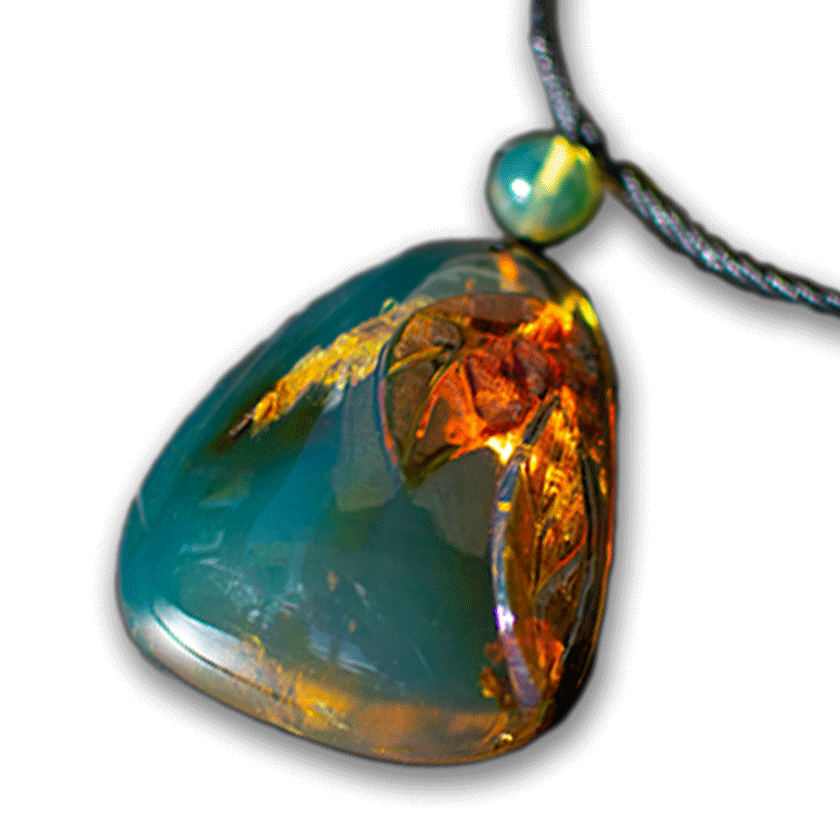
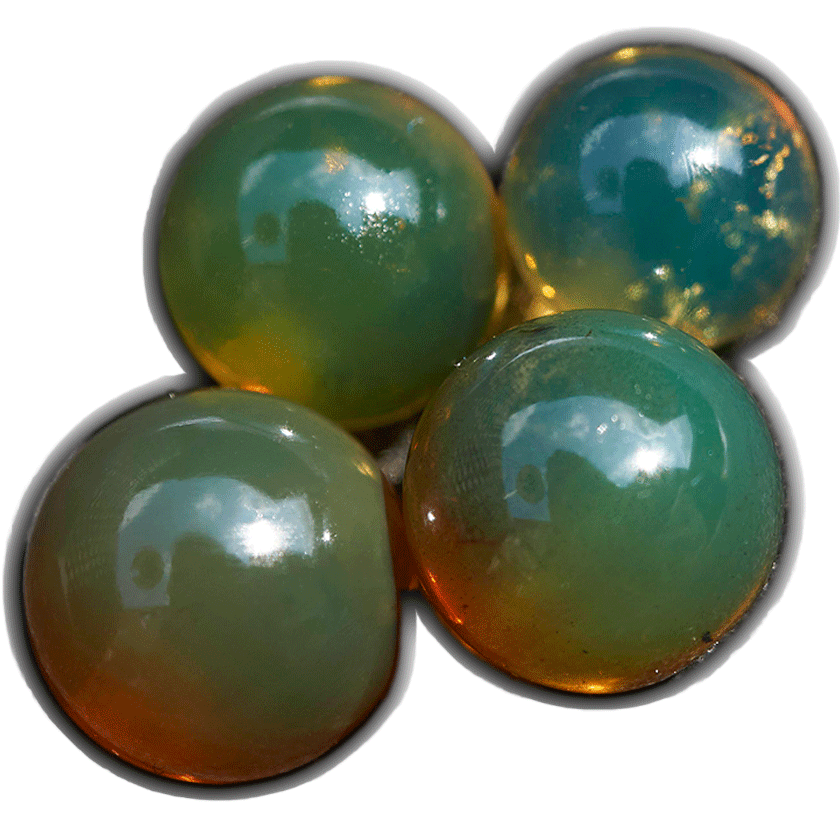
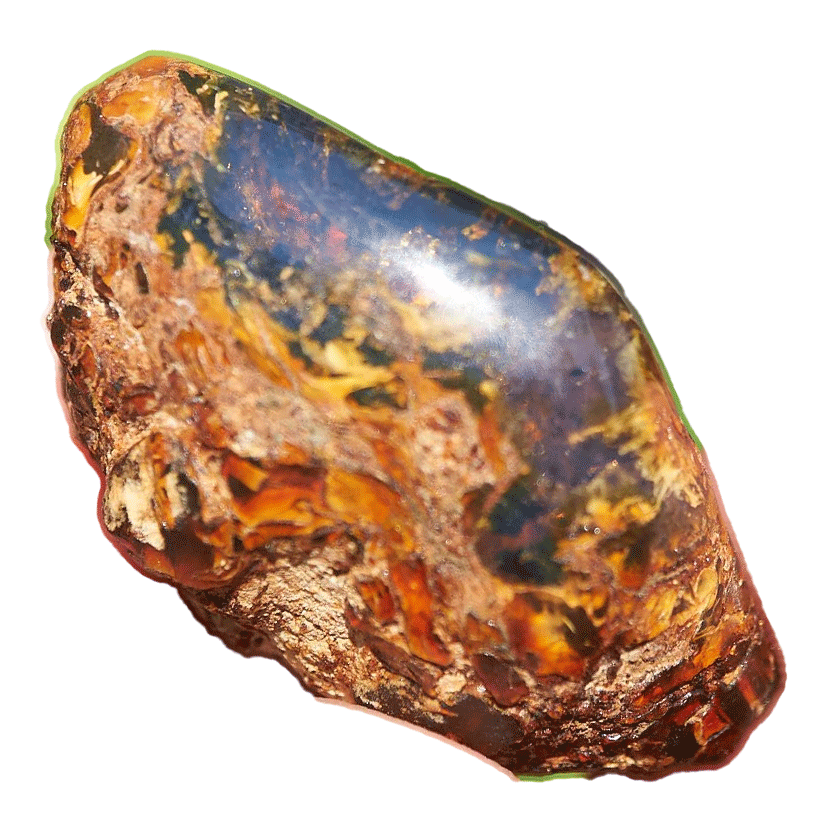
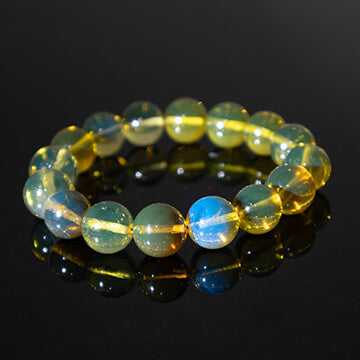
Dominican blue amber demonstrates both pigmentation and structural effects. While organic compounds create amber's base color, the extraordinary blue fluorescence occurs when ultraviolet light excites hydrocarbon molecules, causing them to emit visible blue light. This dual-mechanism rarity makes authentic blue amber even more exceptional than standard amber varieties, as detailed in research on what causes blue amber.
Throughout human history, the scarcity of natural blue has elevated its cultural and economic value. Ancient civilizations prized blue materials for religious ceremonies, royal adornments, and artistic expression. Egyptian artisans synthesized one of the first artificial blue pigments-Egyptian blue-precisely because natural alternatives proved so difficult to obtain.
| Blue Material | Historical Period | Primary Use | Geographic Source |
|---|---|---|---|
| Lapis Lazuli | 3000 BCE - Present | Jewelry, Pigment | Afghanistan |
| Turquoise | 5000 BCE - Present | Ornamental, Ceremonial | Southwest US, Persia |
| Azurite | Medieval - Renaissance | Painting Pigment | Europe, Middle East |
| Ultramarine | Renaissance - 1800s | Premium Art Pigment | Ground Lapis Lazuli |
The U.S. Geological Survey documentation on turquoise reveals how this copper-containing mineral served indigenous peoples across continents for millennia. Like larimar, turquoise derives its blue from copper, though through entirely different geological processes and host rock environments.
European Renaissance painters understood the exceptional value of natural blue pigments. Ultramarine, derived from crushed lapis lazuli imported from Afghanistan, cost more than gold by weight. Artists reserved this precious pigment exclusively for depicting the Virgin Mary's robes and other sacred subjects. The National Gallery's technical research documents how master painters applied ultramarine in specific layering techniques to maximize its visual impact while conserving the expensive material.
Several converging factors determine whether a deposit produces natural blue gemstones of sufficient quality for jewelry applications. Geographic concentration represents the first constraint-most blue gemstones form only in specific geological environments that rarely occur across Earth's crust.
Larimar formation required the precise combination of volcanic activity, copper-rich hydrothermal fluids, and calcium-bearing host rocks. These conditions existed in only one confirmed location: a small mountainous region in the Dominican Republic. Despite extensive geological surveys, no comparable larimar deposits have been discovered elsewhere globally, establishing its status as one of Earth's rarest blue stones.
Achieving vibrant natural blue demands exacting chemical parameters:
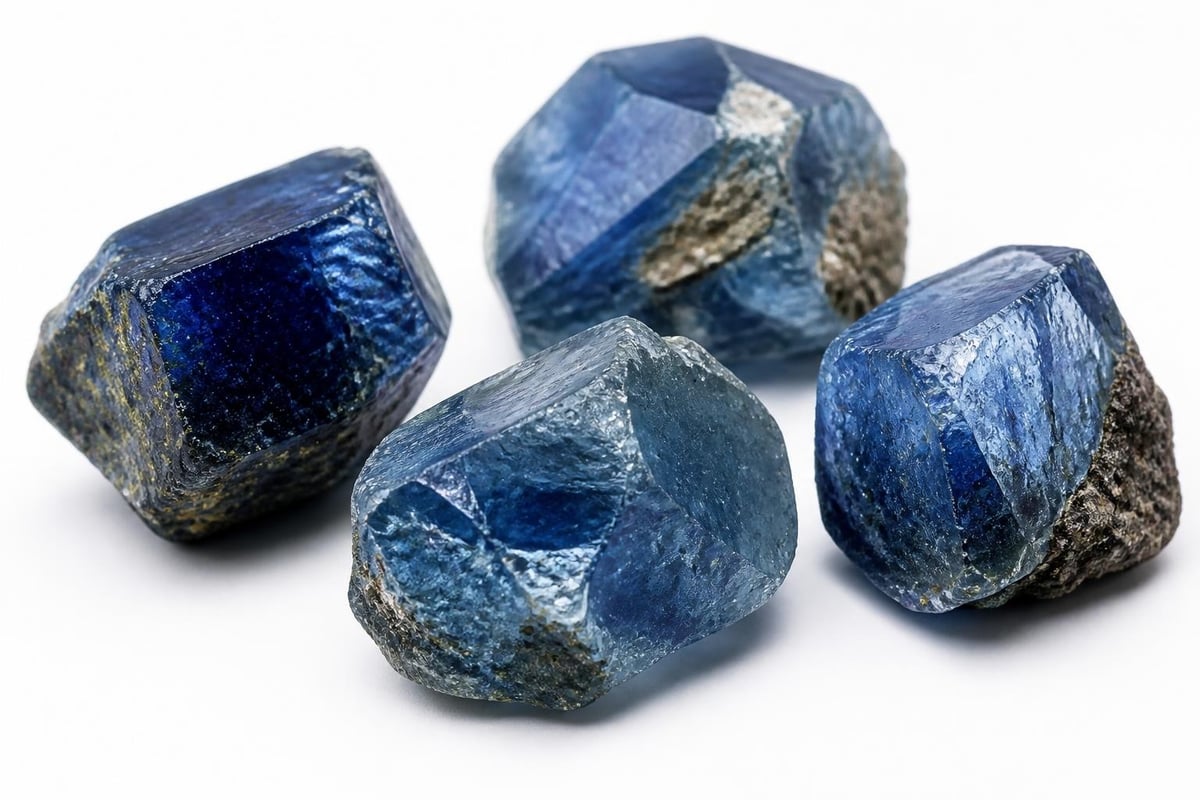
The geological rarity extends beyond larimar to nearly all natural blue gemstones. Sapphire, while more geographically widespread than larimar, still forms in limited deposit types requiring aluminum-rich metamorphic conditions and trace chromium or iron. Similarly, Dominican blue amber forms exclusively in specific amber-bearing deposits within the Dominican Republic, where unique botanical resins interacted with geological conditions found nowhere else.
The jewelry market contains numerous enhanced, treated, and synthetic materials marketed as natural blue stones. Understanding authentication methods protects consumers and preserves the integrity of genuinely rare materials. Gemological laboratories employ multiple analytical techniques to verify natural color origin versus artificial enhancement.
Heat treatment represents the most common modification applied to gemstones. While this process enhances color in many stones, truly natural blue should require no such intervention. Responsible dealers, such as those specializing in larimar jewelry, provide transparent disclosure about any treatments applied to their materials.
| Method | What It Reveals | Best Application |
|---|---|---|
| Spectroscopy | Chemical composition and trace elements | Identifying copper in larimar, determining sapphire origin |
| UV Fluorescence | Structural properties and organic content | Authenticating blue amber fluorescence |
| Microscopy | Inclusion patterns and crystal structure | Detecting synthetic versus natural growth |
| Refractive Index | Optical density specific to each mineral | Confirming species identification |
Advanced spectroscopic analysis can detect even subtle differences between natural blue coloration and laboratory-induced effects. Research on butterfly structural colors demonstrates how precisely scientists can now measure the optical properties that produce blue, techniques equally applicable to gemstone authentication.
Rarity directly influences market positioning for natural blue materials. As finite geological resources, authentic blue gemstones appreciate over time, particularly those from single-source deposits facing eventual depletion. Investment-grade specimens combine exceptional color saturation, clarity, size, and documented provenance.
Larimar's limited geographic source and growing international recognition have steadily increased its collector appeal since discovery in 1974. Unlike sapphire or topaz with multiple global sources, larimar's singular origin creates inherent supply constraints that support long-term value stability.
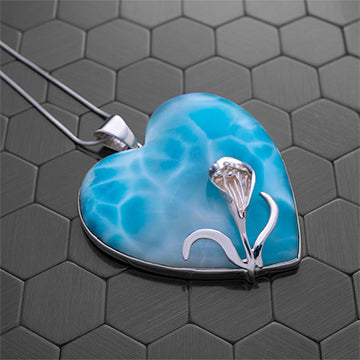
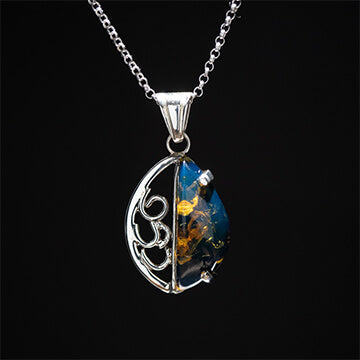
The market for Larimar Pendants reflects these value principles, with the finest pieces showcasing the stone's characteristic volcanic blue in meticulously crafted settings that honor the material's natural beauty. Collectors increasingly recognize that purchasing from specialized artisans ensures both quality and authenticity.
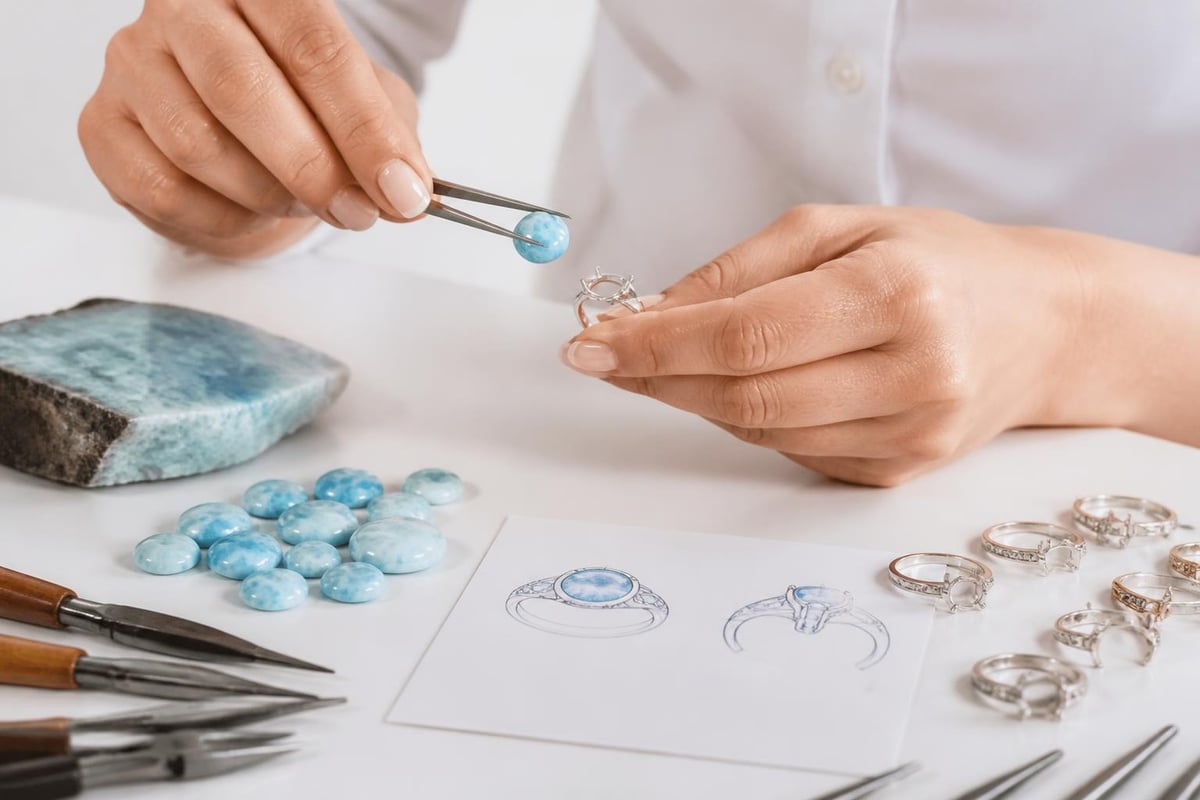
Modern jewelry designers leverage natural blue gemstones as focal points that combine aesthetic appeal with geological storytelling. Each blue stone carries an origin narrative-from deep within Earth's crust, through rare formation conditions, to skilled artisan hands that transform raw crystal into wearable art.
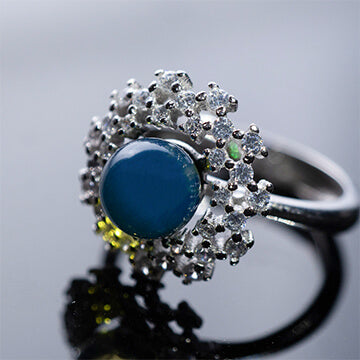
Caribbean-blue larimar evokes tropical waters and island tranquility, making it particularly popular for resort wear and destination jewelry. Designers pair the soft, soothing blue with complementary metals and accent stones that enhance rather than compete with larimar's distinctive color profile.
Contemporary settings for natural blue materials prioritize:
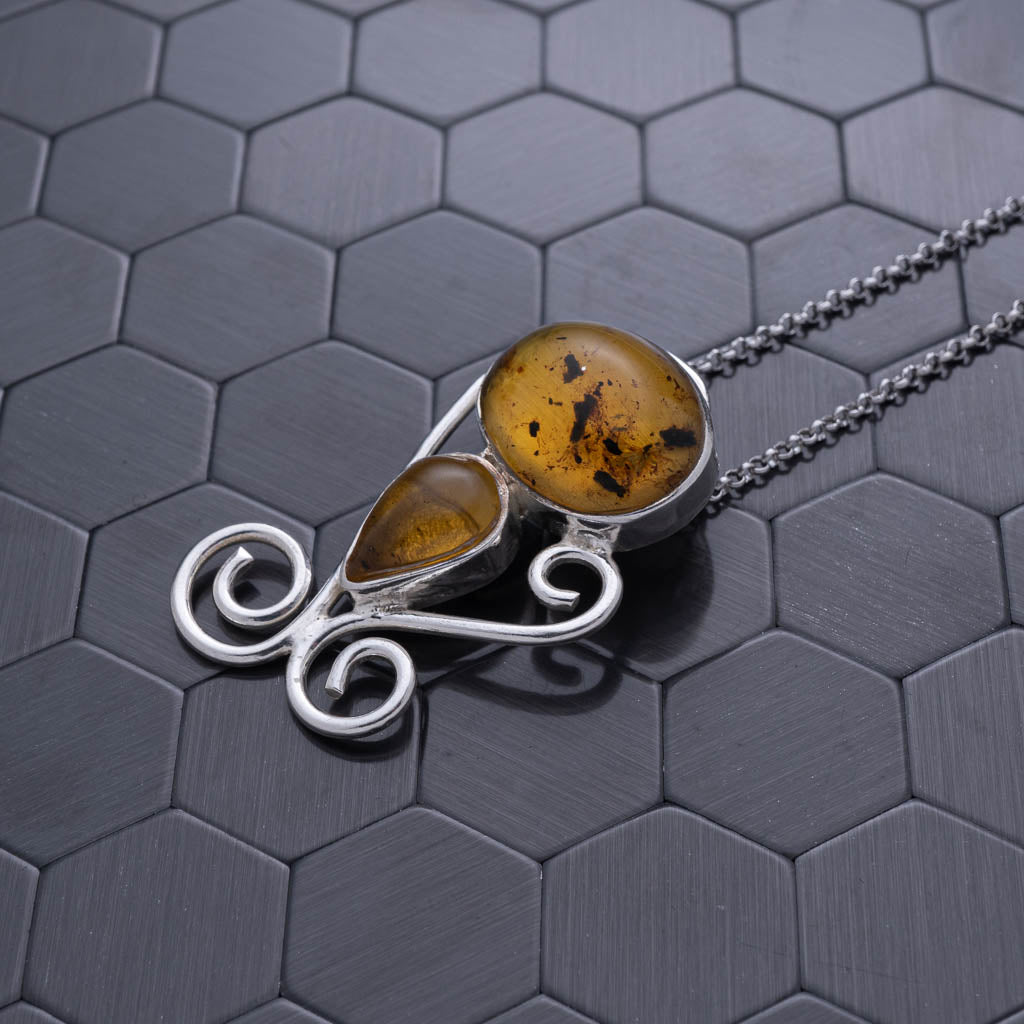
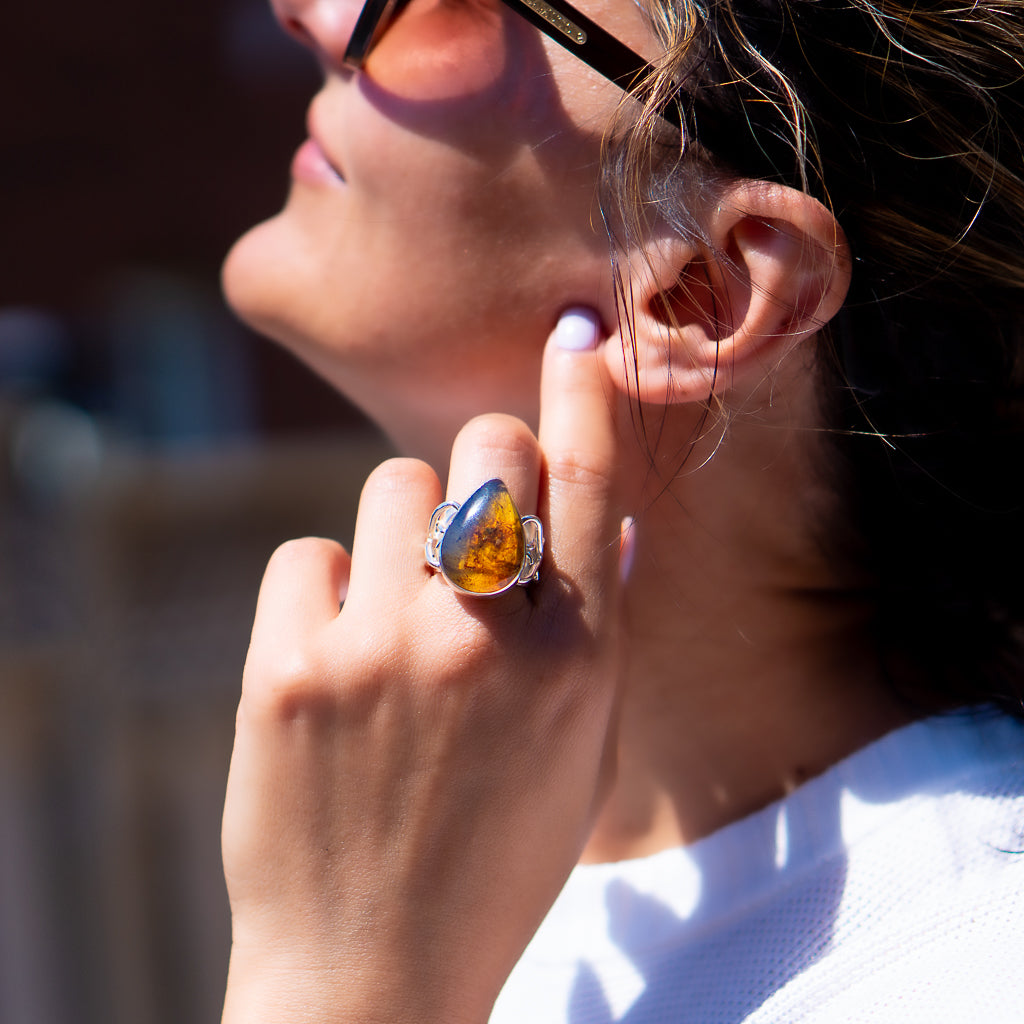
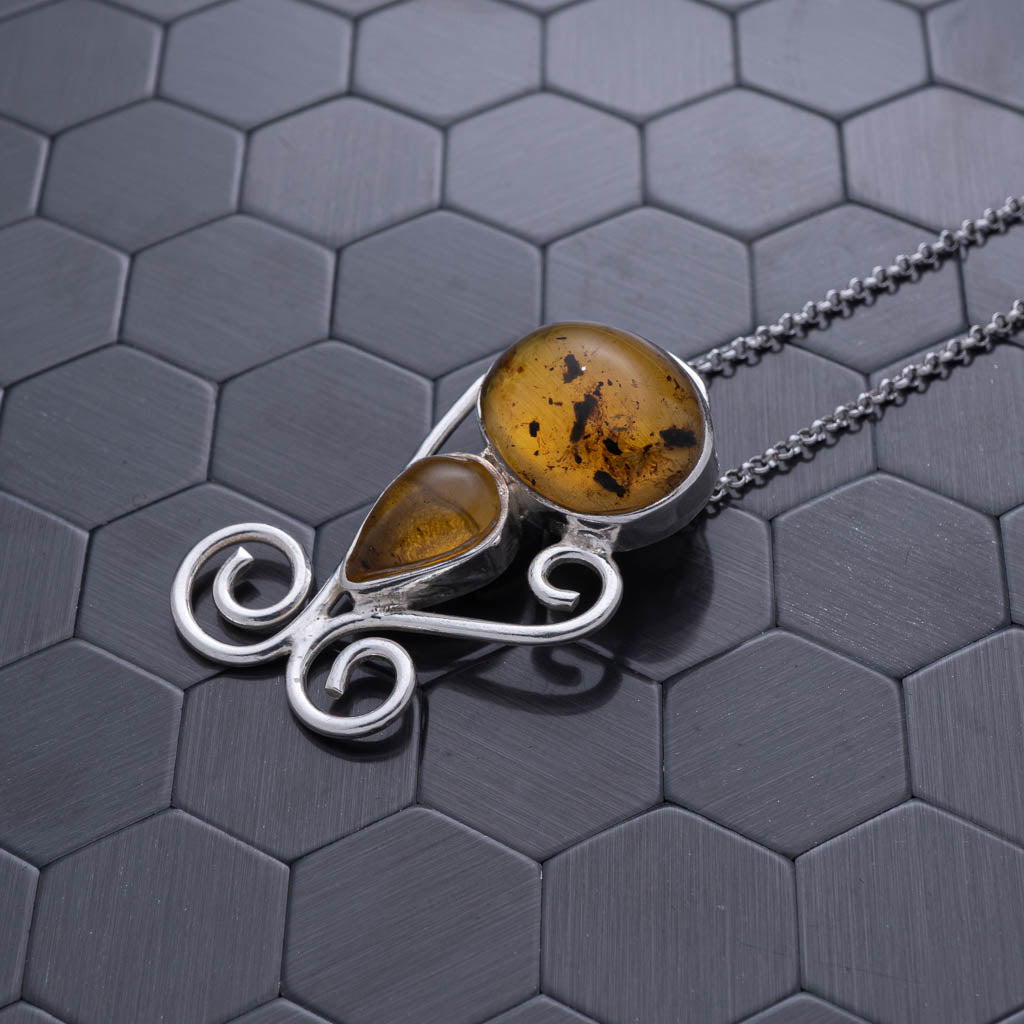
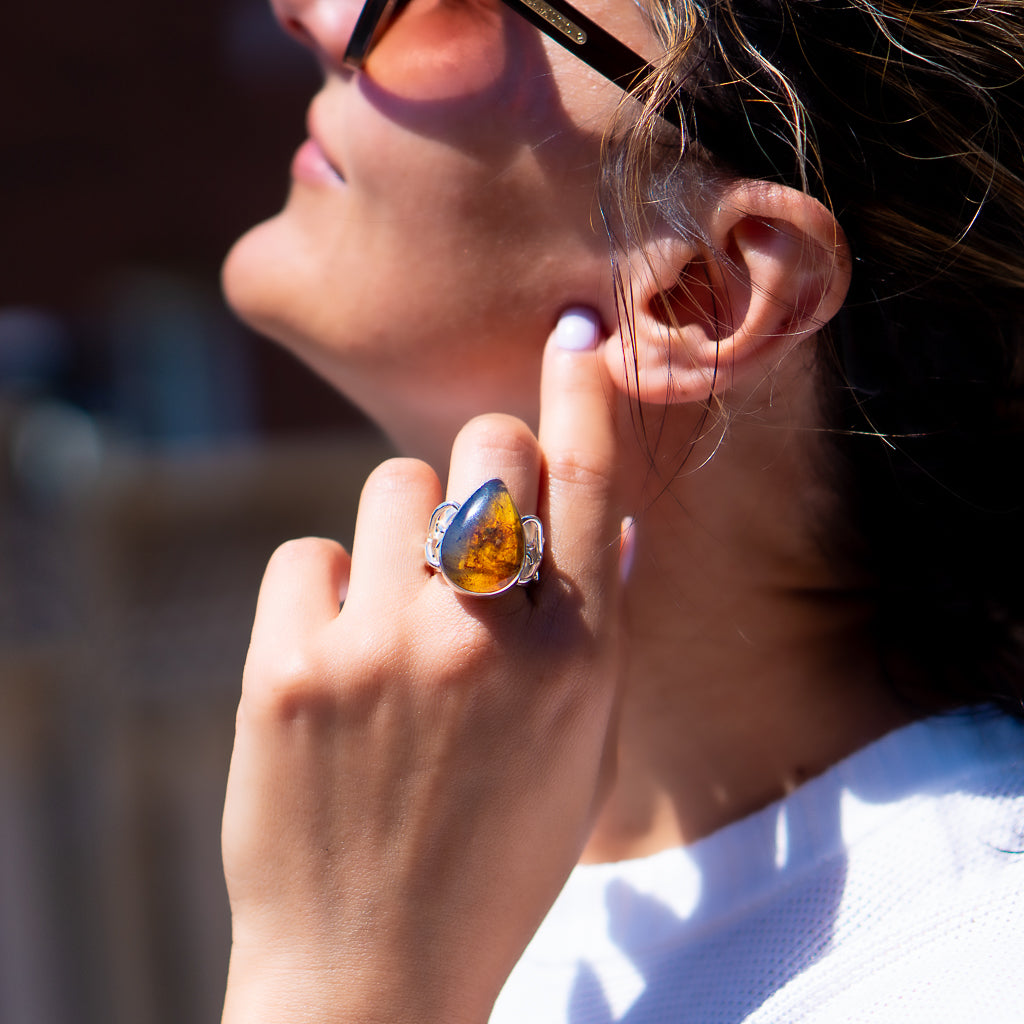
Blue amber presents unique design opportunities due to its dual appearance. In ambient light, it displays warm honey or cognac tones, transforming to brilliant blue under UV exposure. This chameleon quality allows blue amber jewelry to serve multiple aesthetic purposes within a single piece.
Preserving the beauty of natural blue stones requires understanding their specific physical and chemical properties. Unlike harder gemstones such as sapphire or diamond, materials like larimar and blue amber demand gentler handling and storage protocols to maintain their appearance across generations.
Larimar's relative softness makes it susceptible to scratching from harder materials. Store larimar pieces separately from diamond, sapphire, or other high-hardness jewelry. Similarly, amber's organic nature means it can react to chemicals, extreme temperatures, and prolonged UV exposure.
Daily Maintenance:
Long-term Preservation:
What to Avoid:
Proper care ensures that natural blue gemstones maintain their visual appeal and structural integrity. Quality pieces from reputable sources like Larimar Creations begin with superior materials and craftsmanship, providing an excellent foundation for longevity when combined with appropriate maintenance.
As existing deposits mature and face extraction challenges, the long-term availability of certain natural blue materials becomes increasingly uncertain. Larimar mining occurs in mountainous terrain with limited infrastructure, where artisanal methods predominate over industrial-scale operations. These factors constrain production volumes even as international demand grows.
Environmental considerations also influence extraction practices. Responsible mining operations balance commercial interests with ecosystem preservation and community impacts. Sustainable practices may further limit production rates but ensure that mining benefits local populations while protecting fragile environments.
The gemstone industry increasingly emphasizes:
Collectors and enthusiasts who acquire quality natural blue gemstones today secure pieces that will likely appreciate as deposits deplete. The single-source nature of materials like larimar and Dominican blue amber creates inherent scarcity that synthetic production cannot replicate in terms of geological authenticity and collectible value.
Beyond physical rarity and beauty, natural blue gemstones carry rich cultural symbolism across civilizations. Blue's association with sky and water imbues these stones with meanings related to tranquility, clarity, communication, and spiritual connection. While metaphysical claims lack scientific validation, cultural traditions surrounding blue gemstones influence consumer preferences and jewelry significance.
Larimar's discovery in the Caribbean has led to associations with ocean energy, peaceful communication, and stress relief. Whether one attributes these effects to psychological response to color or actual energetic properties, the emotional connection people form with natural blue stones enhances their personal significance beyond mere decoration.
Different cultures throughout history assigned specific powers to natural blue materials:
These cultural layers add narrative depth to natural blue gemstones, transforming them from geological specimens into meaningful personal talismans. The stories embedded within silver jewelry featuring natural blue stones create emotional connections that transcend the materials' monetary value.
Understanding how different natural blue materials relate helps consumers make informed selections based on their priorities regarding rarity, durability, appearance, and budget. Each blue gemstone occupies a distinct market position reflecting its unique characteristics and availability.
| Gemstone | Mohs Hardness | Primary Source(s) | Color Mechanism | Relative Rarity |
|---|---|---|---|---|
| Sapphire | 9 | Global (Myanmar, Sri Lanka, Australia) | Chromium/Iron | Moderate (quality dependent) |
| Larimar | 4.5-5 | Dominican Republic only | Copper substitution | Very High |
| Blue Topaz | 8 | Brazil, Sri Lanka, others | Typically irradiation treatment | Low (natural rare, treated common) |
| Turquoise | 5-6 | Southwest US, Iran, China | Copper phosphate | Moderate |
| Blue Amber | 2-2.5 | Dominican Republic, Indonesia | Organic fluorescence | High |
| Aquamarine | 7.5-8 | Brazil, Pakistan, others | Iron | Moderate |
This comparison reveals how larimar and blue amber occupy exceptional positions due to their geographic exclusivity. While sapphire offers superior durability for daily wear, single-source blue gemstones provide collector appeal and conversation value that more common materials cannot match.
Natural blue represents one of geology's rarest gifts, formed through exceptional circumstances that converge in only select locations worldwide. Understanding the science, history, and market dynamics surrounding these precious materials enriches appreciation for their genuine scarcity and enduring appeal. Whether you're drawn to the Caribbean sky captured in larimar or the mysterious fluorescence of Dominican blue amber, Larimar Creations offers meticulously crafted pieces that honor these extraordinary natural treasures with worldwide shipping to bring their beauty directly to you.