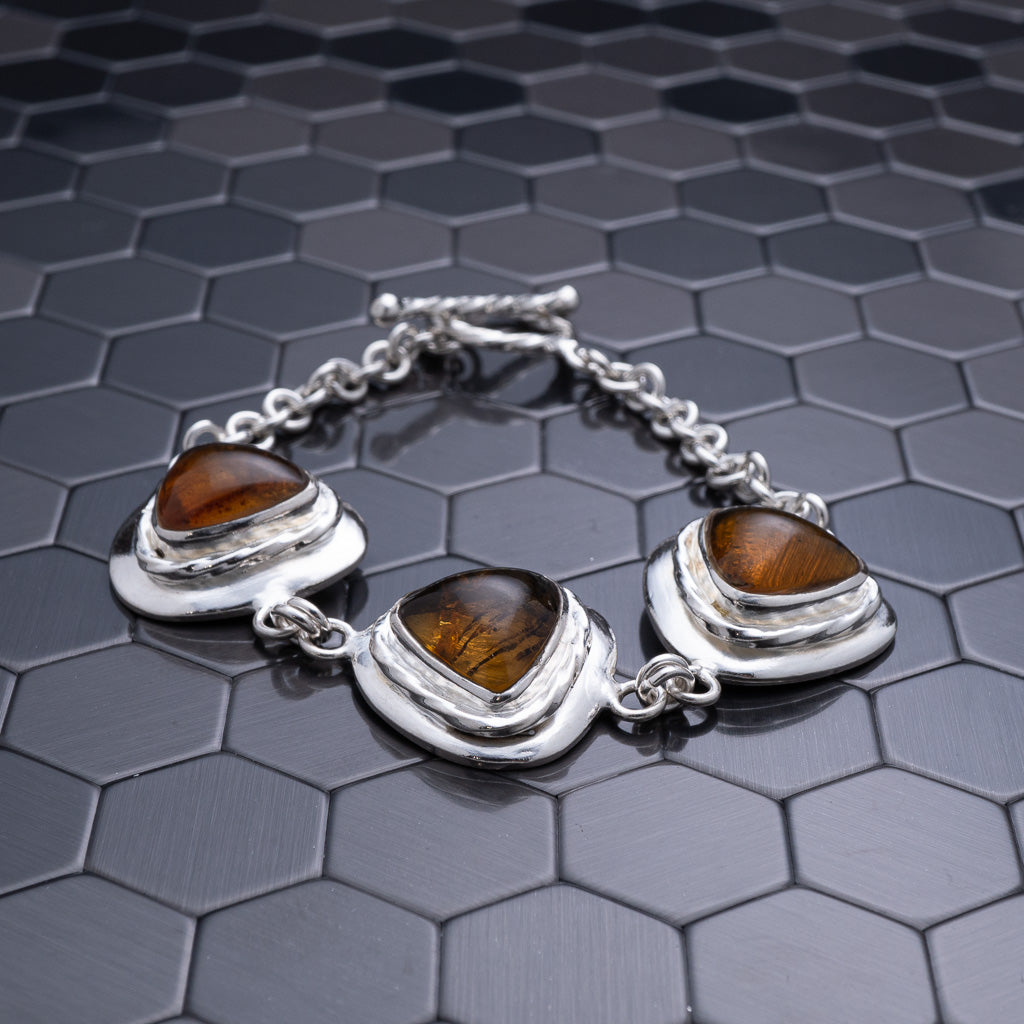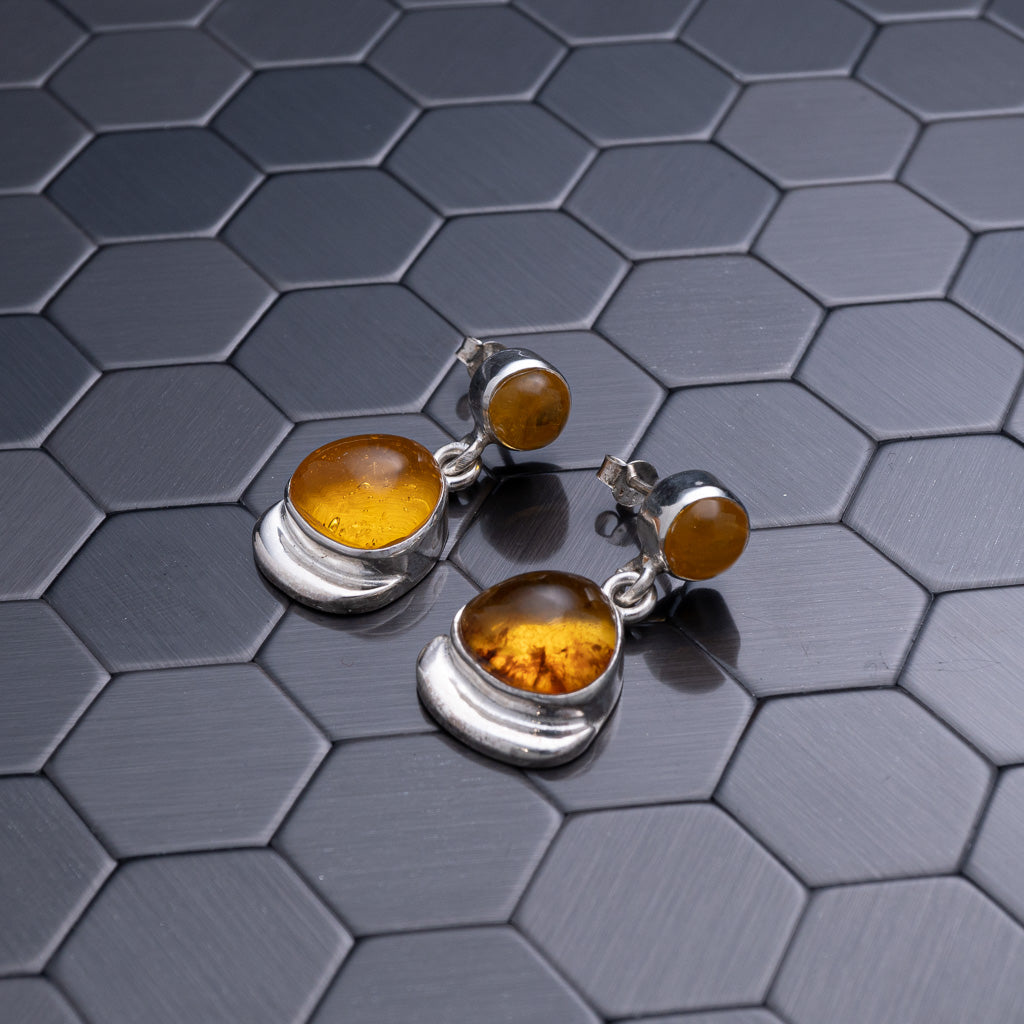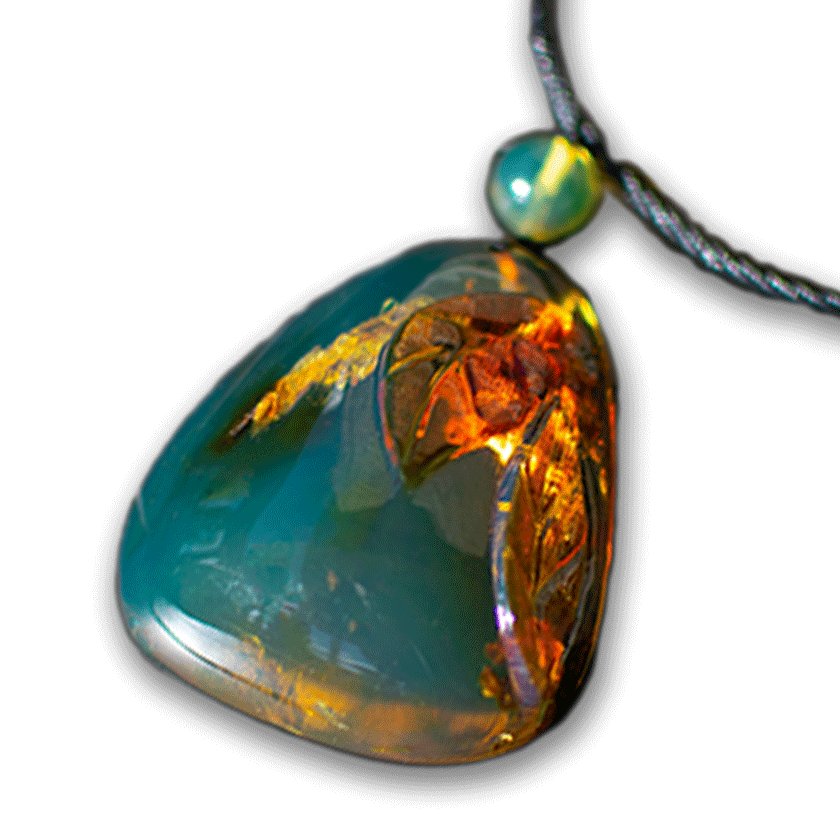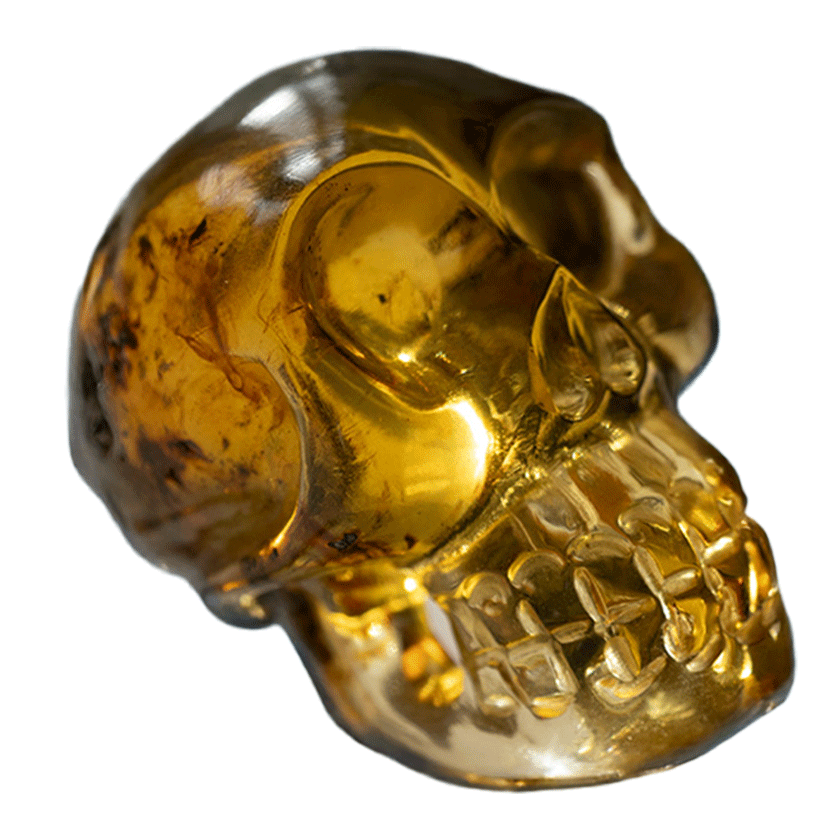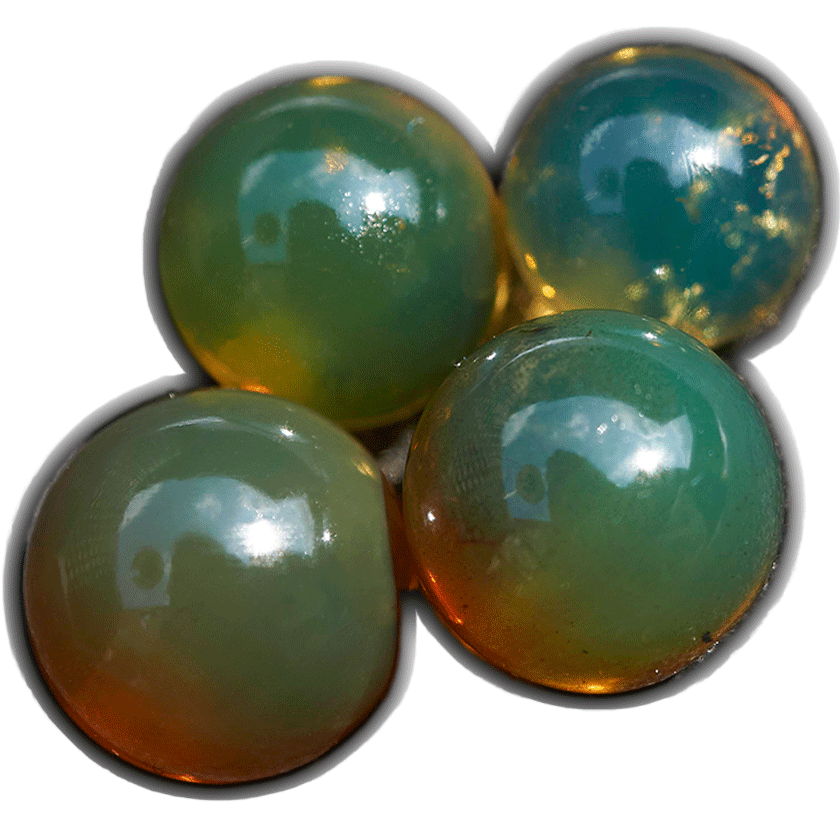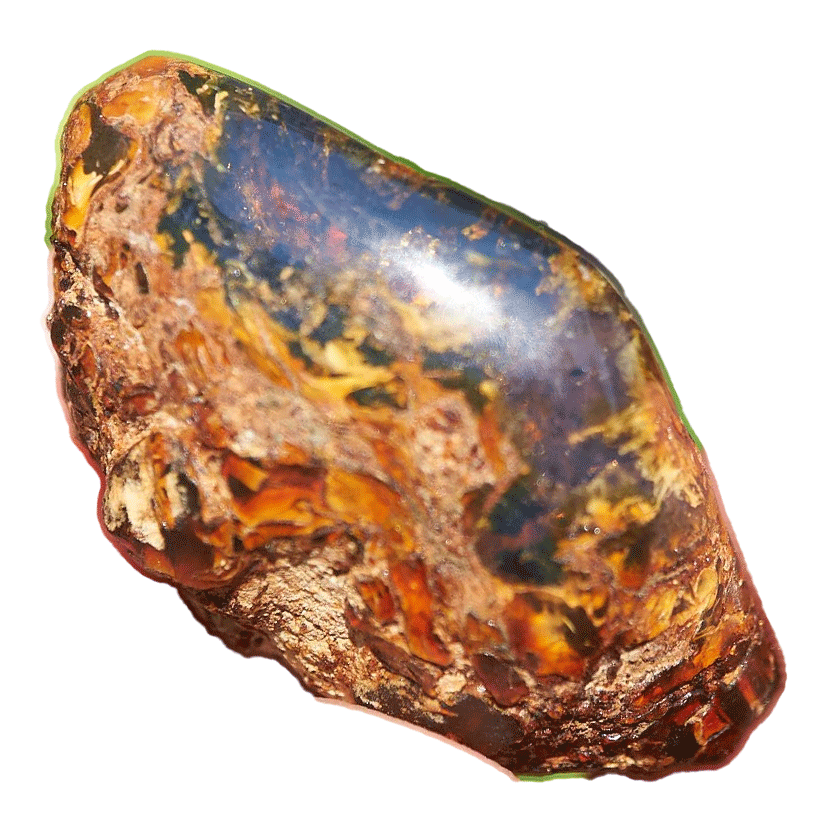


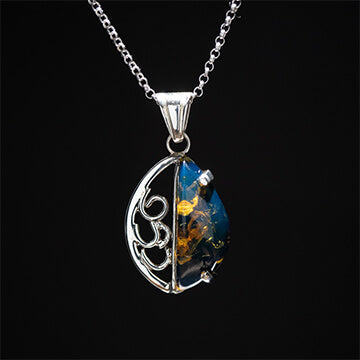
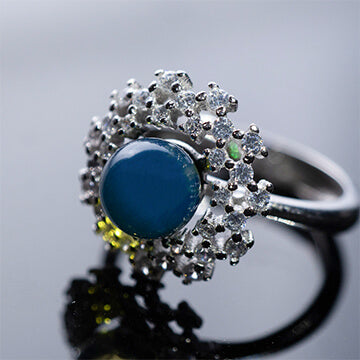
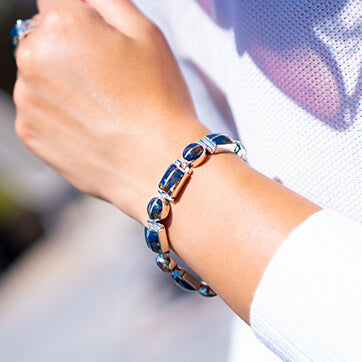
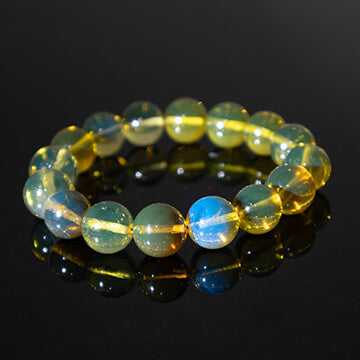
Handcrafted in DR.

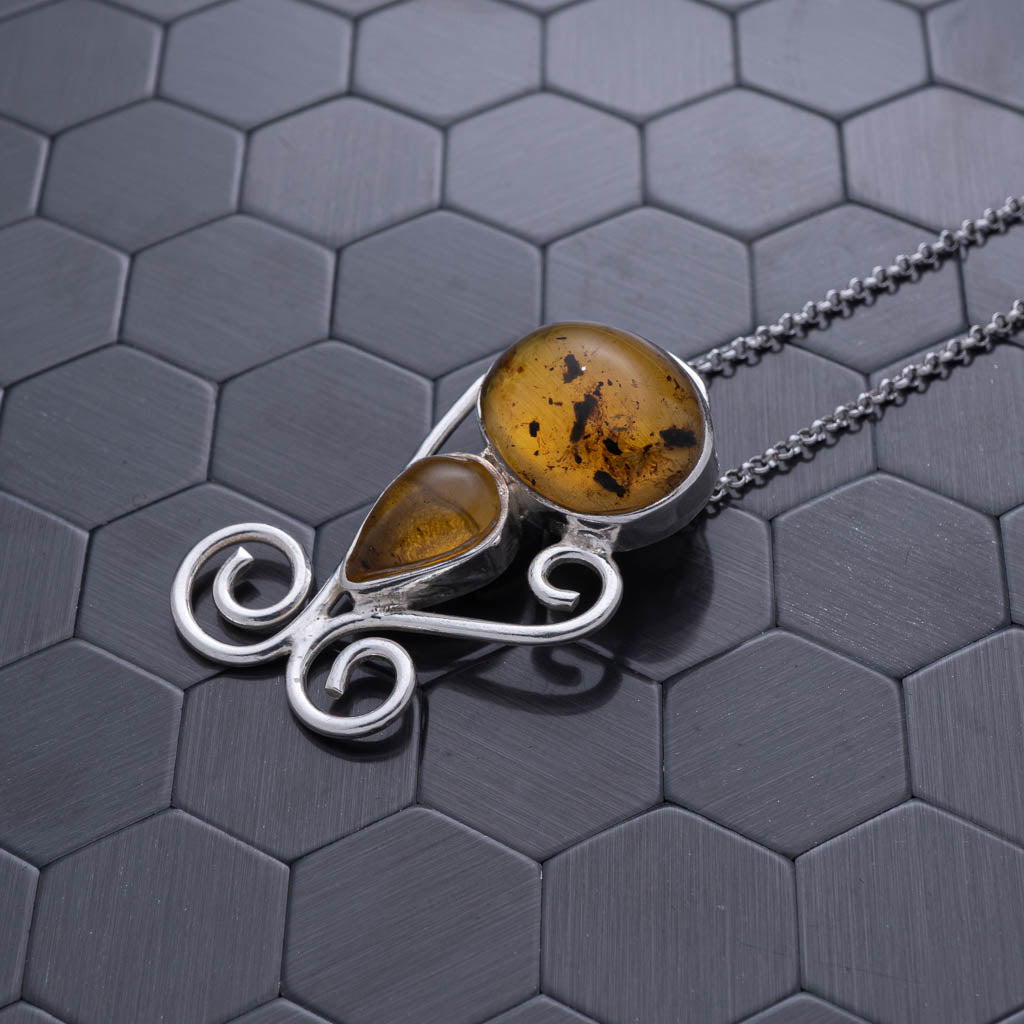
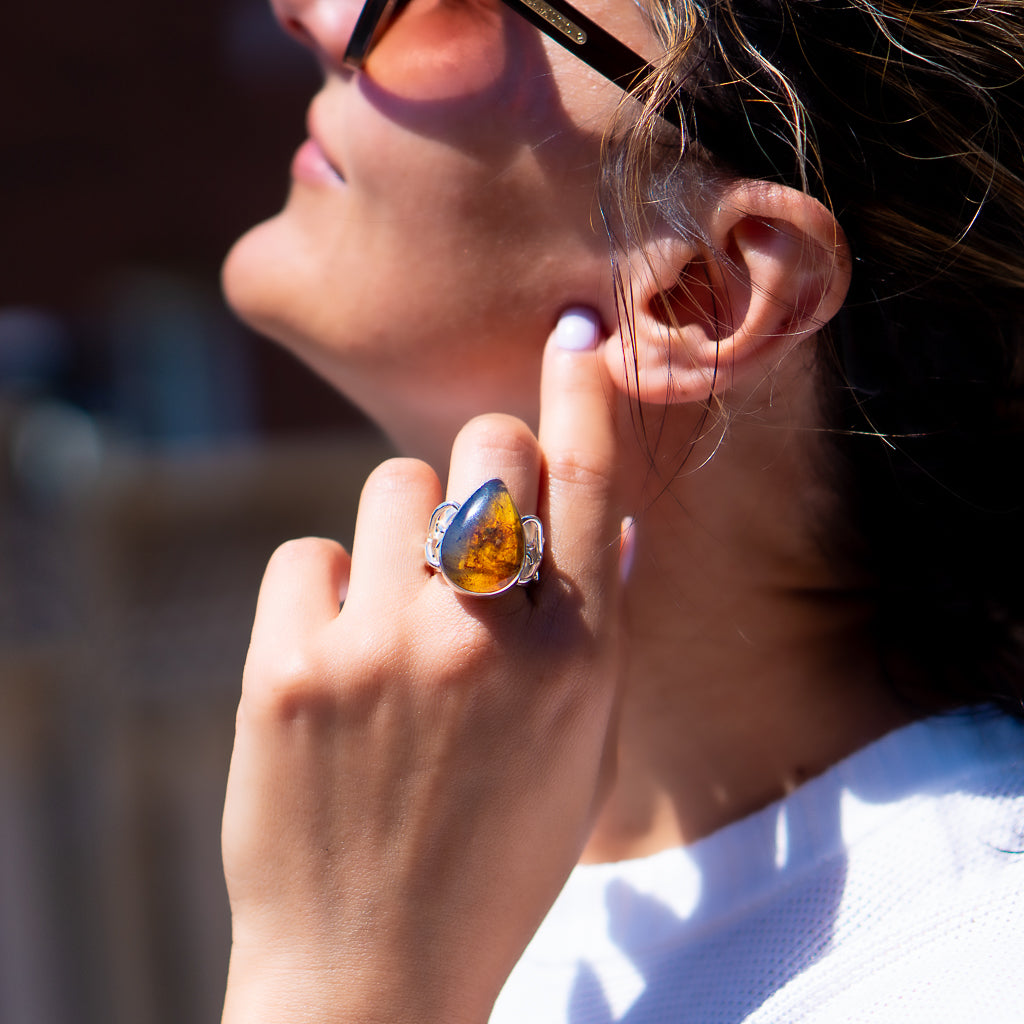
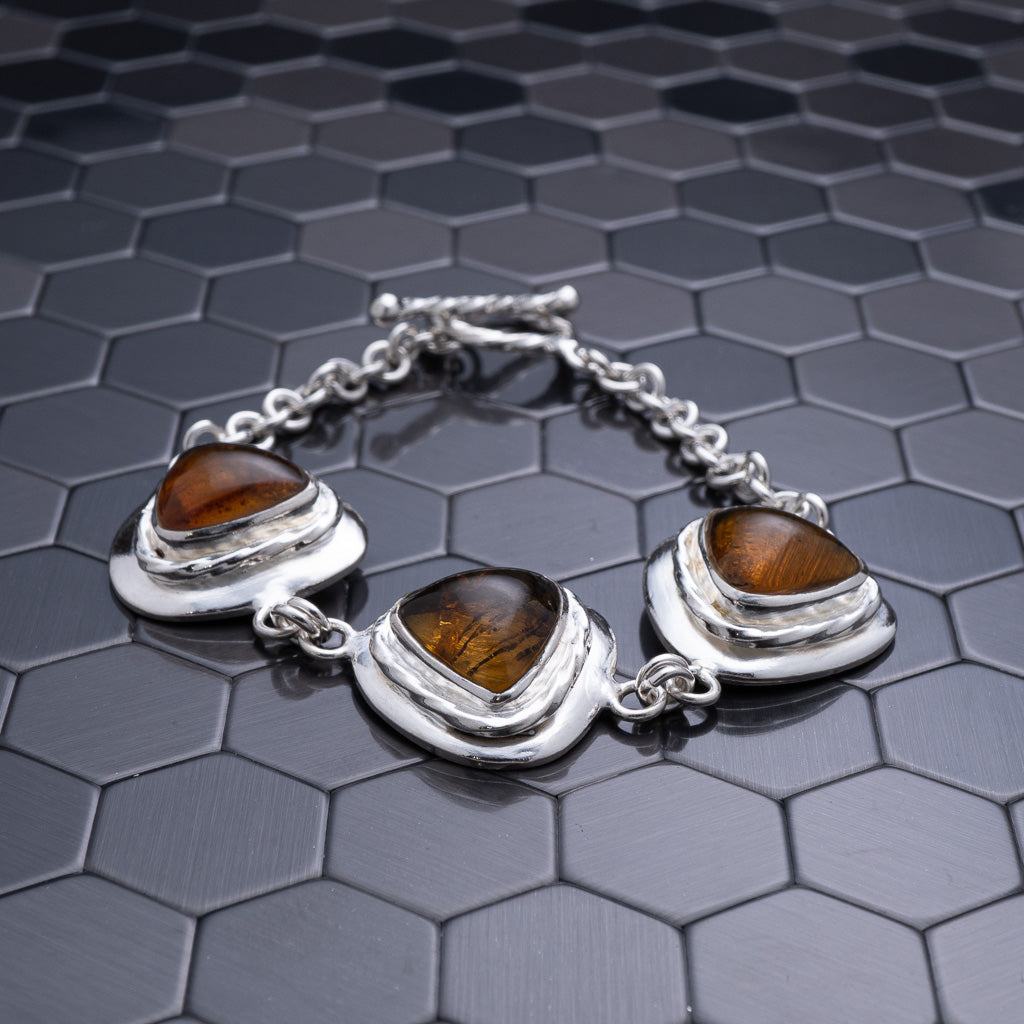
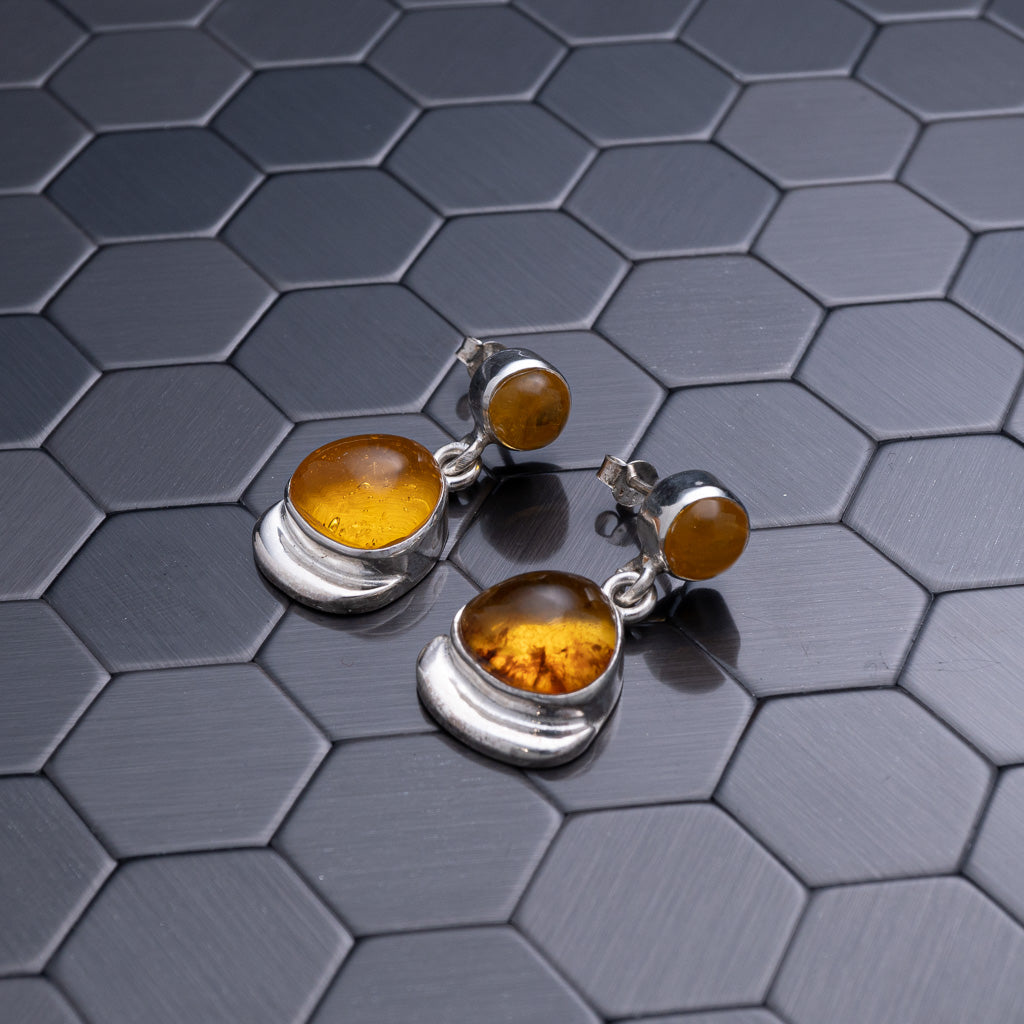


100% Handcrafted in DR.

A pendant necklace with stone represents one of the most versatile and timeless jewelry choices available today. Whether you're searching for a statement piece to elevate your wardrobe or a meaningful gift that carries emotional significance, understanding the intricacies of stone pendants helps you make informed decisions. From the gemstone selection to the metal setting, chain length to maintenance requirements, each element contributes to the overall beauty and longevity of your jewelry investment. This comprehensive guide explores everything you need to know about selecting, wearing, and caring for a pendant necklace with stone that perfectly matches your style and preferences.
The foundation of any exceptional pendant necklace with stone begins with understanding the relationship between the gemstone, setting, and design. Unlike simple chain necklaces, stone pendants require careful consideration of multiple factors that work together harmoniously.
Choosing the right stone involves more than aesthetic appeal. Consider these essential factors:
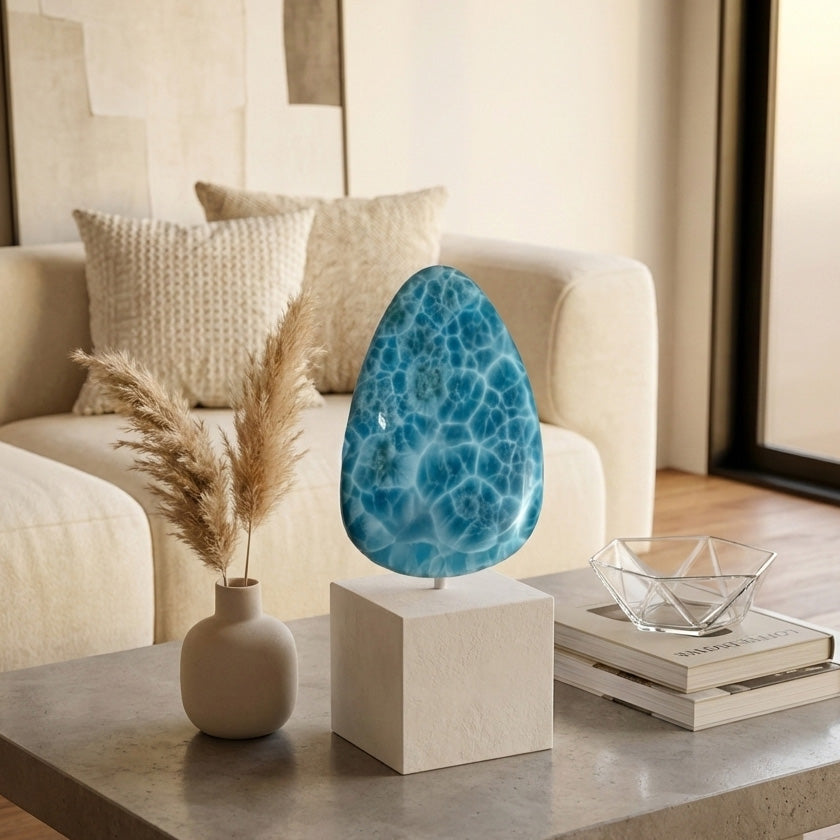
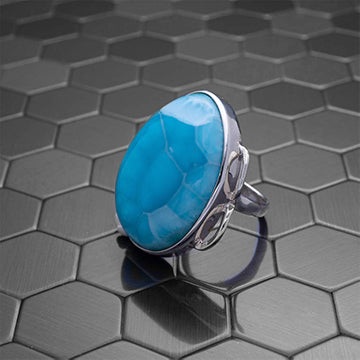
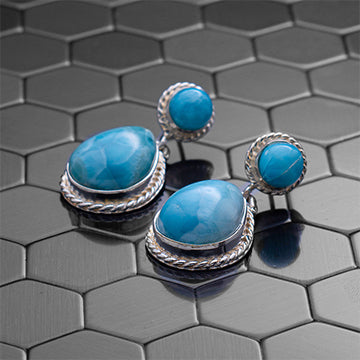
Rare gemstones like larimar offer distinctive blue hues found nowhere else on earth, making them exceptional choices for those seeking unique pieces. The gemstone's natural properties determine not only its appearance but also its suitability for daily wear versus occasional use.
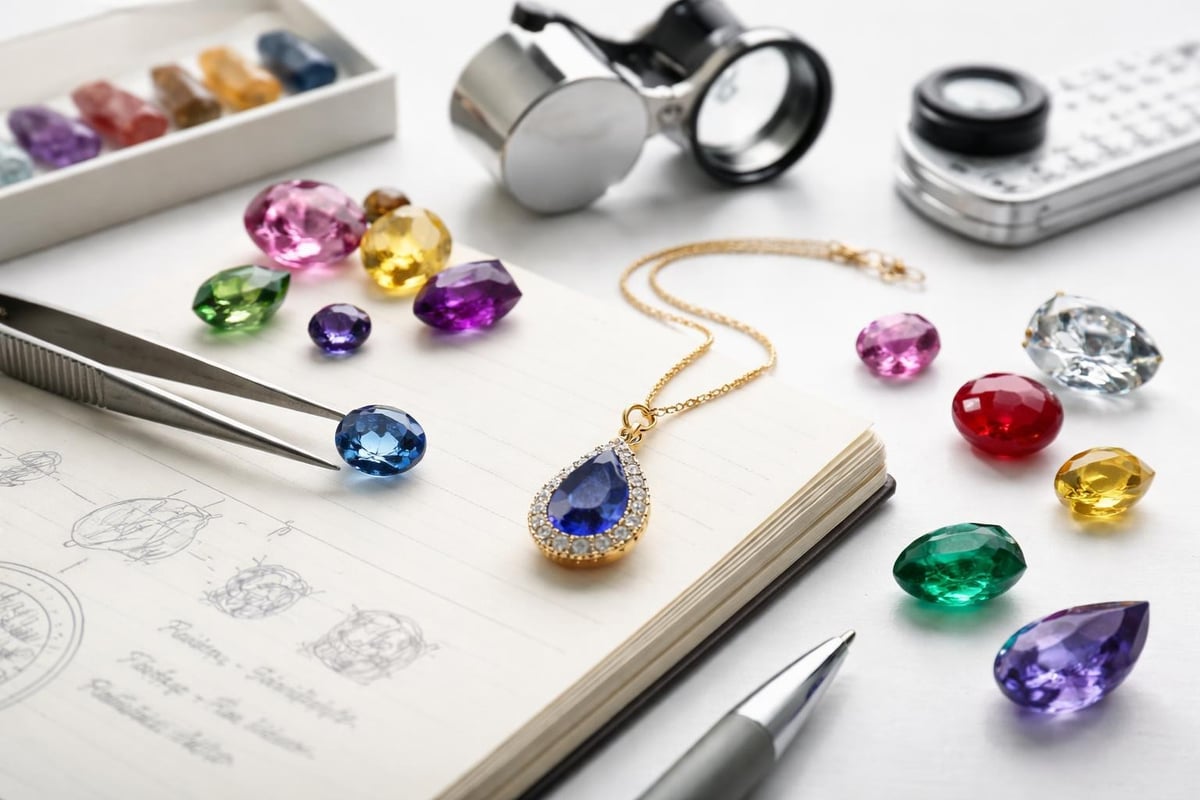
The metal framework holding your stone significantly impacts both aesthetics and security. Different metals offer distinct advantages:
| Metal Type | Characteristics | Best For |
|---|---|---|
| Sterling Silver | Affordable, versatile, complements cool-toned stones | Daily wear, casual elegance |
| Gold (14K-18K) | Durable, warm tones, hypoallergenic | Investment pieces, formal occasions |
| Platinum | Strongest, naturally white, most expensive | Heirloom quality, high-value stones |
| White Gold | Modern appearance, rhodium-plated finish | Contemporary designs, diamond settings |
Understanding various gemstone settings helps you appreciate the craftsmanship behind each design. The prong setting maximizes light exposure, while bezel settings offer superior protection for softer stones.
Fashion evolves, but certain pendant necklace with stone designs remain perpetually relevant. Recognizing different styles helps you select pieces that align with your personal aesthetic and lifestyle needs.
Traditional pendant styles have endured for generations because they balance beauty with wearability. The solitaire pendant features a single stone as the focal point, creating clean lines and understated elegance. Halo designs surround the center stone with smaller accent gems, adding dimension and sparkle. Cluster pendants group multiple stones together for bohemian charm.
Vintage-inspired designs draw from historical periods like Art Deco or Victorian eras, incorporating intricate metalwork and romantic details. These styles appeal to collectors and those who appreciate craftsmanship traditions. According to 2026 jewelry trends, personalized and nature-inspired designs continue gaining popularity throughout 2026.
Contemporary designers embrace simplicity with geometric shapes, asymmetrical arrangements, and negative space. The modern pendant necklace with stone often features:
Minimalist designs work exceptionally well for daily wear, seamlessly transitioning from professional environments to evening events. The understated nature of these pieces allows the gemstone's inherent beauty to shine without competing embellishments.
The chain supporting your pendant necklace with stone dramatically affects how the piece looks and feels when worn. Selecting appropriate length requires understanding body proportions and neckline compatibility.
Different measurements create distinct visual effects:
Consider your torso length and neck dimensions when selecting chain measurements. Petite individuals typically prefer shorter chains, while taller frames accommodate longer lengths gracefully. The pendant size should also scale proportionally with chain length to maintain balanced aesthetics.
Match pendant dimensions to chain length for optimal visual harmony. Small delicate stones (under 10mm) pair well with 16-18 inch chains. Medium pendants (10-20mm) work beautifully on 18-20 inch chains. Large statement pieces (over 20mm) require 20-24 inch chains to avoid overwhelming your frame.
The guide to buying pendant necklaces provides additional insights into these proportion principles. When in doubt, test different combinations to see what flatters your specific build and style preferences.
Different gemstones bring distinct personalities to pendant necklace with stone designs. Understanding individual stone properties helps you select pieces that align with your values and lifestyle requirements.
The traditional "big four" precious stones each offer unique appeal. Diamonds provide unmatched brilliance and durability, making them ideal for everyday wear. Rubies deliver passionate red hues symbolizing love and courage. Sapphires extend beyond blue into pink, yellow, and orange varieties. Emeralds captivate with rich green tones, though their relative softness requires careful handling.
These classic choices command premium prices but offer exceptional longevity and timeless appeal. Investment-grade stones appreciate over time, particularly those with excellent cut, clarity, and provenance documentation.
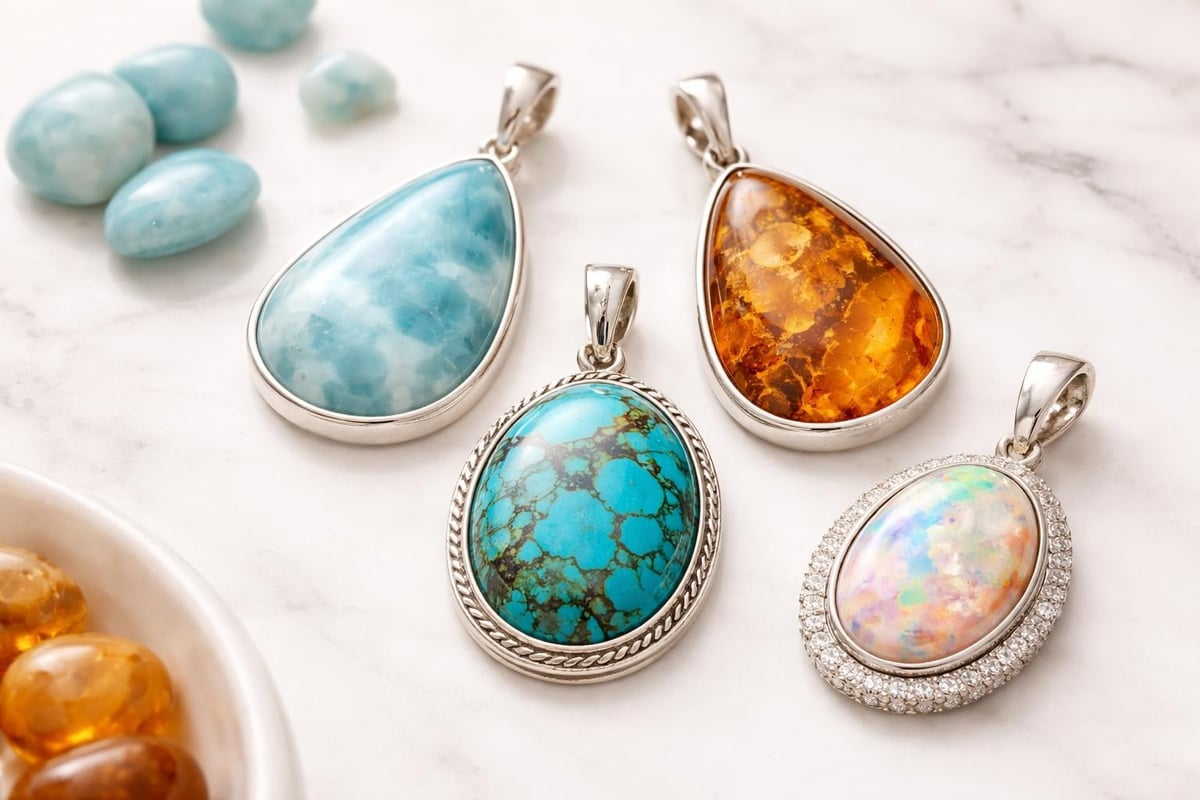
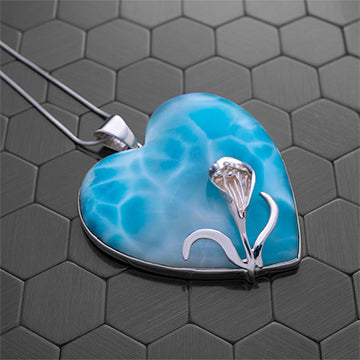
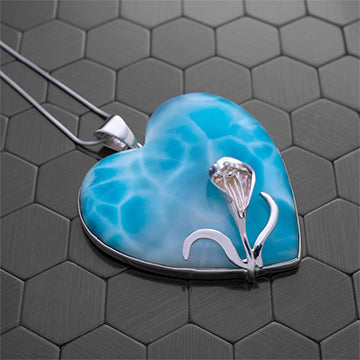
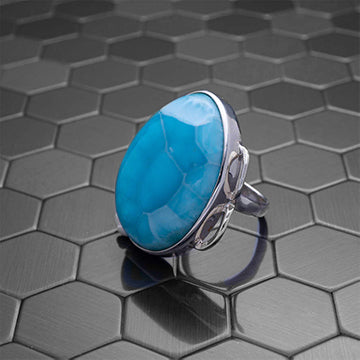
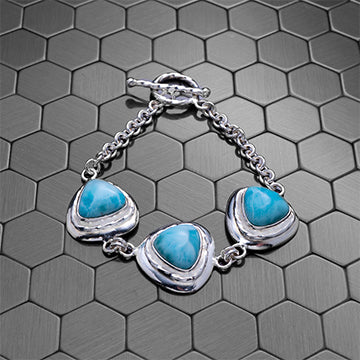
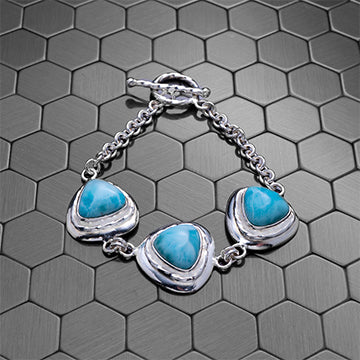
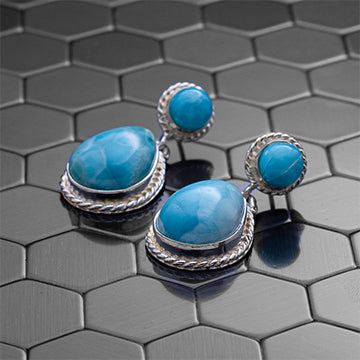
Beyond traditional categories, numerous gemstones offer extraordinary beauty at accessible price points. Larimar pendants showcase rare Caribbean blue tones found exclusively in the Dominican Republic, creating truly one-of-a-kind pieces. This volcanic stone's peaceful aquamarine shades make it ideal for someone special or as a luxurious personal treat, symbolizing love, peace, and calmness.
Other compelling options include:
When exploring unique stones, verify authenticity through reputable sources. Learning to identify genuine larimar versus fake ensures you receive legitimate gemstones worth your investment.
A pendant necklace with stone requires robust construction to protect your gemstone investment. Examining setting quality prevents loss and ensures lasting enjoyment of your jewelry.
Professional jewelers evaluate several structural elements:
| Component | Quality Indicators | Warning Signs |
|---|---|---|
| Prongs | Smooth, evenly spaced, adequate height | Bent, thin, uneven coverage |
| Bezel | Uniform thickness, complete stone coverage | Gaps, warping, loose fit |
| Bail | Reinforced attachment, appropriate size | Weak solder joints, stress cracks |
| Chain clasp | Secure closure mechanism, spring tension | Loose connection, worn components |
Inspect these elements carefully before purchase, and periodically during ownership. Most reputable jewelers offer free inspection services to verify ongoing security.
Quality craftsmanship reveals itself through attention to detail. Examine the back of your pendant necklace with stone for finishing quality. Professional pieces feature smooth surfaces without rough edges or visible solder marks. The stone should sit level within its setting without tilting or gaps.
Check that metal thickness appears consistent throughout the piece. Thin metal indicates cost-cutting measures that compromise durability. Sterling silver pendants should display hallmarks confirming metal purity, while understanding necklace materials helps you appreciate quality construction differences.
Versatility makes the pendant necklace with stone a wardrobe staple, but maximizing its potential requires strategic styling choices that complement both the jewelry and your outfit.
Different necklines showcase pendants distinctively:
Consider the pendant's visual weight against your outfit's formality. Delicate pieces suit professional environments, while bold statement pendants elevate casual ensembles. The goal involves creating balance between your jewelry and clothing rather than competition for attention.
Contemporary styling embraces wearing multiple necklaces simultaneously. When layering with a pendant necklace with stone:
Start with your pendant necklace with stone as the foundation, then add simpler chains above and below. This approach ensures your featured piece remains the focal point while creating dimensional interest.
Preserving your pendant necklace with stone's beauty requires understanding proper care techniques specific to both the gemstone and metal components.
Protect your investment through mindful wearing habits. Apply perfume, hairspray, and cosmetics before donning jewelry to minimize chemical exposure. Remove pendants before swimming, exercising, or cleaning to prevent damage from chlorine, sweat, and harsh chemicals. Store pieces separately in soft pouches to prevent scratching.
Different stones demand varying care levels. Harder stones like diamonds and sapphires withstand daily wear better than softer gems like opals or pearls. Research your specific gemstone's requirements to ensure appropriate handling.
| Material | Safe Cleaning Method | Avoid |
|---|---|---|
| Diamond | Warm water, mild soap, soft brush | Harsh chemicals, ultrasonic if included |
| Emerald | Lukewarm water, gentle cloth | Hot water, ultrasonic, steam |
| Opal | Damp cloth only | Water immersion, chemicals, heat |
| Larimar | Mild soap solution, soft cloth | Harsh chemicals, prolonged water exposure |
| Sterling Silver | Silver polishing cloth, gentle cleaner | Abrasive materials, bleach |
Professional cleaning services provide deep cleaning without risking damage. Schedule annual inspections to verify setting security and address any maintenance needs. The benefits of proper care extend your jewelry's lifespan significantly.
A pendant necklace with stone represents both aesthetic and financial investment. Understanding value factors and authentication processes protects your purchase.
Multiple factors influence pendant worth beyond initial cost. Gemstone rarity, quality grades (cut, clarity, color, carat), metal purity, and craftsmanship all contribute to overall value. Designer pieces or historical significance add premiums. Market demand for specific stones fluctuates, affecting resale potential.
Request certification for high-value stones from recognized gemological laboratories. These documents verify authenticity and quality grades, essential for insurance purposes and future resale. Keep original receipts, appraisals, and care instructions together in secure storage.
Authentic pendant necklace with stone pieces display consistent quality markers. Examine stones under magnification for natural inclusions versus manufactured perfection suggesting synthetic origin. Verify metal stamps confirming stated purity (925 for sterling silver, 14K or 18K for gold). Professional finishing shows no sharp edges, complete polish, and uniform construction.
Be cautious of prices significantly below market rates, which often indicate synthetic stones, plated metals, or poor craftsmanship. Reputable jewelers provide detailed information about materials, origins, and manufacturing processes. The historical significance of stone-set jewelry, including rivière necklaces, demonstrates centuries of evolving craftsmanship standards.
Creating a unique pendant necklace with stone allows you to express individual style while ensuring perfect fit and meaningful symbolism.
Work with skilled jewelers to bring personal visions to life. Select your preferred gemstone based on color preference, birthstone significance, or metaphysical properties. Choose metal type and finish complementing your skin tone and existing jewelry collection. Determine pendant shape, from classic round to modern geometric forms.
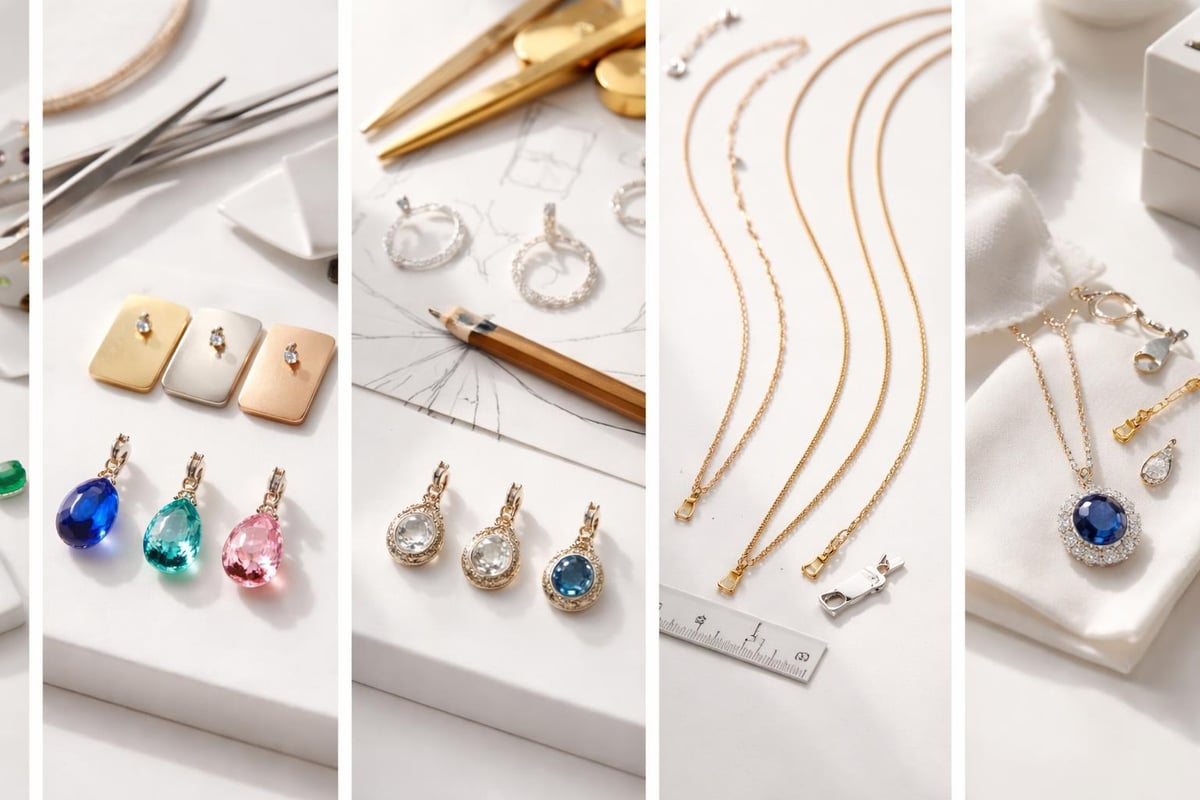
Consider incorporating meaningful elements like initials, birth dates, or symbolic motifs into the metalwork. These personal touches transform standard jewelry into heirloom pieces carrying emotional significance. Custom work typically requires 4-8 weeks but results in truly one-of-a-kind creations.
Transform inherited gemstones into contemporary pendant necklace with stone designs honoring family history while matching modern aesthetics. Many jewelers specialize in resetting vintage stones, preserving sentimental value within updated frameworks. This approach offers environmental sustainability by reusing existing materials rather than mining new resources.
Evaluate inherited stones for quality and durability before redesigning. Some antique cuts benefit from repolishing to enhance brilliance, while others maintain historical integrity through original faceting. Professional gemologists assess stones, recommending optimal setting styles protecting the gem while showcasing its beauty.
Beyond aesthetic appeal, a pendant necklace with stone carries deep symbolic significance making it ideal for commemorating special occasions and expressing heartfelt sentiments.
Monthly birthstones create personalized connections between wearer and jewelry. January garnets symbolize protection, while April diamonds represent eternal love. September sapphires denote wisdom, and December tanzanites embody transformation. Gifting birthstone pendants demonstrates thoughtfulness and personal consideration.
Alternative birthstone systems include zodiac stones, anniversary gems, and healing crystals. These varied traditions allow multiple meaningful interpretations for the same piece, deepening its significance over time.
Different life events call for particular pendant necklace with stone styles:
The thoughtfulness behind stone selection often matters more than monetary value. A carefully chosen pendant reflecting the recipient's personality, interests, or life journey creates lasting emotional impact.
Modern consumers increasingly prioritize ethical sourcing and environmental responsibility when purchasing a pendant necklace with stone. Understanding these considerations aligns purchases with personal values.
Ethical gemstone procurement ensures fair labor practices, environmental protection, and community benefit. Look for jewelers providing transparent supply chain information, including mine locations and working conditions. Certifications like Fairmined gold or conflict-free diamonds verify ethical compliance.
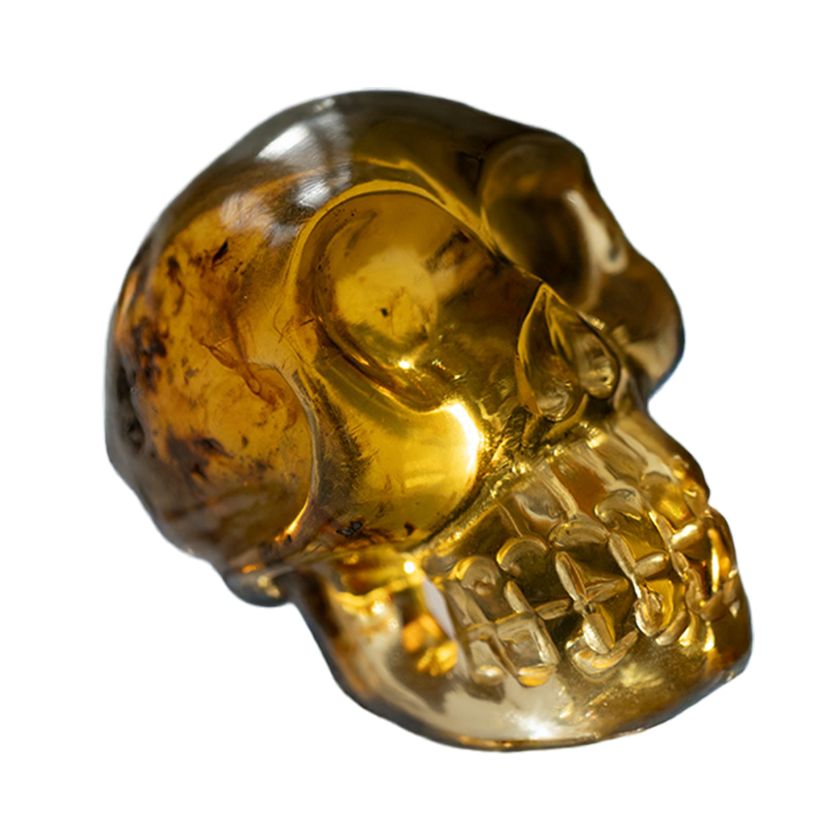
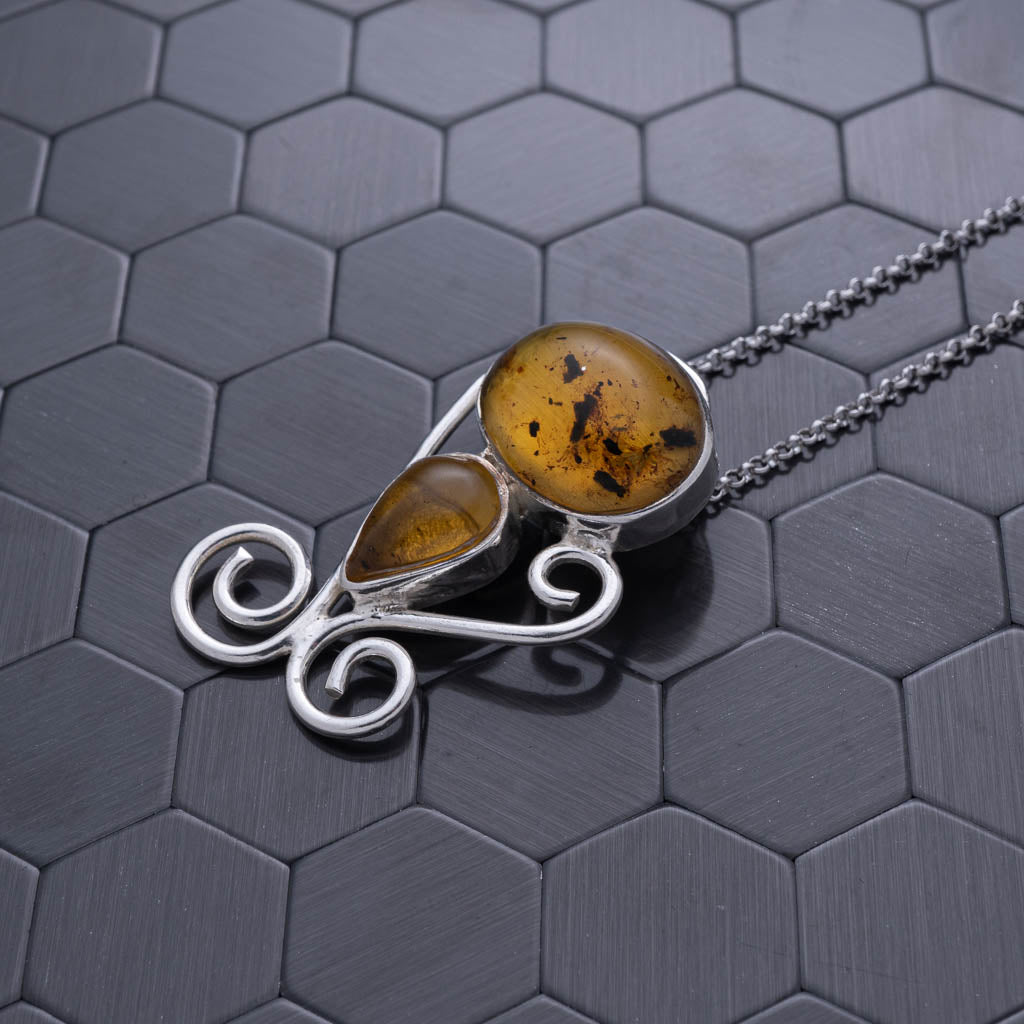
Domestic and small-scale mining operations often maintain higher environmental and social standards than industrial operations. Supporting these sources promotes sustainable practices while obtaining unique stones. Dominican larimar and amber exemplify regionally-specific gems with traceable origins and community economic benefits.
Environmental consciousness drives interest in recycled metals and laboratory-grown gemstones. Recycled precious metals offer identical quality to newly mined materials while reducing environmental impact. Lab-created stones display the same chemical, physical, and optical properties as natural gems at lower costs and environmental footprints.
These alternatives suit budget-conscious buyers and environmentally-focused consumers. However, natural gemstones retain stronger investment value and historical significance. Choose based on personal priorities regarding authenticity, sustainability, and financial considerations.
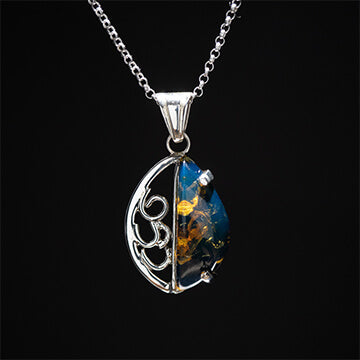
Selecting the perfect pendant necklace with stone involves balancing aesthetic preferences, quality considerations, and practical factors that ensure lasting satisfaction with your jewelry investment. From understanding gemstone characteristics and setting security to proper care and meaningful symbolism, each element contributes to finding pieces that resonate personally while meeting durability standards. Larimar Creations specializes in handcrafted pendant necklaces featuring rare larimar and Dominican blue amber, offering authentic gemstones with worldwide shipping to help you discover that perfect piece combining exceptional beauty with meaningful significance.