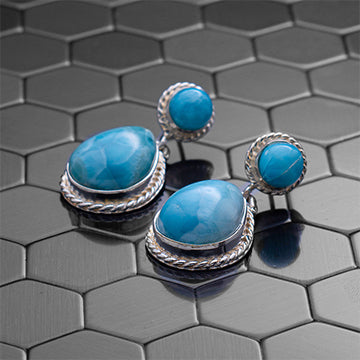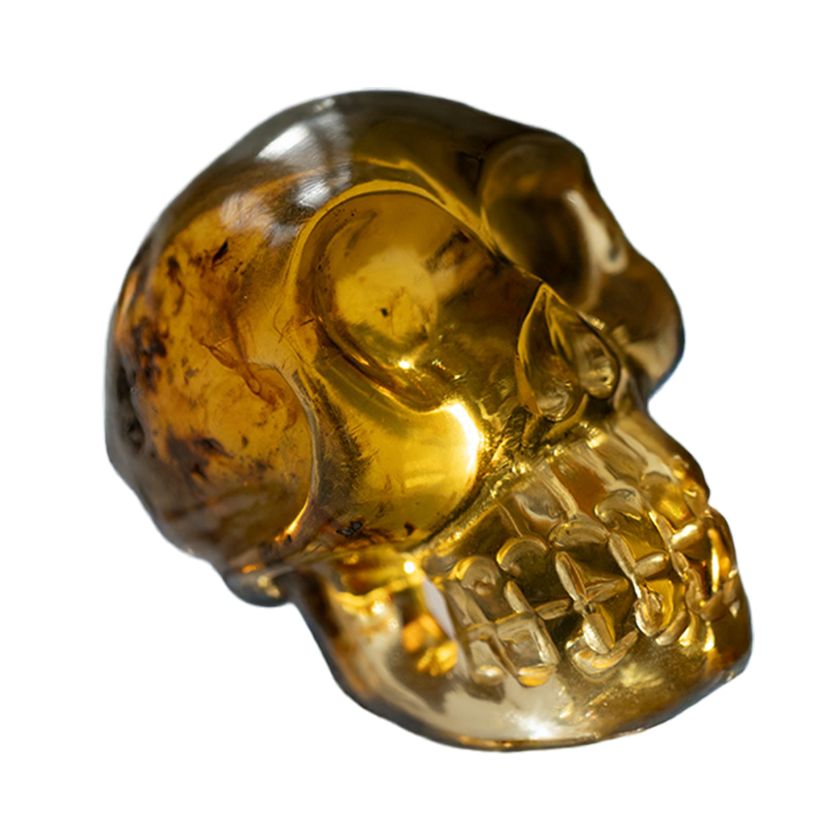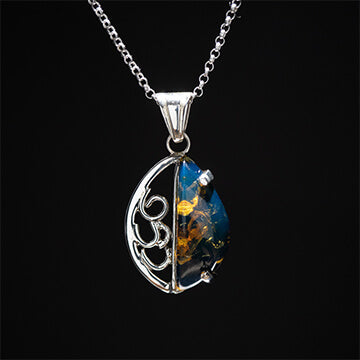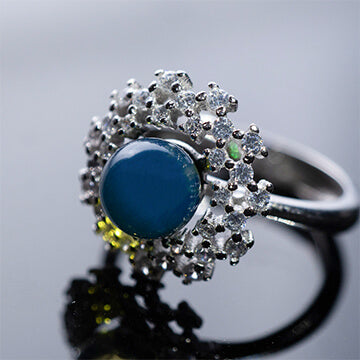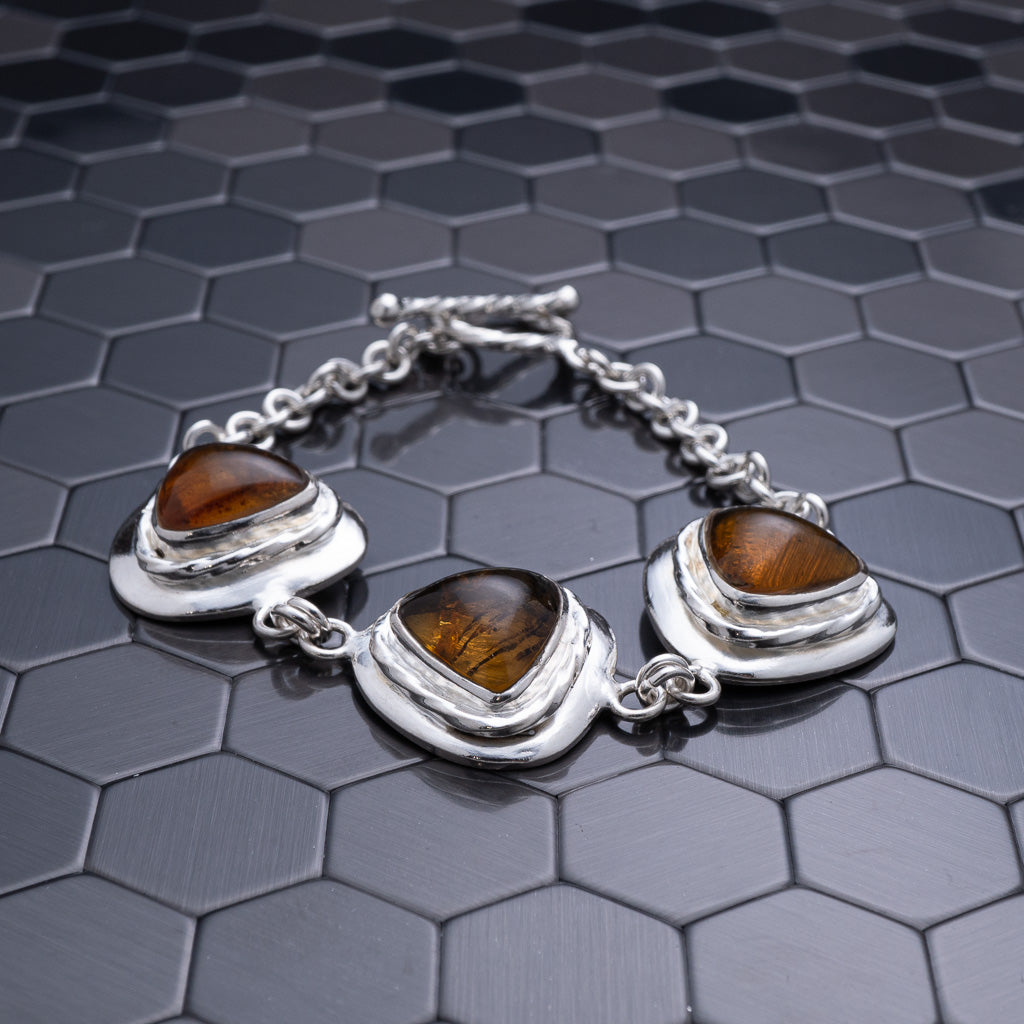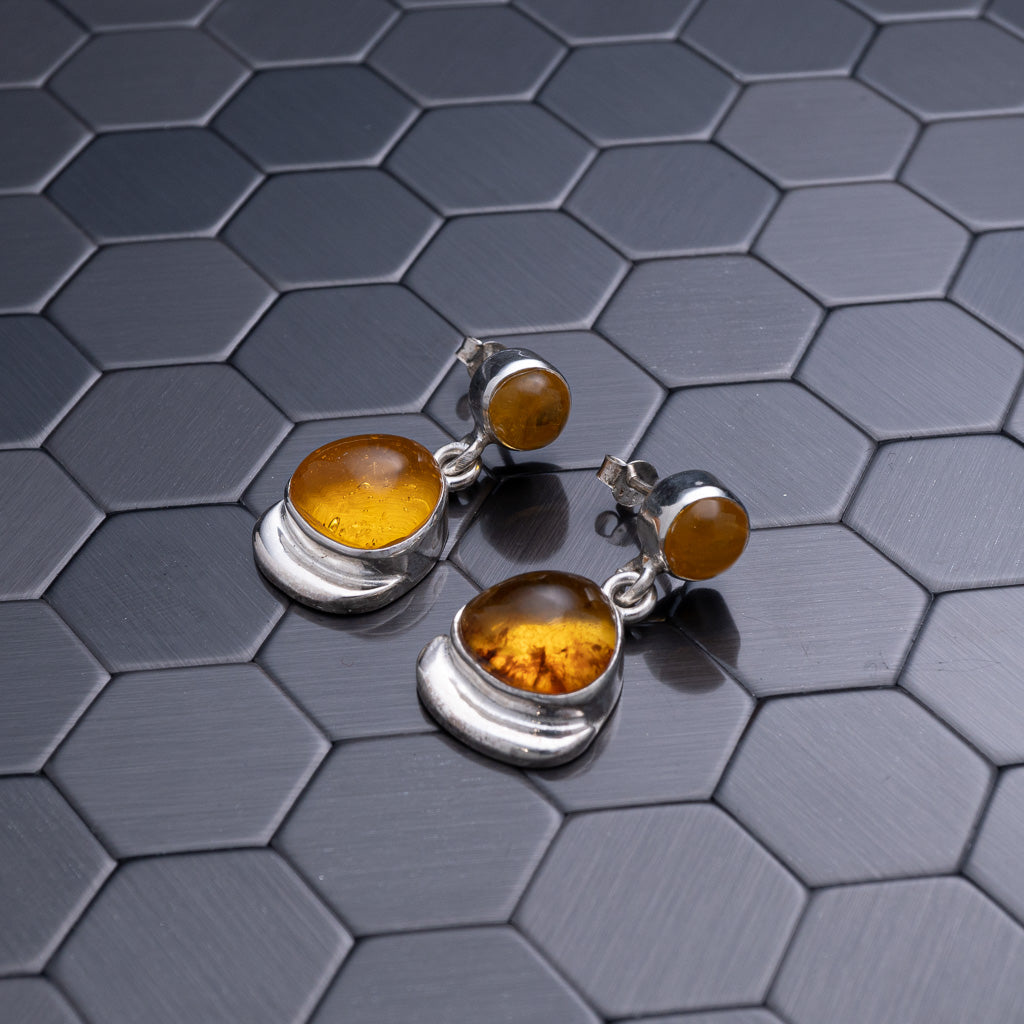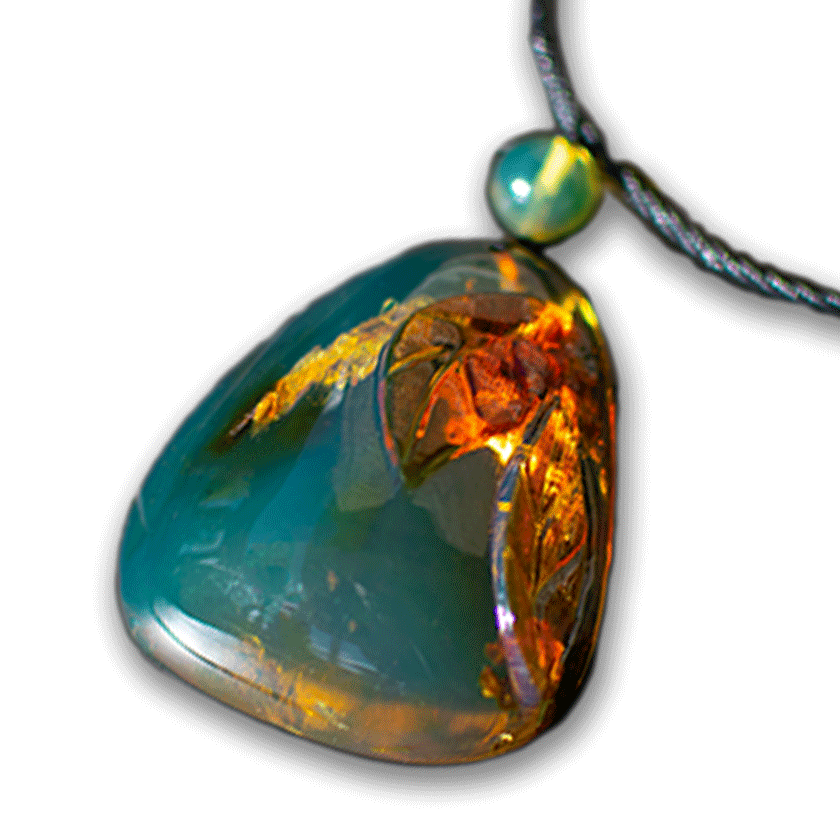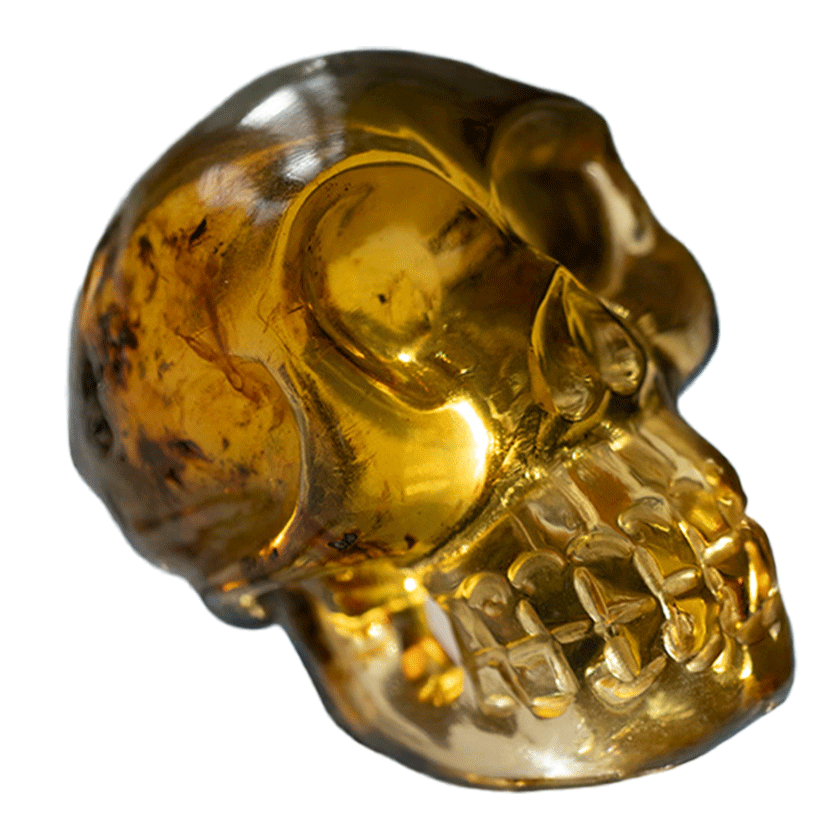


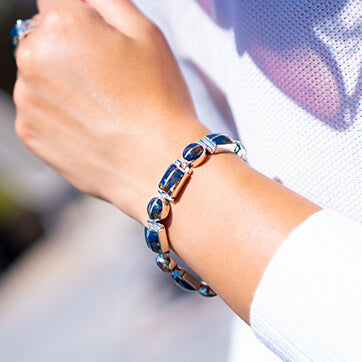
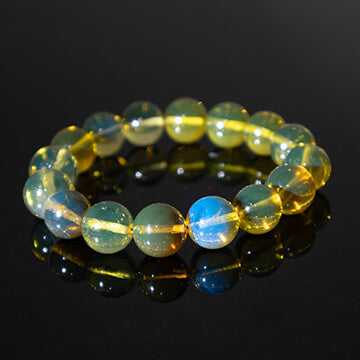
Handcrafted in DR.

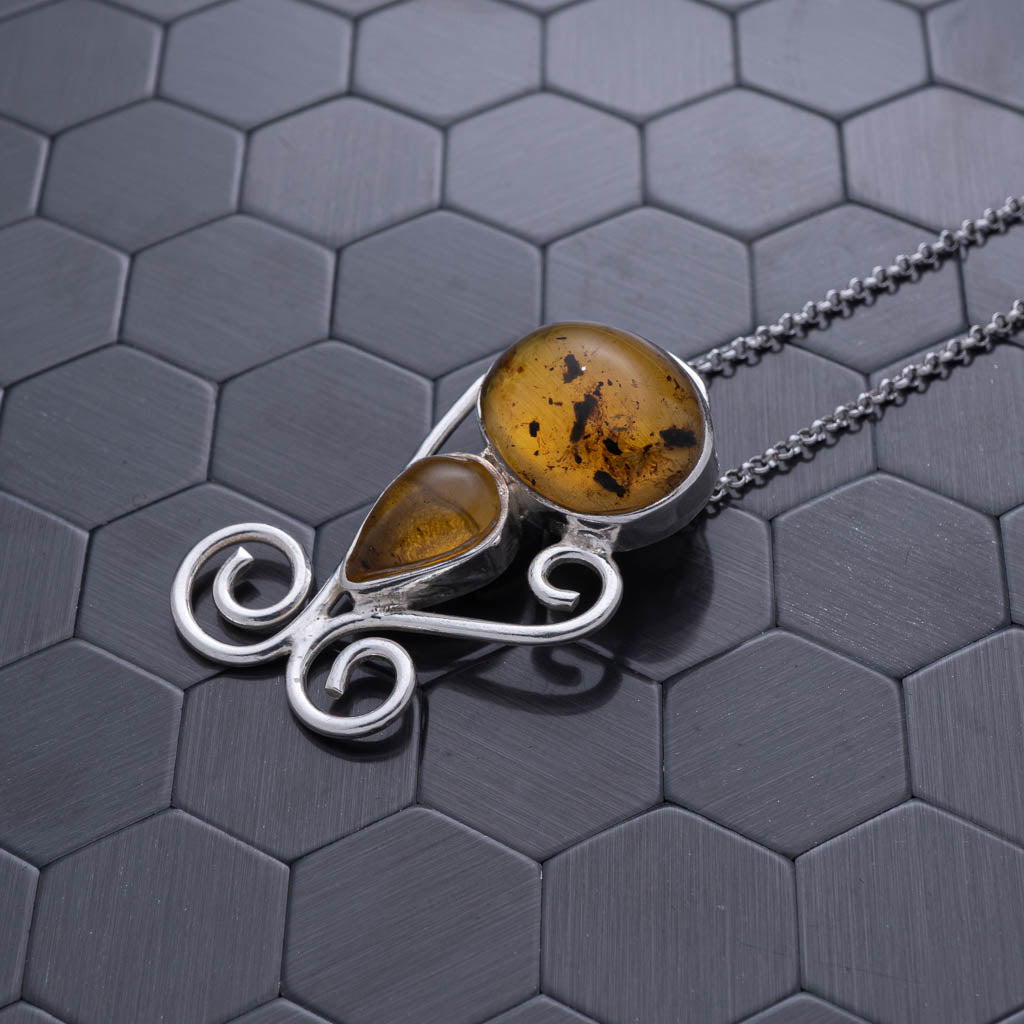
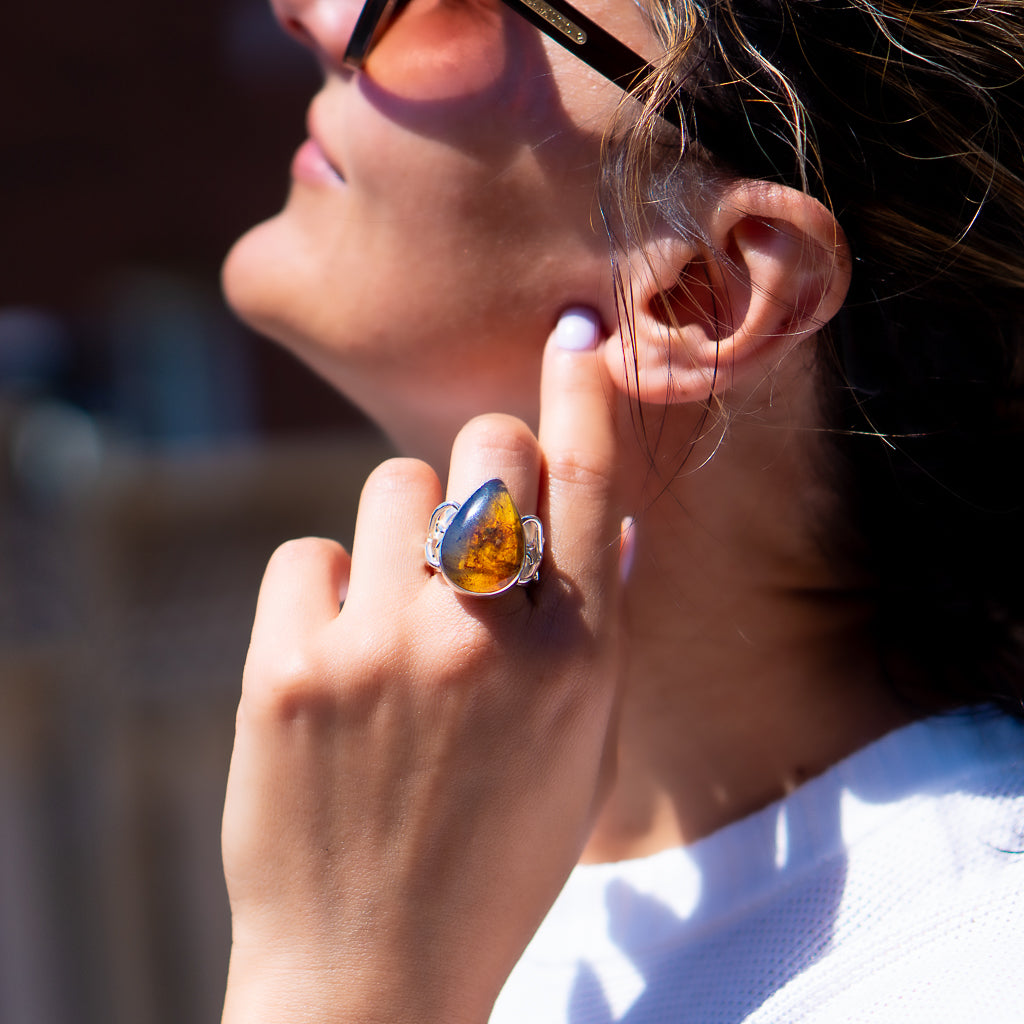
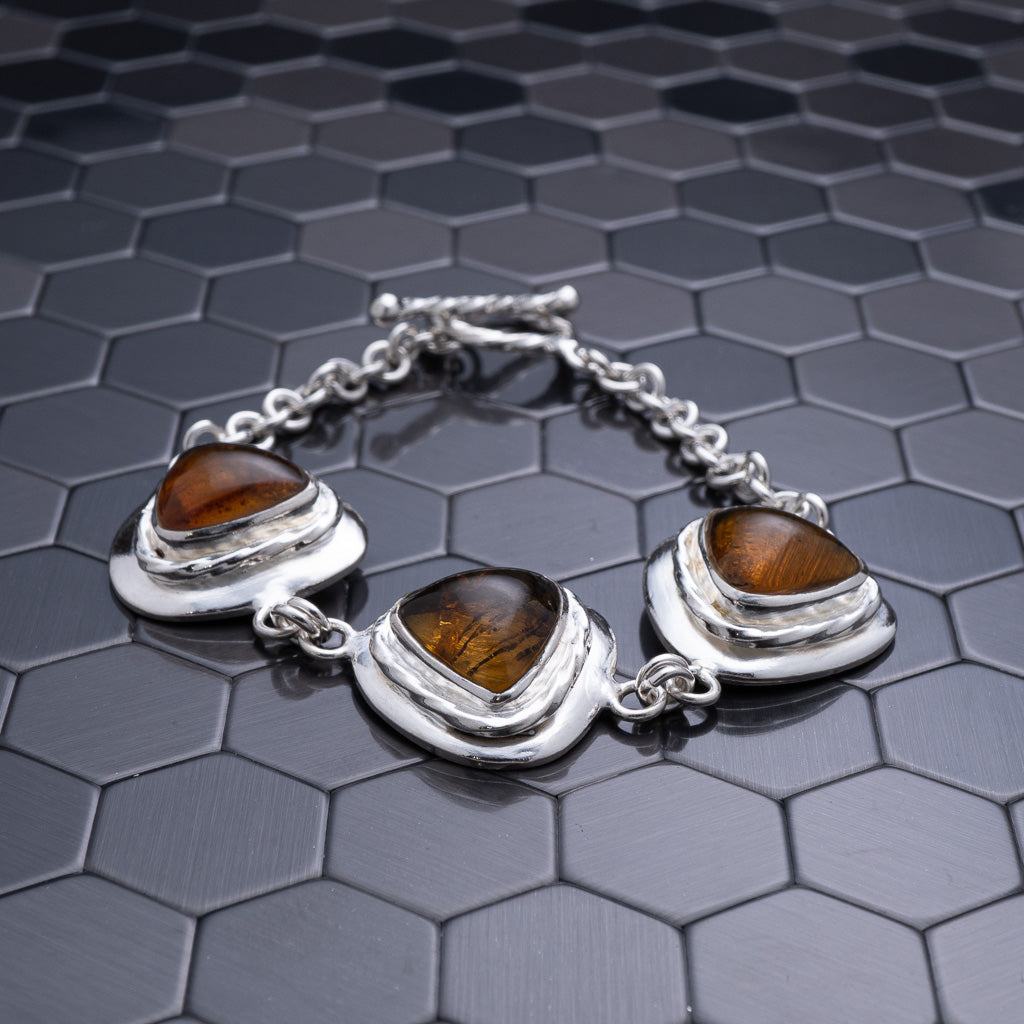
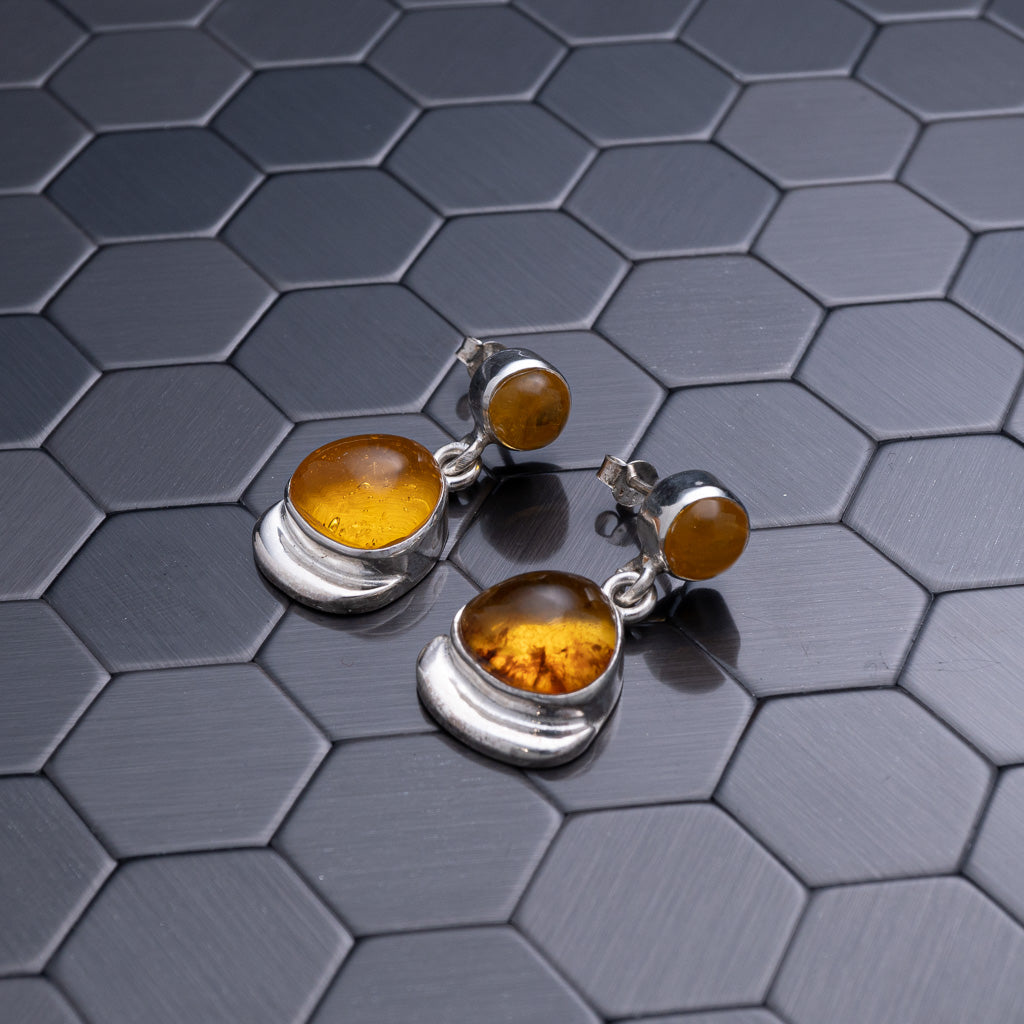


100% Handcrafted in DR.

Sterling silver for jewelry has maintained its position as one of the most trusted and versatile precious metals in the jewelry industry for centuries. This enduring popularity stems from its unique combination of beauty, durability, and accessibility, making it the perfect choice for showcasing rare gemstones like Larimar and Dominican Blue Amber. Understanding what makes sterling silver special helps both jewelry makers and collectors appreciate the craftsmanship behind each piece and make informed decisions when investing in quality jewelry.
The term "sterling silver for jewelry" refers to a specific alloy composition that has been standardized across the jewelry industry. True sterling silver contains precisely 92.5% pure silver mixed with 7.5% other metals, typically copper. This ratio isn't arbitrary but represents the optimal balance between the malleability of pure silver and the strength needed for durable jewelry pieces.
Pure silver, while beautiful, is too soft for practical jewelry applications. It bends easily, scratches readily, and cannot hold gemstone settings securely over time. By adding copper and occasionally other metals like zinc or nickel, jewelers create an alloy that maintains silver's lustrous appearance while dramatically improving its structural integrity.
When examining sterling silver for jewelry, you'll encounter the "925" stamp or hallmark. This mark serves as a guarantee of quality and authenticity, certifying that the piece contains the required 92.5% silver content. In the United States and most international markets, this hallmark is legally required for items marketed as sterling silver.
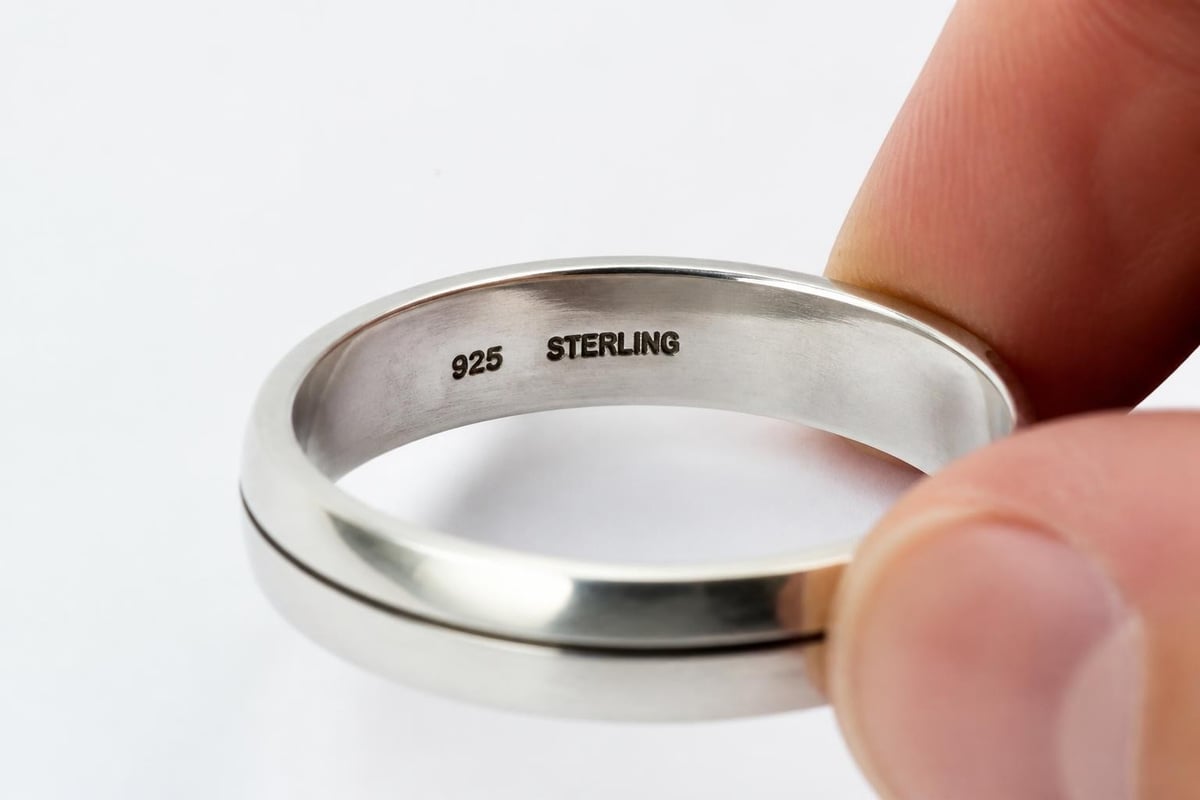
Quality manufacturers place these marks in discreet locations that don't detract from the jewelry's aesthetic appeal. Common placement areas include:
Understanding these 925 sterling silver jewelry standards helps consumers verify authenticity before making a purchase.
Sterling silver for jewelry offers numerous advantages that explain its widespread adoption among artisans and consumers alike. These benefits extend beyond mere aesthetics, encompassing practical considerations that impact long-term satisfaction and value retention.
The copper content in sterling silver significantly enhances its durability compared to pure silver. This increased hardness allows jewelers to create intricate designs that maintain their shape and detail over years of wear. Settings crafted from sterling silver can securely hold gemstones through daily activities without the constant risk of prongs bending or breaking.
Key durability features include:
Most people can wear sterling silver for jewelry without experiencing allergic reactions. The high silver content makes it naturally hypoallergenic for the majority of wearers. However, individuals with extreme nickel sensitivities should note that some sterling silver alloys may contain trace amounts of nickel, though this is increasingly rare as manufacturers shift toward nickel-free formulations.
Sterling silver bridges the gap between affordability and luxury. It costs significantly less than platinum or gold while still delivering a precious metal's prestige and quality. This accessibility allows jewelry makers to invest more resources in exceptional gemstones, creating pieces where rare materials like Larimar can truly shine as the focal point.
| Characteristic | Sterling Silver | Pure Silver | Gold (14k) |
|---|---|---|---|
| Durability | Excellent | Poor | Very Good |
| Tarnish Resistance | Moderate | Low | High |
| Price Point | Moderate | High | Very High |
| Workability | Excellent | Excellent | Good |
Jewelers particularly value sterling silver for jewelry because of its exceptional workability. The metal can be manipulated through various techniques while maintaining its structural integrity, making it ideal for showcasing unique gemstones that require custom settings.
Sterling silver responds beautifully to traditional metalworking methods. Artisans can hammer, forge, solder, and shape it into virtually any design. This versatility allows for both traditional and contemporary styling approaches. The metal's melting point of approximately 1,640°F (893°C) makes it manageable for studio jewelers without requiring industrial equipment.
When crafting settings for delicate gemstones, sterling silver's moderate hardness provides security without requiring excessive metal bulk. Prong settings, bezel settings, and channel settings all perform reliably in sterling silver, protecting valuable stones while enhancing their visual appeal.
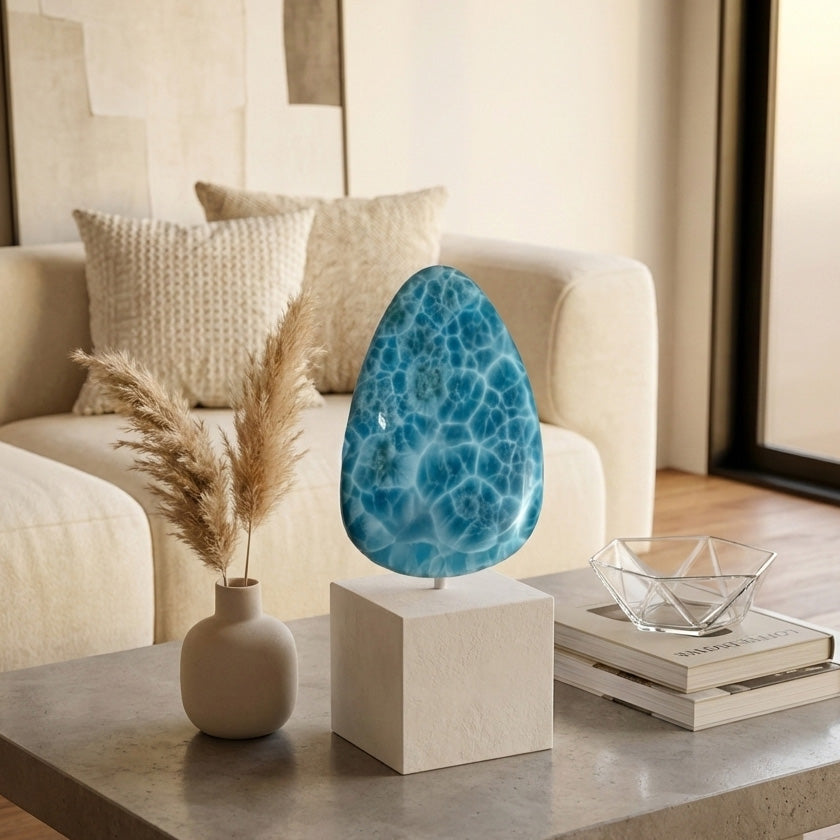
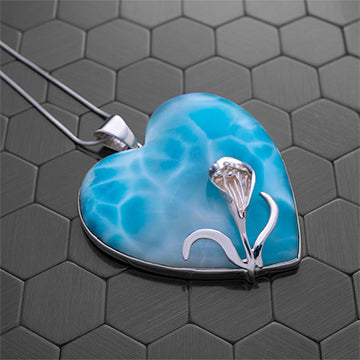
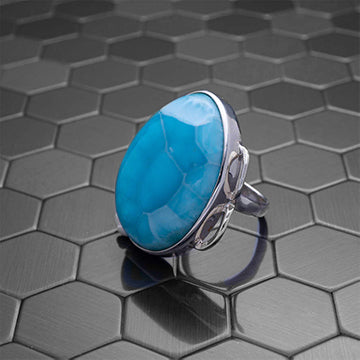
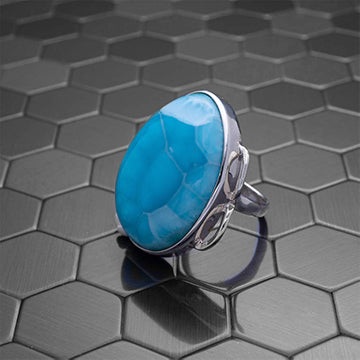
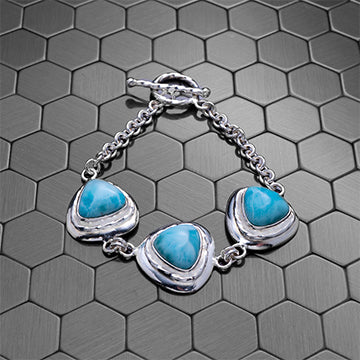
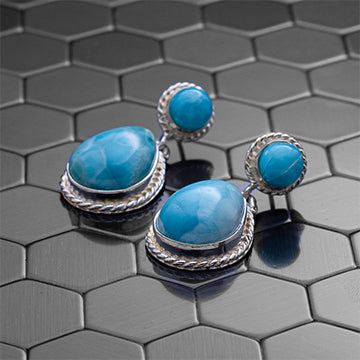
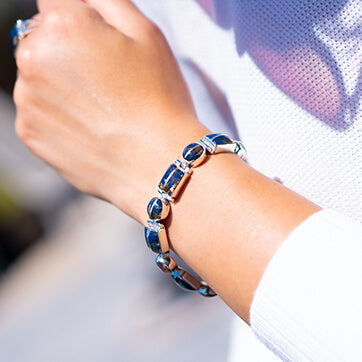
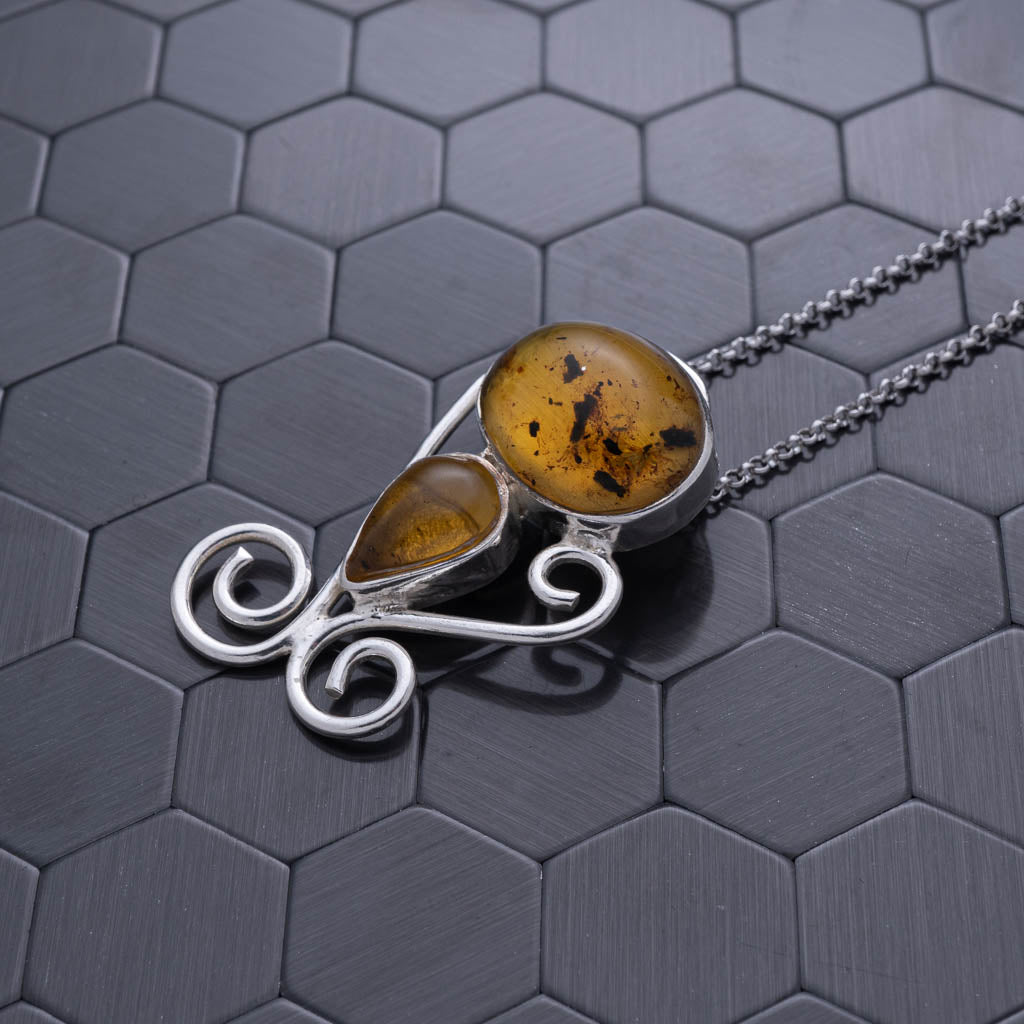
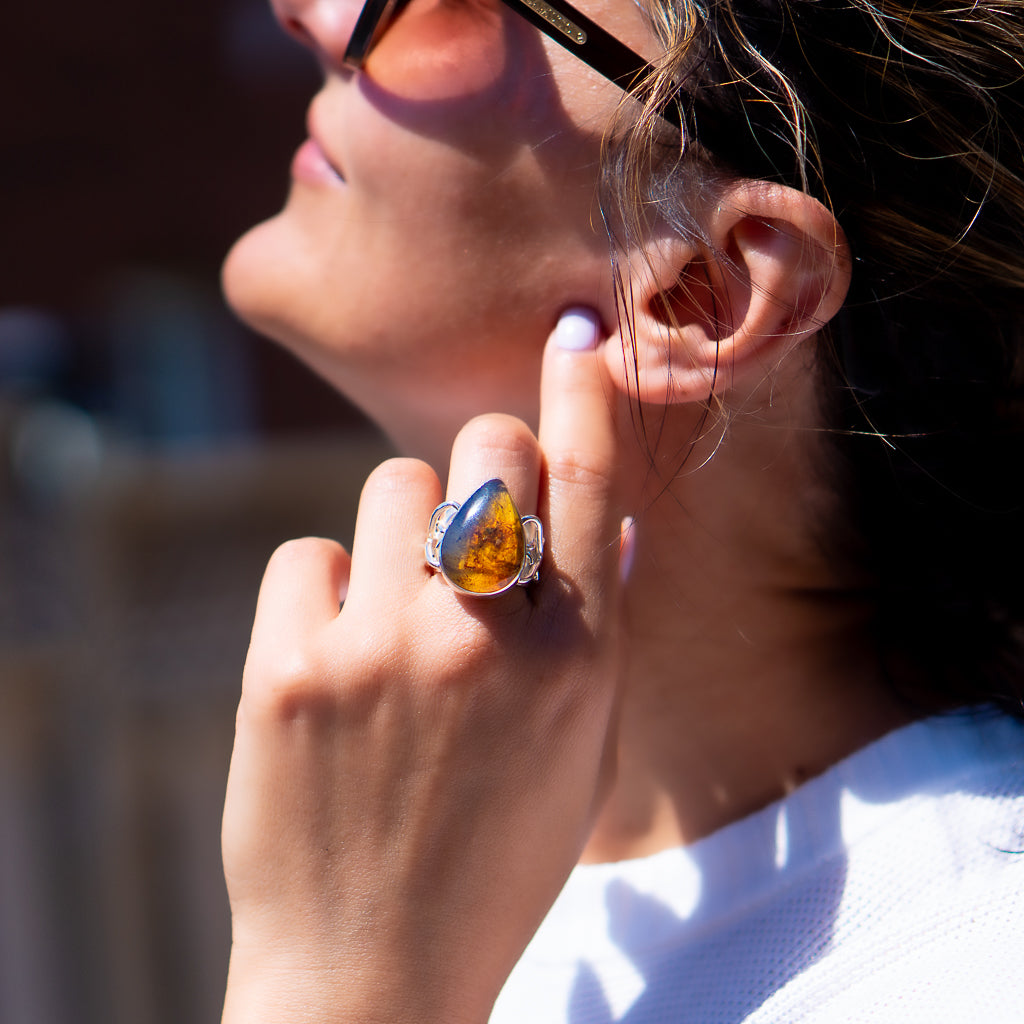
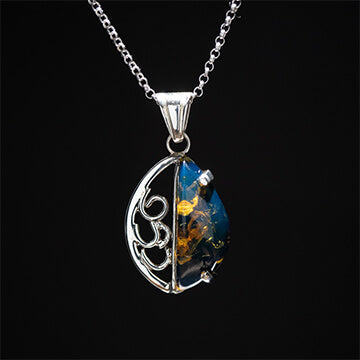
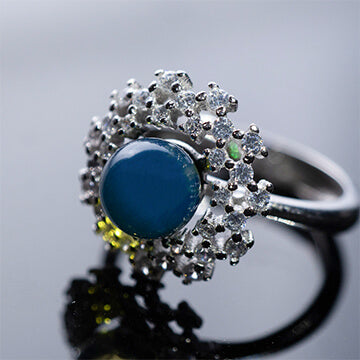
The cool, bright tone of sterling silver for jewelry creates an exceptional pairing with Larimar's distinctive Caribbean blue hues. The metal's neutral silvery-white color doesn't compete with the gemstone but rather amplifies its natural beauty. This complementary relationship explains why quality Larimar pendants typically feature sterling silver settings that allow the rare volcanic stone to command attention.
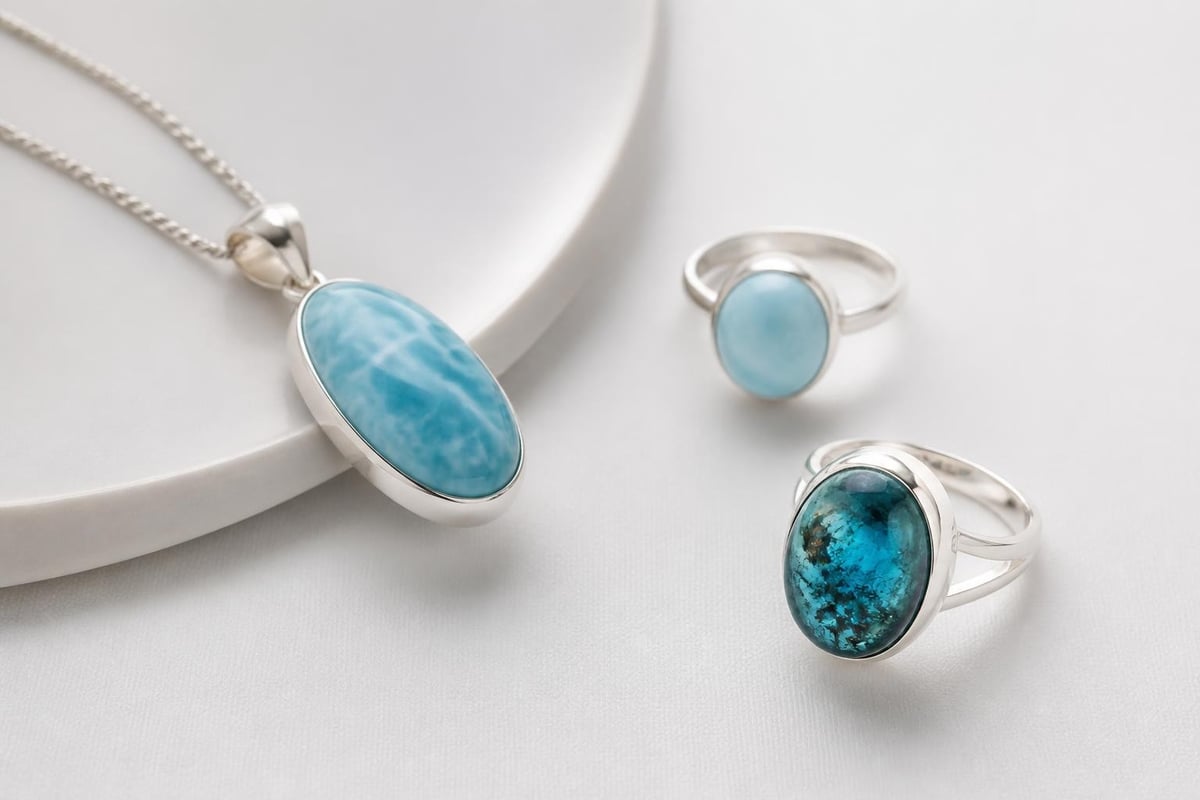
The metal's ability to take various finishes adds another dimension to design possibilities:
Proper care ensures that sterling silver for jewelry maintains its beauty for generations. Unlike some precious metals, sterling silver requires regular attention to prevent tarnishing and preserve its lustrous appearance. Understanding the science behind tarnish formation helps jewelry owners implement effective maintenance routines.
Sterling silver tarnishes when it reacts with sulfur compounds present in air, water, and various materials. This chemical reaction creates silver sulfide, which appears as a yellowish or blackish discoloration on the metal's surface. The rate of tarnishing varies based on environmental factors including humidity, air quality, and exposure to certain chemicals.
Items stored in high-humidity environments or frequently exposed to household chemicals tarnish more rapidly than pieces kept in controlled conditions. Interestingly, jewelry worn regularly often tarnishes more slowly than stored pieces because the gentle friction of daily wear continually polishes the surface.
Essential maintenance steps include:
When cleaning sterling silver for jewelry, gentle approaches preserve the metal's integrity while removing tarnish. A soft polishing cloth works well for routine maintenance, removing light tarnish through gentle buffing. For heavier tarnish, specialized silver cleaning solutions effectively restore shine without damaging the metal or any gemstone settings.
Safe cleaning protocol:
Avoid ultrasonic cleaners unless you're certain they're safe for any gemstones in the piece. Some stones, particularly those with inclusions or fractures, can be damaged by the vibrations these devices generate.
Discerning buyers need to recognize authentic, well-crafted sterling silver for jewelry to avoid inferior products. Several quality markers distinguish professionally crafted pieces from mass-produced or counterfeit items.
Beyond simply finding a 925 stamp, examine the hallmark's quality. Legitimate marks appear crisp and professionally applied, not fuzzy or shallow. Counterfeit pieces sometimes feature poorly struck or inconsistent hallmarks that indicate questionable authenticity.
Quality sterling silver for jewelry possesses substantial weight appropriate to its size. Pieces that feel unexpectedly light may contain hollow construction or use thinner metal than appropriate for durability. While hollow construction isn't inherently problematic for certain designs, buyers should understand what they're purchasing.
Examine solder joints, clasps, and connection points carefully. Professional jewelers create clean, nearly invisible solder seams. Obvious lumps, gaps, or discolored areas around joins suggest lower-quality craftsmanship that may affect longevity.
| Quality Marker | High-Quality Indicator | Red Flag |
|---|---|---|
| Hallmark | Clear 925 or sterling stamp | No mark or illegible stamp |
| Weight | Substantial for size | Unexpectedly light |
| Finish | Even, consistent | Pits, rough spots |
| Joints | Invisible seams | Obvious solder lumps |
| Price | Fair for materials/work | Suspiciously cheap |
Inspect the metal's surface under good lighting. Quality pieces display even finishing with no pits, scratches, or irregularities unless intentionally textured. When examining Larimar jewelry or pieces featuring other gemstones, verify that settings hold stones securely with appropriate prong work or bezel construction.
Understanding how sterling silver for jewelry compares to other silver alloys helps consumers make informed choices. Several alternative silver compositions exist, each with distinct characteristics and appropriate applications.
Fine silver contains 99.9% pure silver with minimal alloy content. While exceptionally pure and tarnish-resistant, its extreme softness limits jewelry applications. Fine silver works well for clay metal techniques or wire wrapping but lacks the durability required for ring bands or active-wear pieces.
This modern alloy replaces some copper content with germanium, creating sterling silver that resists tarnish more effectively than traditional formulations. Argentium silver qualifies as sterling (containing 92.5% silver) but offers enhanced tarnish resistance while maintaining workability. The higher price point reflects these performance improvements.
Historically used for coinage, this alloy contains 90% silver and 10% copper. It's harder than sterling but less common in contemporary jewelry. Some vintage pieces feature coin silver, particularly American jewelry from the 19th and early 20th centuries.
Comparison of common silver alloys:
Modern consumers increasingly consider the sourcing and environmental impact of sterling silver for jewelry. Responsible manufacturers address these concerns through transparent supply chains and sustainable practices.
The jewelry industry has embraced recycled sterling silver as an environmentally conscious alternative to newly mined metal. Silver is infinitely recyclable without quality degradation, making recycled sterling identical in composition and performance to newly refined material. Many artisan jewelers specifically seek recycled silver to minimize their environmental footprint.
Using recycled sterling silver for jewelry reduces mining impacts, including habitat disruption, water consumption, and energy use associated with ore extraction and processing. The recycling process requires significantly less energy than primary production while maintaining the same purity standards.
Responsible jewelers verify that their sterling silver suppliers follow ethical mining practices. This includes fair labor conditions, environmental protections, and community benefit programs in mining regions. Third-party certifications like the Responsible Jewelry Council help consumers identify brands committed to ethical sourcing.
Sterling silver for jewelry continues evolving with contemporary design trends while honoring traditional techniques. Current movements reflect broader shifts in fashion and consumer preferences toward both minimalism and statement pieces.
Clean lines, geometric shapes, and understated elegance characterize minimalist sterling silver designs. These pieces emphasize metal quality and craftsmanship over elaborate decoration. Brushed or matte finishes complement this aesthetic, creating sophisticated pieces suitable for professional and casual settings.
Contemporary designers increasingly combine sterling silver with other metals like gold, copper, or bronze. These mixed-metal pieces create visual interest through color contrast while maintaining sterling silver as the primary structural component. The technique allows for creative expression while keeping costs reasonable compared to all-gold alternatives.
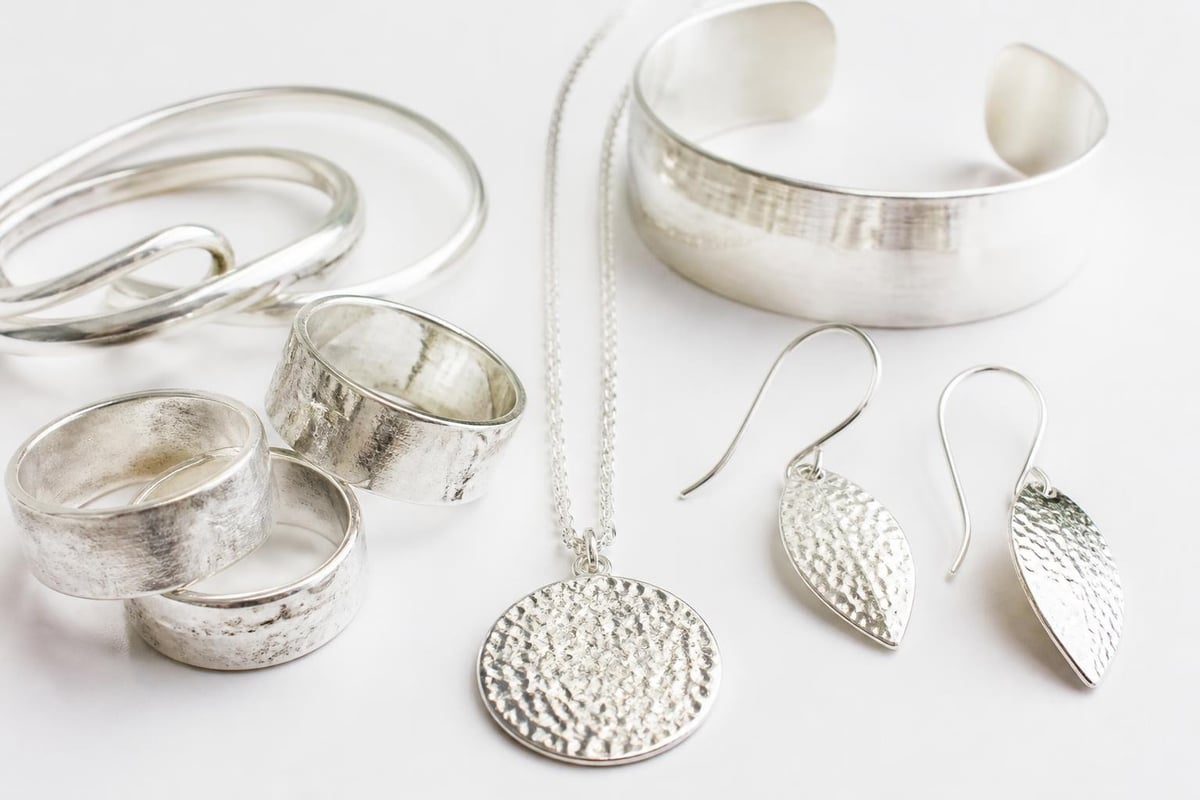
Hammered, forged, and nature-inspired textures bring artisanal character to sterling silver for jewelry. These techniques highlight the metal's workability and create unique pieces that celebrate handcrafted authenticity. Organic forms pair particularly well with natural gemstones, creating cohesive designs that emphasize natural beauty.
Popular texturing techniques include:
The source and production method significantly impact sterling silver for jewelry quality and value. Understanding differences between mass-produced and artisan-crafted pieces helps buyers select items matching their priorities and budget.
Commercial manufacturers produce sterling silver jewelry through casting, stamping, and automated assembly processes. These methods achieve consistency and affordability but typically sacrifice uniqueness and fine detail. Quality varies widely among commercial producers, with some maintaining excellent standards while others prioritize cost reduction over craftsmanship.
Independent jewelers and small studios create sterling silver pieces through hands-on fabrication techniques. Each item receives individual attention, resulting in subtle variations that confirm handmade authenticity. Artisan jewelers often specialize in particular techniques or styles, developing distinctive aesthetics that differentiate their work from mass-market alternatives.
When examining handcrafted jewelry collections, you'll notice superior finishing, customization options, and the ability to request modifications that commercial manufacturers cannot accommodate. The personal connection with makers and the story behind each piece adds intangible value beyond the material components.
While sterling silver for jewelry isn't primarily purchased as a financial investment like bullion, quality pieces retain value and provide lasting enjoyment. Several factors influence long-term value retention and appreciation potential.
Sterling silver contains precious metal with inherent commodity value. While silver prices fluctuate, the metal maintains baseline worth that provides some financial security. However, jewelry typically sells for significantly more than melt value due to craftsmanship, design, and gemstone components.
Exceptionally well-crafted pieces, particularly those from recognized artisans, can appreciate over time as the maker's reputation grows. Limited production runs and unique designs create scarcity that supports value retention better than mass-produced items.
When sterling silver showcases rare or valuable gemstones, the stone's quality dominates the piece's overall value. Investment-grade gemstones paired with quality sterling settings create jewelry that can appreciate significantly, particularly when featuring materials with limited geographical sources.
Sterling silver for jewelry represents the ideal marriage of beauty, durability, and value, providing the perfect foundation for showcasing exceptional gemstones while remaining accessible to collectors at various price points. Whether you're drawn to minimalist modern designs or elaborate artisan creations, understanding sterling silver's properties helps you select pieces that will deliver lasting satisfaction. Larimar Creations combines expert sterling silver craftsmanship with the world's most captivating blue gemstones, creating handcrafted jewelry pieces that celebrate both metal and stone in perfect harmony, with worldwide shipping bringing these unique treasures to collectors everywhere.