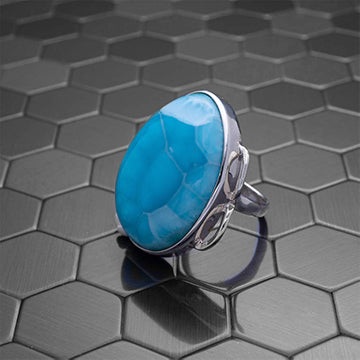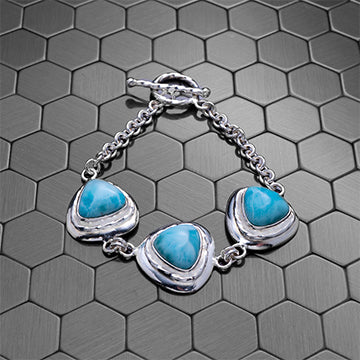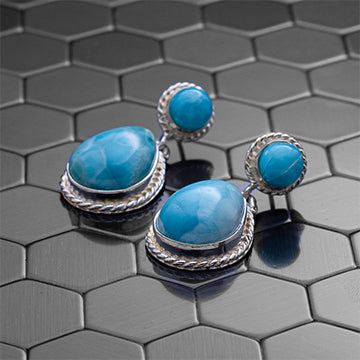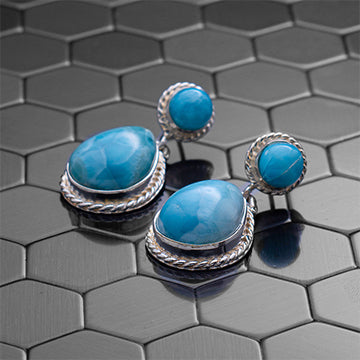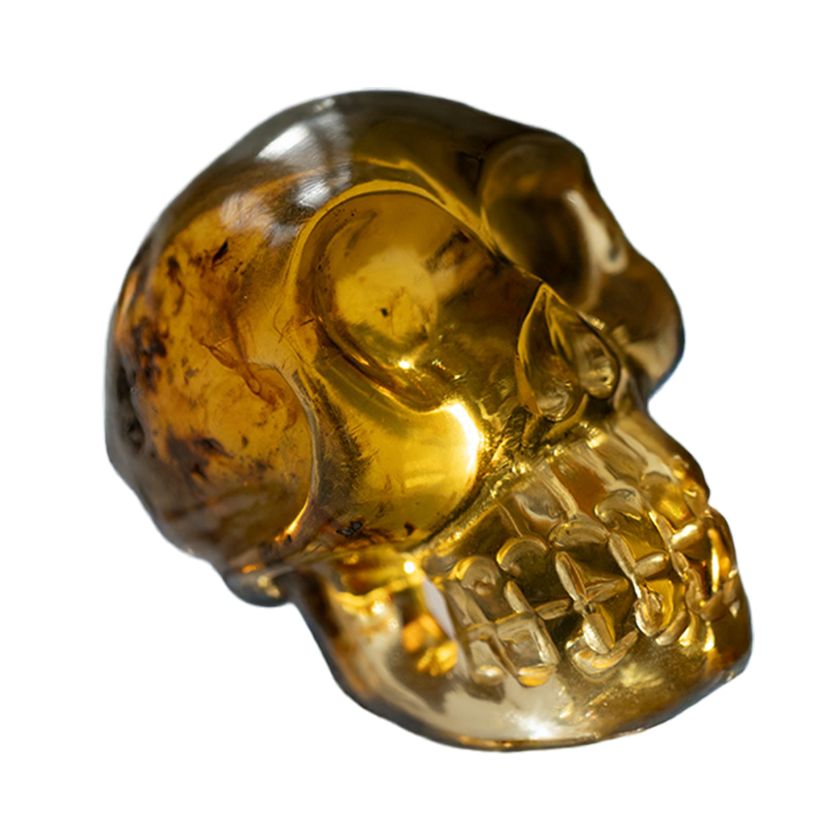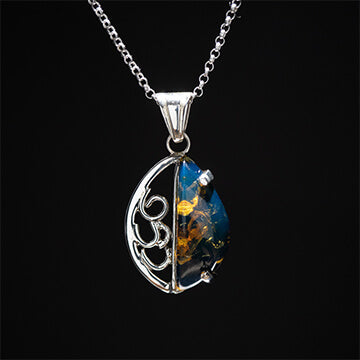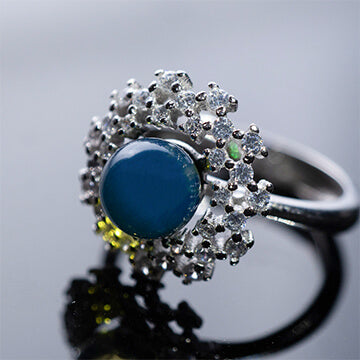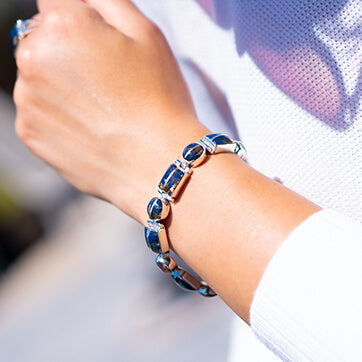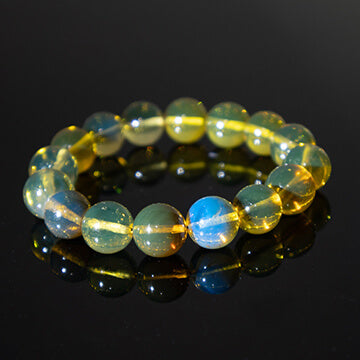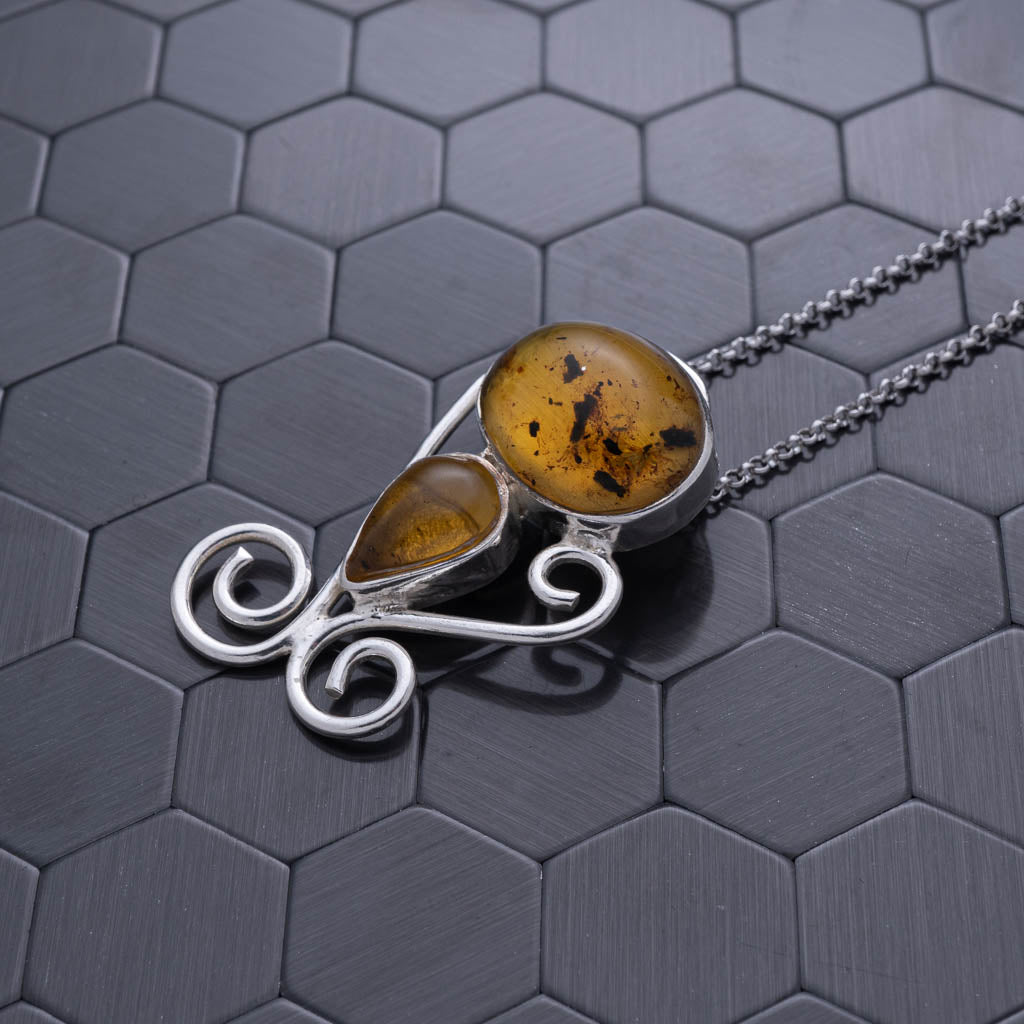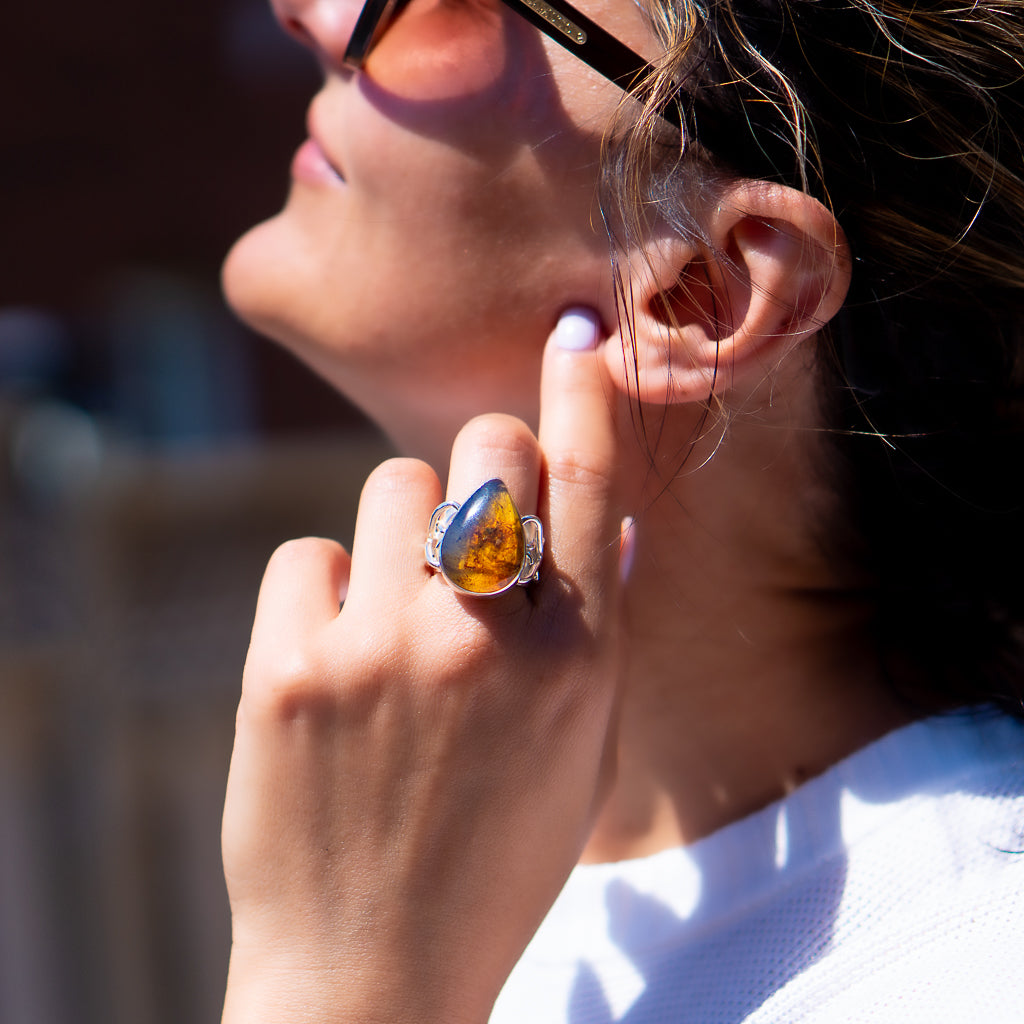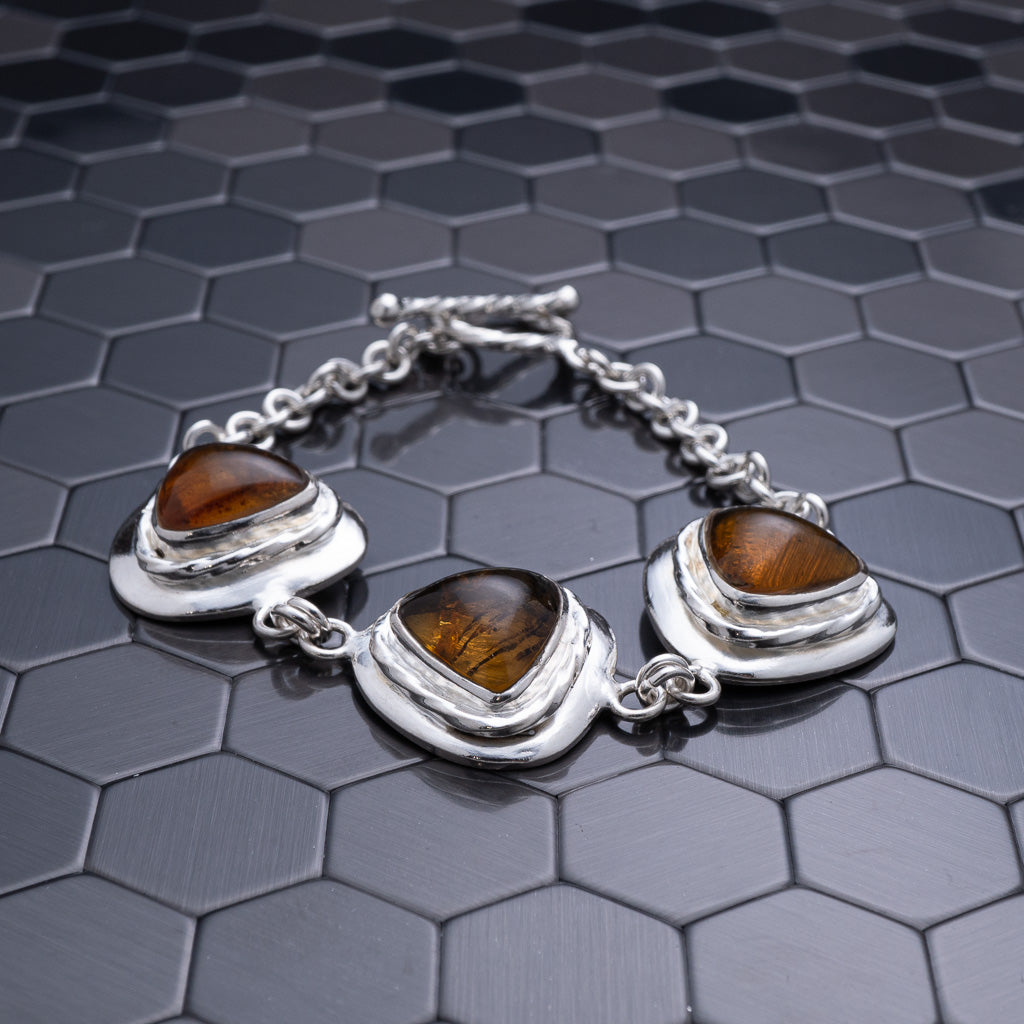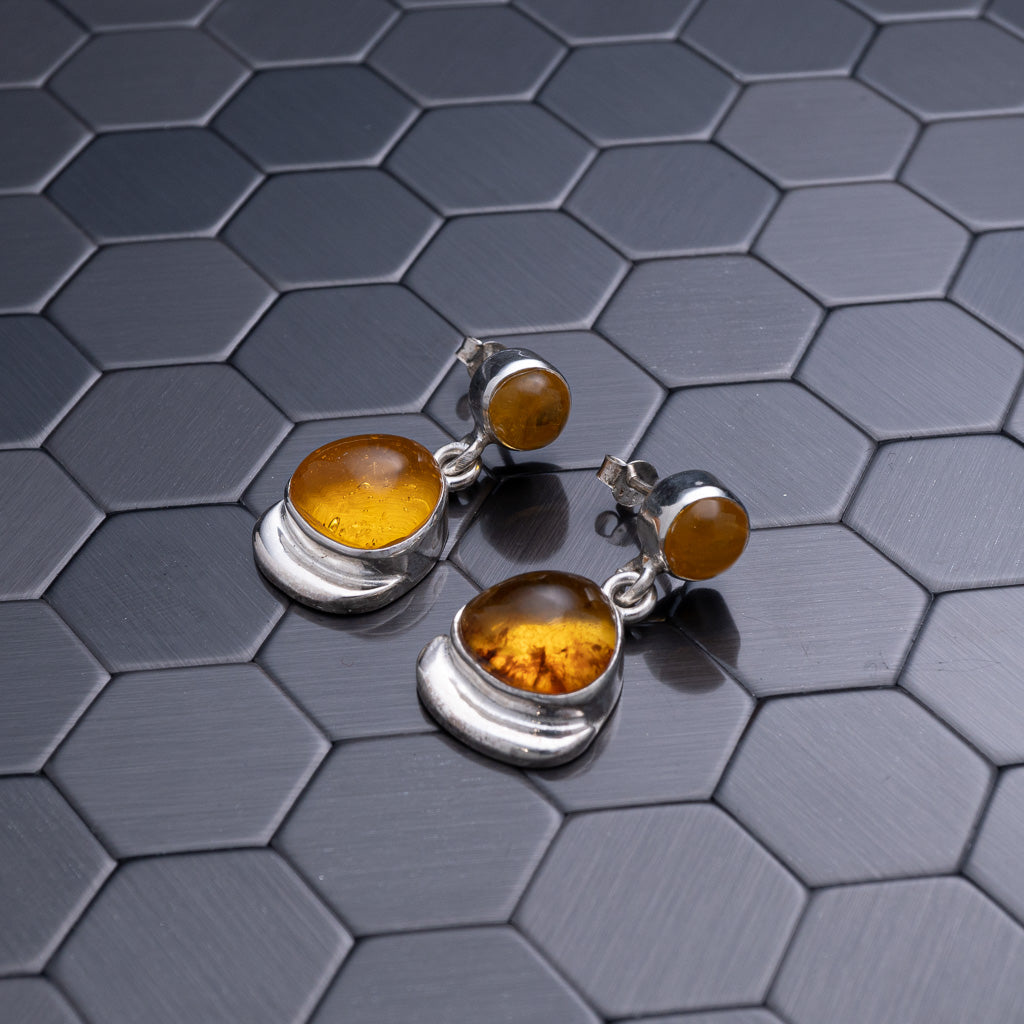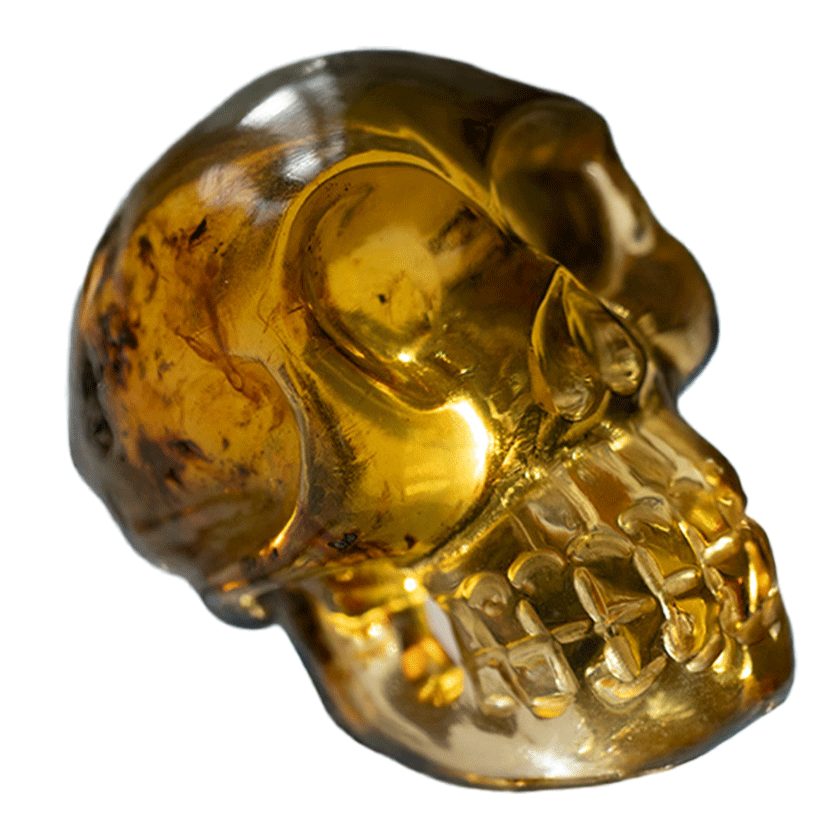


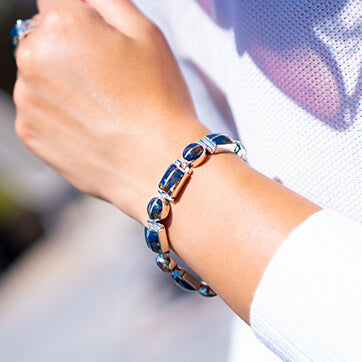
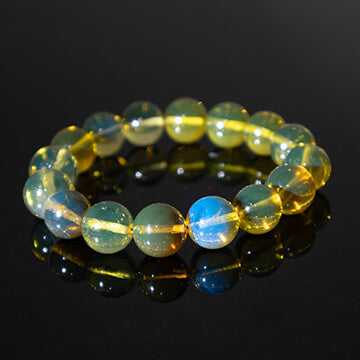
Handcrafted in DR.

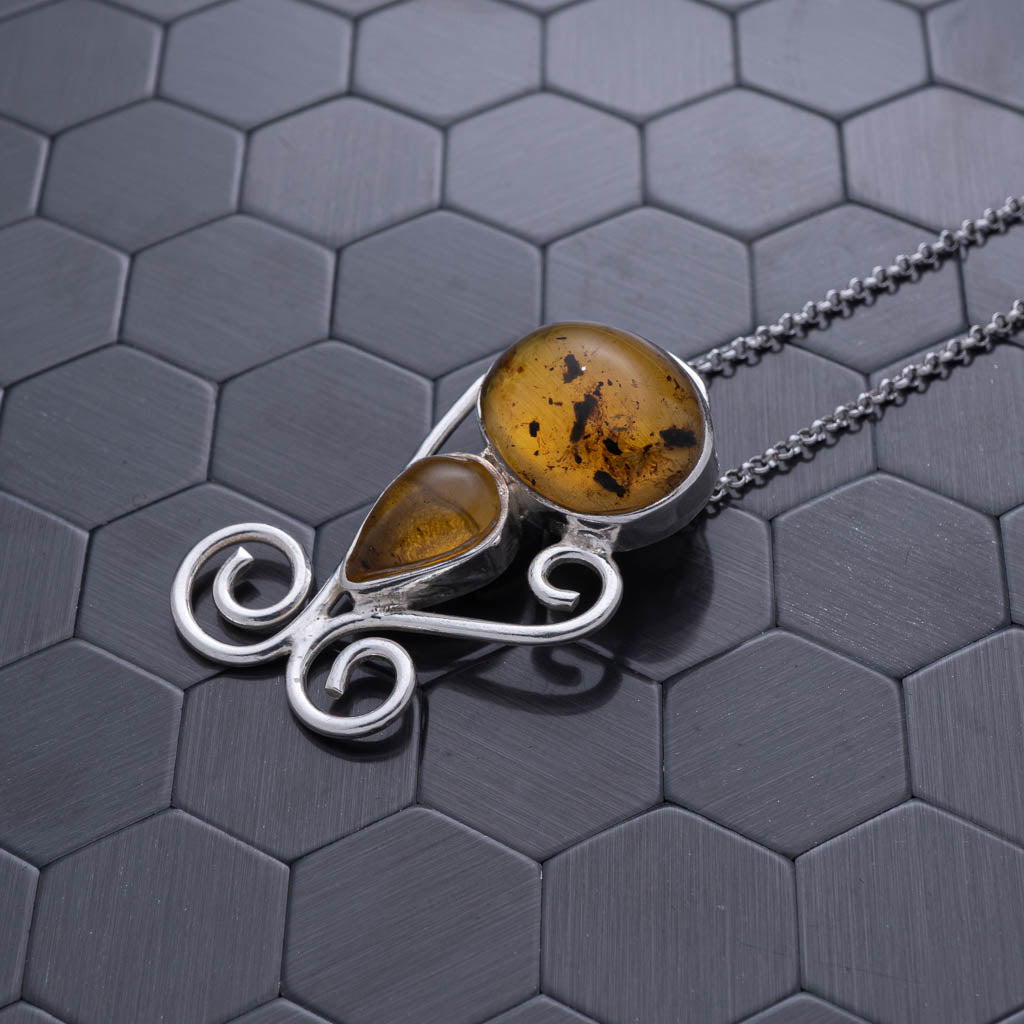
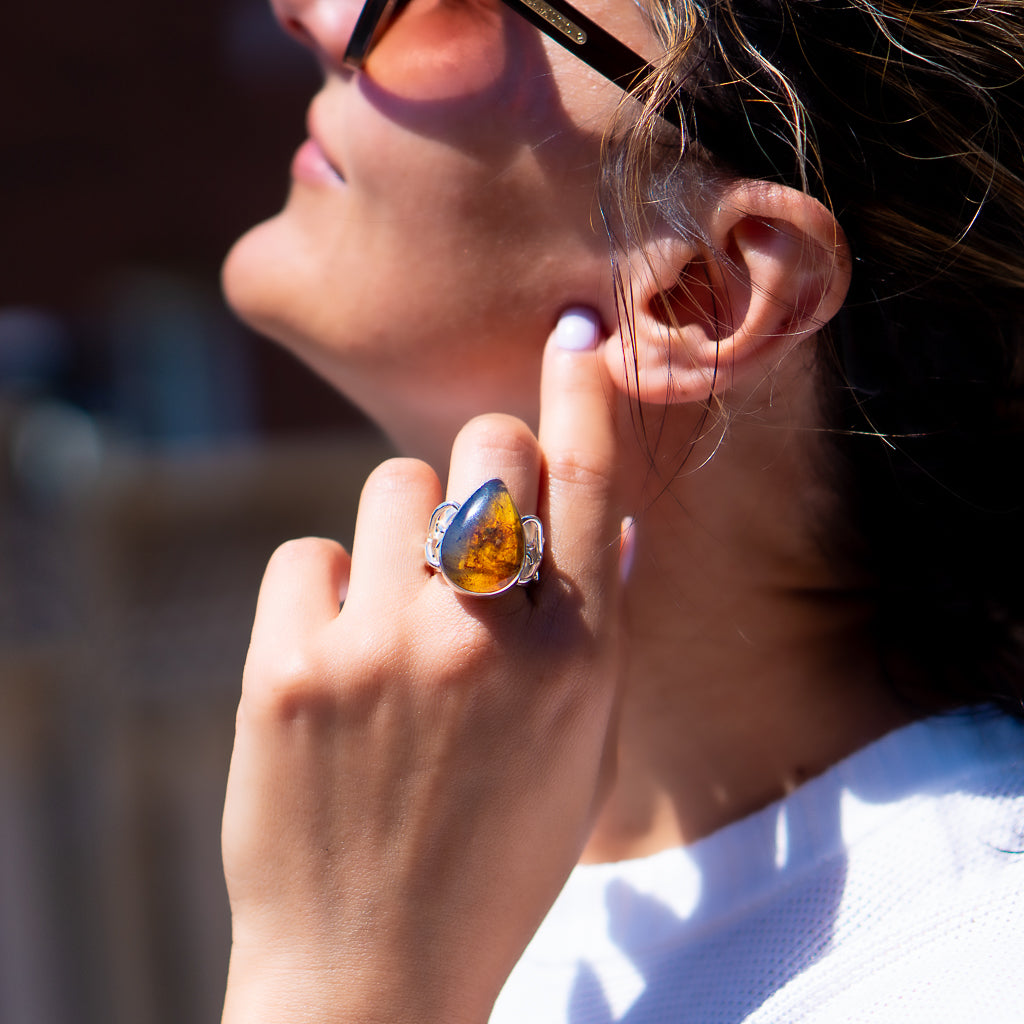
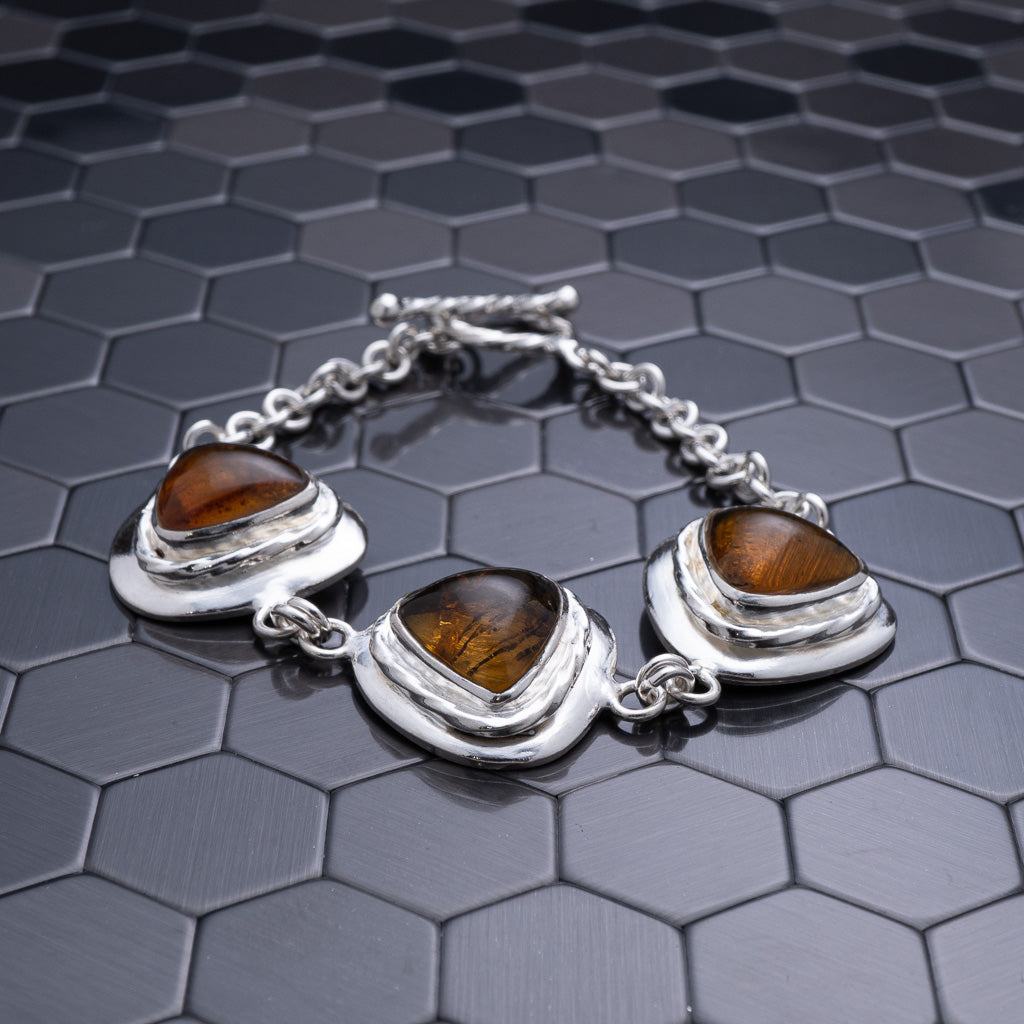
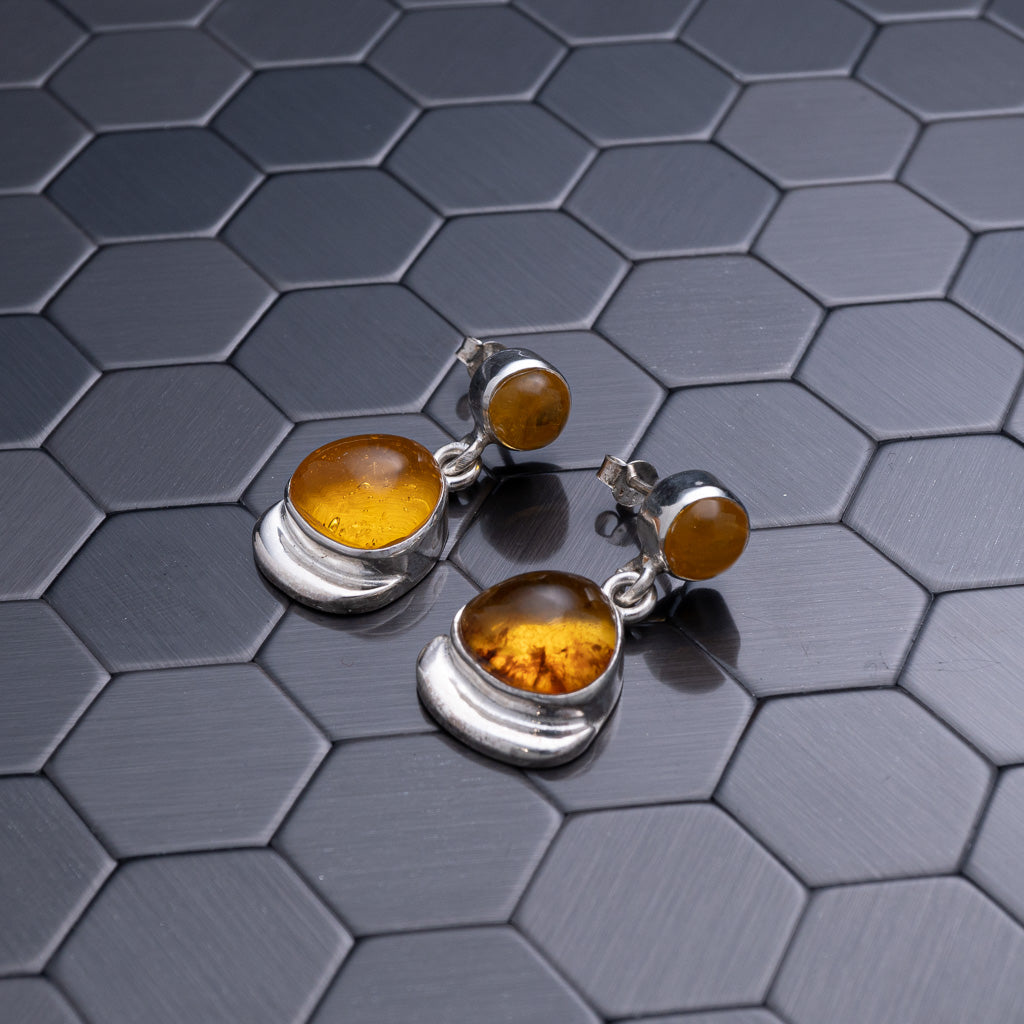


100% Handcrafted in DR.

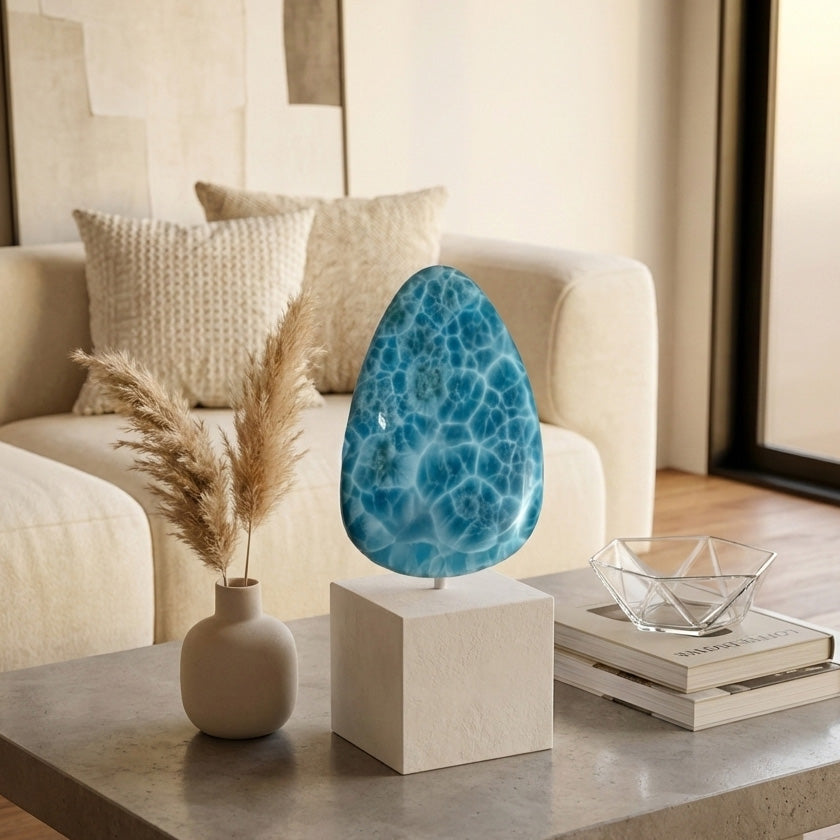
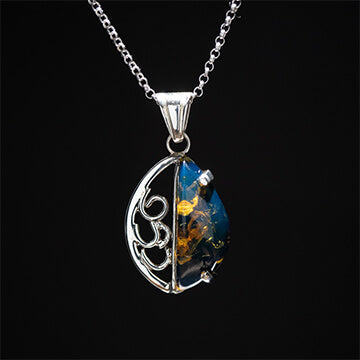
The teardrop pendant represents one of jewelry design's most enduring silhouettes, combining graceful curves with timeless elegance. This distinctive pear-shaped form has captivated wearers across centuries and cultures, offering a flattering profile that elongates the neckline while maintaining delicate femininity. Whether crafted from precious metals, adorned with rare gemstones, or fashioned from organic materials, the teardrop pendant remains a versatile staple that transitions effortlessly from casual daily wear to formal evening occasions. Understanding the design principles, material choices, and styling possibilities empowers you to select or create a piece that reflects your personal aesthetic while honoring centuries of craftsmanship tradition.
The pear or teardrop shape achieves a rare balance between visual interest and wearability. Its asymmetrical geometry creates natural movement, catching light from multiple angles as the wearer moves throughout the day.
Archaeological evidence reveals that pear-shaped pendant forms appeared in early Islamic metalwork, where artisans recognized the shape's ability to showcase intricate surface decoration while maintaining structural integrity. Across various cultures, the teardrop form has symbolized different concepts:
Contemporary interpretations maintain these symbolic associations while embracing modern minimalism or maximalist embellishment. The fundamental silhouette proves adaptable enough to carry forward traditional meanings or acquire entirely new significance based on material choice and personal narrative.
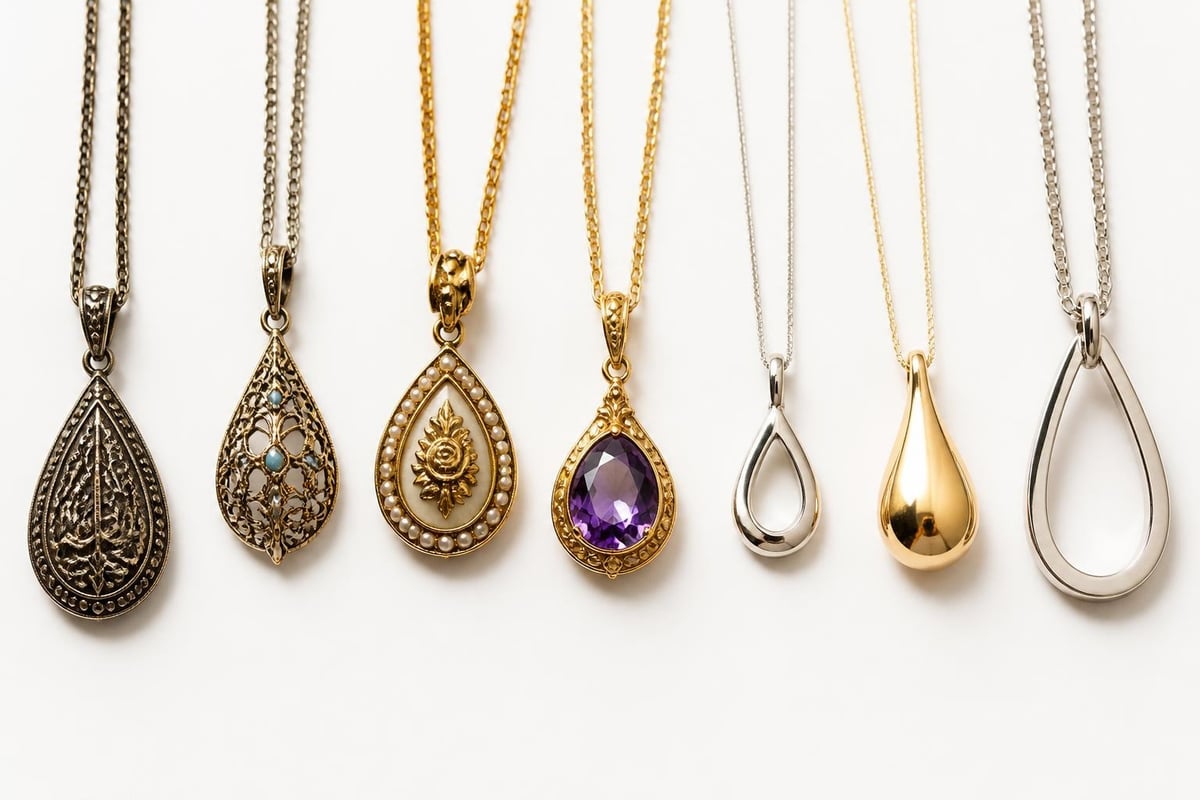
The teardrop pendant's tapered geometry creates a vertical line that visually lengthens the torso and draws attention to the collarbone. This flattering effect works across body types and necklines, making it a reliable choice for diverse wardrobes.
Different proportions serve distinct aesthetic purposes. A slender, elongated teardrop projects refined sophistication, while a wider, fuller pear shape delivers bolder presence. The pointed tip naturally directs the eye downward, creating focus and adding dimension to simple chain necklaces.
Choosing materials for a teardrop pendant involves balancing aesthetic preferences with practical considerations like durability, maintenance requirements, and budget constraints.
The metal setting or framework provides structural support while contributing significantly to the overall design aesthetic. Common choices include:
| Metal Type | Characteristics | Best For |
|---|---|---|
| Sterling Silver | Affordable, bright luster, requires periodic polishing | Casual wear, budget-conscious buyers, showcasing colorful stones |
| 14K Gold | Durable alloy, warm tone, minimal tarnishing | Daily wear, investment pieces, traditional styling |
| 18K Gold | Richer color, softer metal, luxurious feel | Special occasions, collectors, heirloom quality |
| Platinum | Exceptional durability, hypoallergenic, naturally white | High-value gemstones, lifetime wear, sensitive skin |
| Rose Gold | Romantic hue, trendy appeal, copper alloy | Contemporary designs, vintage-inspired pieces |
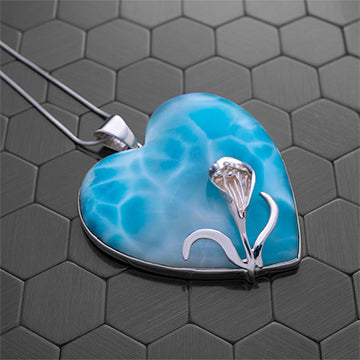
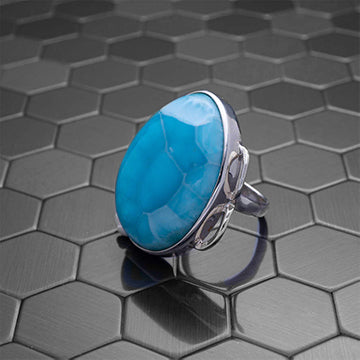
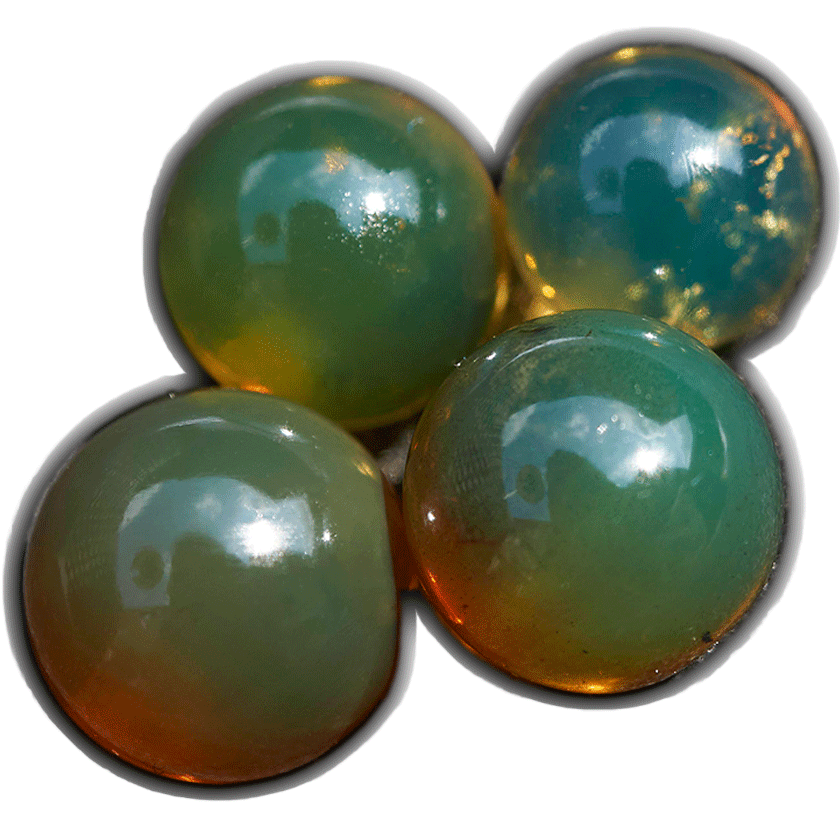
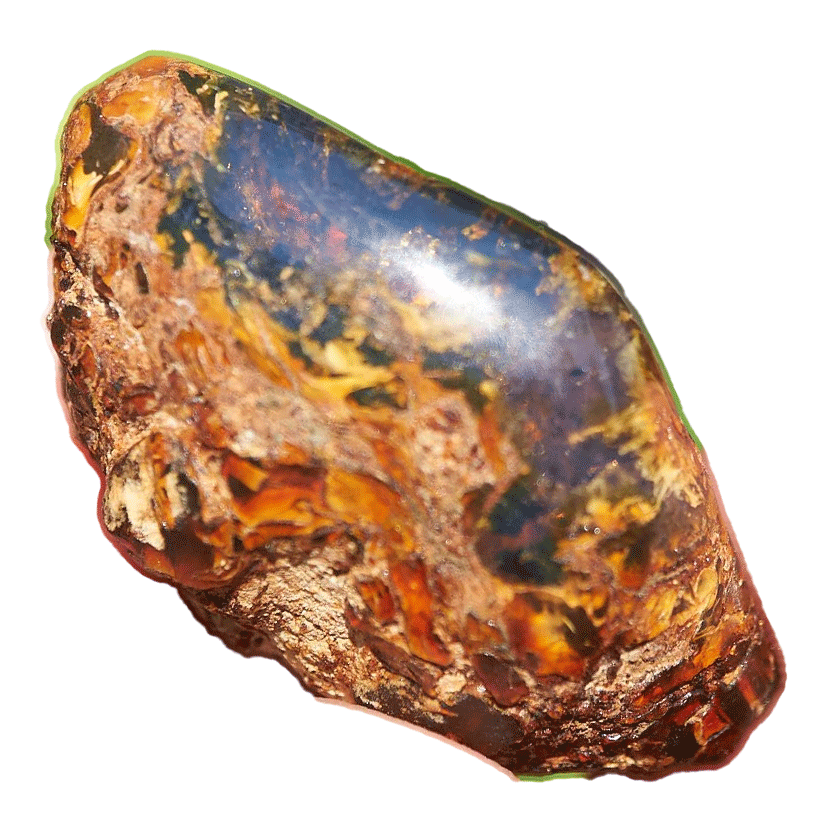
For those exploring unique gemstone jewelry, understanding how metal choice interacts with stone color proves essential. Cool-toned gems like larimar pair beautifully with sterling silver or white gold, while warmer amber tones complement yellow or rose gold settings.
The pear shape showcases gemstones exceptionally well, with the broad crown allowing maximum light entry while the tapered point adds drama. Popular gemstone choices for teardrop pendants include:
When working with softer gemstones or those with directional cleavage, proper setting technique becomes critical. Setting a pear-shaped stone in a full bezel provides superior protection, particularly for the vulnerable pointed tip where fractures often initiate.
The choice between a single statement stone and multiple smaller accent stones dramatically alters the pendant's character. Solitaire designs emphasize the gemstone's natural beauty, while halo settings or pavé accents add sparkle and perceived size.
The teardrop pendant adapts to numerous design philosophies, from austere minimalism to ornate vintage revival. Understanding these categories helps identify pieces that align with personal style preferences.
Modern minimalist interpretations strip the teardrop pendant to its essential elements. Simple metal outlines, smooth polished surfaces, and absence of decorative detail create clean lines that complement professional attire and contemporary fashion.
These designs often feature:
Contemporary designers frequently experiment with scale, creating oversized statement teardrops or tiny, delicate versions for layering. The minimalist approach particularly suits those who appreciate understated elegance or prefer jewelry that integrates seamlessly with varied wardrobe choices.
Historical jewelry periods offer rich inspiration for elaborate teardrop pendants. Victorian-era designs featured intricate filigree work, engraved surfaces, and sentimental motifs. Art Nouveau interpretations incorporated flowing organic lines and nature-inspired elements. Art Deco pieces emphasized geometric precision with bold gemstone combinations.
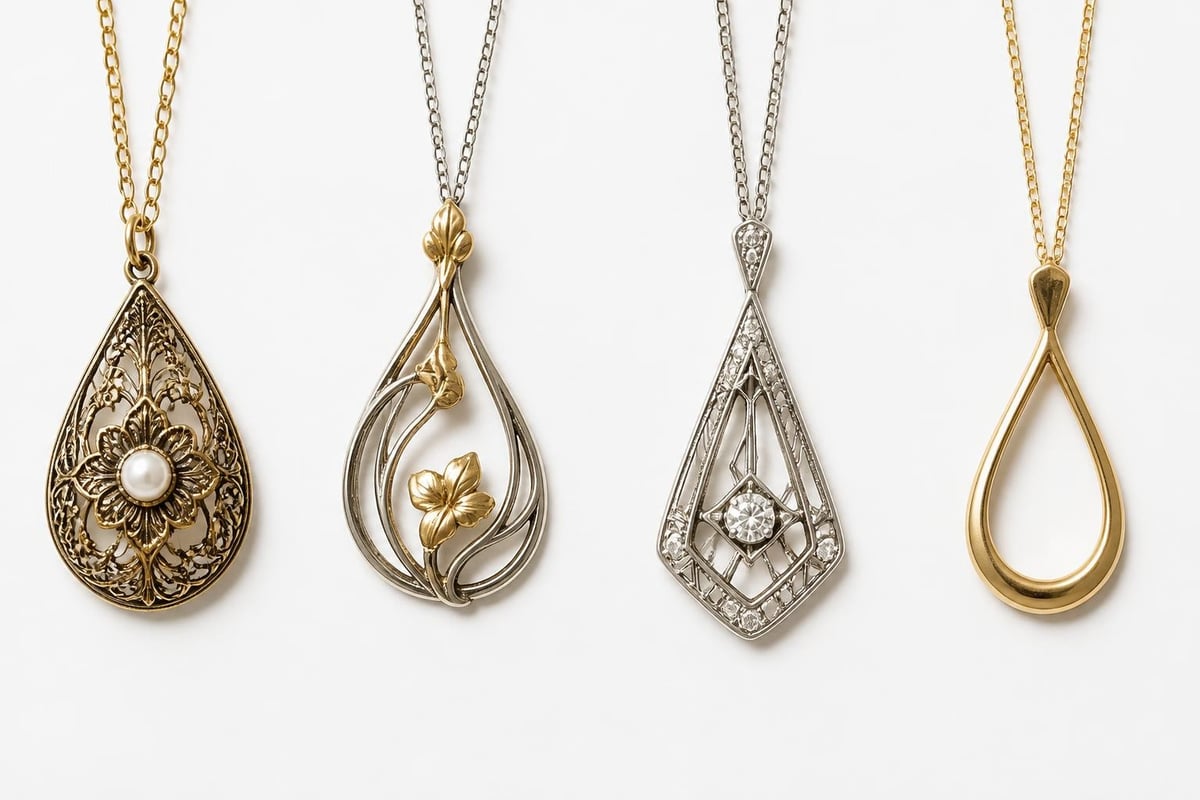
Vintage-style teardrop pendants might incorporate:
Collectors and vintage enthusiasts appreciate these elaborate pieces for their craftsmanship and historical references. Such designs particularly complement formal attire and special occasions where jewelry serves as conversation-starting statement pieces.
For jewelry makers and craftspeople, fabricating a pear-shaped pendant involves specific technical challenges that demand careful planning and precise execution.
Creating a teardrop pendant from raw materials requires systematic approach:
The vulnerable pointed tip requires reinforcement strategies. Solid bezels protecting the entire stone perimeter offer maximum security, while prong settings need additional support at the point through V-shaped or specialized claw arrangements.
Handcrafted pieces from artisan studios like those creating Larimar Pendants showcase how traditional techniques produce unique character impossible to replicate through mass production. Each piece carries subtle variations that authenticate its handmade origin while ensuring structural integrity and wearable comfort.
Achieving visual harmony in teardrop pendant design requires understanding proportion relationships. The ideal width-to-length ratio typically falls between 1:1.5 and 1:1.8, though personal preference and intended style permit deviation from these guidelines.
The bail (attachment loop) placement critically affects how the pendant hangs. Positioning it at the exact balance point ensures the teardrop hangs with proper orientation, neither tilting forward nor backward. Testing with temporary bail placement before permanent attachment prevents disappointing results.
Maximizing a teardrop pendant's impact involves thoughtful coordination with chain selection, neckline choices, and overall wardrobe integration.
The chain substantially influences how a teardrop pendant presents itself. Consider these combinations:
| Chain Length | Position | Best For | Pendant Size |
|---|---|---|---|
| 16 inches | High on neck, just below collarbone | Scoop necks, open collars, showcasing shorter necklines | Small to medium teardrops |
| 18 inches | Rests at collarbone | Universal positioning, most versatile | Any size works well |
| 20 inches | Falls below collarbone | V-necks, deeper necklines, professional attire | Medium to larger teardrops |
| 24+ inches | Long drop to chest | Layering, casual styles, dramatic effect | Larger statement pieces |
Chain thickness should balance with pendant weight and visual presence. Delicate cable chains suit refined, smaller teardrops, while heavier rolo or curb chains support substantial pieces without appearing overwhelmed.
Similar to how amber necklaces require consideration of the gemstone's organic warmth when selecting complementary metals, teardrop pendants benefit from coordinated metal tones throughout the entire necklace composition.
The teardrop's vertical emphasis naturally complements certain necklines while creating visual competition with others:
Layering multiple necklaces incorporating a teardrop pendant requires length variation to prevent tangling. Stagger chains by at least two inches, positioning the teardrop as either the shortest focal piece or the longest anchoring element.
Proper maintenance extends a teardrop pendant's lifespan while preserving its aesthetic appeal. Different materials demand specific care approaches.
Metal components generally tolerate gentle cleaning with mild soap and warm water, though specific metals have particular sensitivities:
Sterling silver develops tarnish over time due to sulfur exposure. Regular wear actually helps minimize tarnish buildup, but periodic polishing with specialized silver cloths restores brightness. Avoid harsh chemical cleaners that may damage gemstone settings.
Gold alloys resist tarnishing but accumulate dirt and oils in crevices. Soft-bristle brushes reach intricate details during cleaning sessions. Professional ultrasonic cleaning suits solid gold pieces, though consult jewelers before using this method with fragile gemstones.
Gemstone care varies dramatically by material hardness and porosity. While diamonds and sapphires tolerate robust cleaning methods, softer materials require gentler approaches. For cleaning pearls and similar delicate materials, use only damp soft cloths and avoid soaking or chemical exposure. The American Gem Society provides guidance on pearl care that applies equally to other organic gemstones.
Preventing damage during storage requires separating pieces to avoid scratching. Individual soft pouches or compartmented jewelry boxes provide ideal protection. Consider these storage principles:
The pointed tip of teardrop pendants represents the most vulnerable structural element. When not worn, ensure this delicate area doesn't press against hard surfaces or other jewelry pieces.
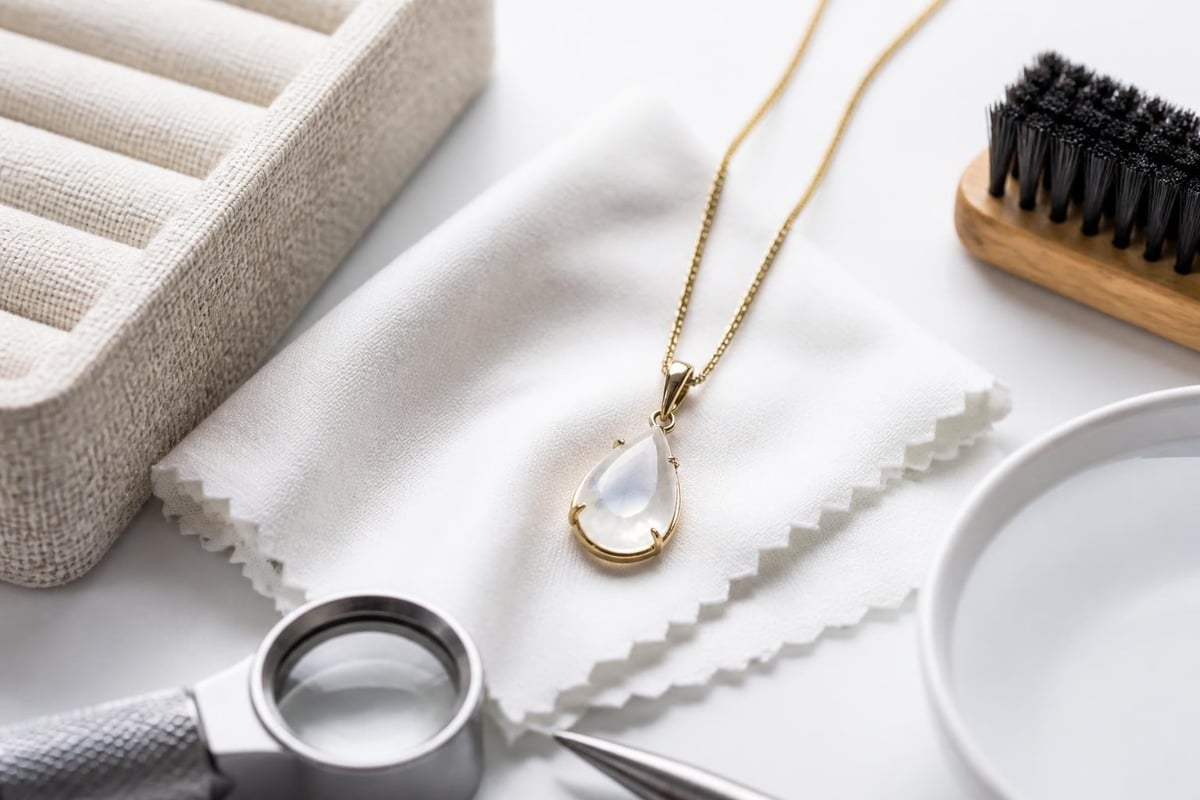
When purchasing or commissioning a teardrop pendant, understanding quality indicators helps ensure satisfaction and appropriate value.
Evaluating a teardrop pendant's quality involves examining multiple aspects:
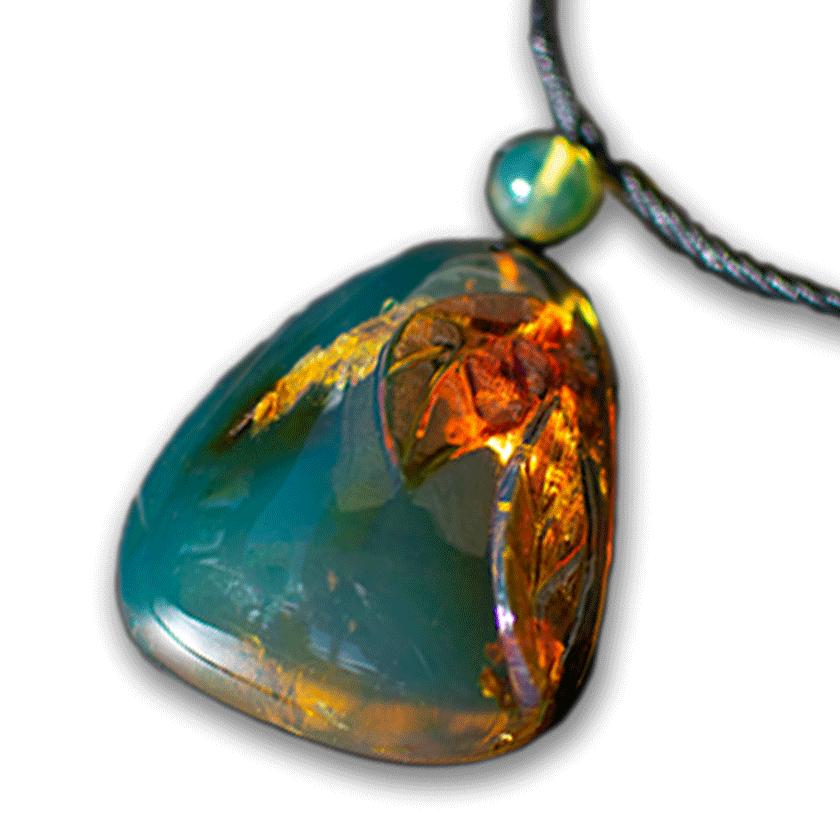
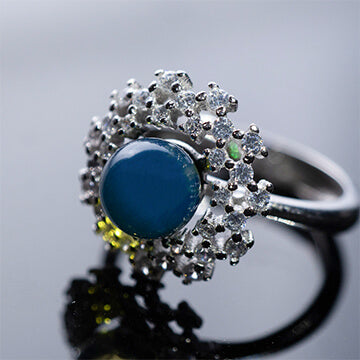
For rare gemstones like those featured in Dominican blue amber pendants, authentication documentation proves essential. Reputable dealers provide certification or detailed provenance information supporting claimed origins.
Teardrop pendant pricing spans enormous range based on materials and craftsmanship. Understanding value tiers helps set realistic expectations:
Entry level ($50-$200): Sterling silver with synthetic or lower-grade natural stones, machine-made settings, mass production
Mid-range ($200-$1,000): Higher-quality natural gemstones, solid gold settings, some handcrafted elements, better durability
Premium ($1,000-$5,000): Excellent gemstone quality, substantial precious metal content, fully handcrafted construction, designer pieces
Luxury ($5,000+): Exceptional rare gemstones, platinum or high-karat gold, museum-quality craftsmanship, limited editions
Investment-minded buyers prioritize timeless designs over trend-driven styles, ensuring pieces retain appeal across changing fashion cycles. Classic proportions in precious materials generally maintain value better than experimental designs in less durable media.
Custom-designed teardrop pendants offer opportunities to create deeply personal pieces reflecting individual stories, relationships, or aesthetic visions.
Choosing gemstones based on personal significance rather than purely aesthetic criteria creates jewelry with emotional resonance. Birthstones commemorate birth months, while anniversary stones mark relationship milestones. Some select materials based on metaphysical properties or symbolic meanings.
For example, those drawn to ocean symbolism and Caribbean tranquility might specifically seek larimar gemstones from the Dominican Republic, valuing the stone's exclusive geographic origin as much as its serene blue coloration. Similarly, enthusiasts of natural materials appreciate brands like naturalē, which emphasizes traditional craftsmanship and sustainability in their handcrafted products, demonstrating how artisanal philosophy extends across different product categories.
Engraved messages, dates, or initials transform standard pendants into sentimental heirlooms. Common engraving locations include:
Beyond text engraving, artisans offer fingerprint impressions, handwriting reproduction, or custom symbol integration. These unique elements ensure no identical piece exists elsewhere.
Different life events and occasions call for specific teardrop pendant characteristics, from understated daily wear to ceremonial statement pieces.
Workplace-appropriate teardrop pendants maintain subtle elegance without overwhelming professional attire. Smaller proportions in classic materials suit conservative environments, while creative industries permit bolder interpretations.
Durability becomes paramount for daily-wear pieces. Harder gemstones like sapphires or well-protected softer stones in secure bezels withstand routine wear better than delicate prong-set pieces. Rhodium-plated silver or solid gold requires less frequent maintenance than bare silver.
Teardrop pendants serve as meaningful gifts for various milestones:
Presentation enhances the gift-giving experience. Quality packaging, authenticity certificates, and care instructions demonstrate attention to detail while protecting the piece during transport.
Wedding-related teardrop pendants range from bridal party gifts to family heirlooms passed through generations. Brides often select pendants complementing their gown's neckline without competing with the dress's focal points.
Formal evening wear permits more dramatic teardrop pendants with larger gemstones or elaborate settings. The pendant becomes a conversation piece and photographic focal point, justifying investment in exceptional pieces specifically for such occasions.
The teardrop pendant continues evolving as designers experiment with materials, proportions, and conceptual approaches while honoring the form's classical heritage.
Several trends characterize 2026's teardrop pendant landscape:
These movements reflect broader jewelry industry shifts toward personalization, sustainability, and meaning beyond pure ornamentation.
Intentional collection building creates cohesive sets telling personal narratives through jewelry. Some collectors focus on specific gemstone types across various pendant styles, while others gather teardrop pendants exclusively, celebrating the form's versatility through material diversity.
Heirloom-quality pieces require thoughtful construction ensuring multi-generational durability. Classic proportions, substantial materials, and timeless design elements help pieces transcend temporary trends. Documentation of provenance, materials, and creation stories adds historical value for future inheritors.
Understanding rare gemstone characteristics and investment value helps collectors make informed decisions when building significant jewelry collections intended for long-term appreciation.
The teardrop pendant endures as a jewelry staple because it successfully balances aesthetic beauty with versatile wearability, adapting to personal style while maintaining timeless appeal. Whether you seek a minimalist daily-wear piece, an ornate vintage-inspired statement, or a custom design celebrating rare gemstones, understanding design principles, material properties, and quality indicators empowers confident selection. Larimar Creations specializes in handcrafted teardrop pendants featuring exceptional larimar and Dominican blue amber, combining the classic elegance of the pear shape with the unique beauty of these rare Caribbean gemstones. Explore their collection to discover how expert craftsmanship transforms distinctive materials into heirloom-quality pieces with worldwide shipping available.