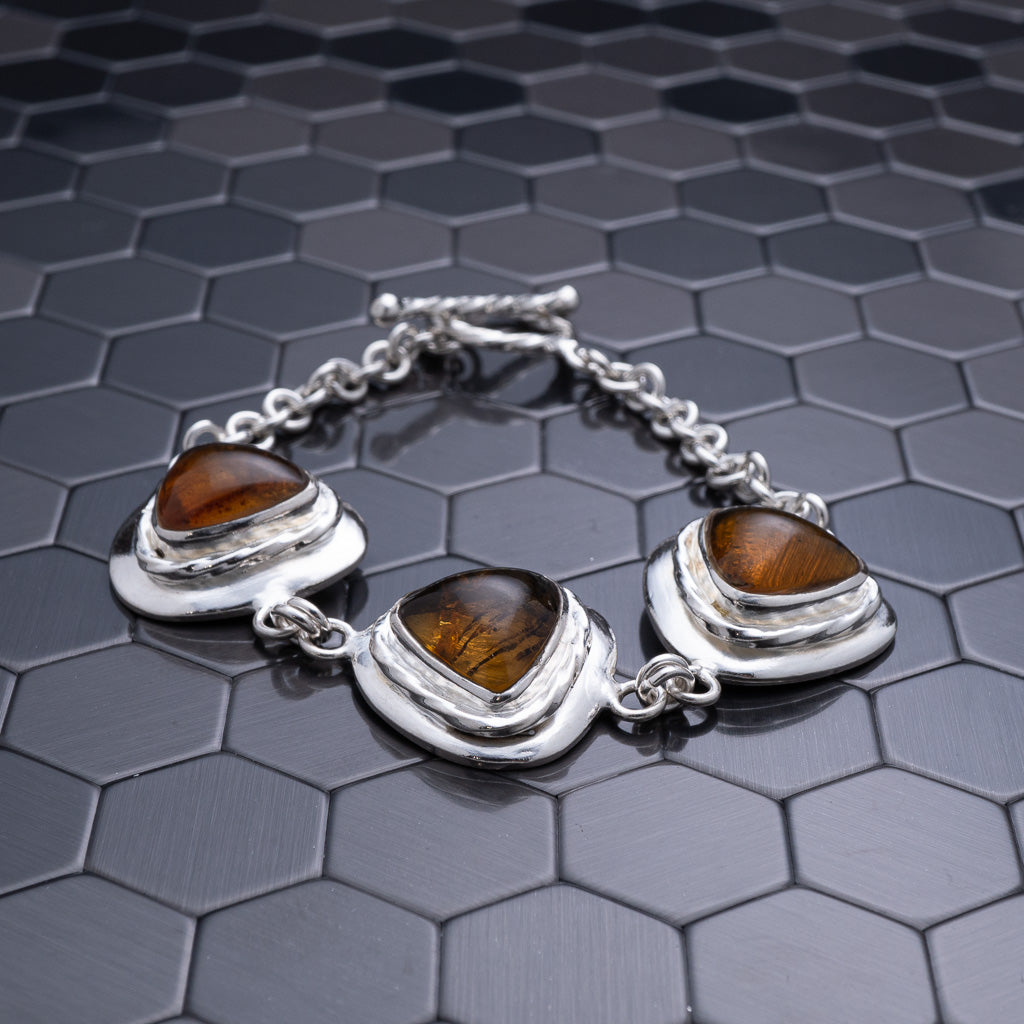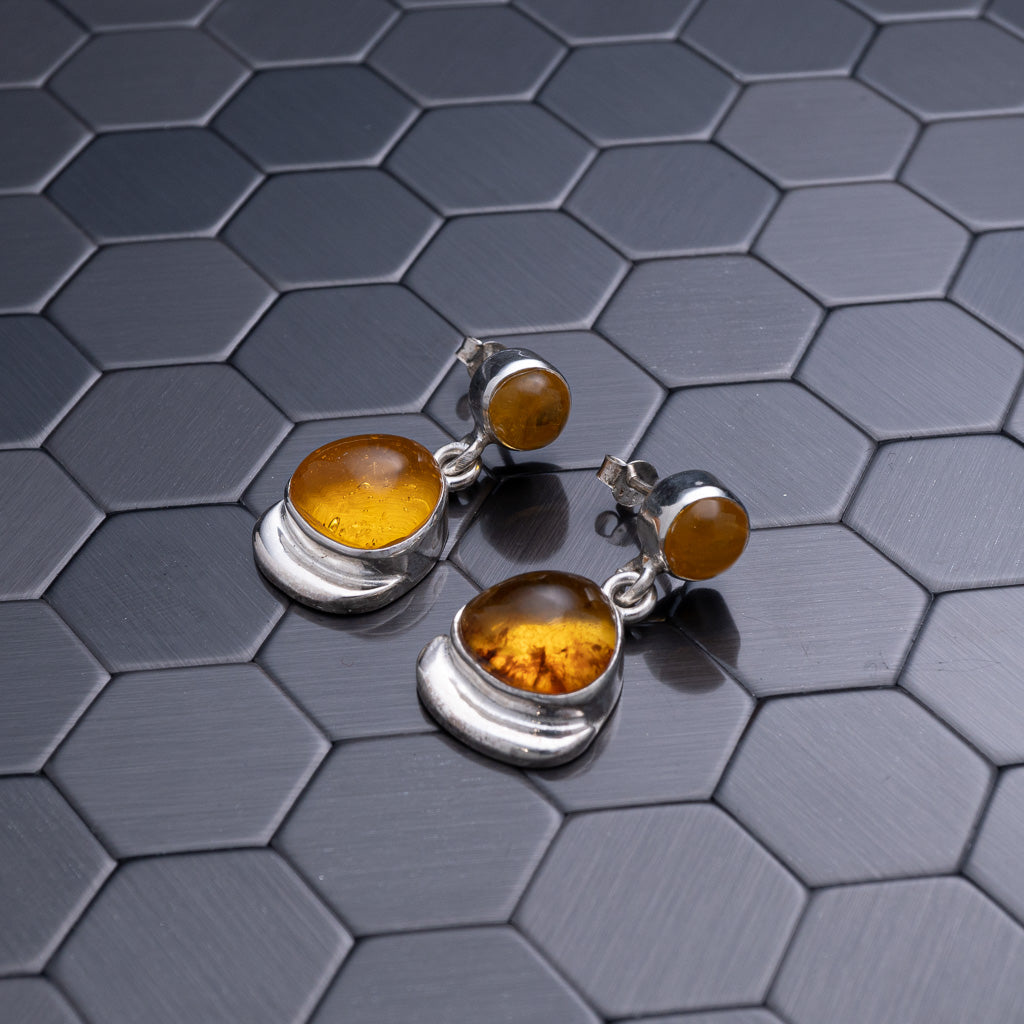


Handcrafted in DR.

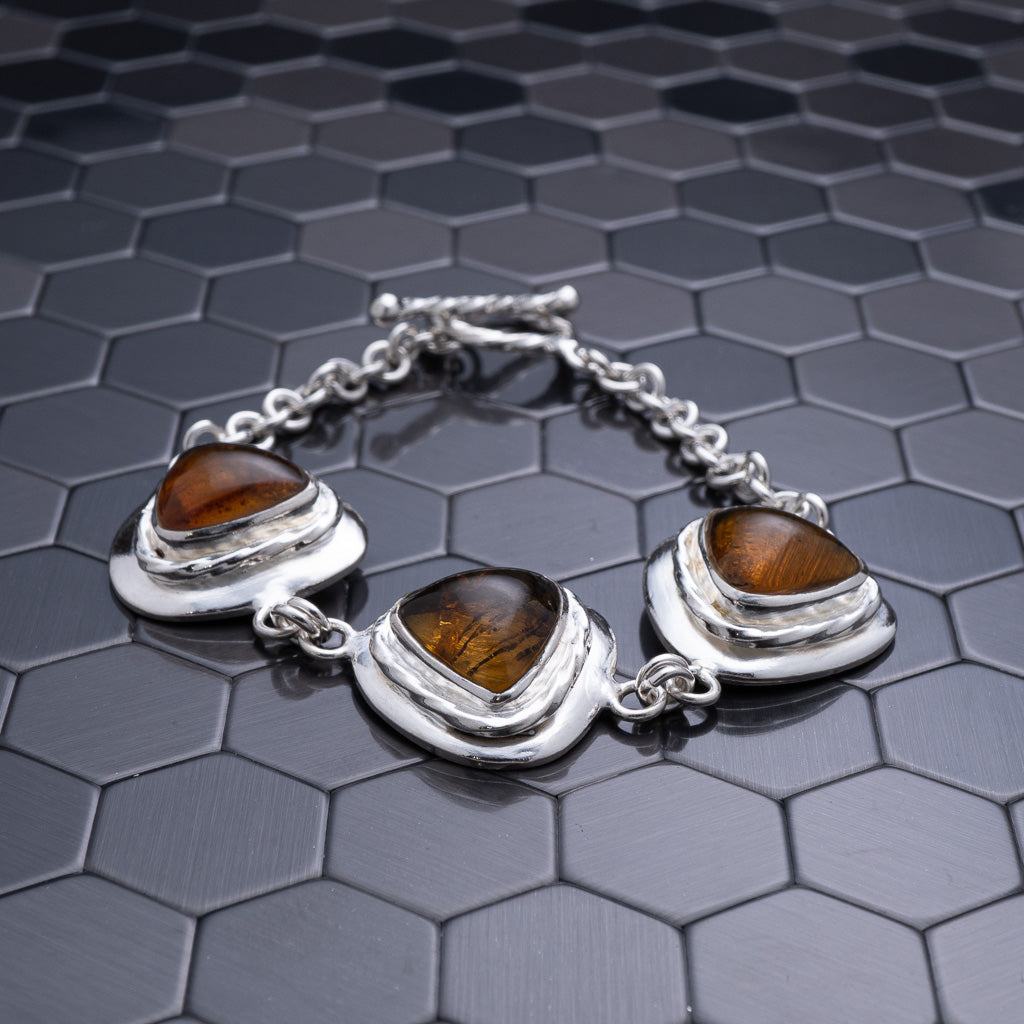
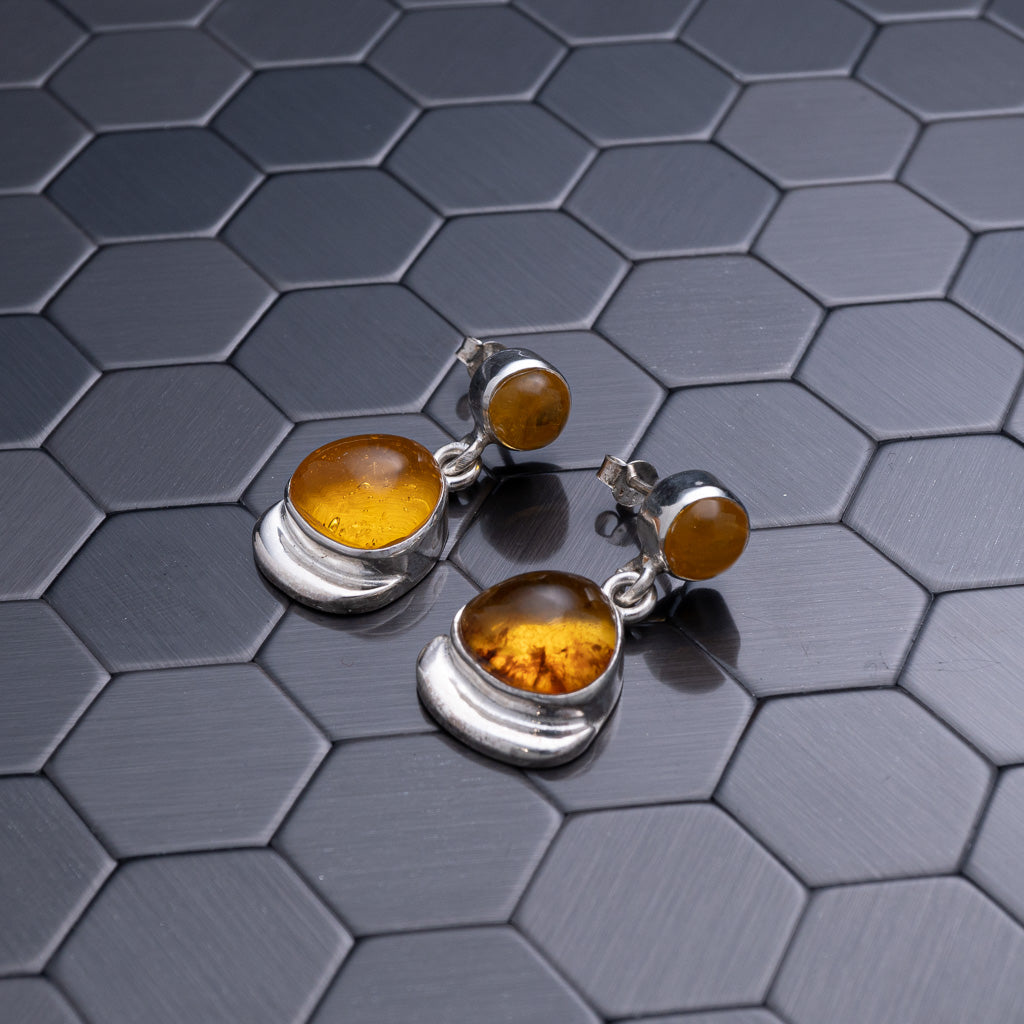


100% Handcrafted in DR.

The Caribbean region holds treasures beneath its tropical landscape that have captivated collectors and jewelry enthusiasts for generations. Among these geological wonders, amber and larimar stand out as two of the most sought-after gemstones, each possessing distinctive characteristics that make them exceptionally rare. While amber represents ancient organic material preserved through millions of years, larimar emerged from volcanic processes unique to a single location on Earth. Together, these gemstones tell compelling stories of geological transformation, cultural significance, and natural artistry that continue to inspire contemporary jewelry design.
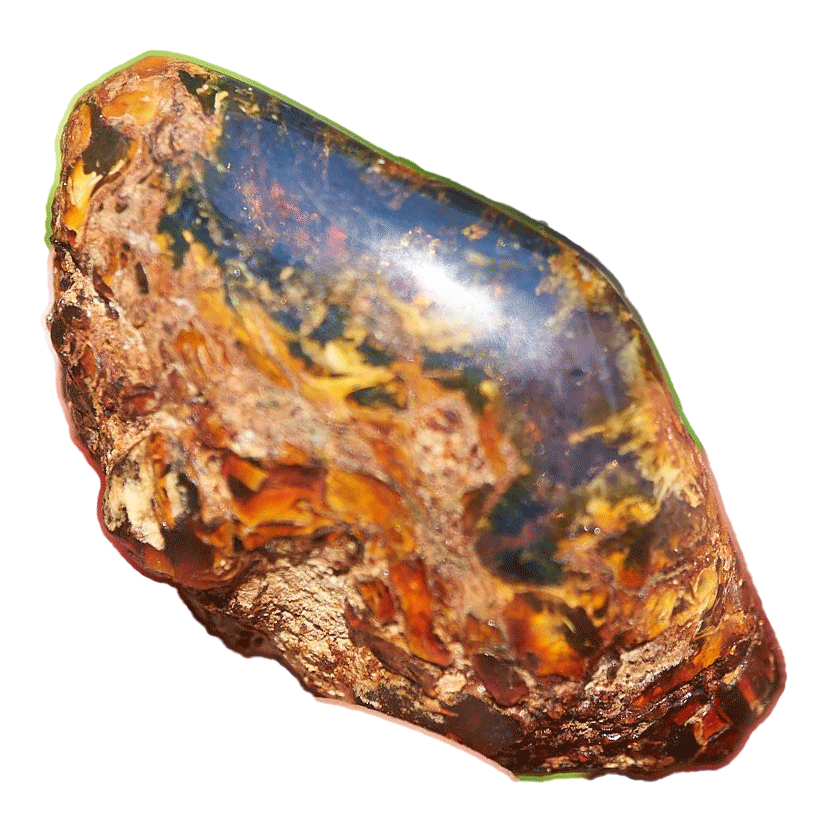
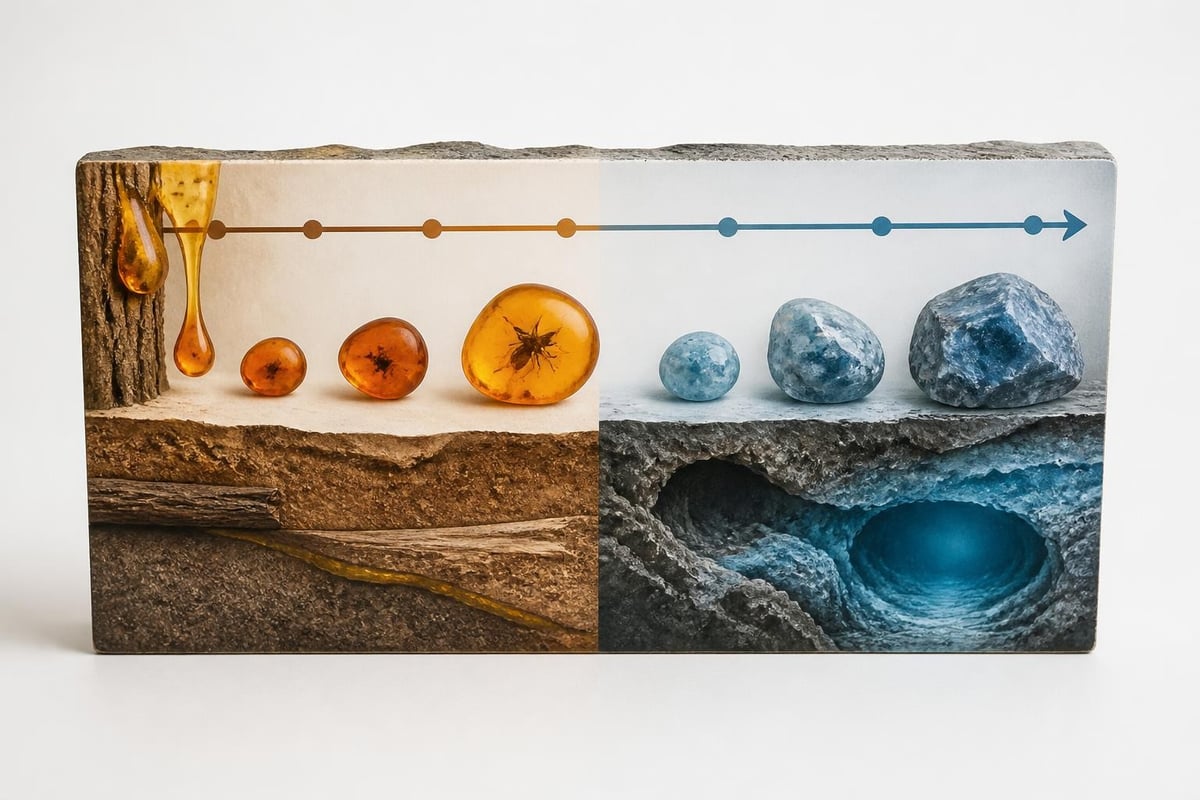
Understanding the formation of amber and larimar requires exploring two dramatically different geological processes. Dominican amber, one of the world's most prized varieties, originated from the extinct prehistoric tree species Hymenaea protera approximately 15 to 40 million years ago during the Miocene epoch. The transformation from tree resin to fossilized amber involved specific conditions of heat, pressure, and chemical processes that polymerized the organic compounds into the durable material we recognize today.
Larimar, conversely, formed through entirely different mechanisms. This rare blue variety of pectolite crystallized in volcanic environments within the Bahoruco mountain range of the Dominican Republic. Hot mineral-rich fluids circulated through cavities in basaltic rock, depositing copper-bearing calcium and sodium silicate minerals that created larimar's signature blue coloration.
| Gemstone | Formation Period | Process Type | Chemical Composition |
|---|---|---|---|
| Amber | 15-40 million years ago | Organic fossilization | Complex terpenoid polymers |
| Larimar | 1-10 million years ago | Hydrothermal mineralization | NaCa₂Si₃O₈(OH) with copper |
| Location | Dominican Republic | Both | Volcanic/sedimentary regions |
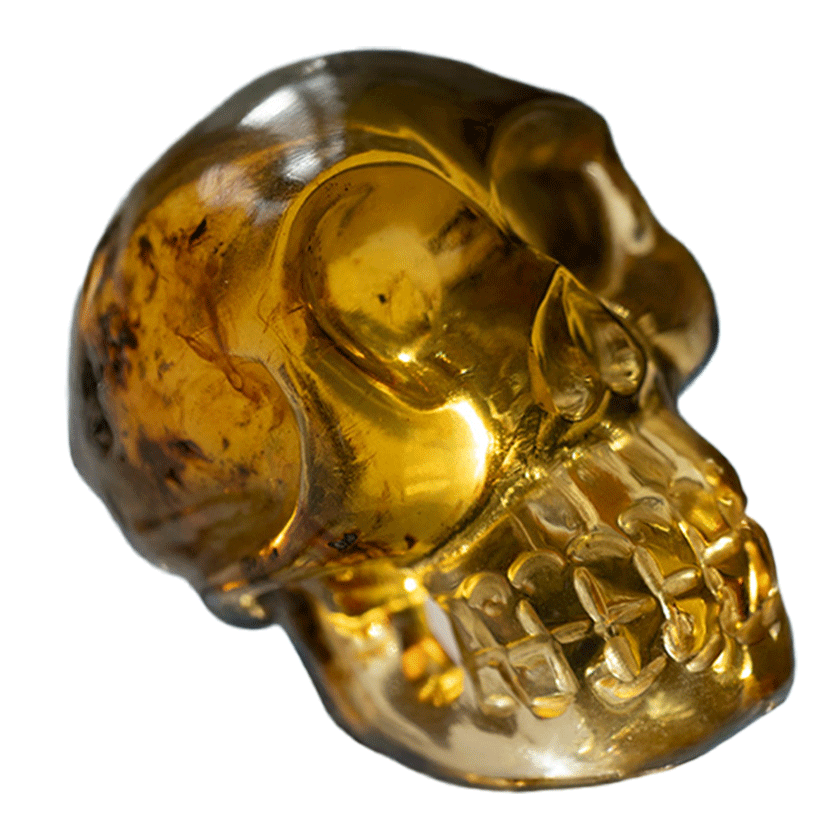
The exclusivity of these gemstones to the Dominican Republic creates significant value in global markets. While amber deposits exist worldwide, Dominican amber possesses exceptional clarity and frequently contains well-preserved inclusions of ancient flora and fauna. Larimar remains even more exclusive, found commercially nowhere else on the planet, making it one of the rarest gemstones available.
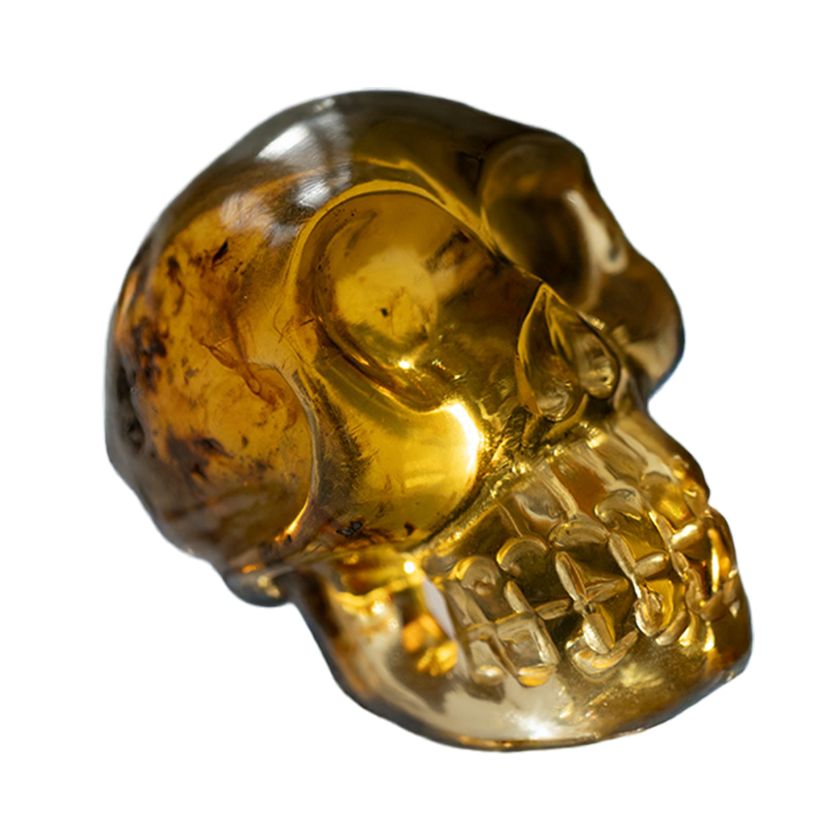
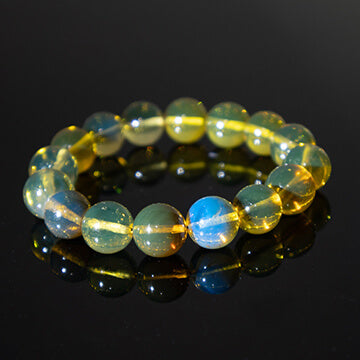
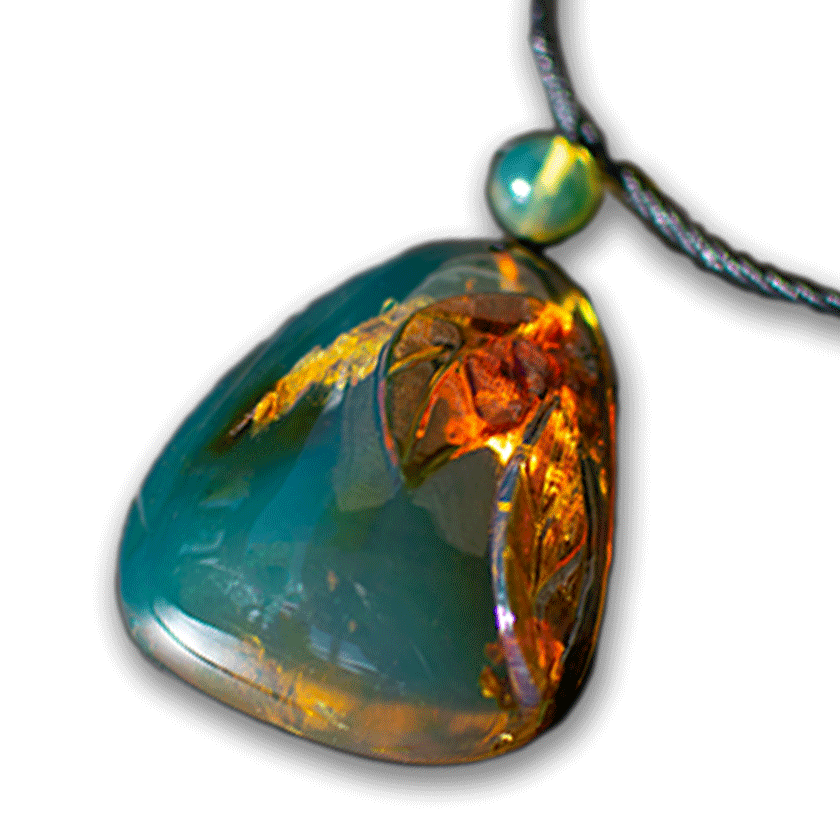
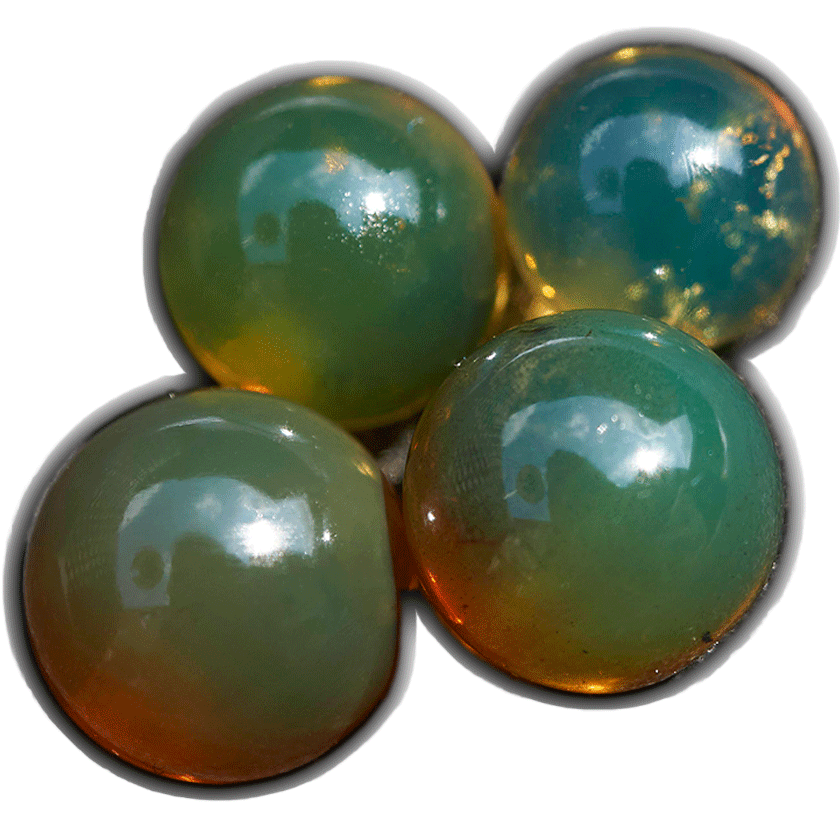
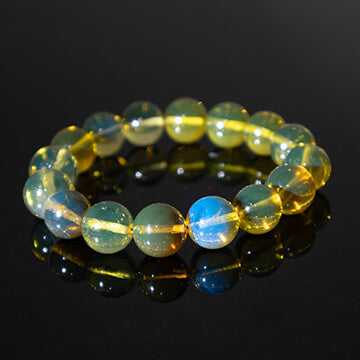
The physical characteristics of amber and larimar differ substantially, reflecting their distinct origins. Dominican amber typically exhibits transparency ranging from crystal clear to translucent golden hues, though rare blue amber specimens demonstrate remarkable fluorescence under ultraviolet light. This blue amber, caused by aromatic hydrocarbons within the fossilized resin, creates an ethereal blue glow that distinguishes it from Baltic and other amber varieties.
Key identification features for amber include:
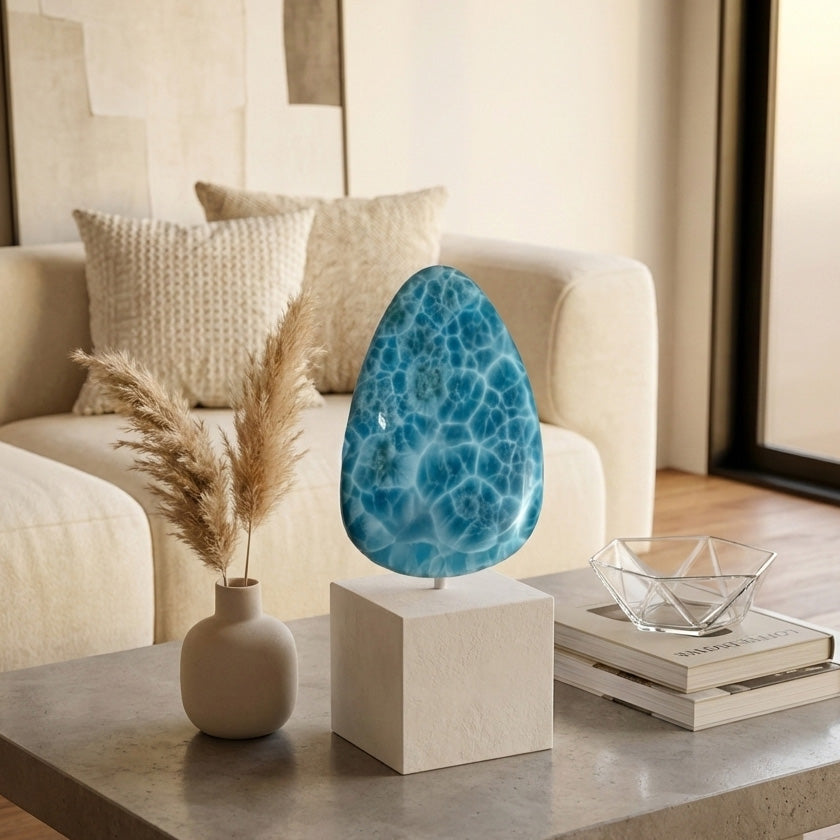
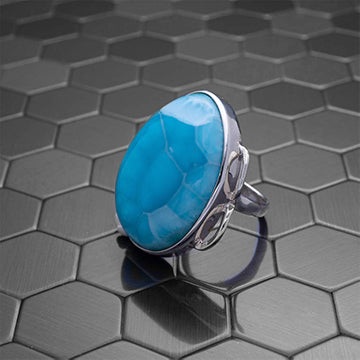
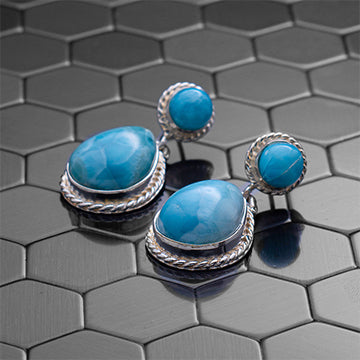
Larimar presents entirely different physical attributes. The gemstone displays a distinctive blue coloration ranging from pale sky blue to deep volcanic blue, often with white streaks resembling sunlight dancing on Caribbean waters. This visual characteristic results from copper substitution within the mineral structure, and the intensity varies based on copper concentration during crystallization.
Understanding durability becomes essential for jewelry applications. Amber's relative softness requires careful handling and protective settings to prevent scratching or impact damage. Those interested in maintaining amber jewelry should avoid harsh chemicals, extreme temperatures, and ultrasonic cleaning methods.
Larimar measures between 4.5 and 5 on the Mohs hardness scale, making it moderately durable but still requiring thoughtful care. The gemstone's perfect cleavage in two directions means it can fracture if subjected to sharp impacts. Professional guidance on repairing larimar gemstone jewelry helps preserve these valuable pieces for generations.
The cultural narratives surrounding amber and larimar reveal fascinating intersections of ancient tradition and modern discovery. Amber has been treasured by civilizations for thousands of years, with archaeological evidence showing its use in jewelry, religious artifacts, and trade goods dating back to the Stone Age. The Getty Research documentation of ancient carved ambers illustrates how Mediterranean and Near Eastern cultures valued amber for both aesthetic and symbolic purposes.
Baltic amber historically dominated European markets, traveling along ancient trade routes known collectively as the Amber Road. However, Caribbean amber remained relatively unknown to international markets until the 20th century, when systematic mining operations began in the Dominican Republic.
Larimar's modern history contrasts sharply with amber's ancient pedigree. Although local Dominicans had known about blue stones in the region for generations, larimar wasn't officially documented until 1974 when Miguel Méndez and Norman Rilling rediscovered deposits in the Bahoruco mountains. Méndez combined his daughter's name, Larissa, with the Spanish word for sea, "mar," creating the evocative name "larimar" that captures the stone's oceanic essence.
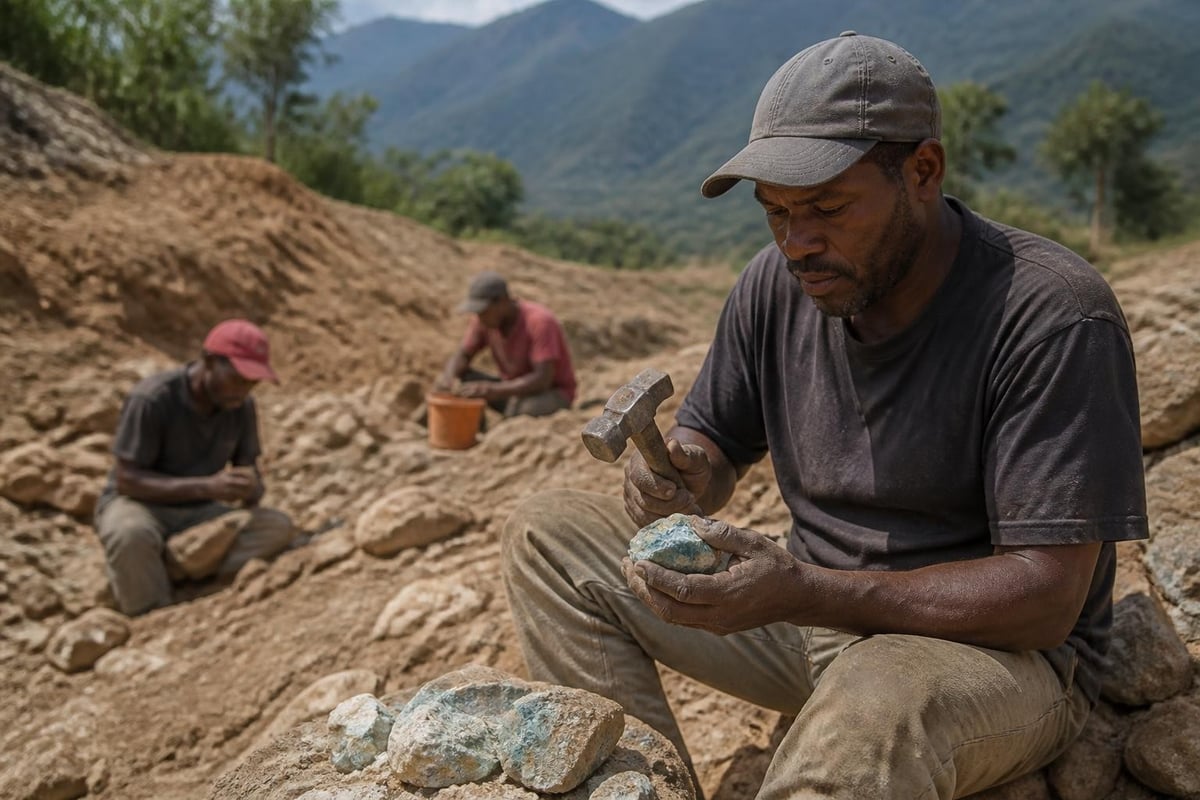
The extraction of amber and larimar presents unique challenges that affect availability and pricing. Dominican amber mining occurs primarily in the northern regions, particularly around Santiago and Puerto Plata, where sedimentary deposits containing fossilized resin lie buried in hillsides. Miners often work in difficult conditions, using hand tools to excavate material from tunnels that follow amber-bearing strata.
Larimar mining concentrates in the southwestern province of Barahona, specifically in the Los Chupaderos area. The artisanal and small-scale mining operations documented in transparency initiatives highlight both the economic importance of these gemstones to local communities and the need for sustainable extraction practices.
Mining sustainability concerns include:
The limited geographic distribution of high-quality amber and larimar means that responsible sourcing practices directly impact long-term availability. Reputable dealers maintain relationships with ethical mining operations and provide authentication documentation for their gemstones.
Beyond their physical beauty, amber and larimar carry reputations for metaphysical and healing properties within various spiritual traditions. Amber has been associated with protection, healing, and energy cleansing for millennia. Practitioners of crystal healing believe amber absorbs negative energy and pain, particularly when worn against the skin. The gemstone's organic origins contribute to beliefs about its connection to life force and vitality.
Historical medical texts describe amber's supposed therapeutic applications, though modern science attributes any physical effects to placebo responses rather than intrinsic healing properties. Nevertheless, amber's warm tactile sensation and pleasant aromatic qualities when heated contribute to its continued use in aromatherapy and holistic practices.
Larimar entered the metaphysical community more recently but quickly gained recognition as a stone associated with tranquility, emotional balance, and spiritual communication. Crystal practitioners attribute calming properties to larimar, suggesting it helps reduce stress and facilitate meditation. The gemstone's ocean-like appearance reinforces associations with water element symbolism and feminine energy.
| Property Type | Amber Associations | Larimar Associations |
|---|---|---|
| Chakra Connection | Solar plexus, sacral | Throat, heart, third eye |
| Elemental Energy | Fire, earth | Water, air |
| Emotional Benefits | Confidence, vitality | Peace, emotional release |
| Physical Claims | Pain relief, inflammation | Stress reduction, cooling |
While scientific validation for metaphysical claims remains limited, the psychological comfort and aesthetic pleasure these gemstones provide contributes meaningfully to wearer satisfaction and emotional well-being.
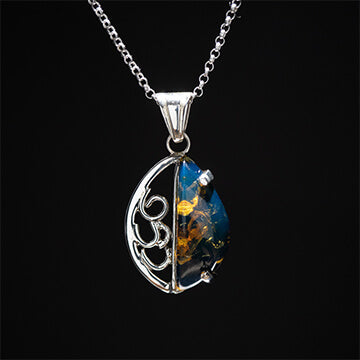
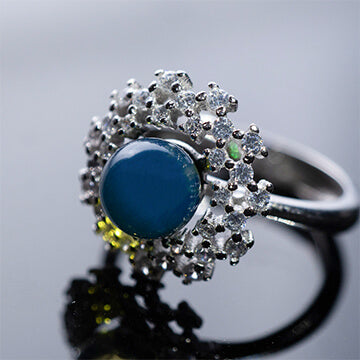
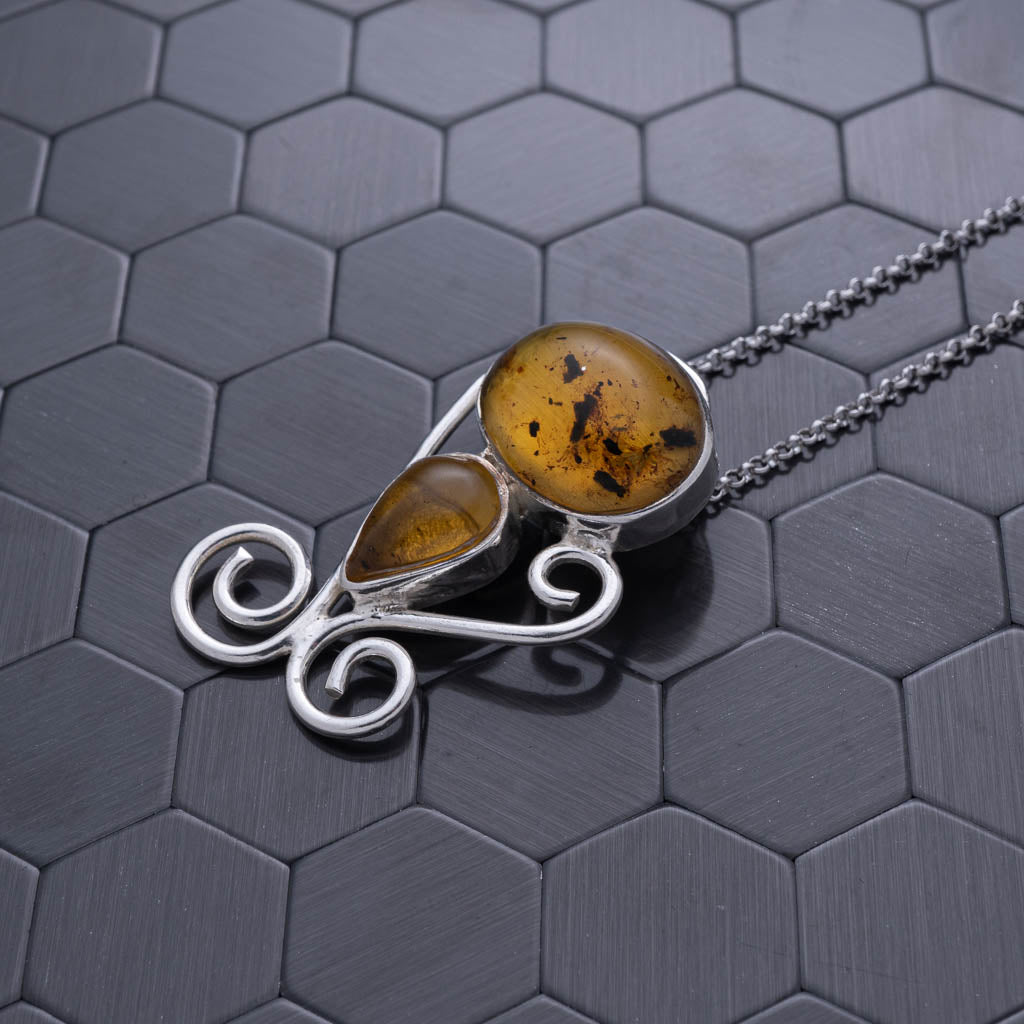
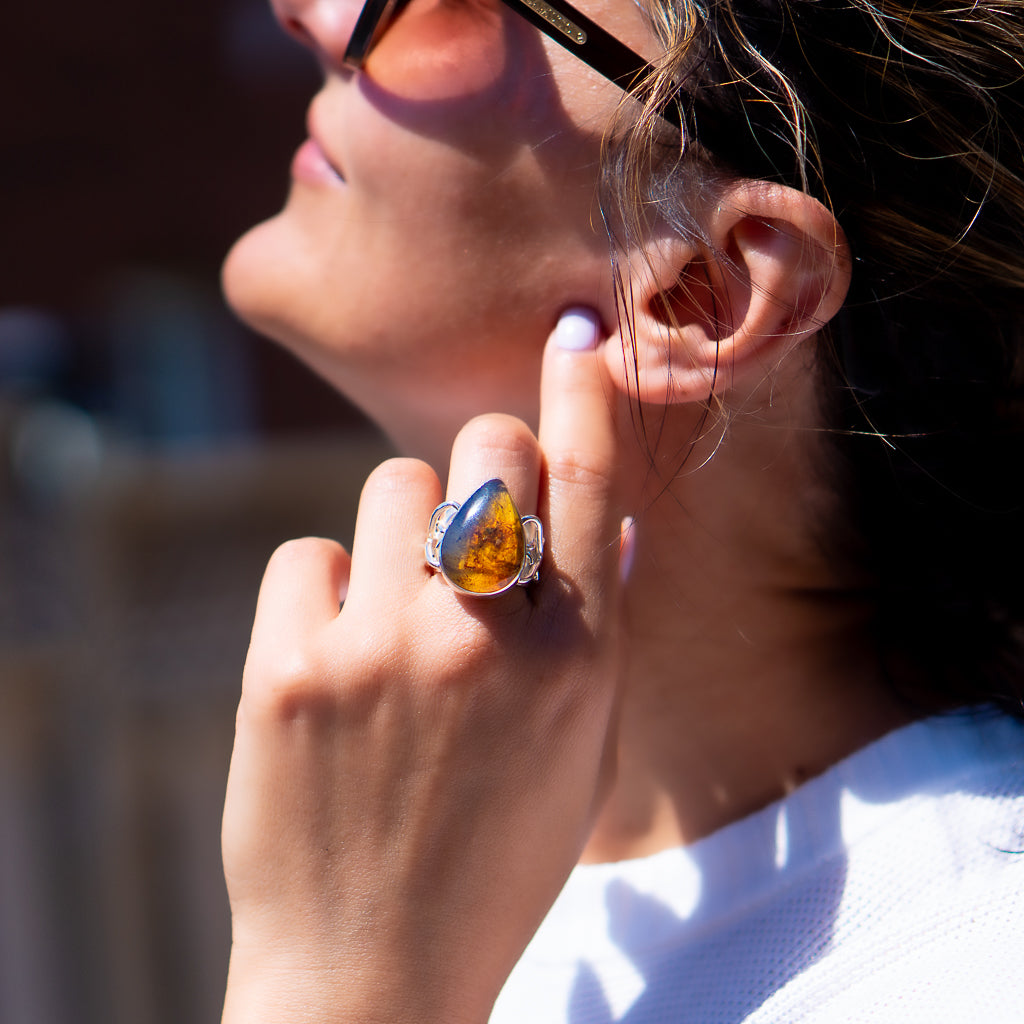
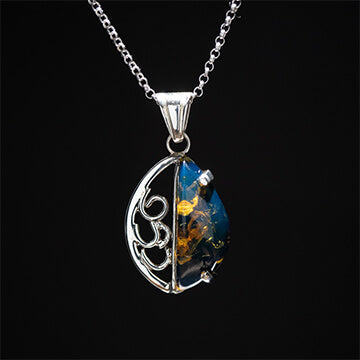
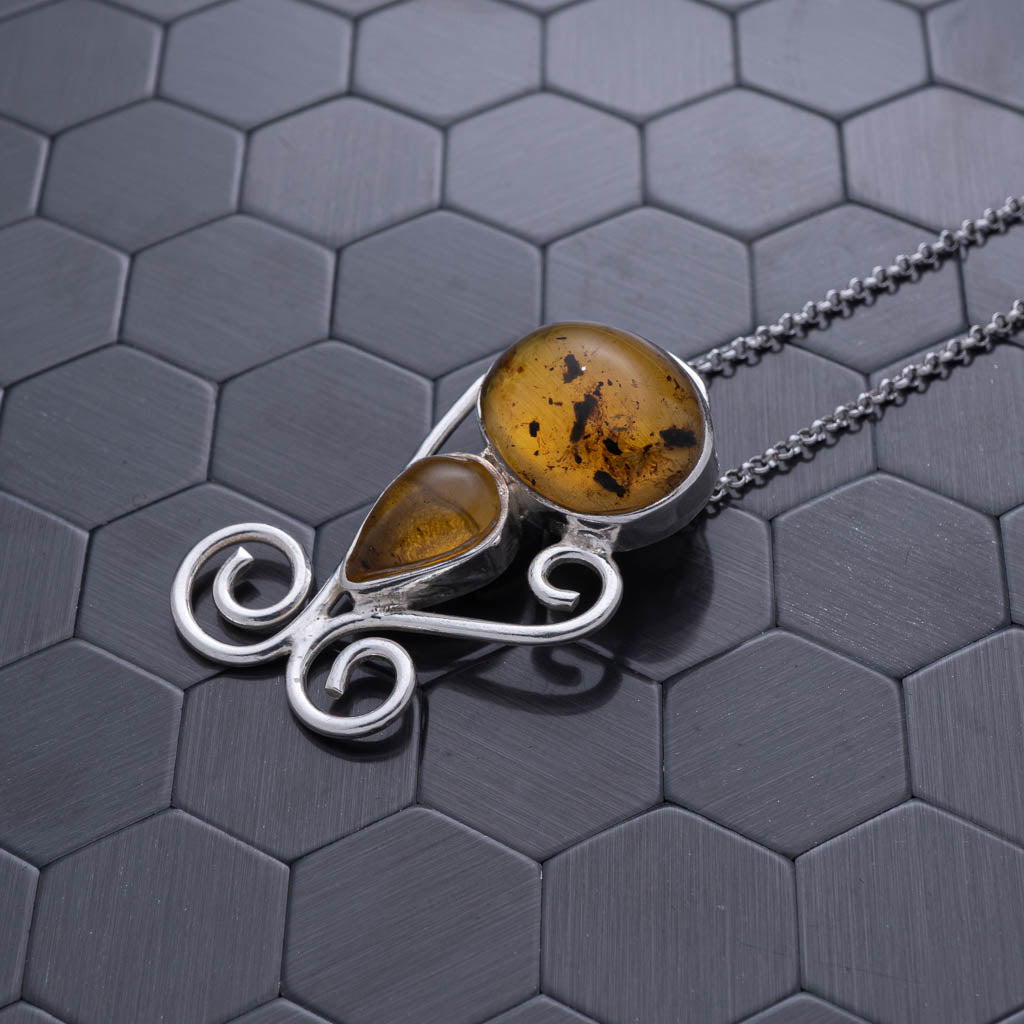
The distinctive characteristics of amber and larimar inspire diverse jewelry applications that showcase each gemstone's unique beauty. Amber's warm golden tones complement both yellow and white precious metals, while its lightweight nature makes it comfortable for large statement pieces. Dominican blue amber pendants particularly captivate collectors due to their remarkable fluorescence and rarity.
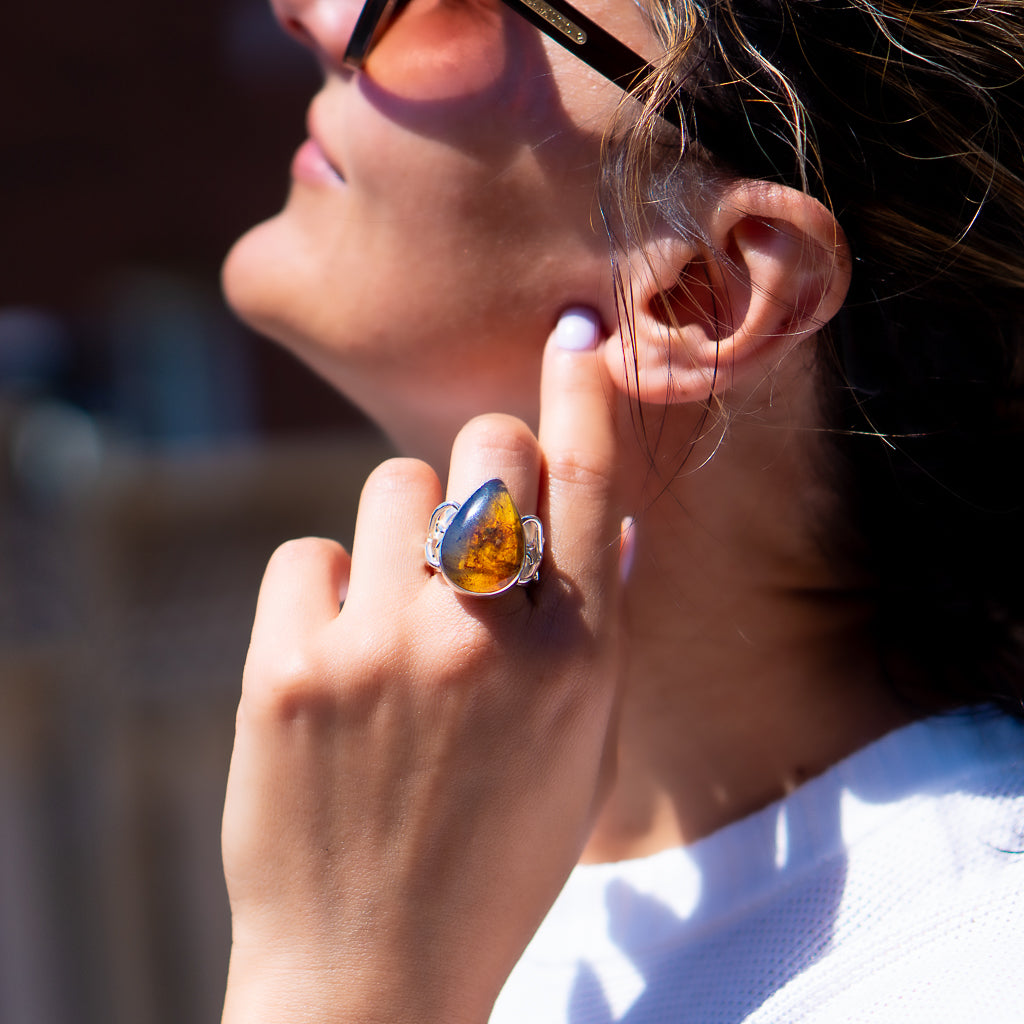
Designers working with amber must account for its relative softness and sensitivity to chemicals. Protective settings such as bezel mounts offer superior security compared to prong settings that expose vulnerable edges. The gemstone's organic warmth pairs beautifully with natural materials like leather, wood, and other organic gemstones.
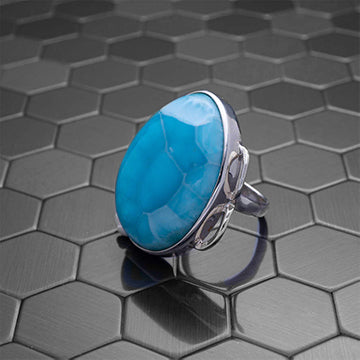
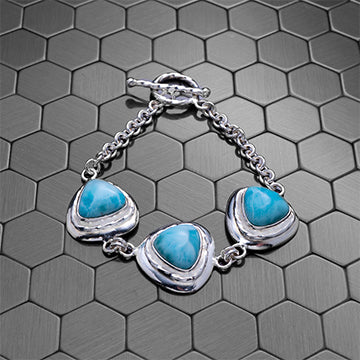
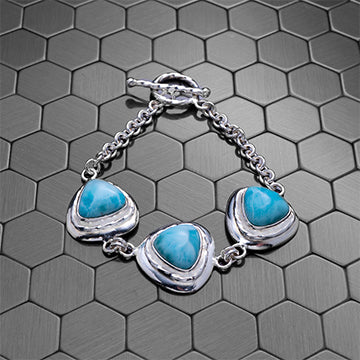
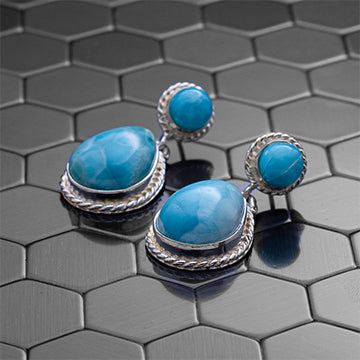
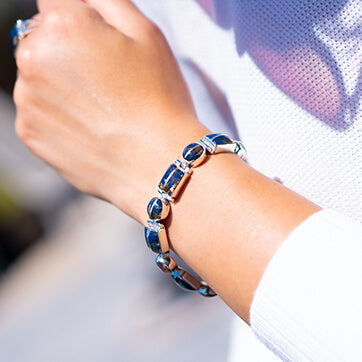
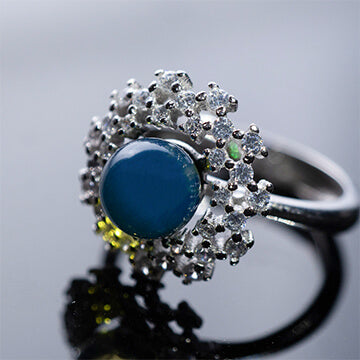
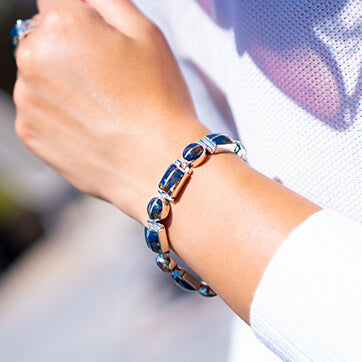
Larimar's serene blue palette creates stunning contrast when set in sterling silver, which enhances the stone's cool tones. The gemstone's natural patterns ensure that no two pieces appear identical, making each creation unique. Skillful lapidaries orient cuts to maximize larimar's characteristic white streaking patterns that evoke Caribbean seascapes.
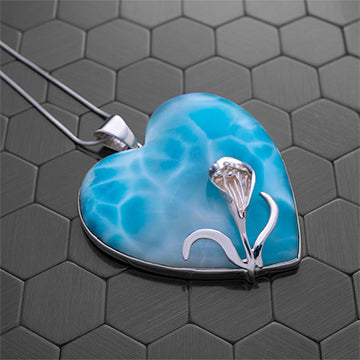
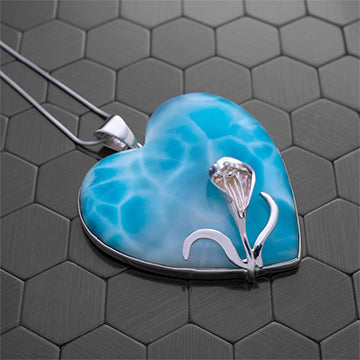
Contemporary jewelry trends increasingly emphasize both gemstones' Caribbean origins, with designers creating collections that celebrate Dominican geological heritage. Larimar pendants remain particularly popular, offering an ideal canvas for displaying the stone's natural beauty while symbolizing peace and calmness for wearers seeking meaningful jewelry pieces.
The Palanga Amber Museum demonstrates amber's artistic potential through historical carved pieces and contemporary interpretations, inspiring modern designers to explore amber's versatility beyond traditional bead work.
Distinguishing genuine amber and larimar from imitations requires expertise and appropriate testing methods. The amber market particularly faces challenges with synthetic resins, copal (young, incompletely fossilized resin), and plastic imitations. Authentic amber floats in saturated saltwater solutions, whereas most imitations sink, providing a simple preliminary test.
Advanced authentication techniques include:
For larimar, the primary authentication concern involves dyed howlite or magnesite marketed as genuine larimar. These substitutes lack larimar's distinctive copper-blue coloration and characteristic white matrix patterns. Reputable dealers provide gemological certifications and maintain transparent sourcing documentation.
Quality grading for both gemstones considers color intensity, clarity, pattern appeal, and overall craftsmanship. Premium Dominican blue amber commands significantly higher prices than standard golden varieties, with specimens containing well-preserved inclusions valued highest among collectors. Similarly, deep volcanic blue larimar with distinctive patterning exceeds lighter, less saturated material in market value.
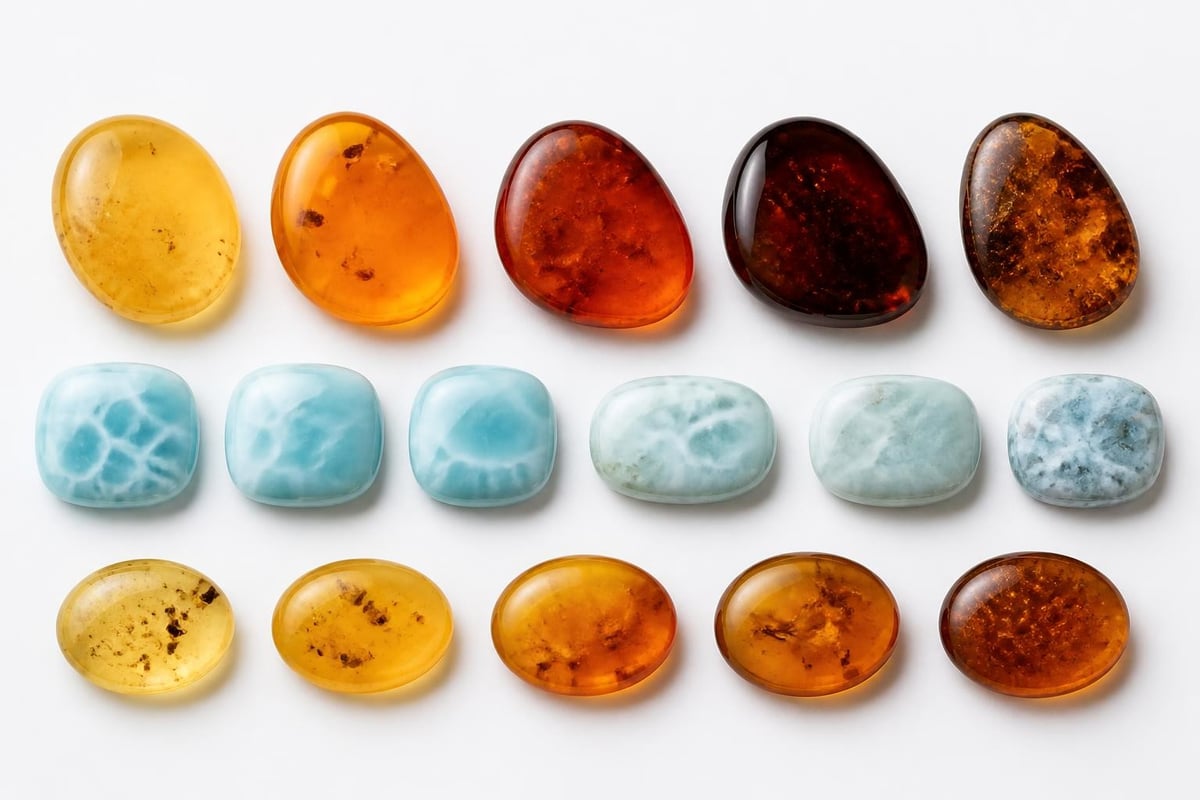
The gemstone market for amber and larimar demonstrates interesting dynamics influenced by supply limitations and growing collector interest. Dominican Republic's finite deposits create inherent scarcity that supports long-term value appreciation. As easily accessible surface deposits become exhausted, mining operations must extend deeper into mountains, increasing extraction costs and potentially reducing future supply.
Investment-grade specimens typically feature exceptional characteristics: for amber, this means large size, perfect clarity, significant inclusions, or intense blue fluorescence; for larimar, deep color saturation, minimal matrix intrusion, and superior polish define premium pieces. Collectors increasingly seek Dominican blue amber specimens as both aesthetic objects and potential investment vehicles.
Market pricing varies substantially based on quality factors, with retail prices for finished jewelry reflecting both material costs and artisan craftsmanship. Wholesale gemstone markets show steady demand from international jewelry manufacturers, particularly in Asian markets where both amber and larimar have gained popularity.
Factors influencing market value:
The relatively recent recognition of larimar in international markets suggests potential for continued value growth as awareness expands beyond Caribbean tourism channels. However, gemstone investments carry inherent risks, and purchasers should prioritize aesthetic enjoyment over speculative returns.
Proper care extends the life and beauty of amber and larimar jewelry significantly. Both gemstones require gentle handling due to their moderate hardness levels and sensitivity to environmental factors. Amber particularly requires protection from prolonged heat exposure, which can cause darkening or create surface cracks. Storing amber away from direct sunlight in cool, stable conditions preserves its clarity and color.
Cleaning amber involves nothing more aggressive than lukewarm water and mild soap, applied with a soft cloth. Avoid ultrasonic cleaners, steam cleaning, and chemical jewelry cleaning solutions, all of which can damage amber's delicate surface or internal structure. After cleaning, a light application of natural oil helps maintain amber's lustrous appearance.
Larimar tolerates similar gentle cleaning methods but proves slightly more durable than amber. The stone's perfect cleavage means it remains vulnerable to sharp impacts that could cause fracturing along crystal planes. Protective settings help safeguard larimar pieces during daily wear, and removing jewelry during activities involving potential impacts prevents accidental damage.
| Storage Factor | Amber Requirements | Larimar Requirements |
|---|---|---|
| Temperature | Cool, stable (60-75°F) | Room temperature acceptable |
| Humidity | Moderate (40-60%) | Standard conditions fine |
| Light Exposure | Minimize direct sunlight | Normal indoor lighting safe |
| Container | Soft fabric pouches | Individual compartments |
| Chemical Contact | Avoid perfumes, lotions | Keep away from acids |
Professional inspection and maintenance every few years ensures settings remain secure and surfaces stay properly polished. Jewelers experienced with softer gemstones can provide re-polishing services if scratches develop over time.
The complementary characteristics of amber and larimar create compelling opportunities for unified jewelry designs that celebrate their shared Dominican origins. The warm golden or blue tones of amber contrast beautifully with larimar's cool oceanic blues, creating visual interest while maintaining thematic coherence. Designers working with both materials can evoke complete Caribbean imagery: amber representing tropical sunshine and ancient forests, larimar symbolizing crystalline seas and tranquil waters.
Technical considerations when combining these gemstones include accommodating their different hardness levels and care requirements. Settings must protect both materials appropriately, with design elements that prevent direct contact between stones that might cause scratching. Metal separators, strategic placement, and thoughtful layout prevent damage while maximizing visual impact.
Design themes for combined pieces:
Collections featuring both larimar jewelry and amber jewelry pieces allow enthusiasts to appreciate the full spectrum of Dominican gemstone artistry. Whether worn separately or combined in unified designs, these gemstones offer versatile options for personal adornment and meaningful gift-giving.
Growing awareness of amber and larimar's unique qualities suggests expanding markets for these exceptional gemstones. Educational initiatives highlighting their geological significance, cultural importance, and aesthetic versatility introduce new audiences to Caribbean gemstone treasures. Digital platforms enable global access to authenticated specimens and artisan-crafted jewelry, removing geographic barriers that previously limited market reach.
Sustainability concerns increasingly influence purchasing decisions, with conscious consumers seeking ethically sourced gemstones and transparent supply chains. The Dominican Republic's artisanal mining traditions generally involve smaller environmental footprints than industrial extraction operations, though ongoing efforts to formalize and regulate the sector continue developing.
Technological advances in gemstone authentication help combat fraud while building consumer confidence. Portable spectroscopy devices and blockchain provenance tracking offer tools for verifying authenticity and ethical sourcing, addressing primary concerns among discerning purchasers.
The intersection of traditional craftsmanship with contemporary design sensibilities ensures amber and larimar remain relevant to evolving aesthetic preferences. Whether incorporated into minimalist modern settings or elaborate artistic creations, these gemstones adapt to diverse style expressions while maintaining their intrinsic character and appeal.
Amber and larimar represent exceptional examples of how geological processes create gemstones with distinctive beauty and cultural significance, offering jewelry enthusiasts access to rare treasures found nowhere else on Earth. Whether you're drawn to amber's ancient warmth or larimar's serene oceanic tones, these Caribbean gemstones provide meaningful connections to natural history and artistic expression. Larimar Creations specializes in expertly crafted jewelry featuring both larimar and Dominican blue amber, offering authenticated pieces with worldwide shipping so collectors everywhere can experience these extraordinary gemstones firsthand.