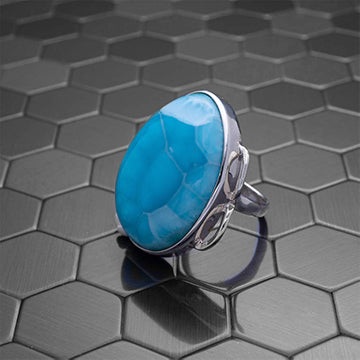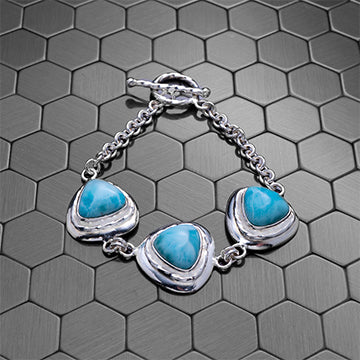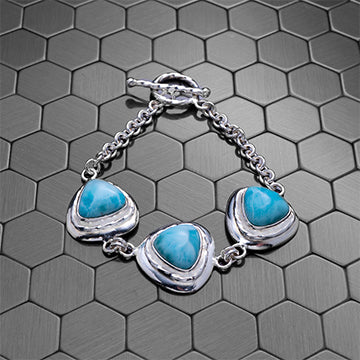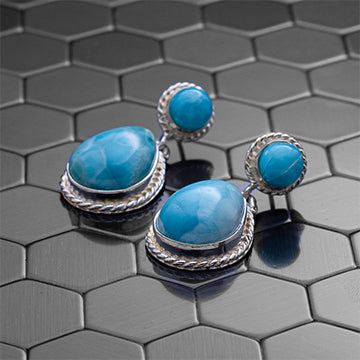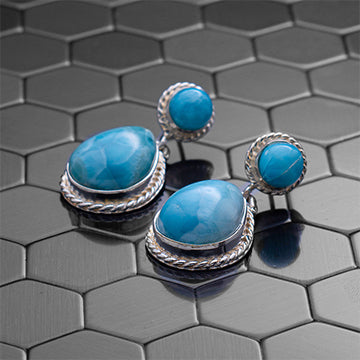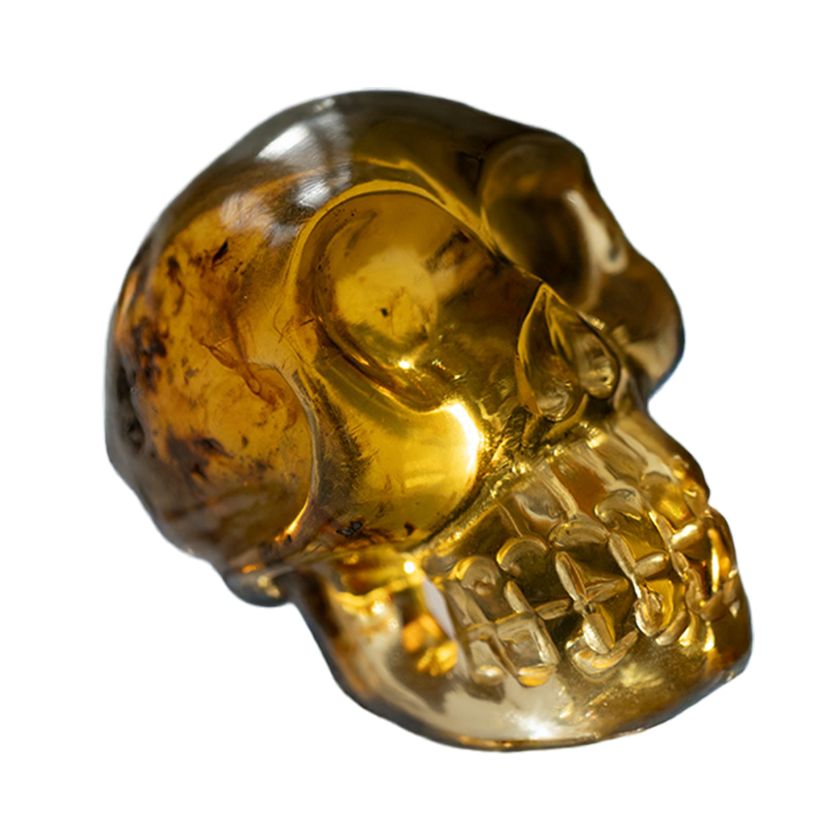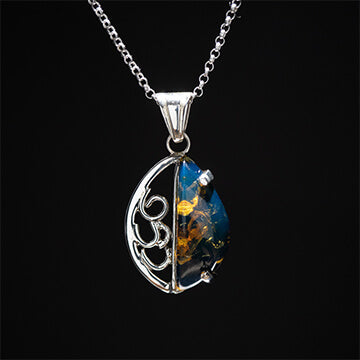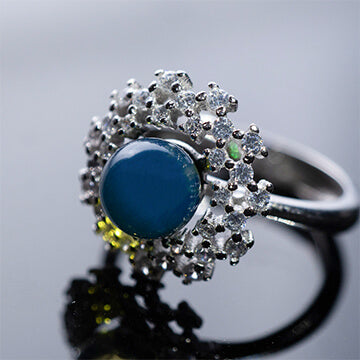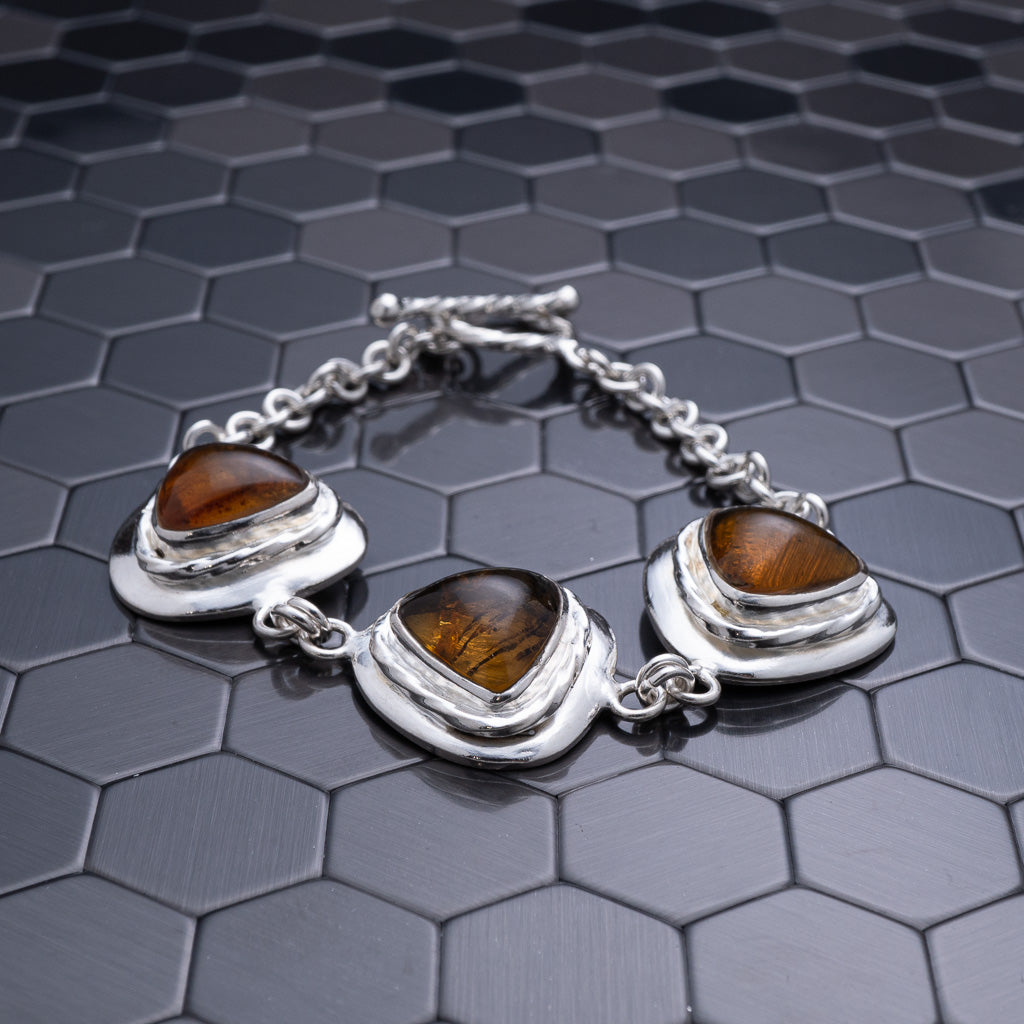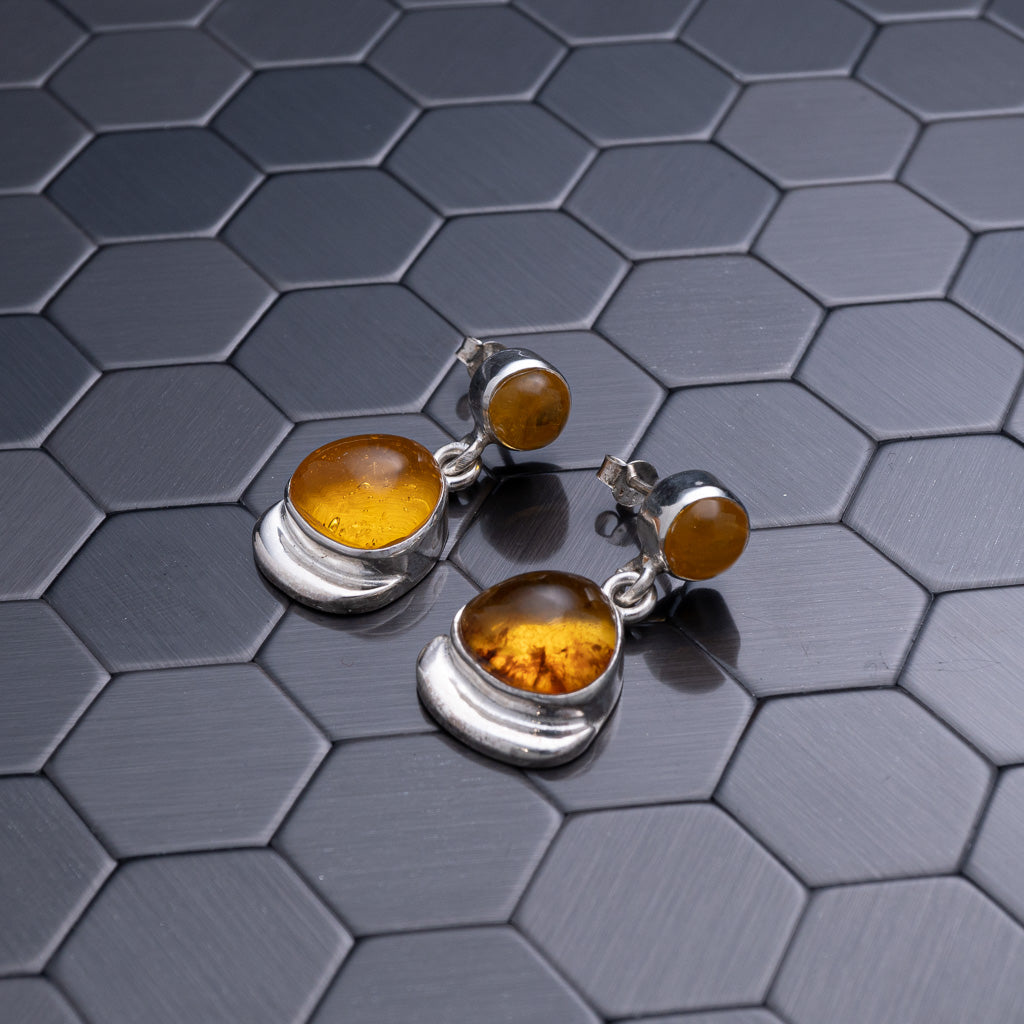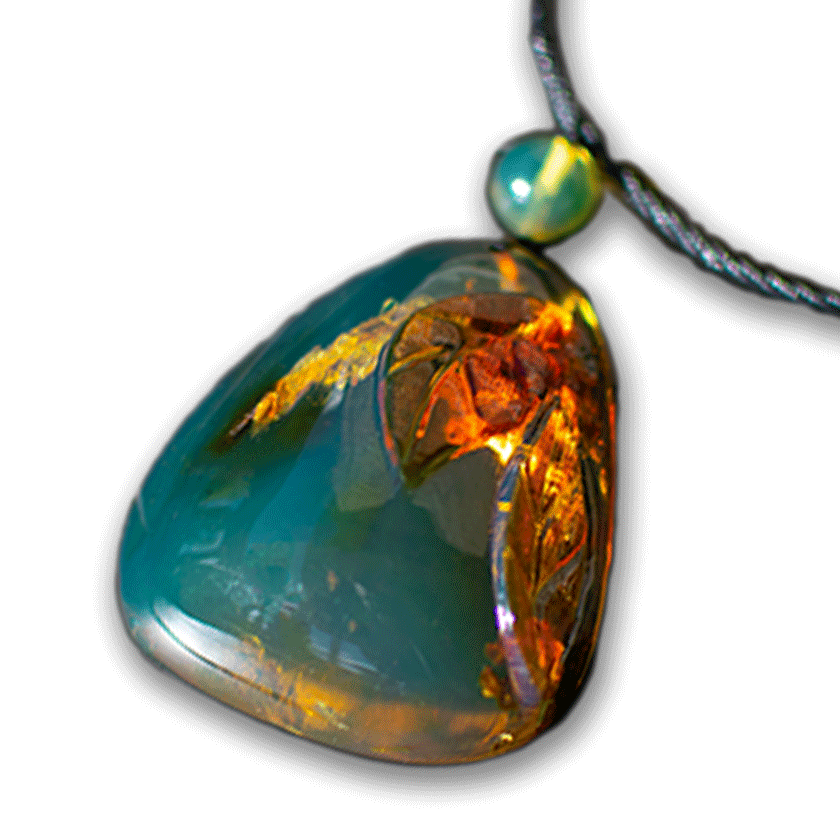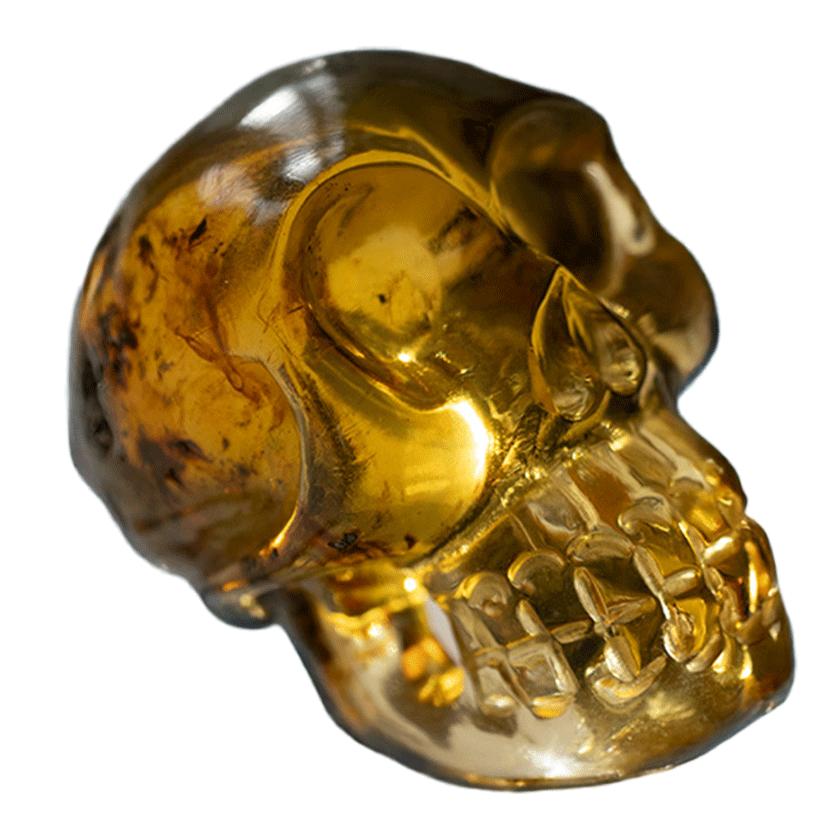


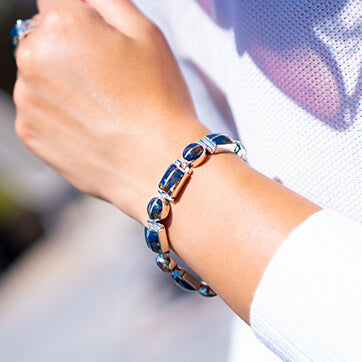
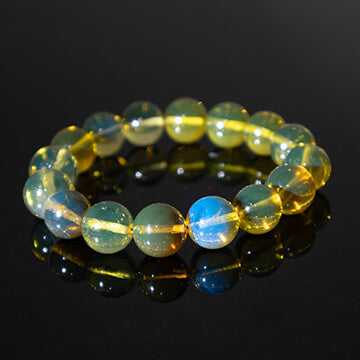
Handcrafted in DR.

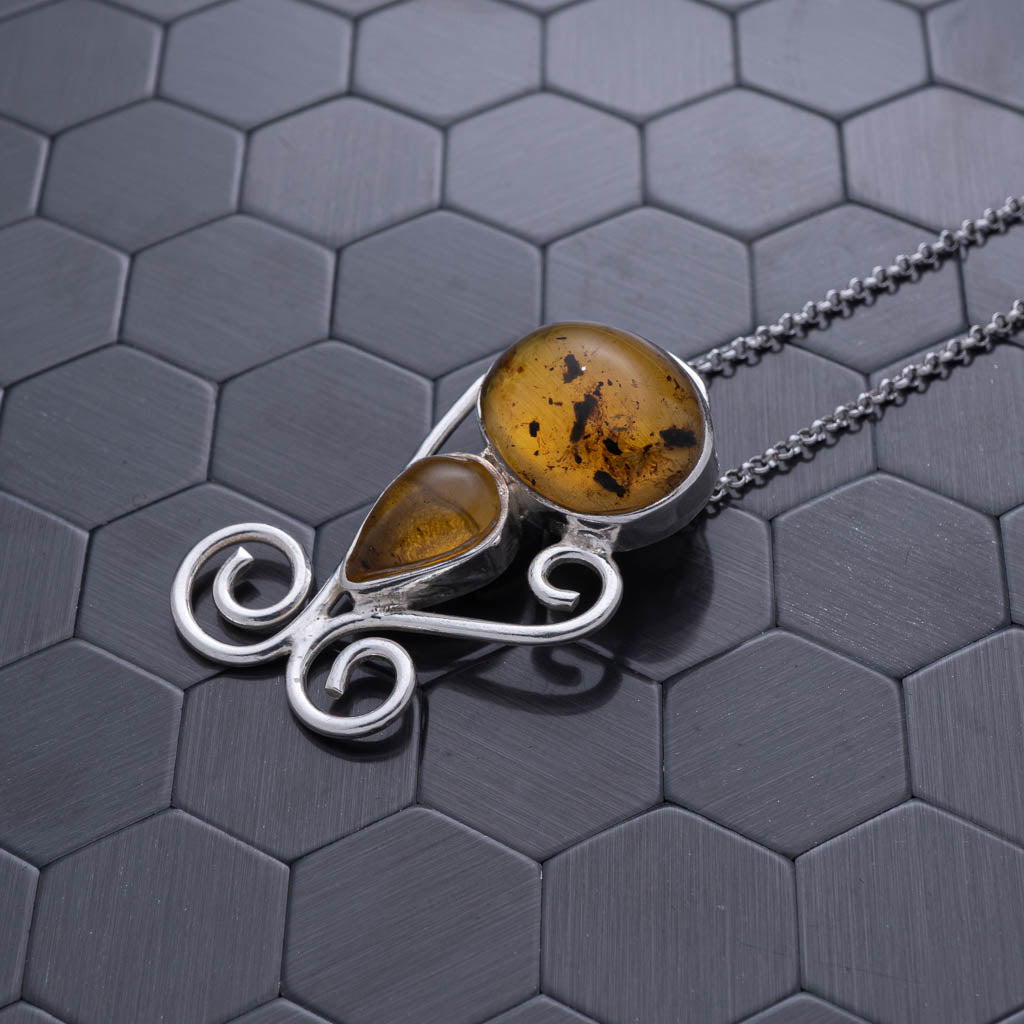
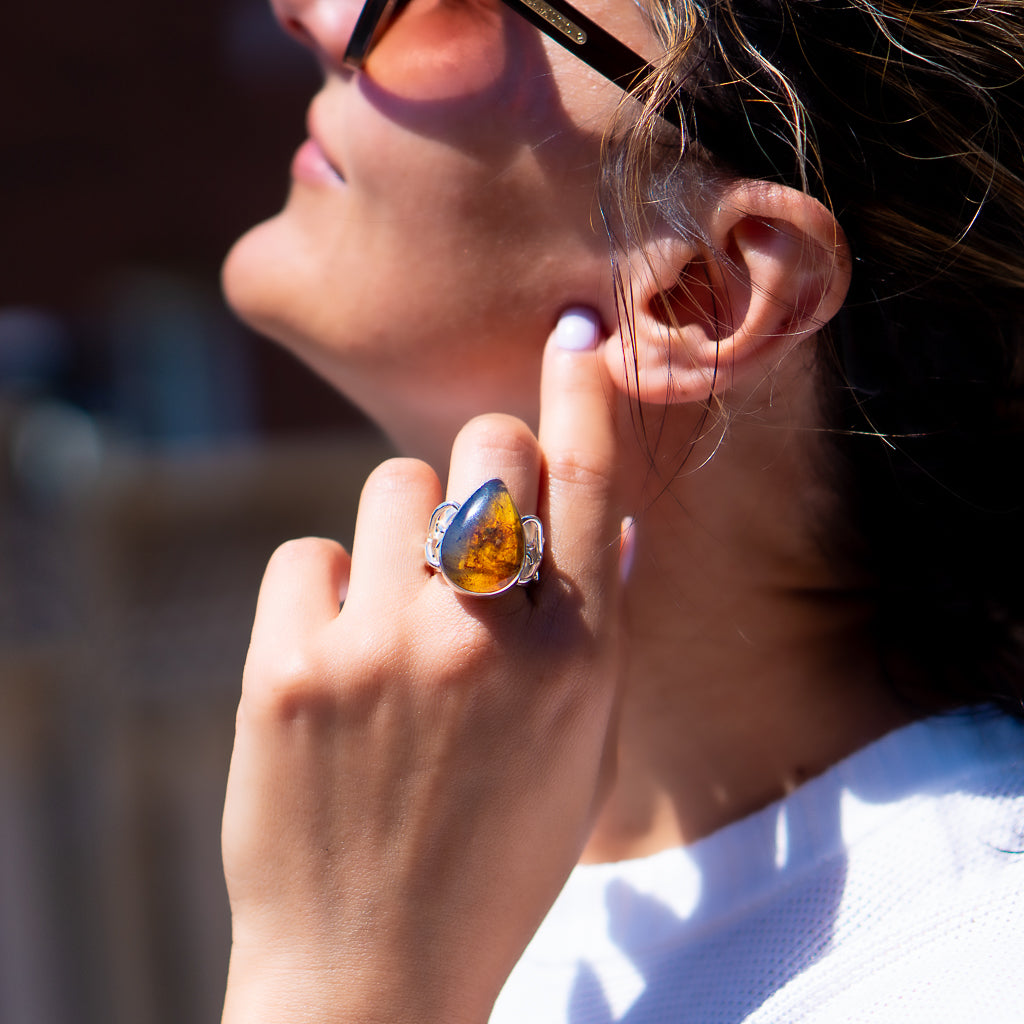
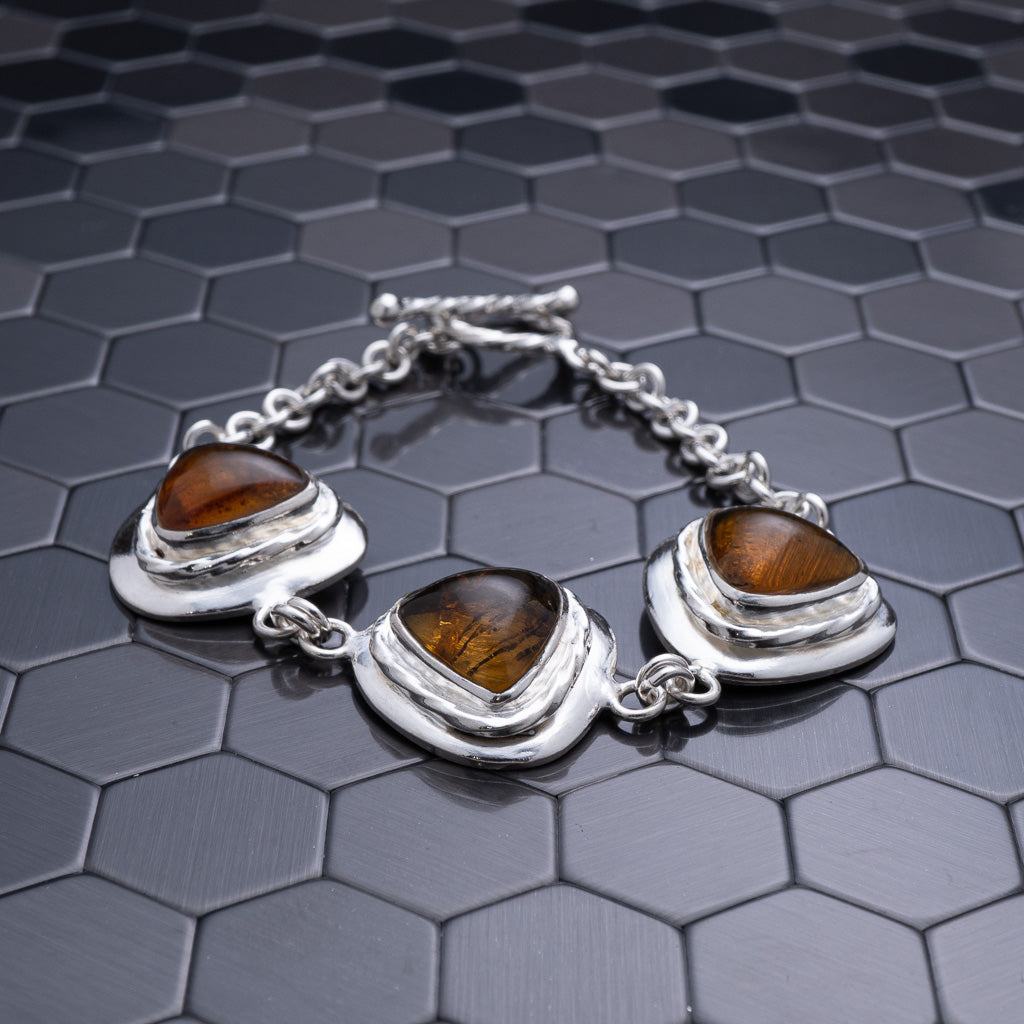
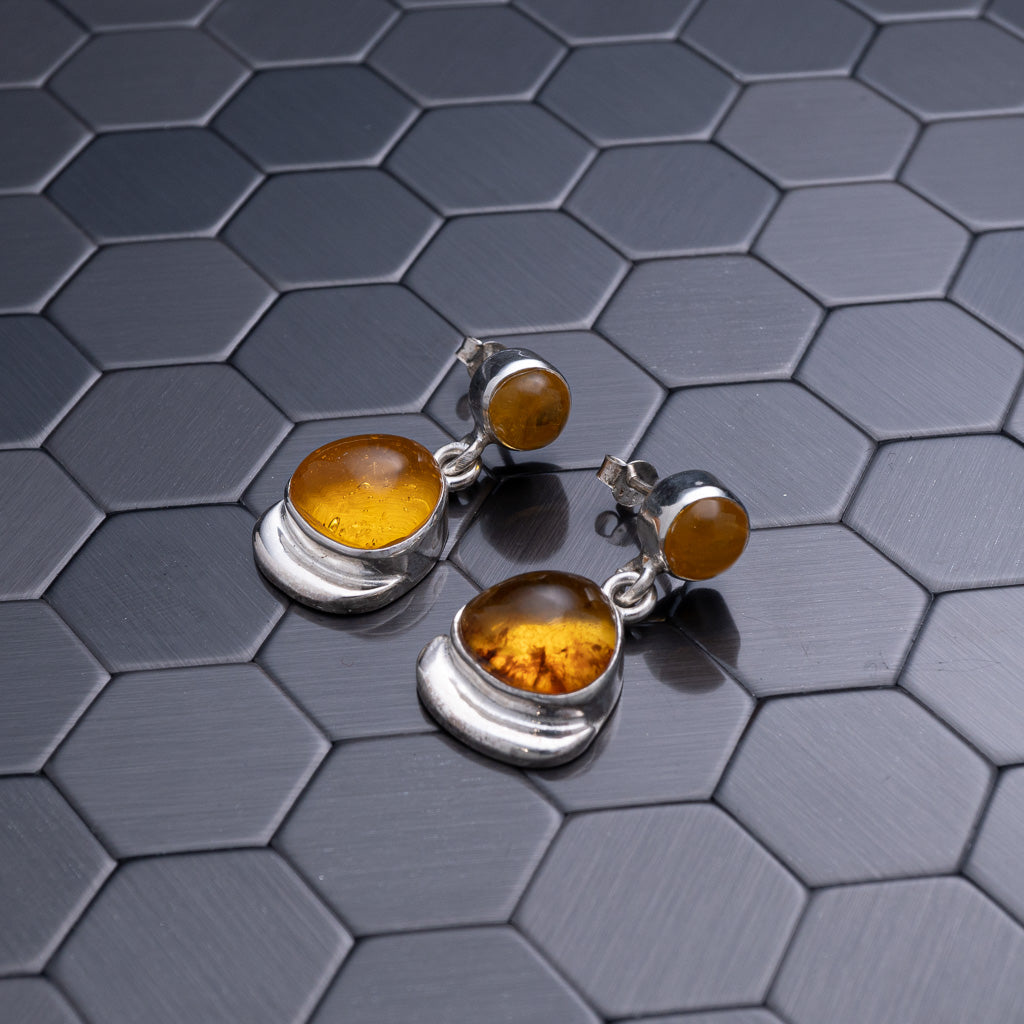


100% Handcrafted in DR.

The allure of polished jewelry lies not only in the precious materials from which pieces are crafted but also in the meticulous finishing that transforms raw metal and stone into brilliant, wearable art. Whether you own a treasured heirloom, a contemporary designer piece, or handcrafted gemstone jewelry, understanding the nuances of polishing, maintenance, and preservation ensures your collection retains its beauty for generations. This comprehensive guide explores the science, techniques, and best practices surrounding polished jewelry, offering insights that apply to everything from silver bracelets to rare gemstone pendants.
Polished jewelry represents the final stage of a complex manufacturing process where artisans apply specific techniques to achieve desired surface qualities. The term "polish" encompasses multiple finish levels, each creating distinct visual and tactile effects.
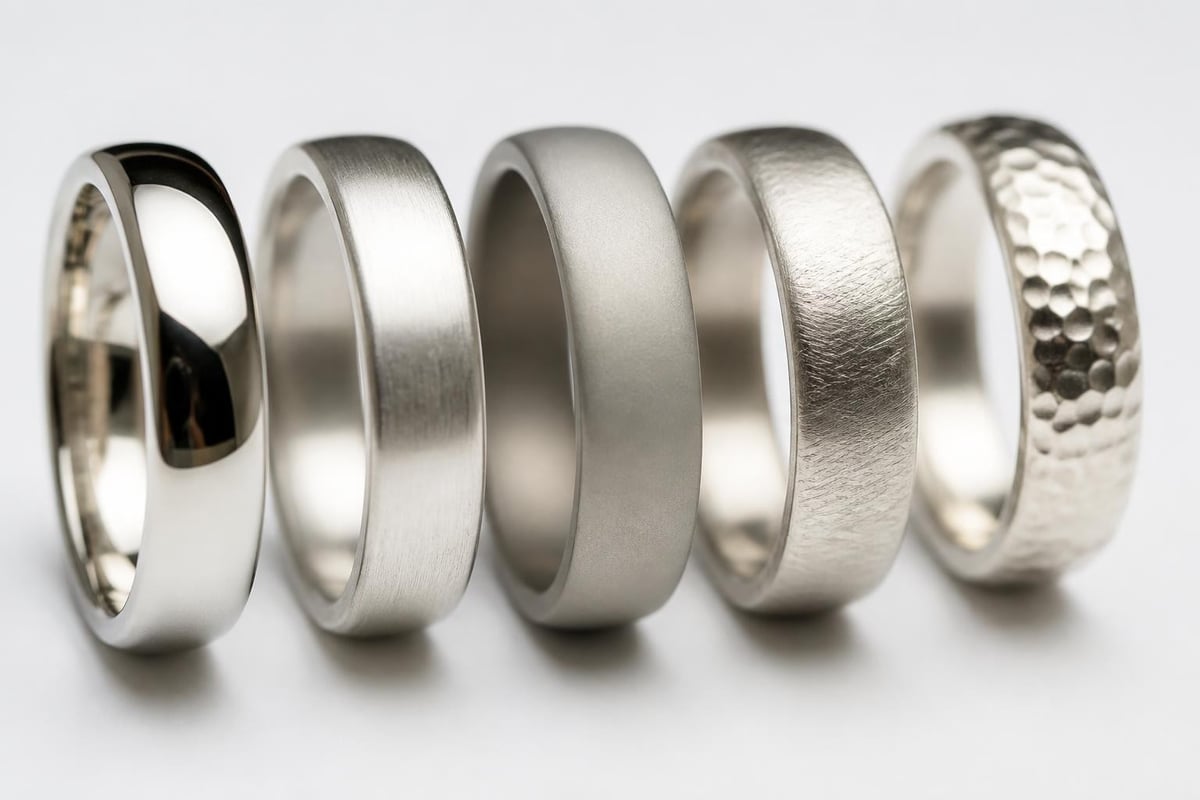
Jewelry finishes range from high mirror polish to subtle satin textures. A mirror finish delivers maximum reflectivity, achieved through progressively finer abrasives that eliminate microscopic scratches. This finish works exceptionally well on precious metals like platinum, white gold, and sterling silver.
Different metals respond uniquely to polishing compounds and techniques. Gold maintains its luster longer than silver, which oxidizes readily when exposed to air and sulfur compounds. According to the Canadian Conservation Institute's research on silver tarnish, the chemical reaction between silver and atmospheric sulfur creates silver sulfide, the dark tarnish layer that necessitates regular polishing.
Gemstones require specialized polishing approaches based on their hardness, structure, and optical properties. The Mohs hardness scale determines which abrasives and techniques craftsmen employ. Softer stones like larimar (ranking 4.5-5 on the Mohs scale) demand gentler compounds than sapphire or diamond.
Modern lapidary techniques utilize a progression of increasingly fine grits to eliminate scratches left by previous steps. The Gemstone Lab's primer on polishing compounds explains how aluminum oxide, cerium oxide, and diamond paste serve different roles in achieving optimal gemstone brilliance. Each compound removes smaller imperfections until the stone surface becomes smooth enough to reflect light uniformly.
Professional jewelers employ multiple polishing methods depending on the piece's construction, materials, and intended finish. Understanding these techniques helps consumers appreciate the craftsmanship behind polished jewelry and make informed decisions about maintenance.
Rotary tumbling remains popular for batch-finishing jewelry pieces. Jewelers place items in a rotating barrel with polishing media (ceramic or steel shot), water, and compound. Over several hours, constant abrasion smooths surfaces and burnishes metal to a brilliant shine.
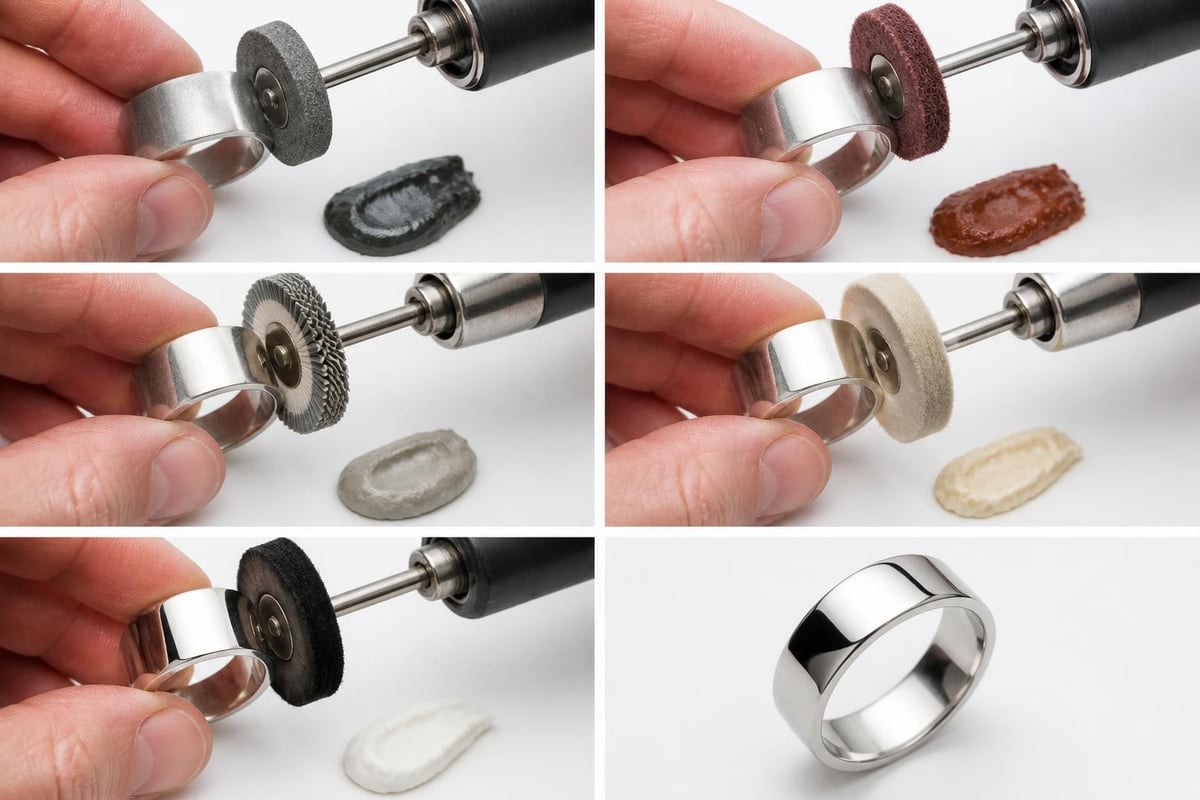
Buffing wheels attached to bench motors represent the traditional jeweler's finishing tool. Different wheel materials and polishing compounds create various effects:
| Wheel Type | Compound | Result | Best For |
|---|---|---|---|
| Muslin | Tripoli | Pre-polish, scratch removal | Initial smoothing |
| Flannel | Rouge | High shine | Final mirror finish |
| Felt | Diamond | Precision polish | Hard gemstones |
| Leather | Cerium oxide | Gentle luster | Softer stones |
The step-by-step cabochon polishing guide from Cratex demonstrates how lapidary artisans progress through grinding, sanding, and polishing stages when working with gemstones. Each stage uses finer abrasives, typically ranging from 80-grit for shaping through 14,000-grit or higher for final polish.
Intricate polished jewelry often requires hand finishing to reach recessed areas and preserve intentional textures. Jewelers use flex shafts (flexible rotary tools) with mounted points, brushes, and polishing bobs to access tight spaces around prongs, between design elements, and inside rings.
Specialized polishing papers and cloths treated with rouge or other compounds allow controlled hand polishing without removing excess metal. This precision proves essential when working with pieces featuring multiple finishes or when avoiding damage to adjacent gemstones.
While professional polishing delivers optimal results, proper home care extends the time between professional services and prevents damage that diminishes your jewelry's appearance and value. The American Gem Society's practical cleaning tips provide authoritative guidance on safe maintenance practices.
Creating a regular cleaning routine prevents buildup that dulls polished jewelry surfaces. For most pieces, a gentle approach works best:
Important considerations for specific materials:
Polishing cloths impregnated with rouge or other gentle compounds offer convenient touch-up polishing between professional services. These dual-layer cloths typically feature a treated inner layer for polishing and an outer layer for buffing to final shine.
When selecting home polishing products for your jewelry collection, consider these factors:
The Winterthur Museum's silver conservation tips emphasize restraint in polishing frequency. Each polishing session removes microscopic metal layers; excessive polishing over decades can wear away fine details and reduce thickness, particularly problematic for antique pieces or those with delicate engraving.
Polished jewelry featuring gemstones requires additional care considerations beyond metal maintenance. Each gemstone species presents unique challenges based on its physical and chemical properties.
Gemstone hardness directly impacts polishing requirements and care protocols. Hard stones (diamond, sapphire, ruby) resist scratching during normal wear and maintain their polish indefinitely with minimal care. Moderately hard stones like tanzanite or peridot scratch more easily and may require periodic re-polishing.
Softer gemstones including turquoise, malachite, and larimar demand protective settings and careful handling. These materials' relative softness means they accumulate fine scratches during everyday wear, gradually diminishing their luster. Understanding your gemstone's properties helps you set realistic expectations and establish appropriate care routines.
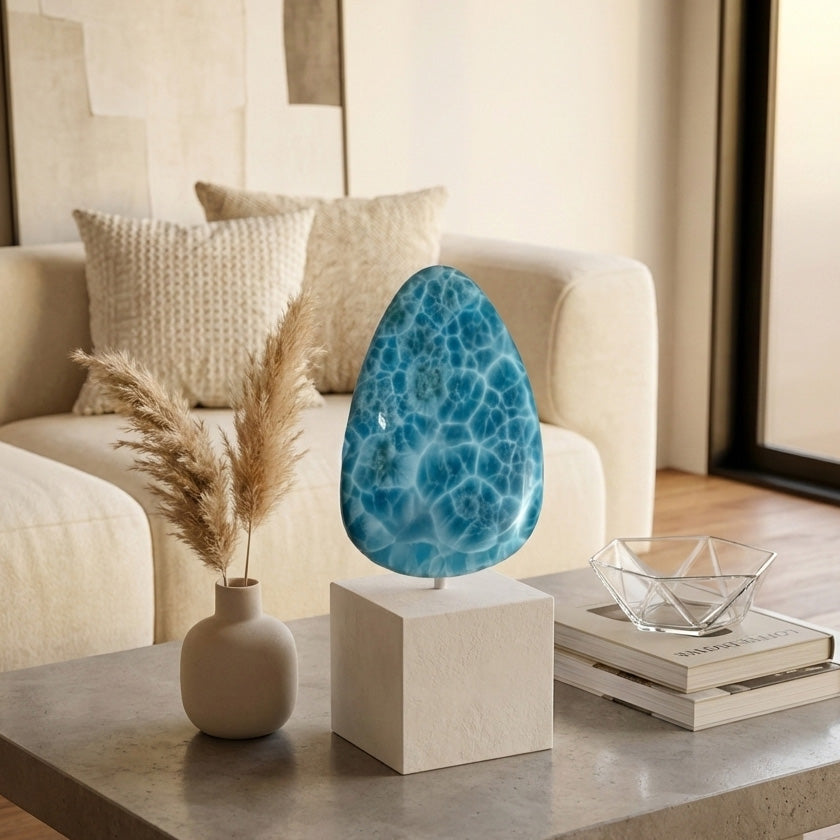
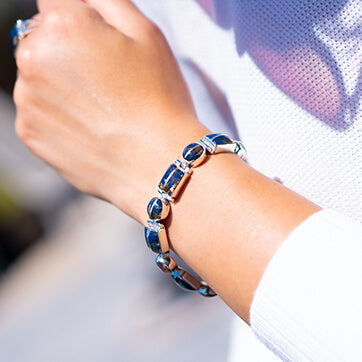
The unique properties of larimar make it particularly interesting in discussions of polished jewelry. Found exclusively in the Dominican Republic, this rare blue variety of pectolite combines stunning color with moderate hardness. Larimar's volcanic origins create distinctive patterns and color variations that artisans enhance through careful polishing techniques.
Many gemstones undergo treatments to enhance color or clarity, and these treatments affect how the stones respond to cleaning and polishing. Fracture filling, dyeing, and coating are common treatments that require special care.
| Treatment Type | Common Stones | Care Concerns | Recommended Cleaning |
|---|---|---|---|
| Fracture-filled | Emerald, ruby | Solvents damage fill | Warm water only |
| Dyed | Jade, coral | Color may fade | No chemicals, brief water |
| Coated | Topaz, tanzanite | Coating can wear off | Minimal contact, soft cloth |
| Oiled | Emerald | Oil dries over time | Professional re-treatment |
Porous stones absorb liquids, oils, and chemicals from their environment. This porosity means that cleaning solutions, lotions, and even natural skin oils penetrate the stone's structure. For pieces featuring porous gemstones, preventive care (removing jewelry before applying cosmetics, avoiding chemical exposure) proves more effective than aggressive cleaning.
Despite diligent home care, polished jewelry eventually requires professional attention to restore optimal appearance. Knowing when to seek expert services protects your investment and prevents irreversible damage from improper DIY attempts.
Several indicators suggest professional polishing would benefit your pieces:
Professional jewelers possess tools and expertise unavailable to consumers. Ultrasonic cleaners use high-frequency sound waves to dislodge debris from microscopic crevices. Steam cleaners employ pressurized vapor to sanitize and clean. Precision polishing equipment allows controlled material removal to restore uniform finish without compromising structural integrity.
When you entrust polished jewelry to a professional, understanding their process helps you communicate expectations and evaluate results. Reputable jewelers begin with thorough inspection, documenting existing condition and identifying potential issues.
The systematic approach includes:
For pieces requiring metal plating (rhodium on white gold, for example), professionals complete polishing before plating. Ganoksin's technical electroplating article explains how this post-polish plating creates durable, brilliant surfaces that enhance underlying polish work. The plating process adds a microscopically thin layer of bright metal over the polished base, providing additional protection and visual appeal.
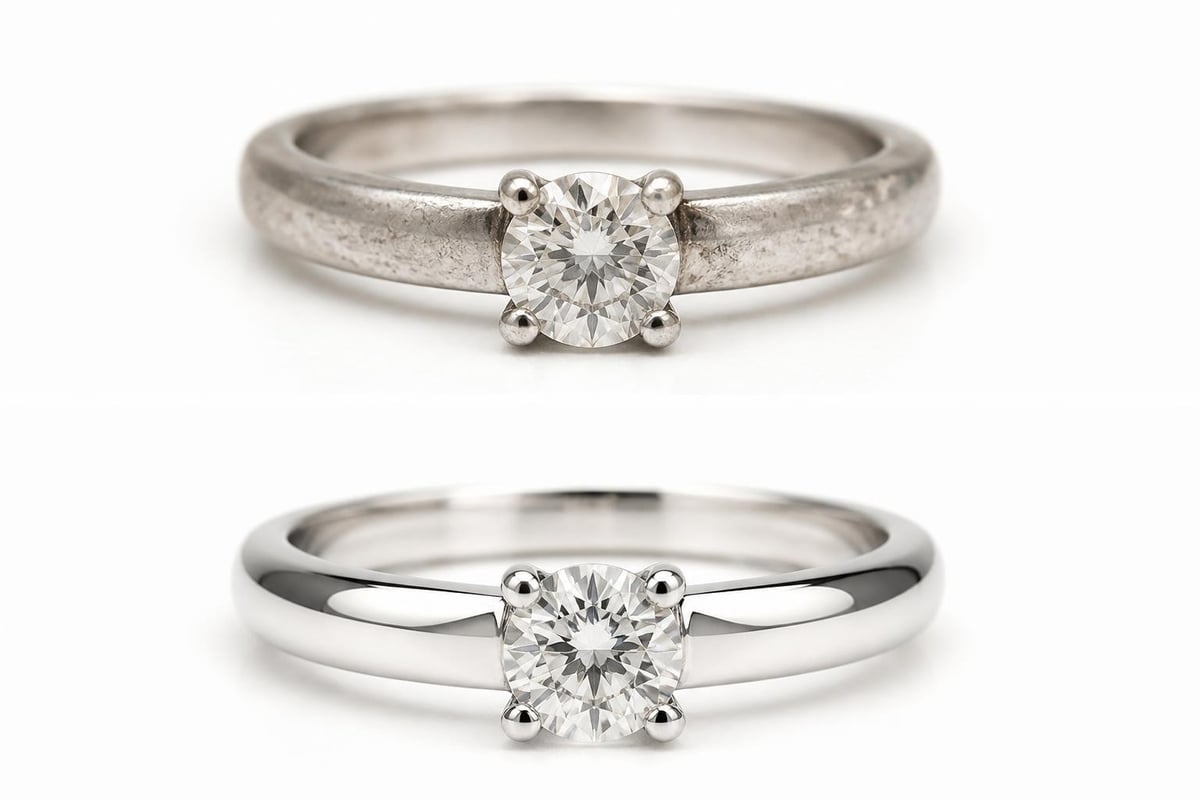
The jewelry finishing industry faces increasing scrutiny regarding environmental impact and worker safety. Understanding these considerations helps consumers make informed choices and supports businesses committed to responsible practices.
Metal finishing operations generate waste containing compounds and metal particles that require proper handling. The EPA's metal finishing effluent guidelines establish standards for facilities processing jewelry and other metal products, addressing wastewater treatment, air emissions, and solid waste disposal.
Professional jewelers working in commercial settings must comply with local and federal regulations governing:
These regulations drive innovation in polishing technology. Water-based compounds replace petroleum-based formulations. Dust collection systems capture airborne particles. Recycling programs recover precious metals from polishing waste.
Forward-thinking jewelry manufacturers adopt sustainable finishing practices that minimize environmental impact while delivering exceptional quality. These practices include:
Consumers support sustainability by choosing jewelers committed to responsible practices and by maintaining their polished jewelry properly to extend service life and reduce the frequency of energy-intensive re-polishing services.
Selecting the appropriate finish for polished jewelry involves balancing aesthetic preferences with practical considerations. Different finishes suit different styles, metals, and wearing conditions.
High polish (mirror finish) maximizes brilliance and light reflection, creating dramatic visual impact. This finish particularly suits:
Alternative finishes offer distinct advantages in specific contexts. Satin finishes hide minor scratches better than high polish, making them practical for everyday jewelry. Brushed finishes add masculine character to men's wedding bands and contemporary designs. Matte finishes create sophisticated contrast when combined with polished elements in mixed-finish pieces.
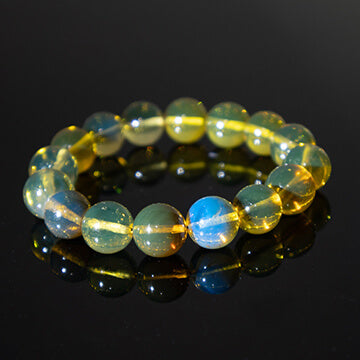
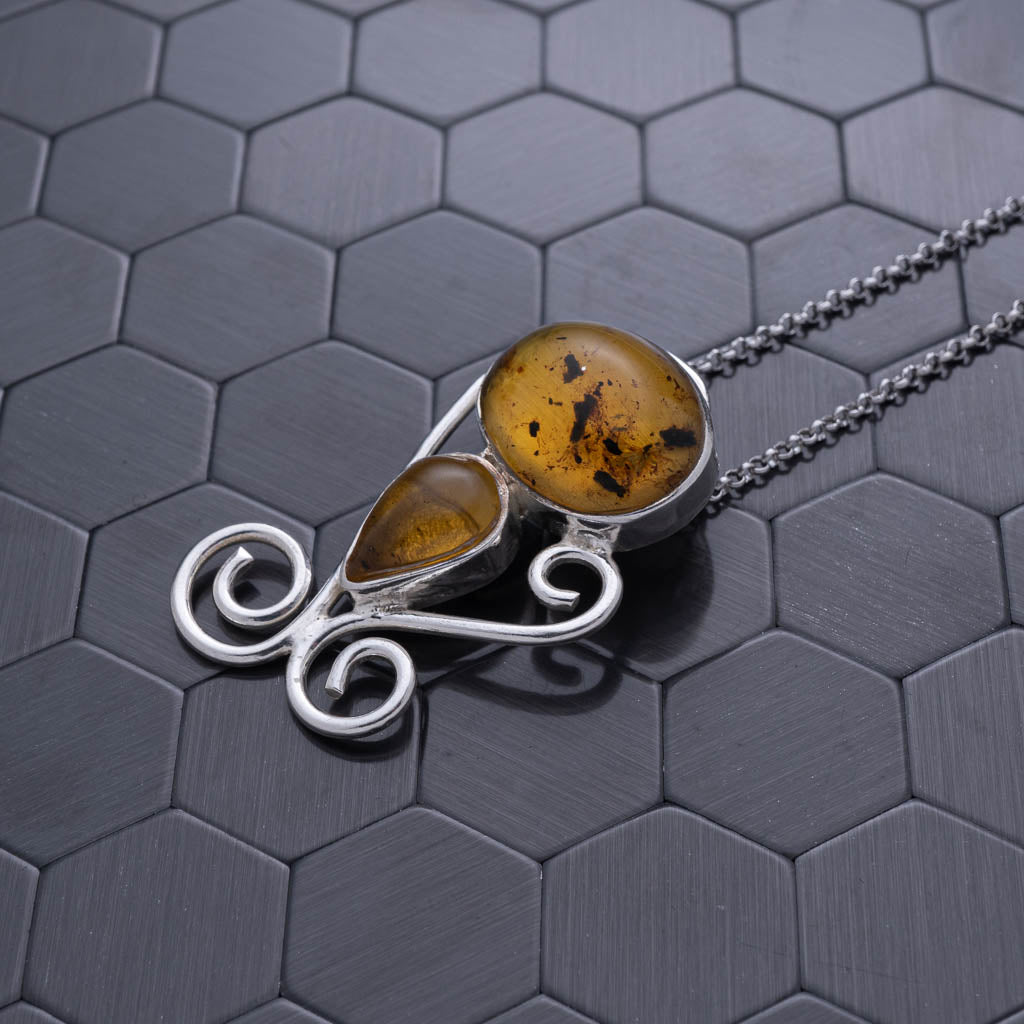
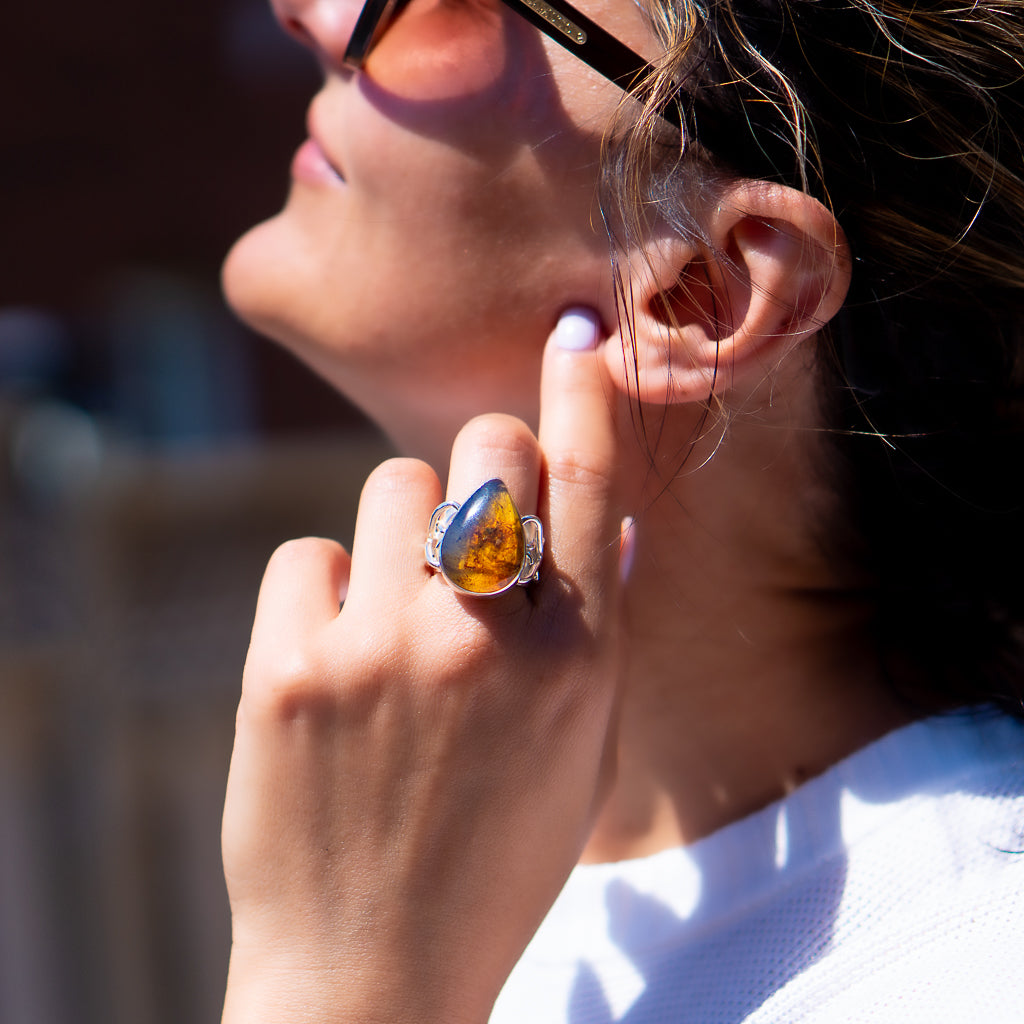
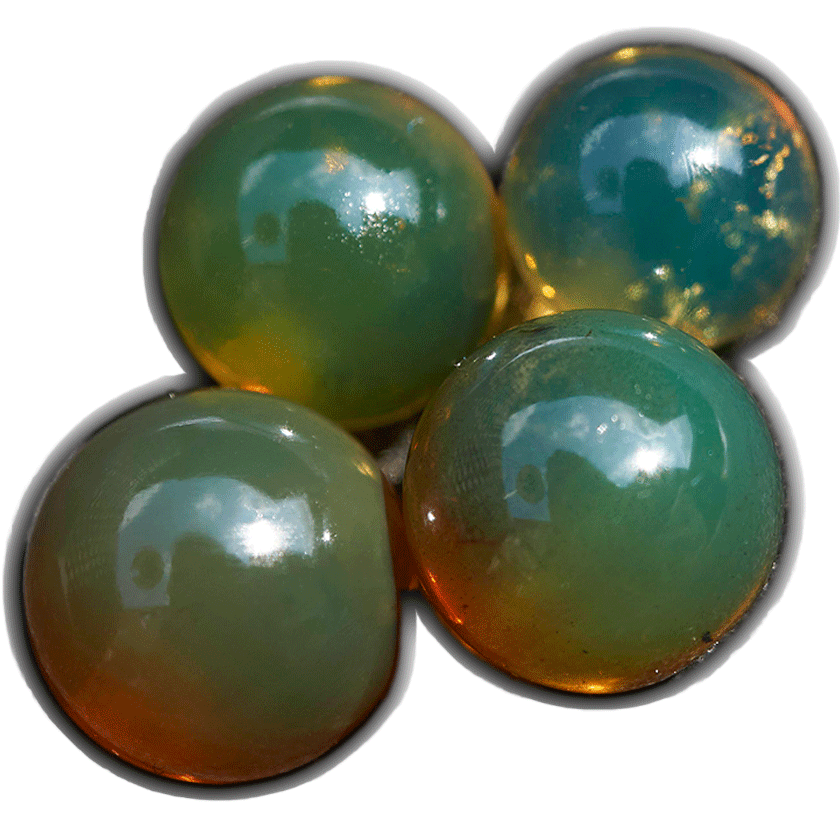
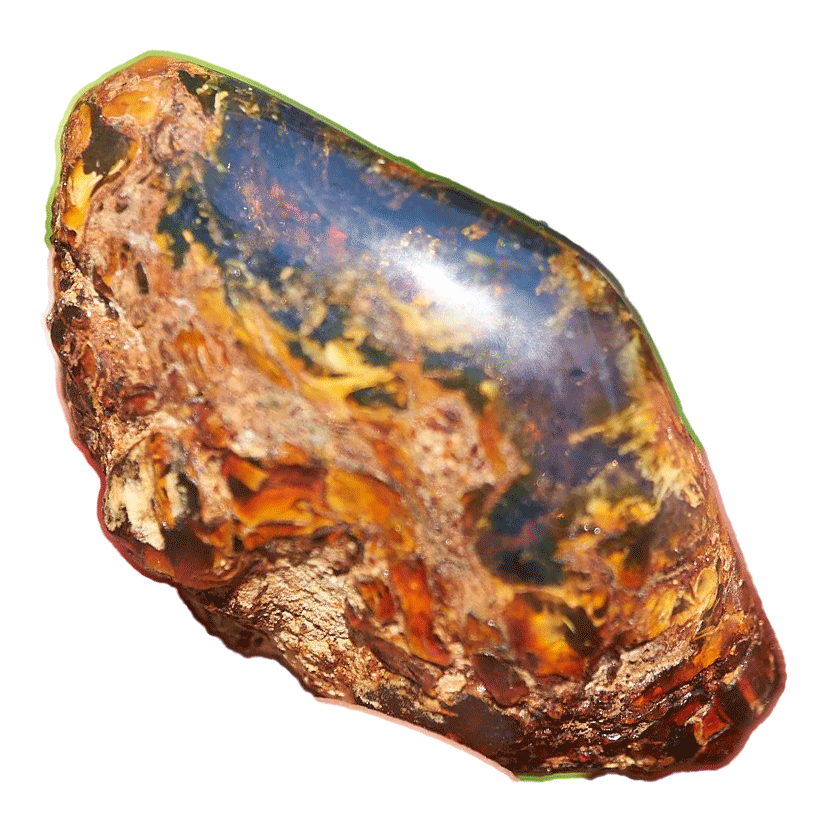
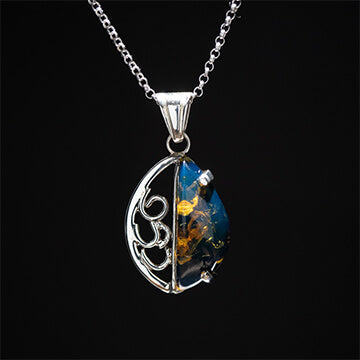
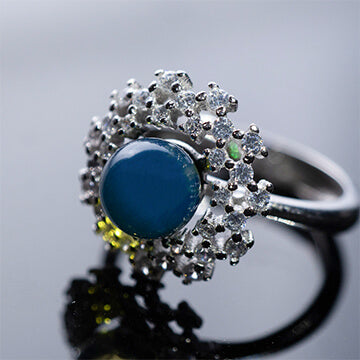
For pieces showcasing rare gemstones like larimar or Dominican blue amber, craftsmen often select finishes that complement rather than compete with the stone's natural beauty. A Larimar pendant might feature high-polish metal bezels that frame the stone while maintaining focus on the gemstone's unique patterns and color.
Your daily activities influence which finish proves most practical. Consider these lifestyle factors:
Mixed finishes within a single piece create visual interest while addressing practical concerns. A ring might combine high-polish shoulders with a brushed band, delivering sparkle where visible while maintaining a durable everyday surface.
Proper storage prevents damage that necessitates polishing and extends the time your jewelry maintains its pristine condition. Strategic preventive care proves more effective and economical than reactive polishing.
Silver polished jewelry particularly benefits from proper storage that limits atmospheric exposure. Effective anti-tarnish storage methods include:
Avoid storing different metals together; contact between dissimilar metals can accelerate corrosion. Never store jewelry in bathrooms where humidity fluctuations promote tarnish and chemical reactions.
How you handle polished jewelry significantly impacts how long it retains its finish. Always remove jewelry before:
Put jewelry on last when dressing and remove it first when undressing. This simple habit minimizes exposure to chemicals and reduces physical impacts that scratch polished surfaces. When not wearing pieces, clean them gently and store them properly rather than leaving them exposed on dressing tables where dust, light, and air accelerate deterioration.
For valuable or frequently worn pieces, consider annual professional inspections at Larimar Creations or your trusted jeweler. These preventive checkups identify loose stones, worn prongs, and finish degradation before they become serious problems requiring extensive repair.
Vintage and antique jewelry presents unique polishing challenges where preservation conflicts with restoration. Collectors and historians often debate whether maintaining original patina outweighs the aesthetic benefits of fresh polishing.
Patina-the surface oxidation and wear that develops over decades-tells a piece's history and proves its age. Some collectors prize original patina as evidence of authenticity and prefer minimal intervention. Others view heavy tarnish and scratches as damage obscuring the jeweler's original vision.
Guidelines for approaching vintage polished jewelry:
Professional conservators distinguish between cleaning (removing accumulated dirt and corrosion products) and polishing (abrading the metal surface). Cleaning generally preserves value, while aggressive polishing can diminish it by removing original metal and obliterating makers' marks or delicate details.
When polished jewelry with historical significance requires intervention, conservators employ minimal-intervention techniques:
For personal heirloom jewelry that you intend to wear rather than preserve as artifacts, balanced restoration proves appropriate. A jeweler experienced with antique pieces can refresh surfaces while preserving character, perhaps leaving some patina in recessed areas while polishing high points that catch light.
Polished jewelry represents the intersection of artistry, science, and craftsmanship, where careful finishing transforms precious materials into enduring beauty. By understanding the techniques behind different finishes, implementing proper maintenance routines, and knowing when to seek professional assistance, you protect your investment while enjoying the brilliance that makes jewelry special. Whether you treasure contemporary designs or antique heirlooms, the principles of proper care remain constant: gentle handling, appropriate cleaning, and strategic professional servicing preserve the lustrous finish that defines quality jewelry. Larimar Creations combines traditional polishing expertise with rare gemstones like larimar and Dominican blue amber, delivering handcrafted pieces that showcase both exceptional materials and meticulous finishing, ready to become treasured additions to your collection.