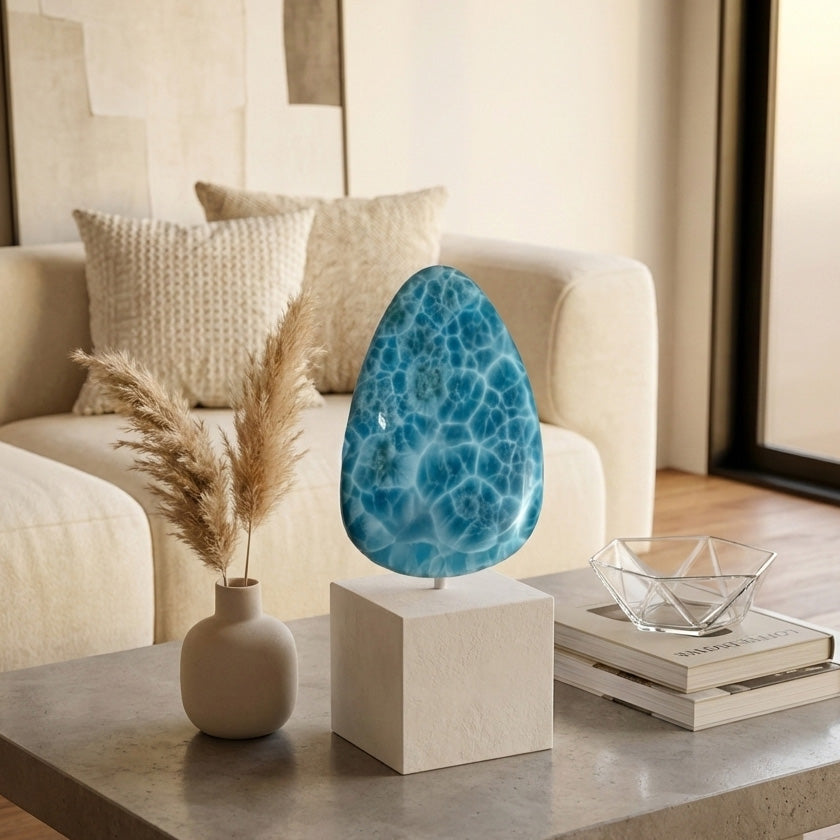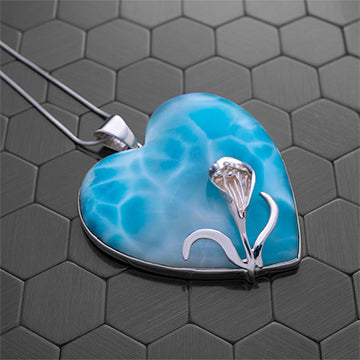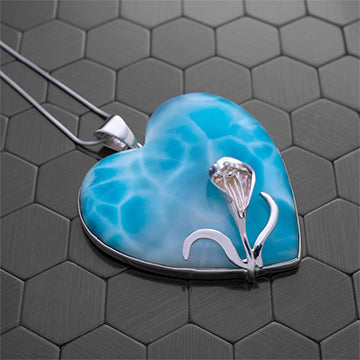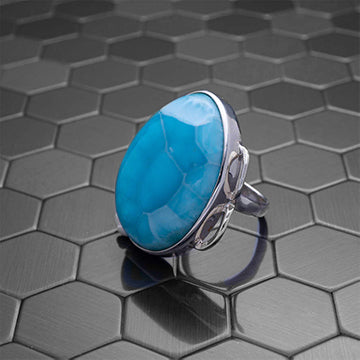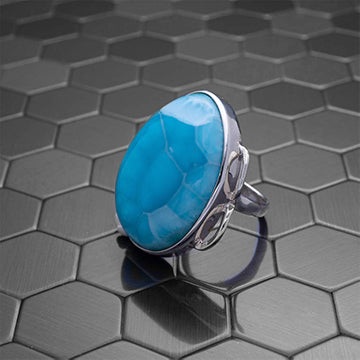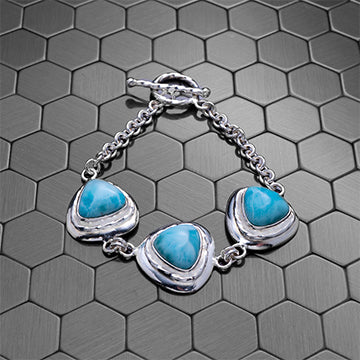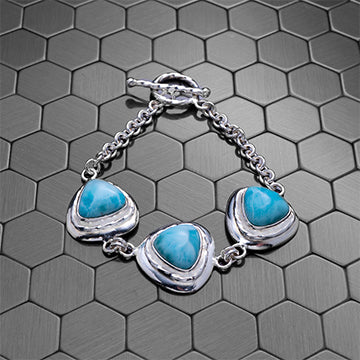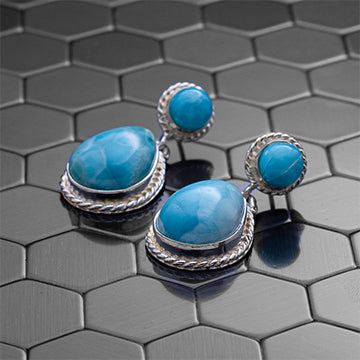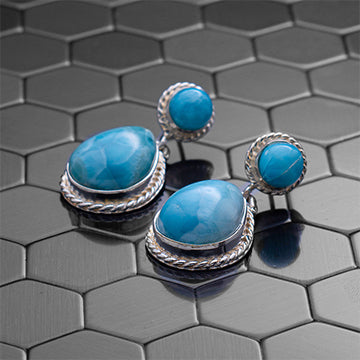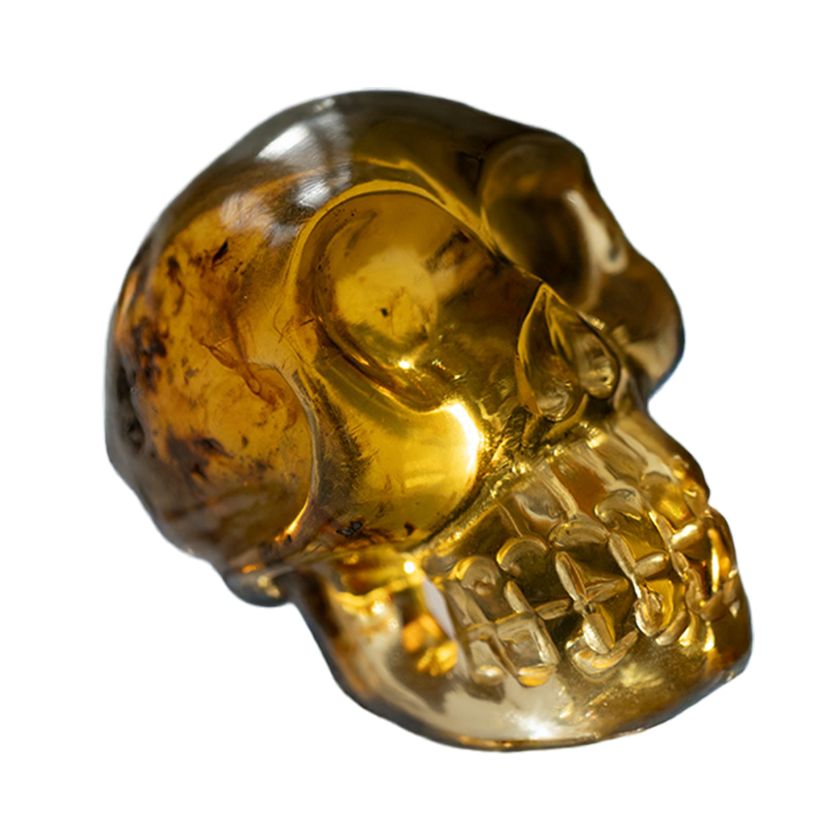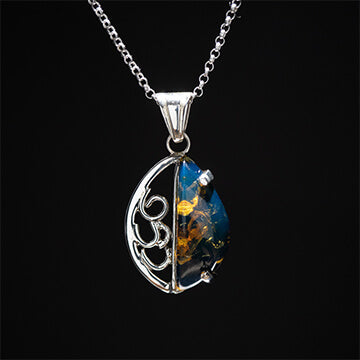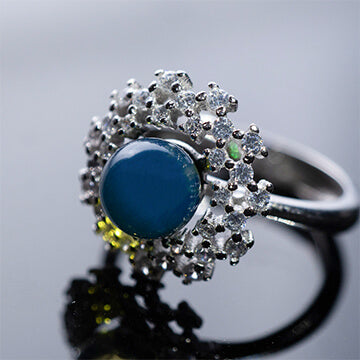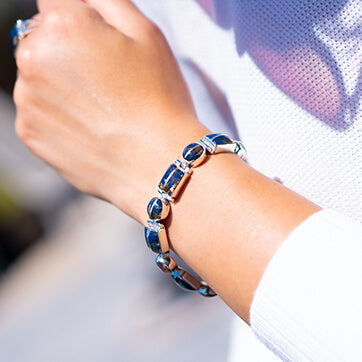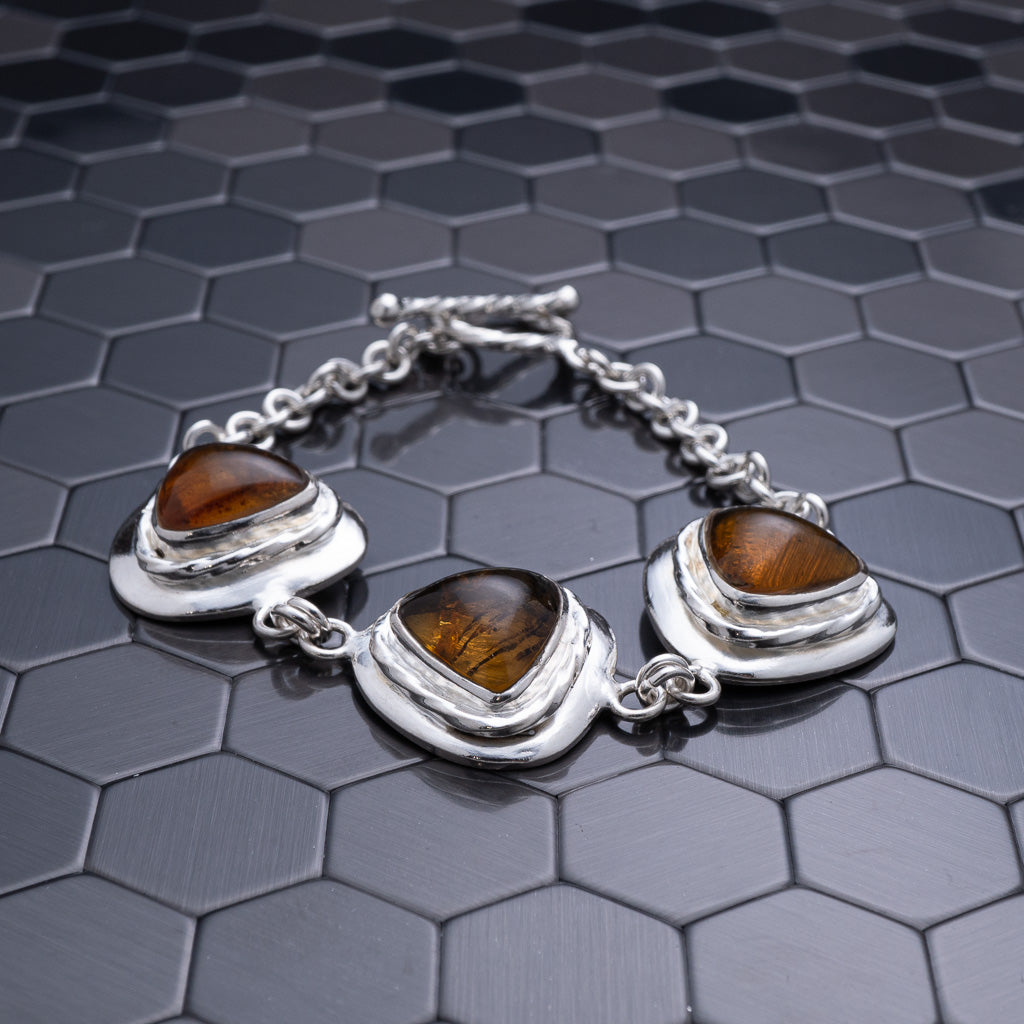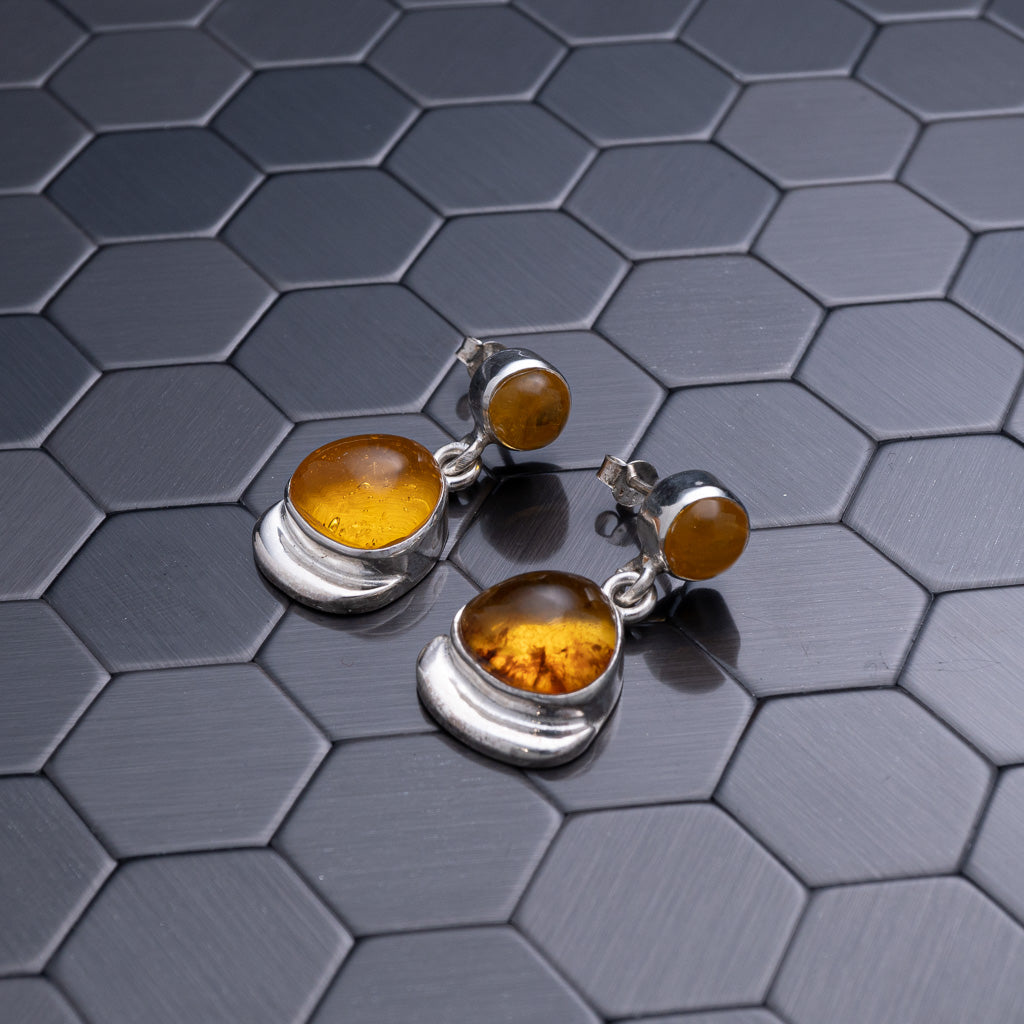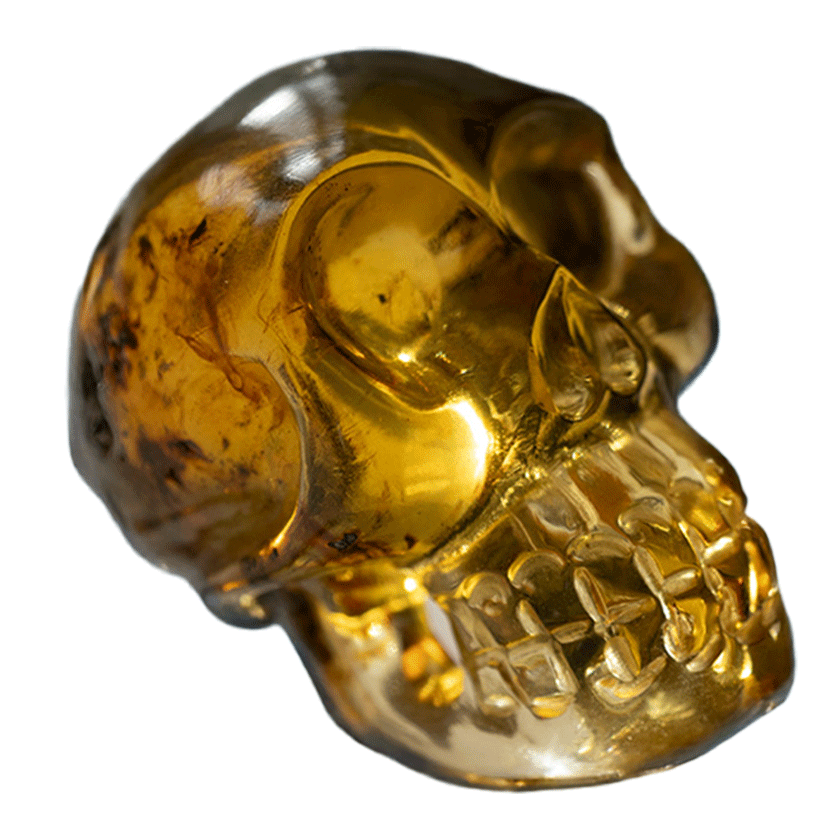


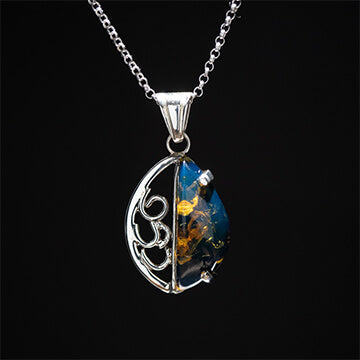
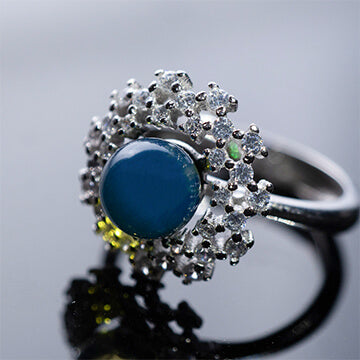
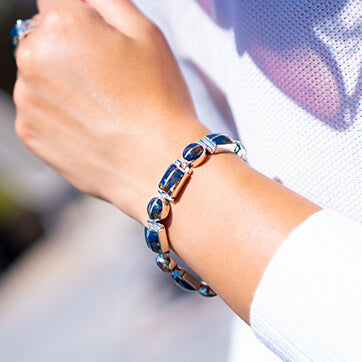
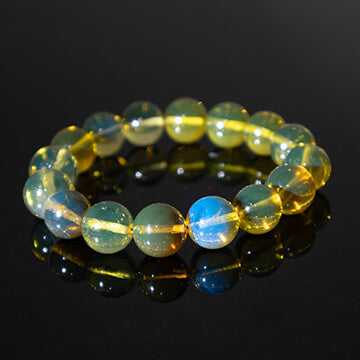
Handcrafted in DR.

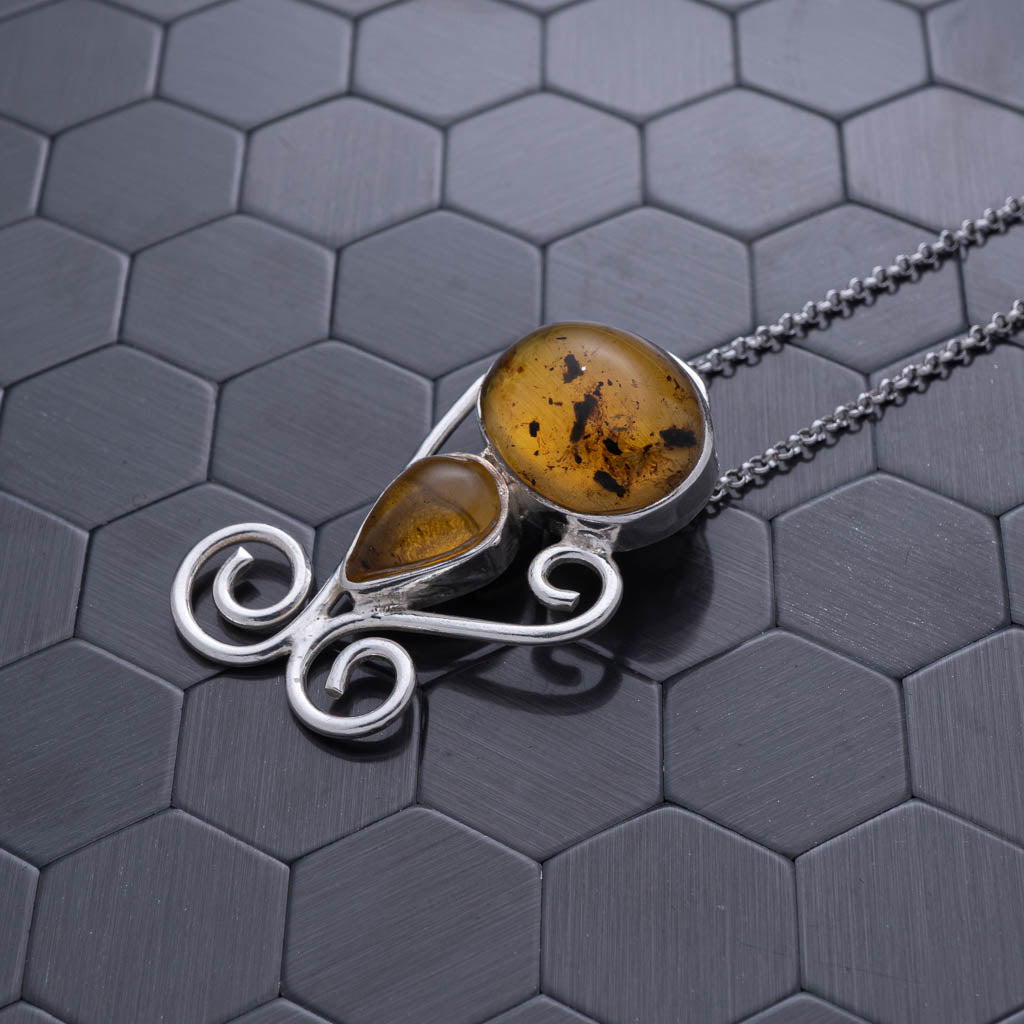
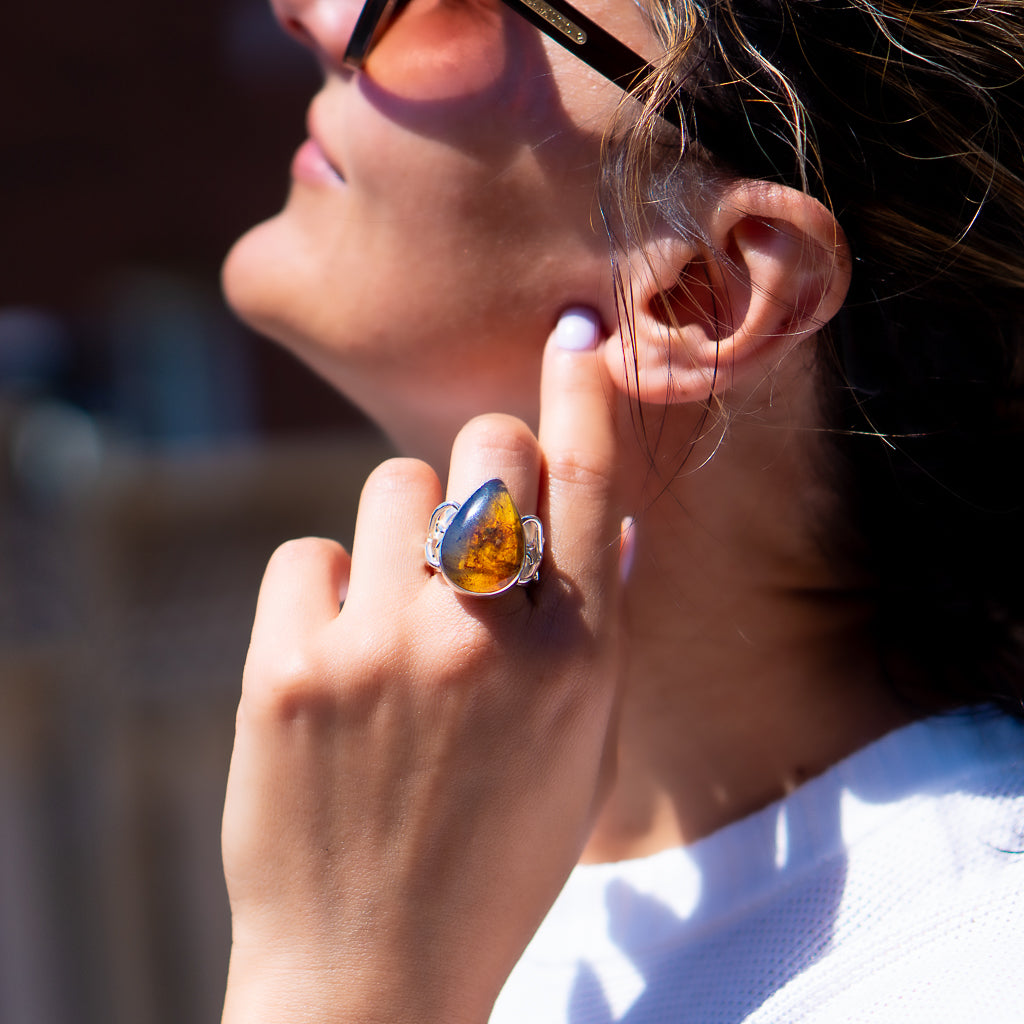
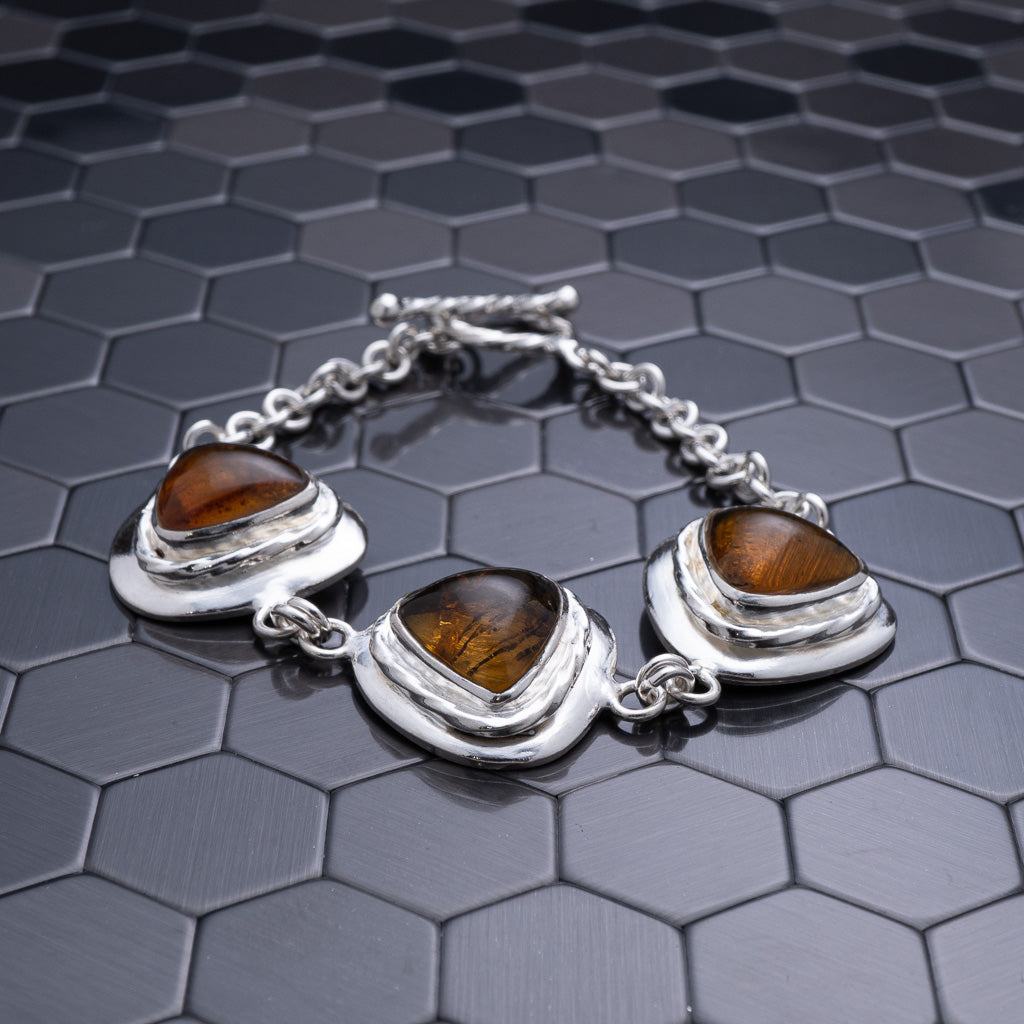
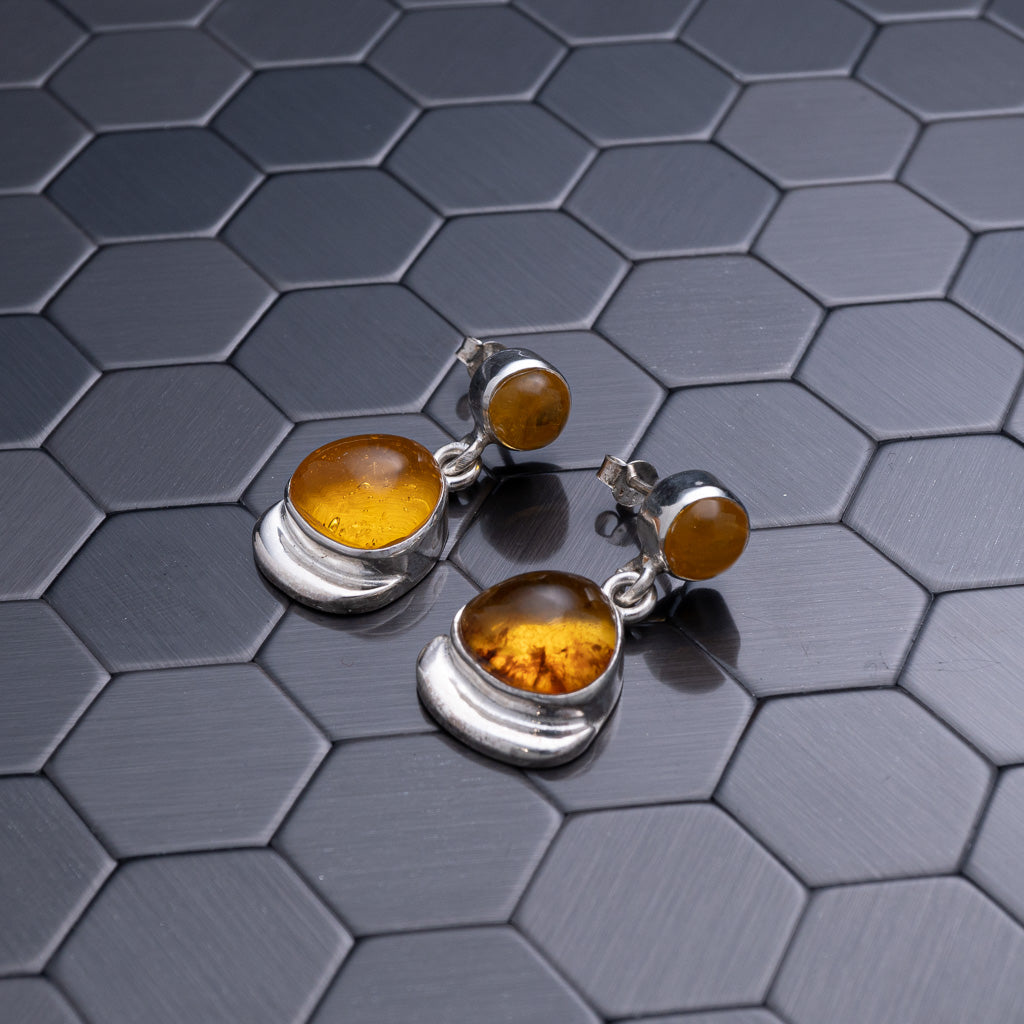


100% Handcrafted in DR.

The brilliance of a ring depends not on the gemstone or metal alone, but on the meticulous polishing that brings out its full potential. Polished rings represent the culmination of lapidary and metalworking expertise, where precision finishing techniques transform raw materials into gleaming jewelry pieces. Whether working with rare gemstones like larimar or precious metals like sterling silver and gold, the polishing process determines the final appearance, durability, and light performance of the finished piece. Understanding the science and artistry behind polishing helps both jewelry professionals and discerning customers appreciate the craftsmanship invested in every ring.
The term "polished" in jewelry refers to a mirror-like surface finish achieved through progressive abrasion and buffing. This surface quality affects how light interacts with both the gemstone and metal components of a ring. For gemstones, proper polishing maximizes brilliance, clarity, and color saturation. For metal settings, a high polish creates reflective surfaces that enhance the overall aesthetic and protect against tarnish and corrosion.
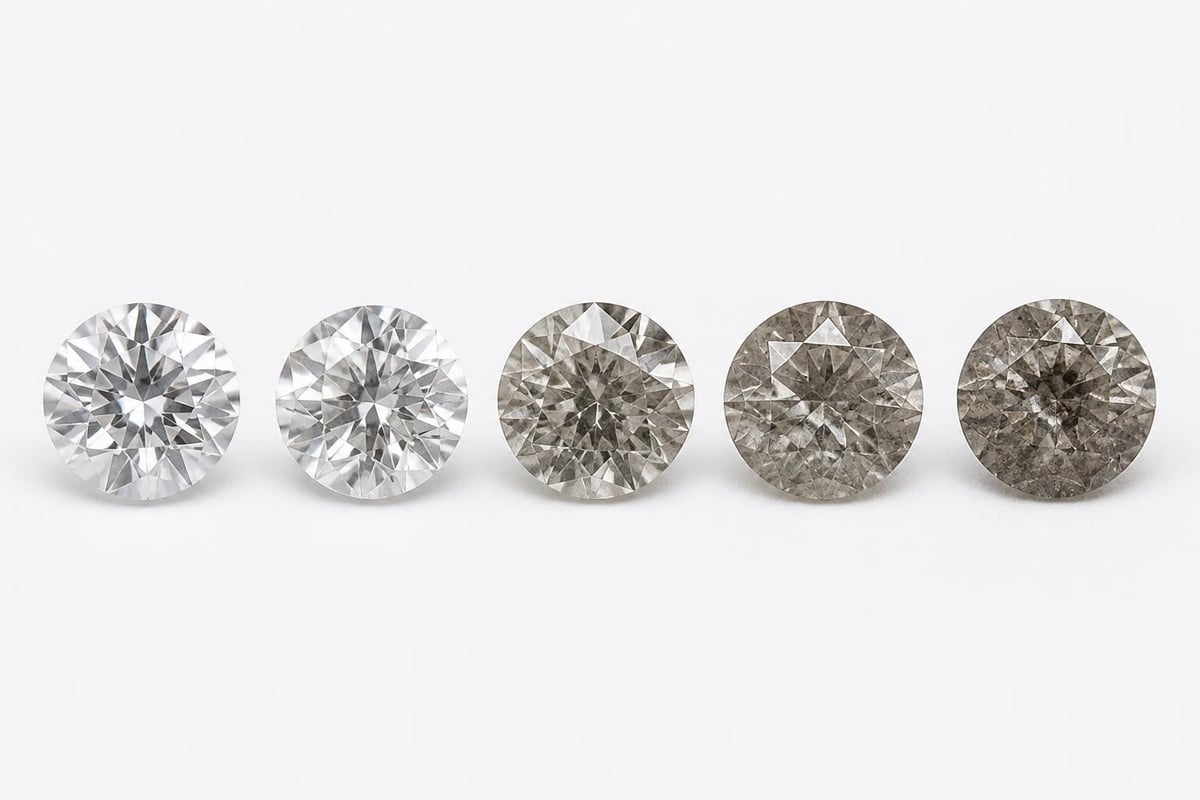
Professional gemologists evaluate polish quality using standardized grading systems. The GIA's Gems & Gemology journal documents technical observations of polish grades ranging from Excellent to Poor, based on surface irregularities visible under 10x magnification. These assessments consider:
A gemstone with an Excellent polish grade exhibits no visible surface irregularities under magnification, allowing maximum light return and optimal color presentation. For softer stones like larimar, achieving this grade requires specialized compounds and careful technique to avoid undercutting or surface damage.
Metal portions of polished rings undergo their own finishing progression. Jewelers distinguish between several polish levels:
| Finish Type | Appearance | Applications | Maintenance |
|---|---|---|---|
| High Polish | Mirror-like, highly reflective | Shanks, bezels, prongs | Frequent buffing needed |
| Satin Finish | Soft sheen, directional texture | Contrasting bands, accents | Moderate upkeep |
| Brushed | Linear grain pattern | Modern designs, men's rings | Minimal maintenance |
| Matte | Non-reflective, flat appearance | Contemporary settings | Easy care |
The choice between these finishes depends on design intent, metal hardness, and wearability considerations. Most traditional polished rings feature high-polish shanks that complement the gemstone's brilliance.
Creating polished rings with gemstone settings begins with lapidary work. The International Gem Society's overview of lapidary technology explains how specialized laps (rotating wheels) and polishing compounds transform rough stones into faceted or cabochon gems ready for mounting.
Professional lapidaries follow systematic grit progressions to achieve flawless polished surfaces. This stepwise approach removes material efficiently while minimizing subsurface damage that could compromise the final polish.
Each stage must completely remove scratches from the previous grit before advancing. Skipping steps or rushing through sequences results in poor polish quality that becomes apparent under magnification or in certain lighting conditions.
Different gemstone materials require specific polishing compounds for optimal results. The Kuno Lapidary guide to polishing compounds provides detailed recommendations for matching compounds to stone hardness and composition. For polished rings featuring various gemstones, consider:
Larimar, with its moderate hardness of 4.5-5 on the Mohs scale, responds exceptionally well to cerium oxide compounds. This creates the characteristic silky polish that showcases the stone's natural blue coloration and subtle patterning without causing surface damage.
While gemstone polishing focuses on hardness and optical properties, metal polishing for polished rings addresses different material characteristics. Precious metals used in ring settings-gold, silver, platinum, and their alloys-each require tailored approaches to achieve durable, brilliant finishes.
The Stuller Bench Jeweler article comparing polishing methods outlines critical differences between hand and mechanical polishing techniques. Both methods have distinct advantages for creating polished rings.
Hand polishing offers precision control for:
Mechanical polishing provides efficiency for:
Many artisan jewelers combine both approaches. Mechanical polishing handles the bulk shank work, while hand polishing addresses intricate settings and final detailing. This hybrid method balances efficiency with the craftsmanship that distinguishes exceptional polished rings.
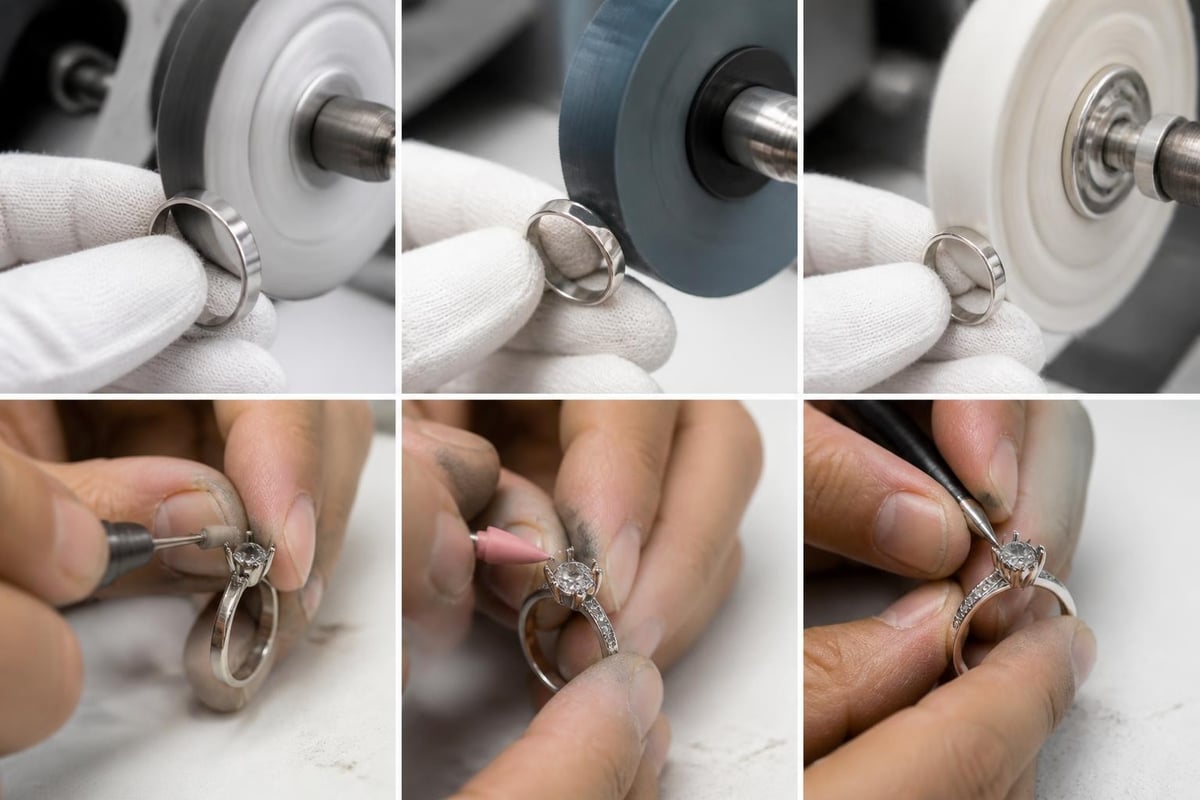
The Ganoksin technical guide to buffing materials provides comprehensive information on selecting appropriate compounds and wheels for metal polishing. Professional jewelers maintain several buffing setups for different stages and metals.
Common buffing compounds for polished rings:
Buffing wheel materials:
Proper wheel-compound pairing prevents surface damage and achieves professional results. Using cutting compounds on soft wheels or finishing compounds on hard wheels compromises both efficiency and surface quality.
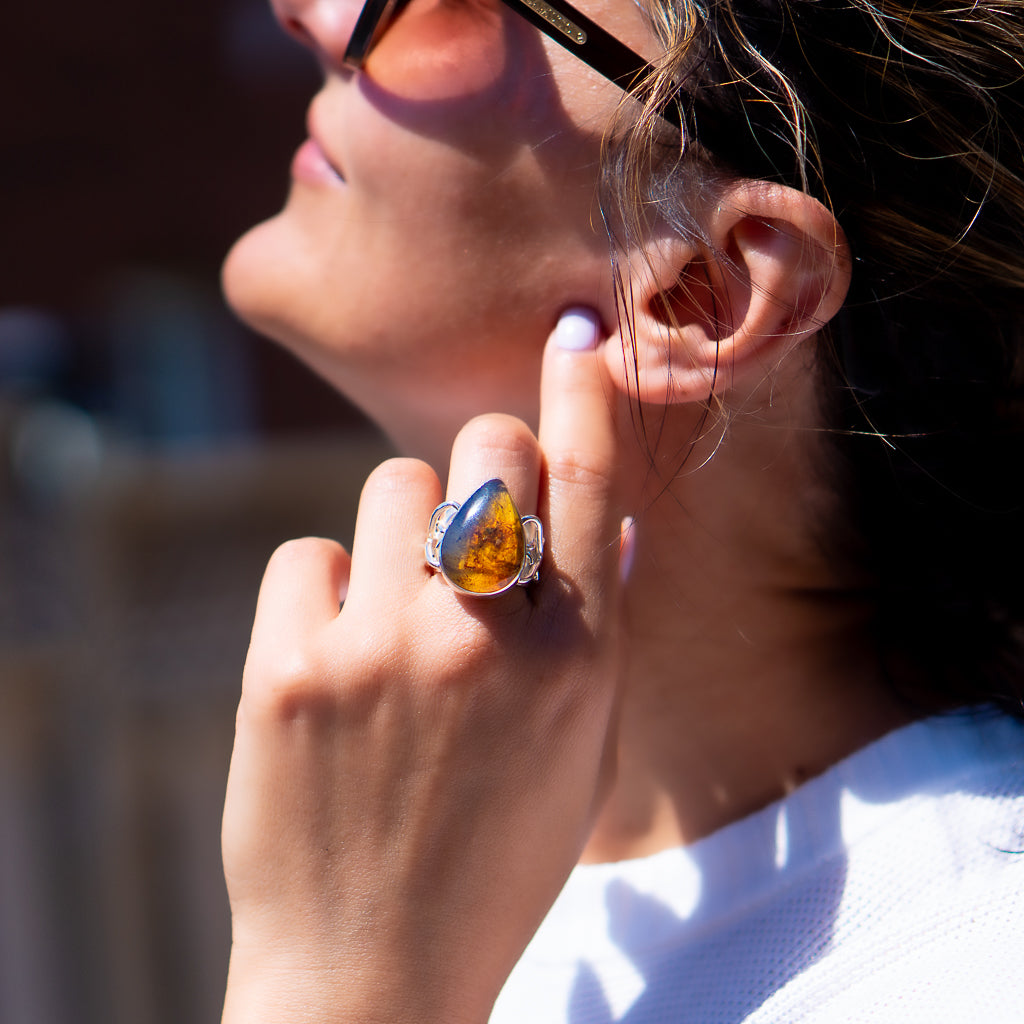
Polished rings featuring rare gemstones like larimar or Dominican blue amber require specialized knowledge beyond standard lapidary practices. These unique materials present specific challenges that influence polishing protocols and final appearance.
Larimar's distinctive volcanic origin and pectolite composition create particular polishing requirements. The stone's moderate hardness and potential for undercutting along cleavage planes demand careful technique. When creating polished larimar rings, artisans must consider:
The stone's tendency toward chatoyancy (silky luster) when properly oriented and polished enhances its visual appeal. Using progressive cerium oxide grits from 3000 through 50000 brings out larimar's characteristic blue tones without creating excessive surface reflection that might obscure internal patterns.
Optimal polishing parameters for larimar:
The resulting polish should exhibit a soft, glowing appearance rather than glassy reflection. This finish complements larimar's natural aesthetic and distinguishes it from treated or synthetic alternatives.
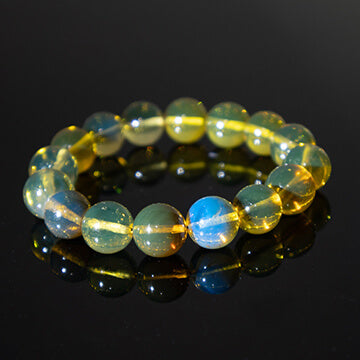
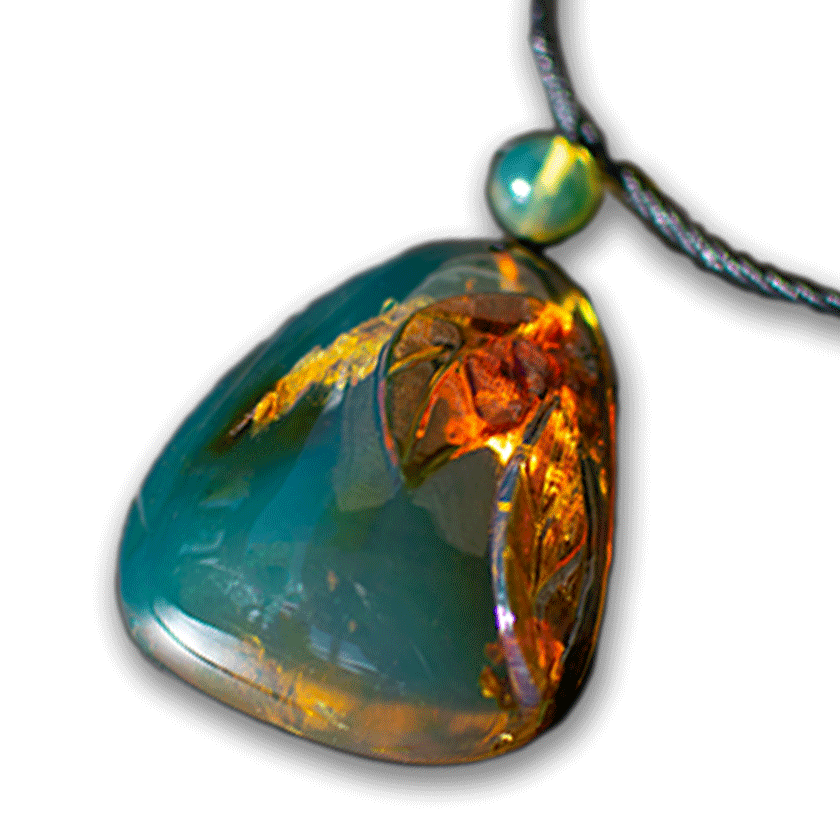
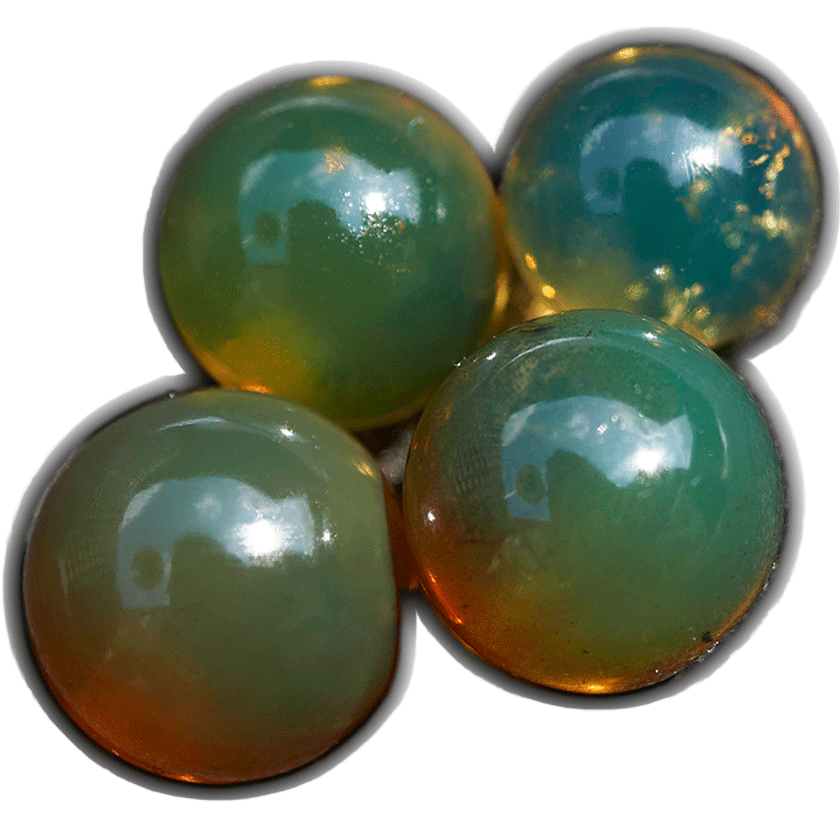
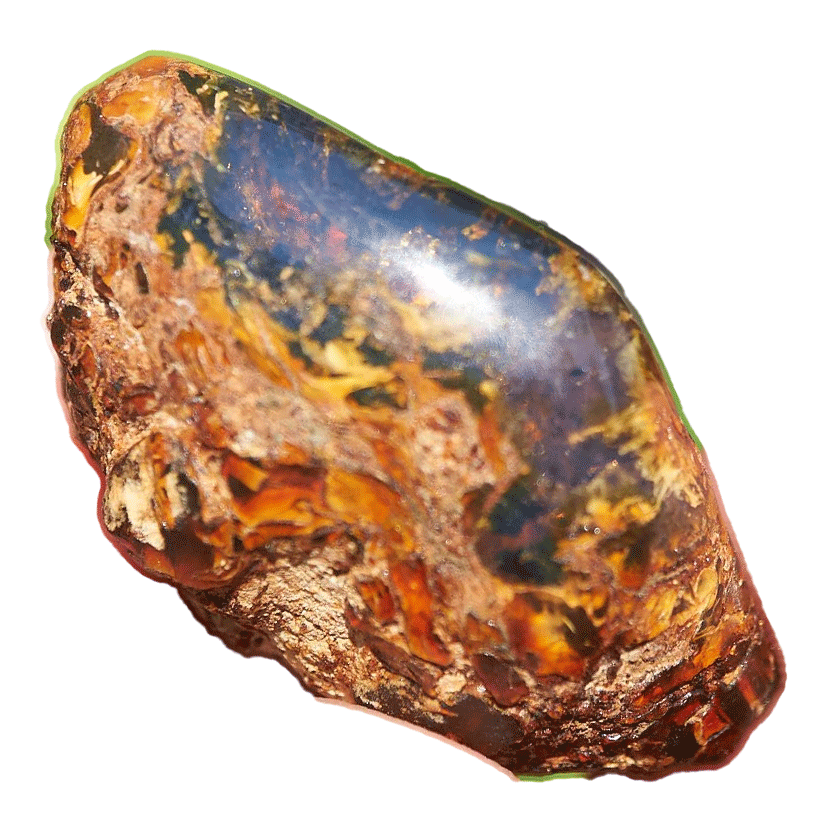
Dominican blue amber presents different challenges for polished rings due to its organic composition and unique fluorescent properties. Unlike mineral gemstones, amber requires solvent-free polishing compounds to prevent surface dissolution or clouding.
Jewelers working with blue amber follow modified lapidary sequences that preserve the material's optical characteristics. The polishing process must maintain the stone's UV-reactive blue fluorescence while achieving a clear, glossy surface finish. This balance requires patience and specialized compounds designed specifically for organic gem materials.
Professional jewelers implement rigorous quality control processes to ensure polished rings meet exacting standards before delivery. These inspection protocols identify surface defects, finish inconsistencies, and areas requiring additional work.
Systematic visual examination under controlled lighting reveals polish quality details:
Each polished ring component receives individual scrutiny. Gemstone facets should meet precisely without ragged edges, metal surfaces should reflect uniformly without distortion, and the overall piece should exhibit consistent finish quality across all visible areas.
Understanding typical defects helps maintain quality standards:
| Defect | Cause | Correction |
|---|---|---|
| Orange peel texture | Excessive heat, wrong compound | Re-polish with proper cooling |
| Directional scratches | Incomplete grit progression | Return to previous grit stage |
| Dull patches | Inconsistent pressure, contamination | Re-buff affected areas |
| Edge rounding | Over-polishing, soft wheels | Restore edges, use firmer wheels |
| Compound residue | Inadequate cleaning between stages | Ultrasonic cleaning, re-finish |
Identifying these issues during quality control prevents customer dissatisfaction and ensures every polished ring leaving the workshop represents the artisan's best work.
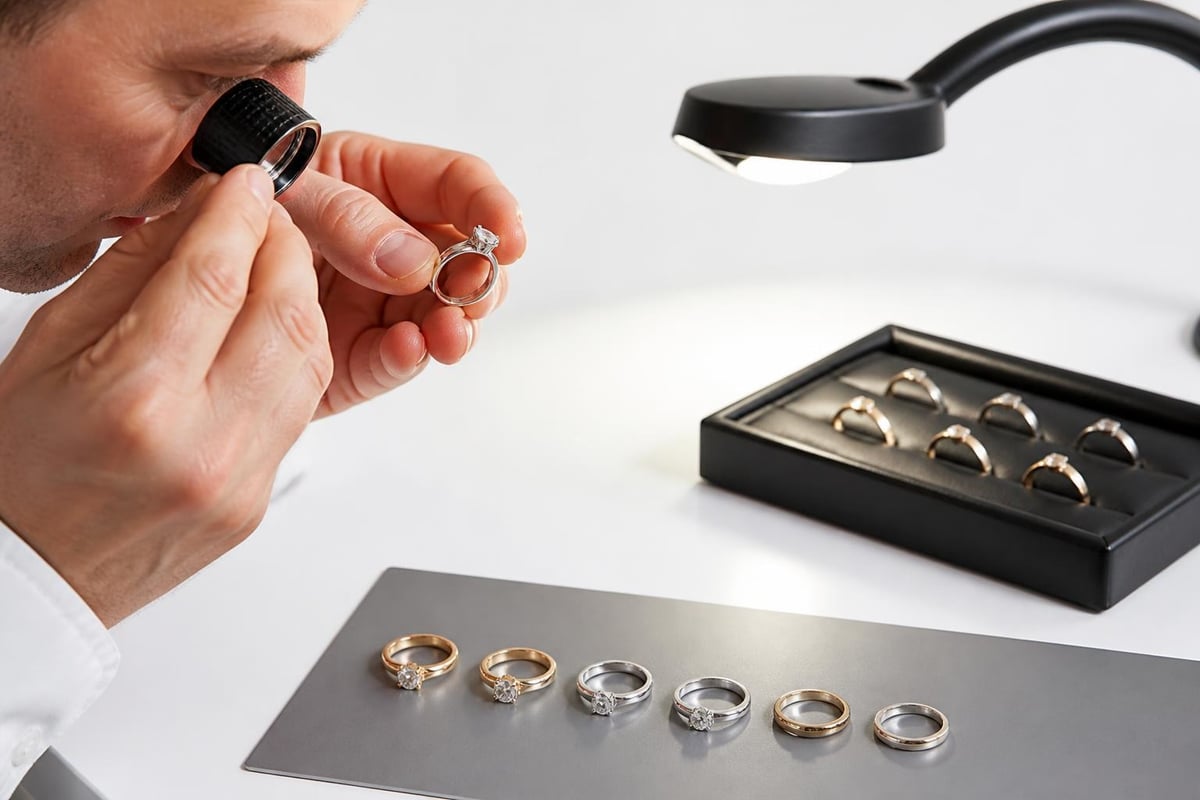
Even perfectly polished rings require ongoing maintenance to preserve their appearance through years of wear. Understanding proper care protocols helps customers protect their investment and maintain the original finish quality.
Polished rings inevitably accumulate micro-scratches, tarnish, and wear patterns from daily contact with hard surfaces. Professional jewelers offer re-polishing services that restore original brilliance without removing excessive material. These services typically include:
The frequency of professional maintenance depends on wear patterns, metal hardness, and finish type. High-polish gold rings worn daily may benefit from annual re-polishing, while harder platinum settings maintain their finish longer between services.
Between professional services, proper home care extends the life of polished ring finishes:
For rings featuring softer gemstones like larimar, avoid ultrasonic cleaners at home unless specifically recommended by the jeweler. The vibrations can damage certain stone types or loosen settings over time.
Modern jewelry workshops must balance achieving perfect polished rings with responsible environmental practices and worker safety. The polishing process generates waste materials and airborne particles that require proper management.
Metal polishing creates recoverable precious metal dust, while lapidary work produces slurry containing gemstone particles and polishing compounds. The EPA's Metal Finishing Effluent Guidelines establish wastewater treatment standards and disposal requirements for jewelry manufacturing operations.
Responsible jewelers implement:
These practices protect both workers and the environment while recovering valuable materials that offset implementation costs. Many consumers now specifically seek jewelers who demonstrate environmental responsibility in their polishing and finishing operations.
Creating polished rings involves exposure to dusts, compounds, and airborne particles that necessitate appropriate protective equipment:
The Rio Grande Jool Tool abrasives guide includes safety recommendations for using various polishing materials and equipment. Following manufacturer guidelines prevents injuries and health issues associated with long-term exposure to jewelry finishing processes.
Informed consumers can evaluate polished rings using knowledge of professional finishing standards. Several key indicators reveal the quality of polishing work and overall craftsmanship.
Examine metal surfaces under good lighting from multiple angles:
Comparing similar rings helps develop an eye for quality differences. Handle pieces from both mass-market and artisan sources to understand how craftsmanship affects finish quality and durability.
For polished rings with gemstone settings, evaluate the stone's surface independently:
When considering pieces from specialized sources like Larimar Creations, examine how the polish showcases the unique characteristics of rare gemstones. Quality lapidary work on larimar, for instance, should reveal the stone's natural patterns while creating an inviting tactile surface.
The jewelry industry continues developing new technologies that improve polishing efficiency and quality. Understanding these innovations helps appreciate the evolving standards for polished rings in 2026.
Magnetic pin finishing uses oscillating magnetic fields to move tiny steel pins through tumbling media and compounds. This process reaches areas traditional buffing cannot access, creating uniform finishes on complex ring designs. The technique particularly benefits:
While traditional hand polishing remains irreplaceable for final quality control, magnetic finishing increases efficiency for pre-polish stages and production work.
Emerging technologies introduce alternative approaches to surface finishing. Ultrasonic polishing uses high-frequency vibrations in abrasive slurry to create extremely uniform surfaces. Plasma polishing employs ionized gas to remove surface material at the atomic level, achieving near-perfect finishes on precious metals.
These technologies remain expensive for most jewelry workshops but indicate future directions for creating polished rings with unprecedented surface quality. As costs decrease, more jewelers will adopt these methods for premium pieces demanding the highest possible finish standards.
Polished rings hold different aesthetic values across cultures and design movements. Understanding these perspectives helps appreciate why certain finishes suit specific contexts better than others.
Traditional jewelry design favors high-polish finishes that maximize brilliance and create formal, elegant appearances. Wedding rings, engagement rings, and heirloom pieces typically feature mirror-bright surfaces that reflect light dramatically and suit ceremonial occasions.
Contemporary design increasingly incorporates contrasting finishes:
These mixed-finish approaches create visual interest and reduce the maintenance burden of maintaining entirely high-polish pieces. The design choice depends on the intended aesthetic, practical wearing conditions, and customer preferences.
In many cultures, the reflective quality of polished rings carries symbolic significance. Mirror-bright surfaces represent:
These associations make polished rings particularly important for occasions marking life transitions-engagements, weddings, anniversaries, and milestone celebrations. The finish quality becomes part of the piece's emotional significance, not merely an aesthetic choice.
The craftsmanship behind polished rings combines technical expertise, specialized equipment, and artistic sensibility to transform raw materials into treasured jewelry pieces. Understanding the polishing process-from progressive grit sequences through final buffing and quality inspection-helps appreciate the skill invested in every well-finished ring. Larimar Creations applies these exacting standards to handcrafted jewelry featuring rare gemstones, ensuring each piece showcases the natural beauty of larimar and Dominican blue amber through expert polishing and finishing techniques. Explore their collection to experience the difference that meticulous craftsmanship makes in fine jewelry.