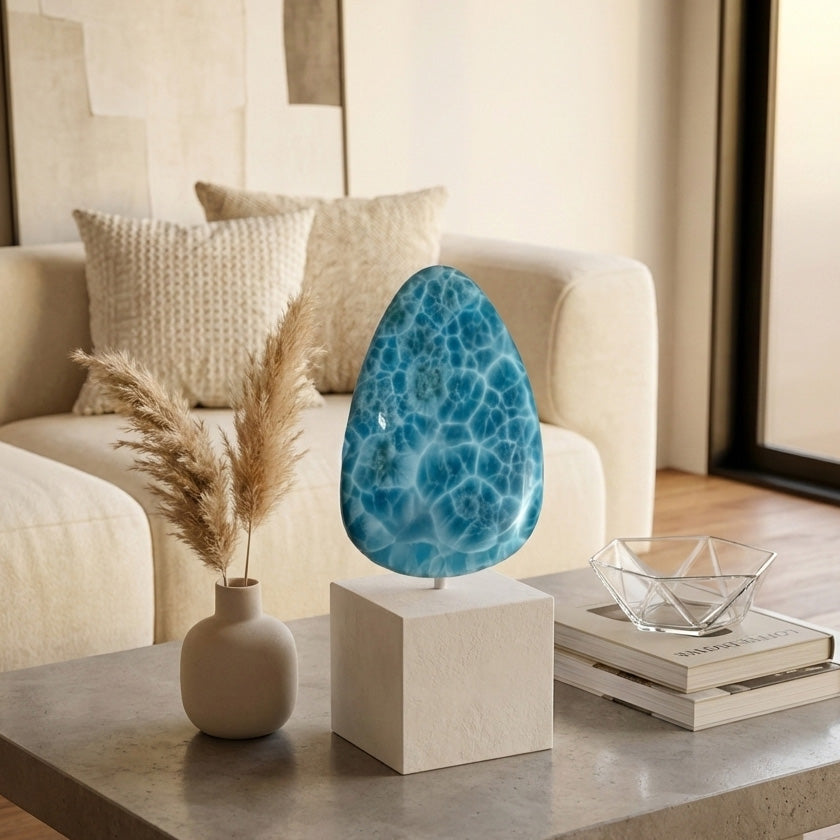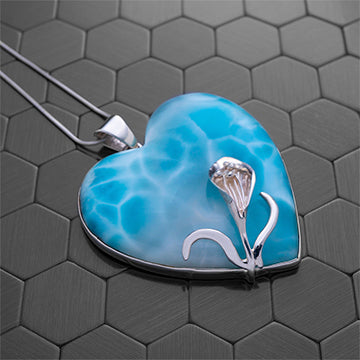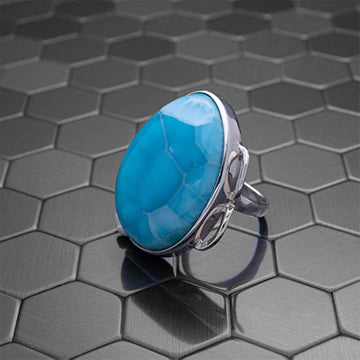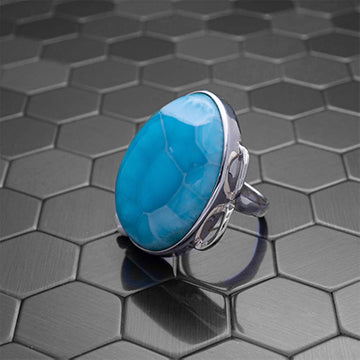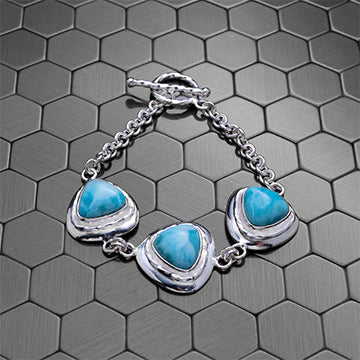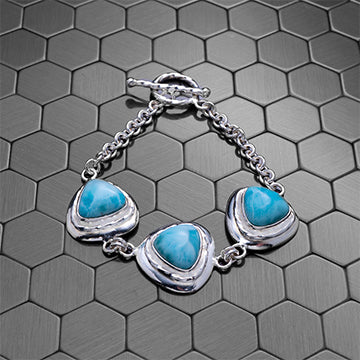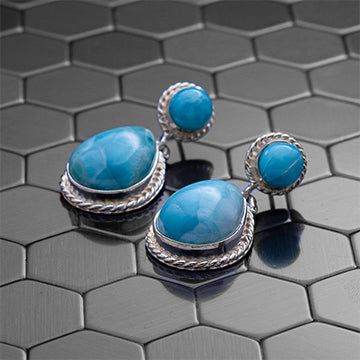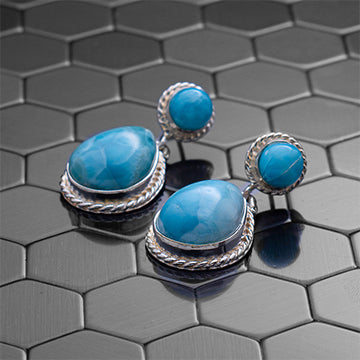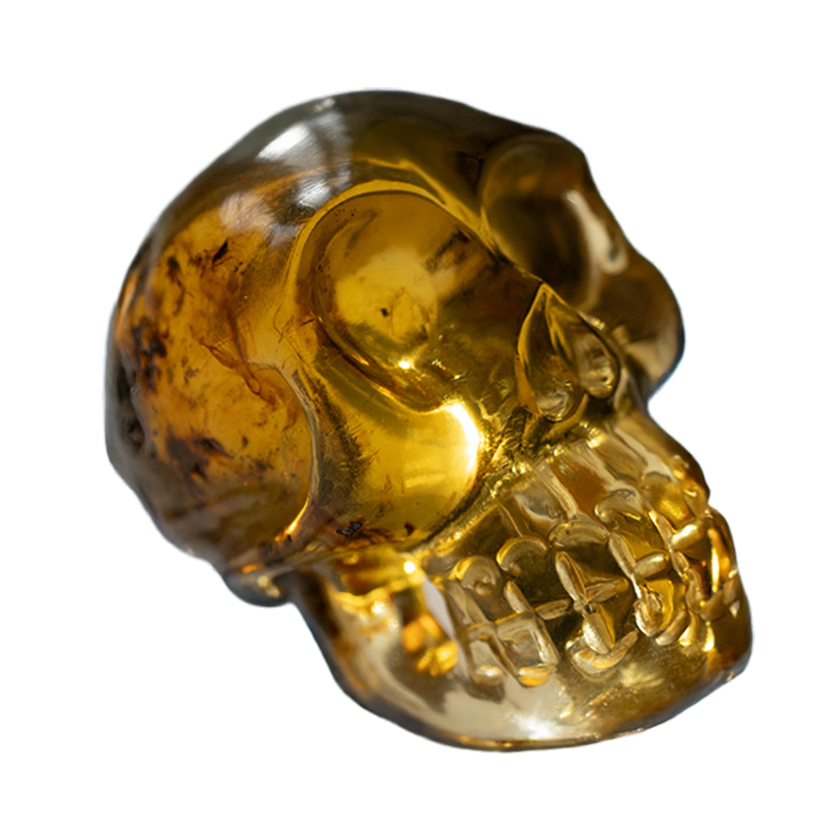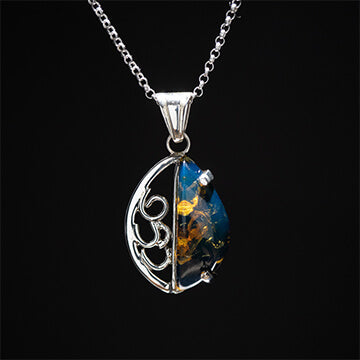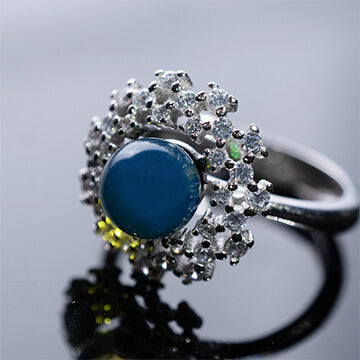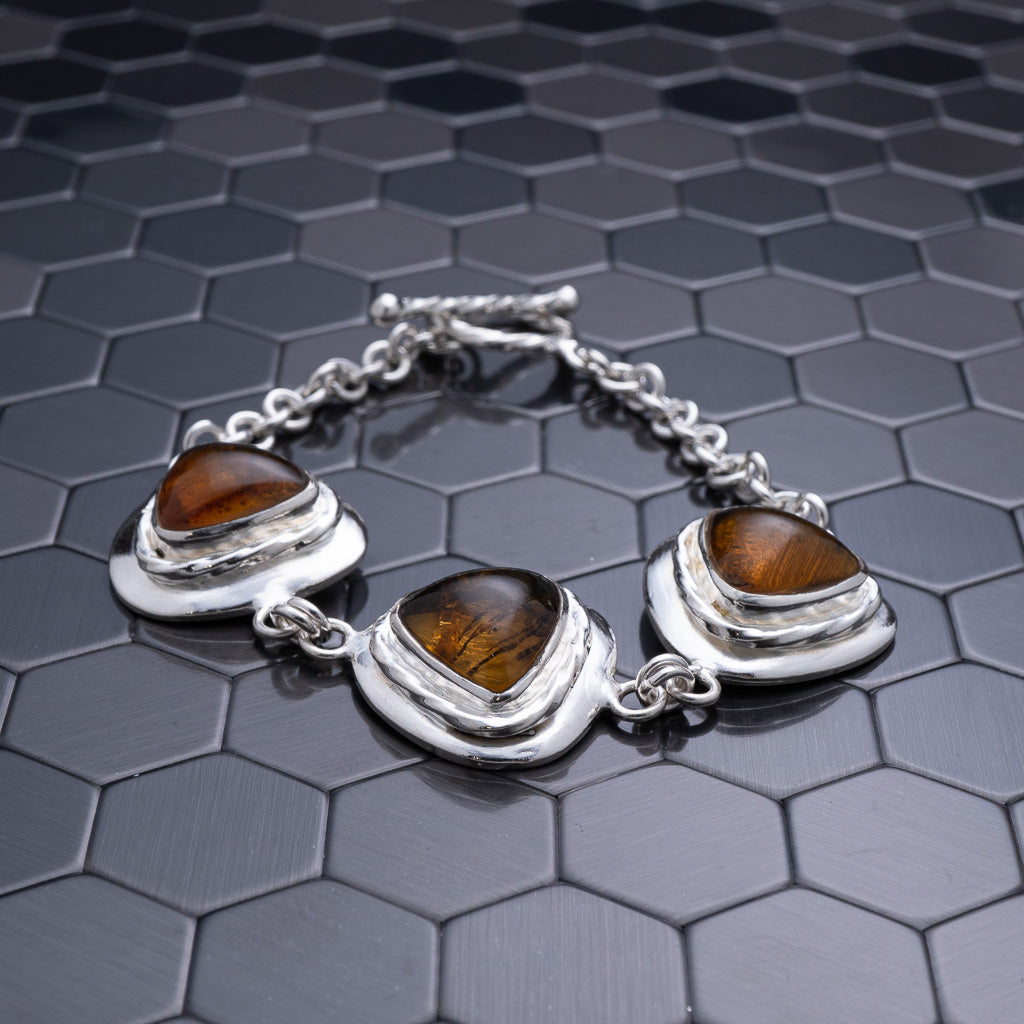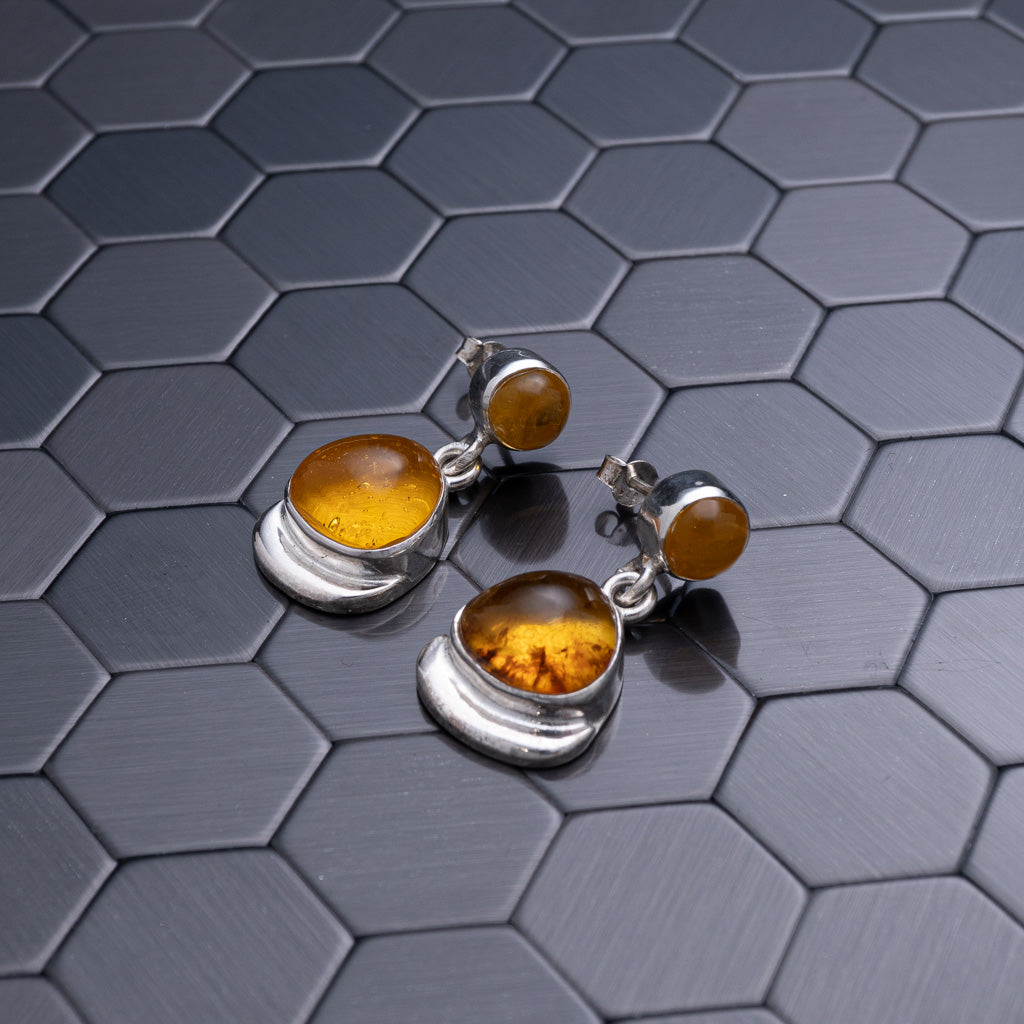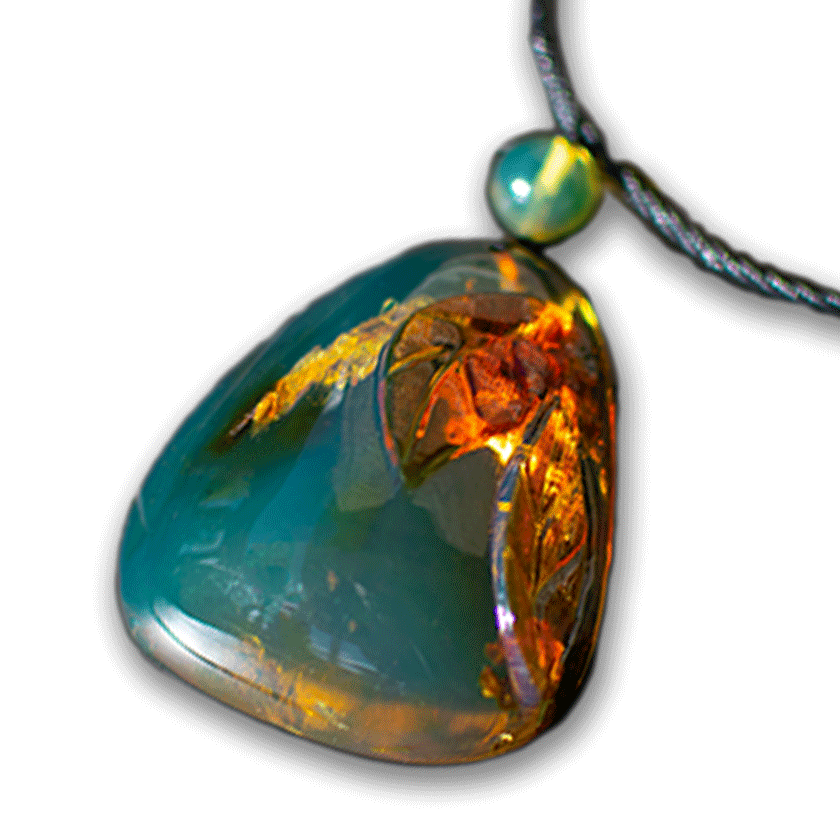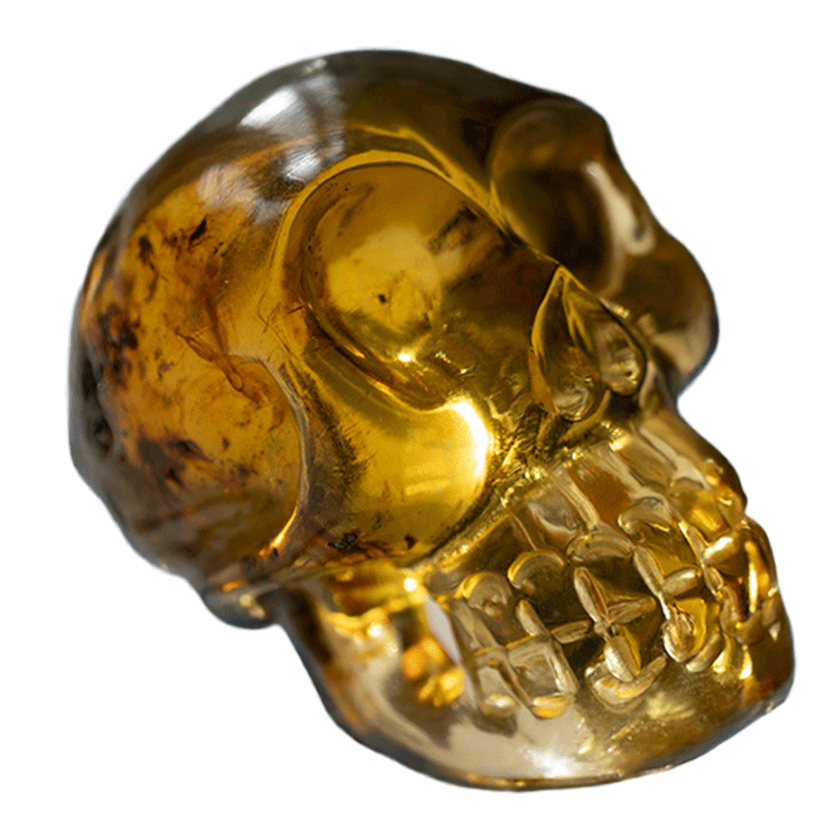


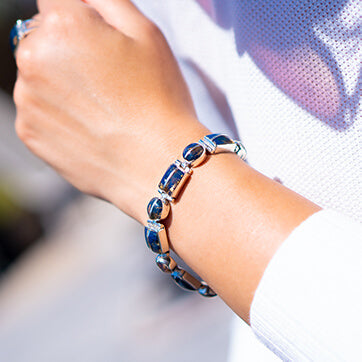
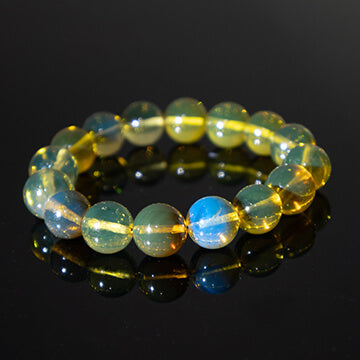
Handcrafted in DR.

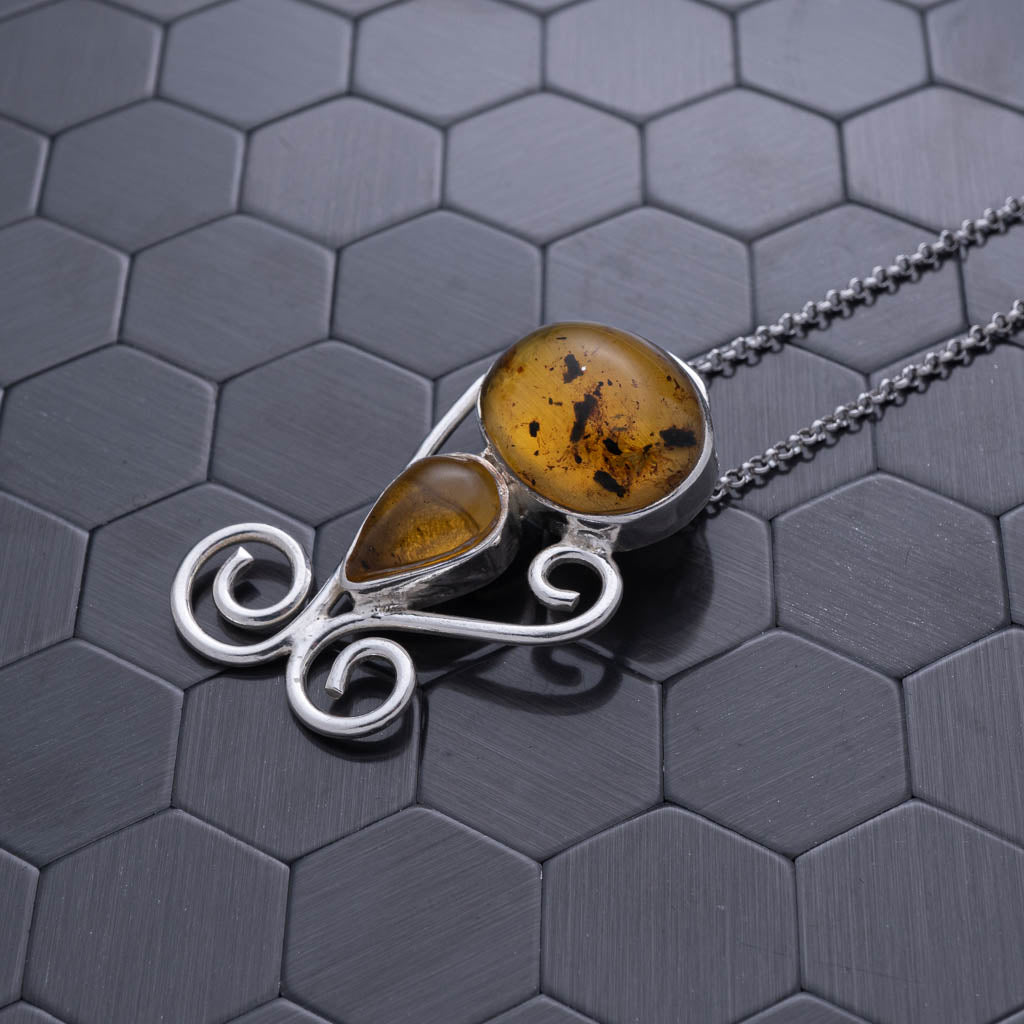
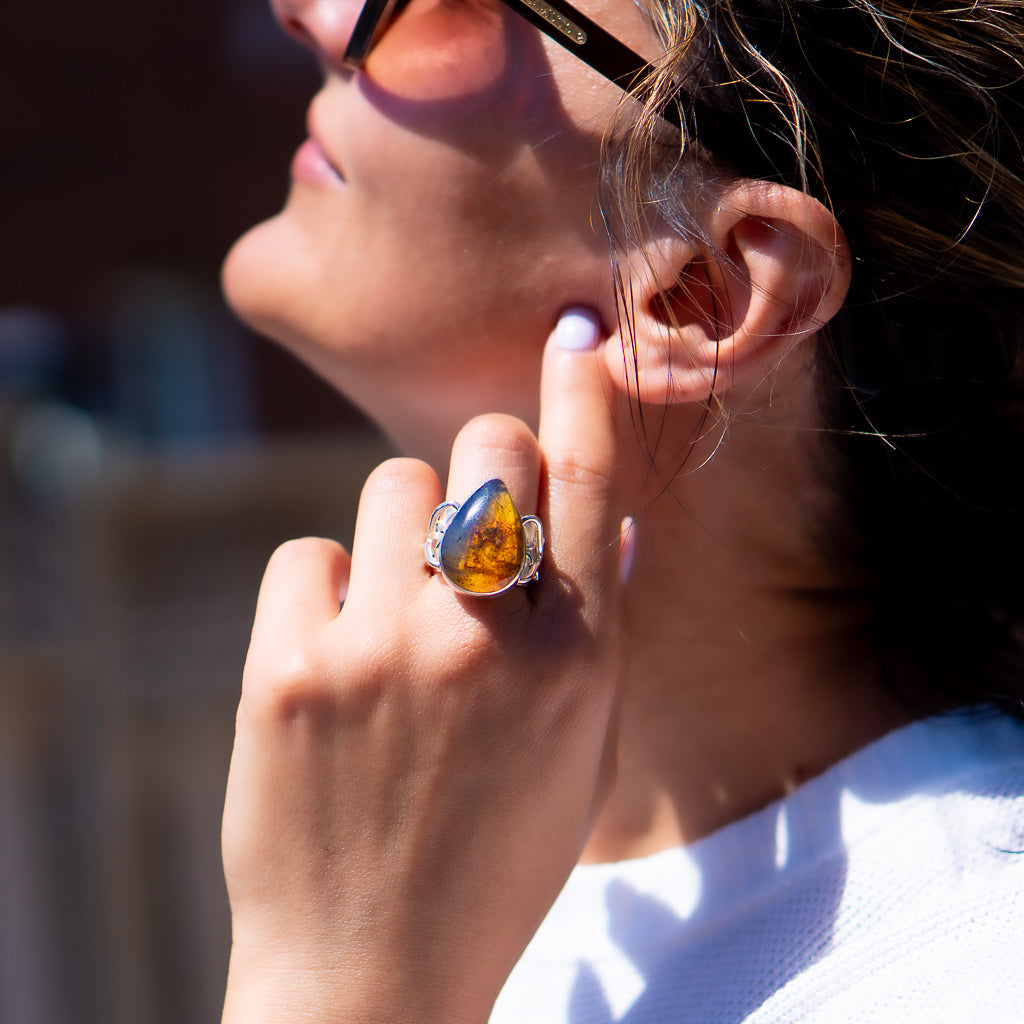
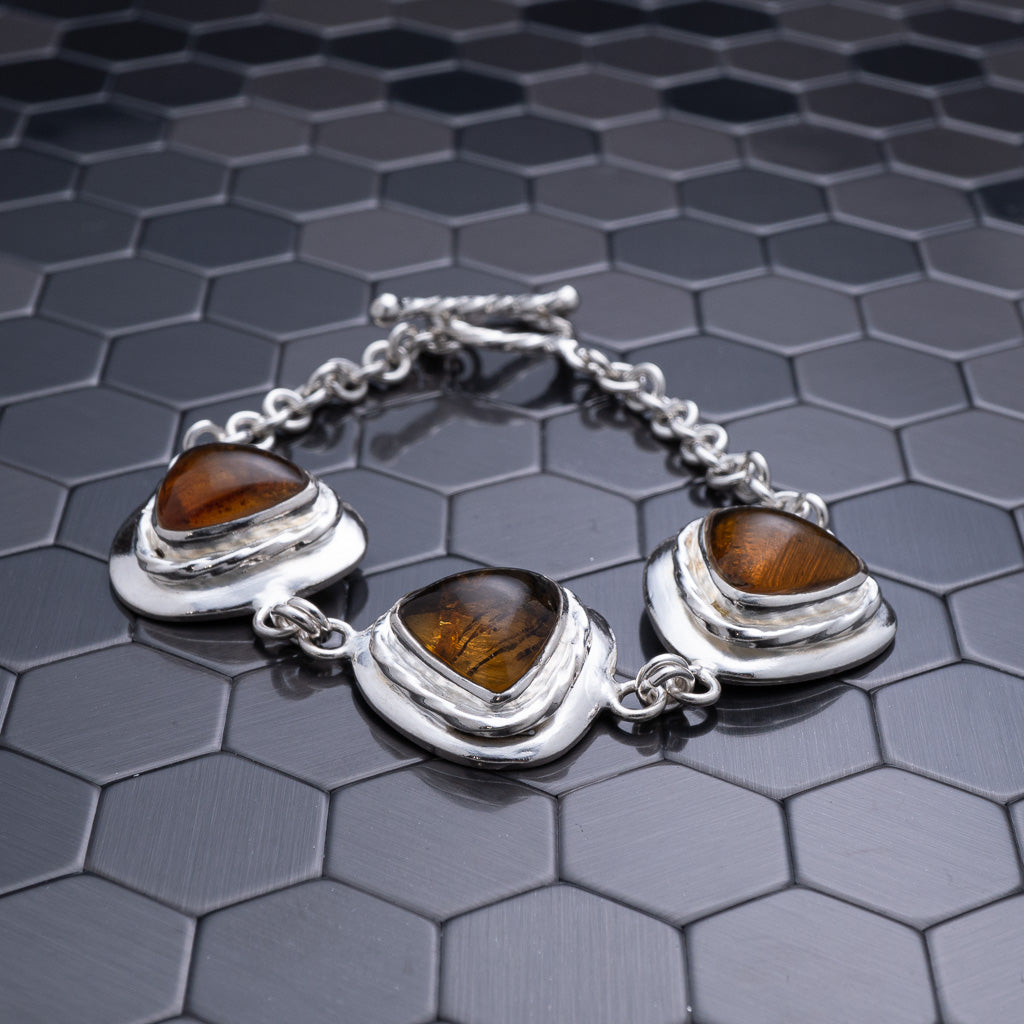
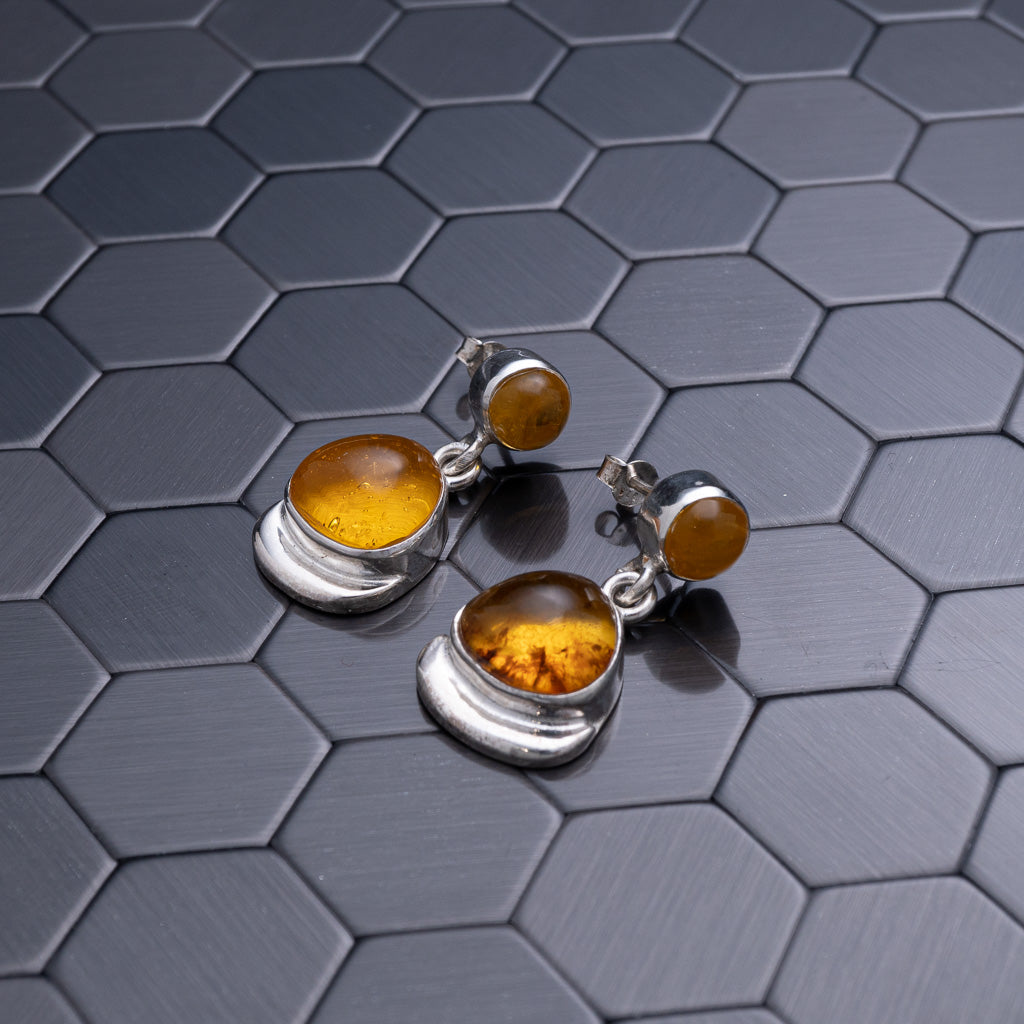


100% Handcrafted in DR.

Craftsmanship jewelry is jewelry shaped, set and finished largely by skilled hands rather than produced in bulk by machines. Each piece reflects an artisan's decisions about the stone, the metal and the design, which is why no two are exactly alike. For buyers who want genuine materials and lasting quality, it offers something mass-produced costume jewelry cannot: authenticity you can see and feel.
Craftsmanship jewelry is defined by who makes it, how it is made and how much of the process depends on human skill. The term has no legal standard, so it helps to look at the working methods behind it.
A handmade piece typically involves several of these steps carried out by a person:
Machines may assist, for example with polishing wheels or drills, but the judgment stays with the maker. That distinction separates a handcrafted piece from one that is cast, stamped and assembled on a production line with minimal oversight.
Craftsmanship also covers intent. An artisan working a single gemstone considers its color zones, inclusions and thickness before making the first cut. A factory process prioritizes uniform output. Both can produce attractive items, but only one produces pieces with individual character.
These labels overlap, and sellers use them loosely, so it is useful to know what each one reasonably implies. Handmade says the most about method: a person did the main work, though machines may still handle polishing or drilling. Handcrafted adds a claim about skill, suggesting the maker shaped and finished the piece with trained technique rather than simple assembly. Artisan points to the maker's background and often to a regional tradition, such as lapidary work done close to where the stone is mined. None of these words is regulated, so each one is only as reliable as the seller using it.
| Term | What it usually means | What to ask |
|---|---|---|
| Handmade | Made primarily by hand, often in small quantities | Which steps are done by hand? |
| Handcrafted | Hand-made with emphasis on skill and technique | Who made it, and where? |
| Artisan | Created by a skilled maker, often with regional tradition | Is the material local to the maker? |
| Mass-produced | Cast or stamped in large runs | Are identical copies sold? |
The most reliable signal is transparency. A maker who can name the origin of the stone, describe the process and show the workshop is usually practicing real craft. Vague phrasing such as "handcrafted style" or "inspired by artisan design" often indicates otherwise, because it describes a look rather than a method.
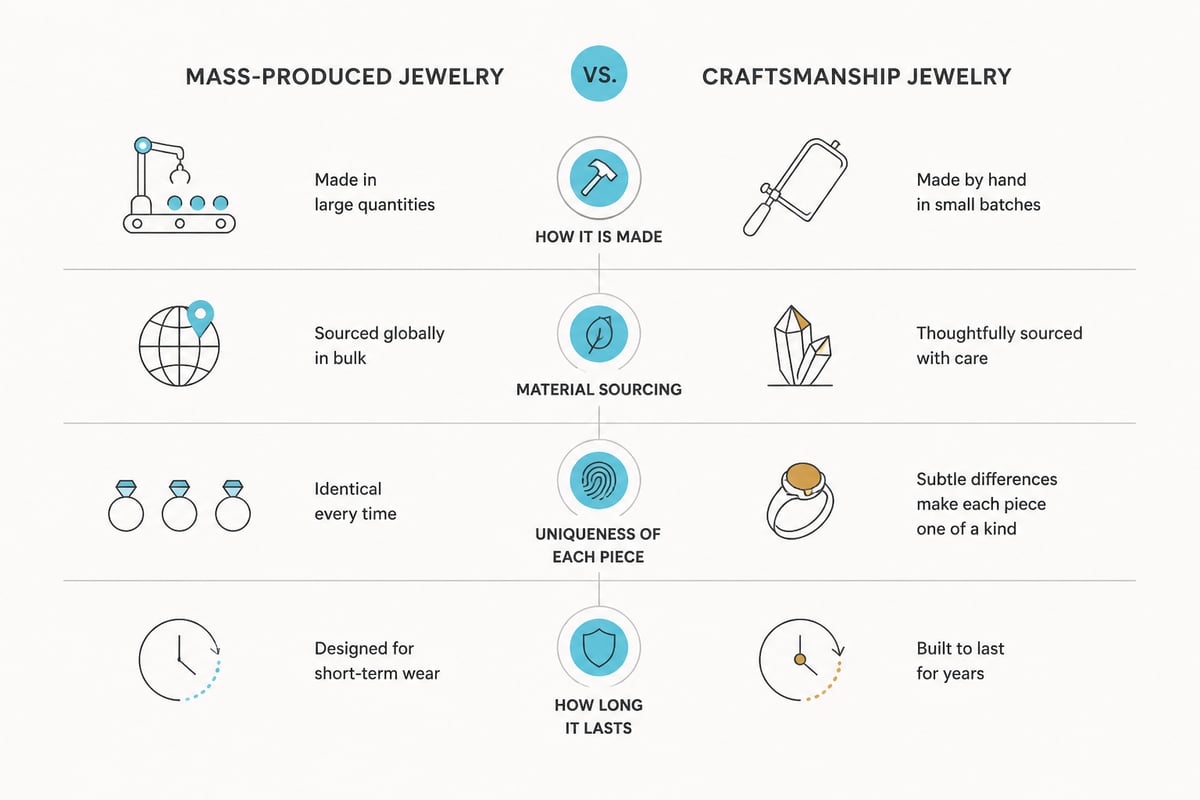
A handcrafted jewelry piece moves through a sequence of deliberate stages, each one requiring a different skill. Understanding them explains why handmade work costs more than factory output and why it tends to last longer.
Each stage allows for correction. A hand-set stone can be adjusted to fit; a stamped setting cannot. That adaptability is a large part of what makes handcrafted pieces more durable and more comfortable to wear.
Materials matter in craftsmanship jewelry because skilled work deserves a genuine stone, and the character of the material shapes every decision the maker takes. Natural gemstones carry variation that cannot be replicated, which is exactly what handmade design is built to showcase.
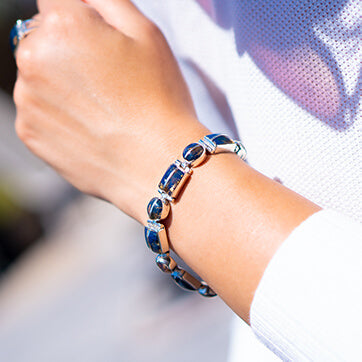
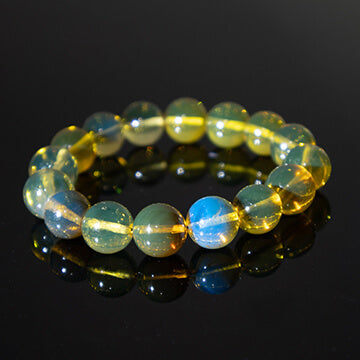
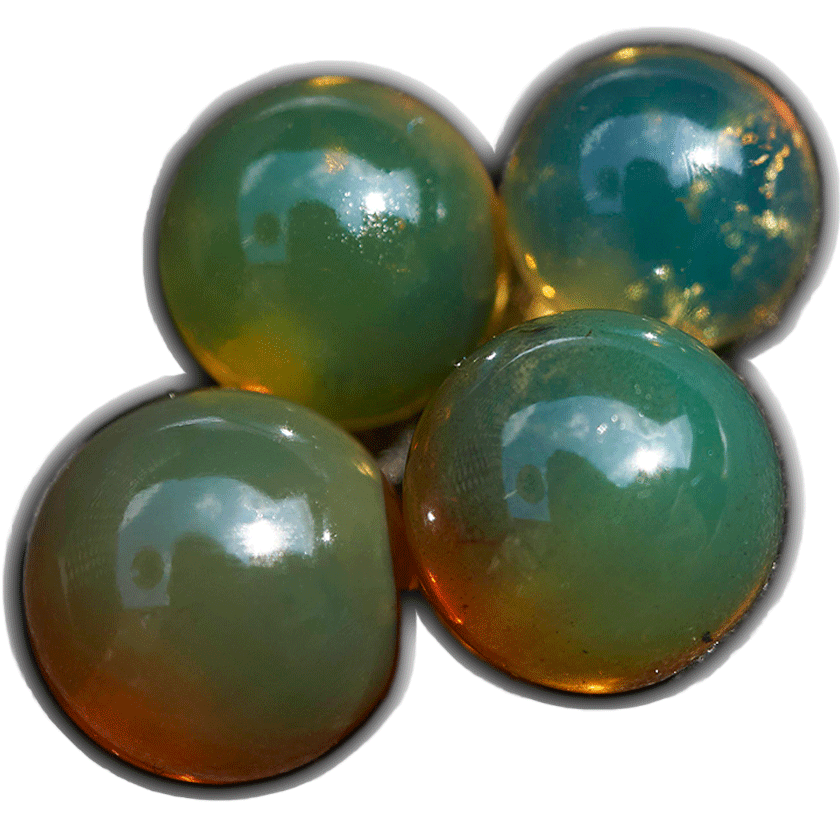
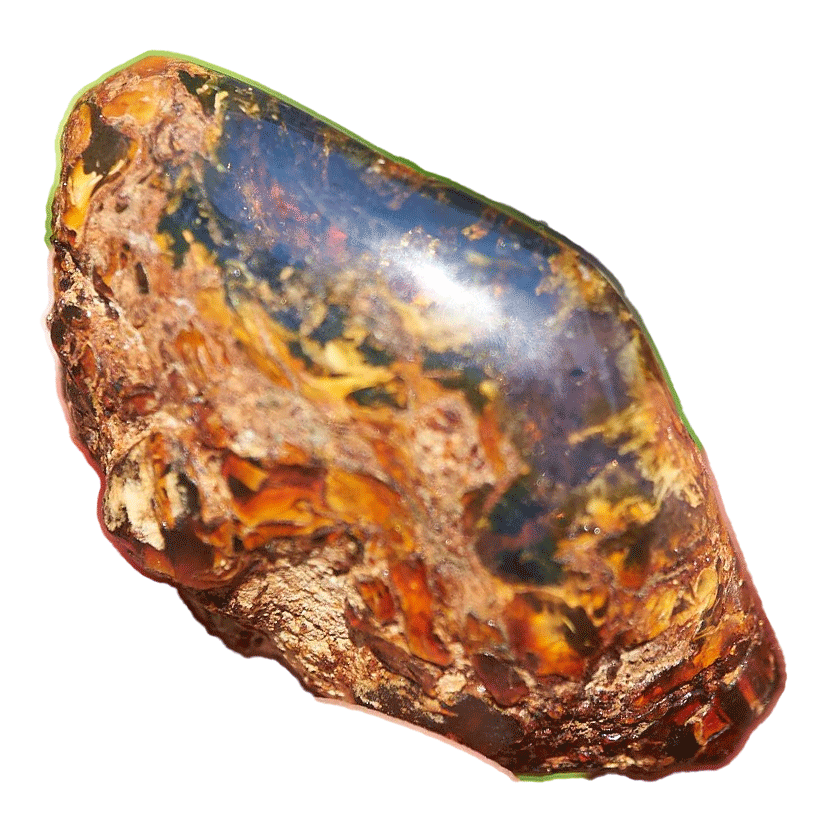
Two materials illustrate this well. Larimar is a rare blue stone found in the Dominican Republic, prized for its swirling patterns of white, sky blue and deep ocean blue. Dominican blue amber is fossilized tree resin that can glow blue under natural light. Because both are mined in a single region, authenticity and sourcing carry real weight when you buy them.
Genuine natural stones also reward handwork. A carver studying a piece of Larimar will orient the cut so the wave-like pattern flows across the surface. You can read more about the stone's origins and meaning in this guide to Larimar gemstone meaning, colors and jewelry, or explore how Dominican blue amber forms and how its types differ.
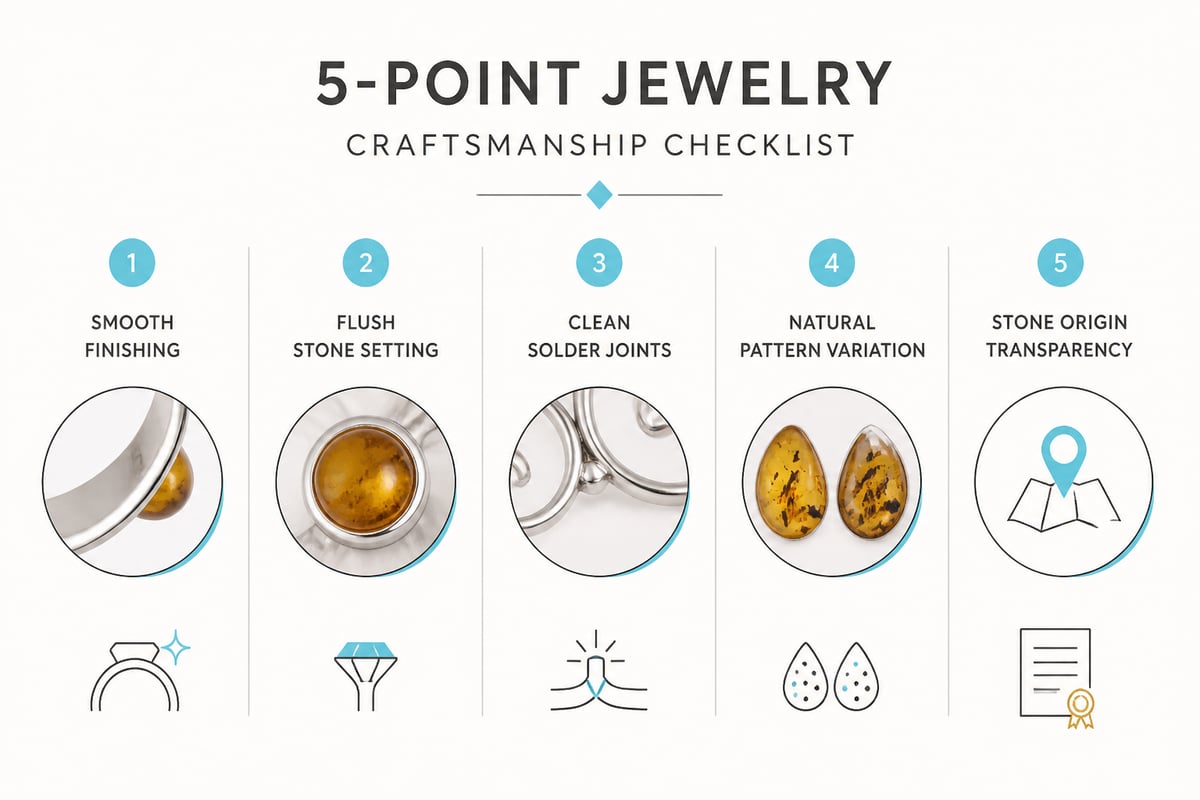
Quality craftsmanship shows up in details you can inspect in person or in clear product photos. A careful check before buying separates real handwork from imitation.
Be cautious where pieces look perfectly identical, where the stone's color seems unnaturally uniform, or where a deep blue stone is sold at a price far below market. Synthetic or dyed material is often passed off as natural gemstone. Asking the seller directly about sourcing is reasonable, and a trustworthy maker will answer plainly.
Larimar offers a clear example of craftsmanship jewelry because everything about it depends on skilled handwork and regional sourcing. It is mined and handcrafted in the Dominican Republic, so provenance is straightforward to verify when you buy from a maker working at the source.
Larimar Creations, a business making Larimar and amber jewelry, sources its Larimar and amber directly from the mines. That direct relationship keeps prices fair for authentic stones. The company also holds every piece to the same quality standard, so smaller or less expensive pieces are not lesser stones. For a gift buyer, that means a modest budget still brings genuine material.
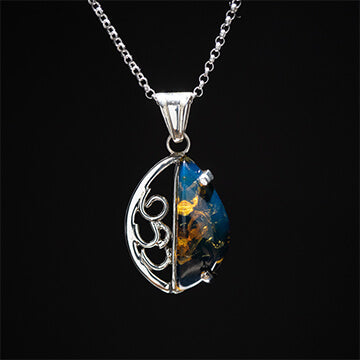
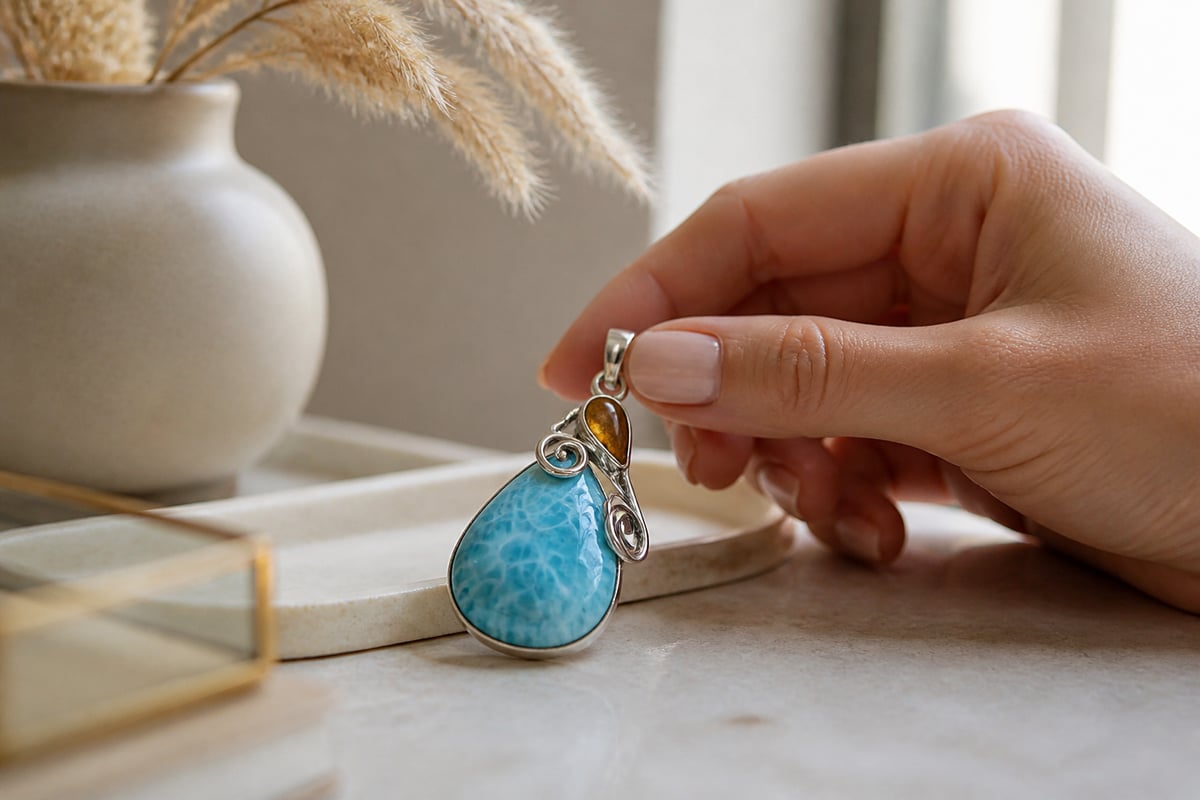
A good place to start is a pendant, since it shows off the stone's pattern without the wear a ring receives. The Larimar Pendants collection offers pieces that symbolize love, peace and calmness, which makes them a natural choice for a gift or a personal treat.
The business holds a 4.6 rating from over 946 customers, and its pieces are crafted with attention to detail in each design. To see how the maker describes its own standards, read this review of jewelry craftsmanship.
Craftsmanship jewelry costs more than costume jewelry because time, skill and genuine materials make up the price. Understanding the breakdown helps you judge whether a quoted price is fair.
Three factors drive the cost:
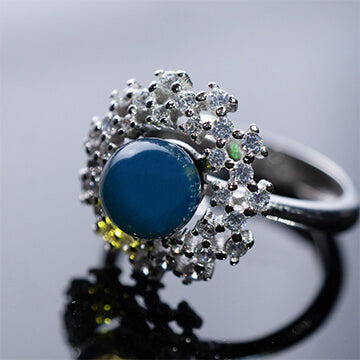
Fair pricing does not mean the cheapest price. It means the cost reflects what went into the piece. A very low price on a deep blue "Larimar" ring usually signals dyed or synthetic material, because genuine stone and real handwork cannot be delivered at costume-jewelry prices. Buying directly from a maker who sources from the mine removes layers of middlemen, which is how a business can keep genuine stones accessible. For a deeper look at valuation, see this explanation of what real Larimar jewelry is worth.
Handmade jewelry makes a strong gift because it carries a story, a place and a maker, which a mass-produced item lacks. For a gift buyer, that story is often what turns a purchase into something memorable.
A few practical points help when choosing:
Retail boutiques also reflect the appeal of personalized work. For instance, Oia Boutique offers jewelry collections, showing how much shoppers value pieces that feel individual. If you want ideas beyond blue stone, this overview of handcrafted jewelry ideas in the USA covers current styles such as stackable rings and layered bracelets.
Handcrafted jewelry stays beautiful for decades when you protect the stone and the metal from the most common sources of damage. Natural stones are more sensitive than many buyers expect, so a few habits make a measurable difference.
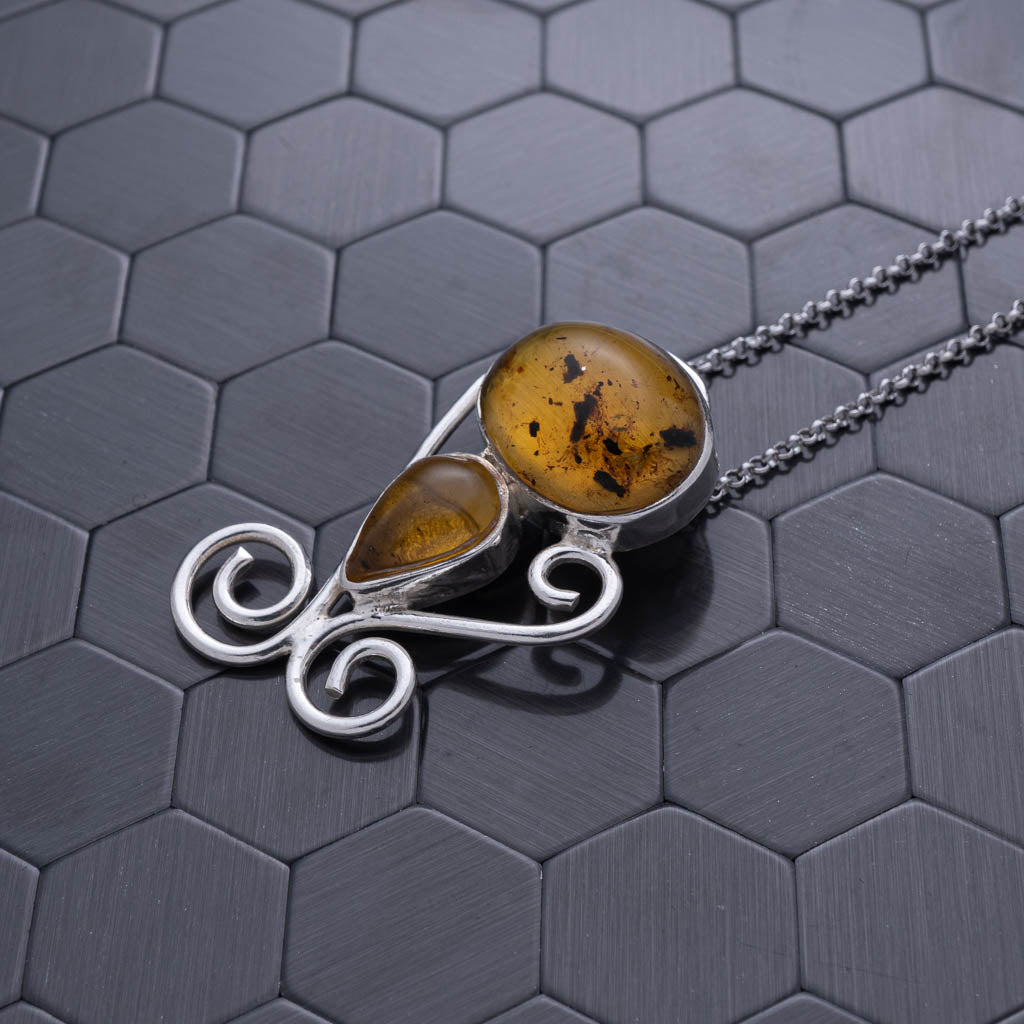
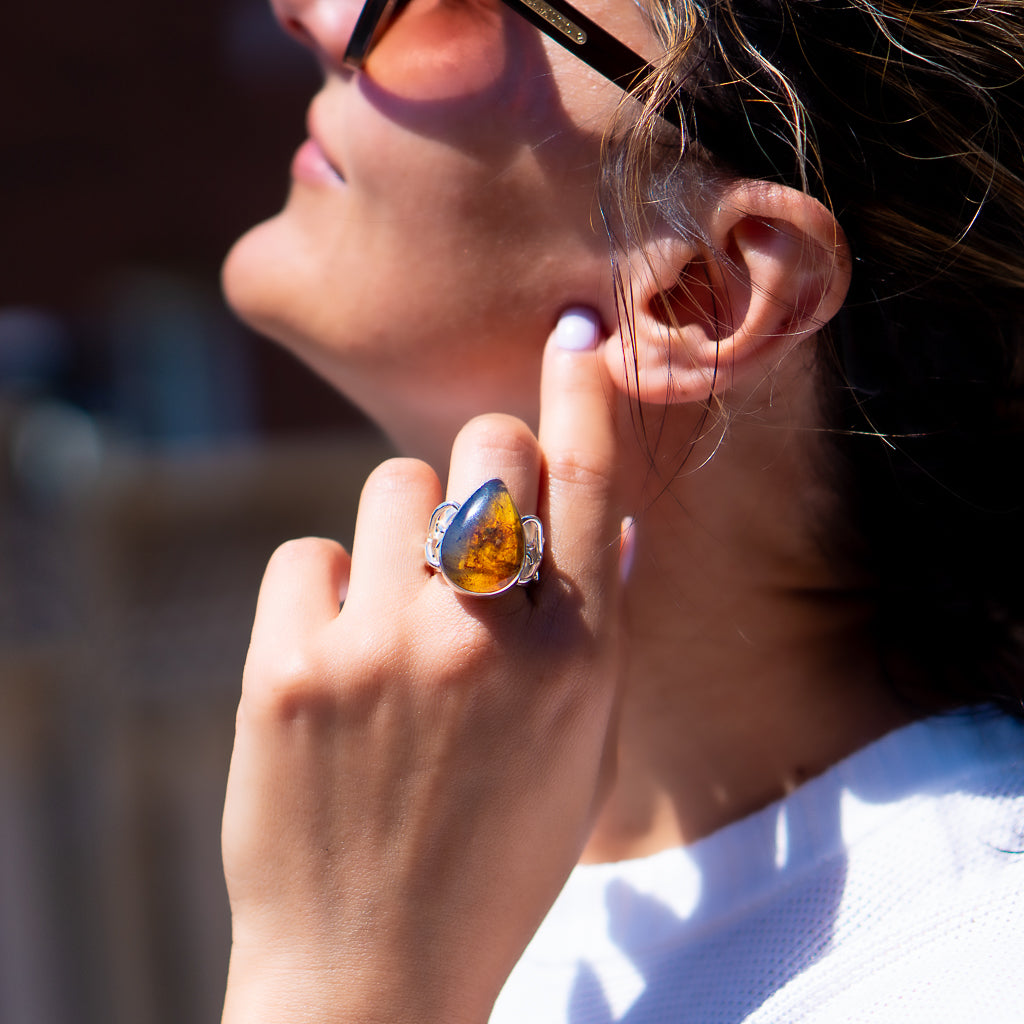
Amber is softer than many gemstones and needs extra attention to avoid scratches. For stone-specific advice, see this Larimar jewelry care guide.
A short list of questions protects you from misleading claims and confirms that a piece is genuine craftsmanship jewelry. Most reputable makers welcome them.
A maker with a long track record and clear answers is usually a safer choice than an anonymous listing. Larimar Creations ships worldwide, so buyers outside the Dominican Republic can order directly from the source. Because international orders take time to arrive, planning ahead is the better approach for a set date.
Your next step is simple: pick one piece you would wear daily, then check the stone's origin and the maker's description against the quality signs above before you commit. When you are ready to buy genuine, handcrafted Dominican gemstone jewelry at a fair price, start with the Larimar Pendants, and Shop Larimar directly from a family-owned maker working at the source since 1982.