
Larimar
Blue Amber
Green Amber
Amber Carvings
More

by Admin November 27, 2026 6 min read

A Larimar pendant can carry the soft blue of a calm Caribbean bay. A piece of Dominican blue amber can hold a surprising electric glow under ultraviolet light. Yet the beauty is only part of the story. Caribbean gemstone sourcing examples show why a stone’s documented origin, natural character, and path from miner to maker matter just as much as its color.

For buyers, collectors, and gift givers, sourcing is not a technical footnote. It is the difference between owning a meaningful natural gemstone and choosing an attractive material with an unclear history. The Caribbean is home to a small number of remarkable gem materials, each shaped by a distinct landscape, limited supply, and artisan tradition.

Why Caribbean Origin Changes the Value of a Gemstone

Unlike broadly available stones sold through global supply chains, certain Caribbean gems are inseparable from their place of origin. Larimar is found only in the Dominican Republic, where its blue pectolite is associated with the mountainous region of Bahoruco. Dominican amber is prized for its clarity, warmth, and ancient inclusions, while the rare blue variety is especially sought after for its unusual fluorescence and rich, shifting tones.

That geographic specificity gives these materials a different kind of value. A genuine stone is not simply selected for its appearance. It represents a finite natural resource, local knowledge, lapidary skill, and the work required to reveal its best face. Two cabochons cut from the same rough material may look entirely different, which is part of the appeal for those who prefer one-of-a-kind jewelry over mass-produced uniformity.

Origin alone does not guarantee quality, of course. A source claim should be supported by knowledgeable handling, careful material selection, and clear representation. The most beautiful Caribbean jewelry begins with an honest understanding of what the stone is, where it comes from, and what nature has made possible.

Caribbean Gemstone Sourcing Examples Worth Knowing

Larimar: A Dominican Stone With an Oceanic Soul

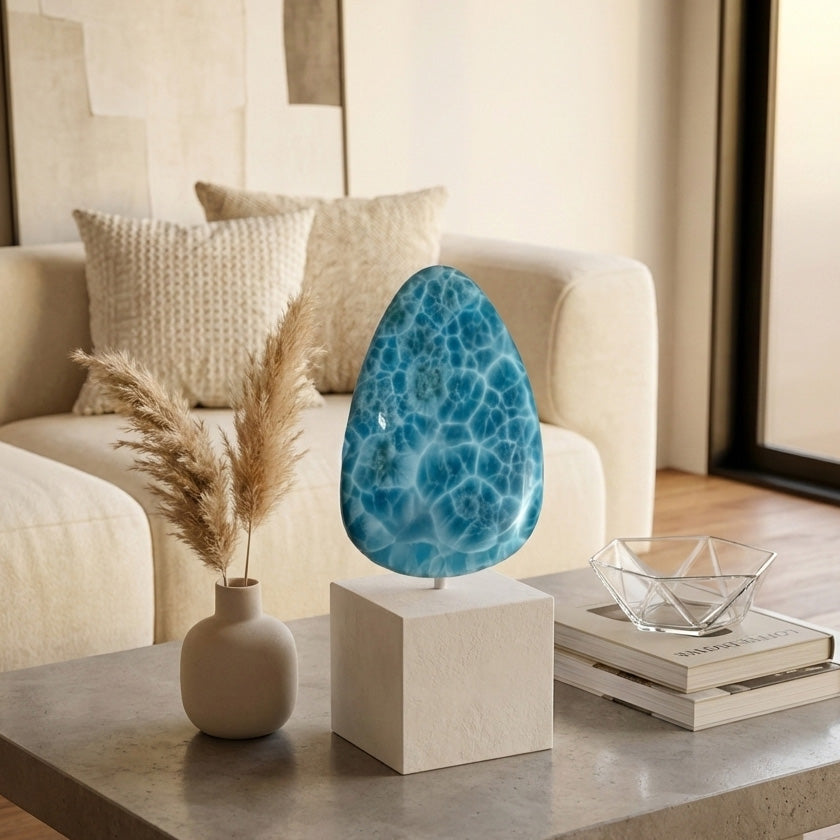
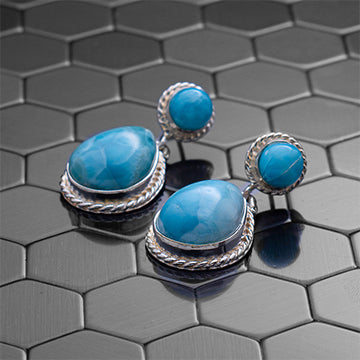
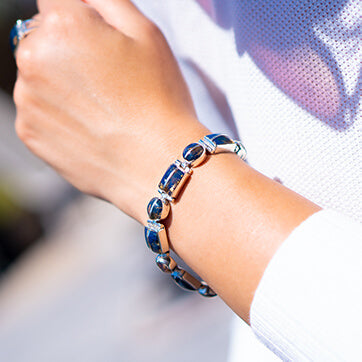
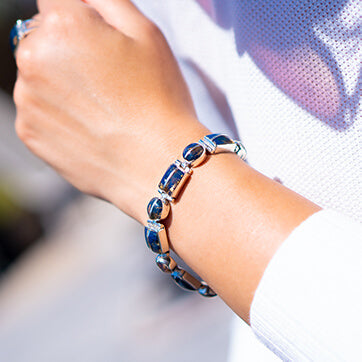
Larimar is a rare blue variety of pectolite, often recognized by its cloudlike white patterns, pale sky-blue areas, or deeper turquoise and blue-green color. Its visual character is wonderfully individual. Some stones resemble waves breaking over sand, while others hold concentrated blue that feels almost luminous.

Authentic Larimar sourcing begins in the Dominican Republic, where rough material is recovered and sorted before it reaches cutters. Not all rough is suited to fine jewelry. Fractures, pale areas, uneven color, and matrix all influence what can be cut successfully. A skilled lapidary evaluates the rough before deciding whether it should become a smooth cabochon, a bead, a carving, or a smaller accent stone.

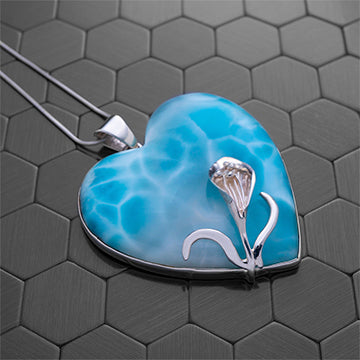
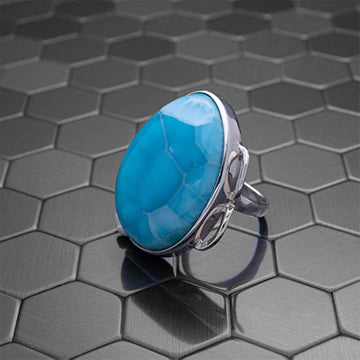
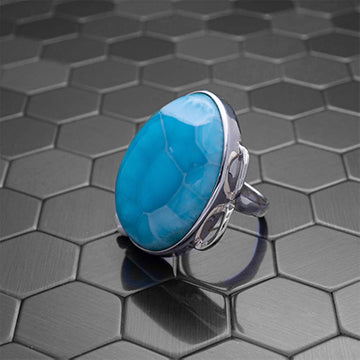
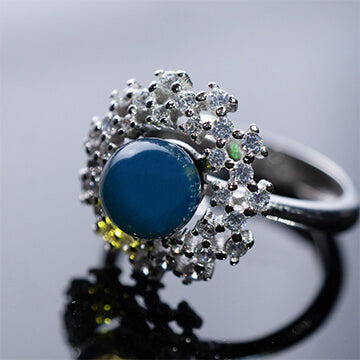
This is why large, richly blue Larimar pieces deserve close attention. Size alone is not the measure of quality. The strongest examples balance pleasing color, stable material, an even polish, and a cut that celebrates the stone’s natural pattern rather than forcing artificial symmetry. A fine Larimar ring or heart pendant should feel like a wearable fragment of sea and sky, while remaining clearly rooted in Dominican craftsmanship.

Dominican Amber: Time Preserved in Golden Light

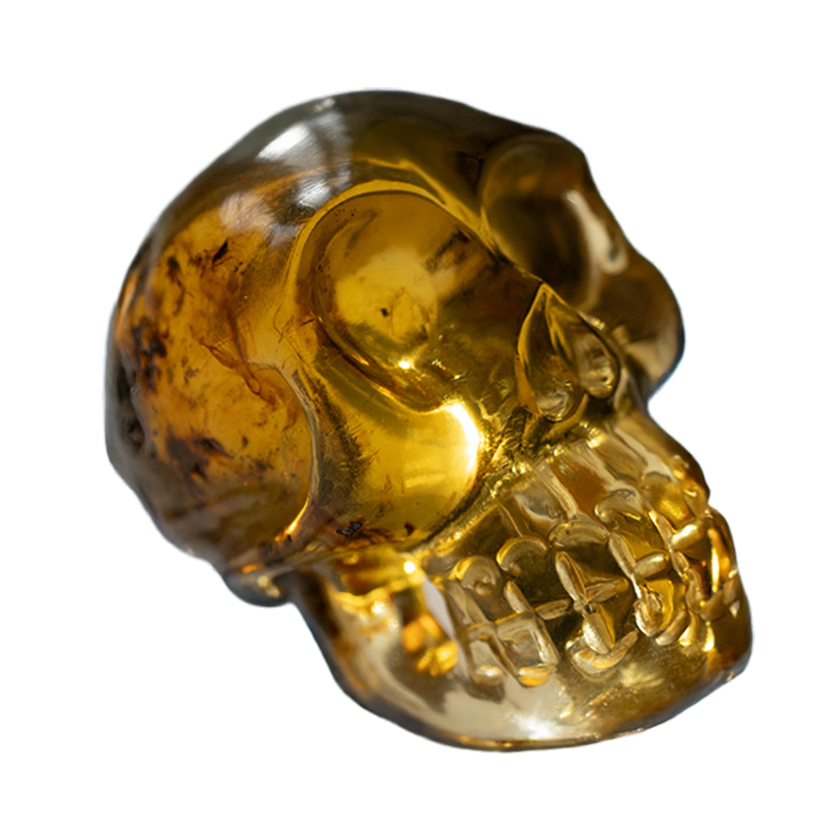
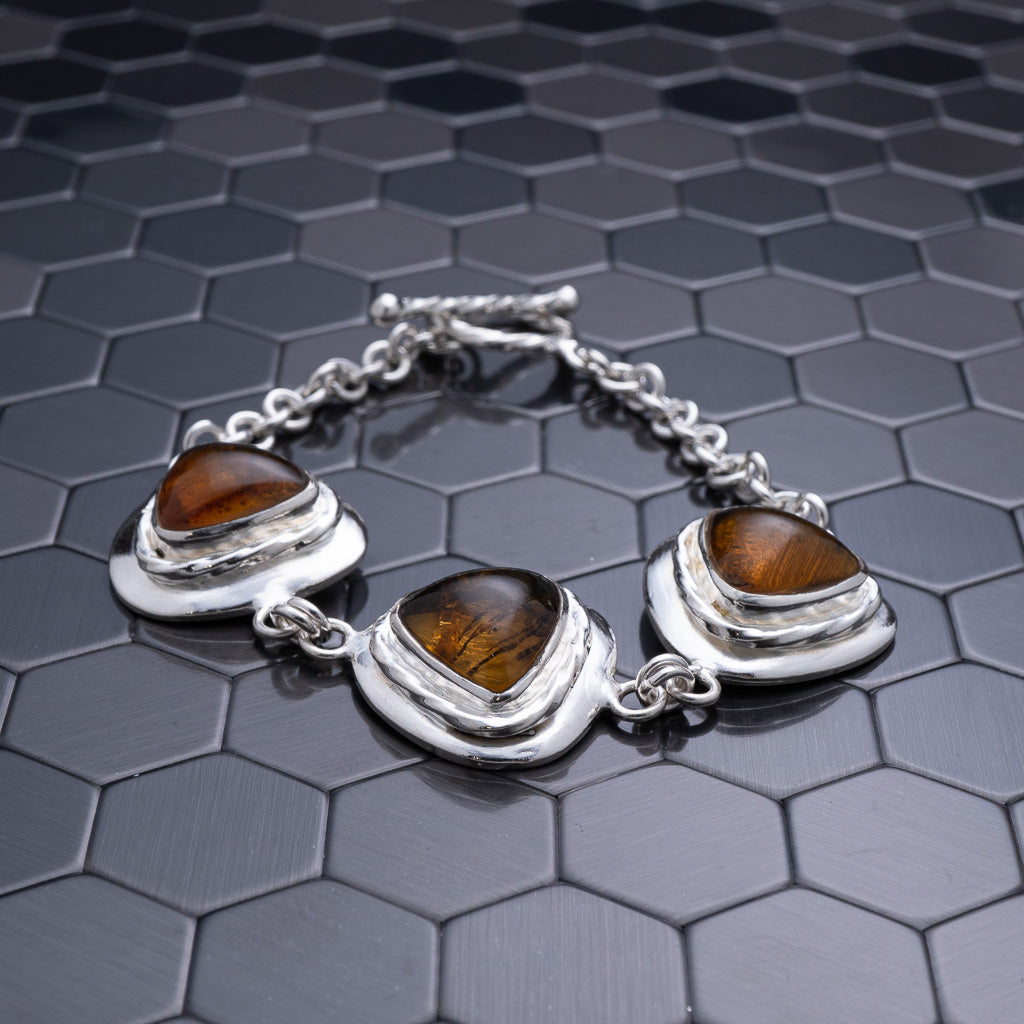
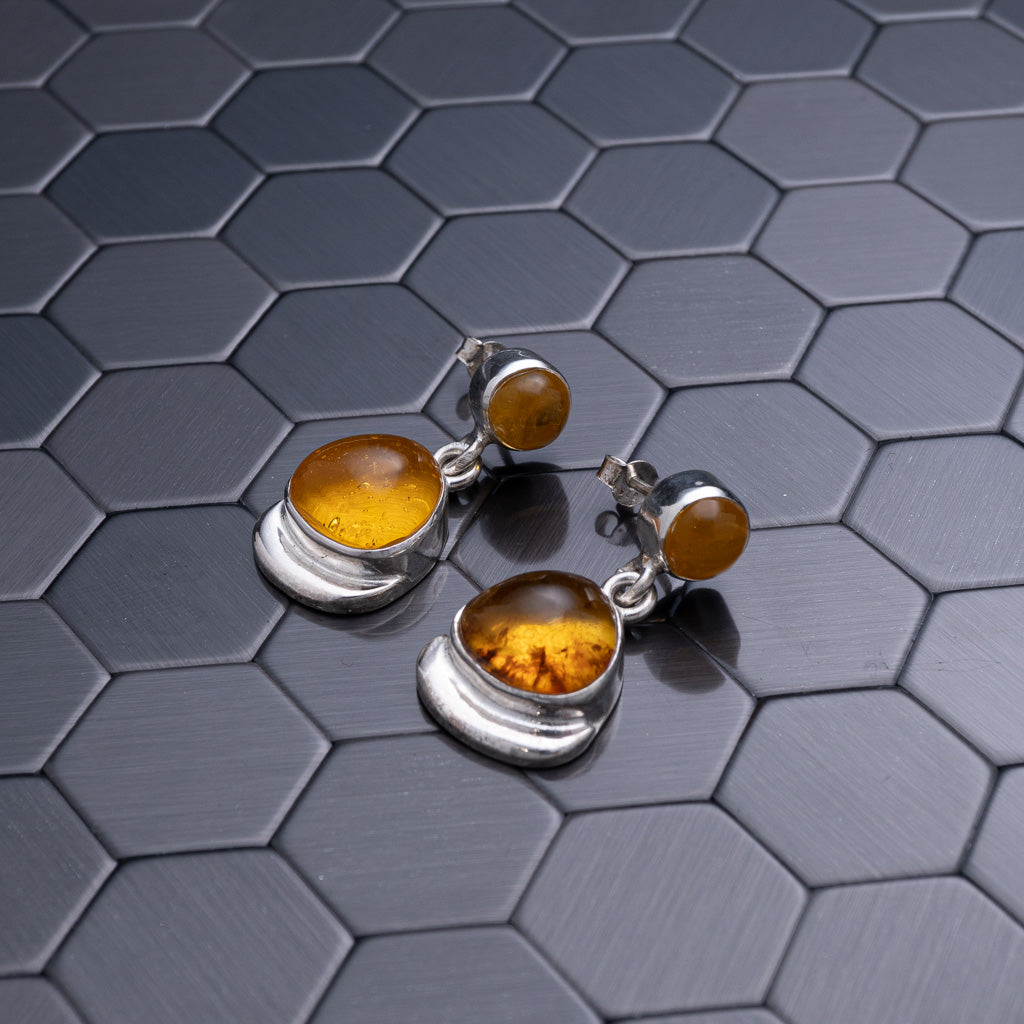
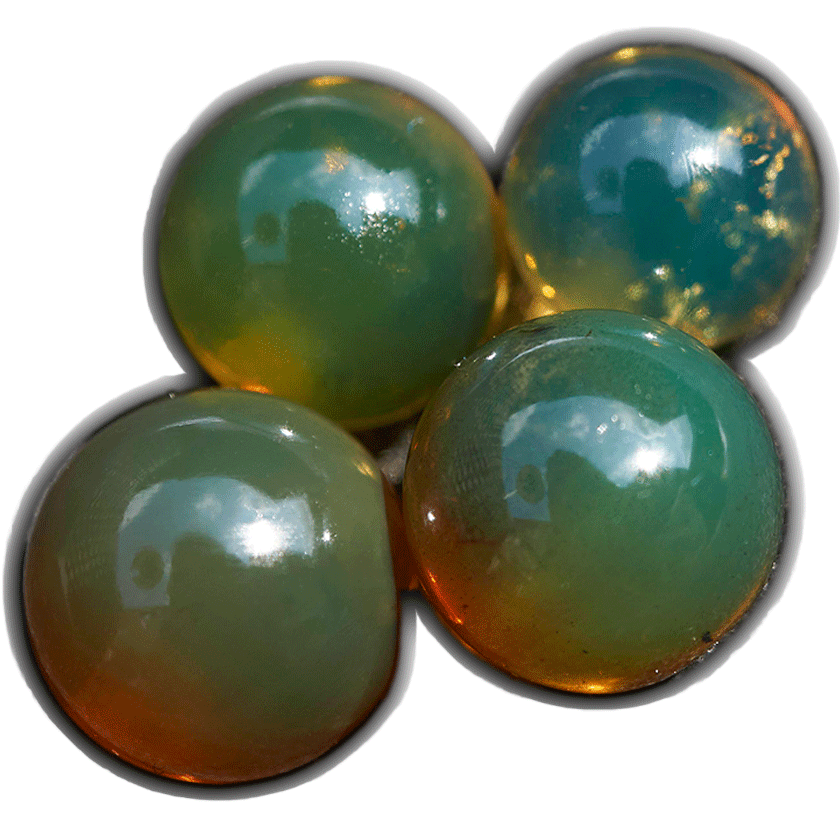
Amber is not a mineral crystal. It is fossilized tree resin, formed over immense spans of time and treasured for its warm transparency, honeyed color, and occasional prehistoric inclusions. Dominican amber is among the Caribbean’s most celebrated natural treasures, often found in tones ranging from bright yellow to cognac, red, greenish shades, and the exceptionally rare blue amber.

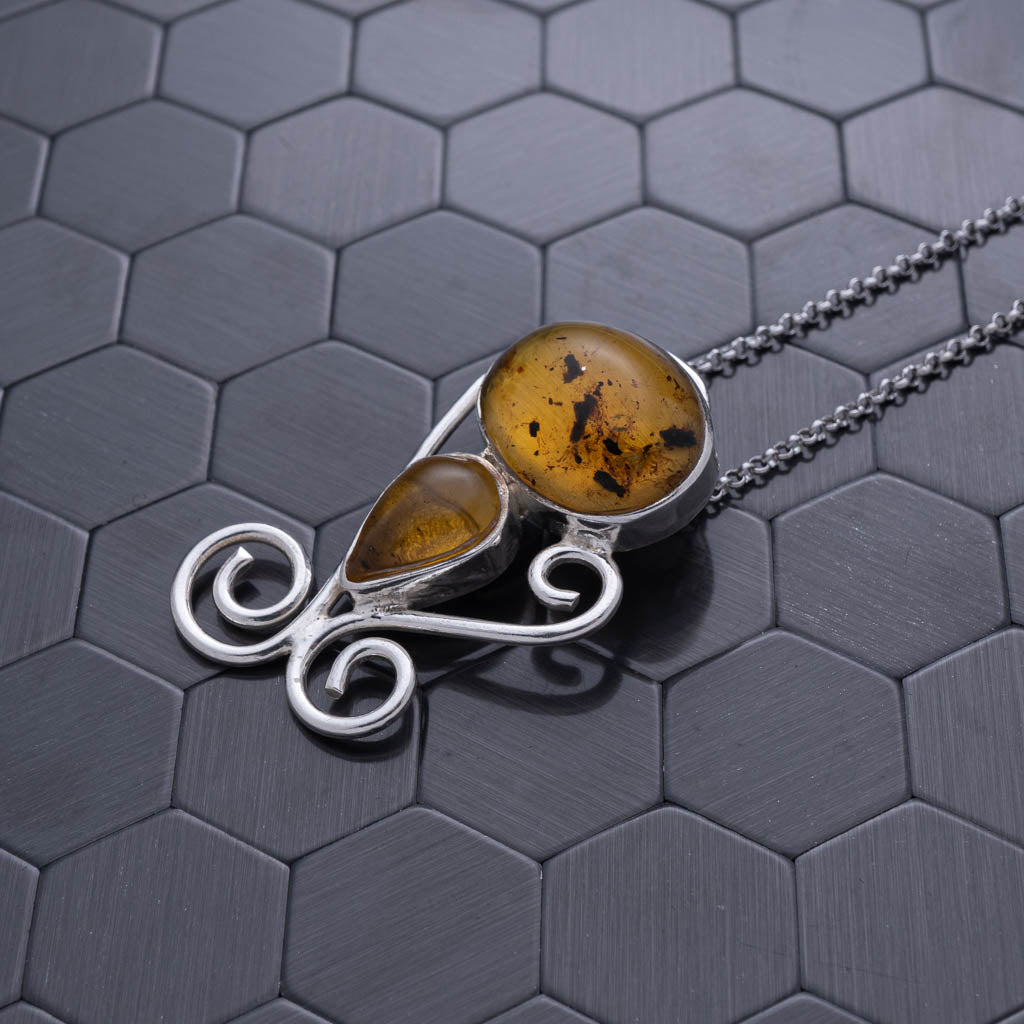
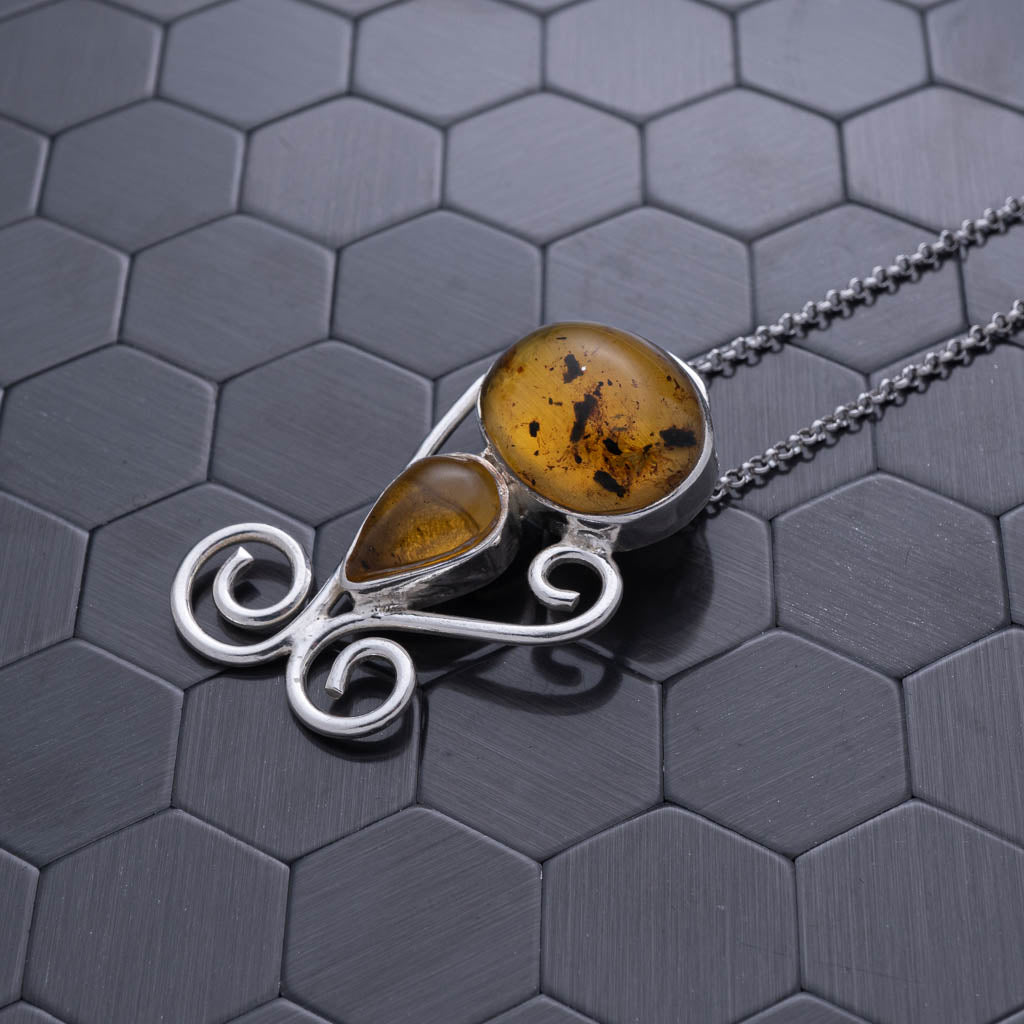
Sourcing amber requires a different expertise than sourcing Larimar. The material is lighter and softer than many gemstones, and its value depends on clarity, color, size, condition, and the presence of natural inclusions. Insects, plant matter, or small fragments of ancient life can transform a piece into a captivating collector specimen. Still, an inclusion is not automatically a mark of greater value. Its visibility, preservation, rarity, and authenticity all matter.

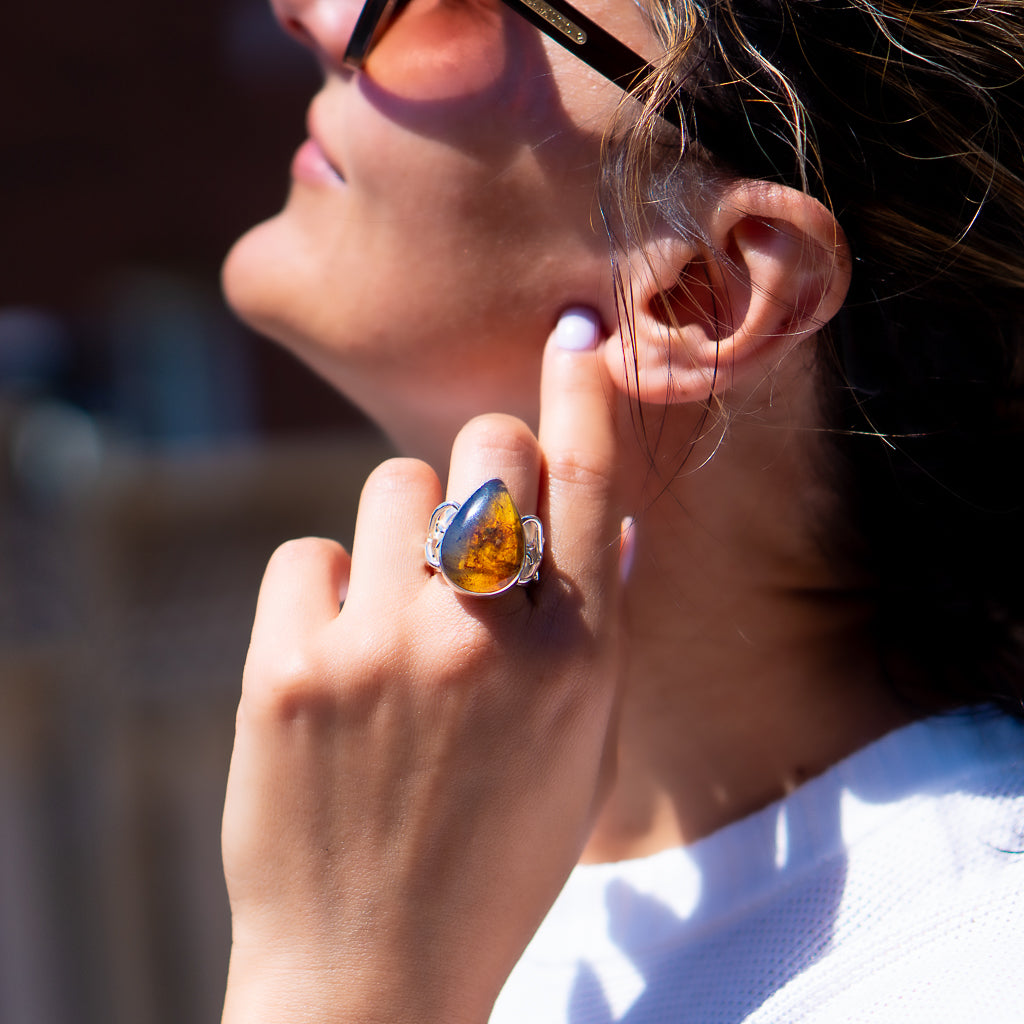
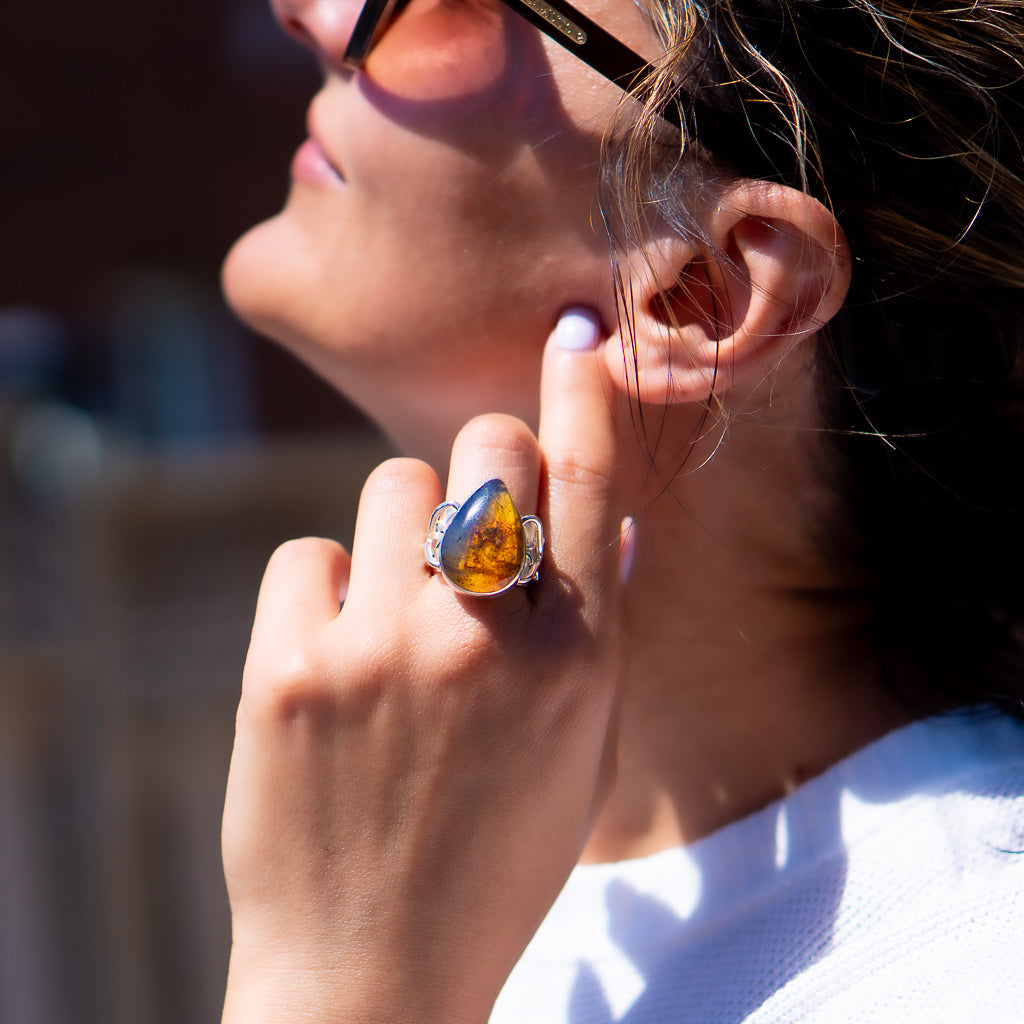
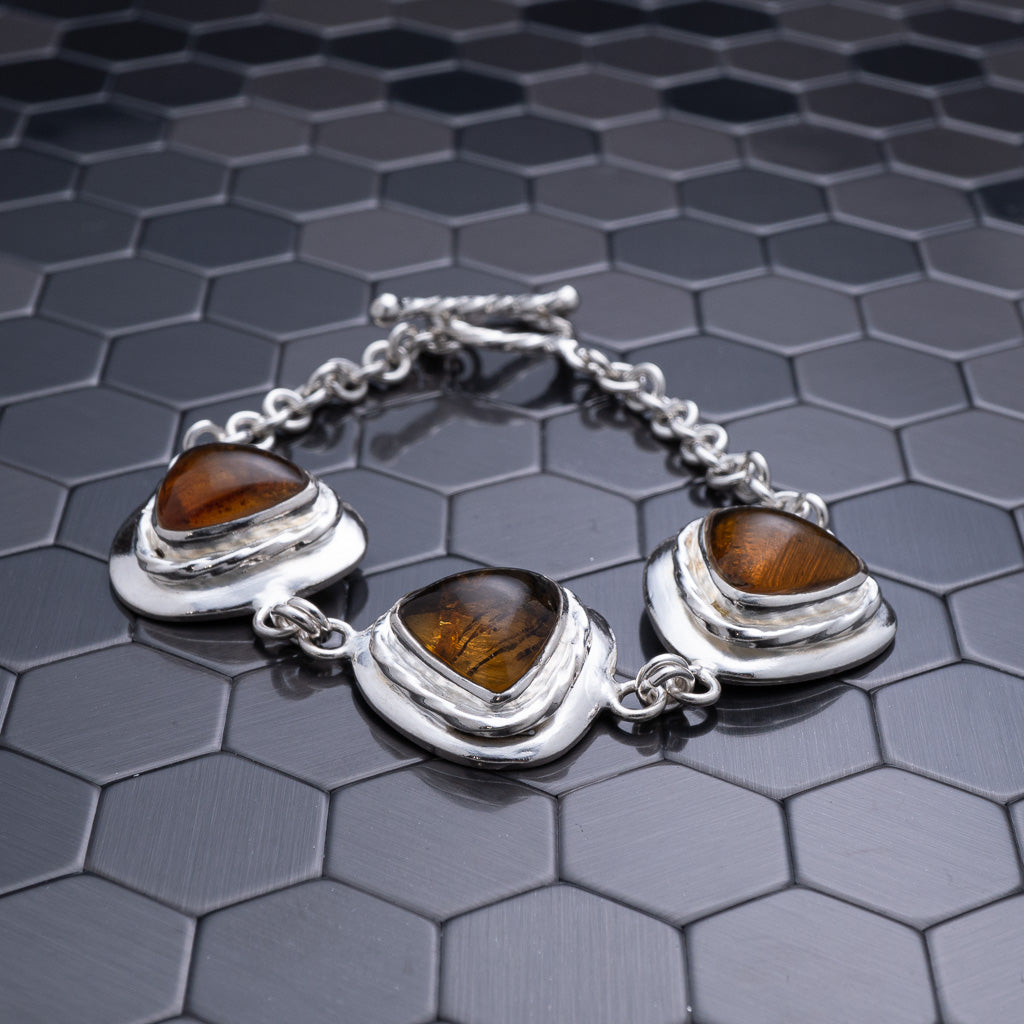
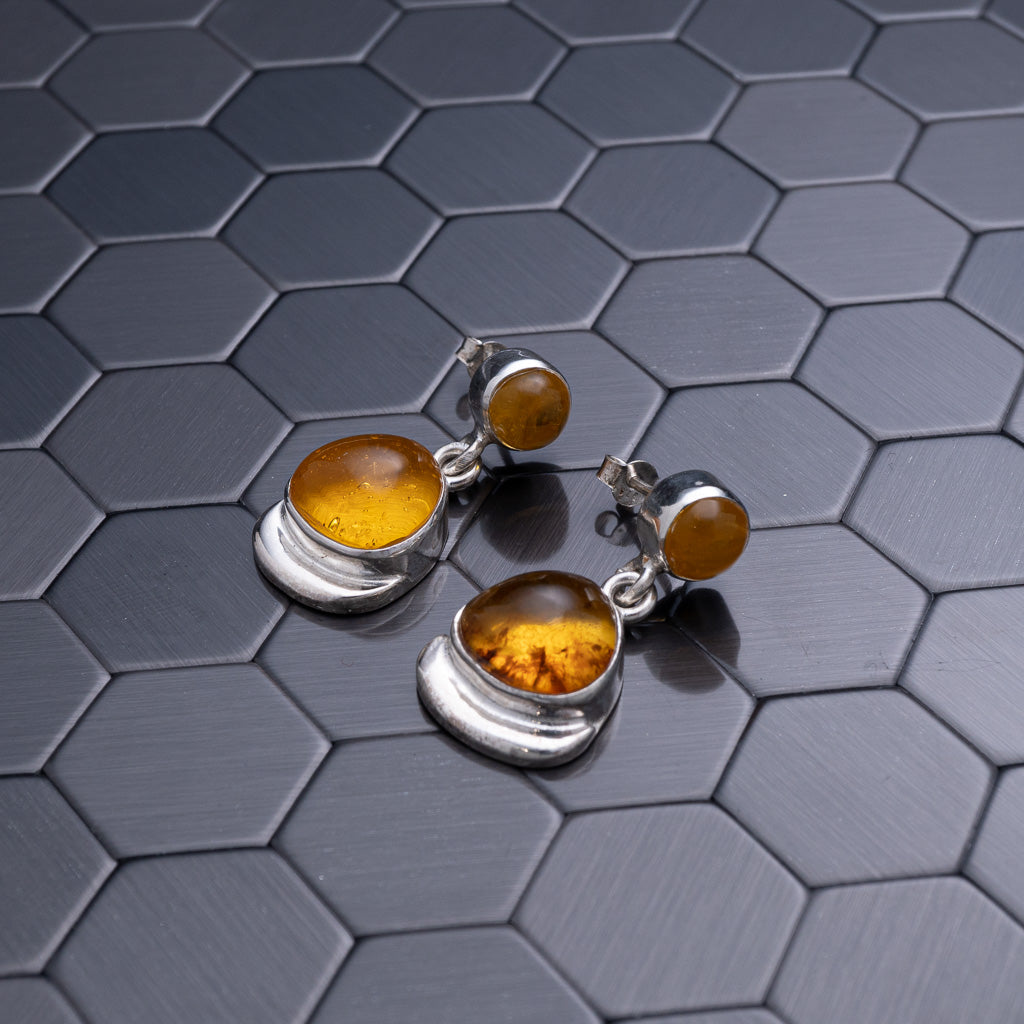
For jewelry, the best amber is selected with wearability in mind. A clear golden pendant may be ideal for everyday warmth and elegance, while a darker, inclusion-rich piece may appeal more to a collector drawn to amber’s ancient narrative. The setting should protect the material without overwhelming its natural light.

Dominican Blue Amber: Rare Color, Real Nuance

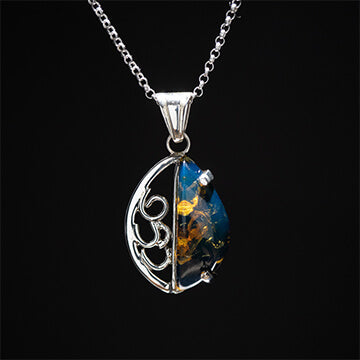
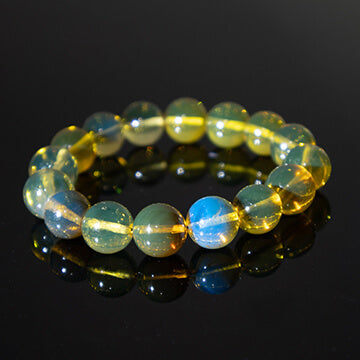
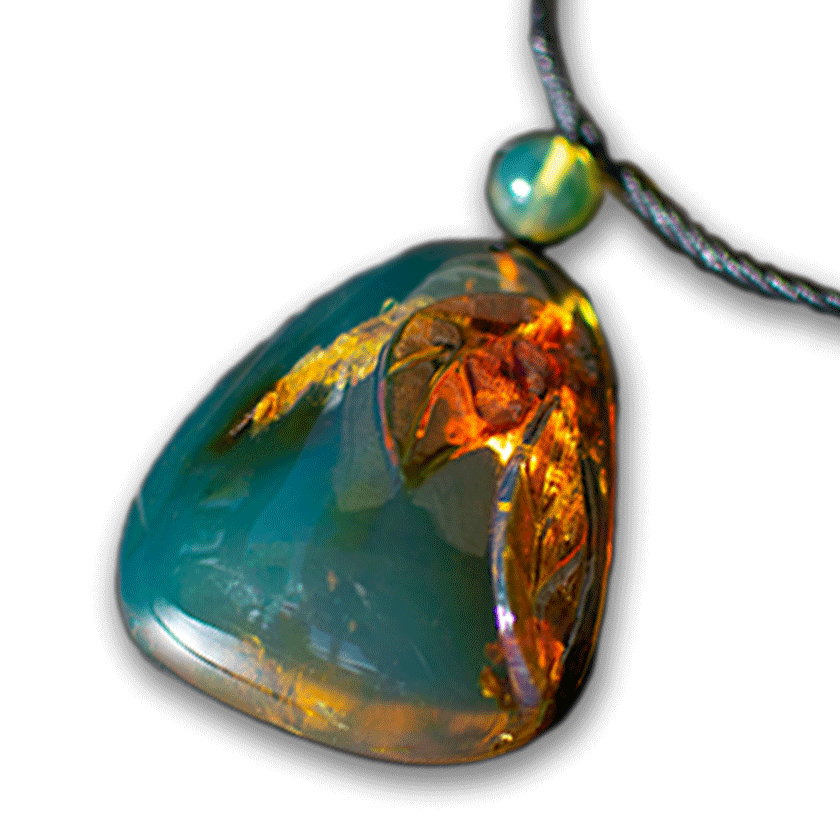
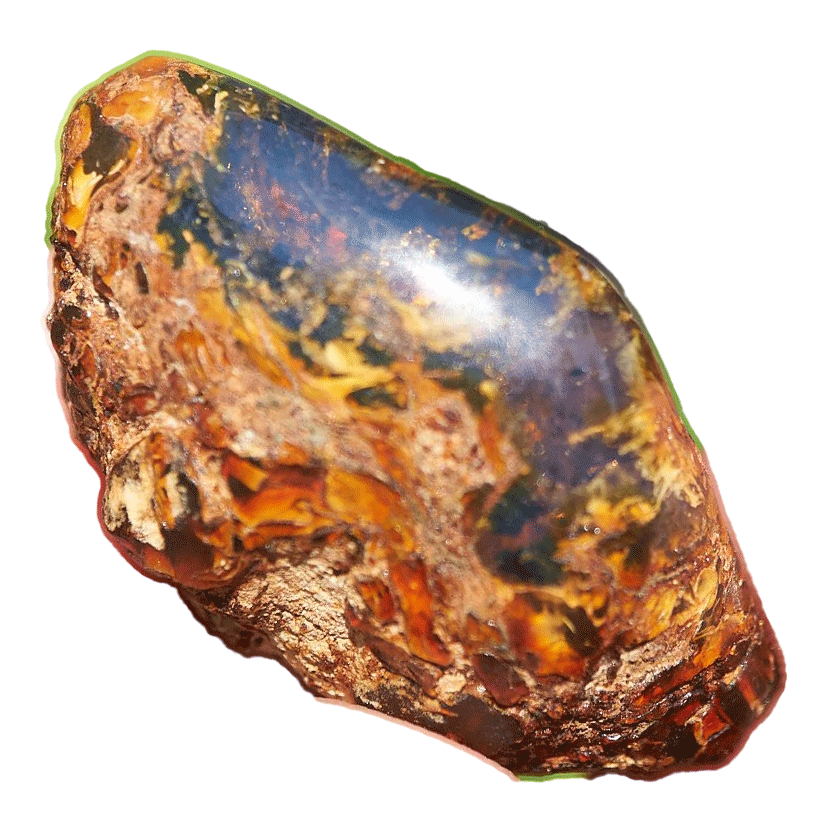
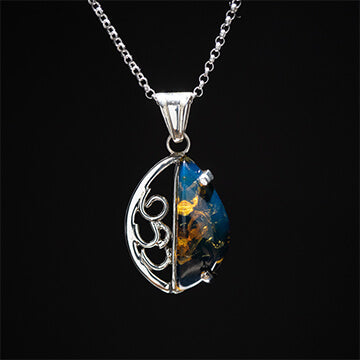
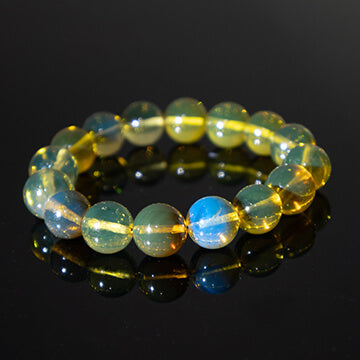
Blue amber is among the most distinctive examples of Caribbean gem sourcing because its beauty changes with the light. In ordinary conditions, a piece may appear golden, reddish, or deep brown. Under sunlight or ultraviolet light, many genuine specimens reveal a vivid blue fluorescence, sometimes with violet, green, or turquoise undertones.

This visual effect has led to understandable fascination, but also confusion. Blue amber should not be judged from a single edited photograph or a simplistic promise of bright blue color at all times. Its appearance depends on the material, light source, background, polish, thickness, and angle. A knowledgeable seller should describe these variables rather than offering an exaggerated claim.

Authentic Dominican blue amber is rare, and each piece has its own personality. Some pieces show an intense blue flash, while others offer a quieter, more mysterious glow. Both can be beautiful. What matters is transparent representation, natural material, and craftsmanship that lets the amber’s response to light remain the center of attention.

What Responsible Sourcing Looks Like in Practice

For Caribbean stones, responsible sourcing is built on traceability and care rather than vague language. The supply chain may be close-knit compared with major international gemstone markets, but buyers should still expect meaningful standards. Sellers need to know whether a material was mined or recovered in its claimed region, who cut or polished it, and whether it has been altered beyond normal finishing.

Treatment disclosure is particularly important. Natural stones may be polished, stabilized, or otherwise prepared for jewelry, and amber may be pressed, reconstructed, or imitated with resin or plastic. These materials can have their own place in the market when accurately described. They should never be presented as equivalent to a natural, certified Caribbean gemstone.

A credible sourcing practice also respects the limits of natural materials. Larimar can have natural lines and varied color zones. Amber can contain tiny internal features, surface texture, and differences in transparency. These are not necessarily defects. In many cases, they are the evidence that a stone has not been manufactured into sameness.

How to Shop With Confidence

A piece of Caribbean gemstone jewelry should invite questions, not avoid them. Ask for the stated origin, the exact material, and whether the stone is natural. If certification is offered, understand what it verifies. A certificate can support confidence, but it should align with clear product details and the seller’s demonstrated knowledge of the gemstone.

Photographs should show the actual piece whenever possible, especially for collector cabochons, carvings, fossils, and blue amber. Natural variation is too significant to treat every stone as interchangeable. For jewelry purchases, inspect the cut, polish, setting, and scale as carefully as the color. A beautifully sourced stone deserves a setting made to honor it.

It also helps to match the stone to the occasion. Larimar is a romantic choice for someone drawn to ocean colors and artisanal silver or gold designs. Golden Dominican amber offers warmth for anniversaries, birthdays, and meaningful everyday gifts. Blue amber has a collector’s sense of surprise, making it especially memorable for a person who values rarity and conversation-worthy natural beauty.

From Caribbean Rough to Personal Treasure

The journey from rough material to finished jewelry is a creative act of restraint. Cut too deeply, and a lapidary may lose the best blue area in Larimar. Polish amber too aggressively, and its character can be diminished. Set either stone without care, and the design may hide what made the material extraordinary in the first place.

At Larimar Creations, this belief is reflected in a focused appreciation for authentic Dominican Larimar and amber, from wearable rings and pendants to collector-centered cabochons, beads, carvings, and fossils. The purpose is not to make every piece look identical. It is to let each genuine Caribbean stone retain its own color, pattern, and story.

When choosing a gemstone, look beyond the first flash of color. Seek the source behind it, the hands that shaped it, and the natural details that make it impossible to repeat. That is how a Caribbean treasure becomes more than jewelry - it becomes a personal piece of the islands to wear, give, and keep close.

Caribbean Gemstone Sourcing Examples That Matter

Caribbean Gemstone Sourcing Examples That Matter

6 min read

Caribbean gemstone sourcing examples reveal how Larimar and Dominican amber move from origin to heirloom jewelry with proof, care, and character intact.
Read More
What Is Natural Amber? Origin, Types and Identification

What Is Natural Amber? Origin, Types and Identification

8 min read

Learn what natural amber is, how it forms, which colors and types exist, and how to tell genuine amber from copal, pressed amber and plastic imitations.
Read More
Amber Gemstone Jewelry: A Guide to Buying Authentic Pieces - Larimar Creations

Amber Gemstone Jewelry: A Guide to Buying Authentic Pieces

8 min read

Learn how to spot genuine amber, compare types and colors, and care for your pieces, with practical tips for buying amber gemstone jewelry with confidence.
Read More