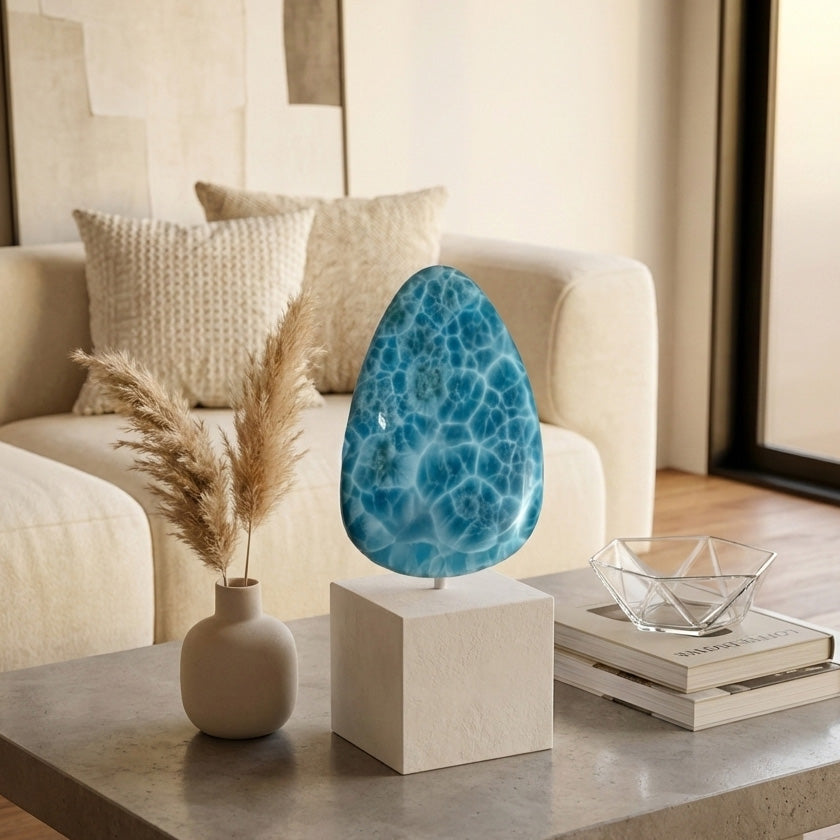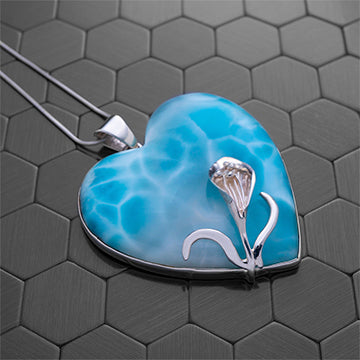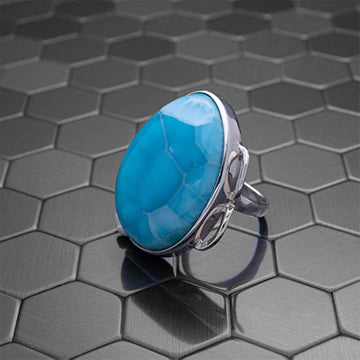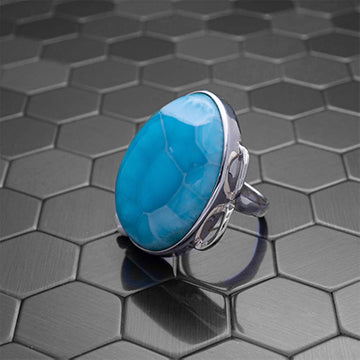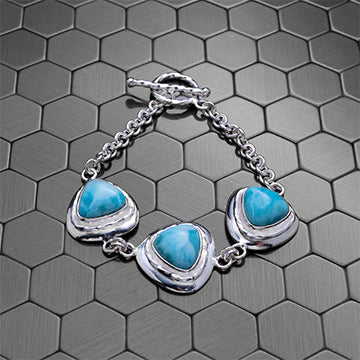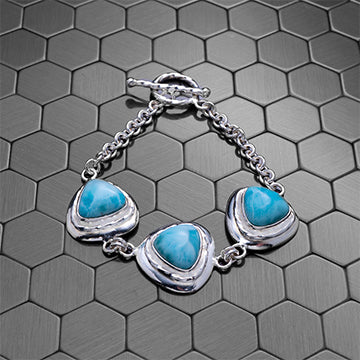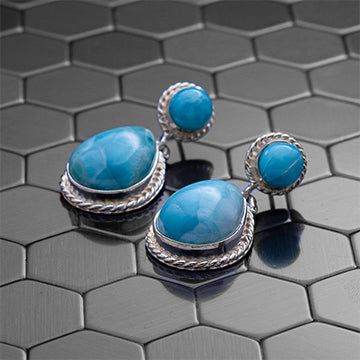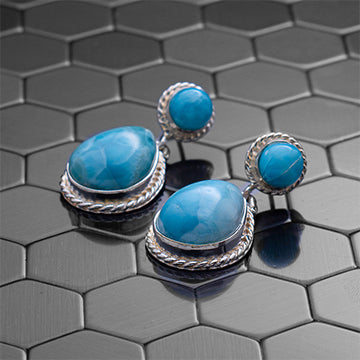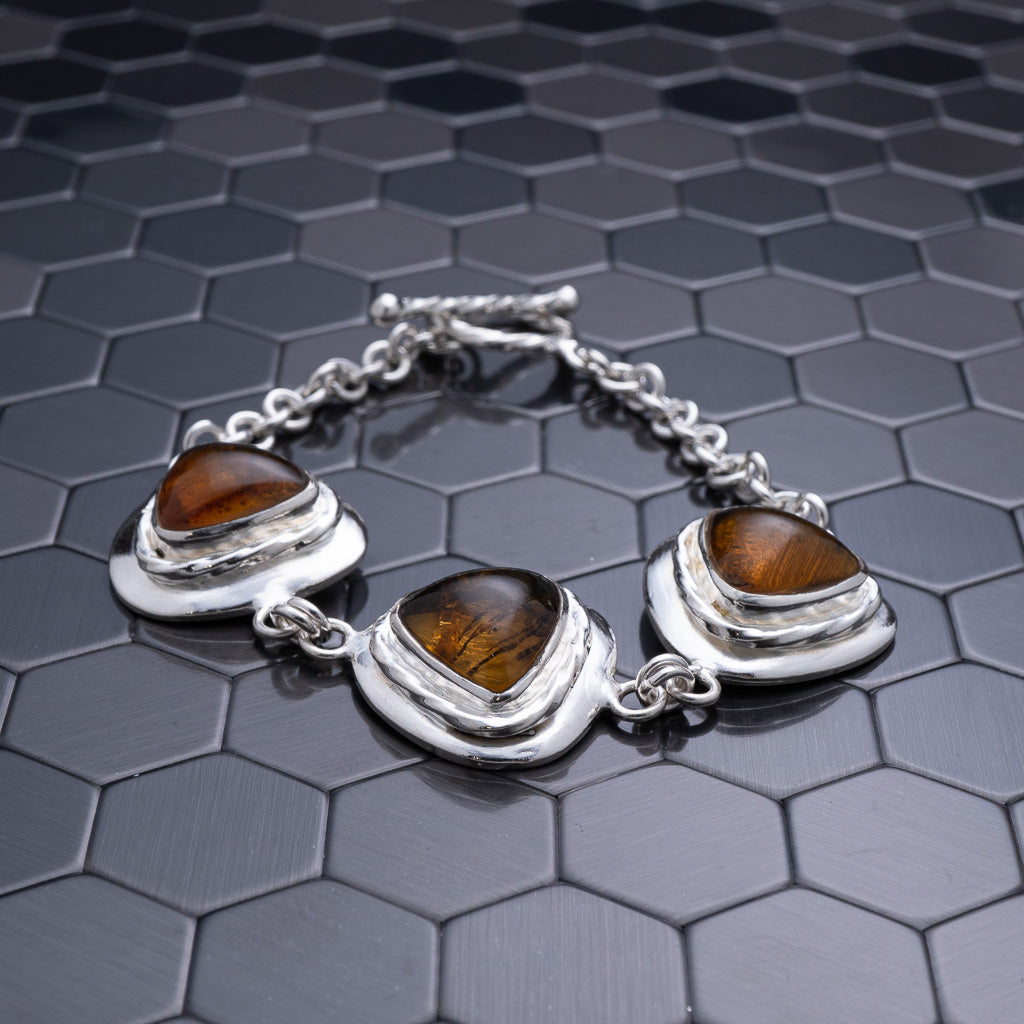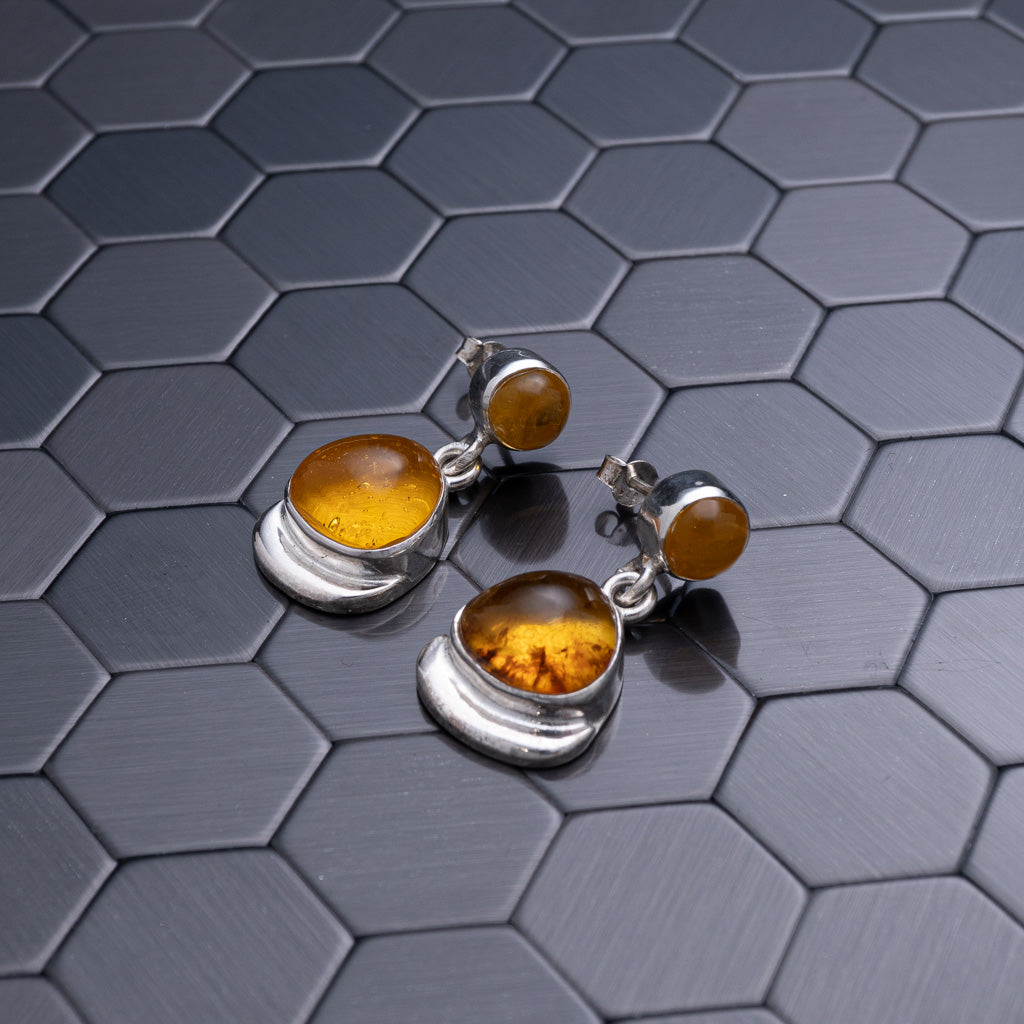


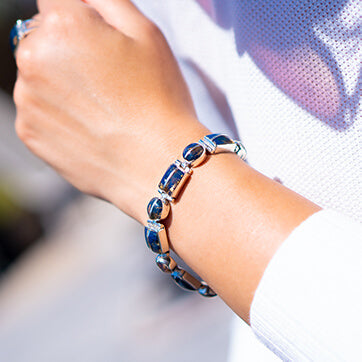
Handcrafted in DR.

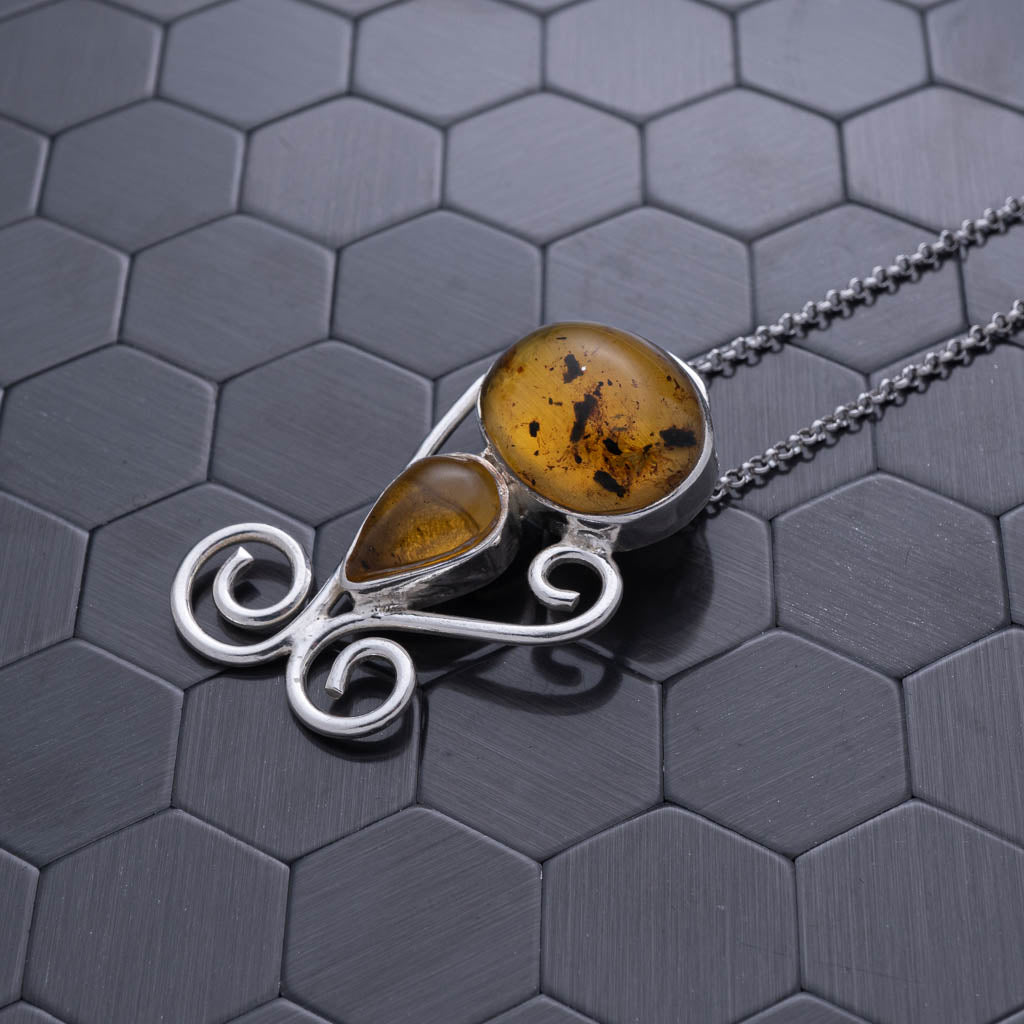
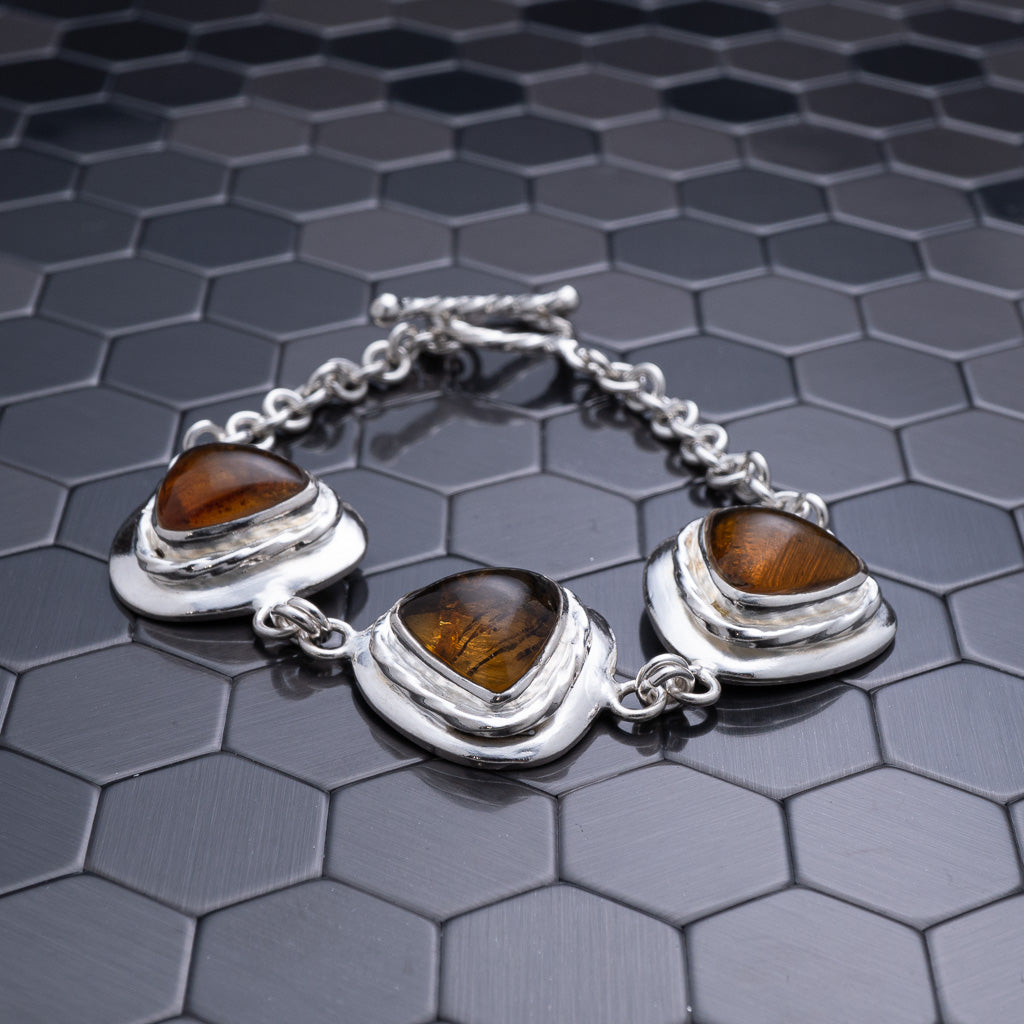
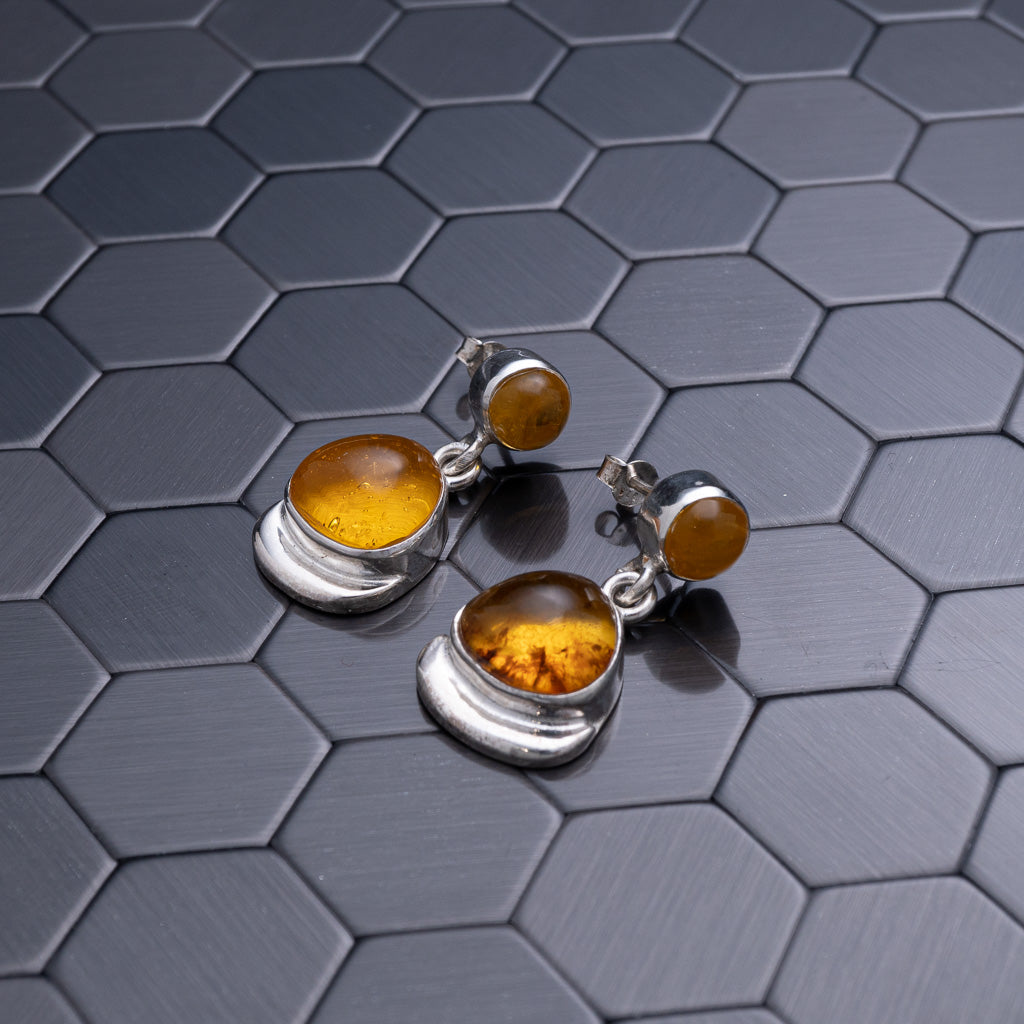


100% Handcrafted in DR.

Amber gemstone jewelry is made from fossilized tree resin, and the authentic pieces come in shades ranging from honey yellow to rare blue and green. Buying it well means knowing how to tell natural amber from pressed or plastic imitations, understanding what drives price, and caring for a gem that is far softer than most.
This guide takes you from the basics to confident purchasing. It covers what amber is, the main types and colors, the practical tests for authenticity, the treatments that affect value, and the care habits that keep a piece beautiful for decades.
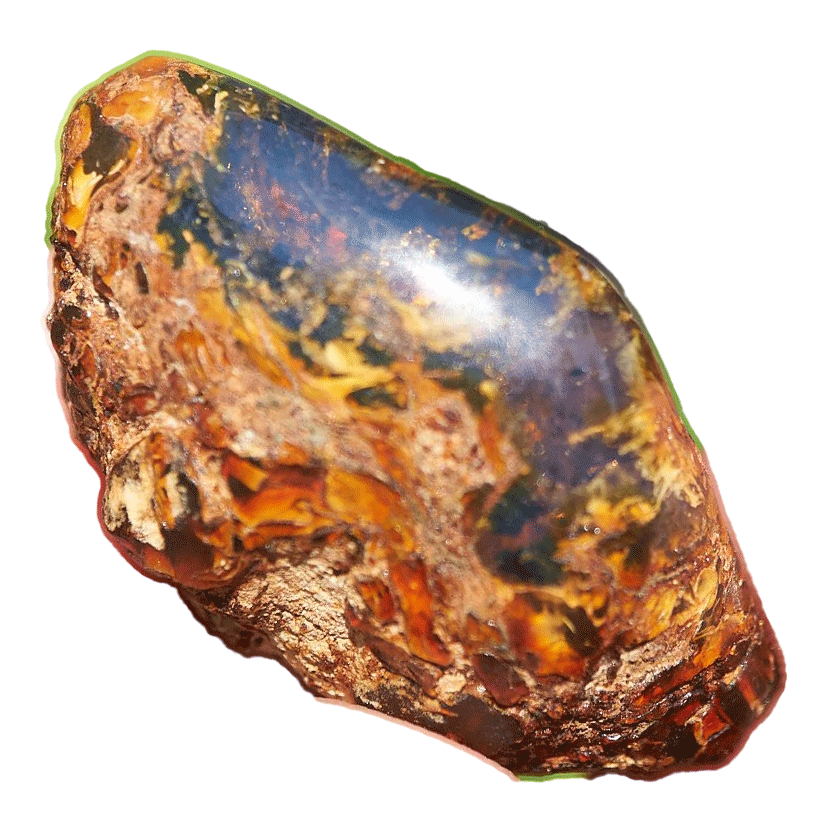
Amber is fossilized tree resin rather than a mineral, which is why it feels warm to the touch, weighs very little, and can be carved with fine detail. Resin from ancient forests hardened over millions of years, sometimes trapping insects, plant fragments, or tiny air bubbles that are now prized as inclusions.
That organic origin sets practical limits. Amber has a Mohs hardness of only 2 to 2.5, according to the GIA Amber Care and Cleaning Guide, which makes it soft and vulnerable to scratches. Quartz and sapphire are considerably harder. A well-made amber ring can last for years, but it will show wear sooner than a diamond or a sapphire would.
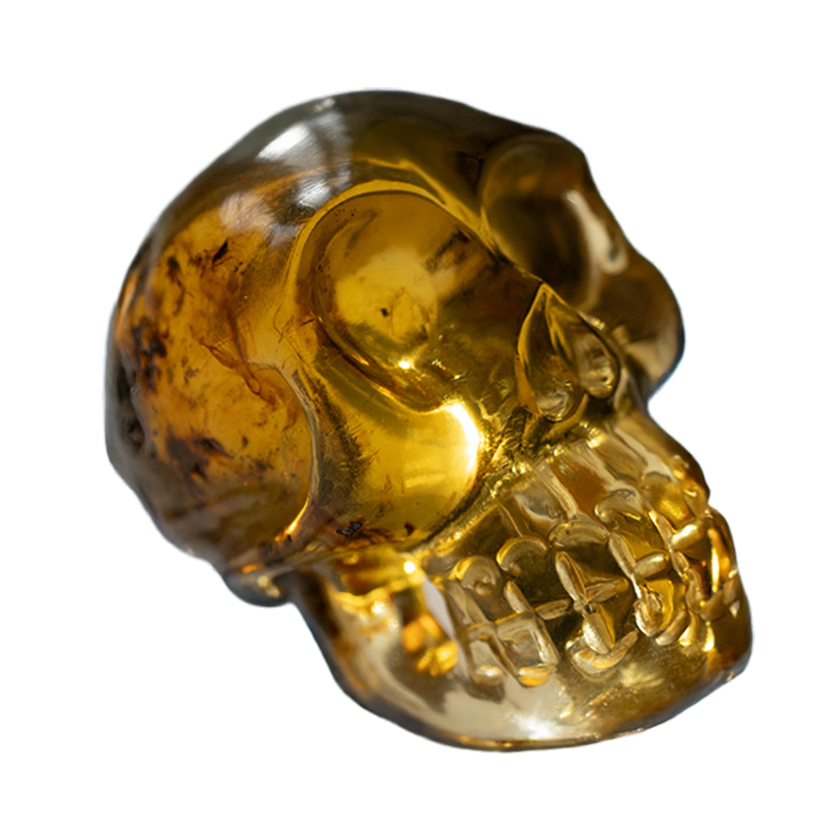
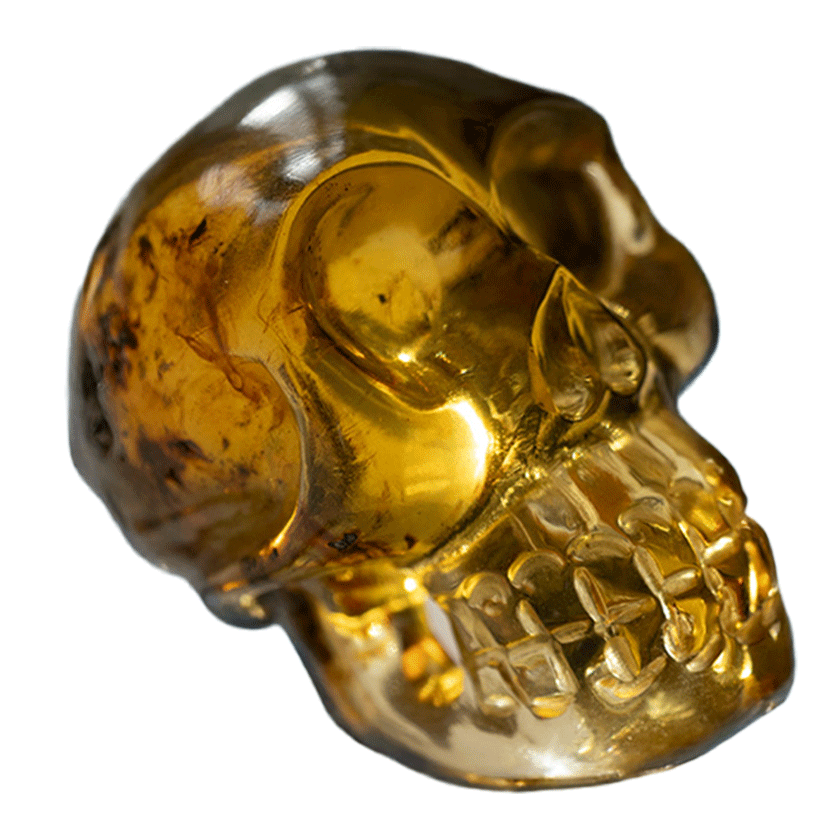
The softness is also the reason amber carves so beautifully. Artisans can shape it into smooth cabochons, detailed pendants, and sculptural figures that would be impractical in harder stones.
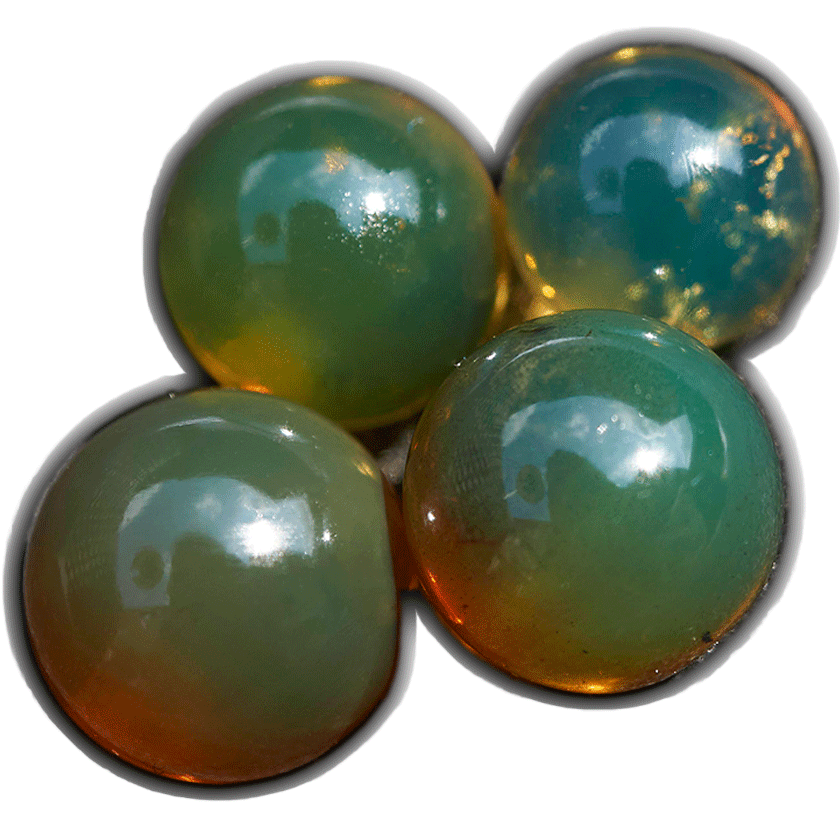
The main types of amber used in jewelry are Baltic amber, Dominican amber, and, more rarely, amber from Myanmar and Mexico, each with its own typical colors and clarity. Color is the first thing most buyers notice, and it varies more widely than many expect.
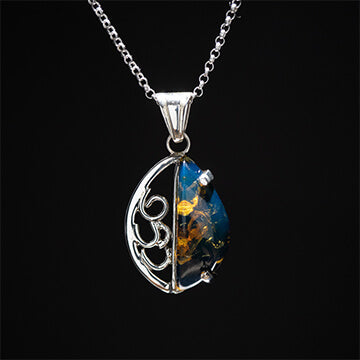
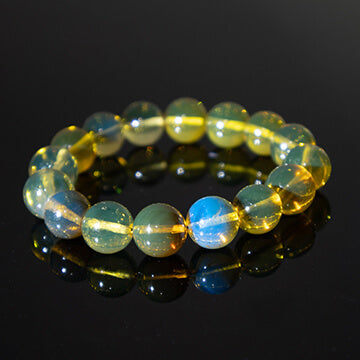
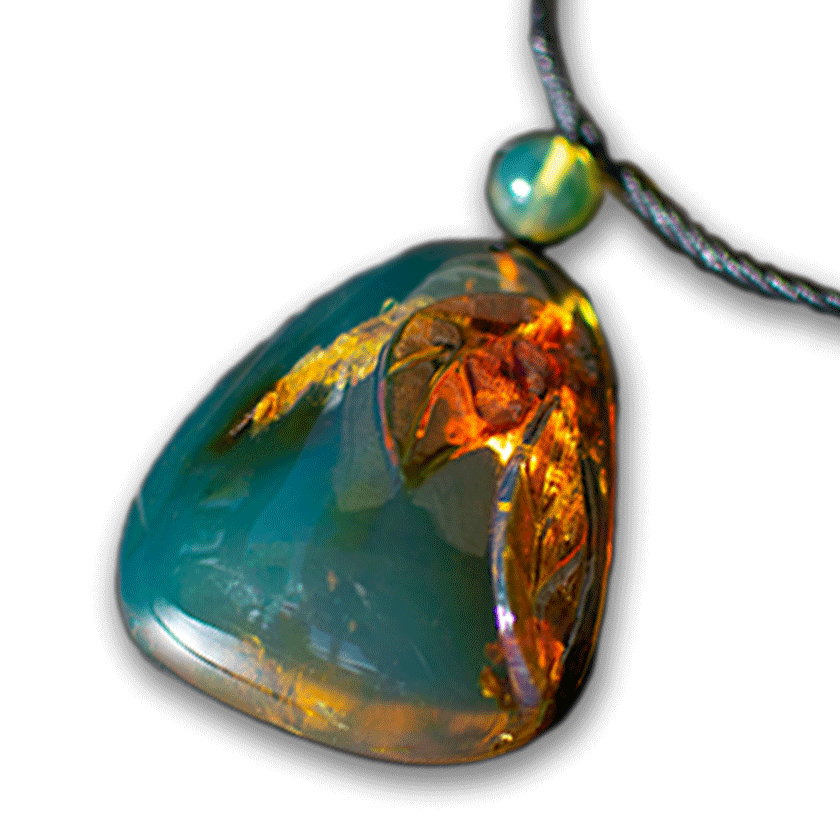
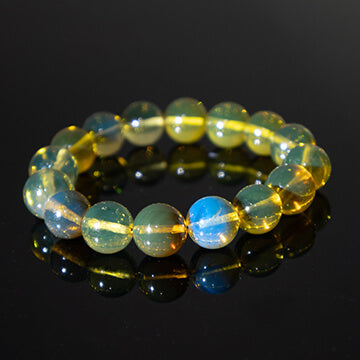
Dominican amber is often clearer than Baltic amber, and it is the only common source of the blue variety. If you are drawn to unusual color, a collection of blue amber jewelry shows how much range one source can offer.
You can tell real amber from fakes by combining several simple checks, because no single home test is conclusive on its own. Imitations include plastic, glass, copal (young, immature resin), and pressed amber.
Pressed or reconstructed amber deserves particular attention. It is made by bonding small amber pieces under heat and pressure, and GIA says it sells for less than non-consolidated amber. It is not plastic, but it is not a single natural piece either, so it should be priced and labeled accordingly.
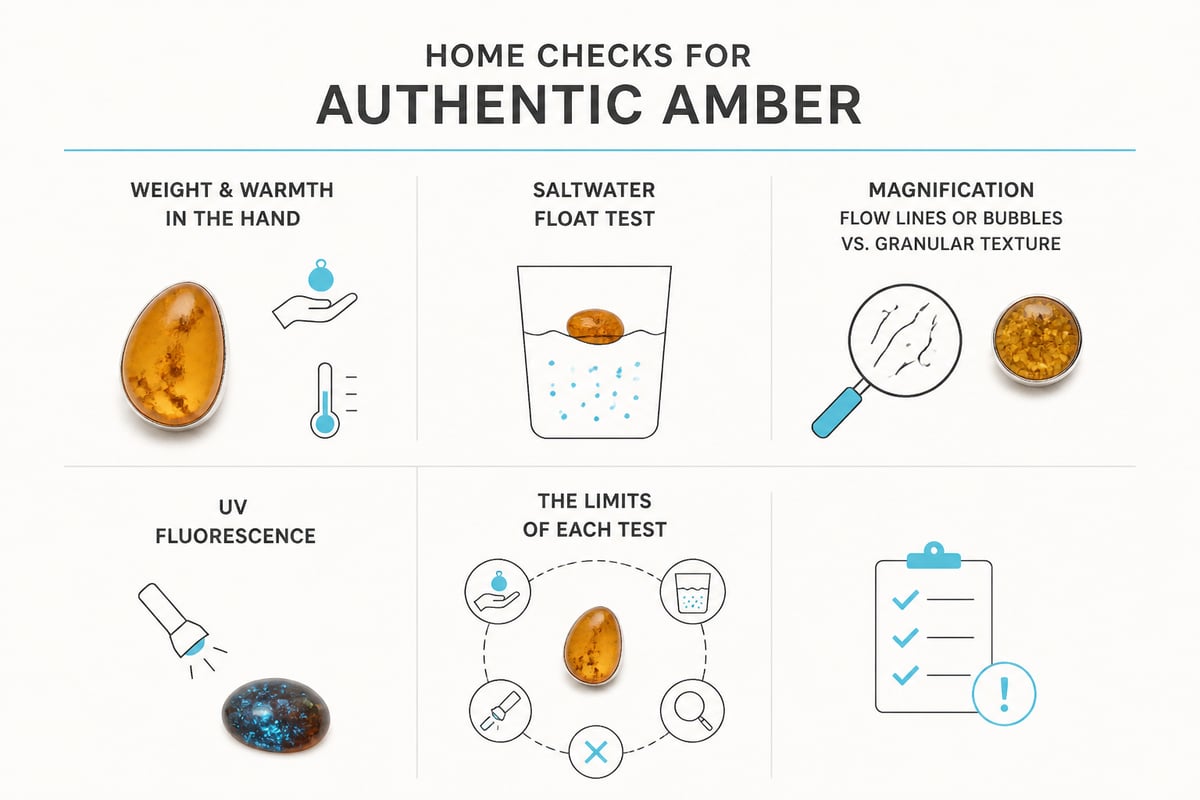
Use these checks together:
Skilled imitations exist, and some can be difficult to distinguish from natural amber without lab tools. That is why the seller matters as much as the test. A seller who names the source, explains treatments plainly, and answers questions directly is a better safeguard than any kitchen experiment.
The most common treatments are heating and pressure, clarifying, dyeing, and consolidation, and the key is that sellers should disclose them. Treatment is not automatically a flaw, but it changes value, and an undisclosed treatment is a red flag.
If a listing says "amber" without naming a source or any treatment, ask. Reputable makers will tell you whether a stone is natural, which region it comes from, and whether it was altered.
You judge amber quality by color, clarity, size, source, and craftsmanship rather than by carat weight alone. Because amber is so light, a large piece weighs little, so price per gram can mislead.
Color and rarity. Honey and gold tones are widely available. Natural blue is scarcer and usually commands more.
Clarity and inclusions. Clean, glassy amber is valued, but a well-preserved insect inclusion can make a piece far more valuable to collectors. The catch is authenticity, which is exactly where a lab report earns its cost.
Craftsmanship. Look at polish, symmetry, and how the stone is set. In a silver or gold setting, check that the bezel holds the stone securely without pressing on its edges, since amber chips easily.
Source and honesty. Direct sourcing tends to keep prices fair for genuine stones, because fewer intermediaries are adding margin. Larimar Creations, a family-owned business making Larimar and amber jewelry since 1982, sources its Larimar and amber directly from the mines, and holds every piece to the same quality standard, so smaller or less expensive pieces are not lesser stones. For a gift buyer on a modest budget, that matters: a small pendant can be a fully genuine stone rather than a compromise.
A realistic price is a useful signal. If an "authentic carved blue amber" piece costs less than the raw cost of the material, something is likely off.
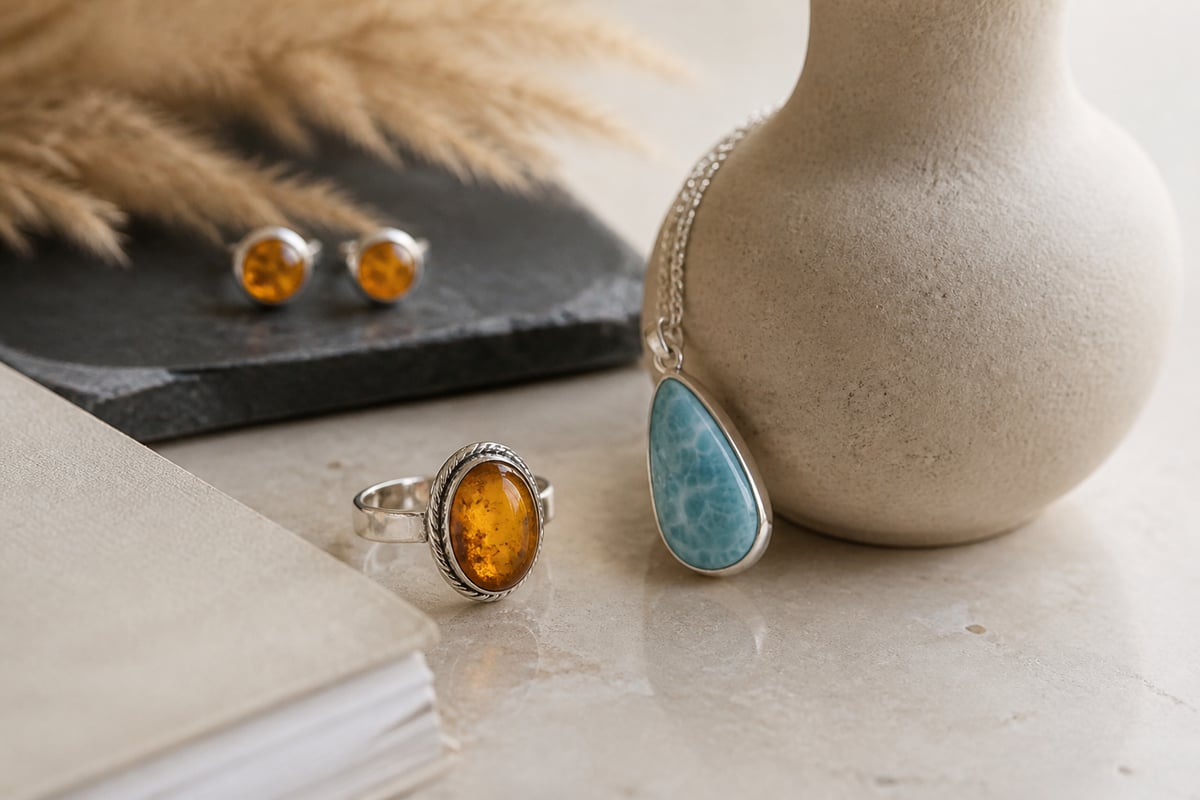
The best style depends on how often you will wear the piece, because wear frequency determines how much scratching and contact it will face. Softer stones suit pieces that are admired more than they are bumped.
| Style | Daily wear | Best use |
|---|---|---|
| Pendant | Good | Low-contact, protected under clothing; the safest everyday choice |
| Earrings | Good | Low-contact, light, and easy to remove for sleep or showers |
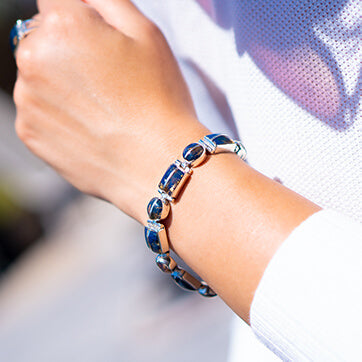
| Bracelet | Moderate | More exposure to knocks; wear for occasions or with care |
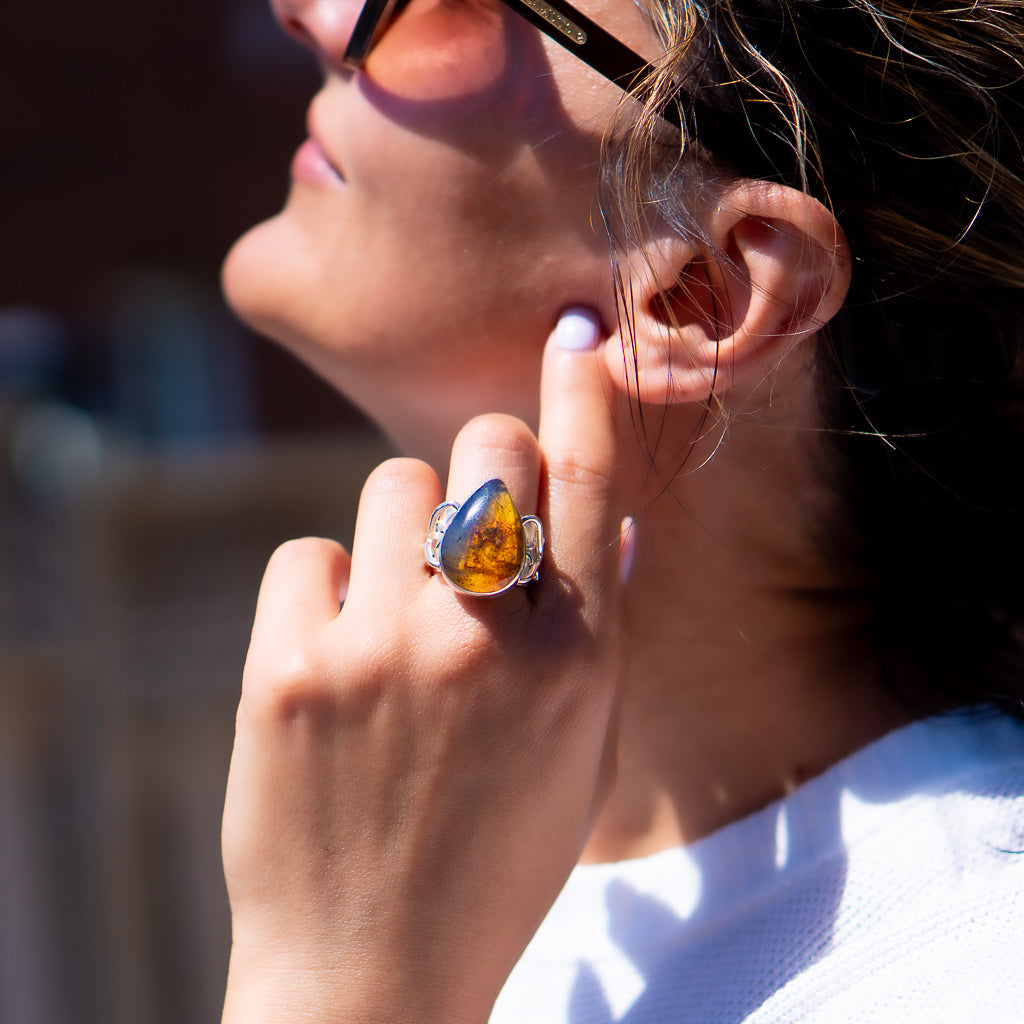
| Ring | Lower | High-contact; best as a statement piece worn selectively |
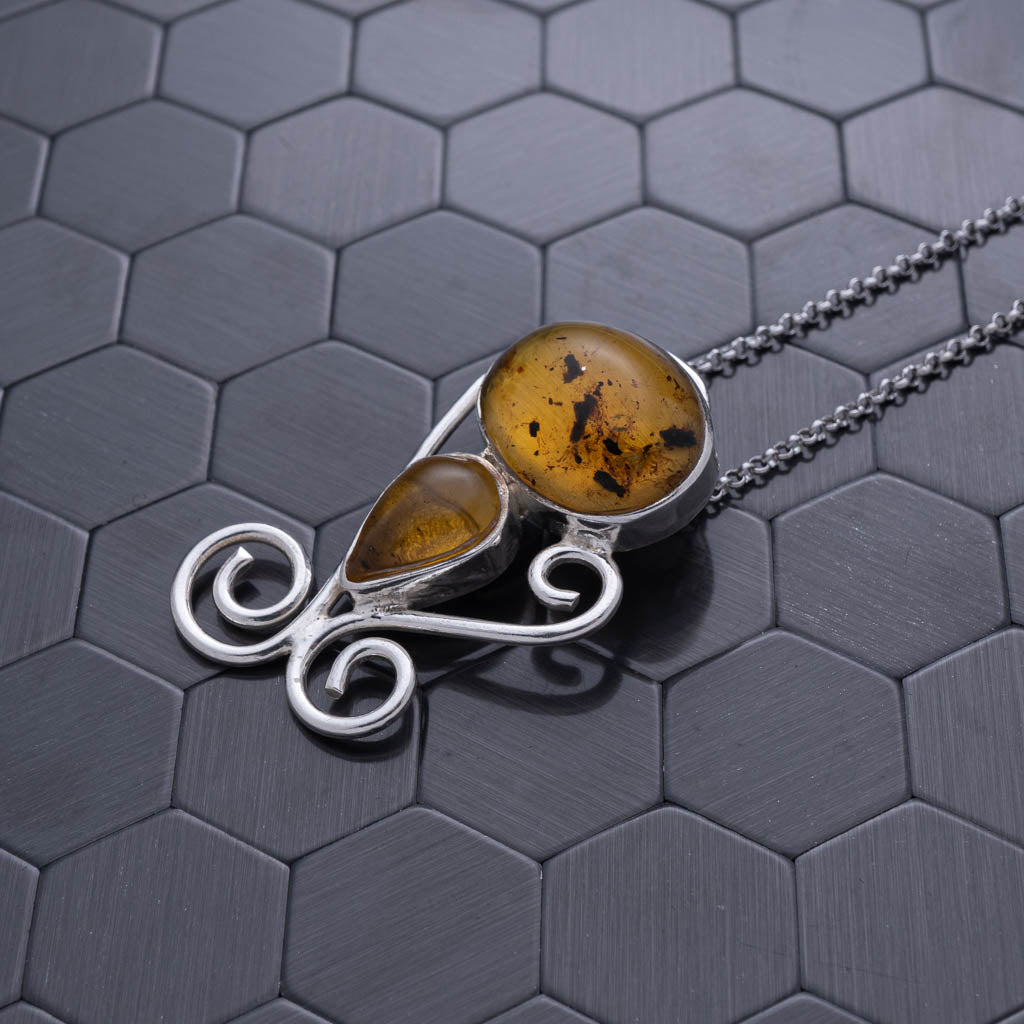
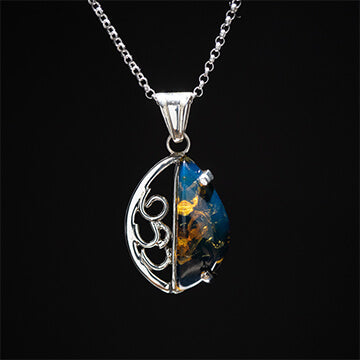
Pendants are the most forgiving format for amber, and they make a strong gift because a carved or cabochon stone shows off the material at its best. Larimar Creations' Larimar Pendants are positioned as a gift for someone special or a treat for yourself, and the collection pairs well with amber if you want a coordinated look in two Dominican stones.
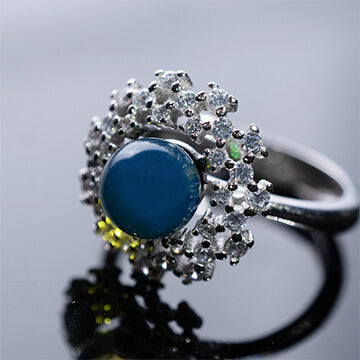
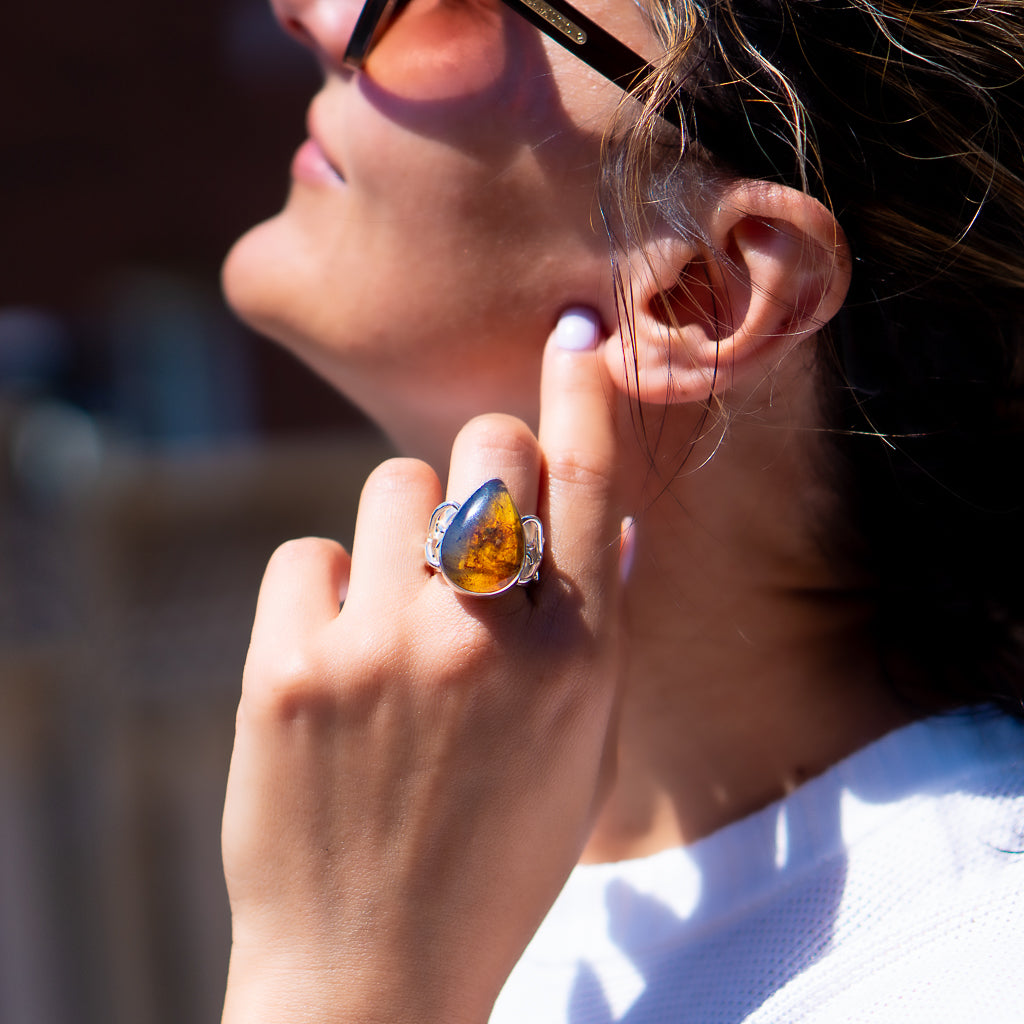
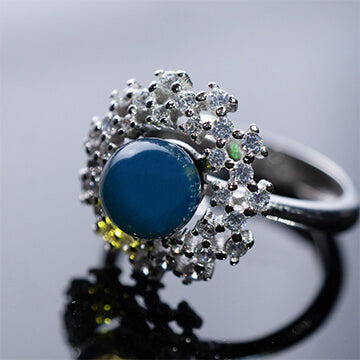
Rings suit people who understand the trade-off. If you love amber rings, choose a protective setting and a low profile, and see this guide to amber gemstone rings for style ideas. For gift giving more broadly, how to gift gemstone jewelry covers presentation and thoughtful choices.
Care for amber jewelry with gentle handling, warm water, mild soap, and keeping it away from chemicals, heat, and hard surfaces. GIA advises cleaning amber only with warm water and mild soap, and a soft cloth to dry.
The American Gem Trade Association adds that you should avoid soaps, detergents, shampoos, commercial cleaners, and perfumes while wearing amber, per AGTA's amber guidance. Alcohol, acetone, and hairspray can cloud or craze the surface.
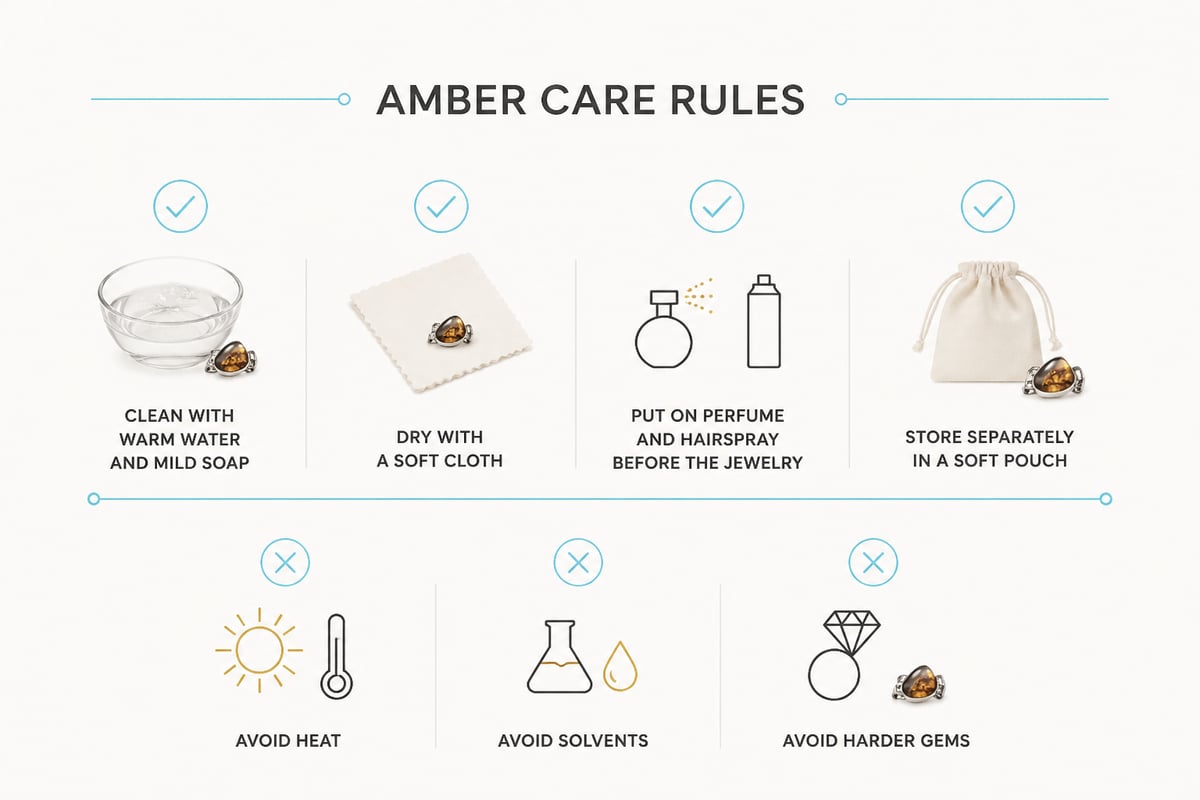
Follow these habits:
Many readers ask whether amber can be worn in water. The short answer is that brief contact is usually tolerated, but regular soaking is best avoided, and the full explanation is in this guide on whether amber jewelry can get wet.
Amber has been worn as ornament and talisman for thousands of years, valued for its warmth, color, and the sense that it holds ancient life. Many cultures have attached protective or calming meanings to it, and the stone remains a popular choice for meaningful gifts.
Claims about healing properties are traditional beliefs rather than medical facts. They are a legitimate reason many people love amber, as long as they are presented as symbolism and not treatment. If that side of amber interests you, this piece on amber healing jewelry and its meaning explores the tradition.
For collectors, history adds another layer. Carved amber, rare blue pieces, and well-documented inclusions carry stories that set them apart from mass-produced beads, which is one reason provenance and honest description matter so much when you are building a collection.
Buy amber gemstone jewelry with confidence by asking five questions before you pay: where did the stone come from, is it natural, has it been treated, how was it made, and what documentation exists. A trustworthy seller answers all five without hesitation.
Use this short pre-purchase checklist:
Origin is also part of the appeal. Larimar is mined and handcrafted in the Dominican Republic, and Dominican amber comes from the same island, so buying both from a maker rooted there gives you a coherent story and a verifiable source. If you want to compare how authenticity is verified across gemstones, why certified gemstone jewelry matters is a useful companion read.
For specific questions about sizes, materials, pricing, or shipping on a particular piece, check the product page or contact Larimar Creations directly rather than relying on assumptions.
Your next step is to pick one piece you are considering, whether a pendant, earrings, or a ring, and run it through the five questions above before you buy. If you want genuine, handcrafted Dominican gemstone jewelry made by a family business since 1982, begin with the Larimar Pendants collection, then Shop Larimar and amber pieces sourced directly from the mines and shipped worldwide.