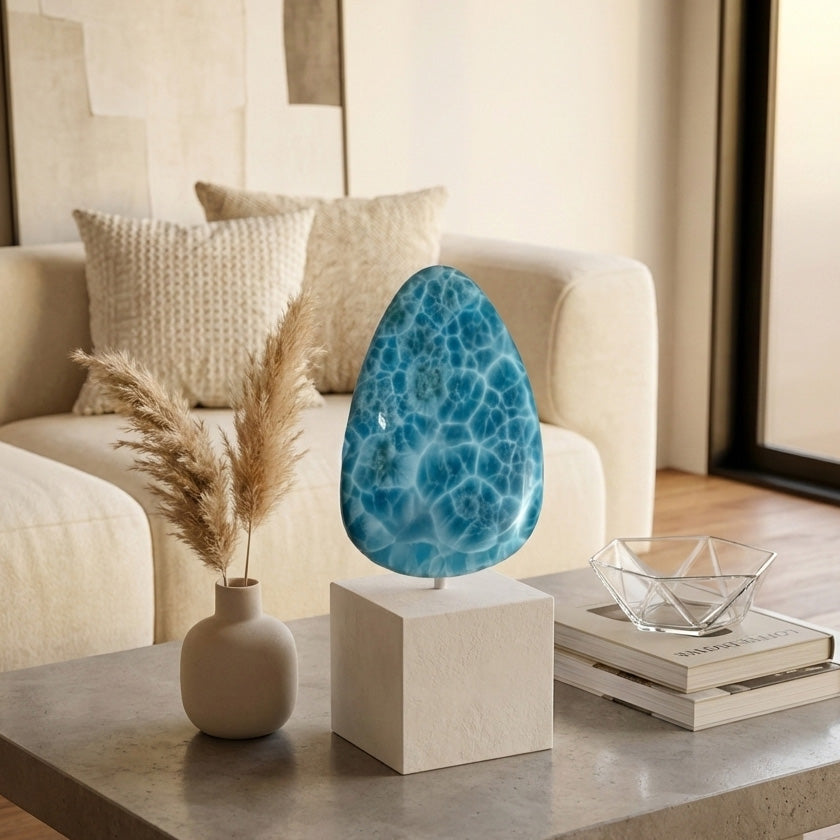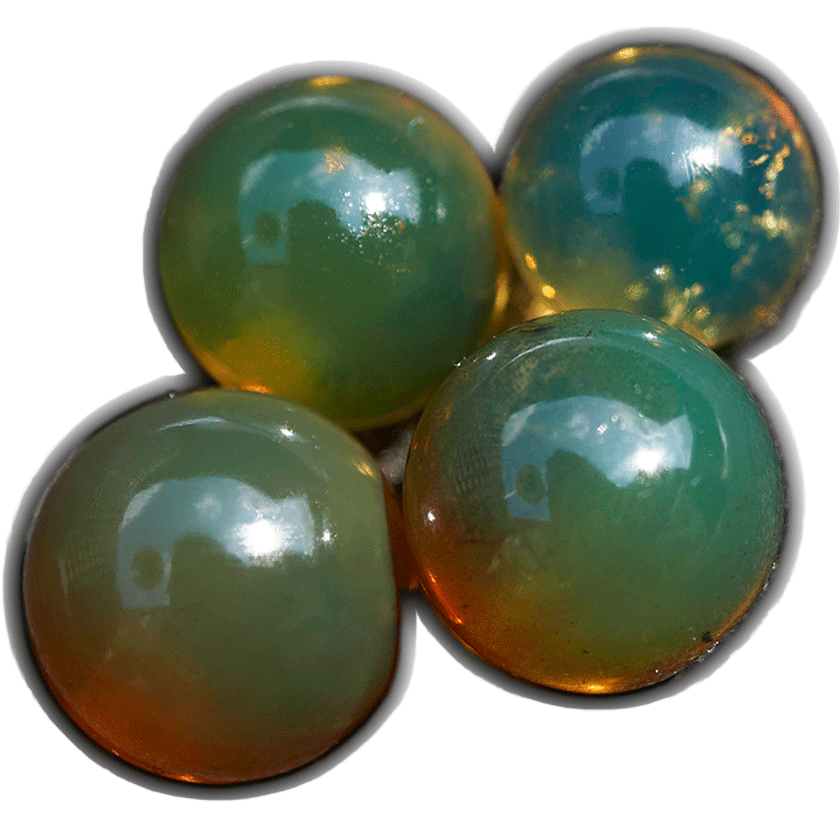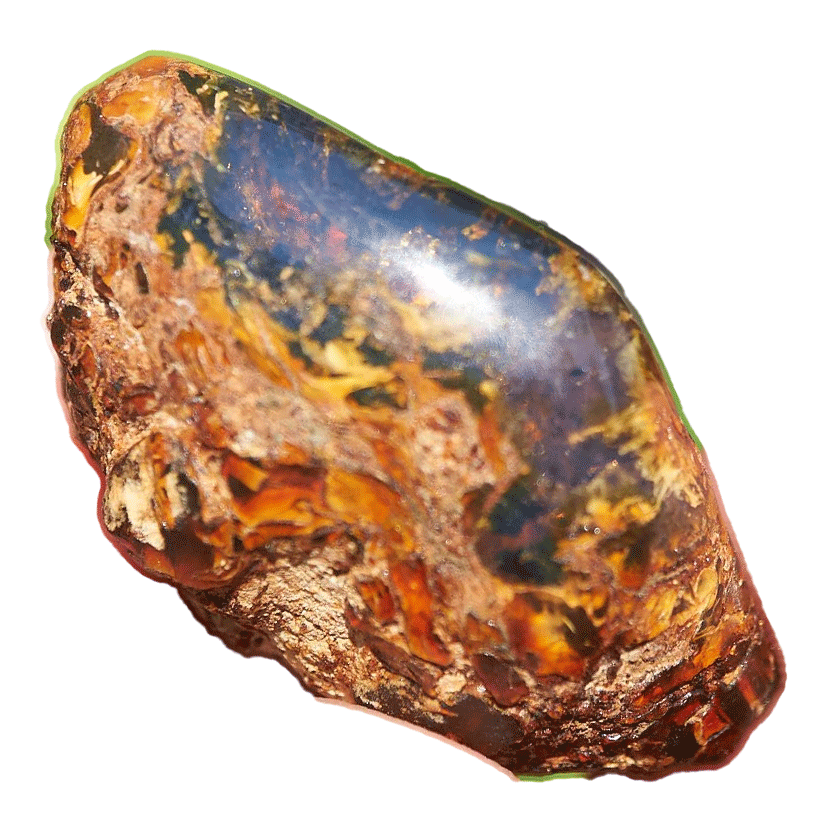

A true dominican blue amber guide starts with one visual fact that surprises almost everyone the first time they see it: in ordinary light, the stone may look golden, honey-toned, or even softly greenish, then shift into an electric blue glow under sunlight or UV exposure. That changing personality is exactly why Dominican Blue Amber has become one of the most coveted gemstones from the Caribbean. It is rare, visually unforgettable, and deeply tied to origin.
For buyers, that beauty is only part of the story. Blue amber sits in a category where authenticity, natural variation, and craftsmanship matter just as much as color. If you are choosing a ring, pendant, bracelet, earrings, carved piece, or collector cabochon, knowing what makes one stone exceptional will help you buy with confidence and wear it with pride.
Dominican Blue Amber comes from the Dominican Republic and is widely regarded as the finest blue amber in the world. Its appeal comes from a combination that is difficult to duplicate: genuine rarity, natural fluorescence, and the warmth that only amber carries. Unlike crystalline gemstones, amber is fossilized tree resin, which means every piece feels organic and individual from the start.
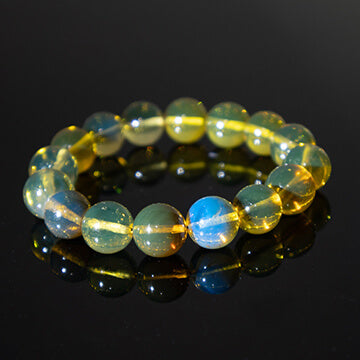
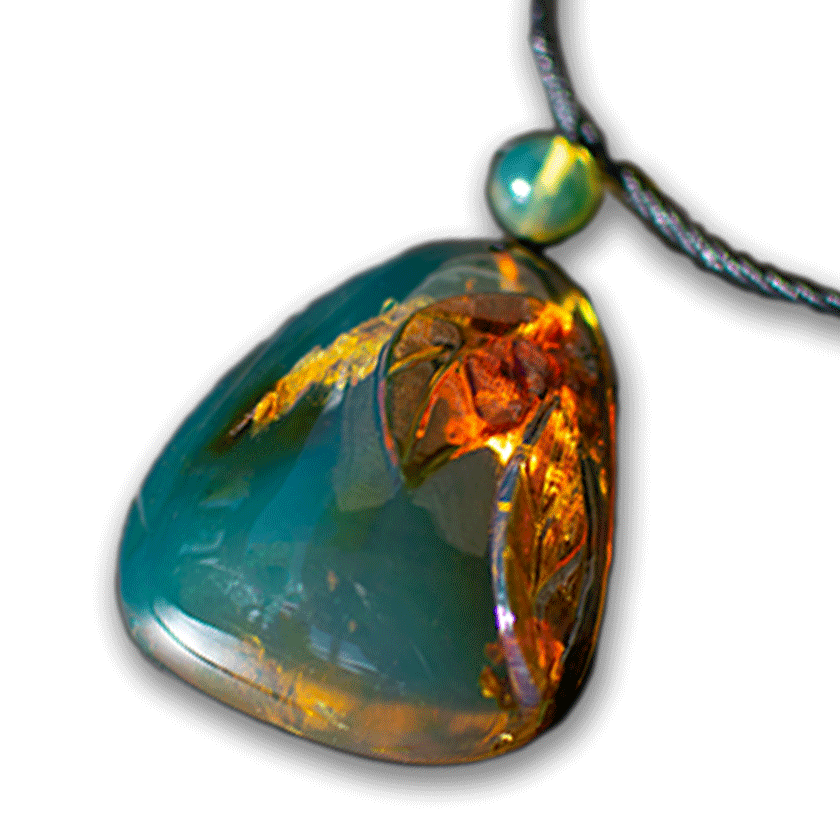
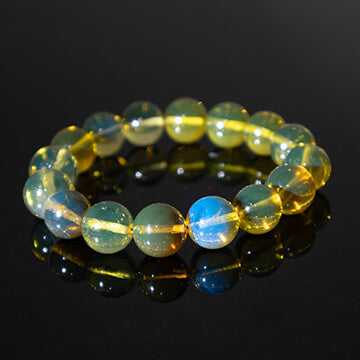
What gives Dominican Blue Amber its famous blue effect is not simply base color alone. The visual phenomenon is influenced by fluorescence and the way the material reacts to light. Some stones appear subtly blue, while others show a vivid, almost ocean-lit glow. The strongest examples command more attention and, typically, higher prices.
That does not mean only the brightest blue is worth buying. Some collectors prefer pieces with excellent clarity and a softer blue reaction. Others are drawn to amber with internal patterns, plant matter, or fossil inclusions. Value depends on what you are buying for. A jewelry lover may prioritize glow and wearability, while a collector may prize unusual natural characteristics.
If you are shopping with care, look at Dominican Blue Amber in more than one lighting condition. This is where many first-time buyers either fall in love or get confused.
In direct sunlight, high-quality blue amber often reveals its most dramatic personality. Indoors, especially under warm lighting, the same piece may appear more golden, champagne, or cognac. Under UV light, the blue effect can become even more obvious. None of this is a flaw. It is part of the gemstone’s natural behavior.
Clarity matters too, but perfection is not always the goal. Some of the most beautiful stones are relatively clear, allowing the blue effect to appear clean and luminous. Others have natural internal veils, tiny inclusions, or organic texture that make them feel more alive and one-of-a-kind. In fine jewelry, buyers often prefer stones that balance clarity with visible character.
Cut also changes how the amber presents. Cabochons are especially popular because the smooth dome can intensify depth and glow. Beads and carvings showcase the material in a more tactile way, while faceted amber can create extra sparkle but may not always present the blue effect in the same soft, fluid manner. It depends on the individual stone and what aspect of its beauty you want to emphasize.
A practical dominican blue amber guide should answer the question buyers really ask: how do I know if a piece is good?
Start with origin. Dominican amber has a reputation for exceptional quality, but origin claims should be backed by a seller with real category knowledge and confidence in what they offer. Certified authenticity matters, especially in a market where imitation, mislabeling, and treatment can blur the line between rare gemstone and decorative resin.
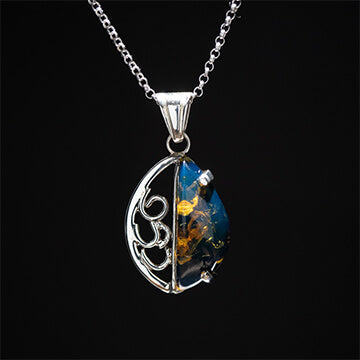
Then consider the stone itself. Strong blue fluorescence, pleasing transparency, attractive natural color in normal light, and a well-finished surface all contribute to quality. In jewelry, setting workmanship matters just as much. A beautiful amber can lose its impact if the mounting feels generic or poorly balanced. Fine craftsmanship should frame the gemstone, not compete with it.
Size affects price, but bigger is not automatically better. A smaller stone with vivid blue effect and elegant cutting can be more desirable than a larger piece with dull color or cloudy presentation. This is especially true for pendants and rings, where the stone needs to perform visually in real-world wear.
Blue amber is so striking that it naturally attracts imitations. Some look convincing in photos, especially when edited or shown only under UV lighting. That is why trust in the source is essential.
Natural Dominican Blue Amber should be represented honestly, with realistic expectations about color shift and variation. If every piece looks identically neon blue in every image, caution is warranted. Genuine stones vary. Their response to light varies. Their internal structures vary. That variation is not a problem. It is one of the clearest signs that you are looking at something natural rather than mass-produced.
Ask how the stone is sourced, whether it is certified, and how it has been finished. Reputable sellers who specialize in Caribbean gemstones tend to explain these points clearly because authenticity is central to value. At Larimar Creations, that focus on certified Dominican stones and handcrafted presentation is part of what gives buyers confidence in both the gem and the finished piece.
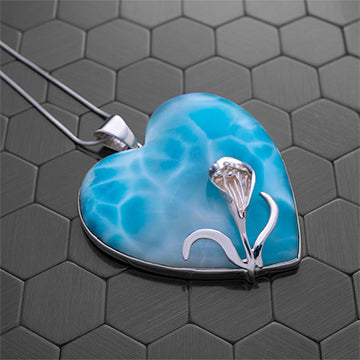
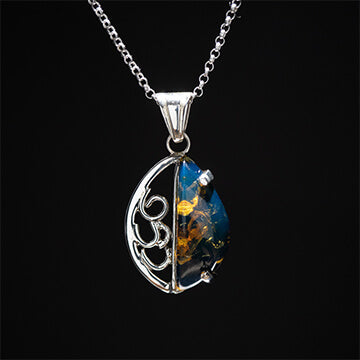
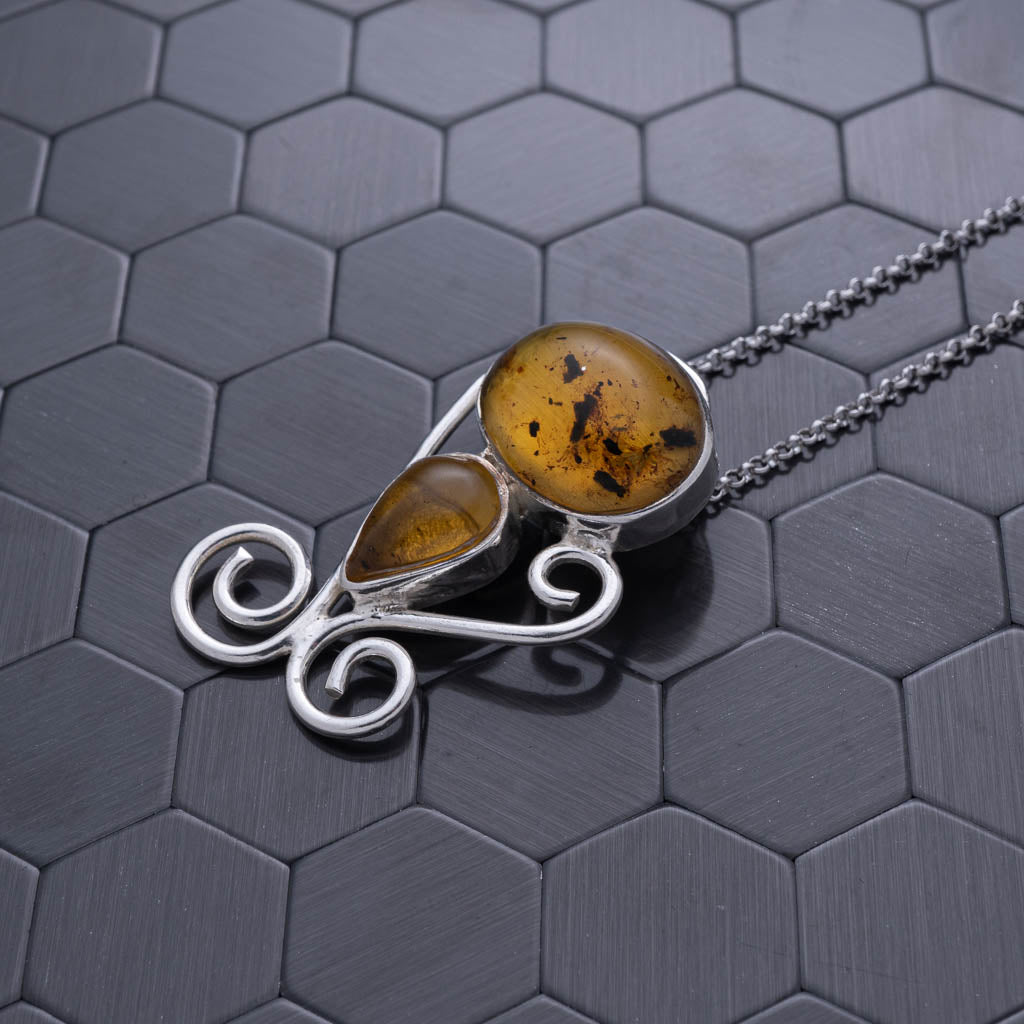
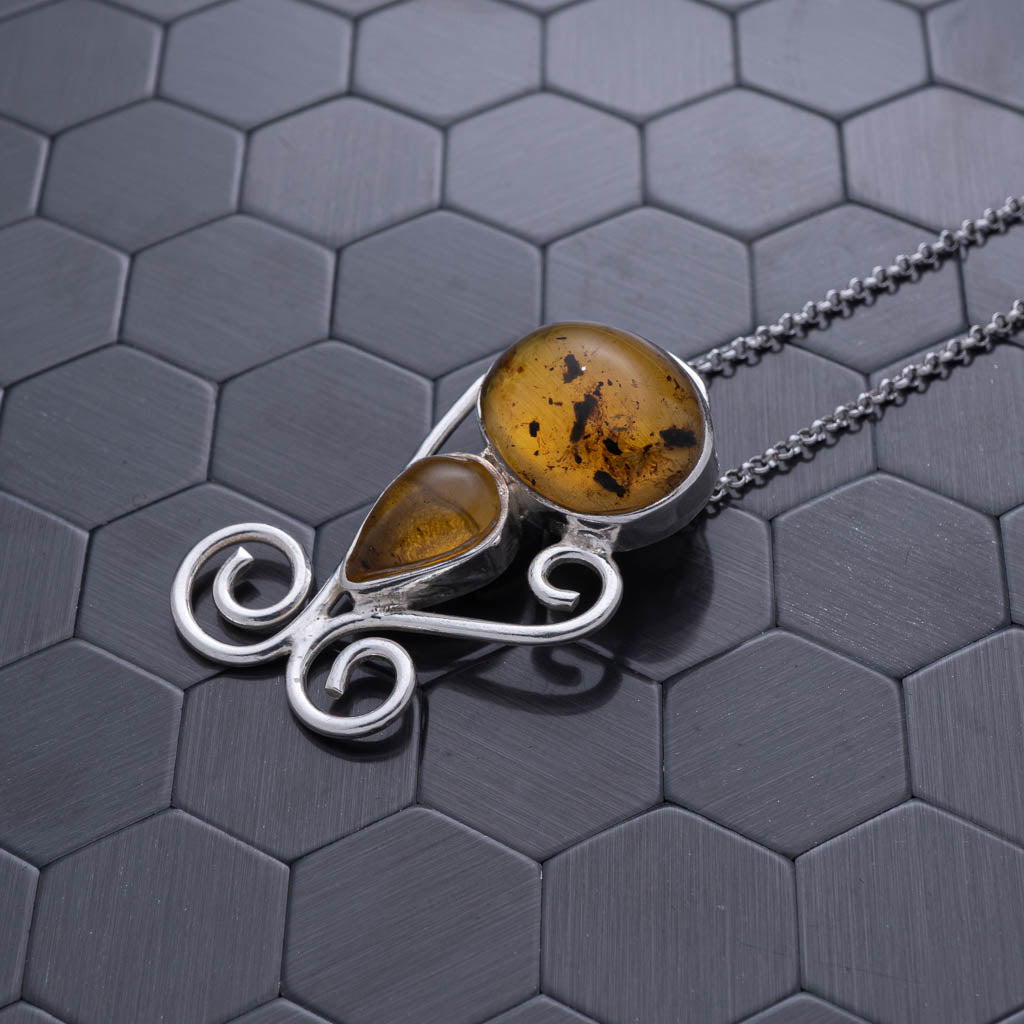
Dominican Blue Amber has an unmistakable presence, but the best format depends on your lifestyle and taste. Pendants are often the easiest entry point because they allow the stone to catch light naturally and remain highly visible. A heart pendant can feel romantic and giftable, while a larger statement pendant gives the amber room to show its glow.
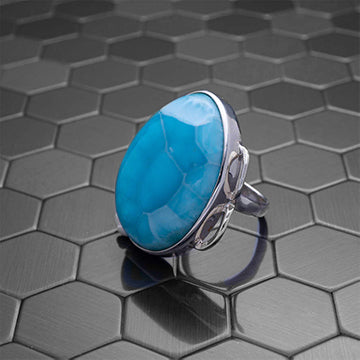
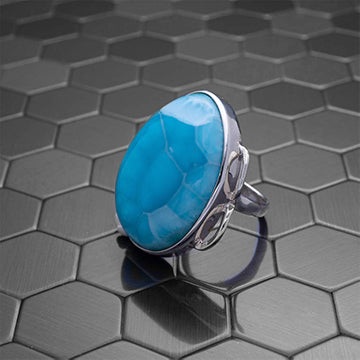
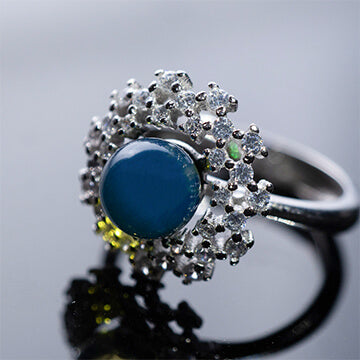
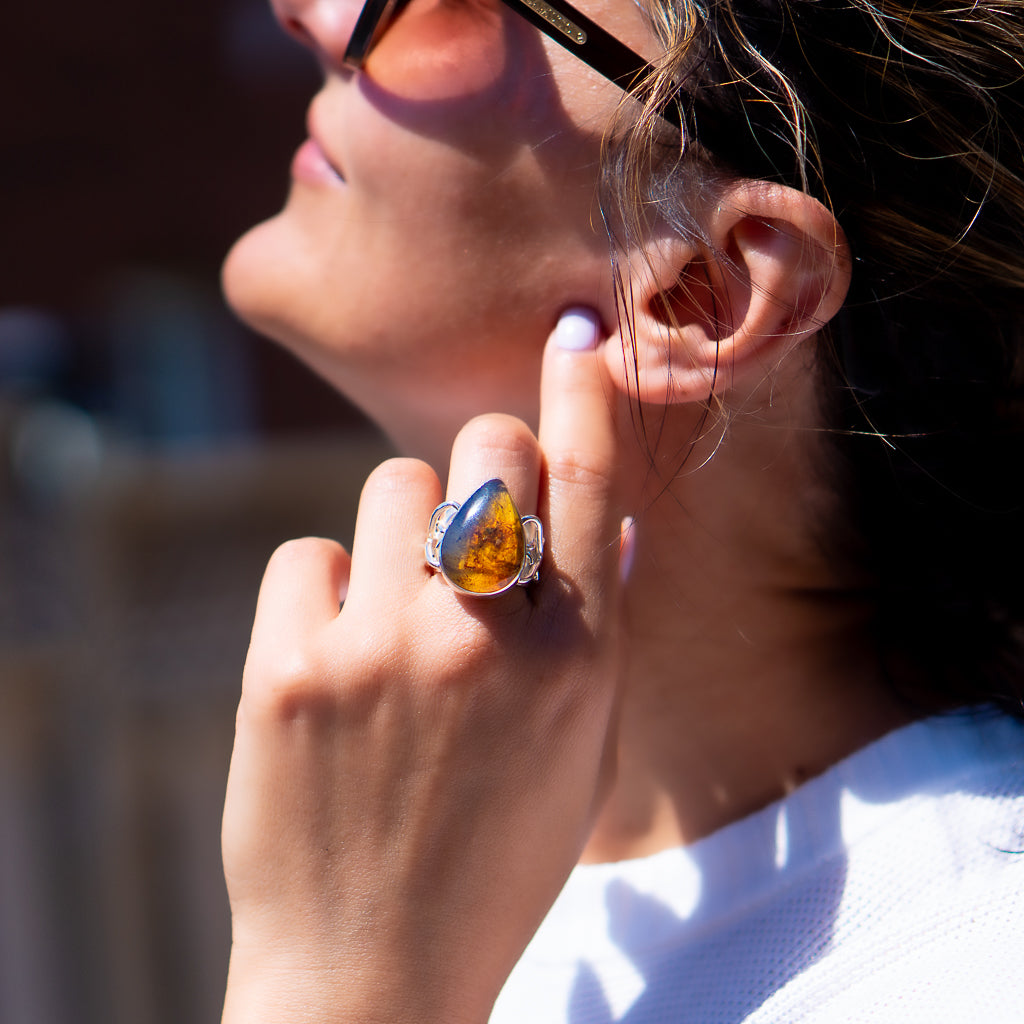
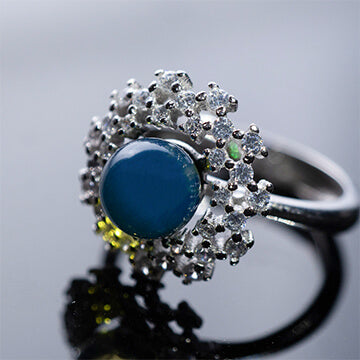
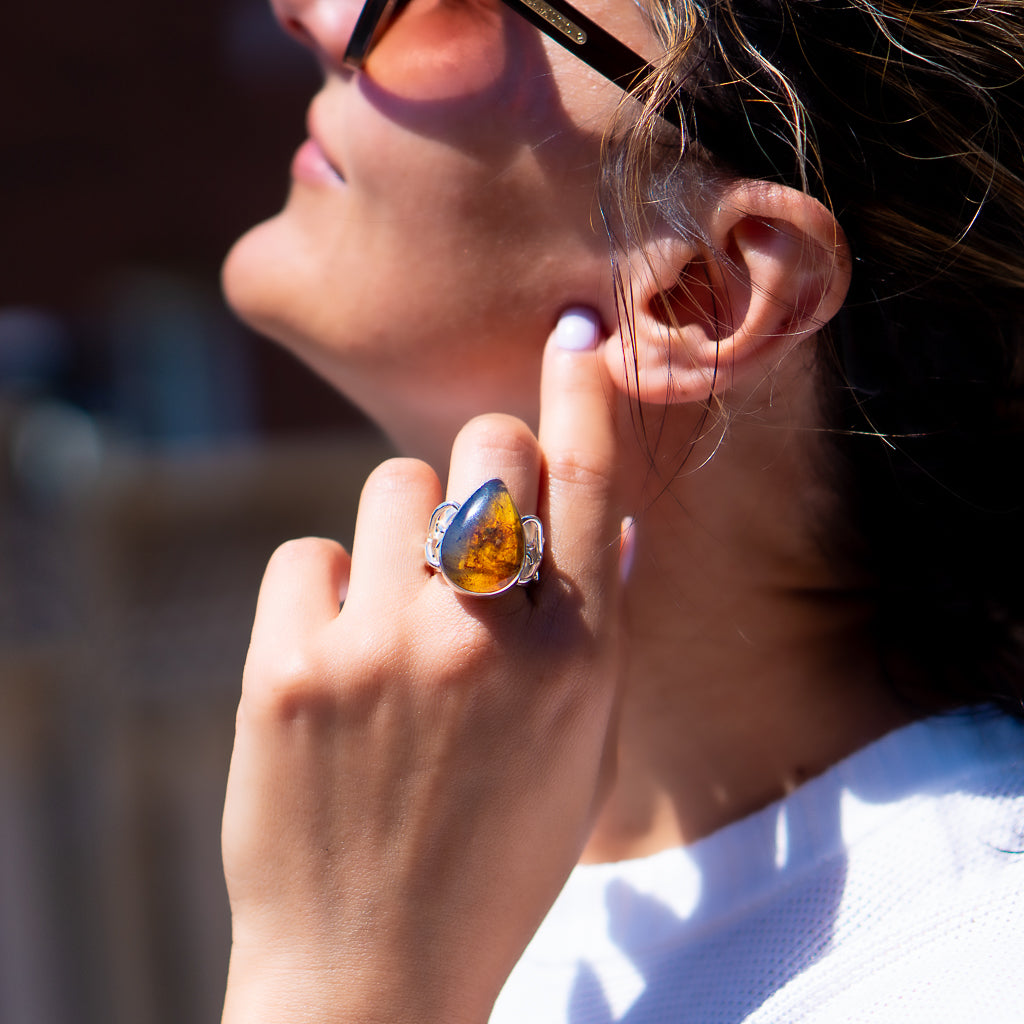
Rings are intimate and striking, but they require more thought. Amber is softer than many traditional gemstones, so daily wear comes with trade-offs. If you want a ring for occasional elegance rather than constant wear, amber can be a beautiful choice. If you are hard on your hands, a pendant or earrings may be the more practical investment.
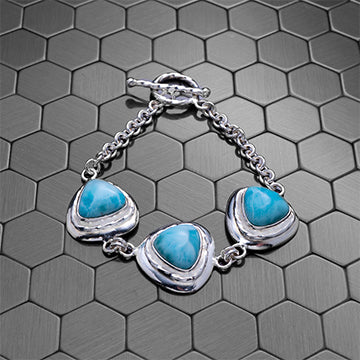
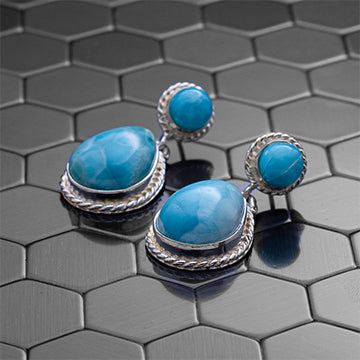
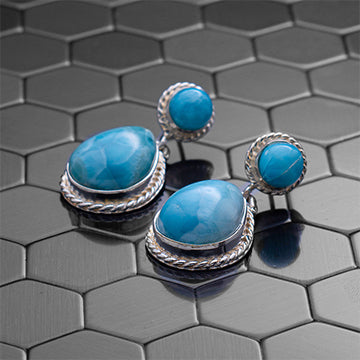
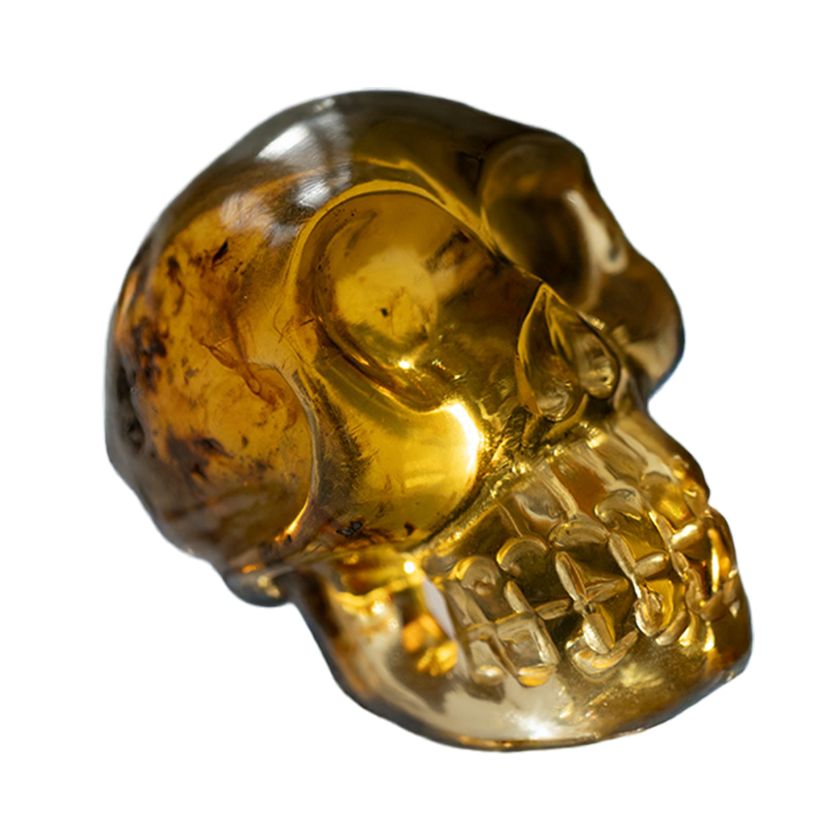
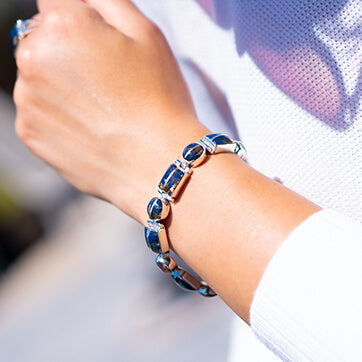
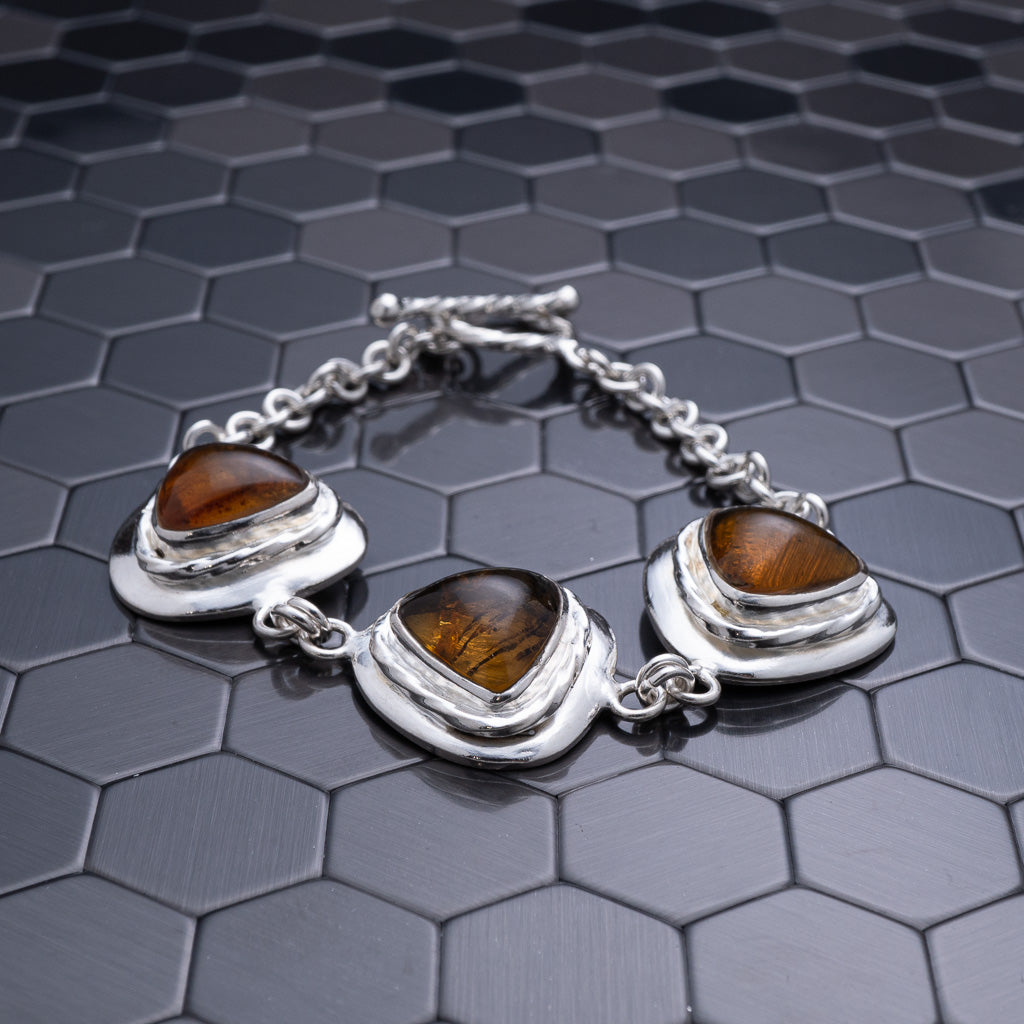
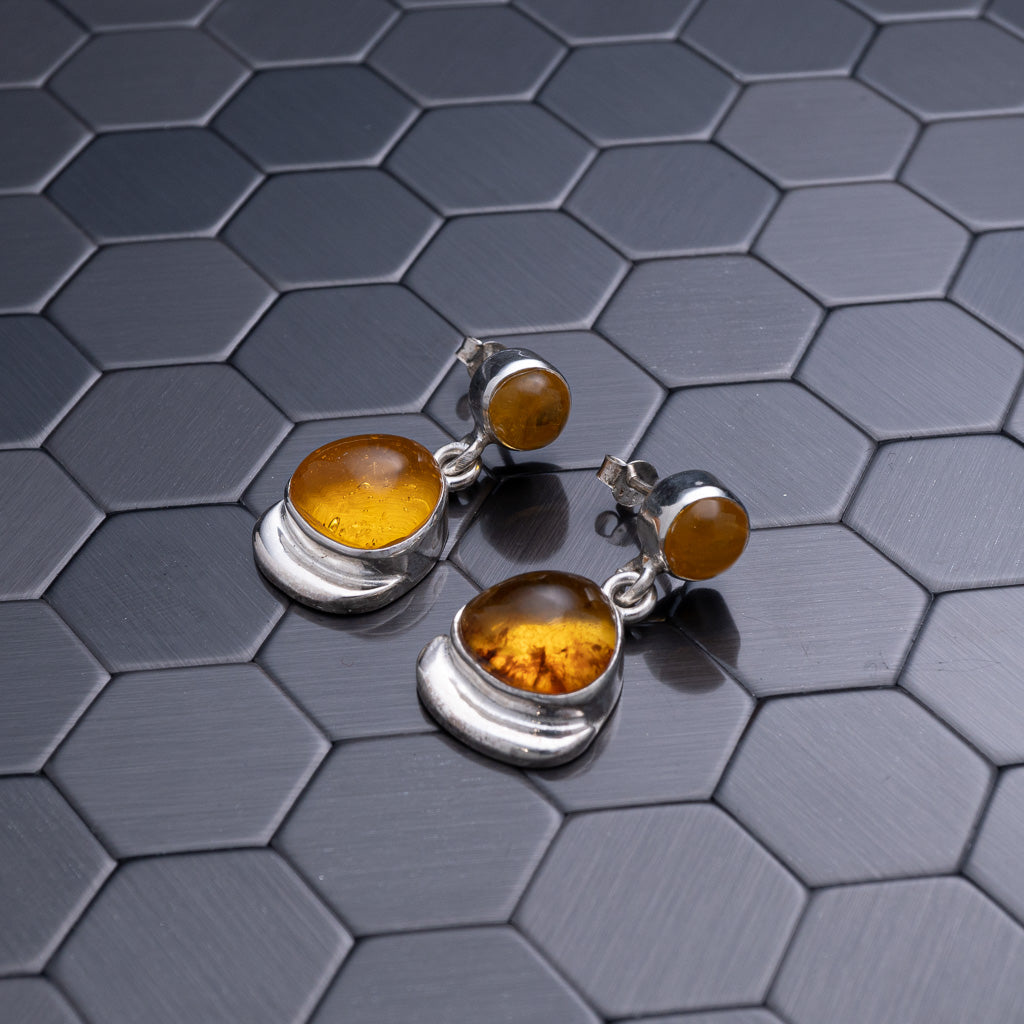
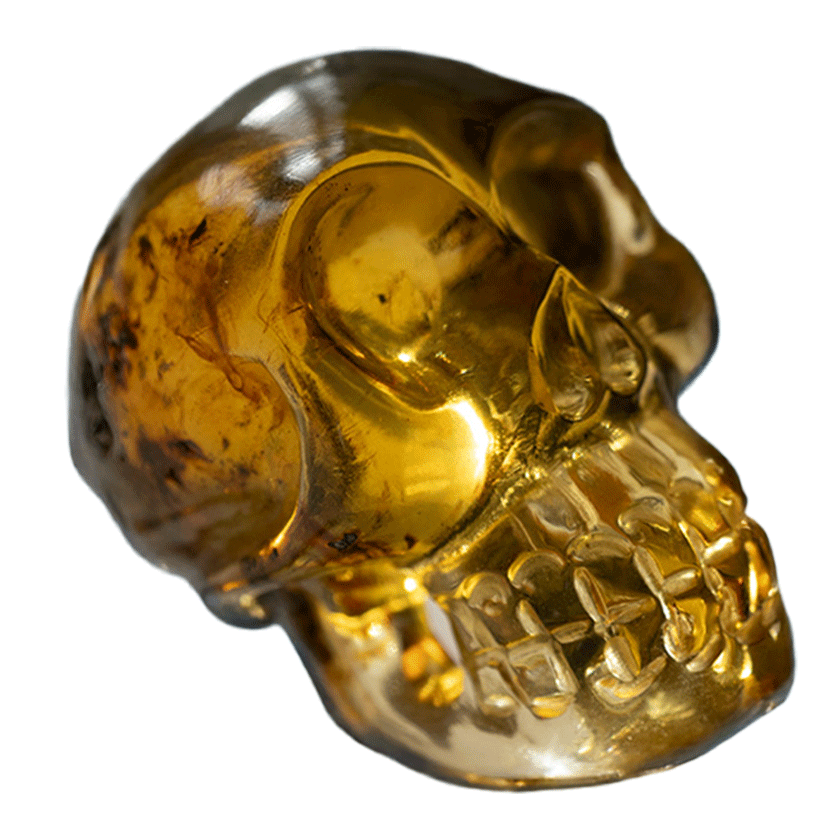
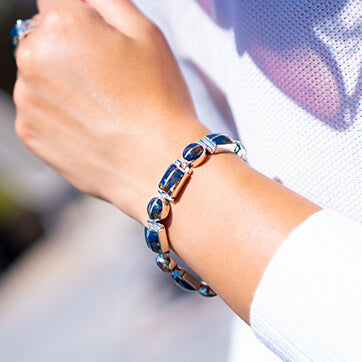
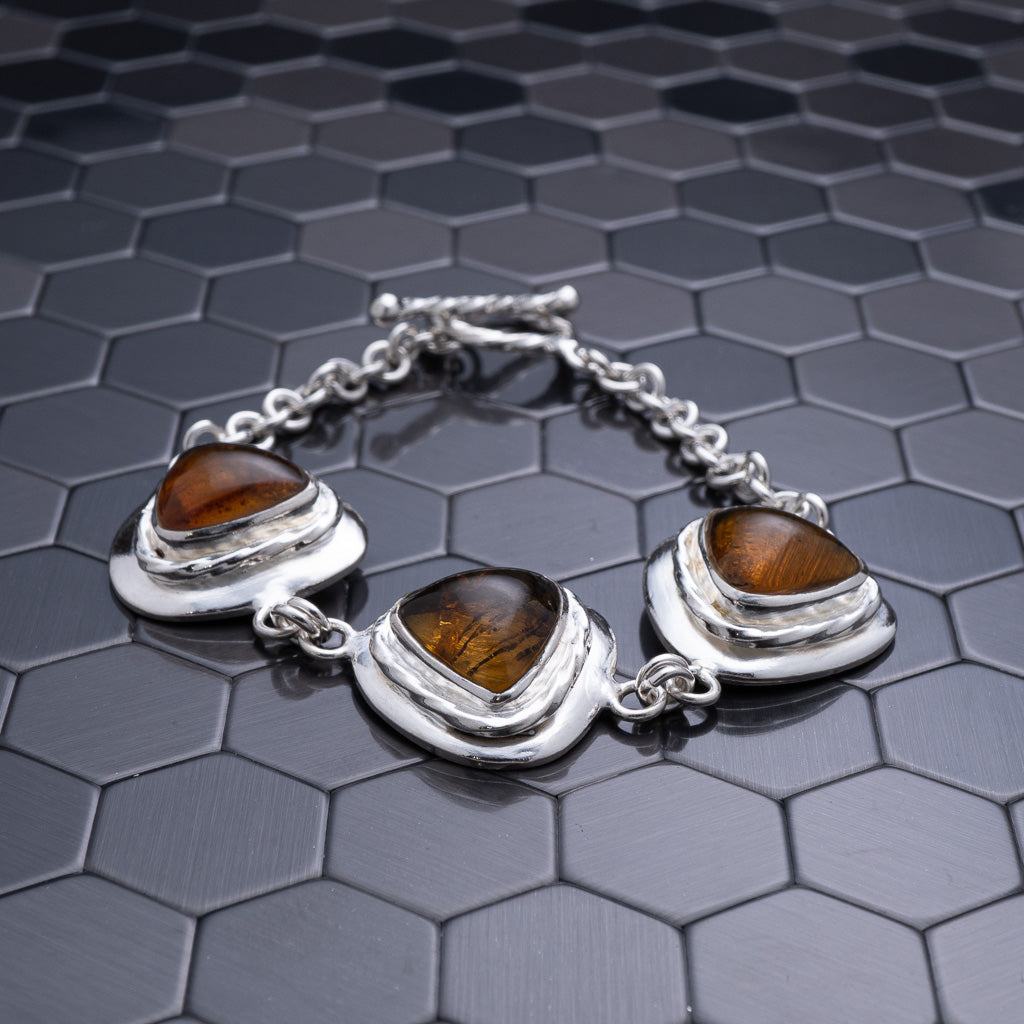
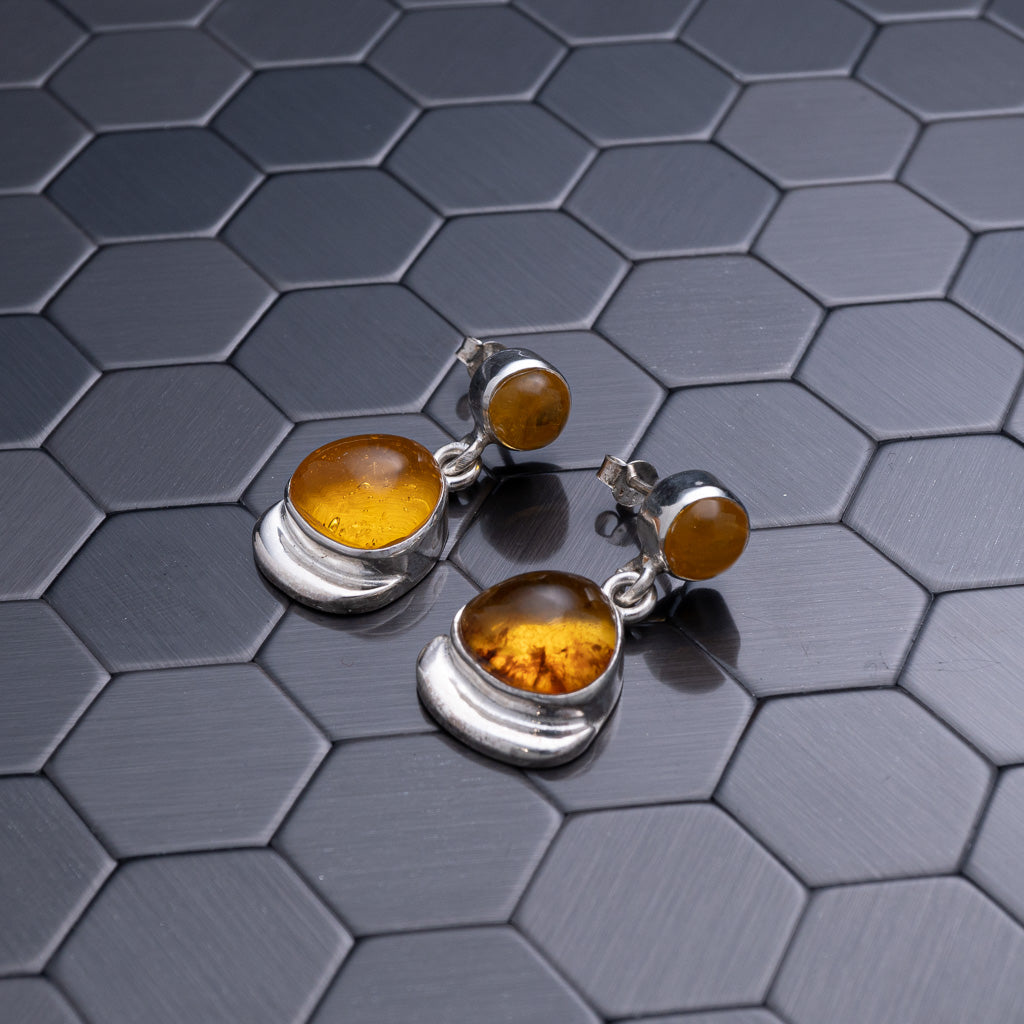
Earrings highlight movement and light play, especially when the stones are well matched. Bracelets can be lovely, though they are more exposed to contact. Collector pieces such as cabochons, carvings, beads, or fossils serve a different purpose. They are less about everyday styling and more about appreciating the material itself - its origin, rarity, and natural story.
Few gemstones feel as personal as Dominican Blue Amber. It carries visual drama without looking harsh, and it feels both luxurious and organic. For gift buyers, that makes it memorable. It is not the sort of gemstone people already own in multiples, which adds to its appeal.
Collectors often approach it from another angle. They may look for stronger fluorescence, unusual shapes, exceptional polish, or inclusions that make the piece geologically interesting. Jewelry buyers, on the other hand, often want the emotional response first - the glow, the elegance, the sense of wearing a piece of the Caribbean.
Neither approach is more correct. One buyer wants a meaningful pendant that catches sunlight on vacation or at dinner. Another wants a polished cabochon with rare character and documented origin. Blue amber can satisfy both, as long as the piece is represented honestly and chosen for the right reason.
Amber deserves thoughtful care. It is not fragile in the sense of being unwearable, but it is softer than sapphires, diamonds, or quartz. That means it can scratch, dull, or suffer from rough handling.
Store it separately from harder jewelry. Clean it gently with a soft cloth and mild care only. Avoid harsh chemicals, perfumes sprayed directly on the stone, and prolonged heat exposure. If a piece is handcrafted in precious metal, caring for both the setting and the amber helps preserve the full beauty of the jewelry.
For collector items, display matters too. Bright light can be beautiful for viewing, but long-term exposure to heat or unsuitable storage conditions is not ideal. The goal is simple: protect the amber’s surface and let its natural glow remain the star.
Dominican Blue Amber stands apart because it does not reveal itself all at once. It changes with light, rewards close attention, and carries the quiet prestige of true rarity. For some buyers, that means a refined piece of jewelry with unusual color and Caribbean soul. For others, it means owning a certified natural gemstone that feels deeply collectible.
The smartest purchase is not always the largest stone or the brightest marketing claim. It is the piece whose origin, quality, and craftsmanship feel clear from the first look. When you choose well, blue amber does more than decorate - it gives you something rare enough to keep discovering every time the light changes.