
Larimar
Blue Amber
Green Amber
Amber Carvings
More

by Admin September 03, 2026 6 min read

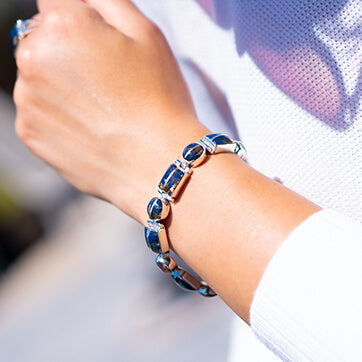
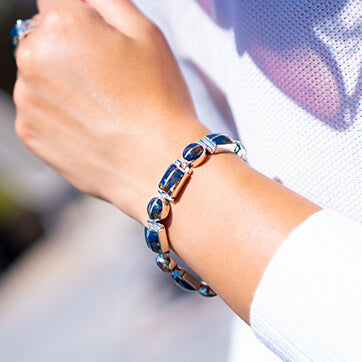
A blue stone can be beautiful anywhere. A genuine Larimar cabochon carries something more specific: a connection to the volcanic landscape of the Dominican Republic, the hands that shaped it, and a supply story worth knowing. The best gemstone sourcing examples do not stop at a country name on a tag. They show how a stone moved from its natural deposit to a finished ring, pendant, carving, or collector piece.

For buyers drawn to rare Caribbean gems, sourcing is part of the romance. It explains why no two Larimar patterns are identical, why Dominican Blue Amber can glow with an extraordinary blue flash, and why a handcrafted jewel feels far more personal than a mass-produced accessory. It is also one of the clearest ways to judge authenticity.

Why gemstone origin changes what you are buying

Gemstones are not interchangeable commodities. Their origin can shape their color, inclusions, scarcity, cultural meaning, and long-term appeal to collectors. A stone's location does not automatically make it superior, but it provides essential context. When a seller can clearly identify a gem's source and explain its journey, a buyer has a stronger basis for understanding its value.

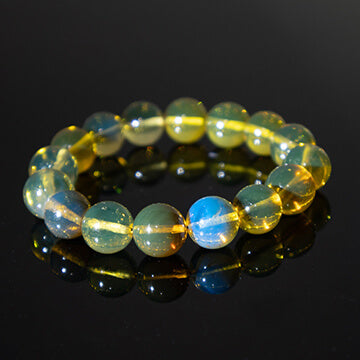
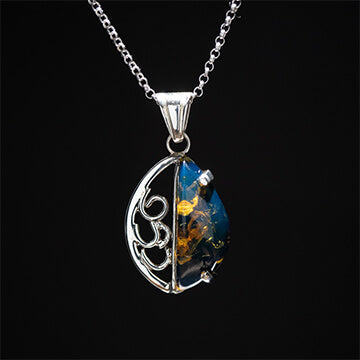
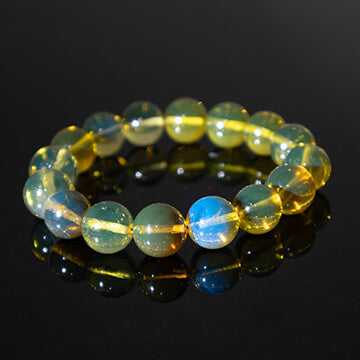
This matters especially for stones known for a singular locality. Larimar is found only in the Dominican Republic, where its signature blue shades recall shallow Caribbean water. Dominican amber also has a distinct identity. Within this material, blue amber is prized because its blue appearance is generally seen through reflected light rather than as a simple body color. The effect can range from a soft misty glow to an electric blue, depending on the piece, the cut, and the light.

A vague claim such as “Caribbean stone” may sound appealing, but it does not offer the same confidence as a documented Dominican origin. The difference is meaningful when choosing a fine jewelry gift, a one-of-a-kind heart pendant, or a loose cabochon for a collection.

Gemstone sourcing examples worth understanding

The following examples illustrate what thoughtful sourcing can look like. Each one involves different practical realities, but all demonstrate why traceability and craftsmanship belong in the same conversation.

Larimar from a single-country deposit

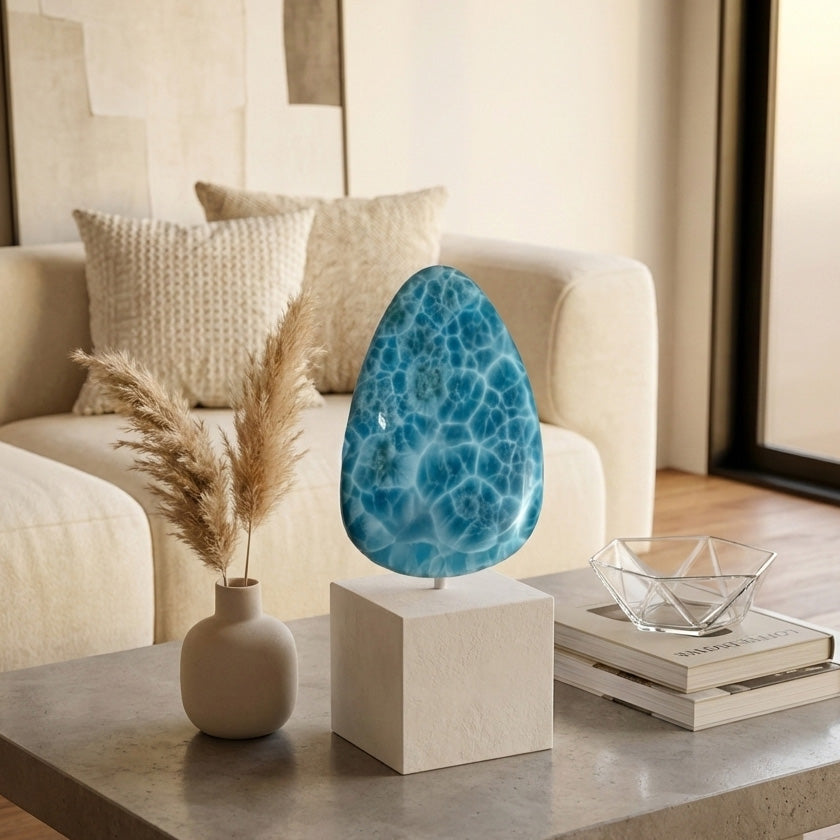
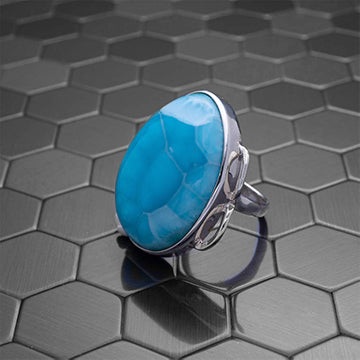
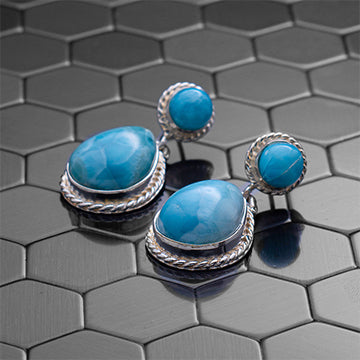
Larimar is one of the clearest origin stories in the gem world because its commercial source is the Dominican Republic. It is a rare blue variety of pectolite, and its visual character can vary dramatically from stone to stone. Some pieces show pale sky blue fields; others carry deeper ocean-blue color, white cloudlike marbling, greenish notes, or natural matrix.

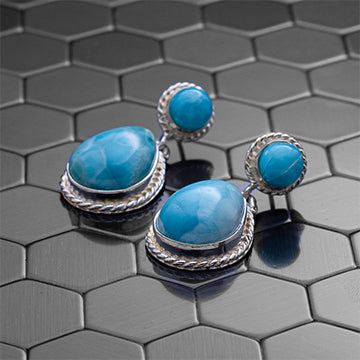
A strong Larimar sourcing story begins with the rough material rather than a perfectly polished finished jewel. The rough is mined in the Dominican Republic, then sorted according to color, pattern, stability, and potential yield. A cutter must make decisions that respect the stone's natural features. A broad pendant may be ideal for an expansive wave pattern, while a smaller, more saturated section may become a ring stone or pair of earrings.

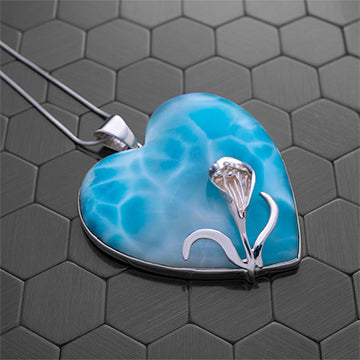
That cutting choice is not merely decorative. It affects how much of the rare material is preserved and whether the finished piece shows the most compelling face of the stone. In a handcrafted setting, the silversmith or jeweler then builds around the cabochon rather than forcing the gem into an identical factory template. This is why two Larimar pendants of similar size can feel completely different in character and value.

Dominican Blue Amber selected for optical beauty

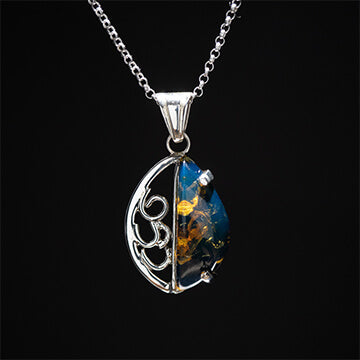
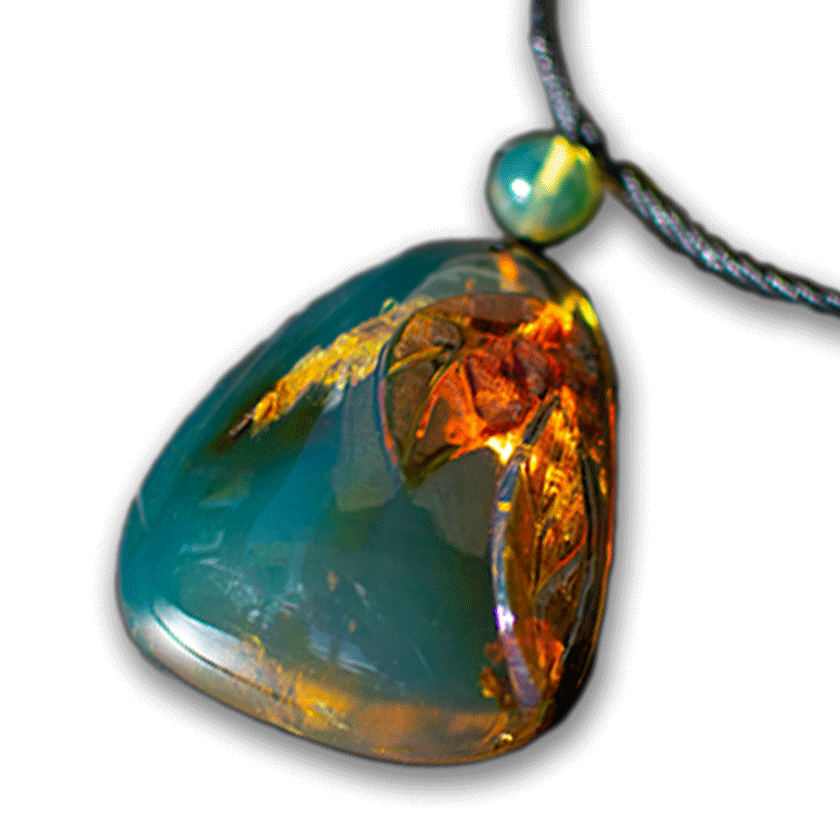
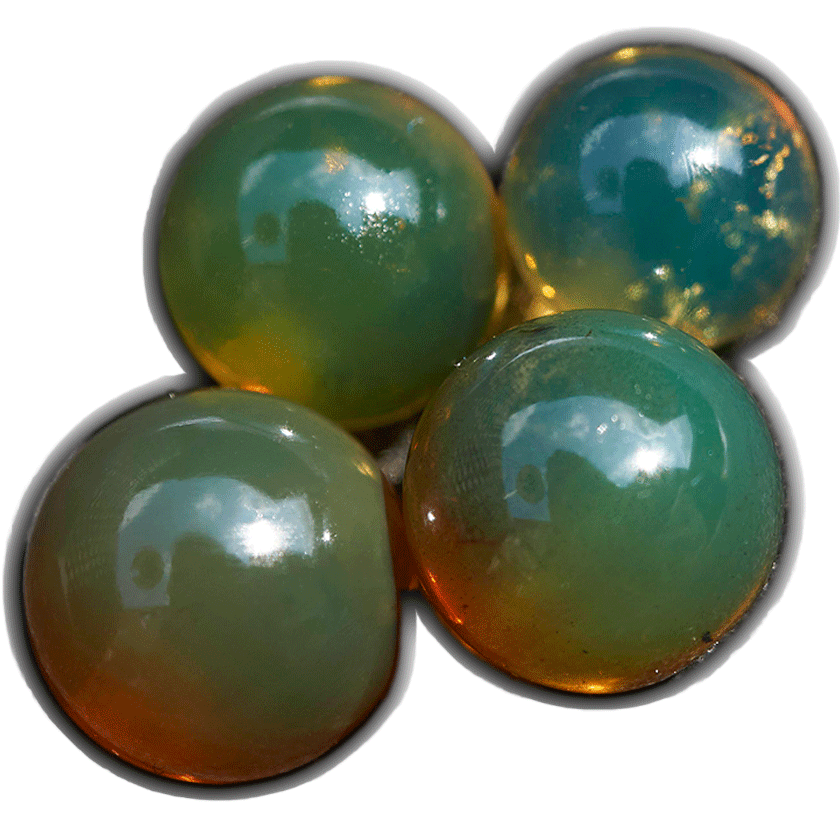
Amber is fossilized tree resin, not a mineral crystal, and that difference changes both sourcing and craftsmanship. Dominican amber is admired for its clarity, warm honey tones, and occasional inclusions that offer a glimpse into prehistoric life. Blue amber is particularly sought after for its elusive fluorescence and reflected blue presence.

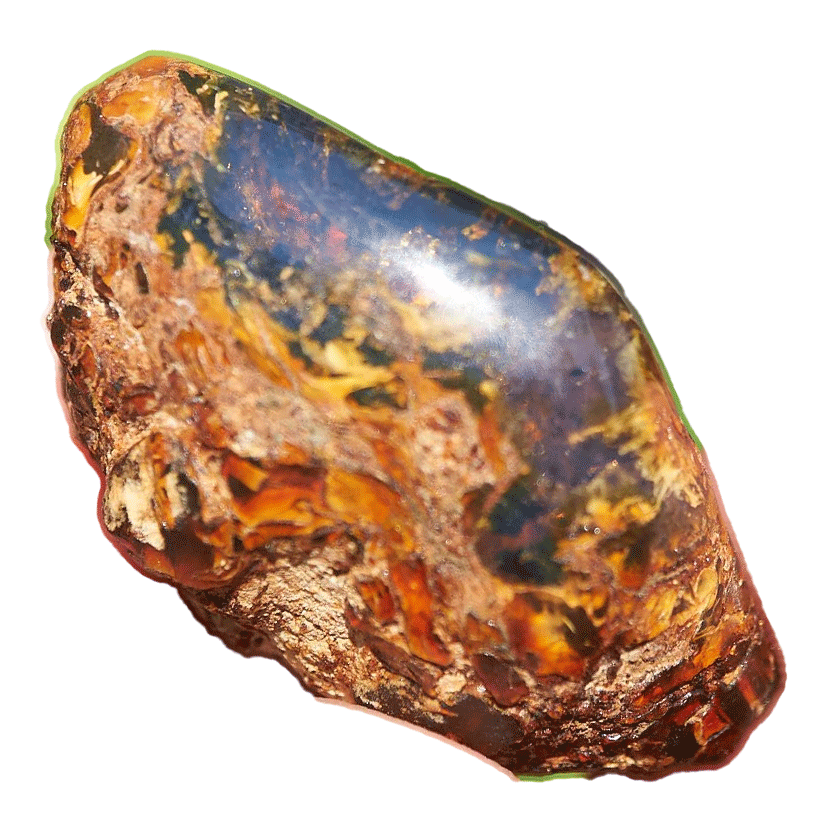
A meaningful sourcing example begins with carefully selected Dominican rough amber. Not every piece of amber will display blue. The visible effect depends on the material itself and on viewing conditions, so responsible descriptions should leave room for natural variation. A blue amber pendant photographed in direct sun, shade, and indoor light may reveal different personalities in each setting.

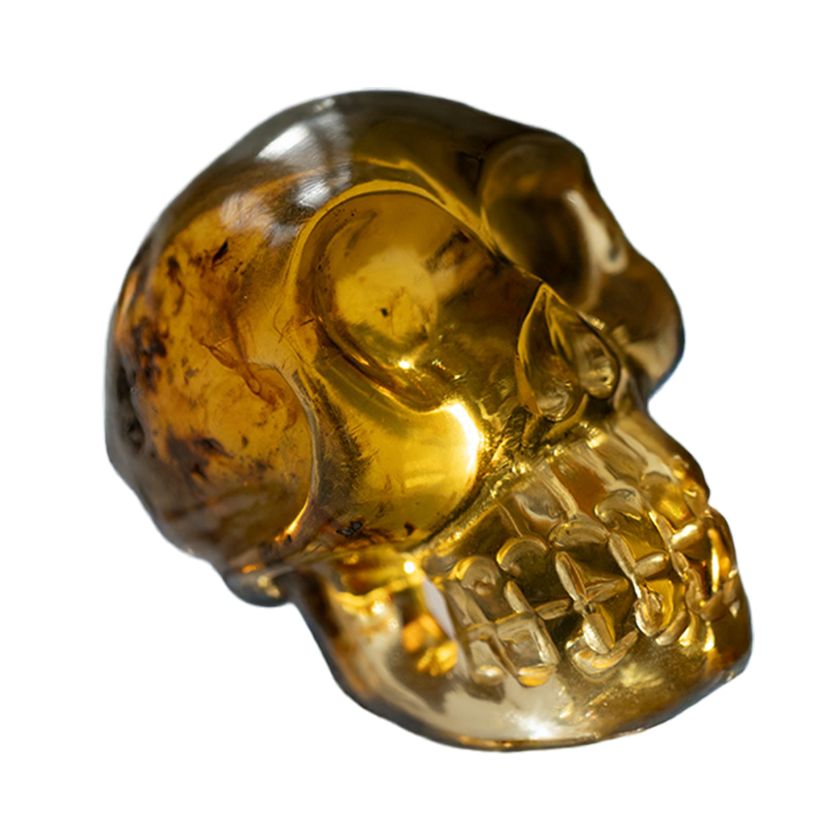
Crafting also requires restraint. Amber is softer than many traditional jewelry stones and can be damaged by careless cutting, harsh chemicals, excessive heat, or rough wear. An experienced maker chooses a shape and setting that protect the material while allowing light to move across it. Beads, polished freeform pendants, carvings, and cabochons each ask something different of the rough. A piece with a natural inclusion may be preserved as a collector specimen, while clear material may become a luminous wearable jewel.

A fossil inclusion preserved rather than erased

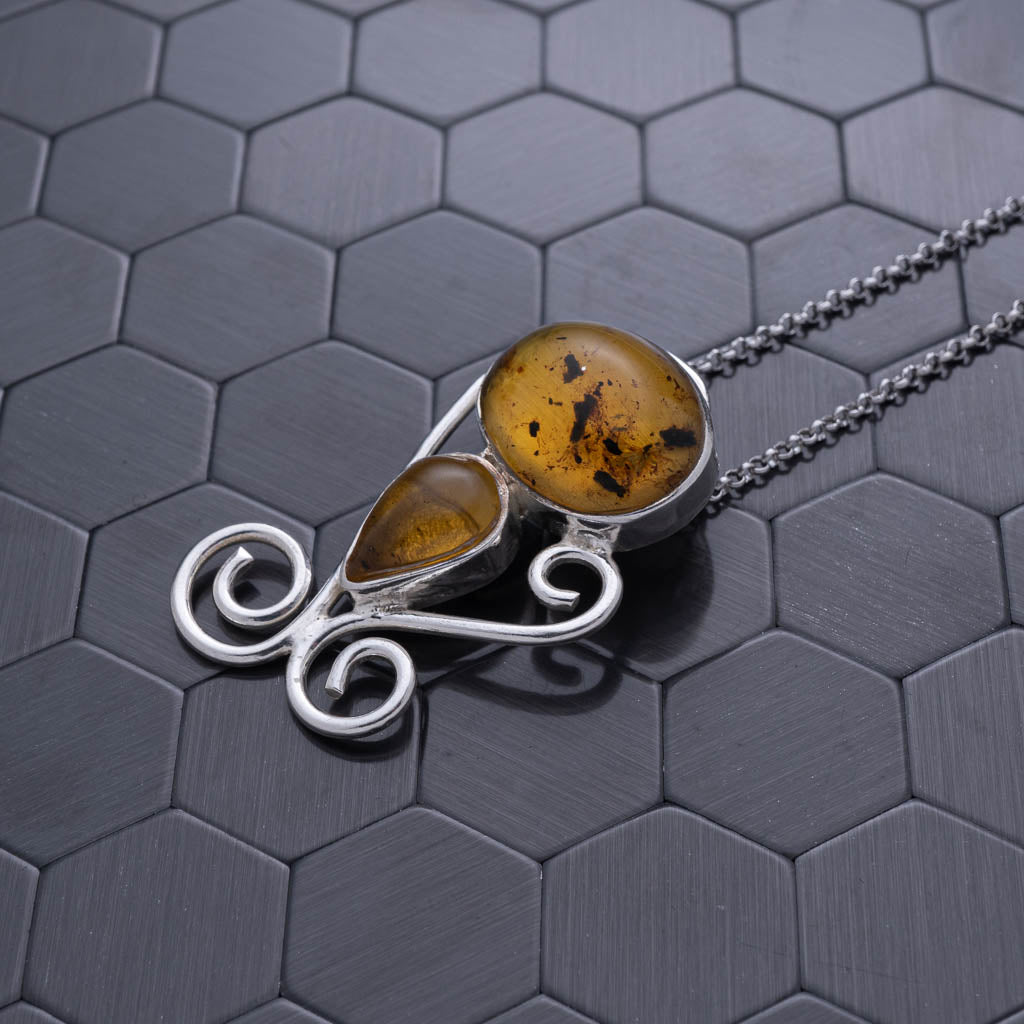
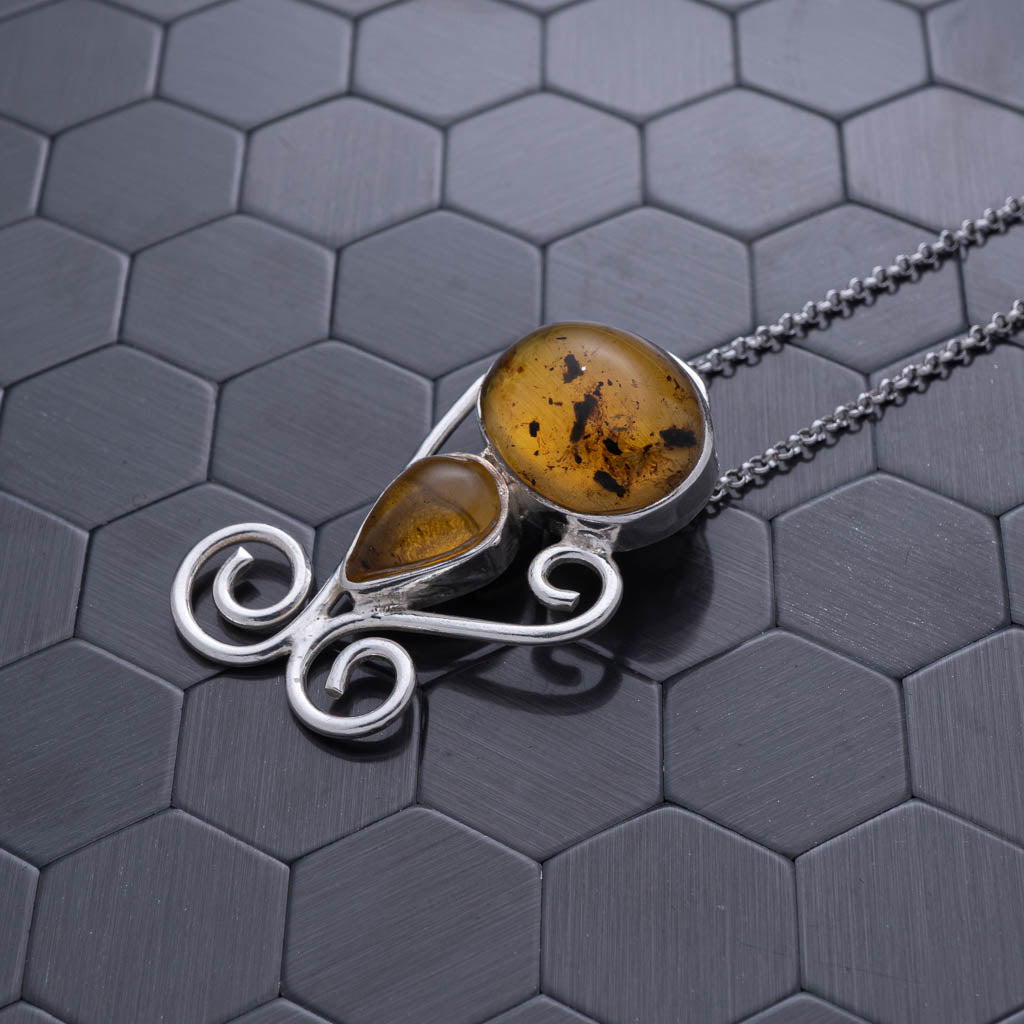
An insect, leaf fragment, or other inclusion in amber can make the material especially compelling. Yet an inclusion does not automatically make every specimen valuable, and it should never be treated as a decorative detail without context. Its placement, visibility, condition, and relationship to the surrounding amber all matter.

In an ethical collector-focused approach, the goal is preservation. The cutter studies the rough before shaping it, avoiding a cut that could fracture the material or obscure the inclusion. The finished piece might become a polished specimen, a protective pendant, or a carefully drilled bead, depending on its structure. Here, sourcing means more than identifying Dominican amber. It also means respecting the natural record held within it.

Artisan-made cabochons with a visible material story

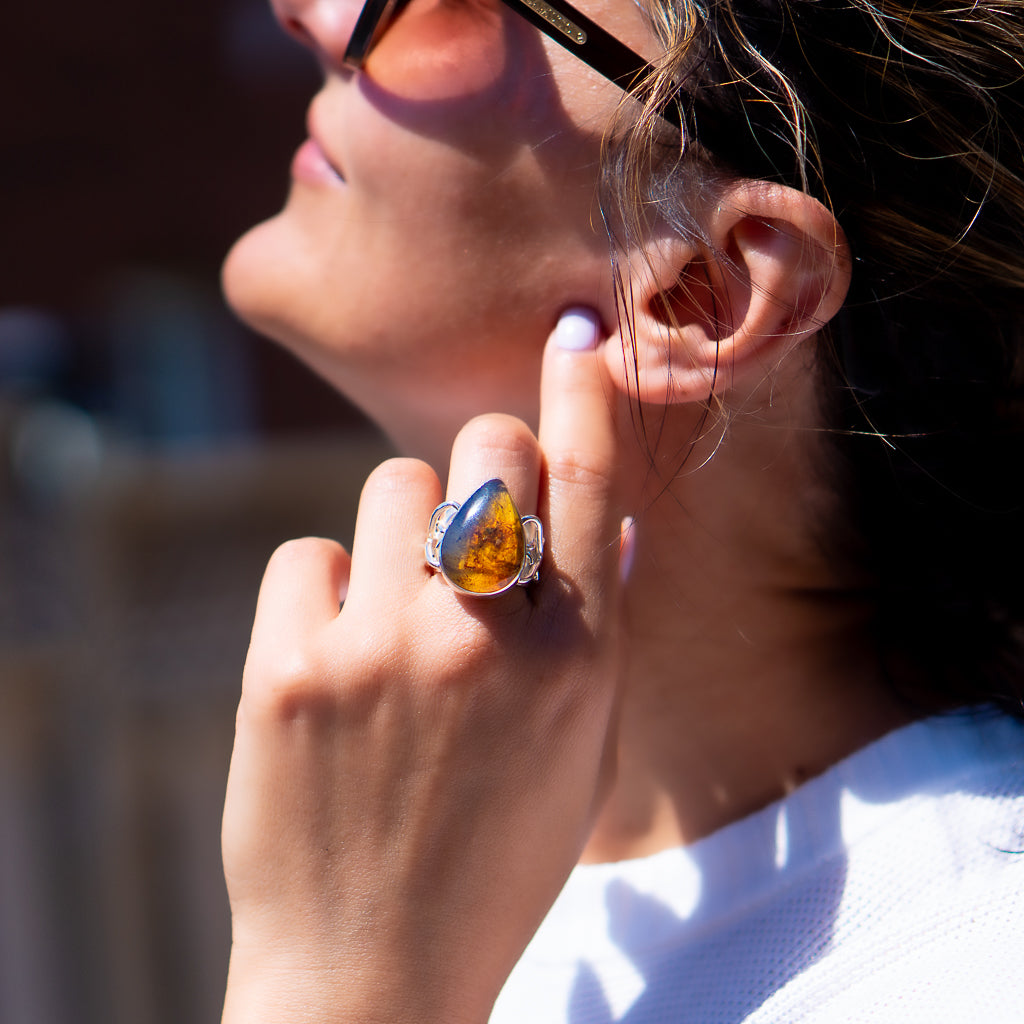
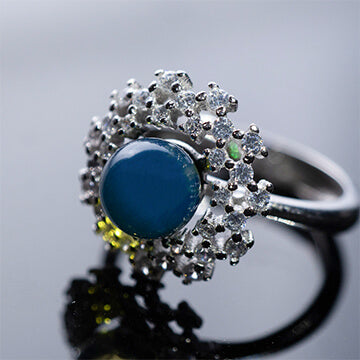
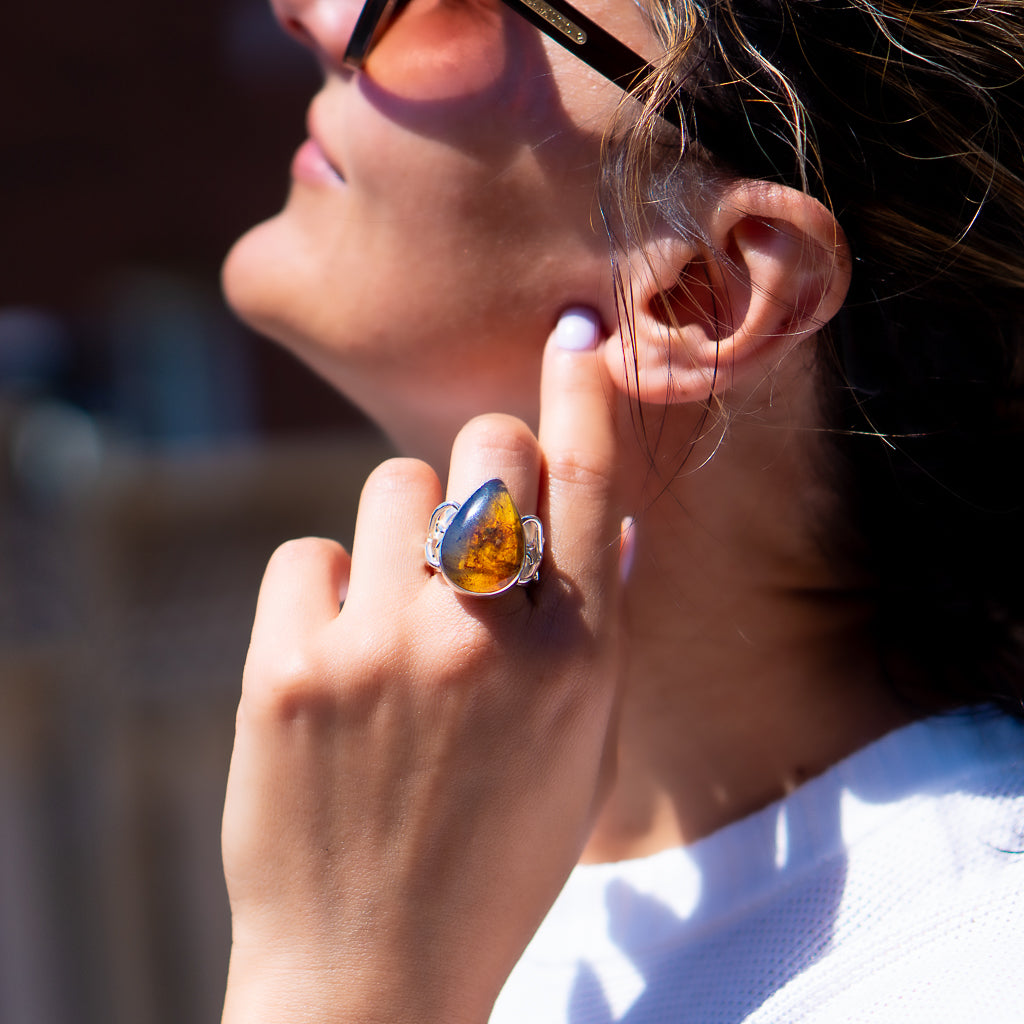
Loose cabochons offer another useful example because they invite a closer look at workmanship. A well-cut Larimar cabochon should have a pleasing dome, a balanced outline, and polish that brings forward its blue color and pattern. It does not need to be perfectly uniform. In fact, too much uniformity may hide the natural variation that makes Larimar desirable.

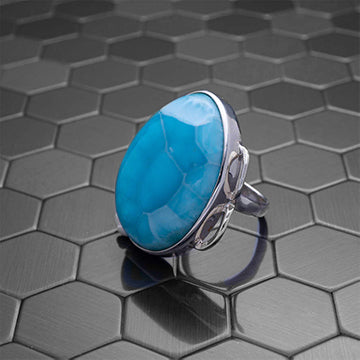
For jewelry makers and collectors, knowing whether a cabochon was cut from responsibly selected Dominican rough can be more valuable than a generic label. It connects the stone to its material origin and makes it easier to appreciate the cutter's decisions. A larger cabochon with bold white webbing may be ideal for a statement cuff or pendant. A smaller, concentrated blue gem may be a better fit for a delicate ring.

This is the heart of artisan sourcing: matching the finished form to the individual stone instead of demanding that every gem look the same.

What trustworthy sourcing information looks like

Origin claims should be specific enough to be useful. For Larimar and Dominican amber, the Dominican Republic is not a minor marketing detail. It is central to the identity of the material. Sellers should be prepared to explain whether they work with Dominican-sourced stones, how the gemstones are selected, and whether the jewelry is handcrafted from natural material.

Certification can provide another layer of confidence, particularly for higher-value pieces or collector purchases. Still, paperwork is not a substitute for clear communication. A buyer should be able to understand what the stone is, where it comes from, and whether any treatments, reconstructions, or imitations are involved.

Photos also deserve careful attention. Natural gems change under light, and blue amber is a prime example. Ask to see the piece in more than one lighting condition when possible. With Larimar, look for close views of the actual stone rather than a stock image representing a general color category. Real sourcing is tied to the real item you will receive.

Questions to ask before choosing a Caribbean gemstone

Before purchasing, ask a few direct questions: Is this genuine Larimar or Dominican amber? Is the stated origin specific? Is the image of the exact piece? Has the material been treated, reconstructed, or enhanced? For amber, ask whether the blue appearance is visible in ordinary reflected light, sunlight, or ultraviolet light, since these are not the same experience.

The answers should feel clear rather than evasive. Rarity deserves honest language. A deeply saturated Larimar stone with exceptional patterning may be harder to find than a lighter piece, but lighter Larimar can still be beautiful and authentic. Likewise, a subtle blue amber glow may be just as natural as a dramatic flash. Personal preference, budget, intended wear, and collector goals all shape the right choice.

Larimar Creations approaches these stones as more than accents for jewelry. Each certified Dominican gem is a small expression of place, shaped into something meant to be worn, gifted, or kept close.

When you choose a gemstone, let its origin be part of the beauty you see. Ask for the story behind the stone, notice the details that cannot be repeated, and select the piece that feels like a true piece of the Caribbean rather than a generic imitation of one.

The Best Amber Gifts for Meaningful Anniversaries

The Best Amber Gifts for Meaningful Anniversaries

6 min read

Find the best amber gifts for anniversaries, from glowing Dominican blue amber pendants to heirloom rings chosen for rarity, romance, and lasting wear.
Read More
Beaded Amber Necklace: History, Types & Expert Guide - Larimar Creations

Beaded Amber Necklace: History, Types & Expert Guide

10 min read

Discover the timeless beauty of beaded amber necklaces. Learn about authentic Baltic and Dominican amber, historical significance, and care tips.
Read More
Handmade Rings: Artisan Craft Meets Timeless Elegance - Larimar Creations

Handmade Rings: Artisan Craft Meets Timeless Elegance

9 min read

Discover the artistry behind handmade rings, from traditional techniques to gemstone settings. Learn what makes handcrafted jewelry unique and valuable.
Read More