

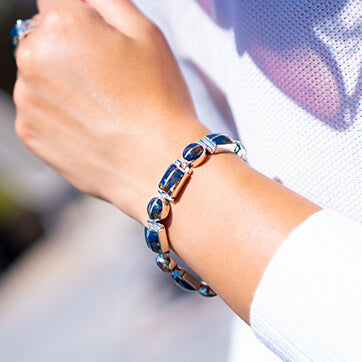
Handcrafted in DR.

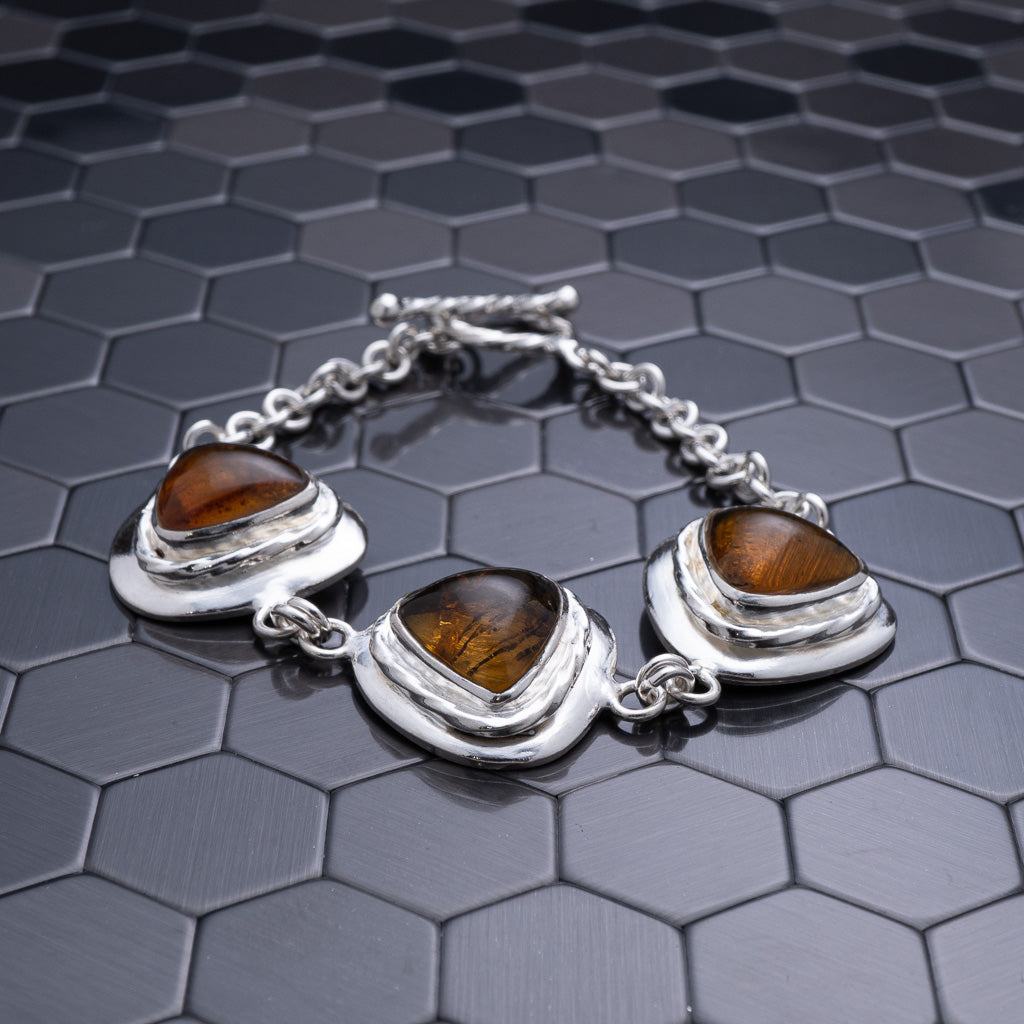
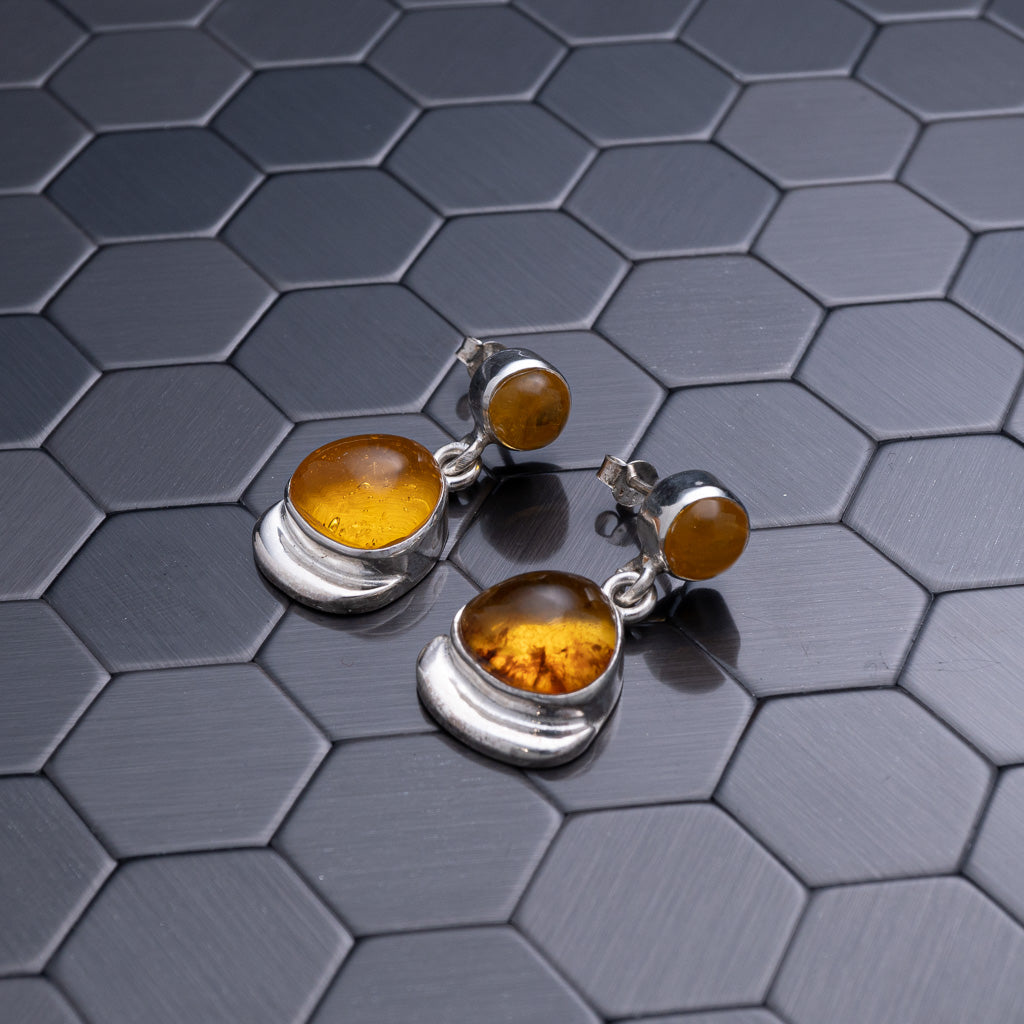


100% Handcrafted in DR.

Larimar stands as one of the world's rarest gemstones, found exclusively in the Dominican Republic's Barahona region. This stunning blue stone, also known as the Atlantis Stone or Dolphin Stone, captivates collectors and jewelry enthusiasts with its ethereal ocean-blue hues and distinctive patterns. Understanding larimar stone properties helps appreciate why this volcanic mineral has become increasingly sought after in the gemstone market, commanding premium prices for exceptional specimens. From its unique geological formation to its metaphysical associations, larimar offers a fascinating study in both scientific wonder and spiritual significance.
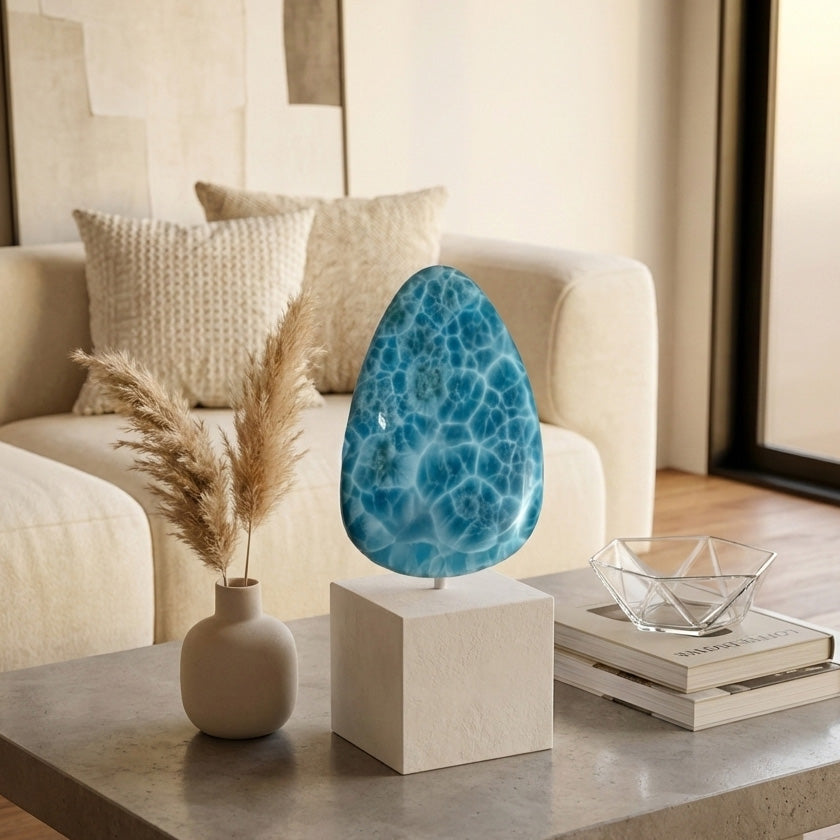
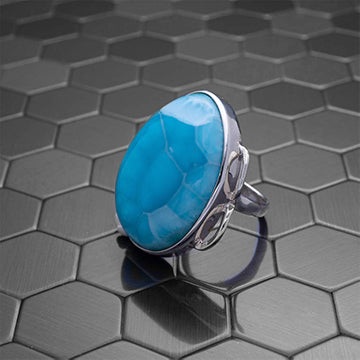
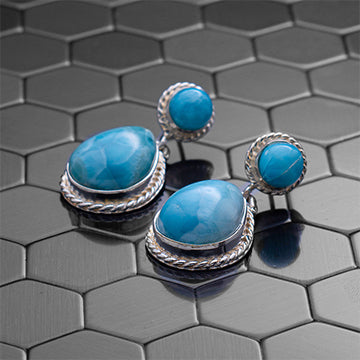
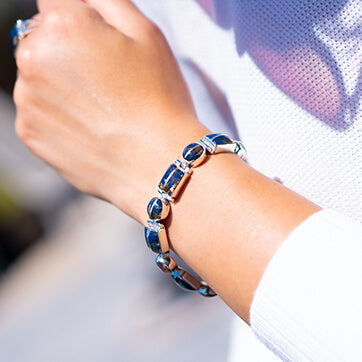
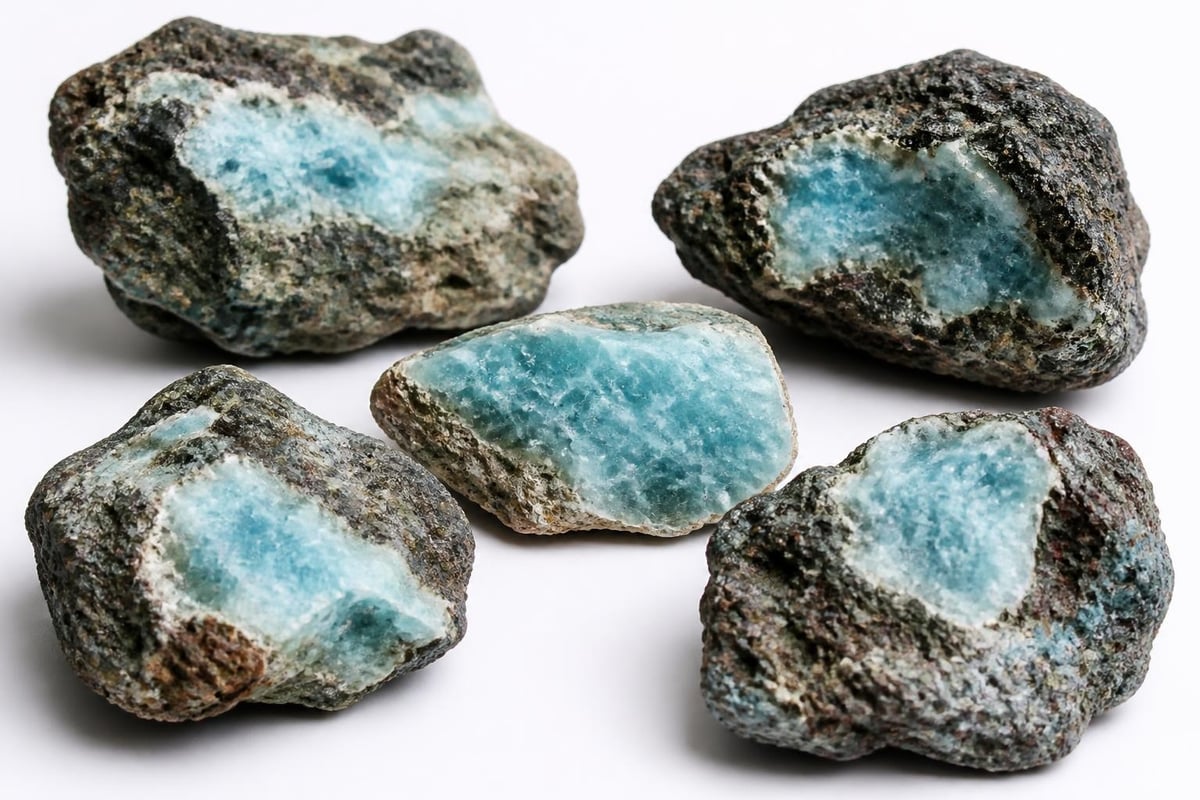
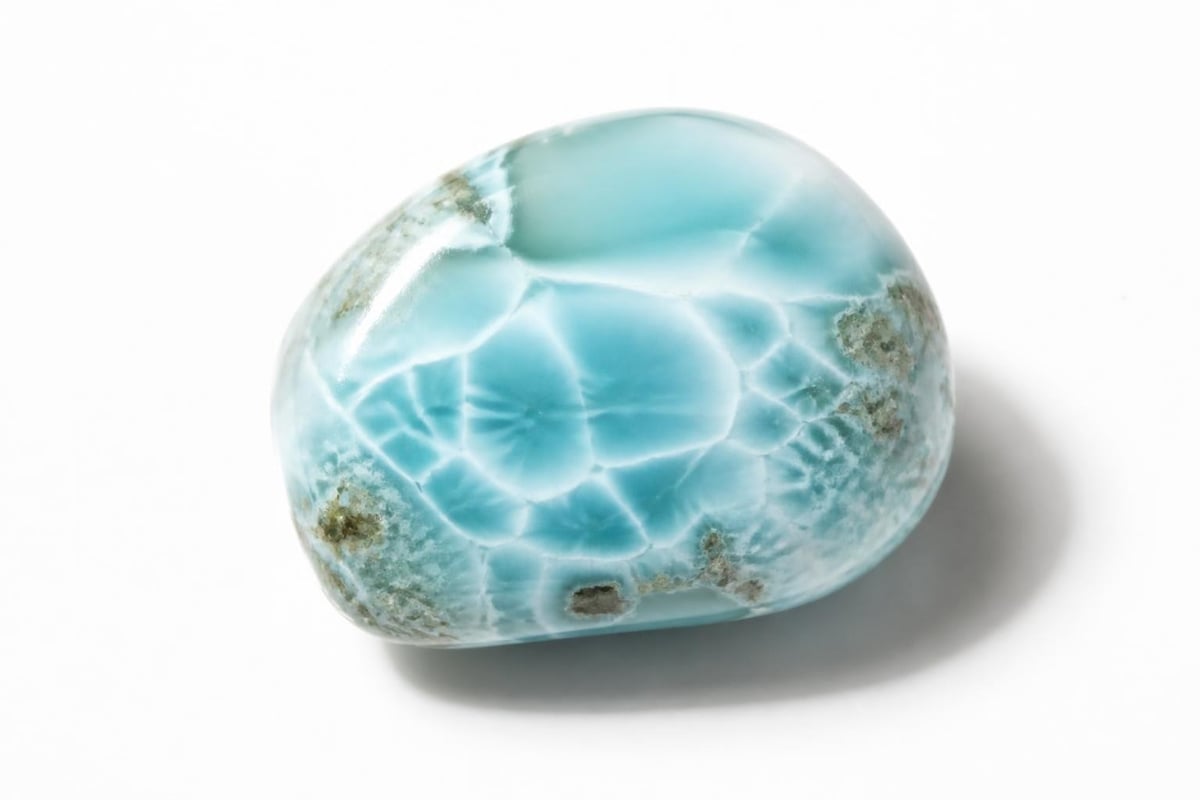
Larimar's most recognizable trait is its remarkable color palette, ranging from light sky blue to deep volcanic blue. The stone's coloring derives from copper substitution within the calcium structure during formation, creating the characteristic azure tones that mirror Caribbean waters. Each piece exhibits unique patterns, with white streaks resembling ocean waves or clouds against a blue sky.
The hardness rating on the Mohs scale places larimar between 4.5 and 5, making it relatively soft compared to many popular gemstones. This moderate hardness means the stone requires careful handling and appropriate care to prevent scratching or damage. Jewelers must consider these larimar stone properties when designing settings that protect the gem while showcasing its beauty.
The mineral composition of larimar classifies it as a rare blue variety of pectolite, with the chemical formula NaCa₂Si₃O₈(OH). This sodium calcium silicate forms in volcanic environments under specific conditions rarely found elsewhere on Earth. Recent gemological research has examined the fibrous microstructures and color variations that contribute to larimar's distinctive appearance.
Key physical properties include:
The fibrous structure creates chatoyancy in some specimens, producing a subtle shimmer that enhances the stone's visual appeal. This structural characteristic makes each larimar piece genuinely one-of-a-kind.
Beyond physical attributes, larimar stone properties extend into the metaphysical realm, where practitioners attribute various energetic qualities to this serene gemstone. Crystal healers consider larimar a powerful stone for communication, emotional healing, and spiritual awakening. Its association with the throat chakra makes it particularly valued for those seeking to express themselves more clearly and authentically.
The calming energy attributed to larimar reflects its oceanic appearance. Many users report feeling a sense of peace and tranquility when wearing or meditating with the stone. This connection to water elements positions larimar as a tool for emotional release and stress reduction in holistic healing practices.
Practitioners believe larimar facilitates deep emotional healing by bringing buried feelings to the surface for acknowledgment and release. The stone's gentle energy reportedly helps dissolve emotional barriers and self-imposed limitations. Those working through past trauma or seeking to overcome fear-based patterns often turn to larimar for support.
The stone's association with divine feminine energy makes it particularly resonant for those exploring nurturing, receptive aspects of their nature. This quality complements its reputation as a stone of serenity and clarity.
Understanding quality variations in larimar stone properties helps collectors and buyers make informed decisions. The intensity and uniformity of blue coloration significantly impact value, with deeper volcanic blues commanding premium prices. Stones exhibiting a balance between vivid color and attractive patterning represent the most desirable specimens.
| Grade Level | Color Description | Pattern Characteristics | Relative Value |
|---|---|---|---|
| AAA Premium | Deep volcanic blue | Minimal white veining | Highest |
| AA High | Medium to dark blue | Moderate patterns | High |
| A Standard | Light to medium blue | Visible white areas | Moderate |
| B Commercial | Pale blue | Heavy white inclusion | Lower |
Transparency also affects grading, with more translucent pieces generally valued higher than completely opaque specimens. The presence of green or reddish tones typically reduces value, though some collectors appreciate these unusual variations. Larimar Creations sources high-grade specimens to ensure each piece meets quality standards for color saturation and pattern appeal.
As larimar's popularity has grown, so has the prevalence of imitations and treated stones in the marketplace. Genuine larimar exhibits specific characteristics that distinguish it from look-alikes such as dyed howlite or synthetic materials. The fibrous structure visible under magnification, along with the stone's specific gravity and hardness, provides reliable identification markers.
Reputable dealers provide authentication certificates and detailed information about origin. Customers should examine stones for natural pattern variations, as overly uniform coloring may indicate treatment or synthetic production. The unique nature of each genuine piece means no two stones appear identical.
Proper care preserves the beauty of larimar stone properties for generations. The stone's moderate hardness requires protective measures to prevent damage during wear and storage. Avoiding exposure to harsh chemicals, extreme temperatures, and prolonged direct sunlight helps maintain color integrity and surface polish.
Essential care practices include:
The American Gem Society recommends gentle cleaning methods for softer stones like larimar, emphasizing the importance of avoiding abrasive materials and harsh treatments. Professional jewelers experienced with delicate gemstones should handle any repair or resetting work.
Environmental factors affect larimar over extended periods. Storing pieces in controlled humidity environments prevents drying that might lead to surface crazing in extreme cases. Climate-controlled jewelry boxes or pouches offer ideal storage conditions.
Regular inspection catches potential issues early. Checking prong settings, clasps, and surfaces for wear ensures problems get addressed before they compromise the stone's security or appearance. Professional cleaning every one to two years maintains optimal condition while allowing expert assessment of the piece.
The exclusive Dominican origin of larimar makes it among the world's rarest gemstones geographically. Formed millions of years ago through volcanic activity in the Barahona province, larimar deposits exist nowhere else on Earth despite extensive geological surveys. This singular source adds to the stone's mystique and collectible appeal.
Mining operations remain small-scale and challenging due to the remote mountainous terrain and limited deposit accessibility. Artisanal miners extract larimar through labor-intensive methods, contributing to its scarcity in the global market. Production volumes cannot meet growing international demand, ensuring continued rarity.
Larimar crystallized in gas cavities within basaltic lava flows approximately 10 million years ago. The presence of copper in volcanic solutions during crystallization created the distinctive blue coloration. Specific temperature, pressure, and chemical conditions had to align perfectly, explaining why this formation occurred in such a limited geographic area.
The discovery of larimar in 1974 by Miguel Méndez and Peace Corps volunteer Norman Rilling brought this hidden treasure to international attention. Méndez combined his daughter's name, Larissa, with "mar" (Spanish for sea) to create the gemstone's now-recognized designation. You can explore more about this fascinating origin story at Larimar Creations' dedicated larimar page.
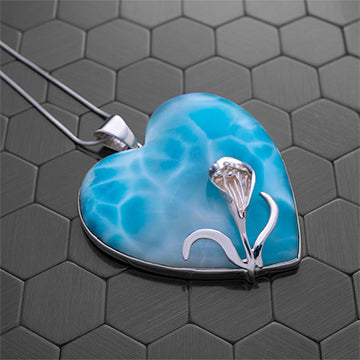
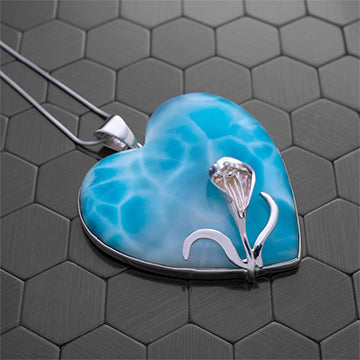
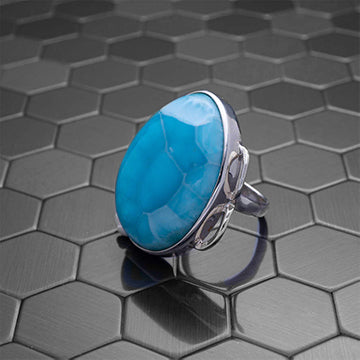
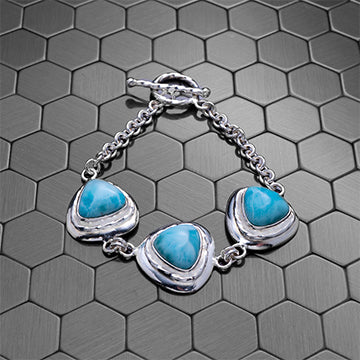
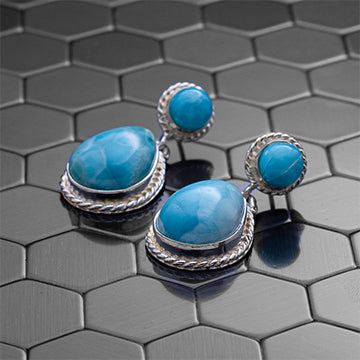
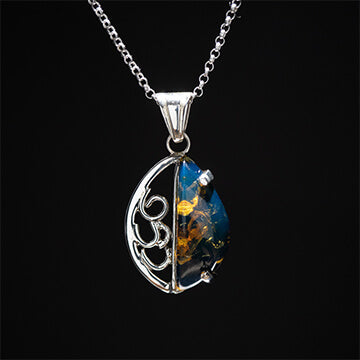
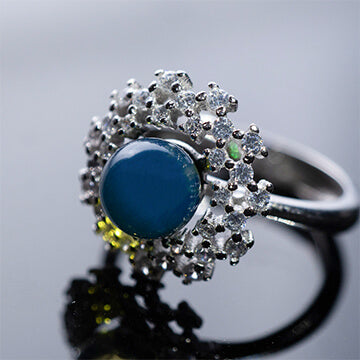
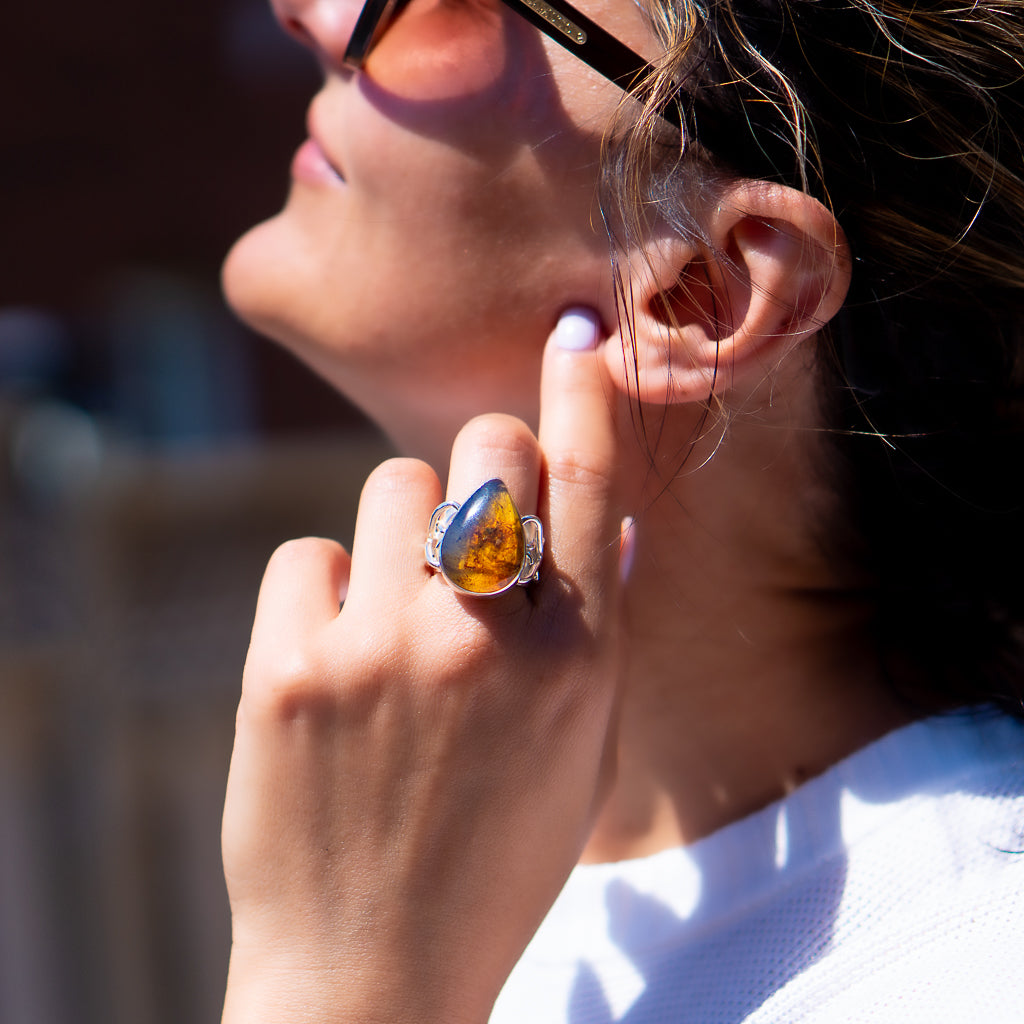
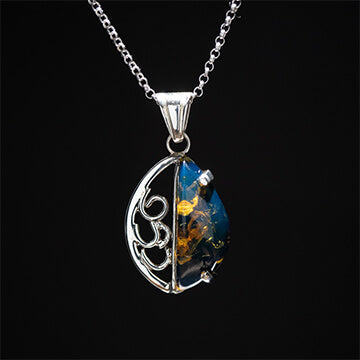
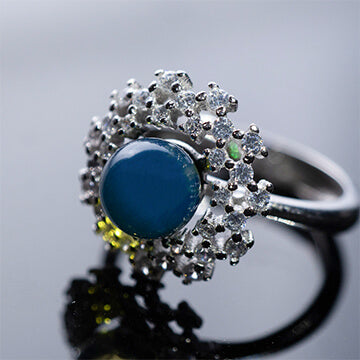
Larimar stone properties influence how artisans incorporate the gem into wearable art. The stone's moderate hardness makes it suitable for pendants, earrings, and protected ring settings. Designers often pair larimar with sterling silver, as the cool-toned metal complements the blue hues while providing durability. For those seeking meaningful pieces, larimar pendants offer an ideal way to keep the stone's calming energy close throughout the day.
Cabochon cutting best displays larimar's natural patterns and chatoyancy. Smooth, domed surfaces catch light beautifully while protecting the stone better than faceted cuts. Freeform shapes follow natural contours, minimizing waste of this precious material while creating organic, artistic pieces.
| Jewelry Type | Suitability | Design Considerations |
|---|---|---|
| Pendants | Excellent | Protected position, showcases color |
| Earrings | Excellent | Limited impact exposure |
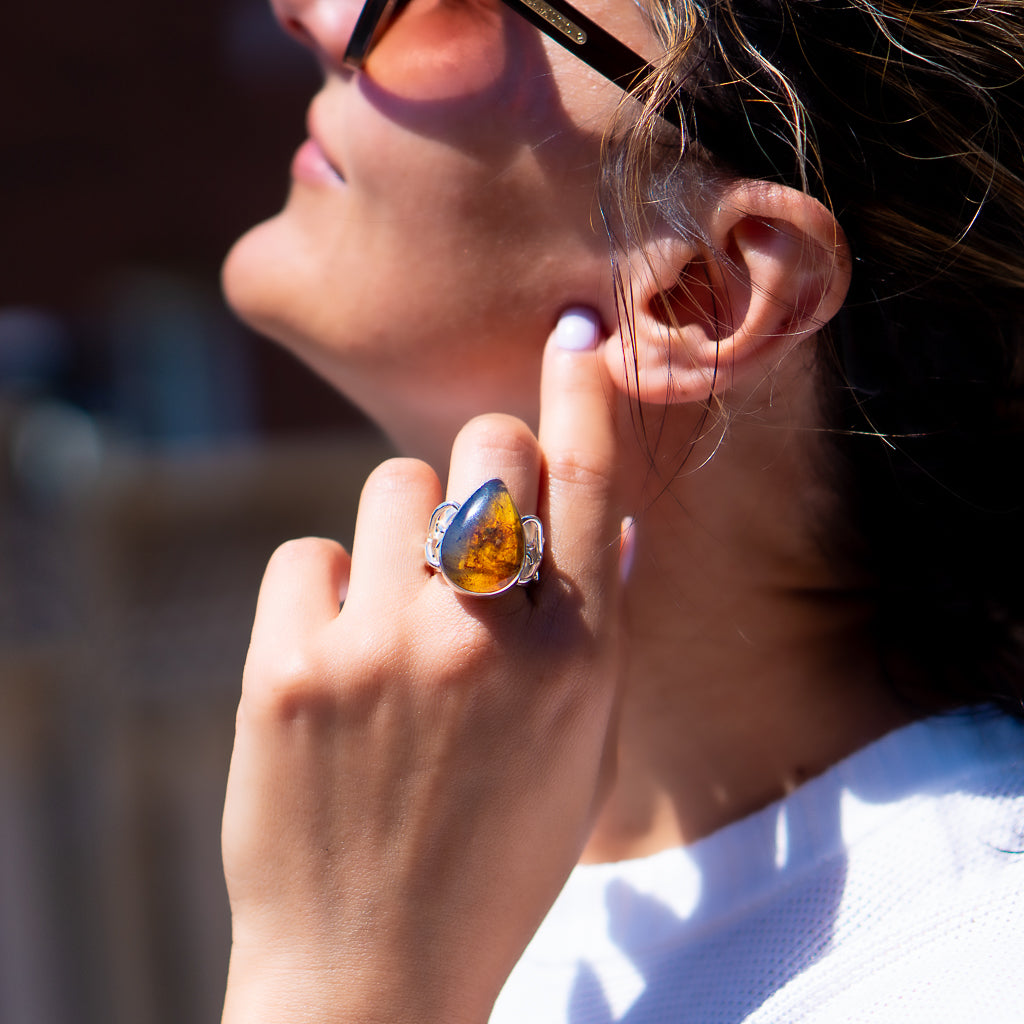
| Rings | Good | Requires protective setting |
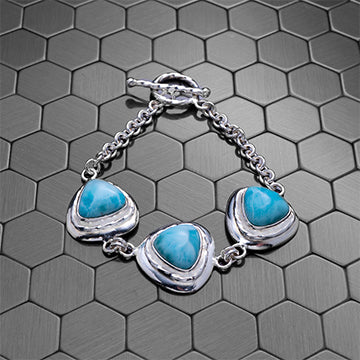
| Bracelets | Fair | Higher wear risk, needs bezel |
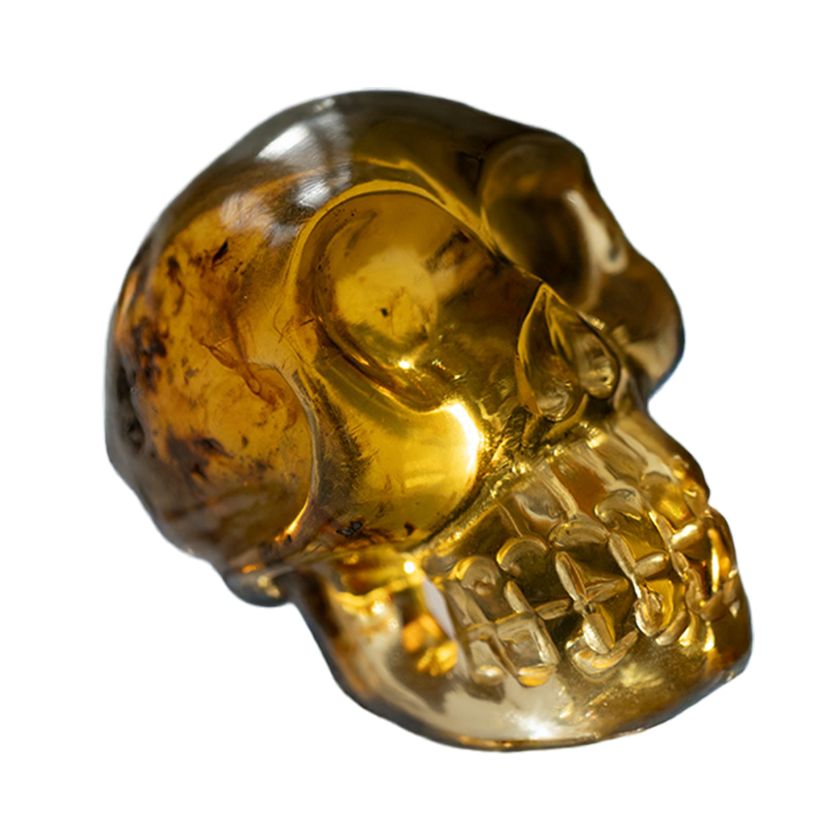
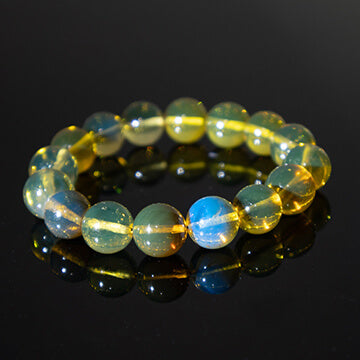
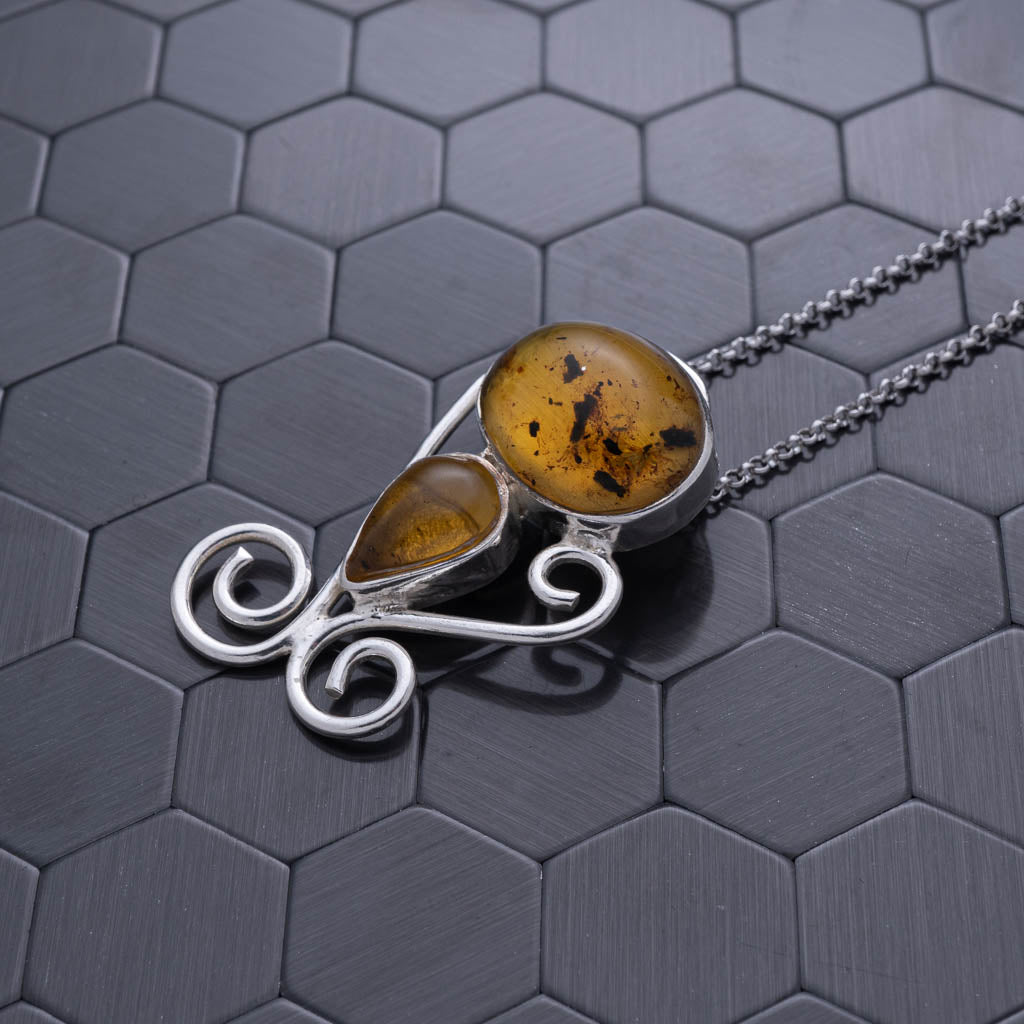
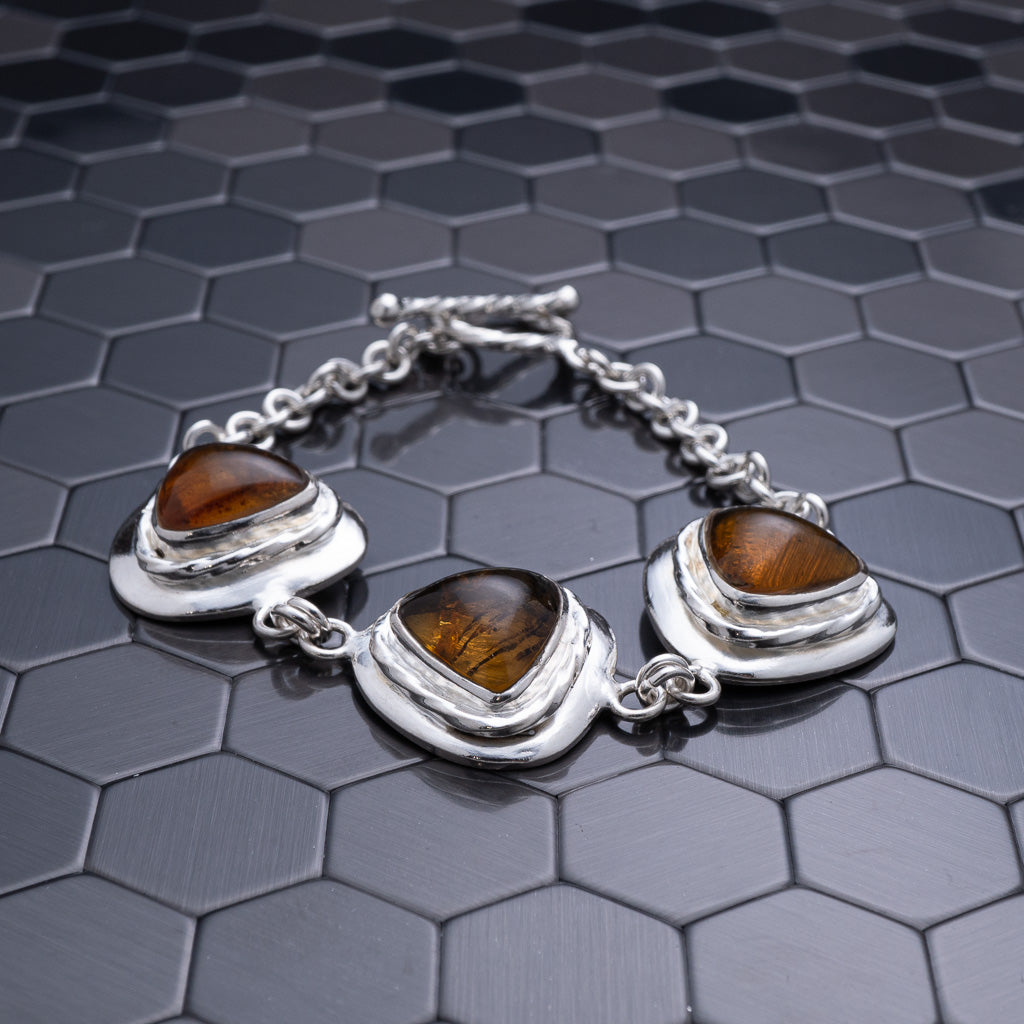
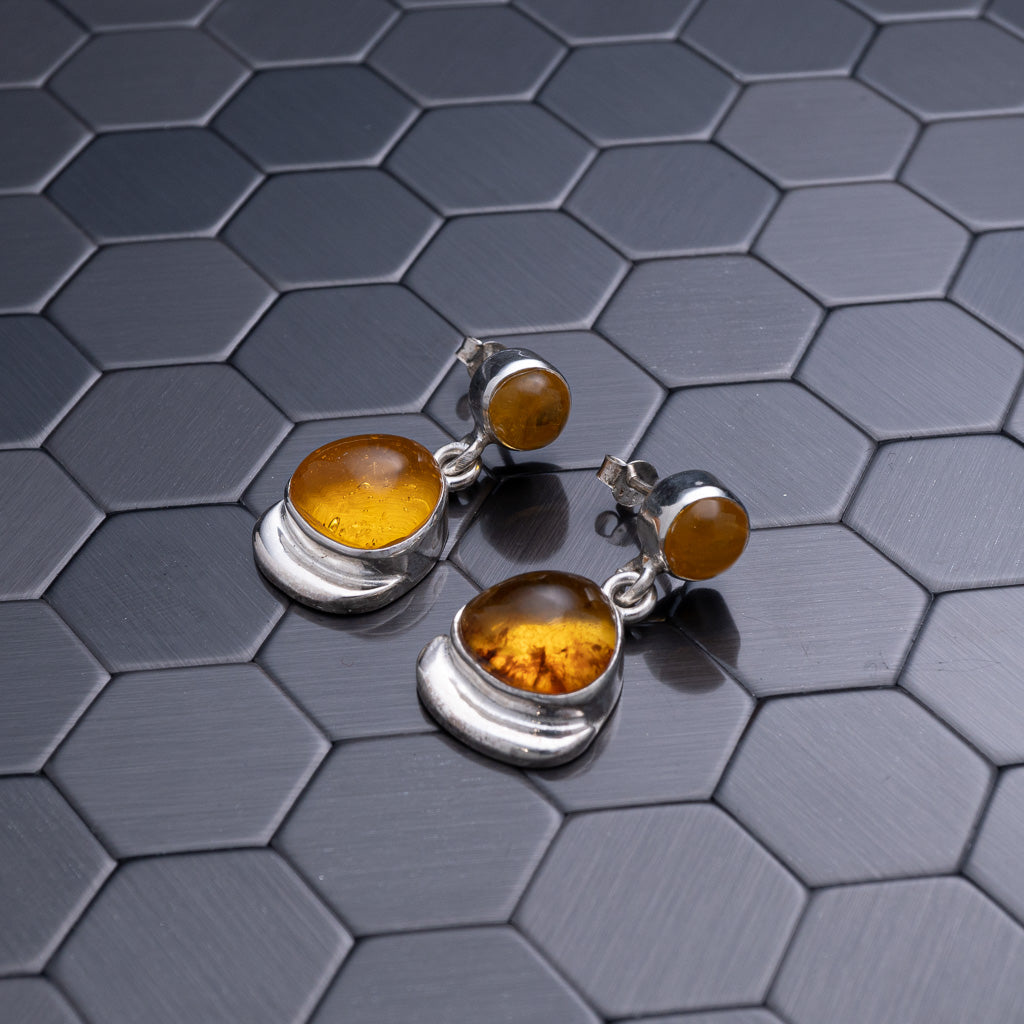
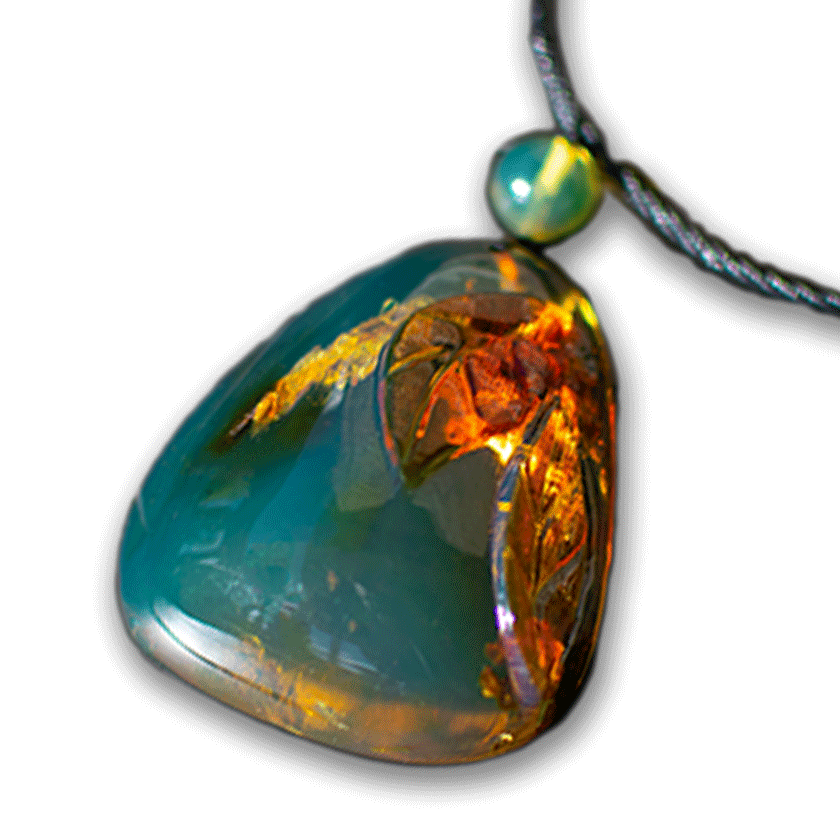
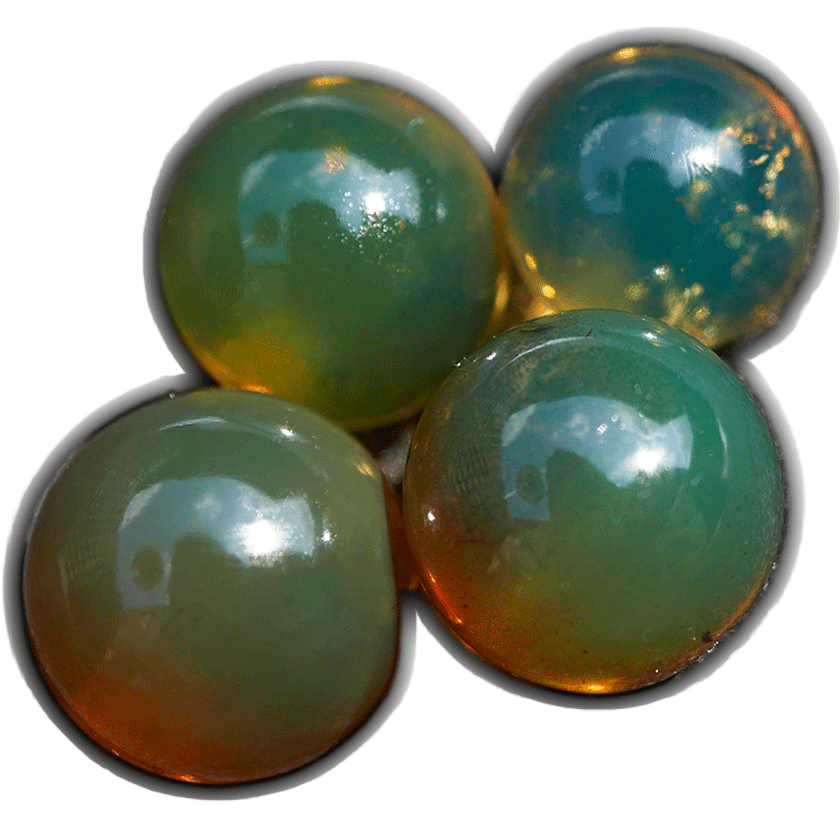
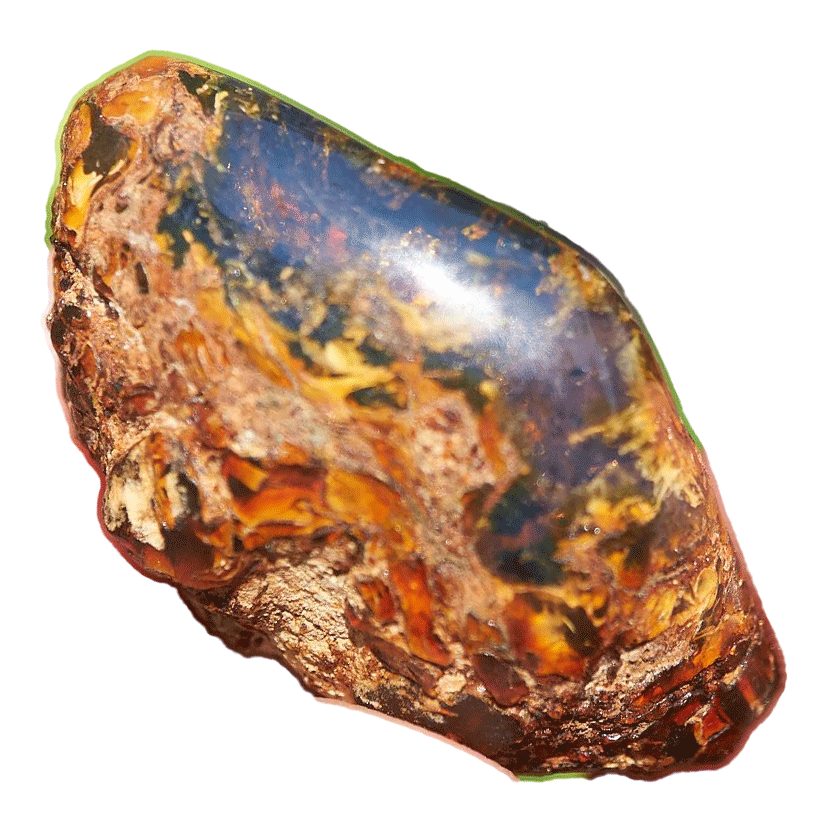
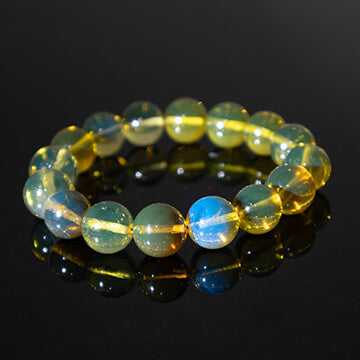
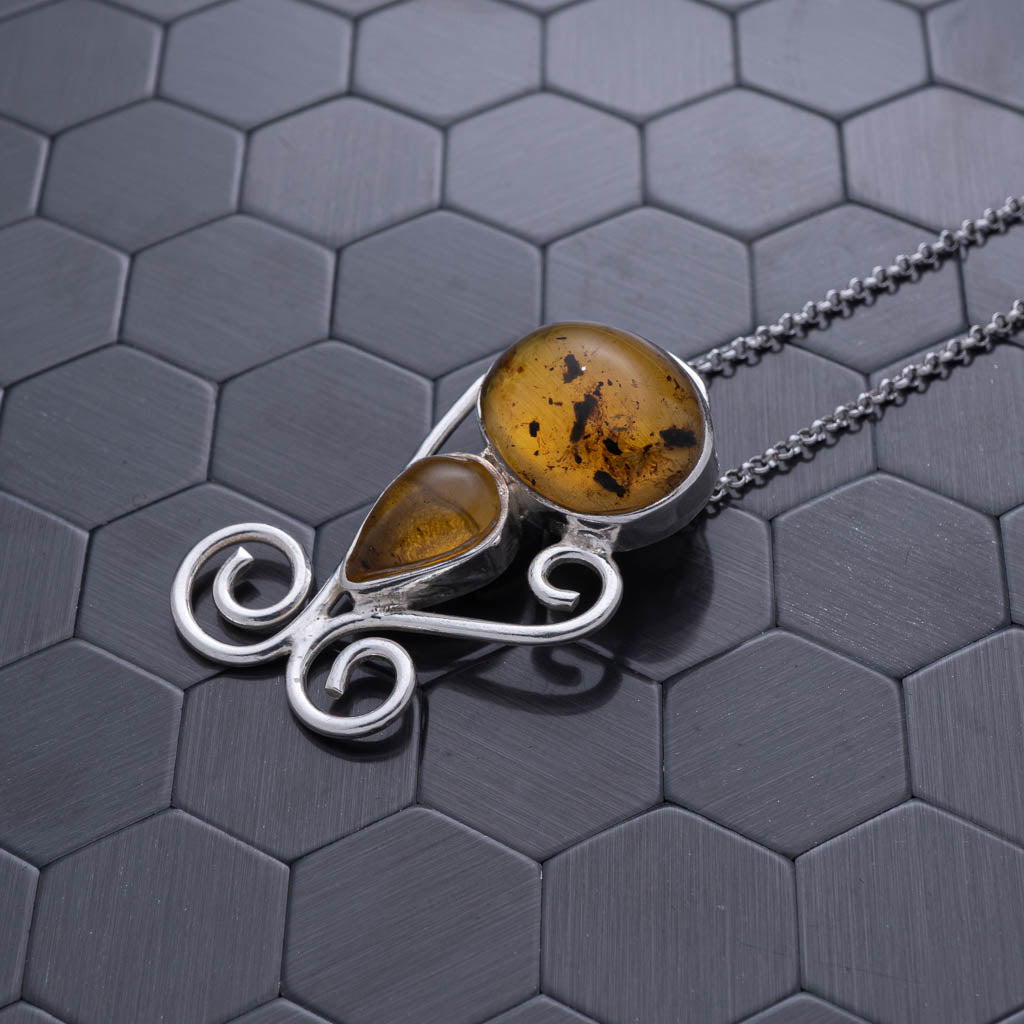
Contemporary designers experiment with combining larimar and other materials like Dominican blue amber, creating pieces that celebrate Caribbean gemological treasures. The color harmony between these rare stones produces striking visual effects.

Market dynamics surrounding larimar continue evolving as awareness grows and supply remains constrained. High-quality specimens appreciate over time, particularly pieces exhibiting exceptional color saturation and minimal inclusions. Collectors seeking investment-grade stones prioritize documented authenticity, superior color grading, and substantial carat weight.
The gemstone's single-source origin creates unique market conditions. Political or economic changes in the Dominican Republic, mining restrictions, or deposit depletion could dramatically affect availability. Forward-thinking collectors recognize these factors in long-term value projections.
Pricing varies considerably based on quality factors previously discussed. Commercial-grade larimar remains relatively accessible, while museum-quality specimens command prices comparable to traditional precious stones. The artisan nature of much larimar jewelry adds value beyond the raw material cost.
Factors influencing market value:
Ethical sourcing practices increasingly influence purchasing decisions. Buyers gravitate toward suppliers demonstrating fair trade principles and environmental responsibility in mining operations. Transparency in supply chains adds reputational value for dealers and designers.
Though discovered relatively recently, larimar quickly gained cultural significance in the Dominican Republic and beyond. The gemstone appears in local folklore and legends, with some believing it represents remnants of the lost city of Atlantis. This mythological connection, while scientifically unfounded, adds romantic appeal to the stone's narrative.
Dominican artisans have developed distinctive design styles showcasing larimar, creating a recognized aesthetic category within Caribbean jewelry traditions. Government initiatives promote larimar as a national treasure, supporting mining communities and cultural preservation efforts. Visitors to the Dominican Republic often seek authentic larimar pieces as meaningful souvenirs connecting them to the island's natural heritage.
The stone's association with ocean energy and Caribbean culture resonates with those seeking connections to tropical environments and water element symbolism. This cultural dimension extends beyond mere aesthetics, embedding larimar in broader conversations about place, identity, and natural wonder. Understanding these cultural aspects enriches appreciation for the unique qualities that make larimar special to both locals and international enthusiasts.
Ongoing gemological research continues revealing new insights into larimar stone properties. Advanced spectroscopic analysis identifies subtle variations in copper content that create different blue shades. Understanding these chemical signatures helps authenticate stones and potentially identify specific mining locations within the Barahona region.
Researchers study larimar's formation conditions to better understand rare mineral genesis in volcanic environments. This knowledge contributes to broader geological understanding while potentially guiding exploration for similar deposits elsewhere. Despite extensive searching, no secondary larimar sources have been confirmed, reinforcing the Dominican Republic's unique geological history.
The stone's relatively recent discovery means scientific literature remains limited compared to traditional gemstones studied for centuries. Contemporary gemologists actively document larimar characteristics, creating reference materials for future identification and authentication efforts. This expanding knowledge base benefits collectors, dealers, and jewelry designers working with this distinctive material.
Understanding larimar stone properties reveals why this rare blue gemstone captivates collectors, spiritual practitioners, and jewelry enthusiasts worldwide. From its unique volcanic formation to its calming metaphysical associations, larimar offers both scientific fascination and aesthetic beauty. Whether you're drawn to its physical characteristics, healing properties, or investment potential, choosing authentic, high-quality pieces ensures you experience the full wonder of this Dominican treasure. Discover exquisitely crafted pieces that showcase the natural beauty and exceptional quality of genuine larimar at Larimar Creations, where commitment to authenticity and artisan craftsmanship brings this rare gemstone's magic into wearable art.