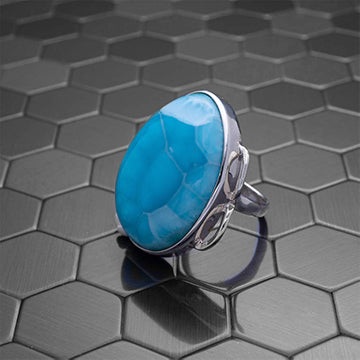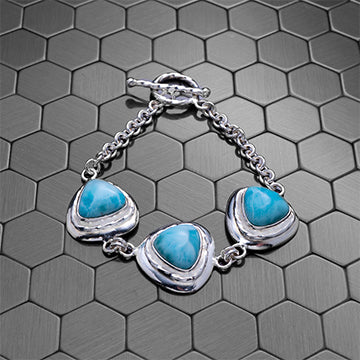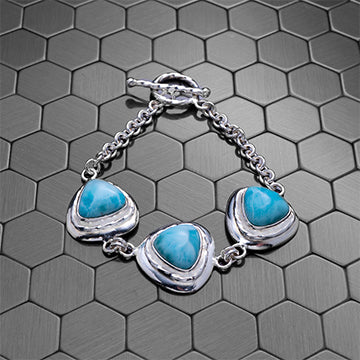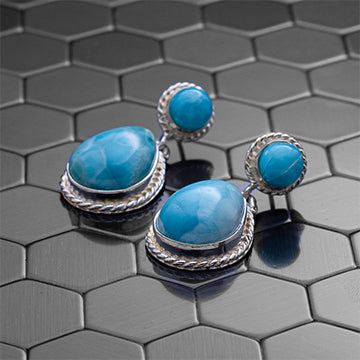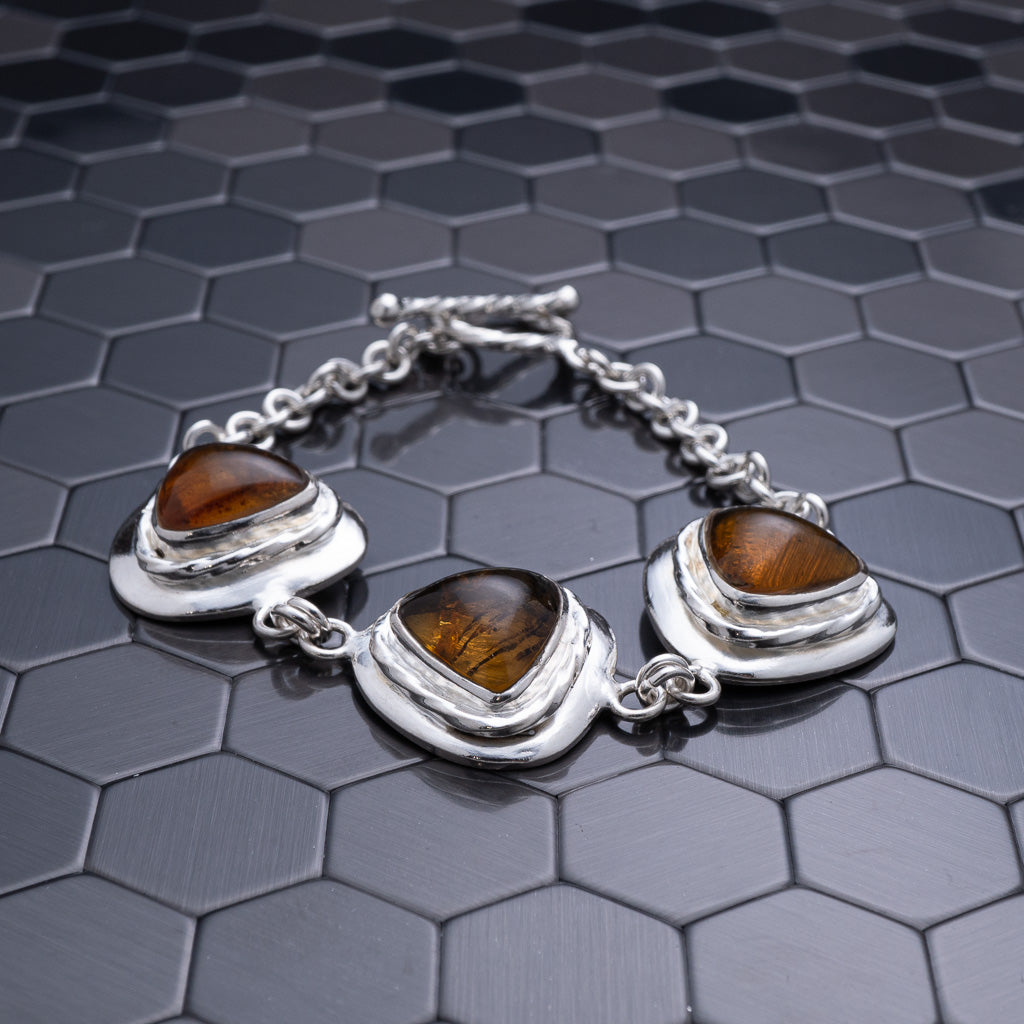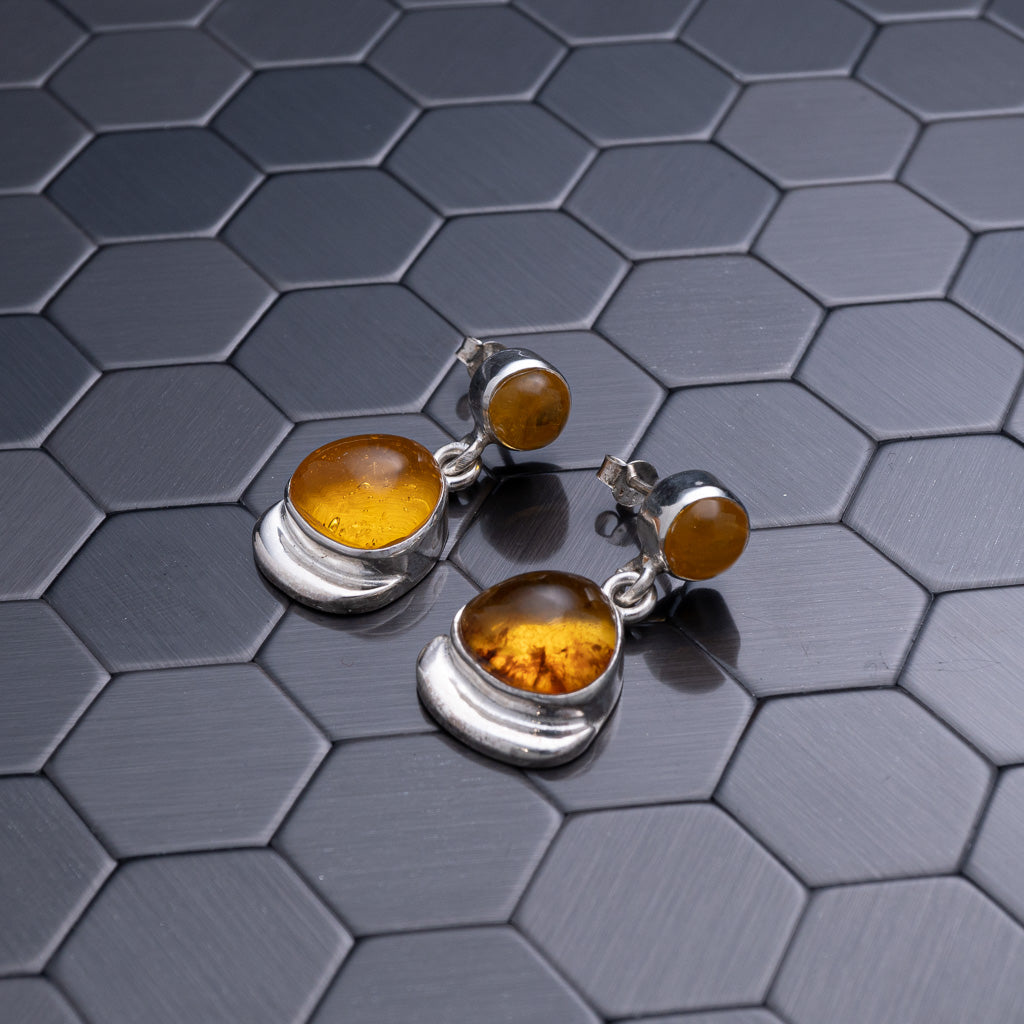


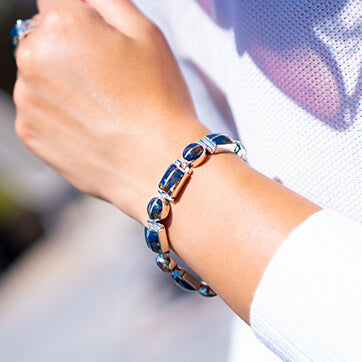
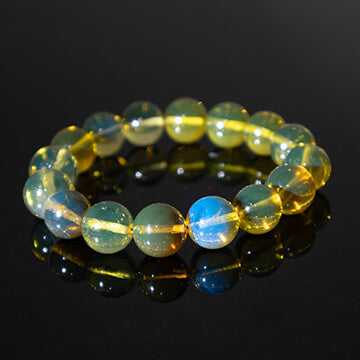
Handcrafted in DR.

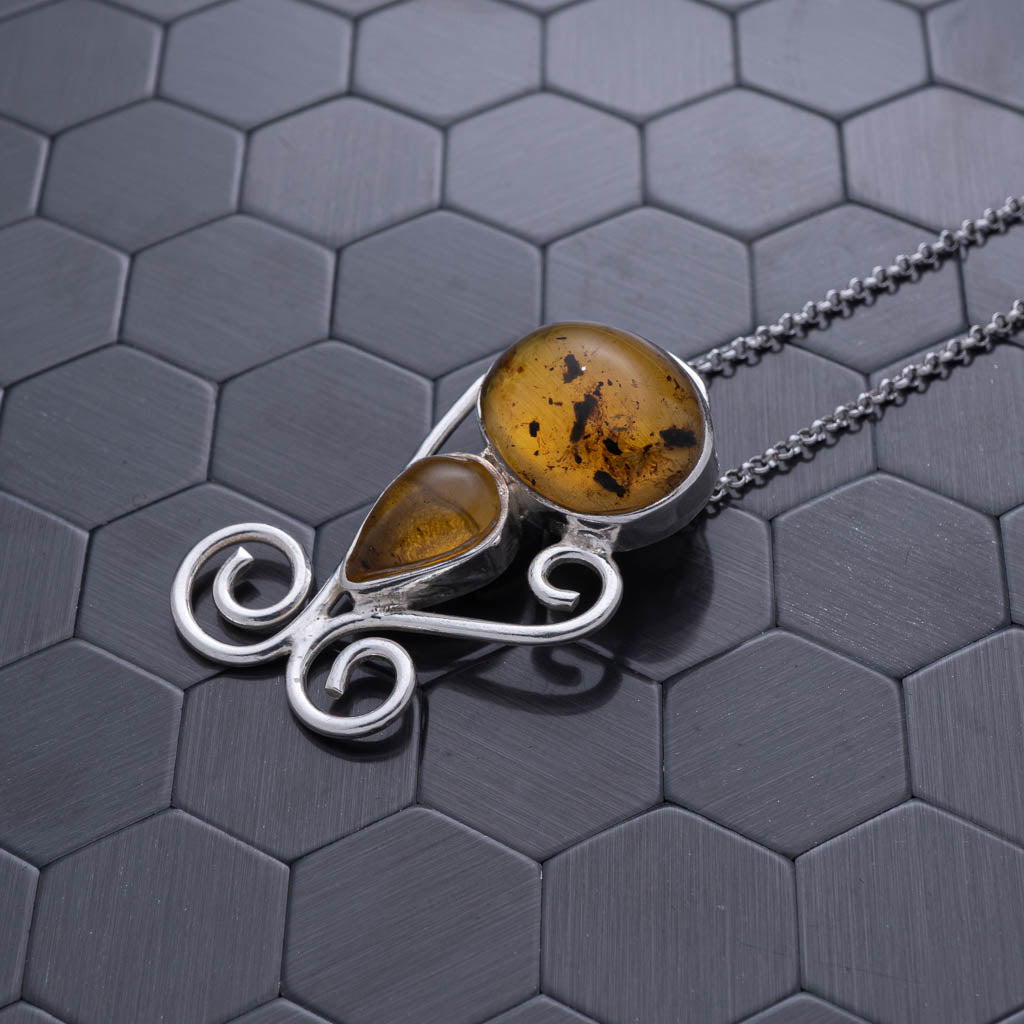
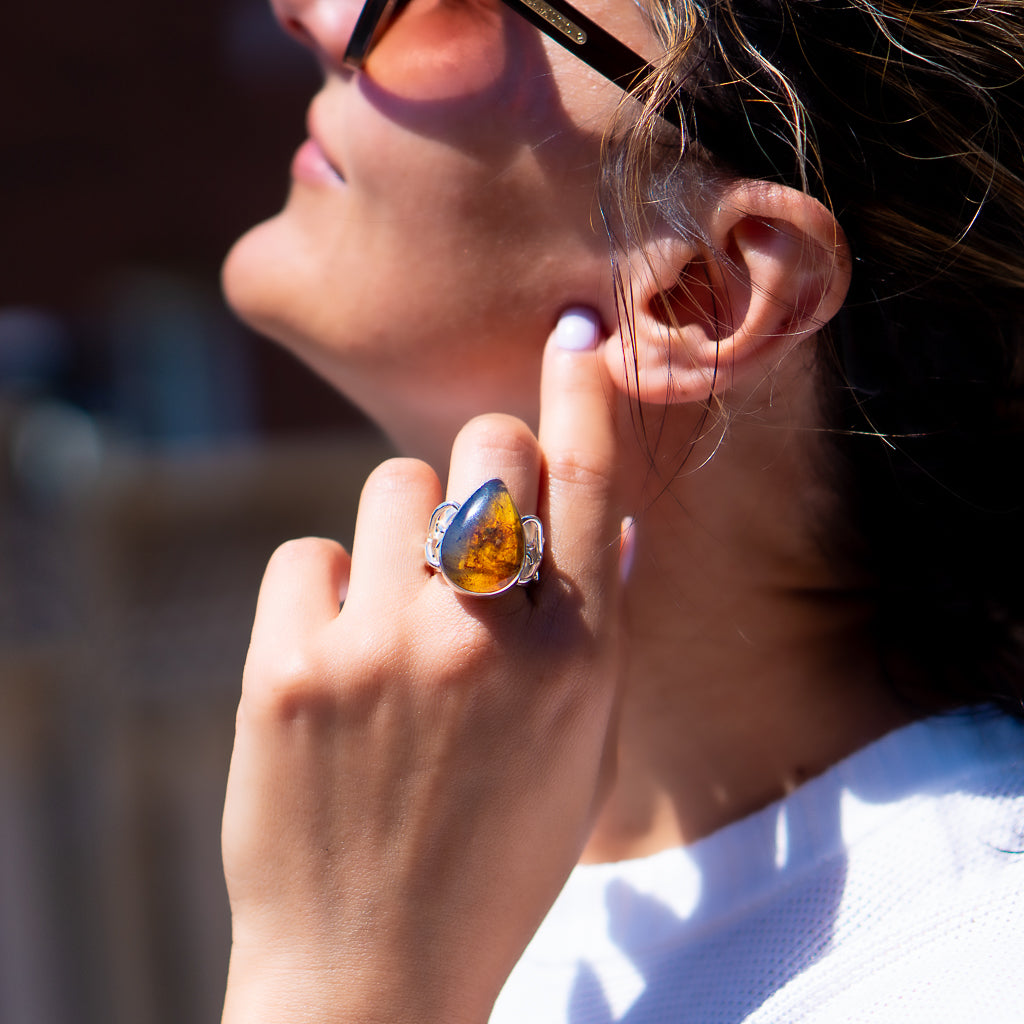
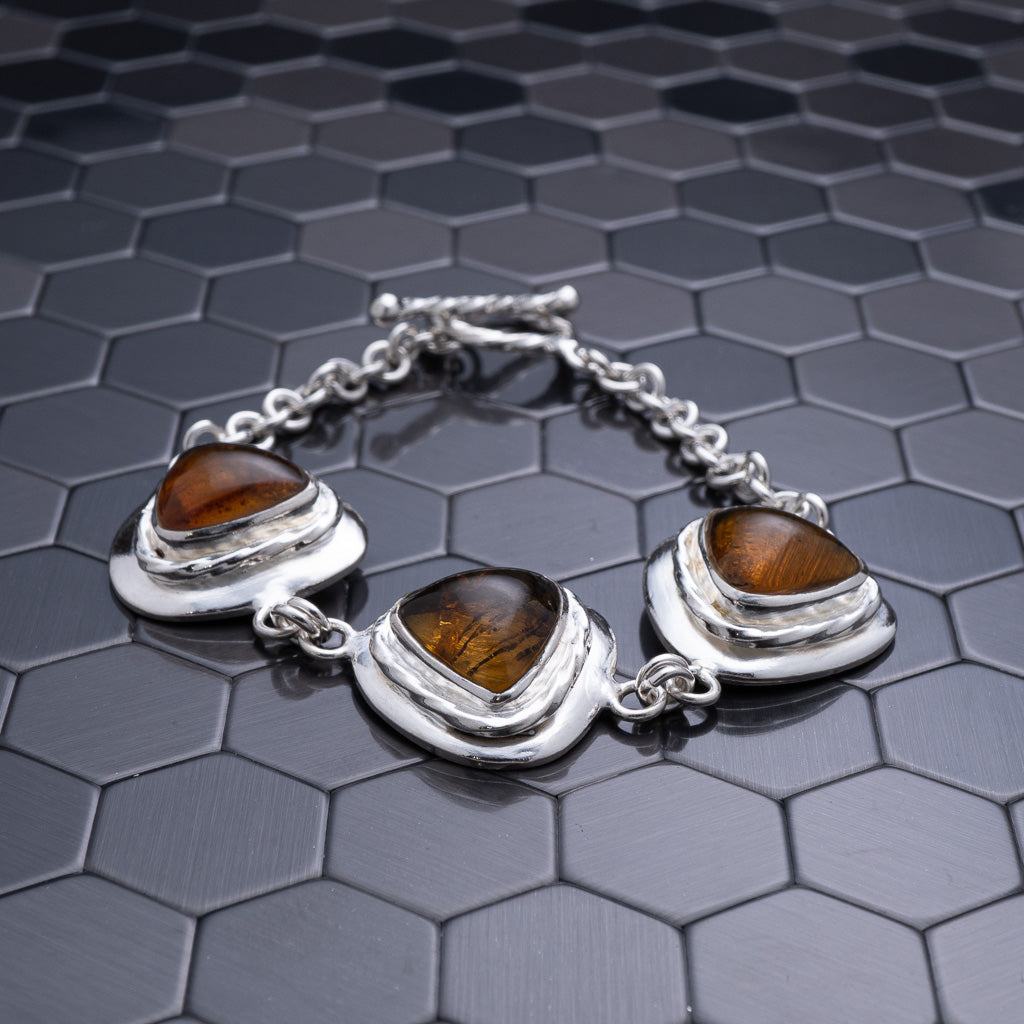
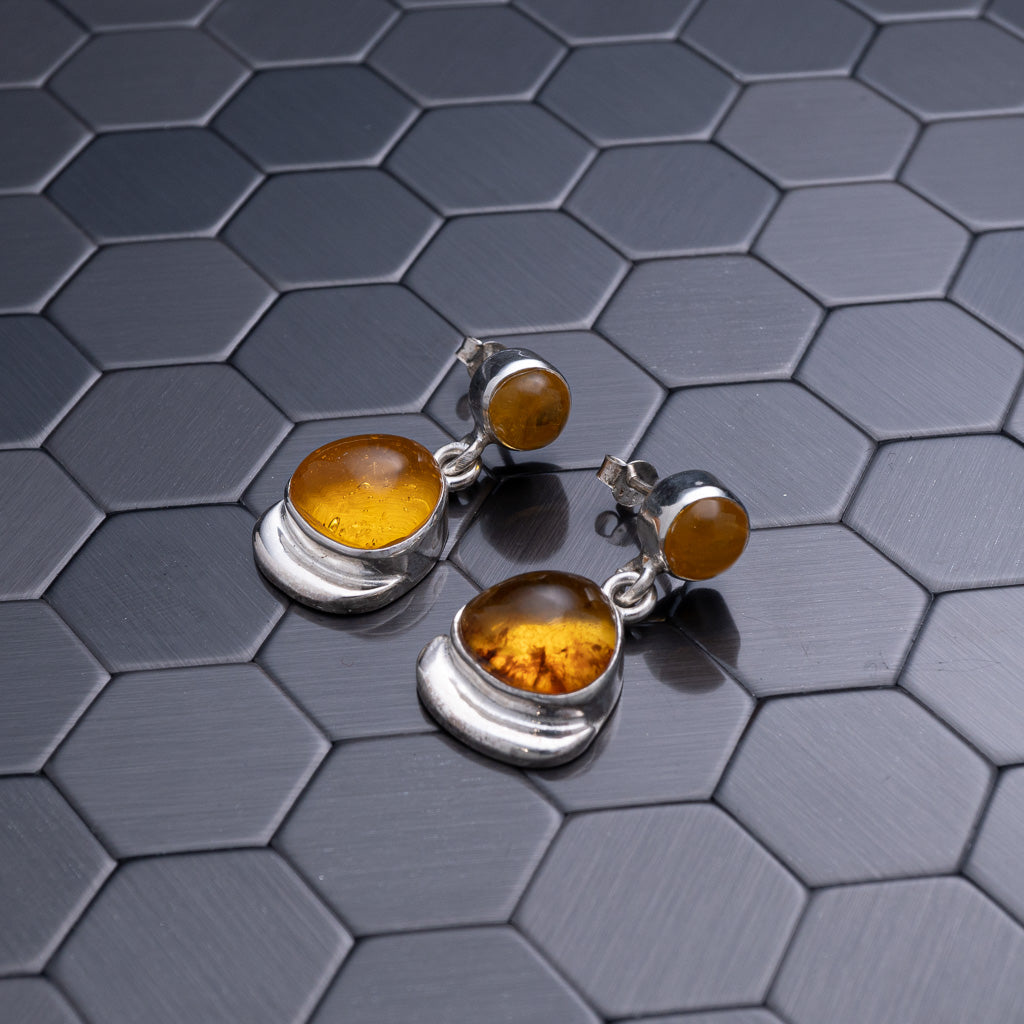


100% Handcrafted in DR.

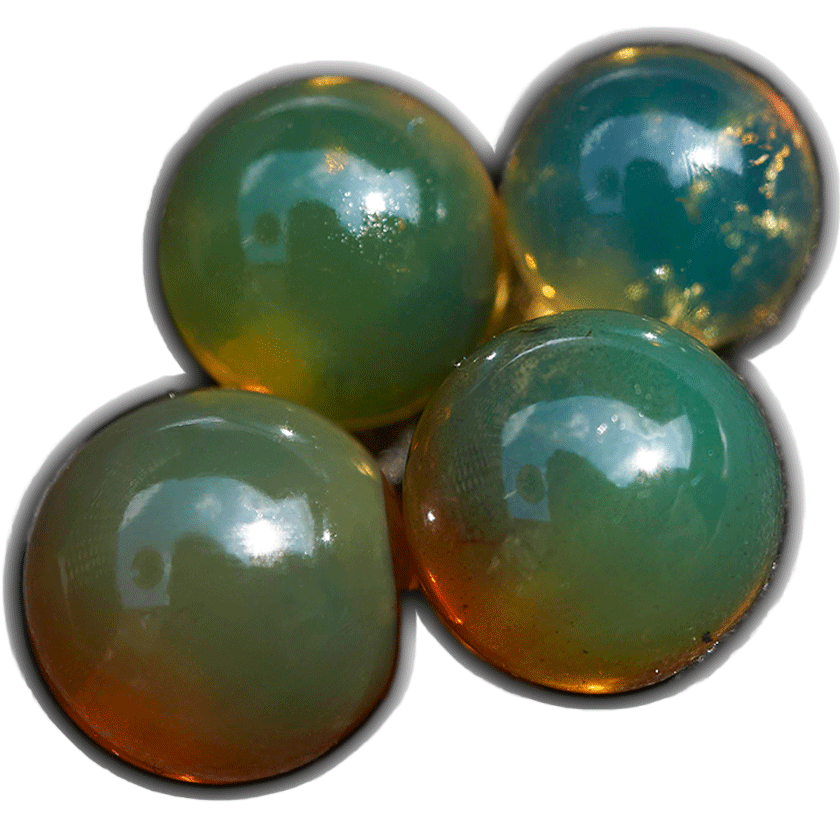
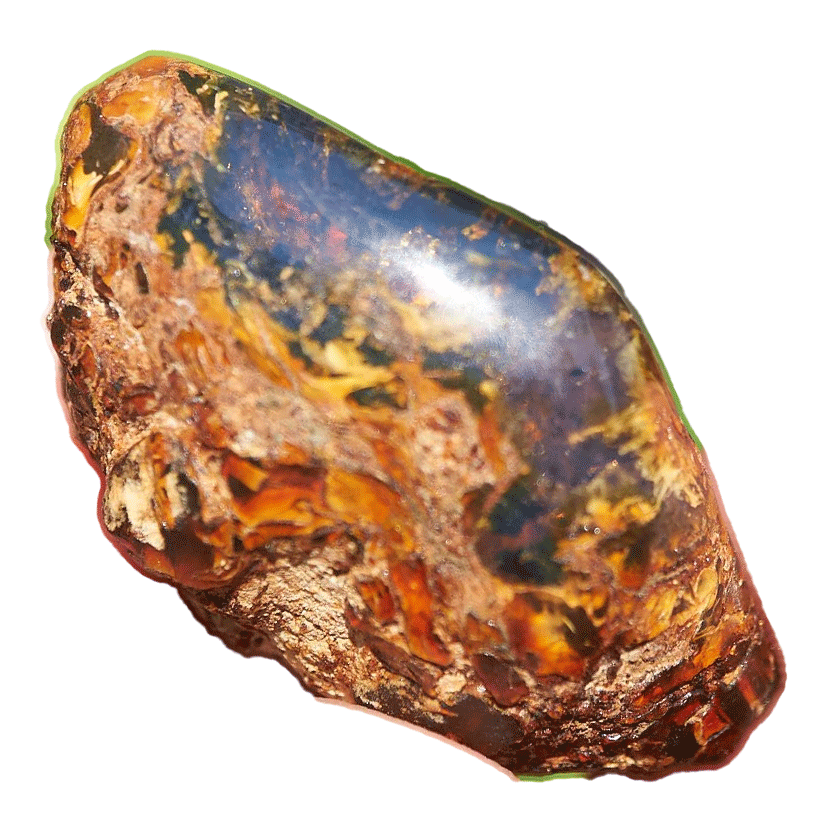
The allure of gemstones has captivated humanity for millennia, with green and blue varieties holding a particularly special place in jewelry collections worldwide. These colors evoke the tranquility of tropical waters, the depth of ancient forests, and the serenity of clear skies. Whether you're a seasoned collector or someone searching for the perfect piece to complement your style, understanding the diversity within green and blue gemstone options helps you make informed decisions about quality, value, and authenticity. From the rare larimar found exclusively in the Dominican Republic to the timeless elegance of emeralds and sapphires, these gemstones offer a spectrum of choices for every taste and budget.
The captivating hues of a green and blue gemstone result from complex interactions between light and the stone's chemical composition. Trace elements within the crystal structure absorb specific wavelengths of light, allowing others to reflect back to our eyes. Copper, for instance, creates the stunning blue-green shades found in turquoise and larimar, while chromium produces the intense green of emeralds.
The chemical and structural causes of color in natural gemstones demonstrate how even minute variations in mineral content can dramatically alter appearance. Iron can shift a stone toward blue or green depending on its oxidation state and concentration. Vanadium contributes to the rich green tones in tsavorite garnets, while titanium paired with iron creates the deep blue of sapphires.
Not all green and blue gemstones display the same intensity of color. Gemologists evaluate stones based on three primary characteristics:
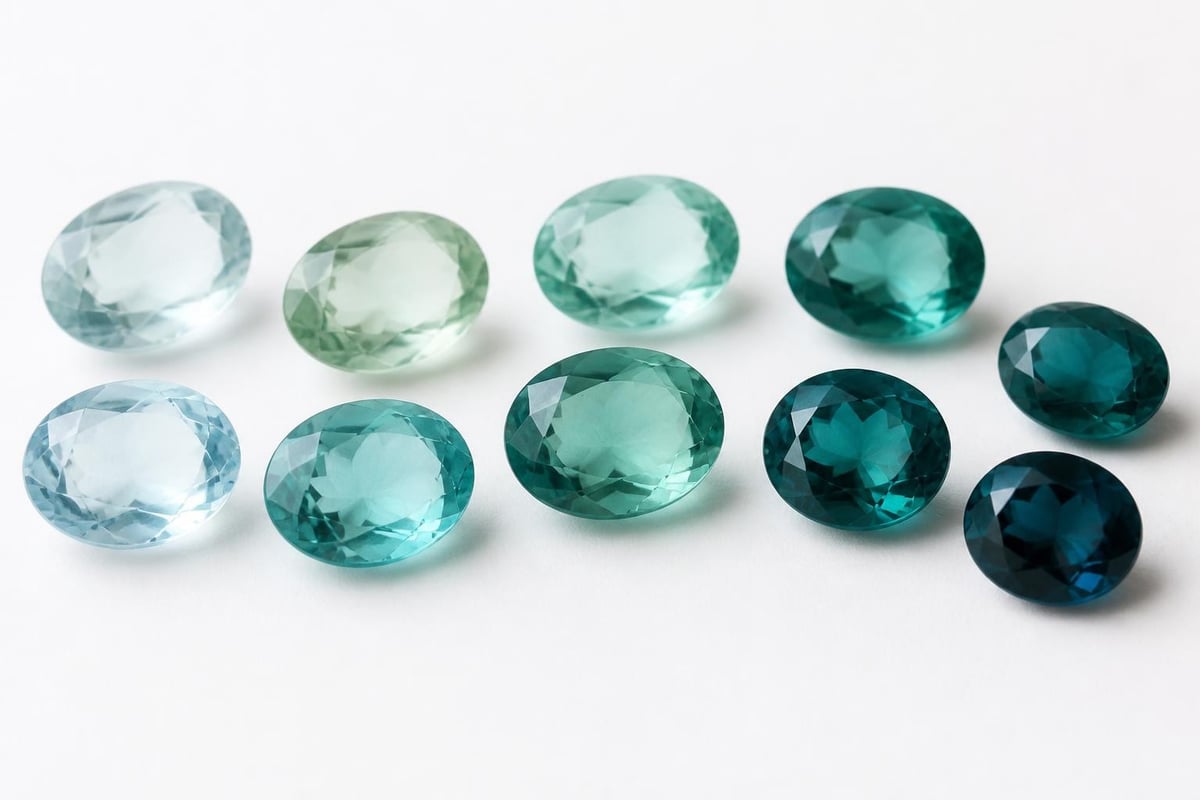
Stones with medium to medium-dark tones and high saturation typically command premium prices. However, lighter stones like aquamarine possess their own charm, offering delicate elegance that appeals to those preferring subtler jewelry pieces. Understanding these distinctions helps buyers articulate their preferences and recognize quality when shopping.
The diversity of blue gemstones offers options ranging from affordable everyday wear to investment-grade rarities. Each variety brings unique characteristics that influence its suitability for different jewelry applications and personal styles.
Sapphire represents the benchmark against which many blue stones are measured. Composed of corundum with titanium and iron impurities, sapphires rank 9 on the Mohs hardness scale, making them exceptionally durable for all jewelry types. Kashmir sapphires with their velvety cornflower blue remain the most coveted, though Sri Lankan and Montana varieties also command respect among collectors.
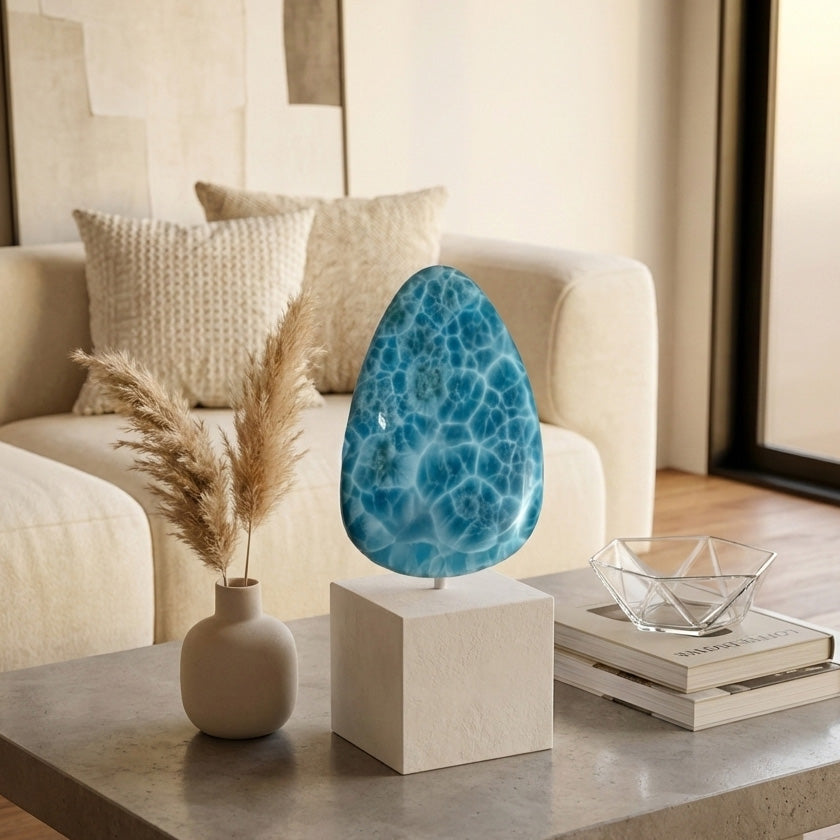
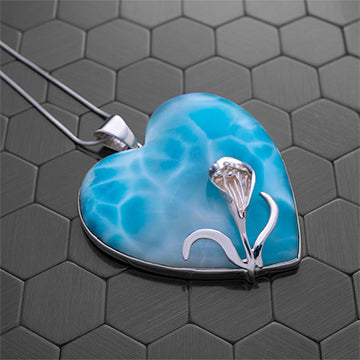
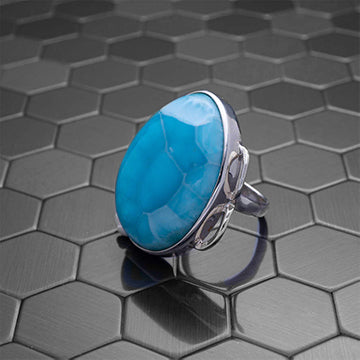
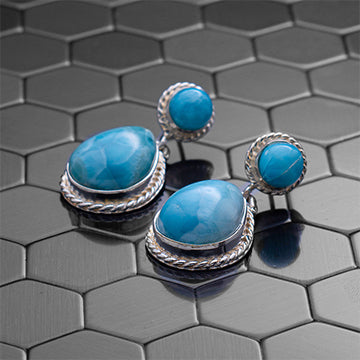
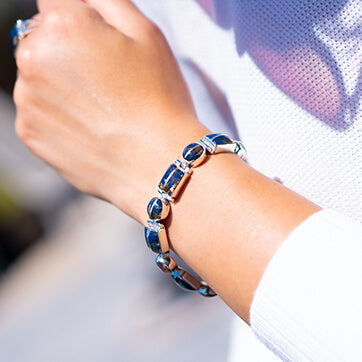
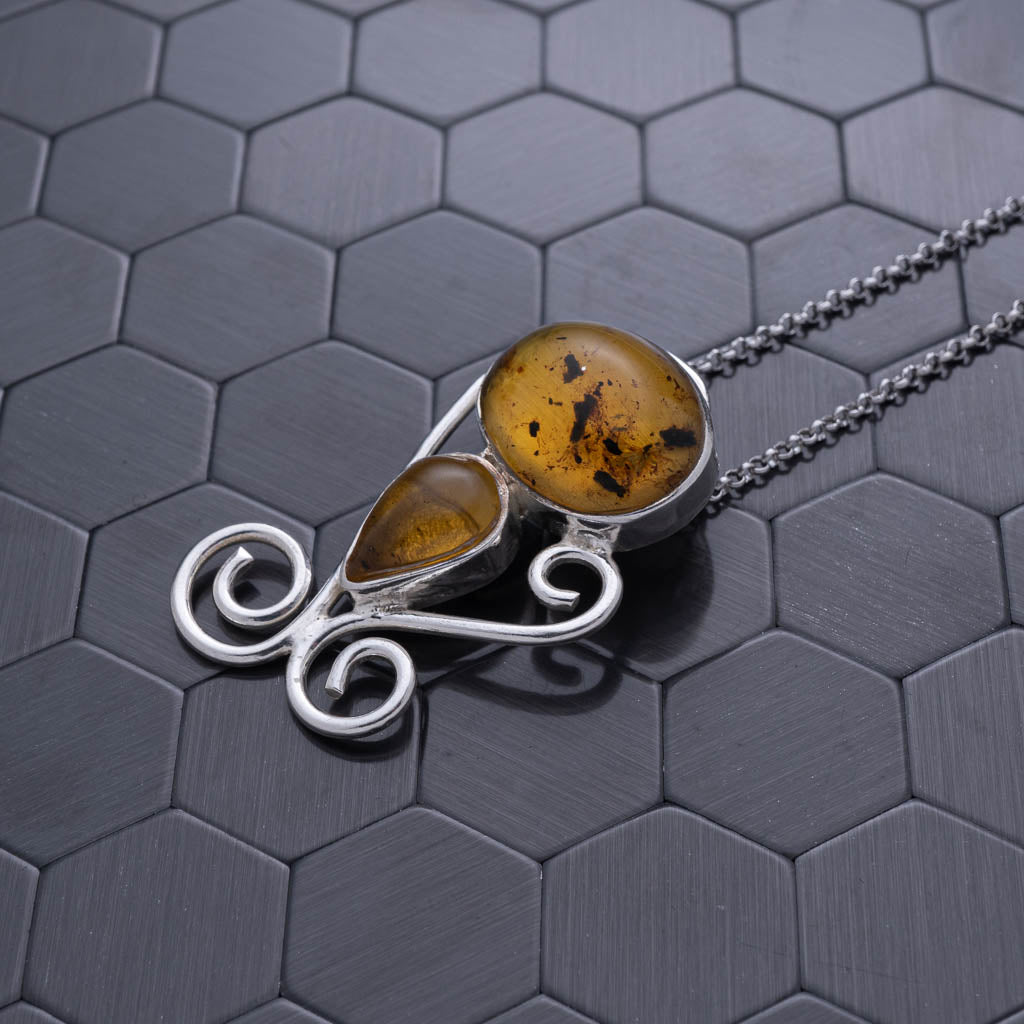
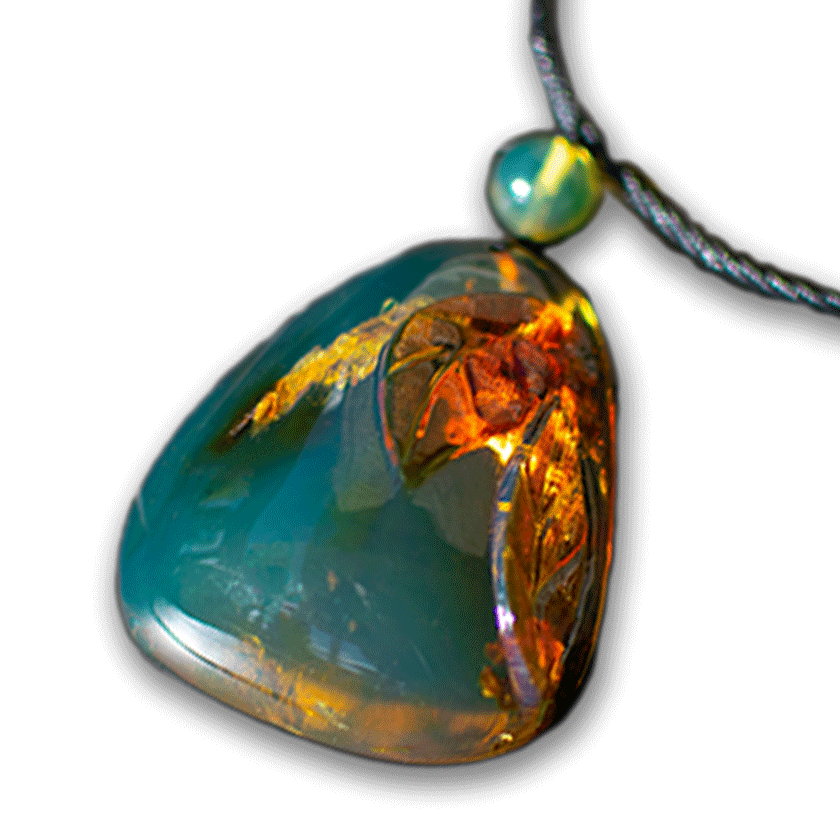
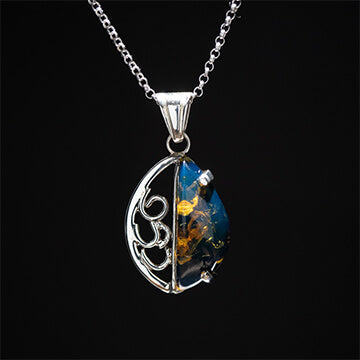
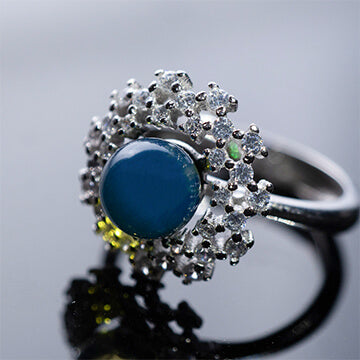
Exclusively mined in the Dominican Republic, larimar displays mesmerizing patterns of sky blue to deep ocean tones. This pectolite variety owes its coloration to copper substitution within its crystal structure. The stone's unique volcanic origins and limited geographic source make authentic larimar increasingly valuable. When crafted into Larimar Pendants, these stones showcase their distinctive cloud-like patterns, creating wearable art that captures the essence of Caribbean waters.
| Gemstone | Hardness | Color Range | Primary Sources | Price Point |
|---|---|---|---|---|
| Aquamarine | 7.5-8 | Pale to medium blue | Brazil, Pakistan, Madagascar | Moderate |
| Blue Topaz | 8 | Sky to London blue | Brazil, Sri Lanka, Nigeria | Affordable |
| Tanzanite | 6-7 | Violet-blue | Tanzania only | Premium |
| Lapis Lazuli | 5-6 | Deep blue with gold flecks | Afghanistan, Chile | Moderate |
Aquamarine, a beryl family member, offers exceptional clarity and a refreshing pale blue reminiscent of clear ocean shallows. Blue topaz, frequently treated to enhance color, provides an affordable alternative with excellent brilliance and fire.
The spectrum of green gemstones encompasses an impressive range from the prestigious to the accessible. Green stones carry associations with growth, renewal, and prosperity across various cultures, making them meaningful choices for special occasions.
Colombian emeralds set the standard for this precious stone, though Zambian and Brazilian sources produce exceptional specimens. The jardin (French for garden) refers to the characteristic inclusions that distinguish natural emeralds from synthetic counterparts. These internal features don't necessarily diminish value; instead, they serve as fingerprints verifying natural origin.
Treatment history significantly impacts emerald valuation. Most emeralds receive cedar oil or resin treatments to improve clarity, a practice accepted within the industry when disclosed. Untreated emeralds with good color and clarity command substantial premiums.
Several gemstone species produce green specimens through different trace elements:
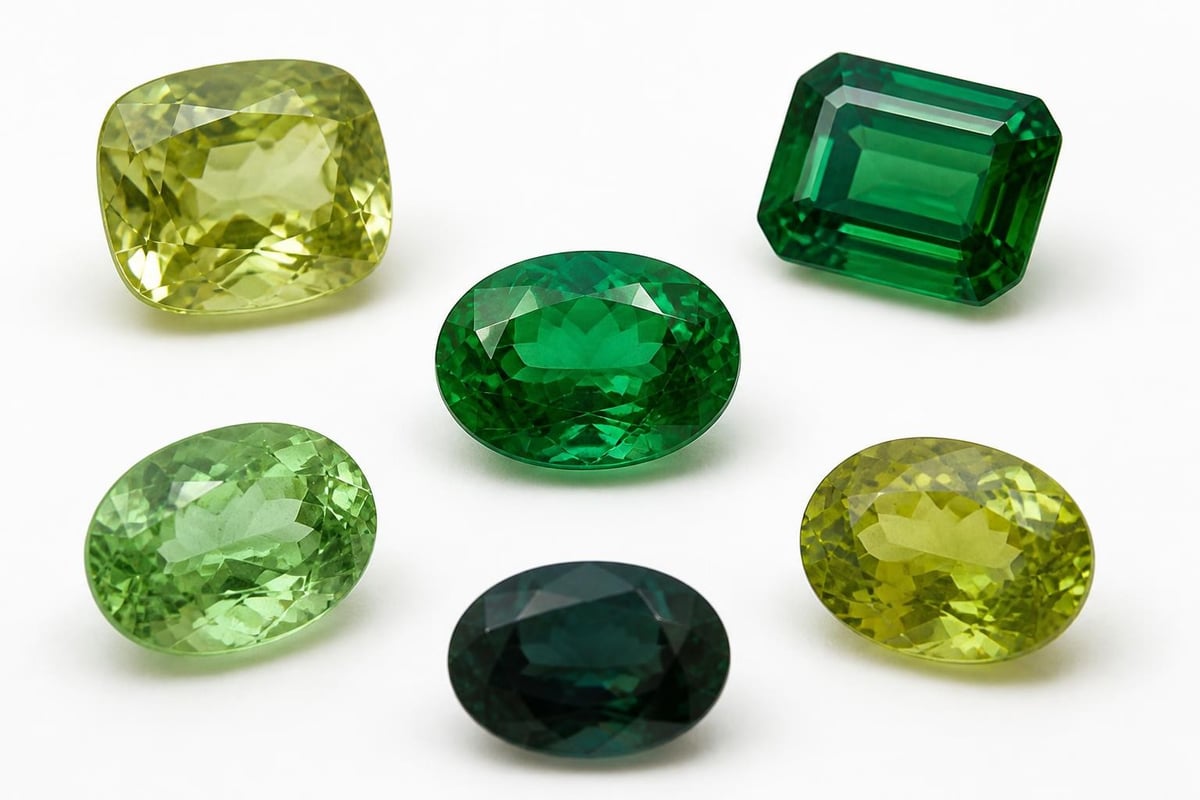
The characteristics and applications of green gemstones vary considerably based on hardness, clarity, and color intensity. Selecting the appropriate stone for specific jewelry applications requires understanding these properties.
Some of nature's most captivating stones resist simple categorization as purely blue or green. These transitional hues create distinctive appearances that appeal to those seeking something beyond traditional color boundaries. A green and blue gemstone in this category offers the best of both chromatic worlds.
Discovered in Brazil's Paraiba state in the 1980s, this copper-bearing tourmaline displays an electric blue-green unlike any other natural gemstone. Mozambique and Nigeria now produce similar material, though Brazilian specimens command the highest prices. The intensity of color in fine Paraiba tourmaline seems to glow from within, creating an almost supernatural appearance.
Apatite occurs in stunning neon blue-green shades rivaling Paraiba tourmaline at a fraction of the cost. However, its relatively low hardness (5 on Mohs scale) limits its use to earrings and pendants rather than rings. Amazonite, a feldspar variety, displays milky blue-green tones with distinctive white streaking, offering an affordable option for larger carved pieces and beads.
The popularity of blue-green stones reflects broader design trends favoring unique, expressive jewelry. These transitional colors complement both warm and cool skin tones while making distinctive style statements.
Understanding quality factors helps buyers distinguish exceptional specimens from mediocre examples. Whether shopping for a green and blue gemstone or any colored stone, consistent evaluation criteria apply across varieties.
While diamonds rely on the traditional Four Cs (cut, clarity, color, carat), colored gemstone evaluation prioritizes differently:
Color dominates valuation, typically accounting for 50-70% of a colored stone's value. The most desirable hues demonstrate pure, vivid coloration without brown or gray modifying tones. Medium to medium-dark tones generally prove most appealing, though this varies by gemstone type.
Clarity expectations differ significantly between species. Emeralds naturally contain numerous inclusions, while aquamarines typically display excellent transparency. Understanding species-specific clarity standards prevents unrealistic expectations.
Cut quality maximizes color and brilliance. Skilled lapidaries orient stones to display optimal color while maintaining good proportions. Poorly cut stones appear windowed (washed out in the center) or overly dark.
Carat weight influences price, though not linearly. Larger stones of fine quality become exponentially rarer, creating dramatic price increases at certain weight thresholds.
| Treatment Type | Permanence | Detection | Acceptability |
|---|---|---|---|
| Heat Treatment | Permanent | Sometimes difficult | Widely accepted |
| Oiling/Resin | May need reapplication | Relatively easy | Accepted with disclosure |
| Dyeing | Variable | Usually detectable | Requires disclosure |
| Irradiation | Usually permanent | Difficult | Accepted with disclosure |
| Diffusion | Permanent | Laboratory testing | Controversial |
Reputable sellers disclose all treatments, allowing buyers to make informed decisions. Natural, untreated stones carry premiums reflecting their rarity, while treated stones offer beauty at accessible prices. Neither option is inherently superior; the choice depends on personal values and budget constraints.
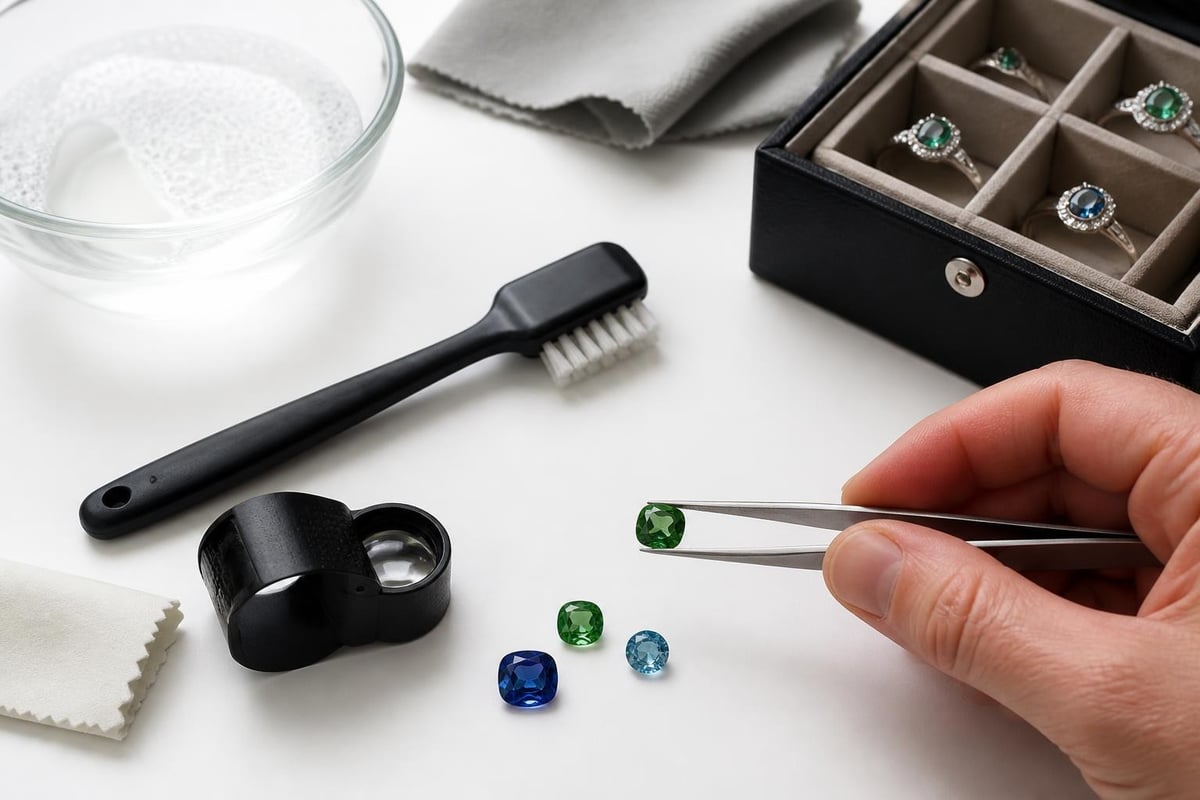
Proper care extends the life and beauty of any green and blue gemstone jewelry. Different stones require varying approaches based on their physical and chemical properties.
Hardness determines suitability for different jewelry applications. Stones rating 7 or higher on the Mohs scale tolerate daily ring wear, while softer materials suit occasional-wear pieces or protected settings. Remove jewelry during activities involving impact, chemicals, or abrasives regardless of stone hardness.
The comprehensive guide to blue gemstone care emphasizes prevention over intervention. Establishing protective habits prevents damage that even expert restoration cannot fully reverse.
Safe cleaning requires understanding your stone's vulnerabilities:
Emeralds and oiled stones require particular gentleness. Avoid prolonged water exposure and temperature extremes that might damage treatments or exploit natural fractures. Store pieces separately in soft pouches to prevent scratching from harder jewelry.
Throughout history, the primary colors of gemstones have carried profound symbolic meanings across diverse cultures. Blue stones traditionally represent truth, loyalty, and spiritual awareness, while green symbolizes growth, harmony, and prosperity.
Ancient Egyptians revered lapis lazuli, grinding it for cosmetics and incorporating it into funerary masks. Medieval Europeans associated sapphires with heaven and divine favor, favoring them for ecclesiastical rings. The historical significance of blue gemstones demonstrates their enduring appeal across millennia and civilizations.
Persian turquoise traveled ancient trade routes, adorning Ottoman sultans and Mongolian warriors alike. Its protective properties made it a favored talisman for travelers and soldiers. This tradition continues today, with blue stones frequently chosen for milestone gifts symbolizing trust and fidelity.
Emeralds adorned Cleopatra, who claimed exclusive mining rights to Egyptian deposits. Pre-Columbian cultures valued green jadeite above gold, carving it into ceremonial objects and royal insignia. Chinese tradition associates jade with virtue, beauty, and immortality, considering it the concentrated essence of heaven and earth.
Modern metaphysical practices attribute healing properties to various green and blue gemstones, from larimar's stress-relief associations to aquamarine's communication-enhancing reputation. While scientific evidence for these claims remains limited, the psychological benefits of wearing meaningful jewelry are well documented.
The gemstone market fluctuates based on discovery, depletion, and fashion influences. Understanding these factors helps buyers make strategic acquisition decisions, whether purchasing for enjoyment or investment.
Truly rare stones with limited geographic sources demonstrate stronger long-term value retention. Larimar's exclusive Dominican origin, tanzanite's single-source availability, and Paraiba tourmaline's scarcity support sustained demand even during economic downturns. Conversely, widely available materials face greater price volatility.
Quality always supersedes size for investment purposes. A fine two-carat sapphire outperforms a mediocre five-carat stone in both immediate value and appreciation potential. Color intensity, clarity relative to type, and cut quality determine investment-grade status more than measurements alone.
Current market conditions in 2026 reflect several converging trends:
Working with established dealers who provide certification from recognized gemological laboratories protects buyers from misrepresentation. Organizations like the Gemological Institute of America (GIA) and American Gemological Laboratories (AGL) offer independent verification of identity, origin, and treatment status.
Choosing a green and blue gemstone involves balancing aesthetic preferences with practical considerations. Personal style, intended use, and budget parameters all influence the optimal selection.
Setting style should complement the stone's characteristics while providing appropriate protection:
Metal choice affects color perception. White metals (platinum, white gold) enhance cool blue tones, while yellow gold warms green stones. Rose gold creates beautiful contrast with blue-green gems, offering contemporary appeal.
Honest assessment of wearing habits prevents disappointment and damage. Daily wear demands durable materials in protective settings. Occasional statement pieces allow greater flexibility for softer or more delicate stones. Consider these lifestyle factors:
Collectors building comprehensive portfolios might prioritize acquisition of representative examples from various species. Enthusiasts drawn to specific colors could focus on assembling stones demonstrating subtle hue variations within their preferred range.
Understanding the fascinating world of green and blue gemstones empowers you to make confident selections that align with your aesthetic vision and practical needs. Whether you're drawn to the Caribbean-inspired beauty of larimar or the classic elegance of traditional varieties, quality craftsmanship ensures your investment delivers lasting enjoyment. Larimar Creations specializes in transforming these exceptional stones into wearable art, offering worldwide shipping so customers everywhere can experience the unique beauty of expertly crafted gemstone jewelry. Explore their collection today to discover pieces that capture the mesmerizing essence of ocean and sky.