
Larimar
Blue Amber
Green Amber
Amber Carvings
More

by Admin November 25, 2026 6 min read

A tiny mosquito suspended in honey-gold resin. A fern fragment held in a clear blue glow. A trail of prehistoric ants that appears to have stopped mid-journey. This guide to Dominican amber inclusions helps you look beyond the surface of a gemstone and understand what makes these preserved scenes so compelling to collectors, jewelry lovers, and anyone drawn to the Caribbean’s rare natural treasures.

Dominican amber is celebrated for its remarkable clarity and rich range of colors, from warm cognac and golden yellow to the elusive fluorescent blue amber found only in limited deposits. When it contains a natural inclusion, it becomes more than beautiful material for a pendant, cabochon, or carving. It is a small window into an ancient tropical forest.

What Dominican Amber Inclusions Are

Amber began as resin released by prehistoric trees. Over immense spans of time, that resin hardened and fossilized. While still sticky, it could capture small pieces of the living world around it: insects, plant matter, spores, feathers, and occasional air or water pockets. These are called inclusions.

The Dominican Republic produces amber from a forest ecosystem estimated to be roughly 15 to 20 million years old. Its resin is especially valued because it can be exceptionally transparent, allowing inclusions to remain visibly detailed. A well-preserved insect may show wings, legs, compound eyes, or fine body hairs. Plant inclusions can reveal veins, seeds, petals, and delicate branching that would rarely survive in other fossil settings.

No two inclusion specimens are alike. That individuality is central to their appeal. A polished amber pendant with a single, visible insect has its own history and character, while a cabochon with layered leaves or a lively cluster of tiny organisms can feel like a complete prehistoric scene.

A Guide to Dominican Amber Inclusions by Type

Not every inclusion carries the same rarity, visual impact, or collector interest. Value depends on what is preserved, its condition, its position within the amber, and how clearly it can be seen.

Insects and arthropods

Insects are often the first inclusions people picture, and for good reason. Dominican amber is famous for preserving ants, flies, mosquitoes, beetles, termites, wasps, spiders, and other small arthropods with extraordinary detail. Common specimens can still be captivating, especially when the insect is complete and naturally posed.

Rarer inclusions tend to command more collector attention. A specimen may be desirable because it belongs to an uncommon group, shows fine anatomical details, or captures an unusual interaction, such as an insect near plant debris or another organism. Completeness matters, but it is not the only measure. A partial insect with striking wings or a sharply visible head may be more visually appealing than a complete specimen obscured by cloudiness.

Botanical material

Leaves, stems, flowers, seeds, bark, fungi, and moss-like fragments bring a softer, more romantic character to amber. Botanical inclusions often create beautiful compositions for jewelry because they can appear airy and organic rather than specimen-like.

Plant matter is sometimes less rare than a distinctive insect, but it can be equally desirable when the arrangement is elegant and the amber is clear. A single fern-like sprig in golden amber can make a meaningful, wearable piece of the Caribbean. Multiple layers of vegetation can also create depth, particularly in a larger carving or collector cabochon.

Air bubbles, water pockets, and flow lines

Bubbles and resin flow lines are natural features, though they are not biological inclusions. They can add movement and authenticity to amber, resembling tiny champagne bubbles or waves frozen beneath the surface. In some pieces, they enhance the visual story. In others, especially where a buyer wants a crisp view of an insect, they can block important details.

A bubble should not automatically be considered a flaw. It depends on the purpose of the piece. For a collector specimen, transparency around the fossil is usually the priority. For artisan jewelry, a graceful bubble trail may contribute to the stone’s character.

Multiple inclusions and natural scenes

Amber containing more than one element can be especially evocative. An ant beside a leaf fragment, small insects gathered in one area, or plant debris suspended at different depths can suggest a moment from the ancient forest floor.

These scenes are not necessarily more valuable simply because they are crowded. Clarity and composition matter. A few well-spaced inclusions in transparent amber may be more compelling than a densely packed specimen where nothing can be clearly identified. The finest pieces balance rarity with visibility.

How to Assess an Inclusion Specimen

When choosing Dominican amber with inclusions, begin with what your eye can genuinely enjoy. The most technically rare inclusion is not always the right choice if it is difficult to see or does not speak to you. A piece intended for a ring, pendant, or gift should also be assessed differently from a scientific-style collector specimen.

First, look at clarity. High-quality Dominican amber may be crystal clear, lightly hazy, or richly clouded. Clear material offers the best view into the stone, but a slight veil can make an inclusion feel atmospheric and natural. Heavy cloudiness may conceal the specimen, so ask whether the inclusion remains visible from the angles you will actually wear or display.

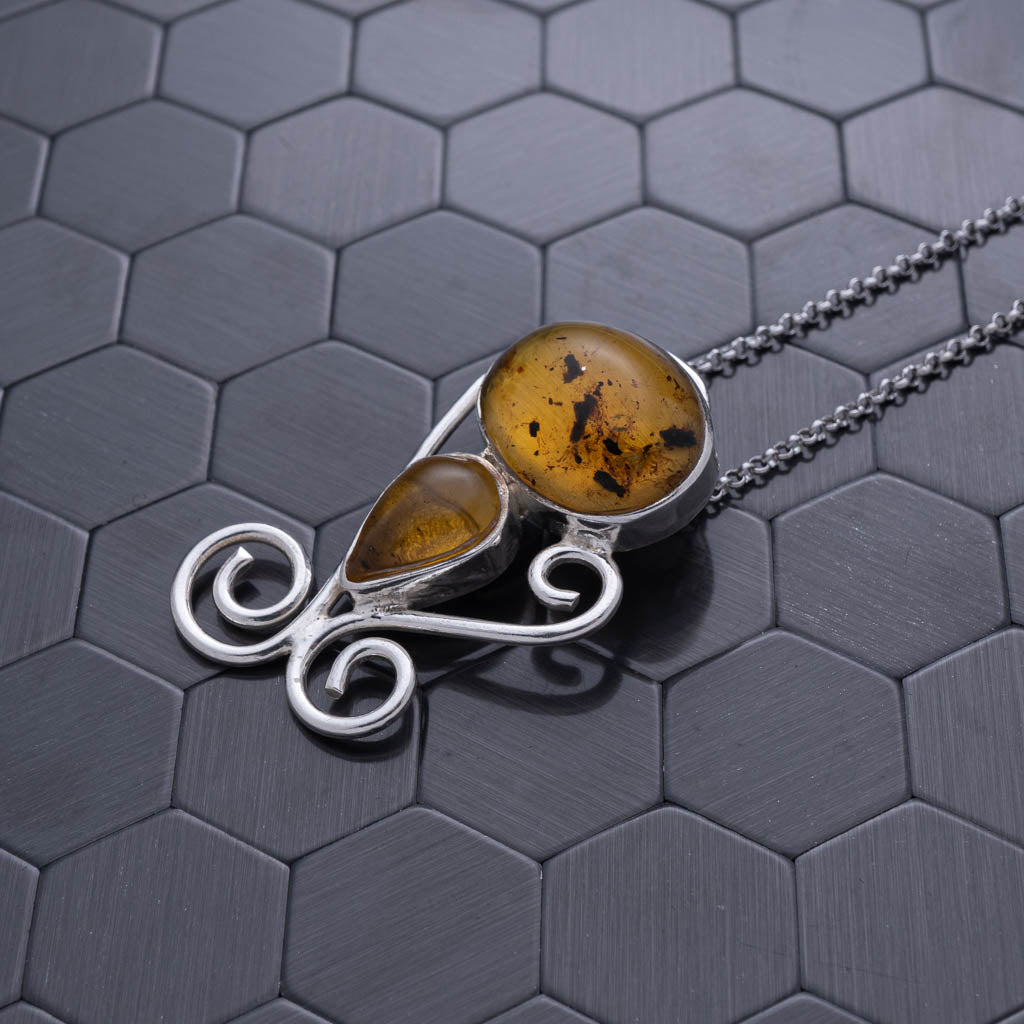
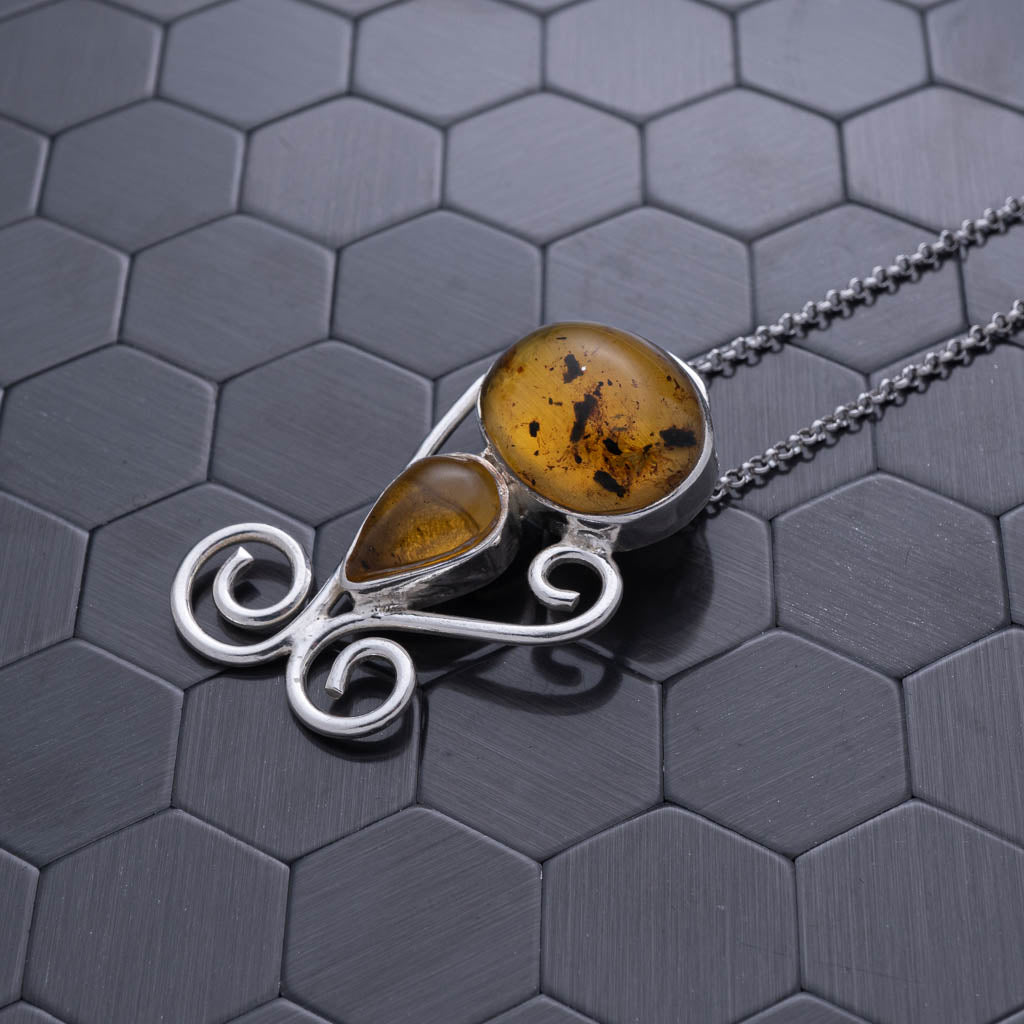
Next, consider the inclusion’s placement. A fossil near the center of the amber usually has more protection from surface wear and can be viewed from several sides. An inclusion close to the surface may be easier to see but can be more vulnerable during cutting, polishing, or setting. A skilled artisan considers these factors when shaping an amber cabochon or creating a secure jewelry setting.

Then examine the condition of the amber itself. Natural internal lines, tiny bubbles, and minor surface texture are part of amber’s organic origin. However, prominent fractures that reach the surface may affect durability. Amber is softer than most gemstones, so inclusion jewelry deserves thoughtful wear and storage.

Finally, distinguish visual appeal from scientific rarity. A golden pendant containing a perfectly centered mosquito can make an unforgettable gift even if mosquitoes are relatively familiar in Dominican amber. A rare but tiny insect may be better suited to a serious collector who appreciates identification and provenance. Neither choice is inherently better. They serve different kinds of appreciation.

Authenticity Matters More Than Drama

The market for amber includes genuine fossil amber, younger copal, treated material, composite pieces, and imitations made from plastic or resin. For a buyer, the most reassuring starting point is a trusted specialist that clearly identifies the material, origin, and any relevant treatment.

Copal is natural tree resin but has not undergone the long fossilization process that creates true amber. It may contain insects as well, which is why a visible bug alone is not proof of age or value. Likewise, very dramatic inclusions should be approached with discernment. A specimen that seems too perfectly arranged, unusually large, or poorly integrated with the surrounding resin may warrant closer evaluation.

Natural inclusions tend to have depth. They should appear held within the amber rather than sitting on a surface or inside an obvious seam. Under magnification, a genuine specimen may show subtle resin flow around it, natural body positioning, and tiny details that feel integral to the material. Still, visual inspection is not a substitute for informed sourcing. Authenticity documentation and reputable provenance are especially meaningful when purchasing higher-value fossil pieces.

At Larimar Creations, Dominican gemstones are selected with the same respect for origin that makes Caribbean stones worth collecting. Whether you choose a polished amber piece for daily wear or a fossil-rich cabochon for a collection, authentic material is the foundation of lasting beauty.

Blue Amber and Inclusions: A Rare Pairing

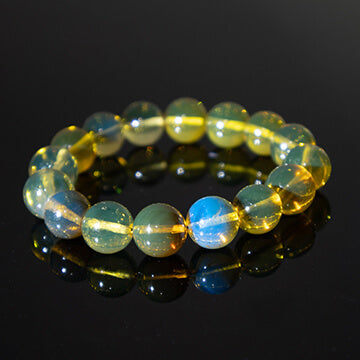
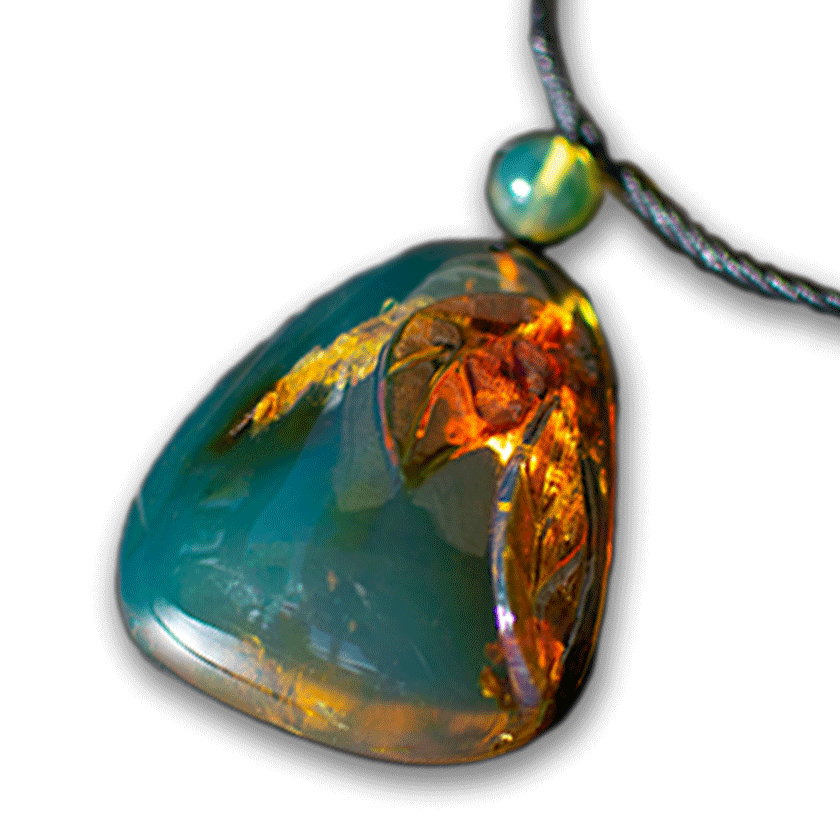
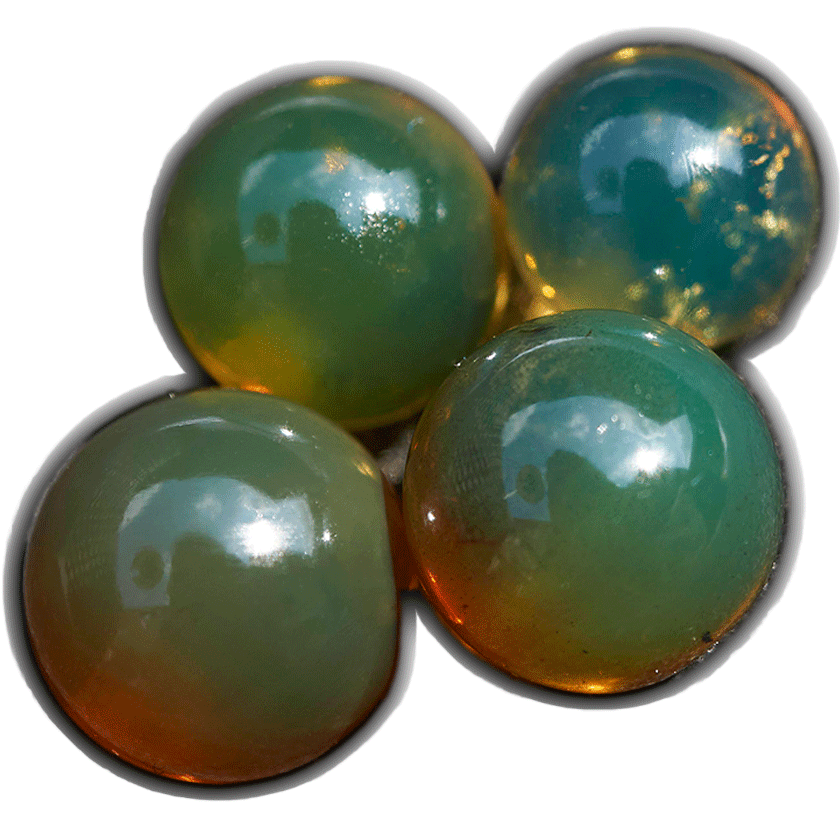
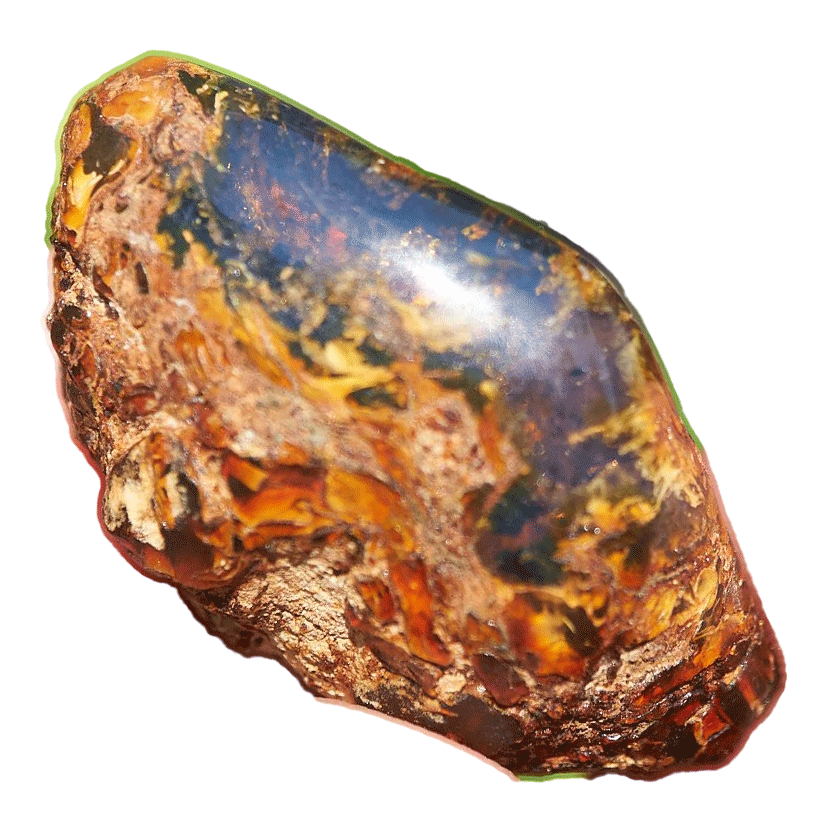
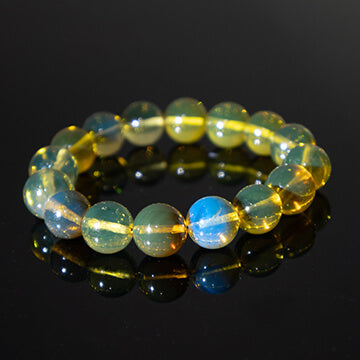
Dominican blue amber is prized for an optical phenomenon: under sunlight or ultraviolet light, certain pieces display an electric blue fluorescence. In normal indoor light, the same stone may look pale honey, golden, or even slightly greenish. This changing color makes blue amber one of the Caribbean’s most distinctive gemstone treasures.

Inclusions in blue amber are particularly fascinating, but the trade-off is visibility. Strong fluorescence can transform the background color and create a magical contrast around an insect or leaf. Yet depending on the angle and lighting, the blue effect may make fine inclusion details harder to inspect than they would be in transparent golden amber.

If you are choosing blue amber with an inclusion, view it in several lighting conditions. Daylight reveals the blue phenomenon; soft indoor light may show the fossil’s details more clearly. A piece that is beautiful in both settings offers a rare combination of optical drama and natural history.

Caring for Inclusion Amber Jewelry

An inclusion deserves gentle handling because amber is an organic gem. Clean it with a soft, dry or barely damp cloth, then dry it immediately. Avoid ultrasonic cleaners, steam, perfume, hairspray, household chemicals, prolonged heat, and direct sun exposure. These can dull the surface or stress the material over time.

Store amber separately from harder gems such as diamonds, sapphires, and quartz. A soft pouch or lined jewelry box helps prevent scratching. For rings and bracelets, reserve your amber for occasions when it will not be knocked against hard surfaces. Pendants and earrings are often easier options for frequent wear.

Choose the inclusion that holds your attention, not simply the one with the longest list of claims. A clear golden stone with a quietly preserved leaf, a lively insect suspended in warm amber, or a blue amber glow framing an ancient fragment can each offer something irreplaceable: a natural piece of the Caribbean, shaped by time and made personal by the person who wears it.

What Is Natural Amber? Origin, Types and Identification

What Is Natural Amber? Origin, Types and Identification

8 min read

Learn what natural amber is, how it forms, which colors and types exist, and how to tell genuine amber from copal, pressed amber and plastic imitations.
Read More
Amber Gemstone Jewelry: A Guide to Buying Authentic Pieces - Larimar Creations

Amber Gemstone Jewelry: A Guide to Buying Authentic Pieces

8 min read

Learn how to spot genuine amber, compare types and colors, and care for your pieces, with practical tips for buying amber gemstone jewelry with confidence.
Read More
A Guide to Dominican Amber Inclusions for Collectors - Larimar Creations

A Guide to Dominican Amber Inclusions for Collectors

6 min read

Use this guide to Dominican amber inclusions to recognize genuine fossil scenes, assess clarity and rarity, and choose Caribbean treasure with care.
Read More