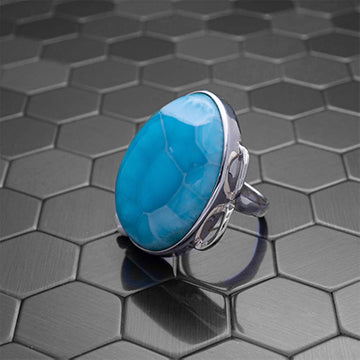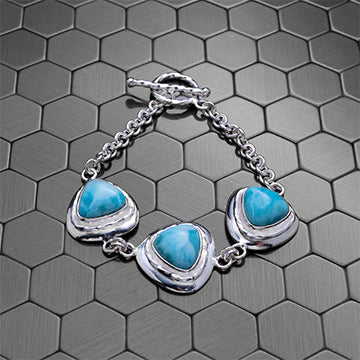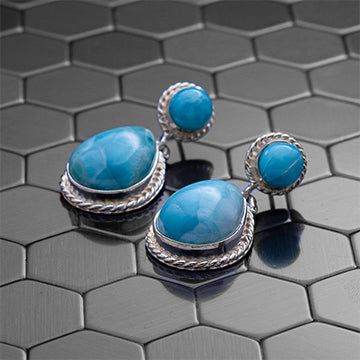


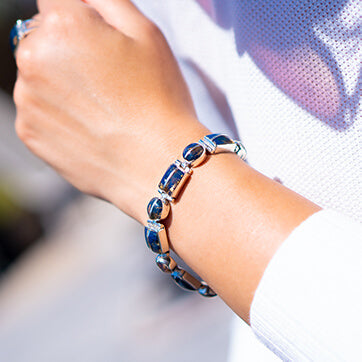
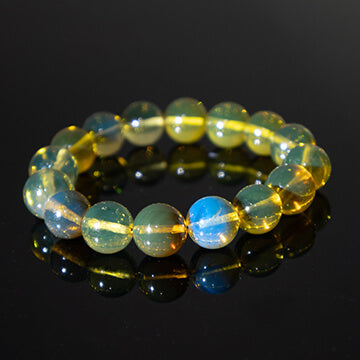
Handcrafted in DR.

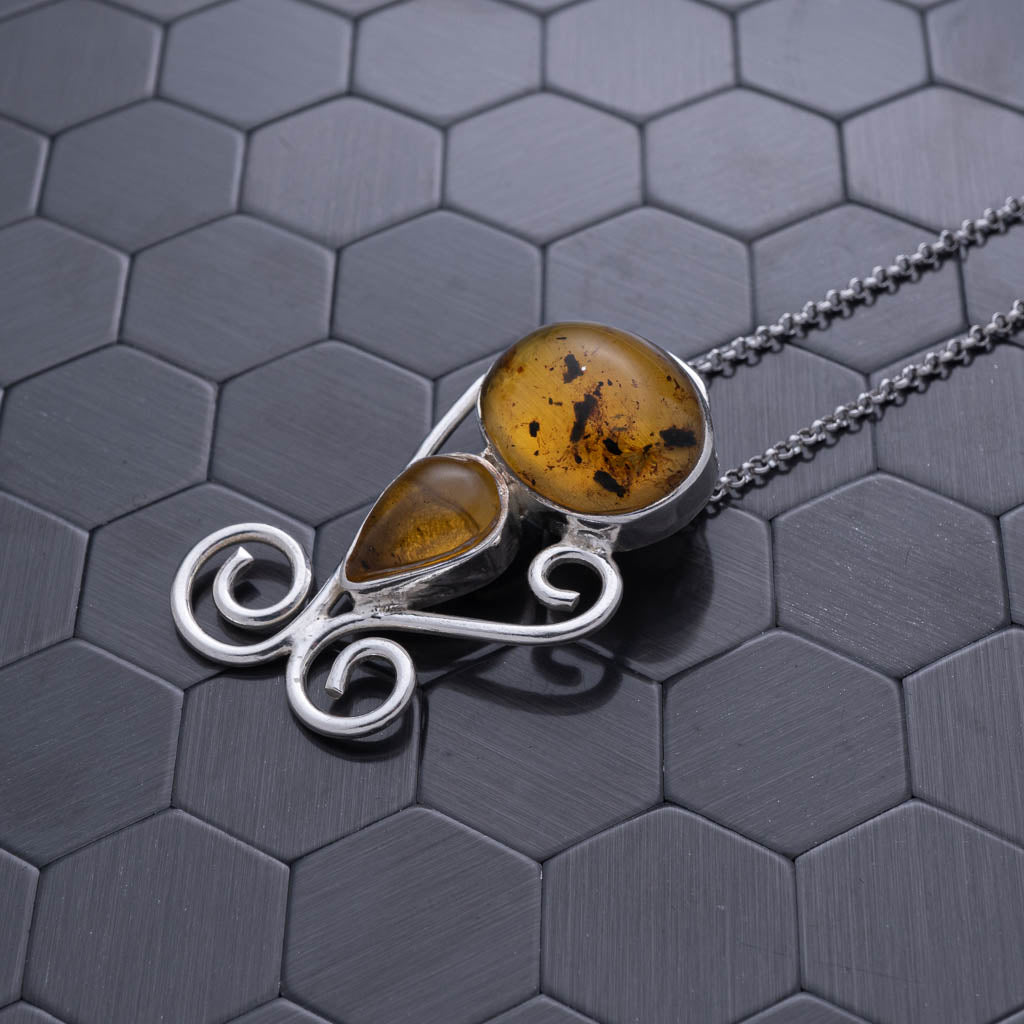
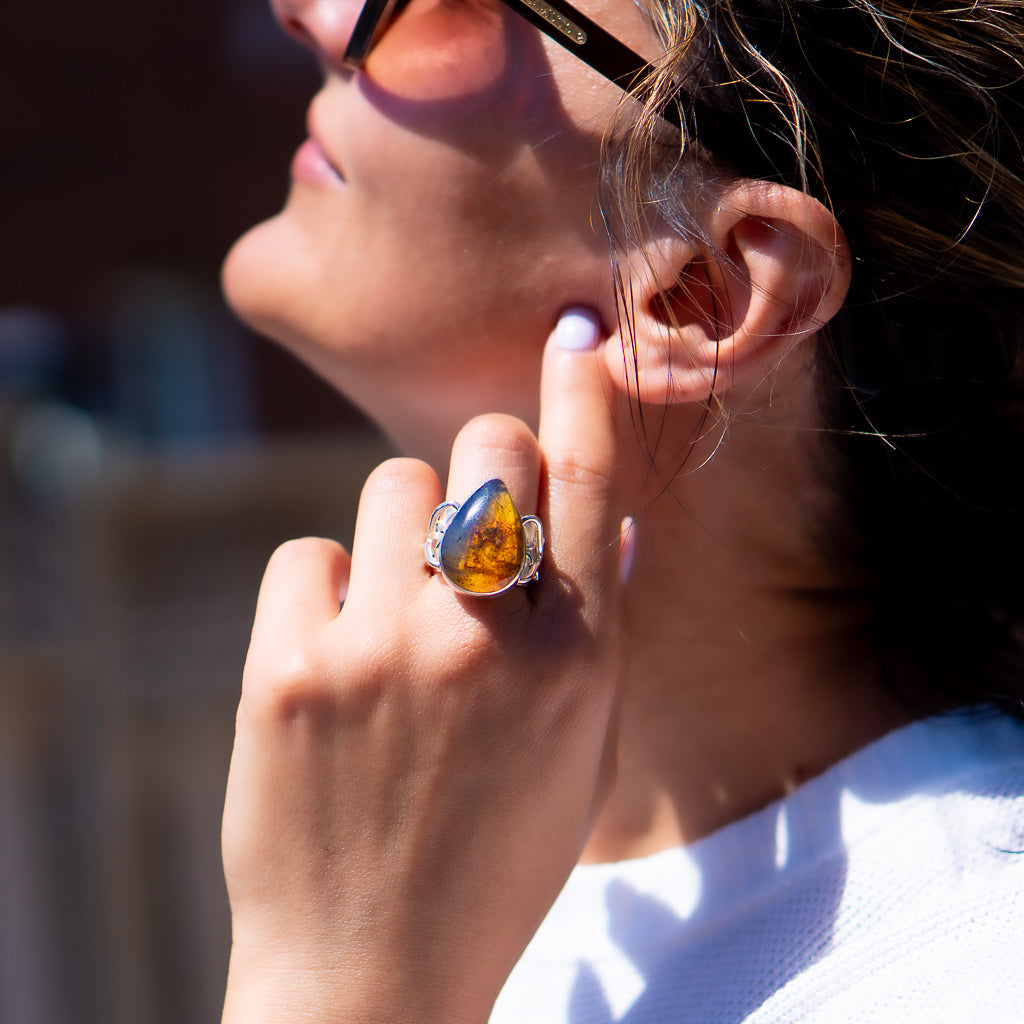
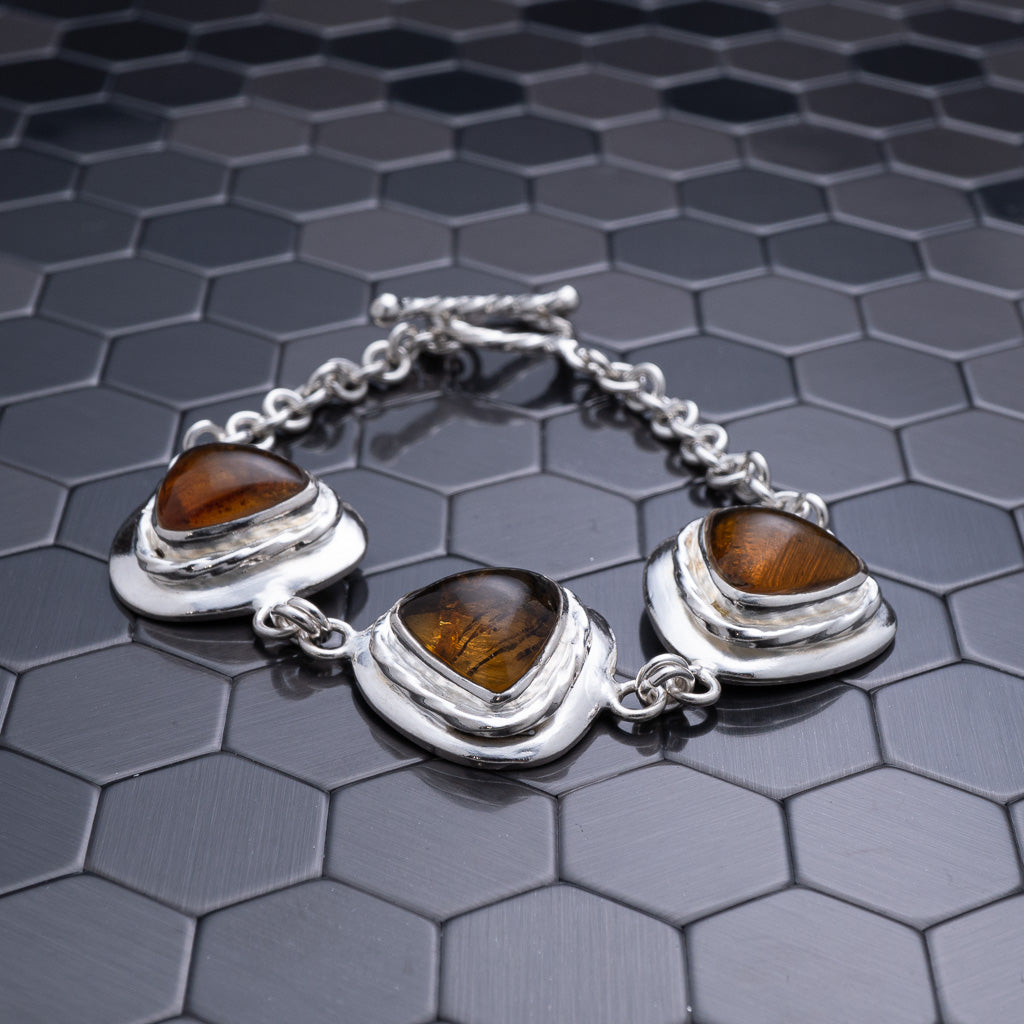
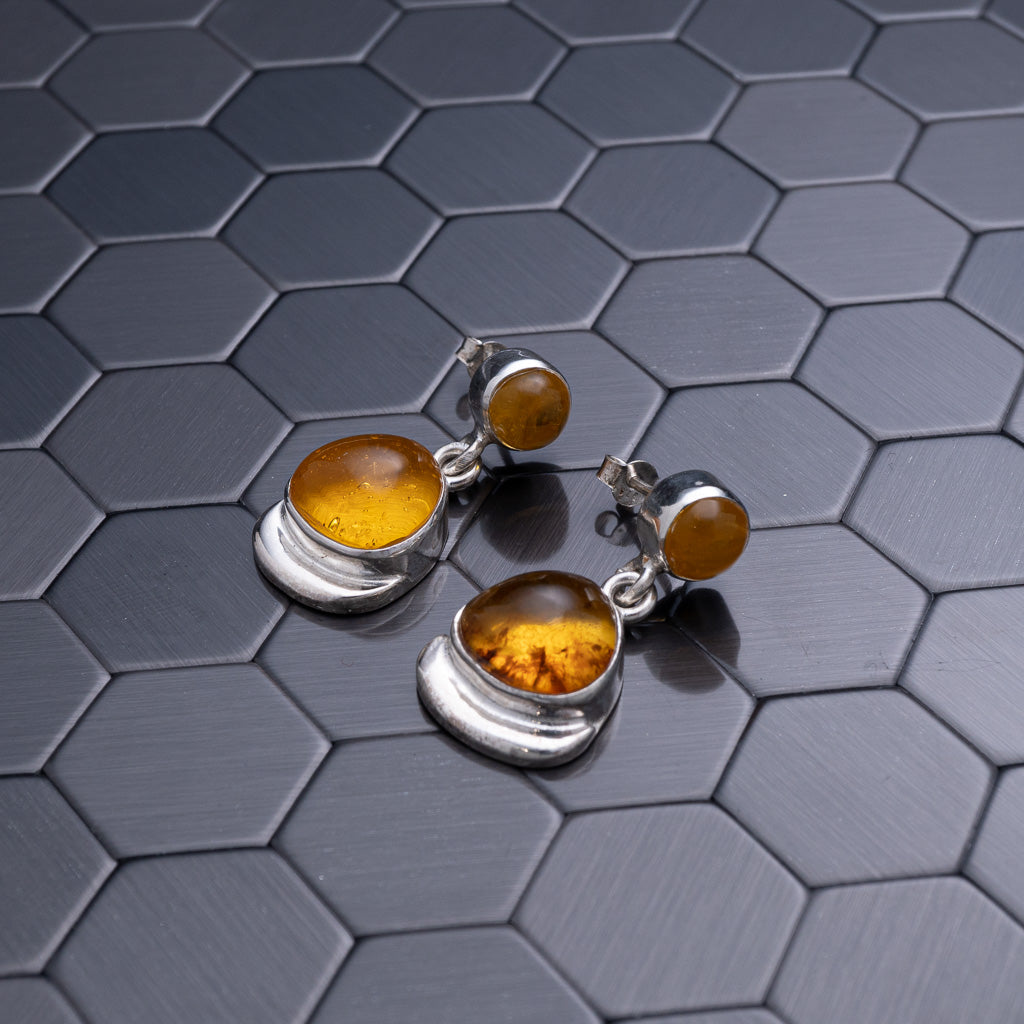


100% Handcrafted in DR.

Large pendants work best when the size of the stone, the length of the chain, and the shape of your neckline are chosen together. A pendant of substantial size makes a bold statement, so the goal is to select one that looks intentional, sits comfortably, and fits the way you actually dress. This guide walks you through each decision in order, from defining your style to caring for the finished piece.
A large pendant is generally any pendant that measures roughly 1.5 inches or more in its longest dimension, though size alone does not define the category. Size alone does not define the category, though. Weight, thickness, and visual presence all affect how a pendant behaves when worn.
A thin, flat pendant can feel lighter than a thick cabochon of the same length. For this reason, check both the dimensions and the weight before you buy.
A pendant also adds visible drop below the point where the chain naturally rests, and a heavy pendant can pull the chain down at the front, as the measuring guide at Sizely explains. Plan for that drop when you choose the chain length.
Start by deciding what you want the pendant to say, because style determines every later choice. Most buyers fall into one of three broad directions:
If you are buying a gift, think about what the recipient already wears. Look at her existing jewelry for metal color, shape preference, and scale. A woman who wears small studs and thin chains may prefer a large pendant in a quiet, rounded form rather than a dramatic freeform piece.
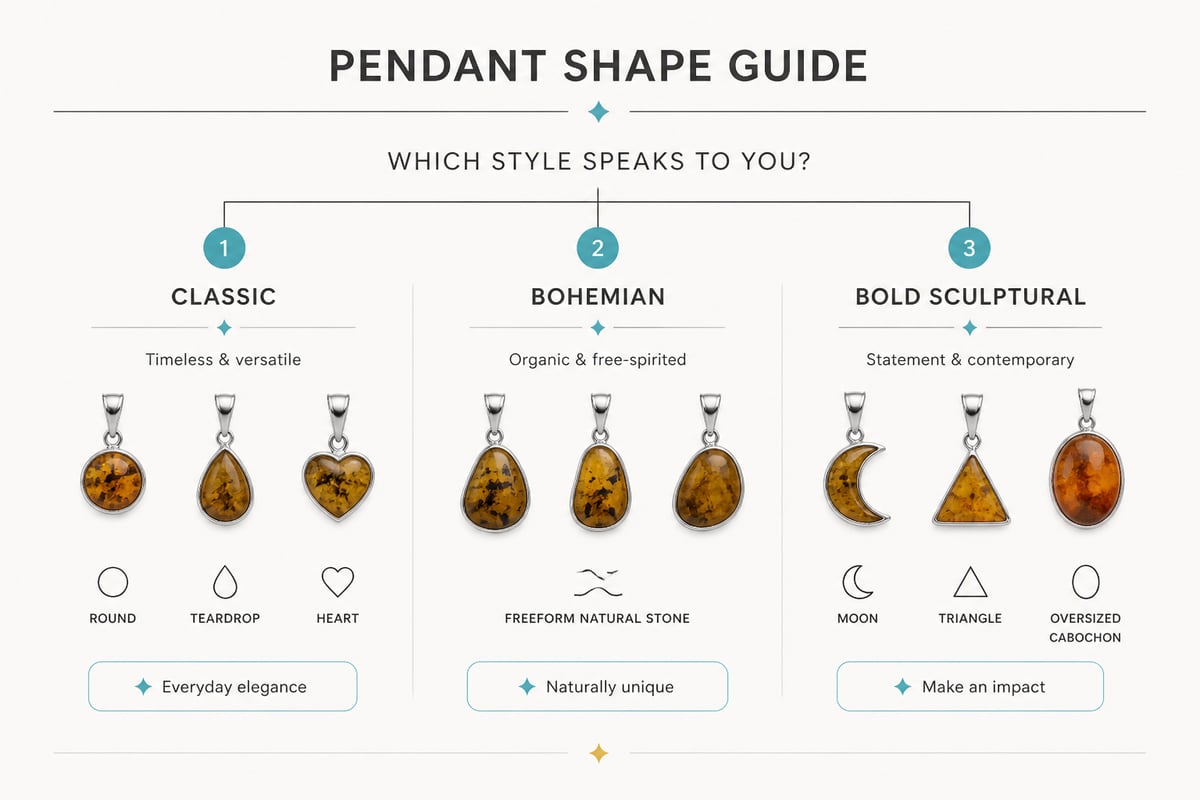
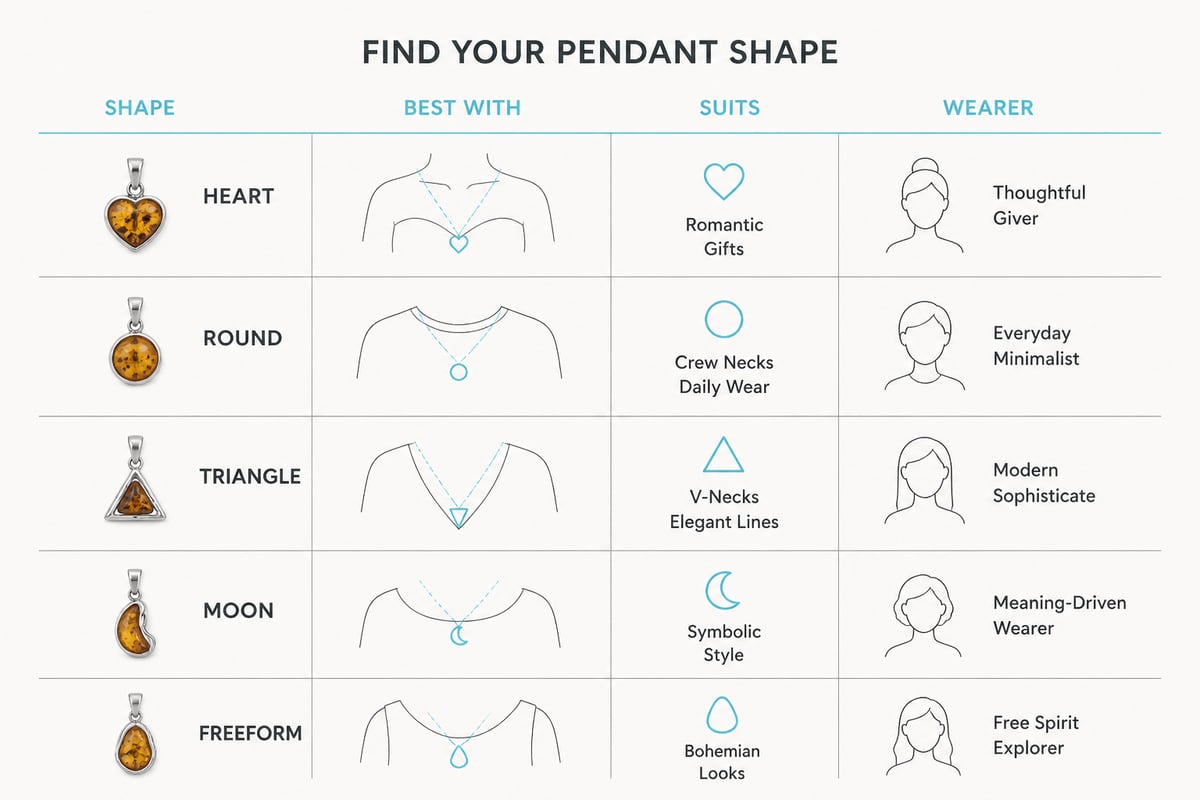
The neckline of your most-worn tops should guide the shape of your pendant, because the pendant fills the space the neckline creates. Use these pairings as a starting point:
When a neckline is busy, with ruffles, patterns, or embellishment, keep the pendant simple. When the neckline is plain, a more detailed pendant has room to be noticed.
Chain length controls where a large pendant lands on your body, and it matters more than most buyers expect. According to Jewelers of America, a collar runs 12 to 14 inches, a choker 14 to 16 inches, a princess length 17 to 19 inches, a matinee 20 to 25 inches, an opera 26 to 36 inches, and a rope 37 inches or longer.
For large pendants, the princess and matinee lengths are the most practical. The same source suggests 20 to 22 inches to accentuate the bust, and recommends 16 to 20 inches as a flattering starting point for wearers under 5 feet 4 inches.
USA Jewels describes an 18-inch necklace as a versatile length that sits just below the collarbone, 20 to 22 inches as falling around the bust, and 24 inches as creating a longer, more dramatic look.
| Chain length | Approximate metric | Where it sits | Works well with |
|---|---|---|---|
| 16 inches | 41 cm | Base of the neck | Smaller-framed wearers, open necklines |
| 18 inches | 46 cm | Just below the collarbone | Most large pendants, daily wear |
| 20 inches | 51 cm | Upper chest | Substantial pendants, V-necks |
| 22 inches | 56 cm | Around the bust | Extra large pendants, layering |
| 24 inches | 61 cm | Mid chest | Dramatic, statement looks |
The metric figures for 22 and 24 inches come from the Daya Jewelry layering guide; the others are standard conversions.
If you are unsure, an adjustable chain or a chain with a built-in extender gives you two or three lengths in one necklace.
The material of a large pendant determines its color, durability, and character, so choose the stone before you finalize the shape. A larger surface shows off more of the stone's natural pattern, which makes quality and authenticity easier to judge.
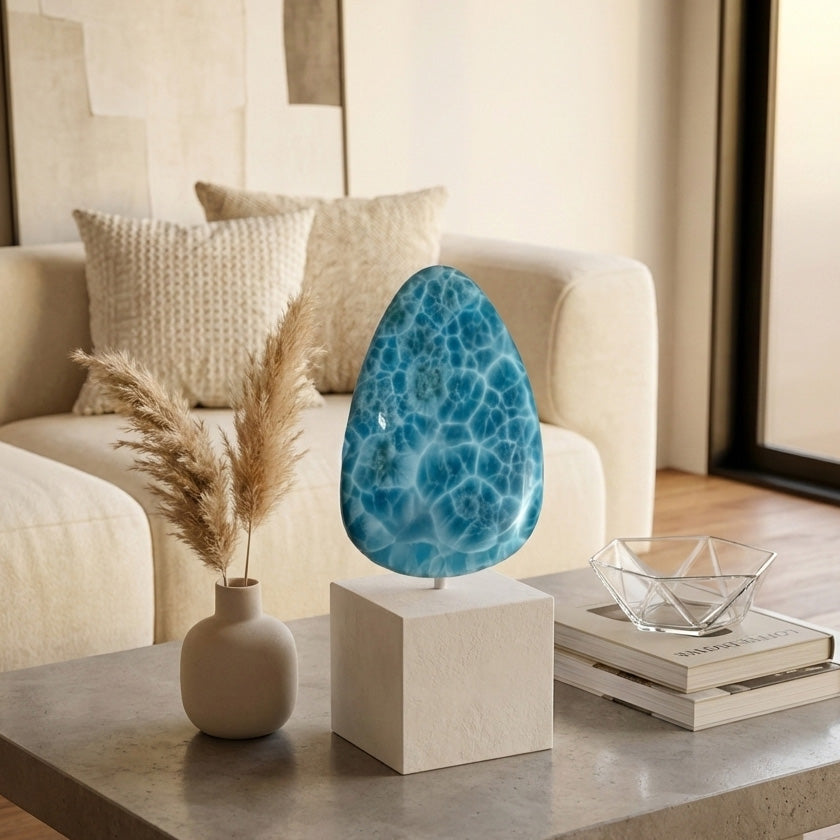
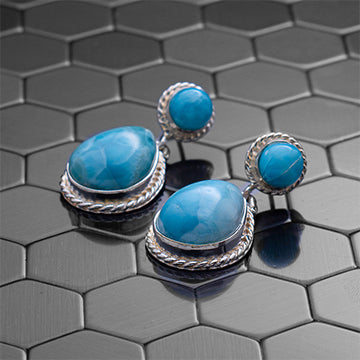
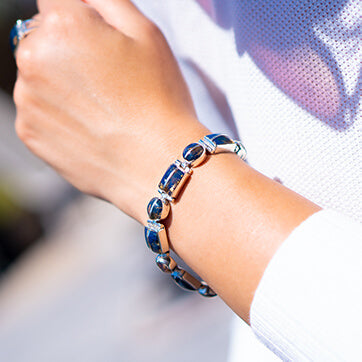
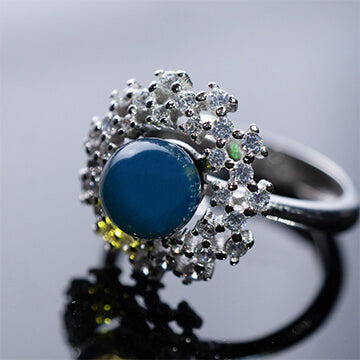
Larimar is a strong candidate for this purpose. It is mined and handcrafted in the Dominican Republic, and its sky-blue to deep-blue tones, often streaked with white, give every large piece a unique face. Because no two stones match, a large Larimar pendant reads as individual rather than mass-produced.
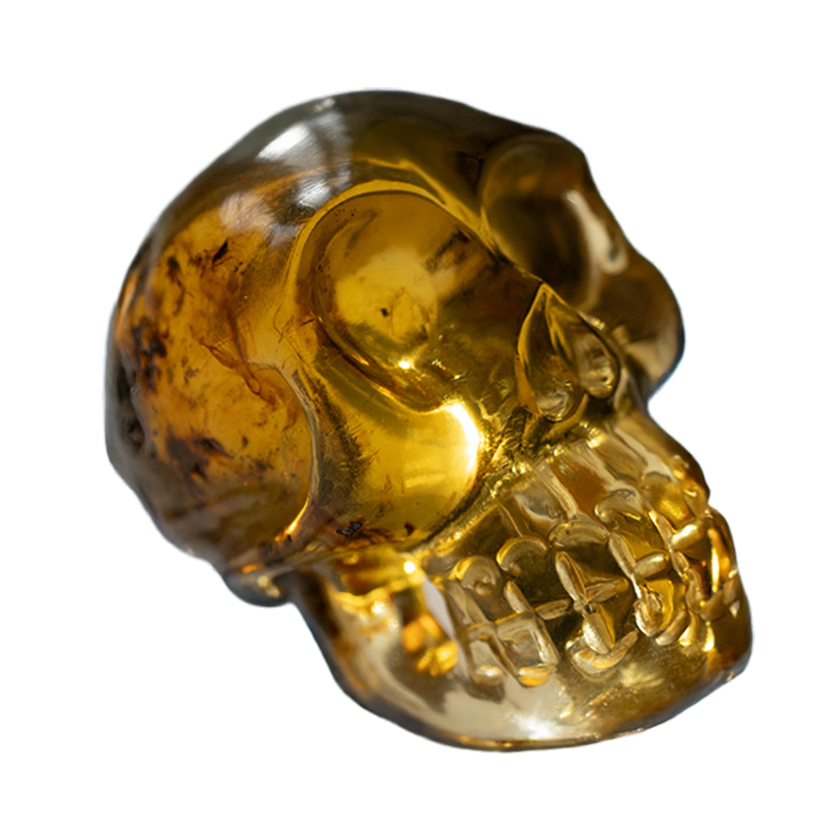
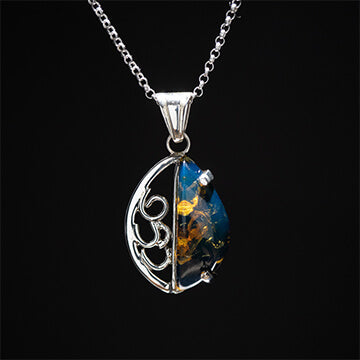
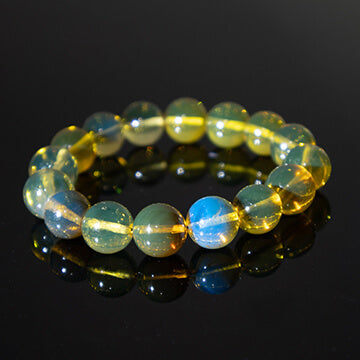
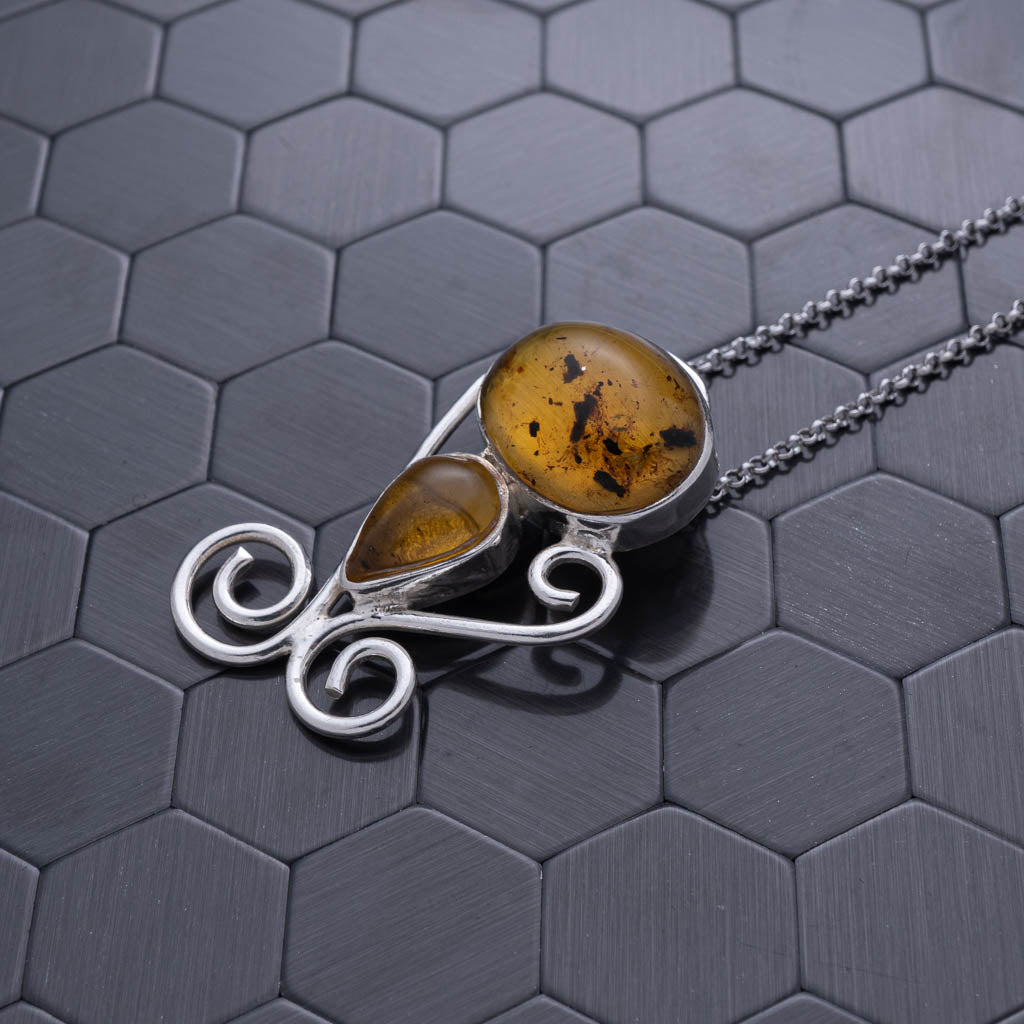
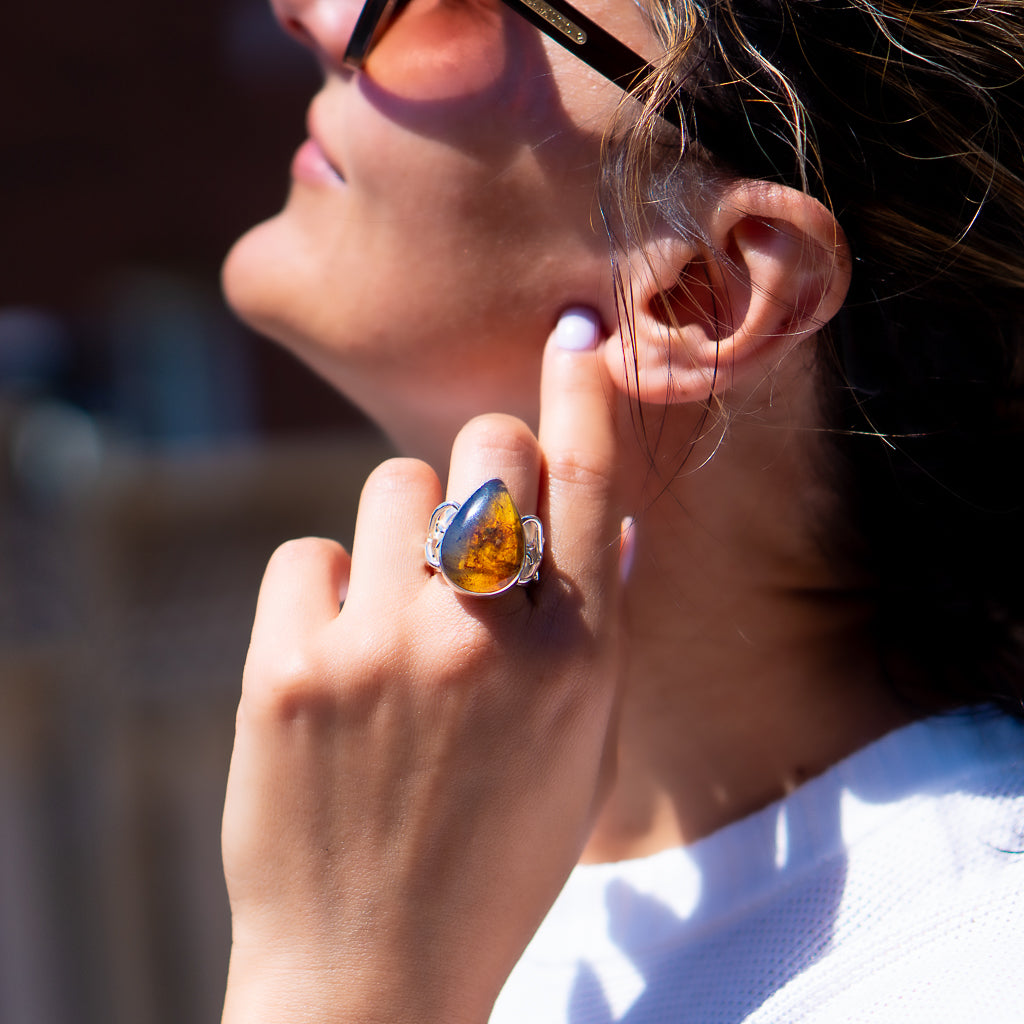
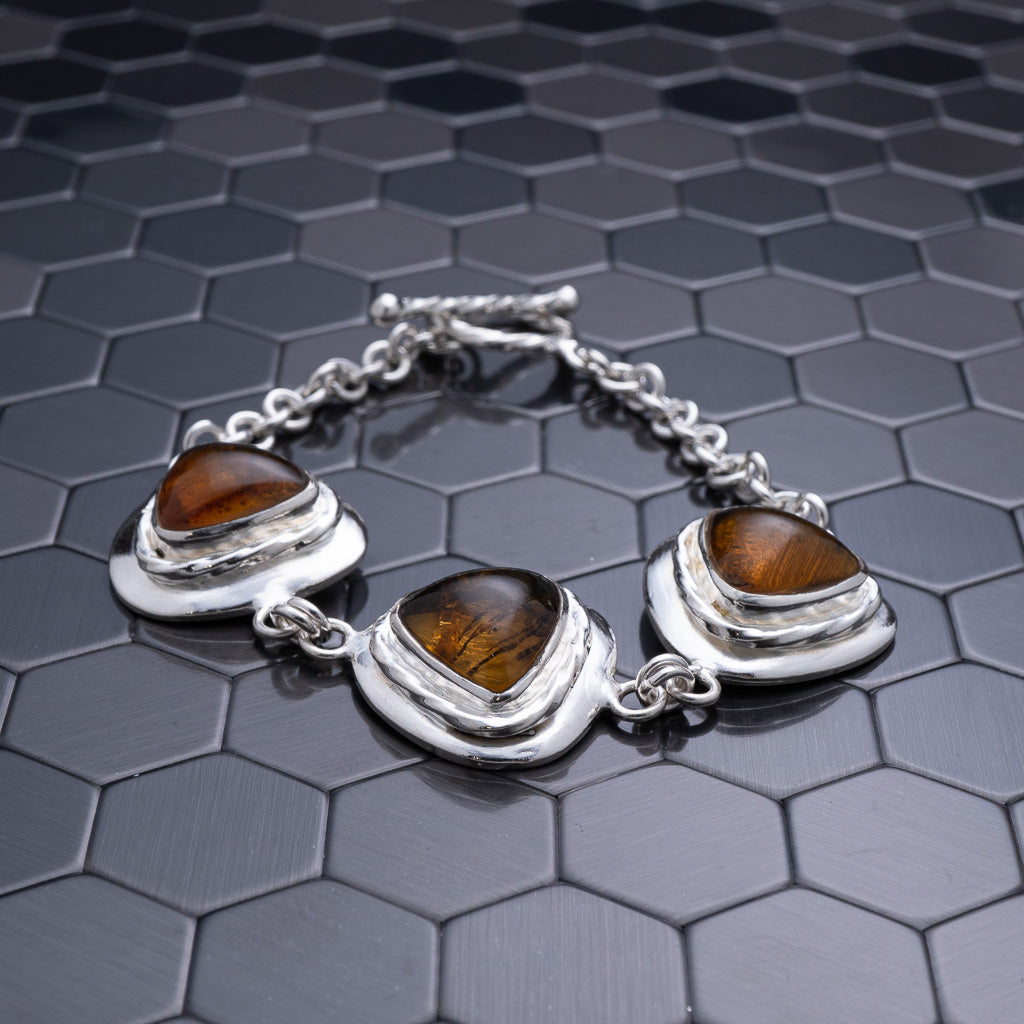
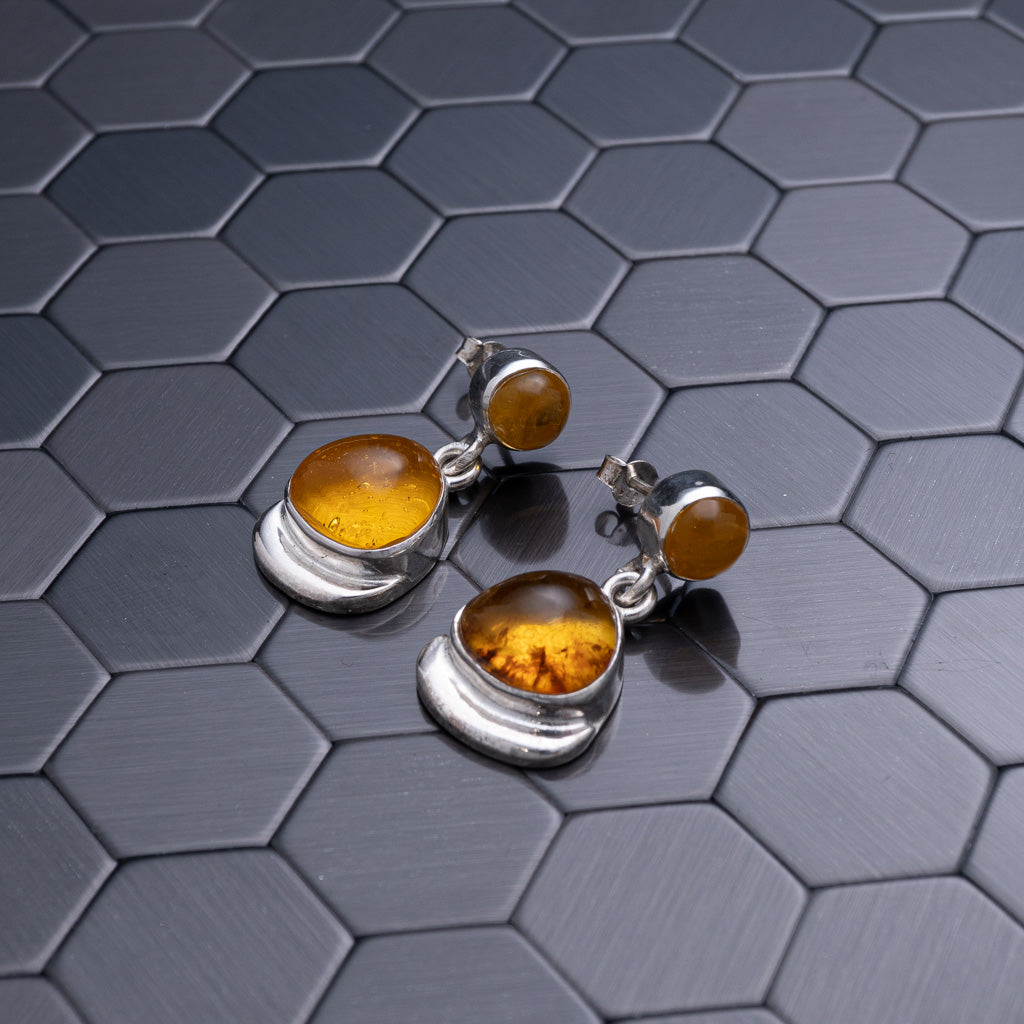
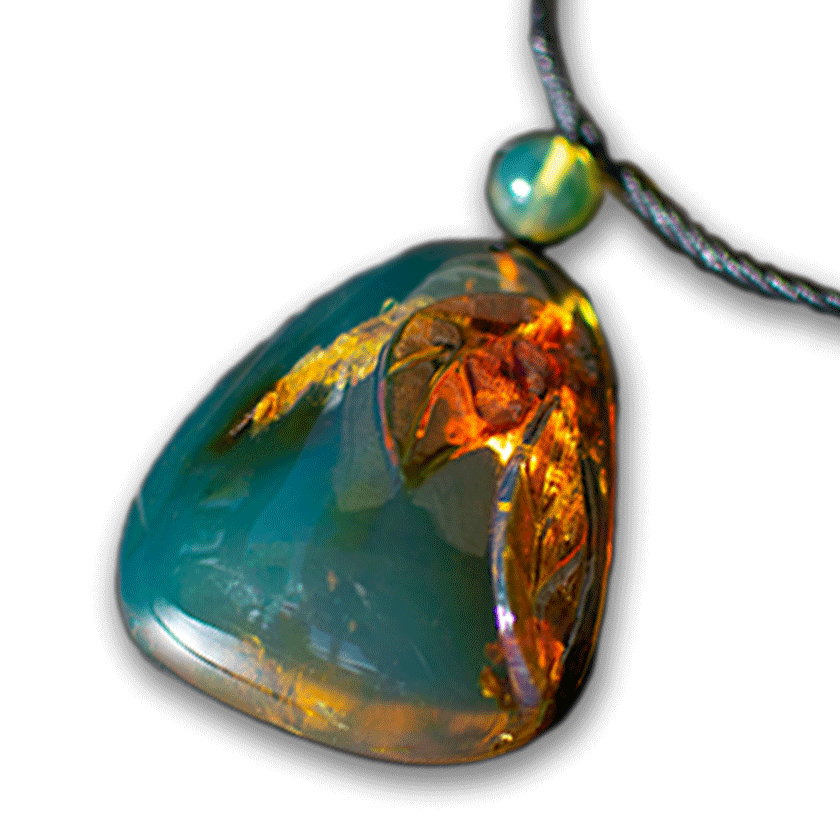
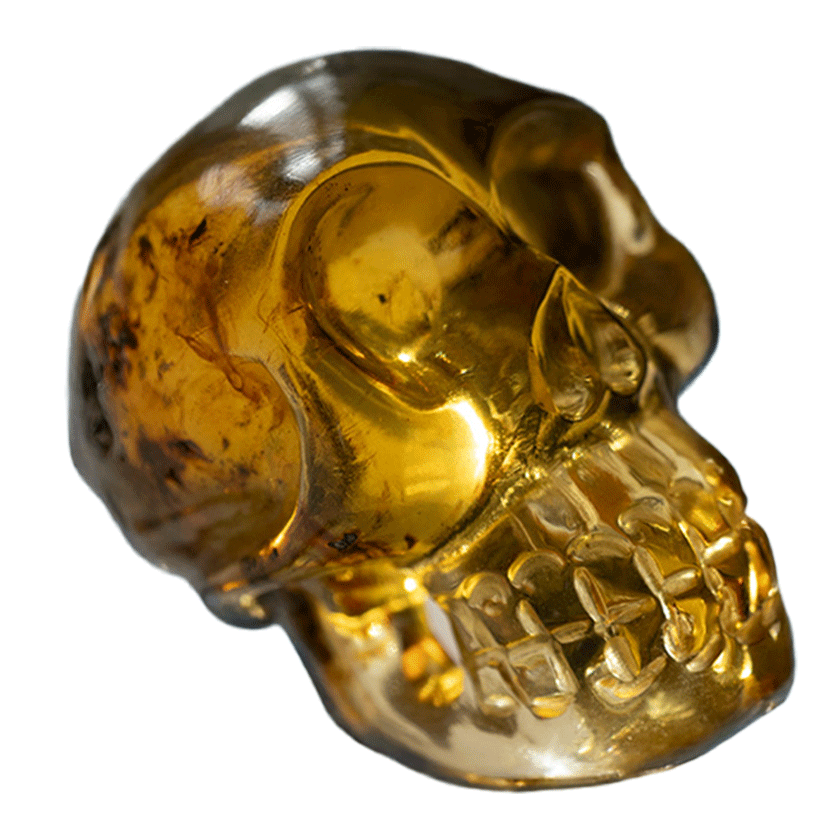
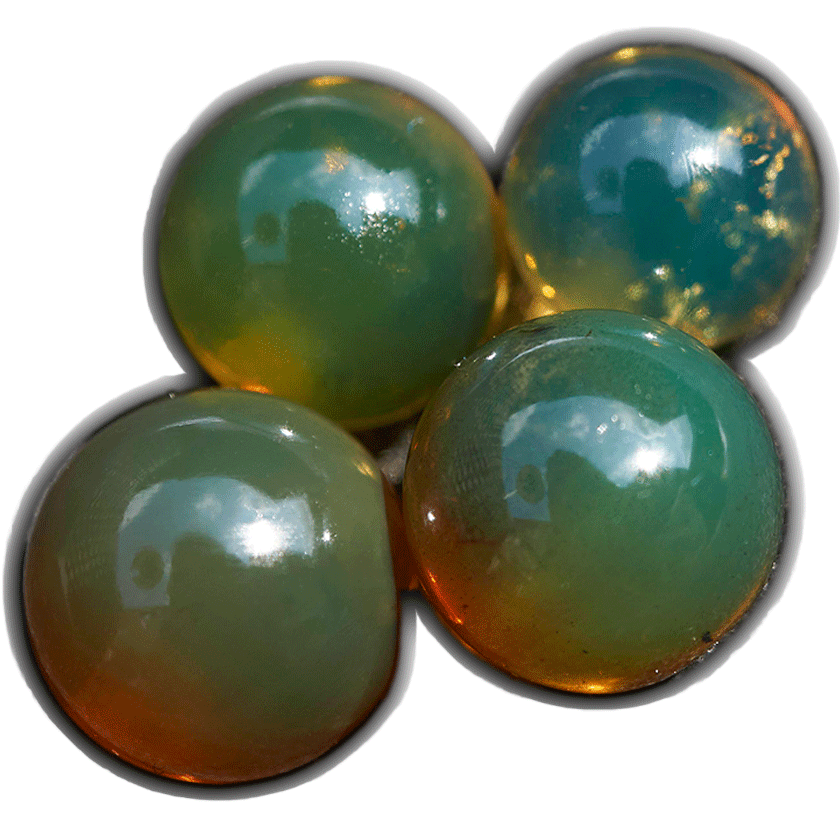
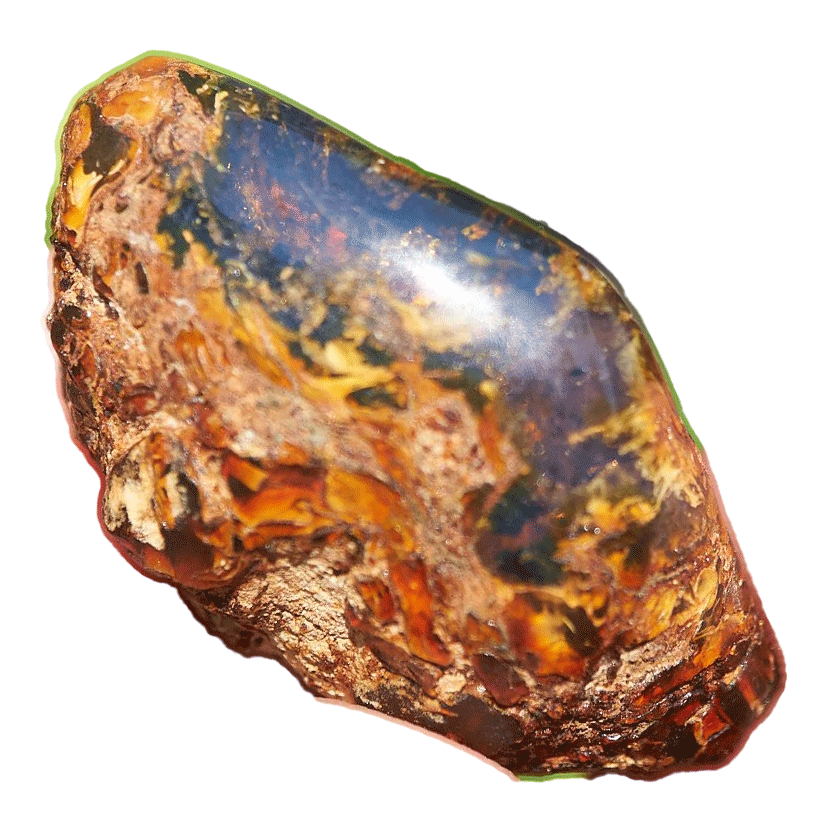
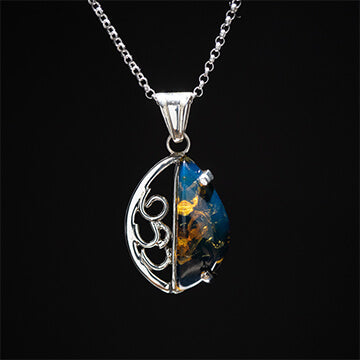
Dominican Blue Amber offers a different look. Its deep, glowing color suits wearers who prefer a warmer, richer tone, and our guide to how to choose amber pendants covers what to examine before buying. You can also browse the full range of Blue Amber pendants.
When you compare stones, look for:
One reassurance for gift buyers: a large pendant is a matter of size and style, not a requirement for better material.
Sterling silver is the most practical metal for a large gemstone pendant, because its cool tone complements blue stones and keeps the piece comfortable in weight and price. A solid sterling silver setting also resists bending under the weight of a larger stone.
Gold tones can be striking with amber, but they add cost and weight. If you are deciding between metals, our comparison of sterling silver versus gold pendants lays out the practical differences.
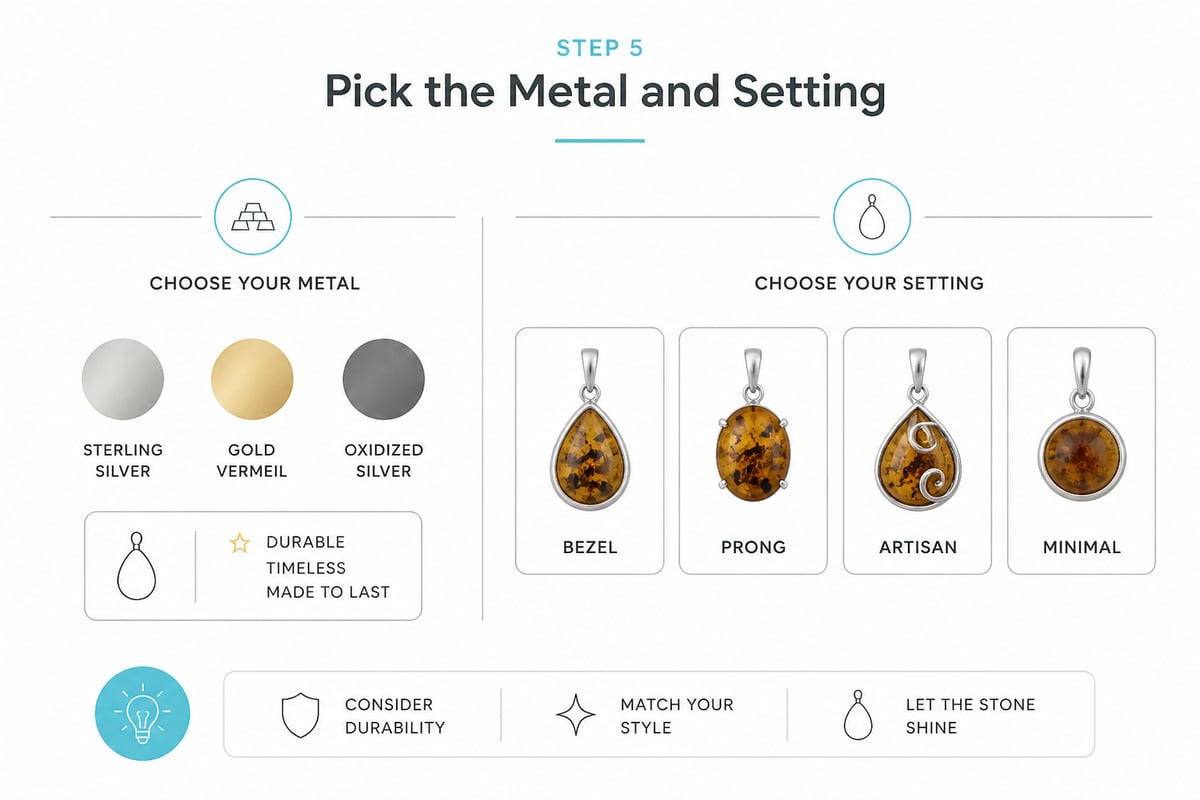
Setting style affects both look and durability:
For a large pendant that will be worn often, a bezel is the safest choice.
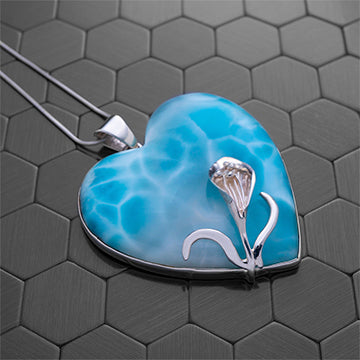
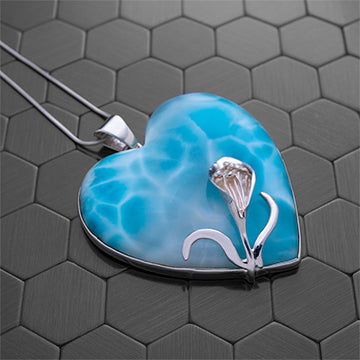
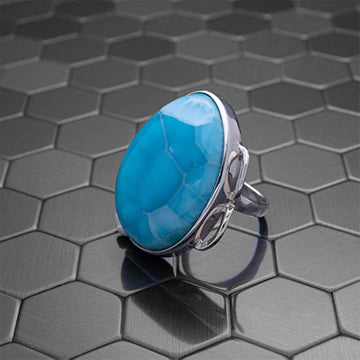
Once you know your style, neckline, chain length, and stone, select the shape that ties them together. Larimar Creations makes large pendants in several shapes, and each suits a different wearer:
For a single starting point, the Larimar Pendants collection brings these shapes together. Larimar pendants make an ideal gift for someone special or a luxurious treat for yourself, and the stone is traditionally associated with love, peace, and calmness, which gives the piece meaning beyond its appearance.
A large pendant should feel comfortable after several hours, so test weight before committing. Heavy stones can strain a thin chain and tilt forward, which pulls the pendant away from the center of your chest.
To keep a large pendant stable:
Durability is part of the appeal of handcrafted Larimar. A well-made large pendant should be durable enough to wear for years, which is the standard to look for when you buy.
A large pendant is the centerpiece, so everything else in the outfit should support it. Follow a few simple rules:
The final step is verifying that the stone is genuine, because large pieces are an easy target for imitations. Natural Larimar shows irregular patterning, with swirls and veins that never repeat exactly. Uniform color across a stone, perfect symmetry in the pattern, or a price far below market are warning signs.
The same principle applies to any gemstone. Resources such as Verified Shungite show how knowledgeable sellers teach buyers to tell genuine stones from fakes, and asking a seller about the source of a stone is a reasonable habit in any category.
Provenance is the strongest assurance. Larimar Creations specializes in Larimar and Dominican Blue Amber jewelry and holds an excellent 4.6 rating from over 946 customers. Reviews from real buyers are a useful signal, so look for visible, specific feedback before you buy.
If you are shopping for a gift, include the chain length and metal preference you have noted, and consider a heart or round shape, which suits the widest range of tastes. If cost is a priority, remember that this is genuine handcrafted gemstone jewelry rather than the lowest-priced costume pieces, so the value lies in stone quality and craftsmanship.
Proper care keeps a large pendant looking as it did on the first day. Larimar can be more delicate than harder gemstones, so a few habits protect it:
Sterling silver may tarnish over time, and a silver polishing cloth restores the shine quickly. With regular care, a well-made large pendant can last for decades and become a piece that is passed on.
Before you shop, measure your favorite necklace and note which neckline you wear most, so you can pick a chain length and shape with confidence. If you want a substantial, sky-blue stone that follows these guidelines, start with the Larimar Pendants collection, where every piece is handcrafted in the Dominican Republic. When you are ready to choose, Shop Larimar at Larimar Creations and have a genuine, worldwide-shipped pendant made to be worn and treasured.