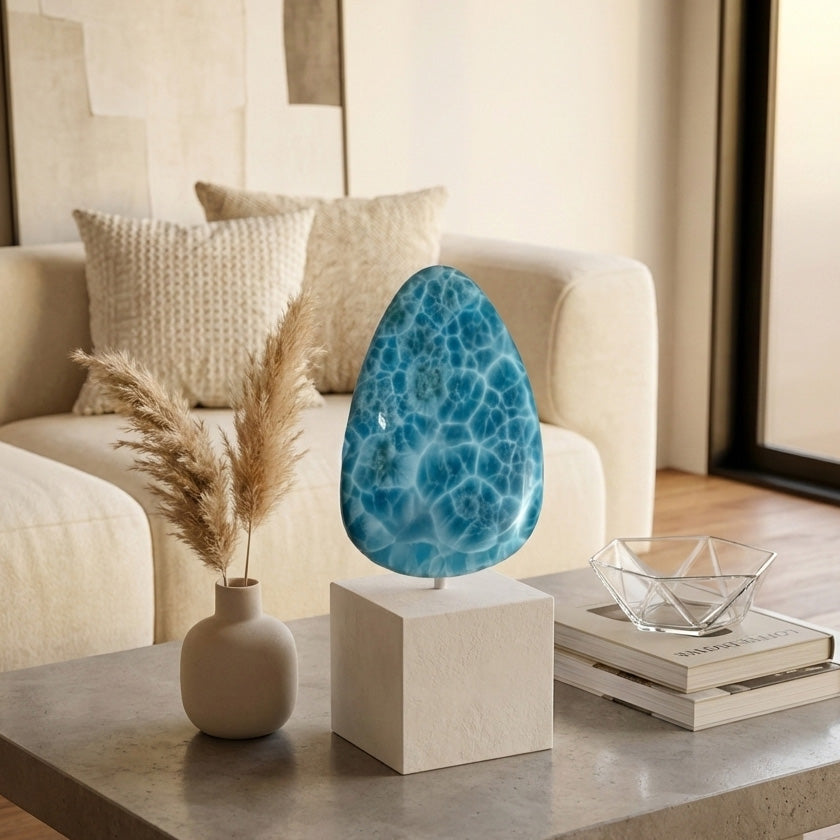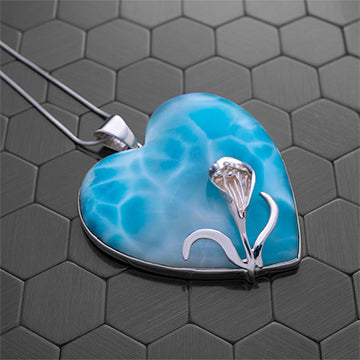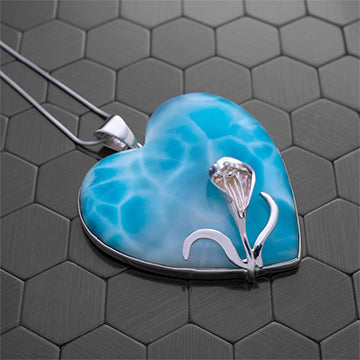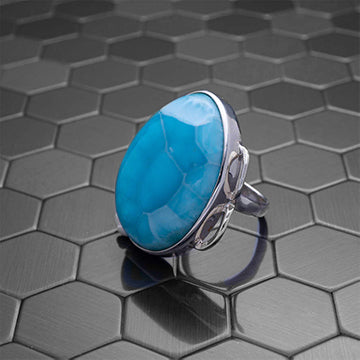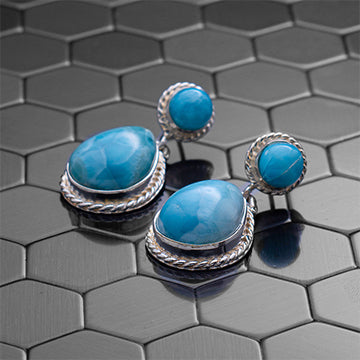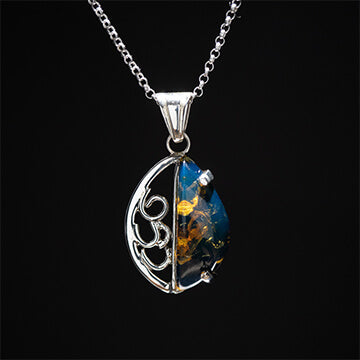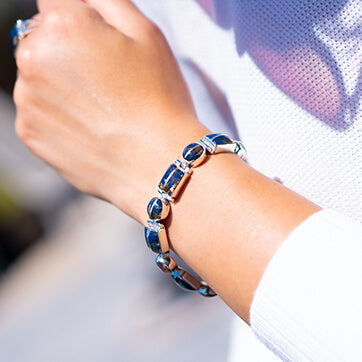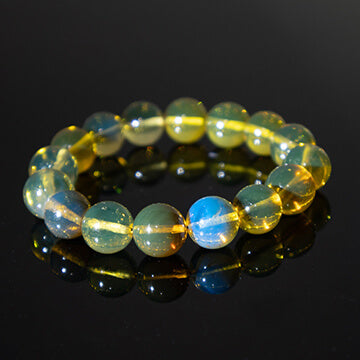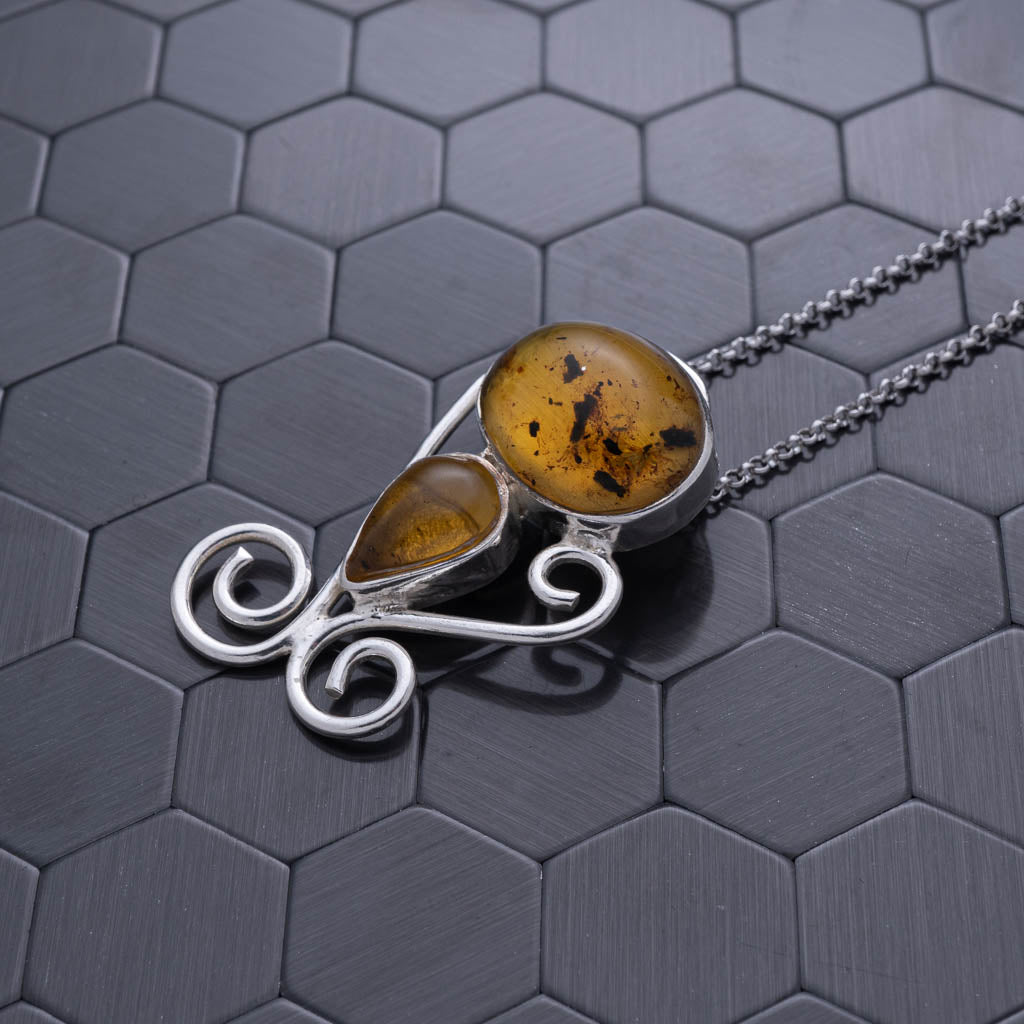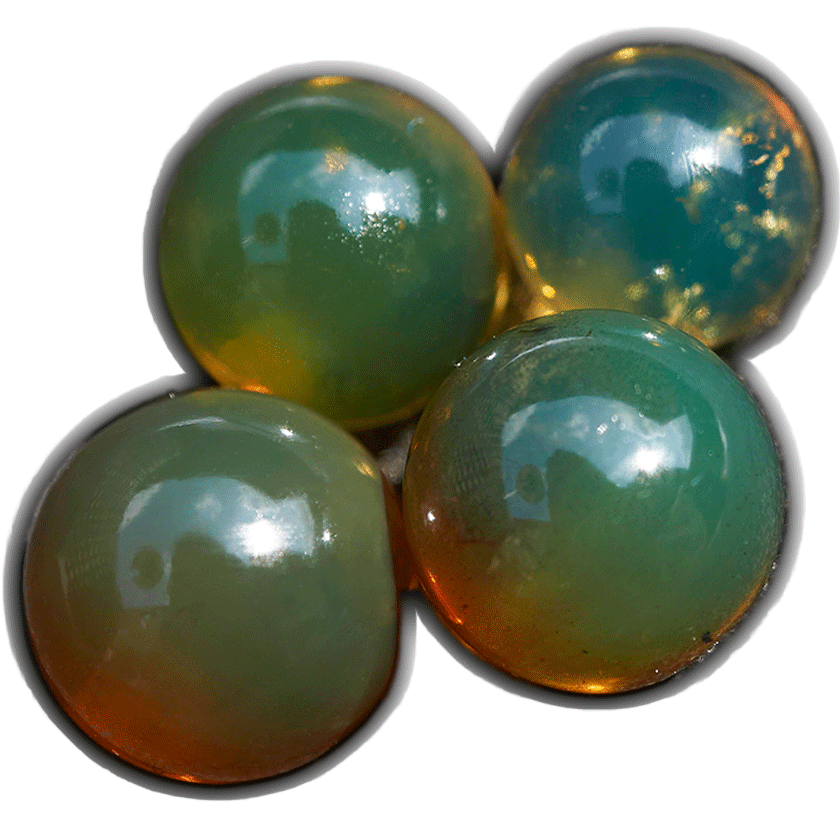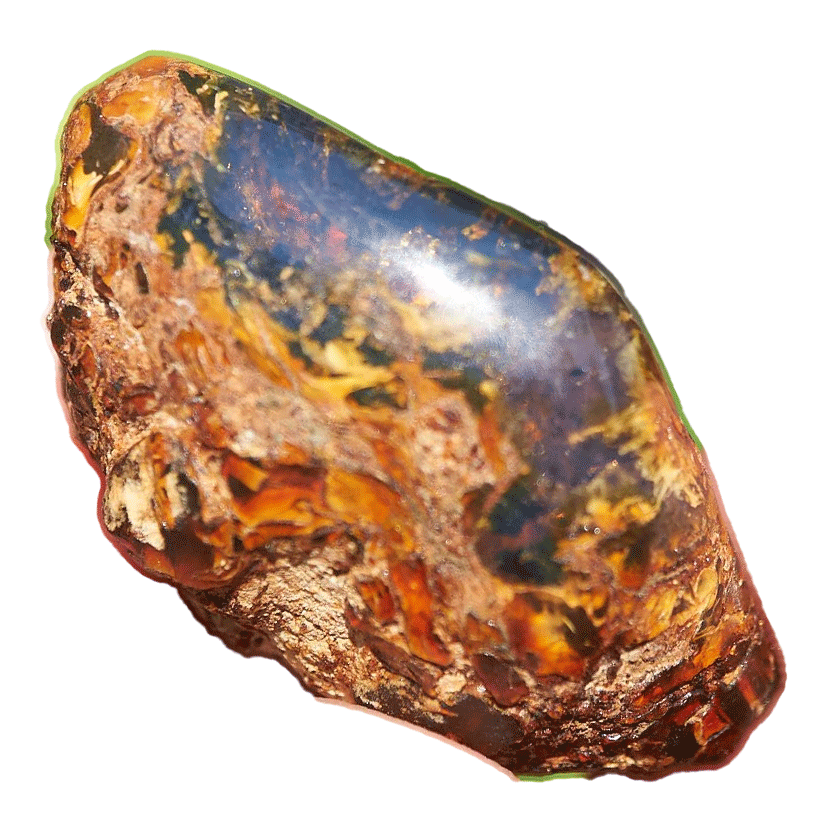

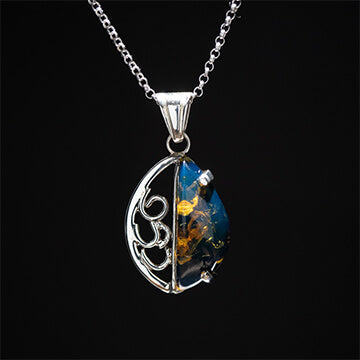
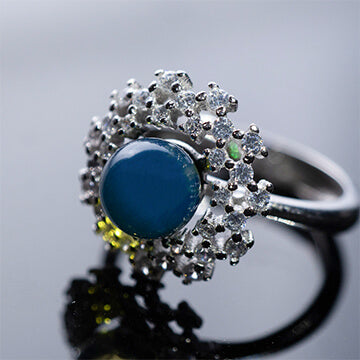
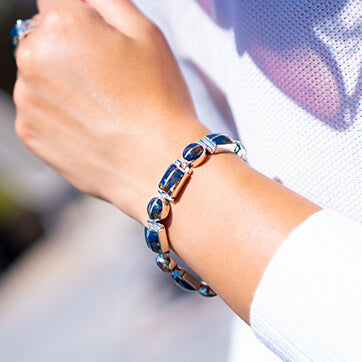
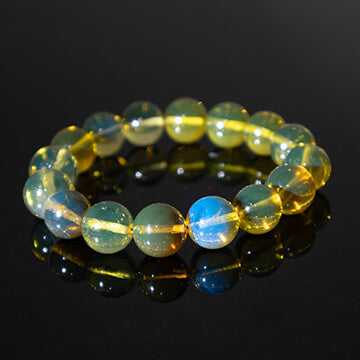
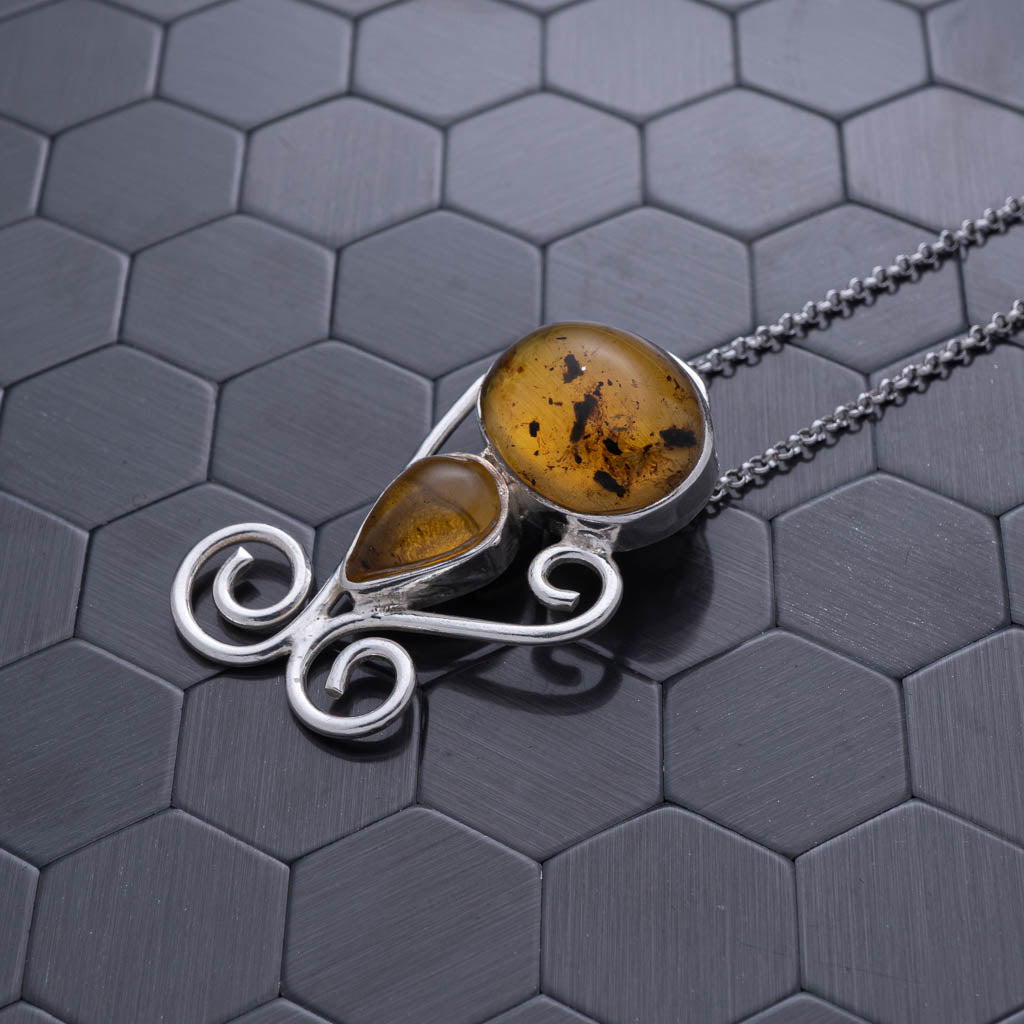
A traditional diamond says one thing. A Larimar ring says something far more personal - that your love story does not need to look like anyone else’s. If you are searching for larimar engagement ring examples, the real appeal is not only the color. It is the feeling of wearing a rare Caribbean gemstone with natural ocean-blue patterns that can never be copied exactly.
Larimar is unlike standard bridal stones because every piece carries its own clouding, white marbling, and range of blue tones. That individuality makes it deeply romantic, but it also means choosing the right ring style matters. The best Larimar engagement ring is not simply beautiful in a photo. It should suit the wearer’s lifestyle, protect the stone well, and honor the artisanal character that makes Larimar so compelling in the first place.
Larimar is found in the Dominican Republic, and its appeal sits at the intersection of rarity, origin, and visual softness. While faceted gems often create brilliance through sharp sparkle, Larimar creates beauty differently. It offers color movement, natural pattern, and a calming presence that feels more organic than flashy.
For engagement rings, that gives couples a distinct alternative to mass-market bridal jewelry. A Larimar center stone can feel more intimate and expressive, especially for someone drawn to ocean tones, artisan craftsmanship, and meaningful materials. The trade-off is practical: Larimar is softer than diamond or sapphire, so ring design is not just about aesthetics. Protection matters.
That is why looking at real style directions helps. Certain settings showcase Larimar beautifully while reducing daily risk. Others are better reserved for occasional wear or for brides who are gentler with jewelry.
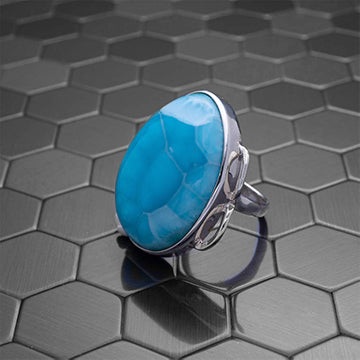
This is one of the strongest choices for everyday wear. An oval Larimar cabochon framed by a full bezel has a clean, refined look and offers better edge protection than exposed prongs. The shape elongates the finger, while the bezel creates a smooth outline that feels both modern and timeless.
If you want the stone to be the focus, this is an excellent starting point. It works especially well in sterling silver or white gold, where the cool metal enhances Larimar’s sea-blue color.
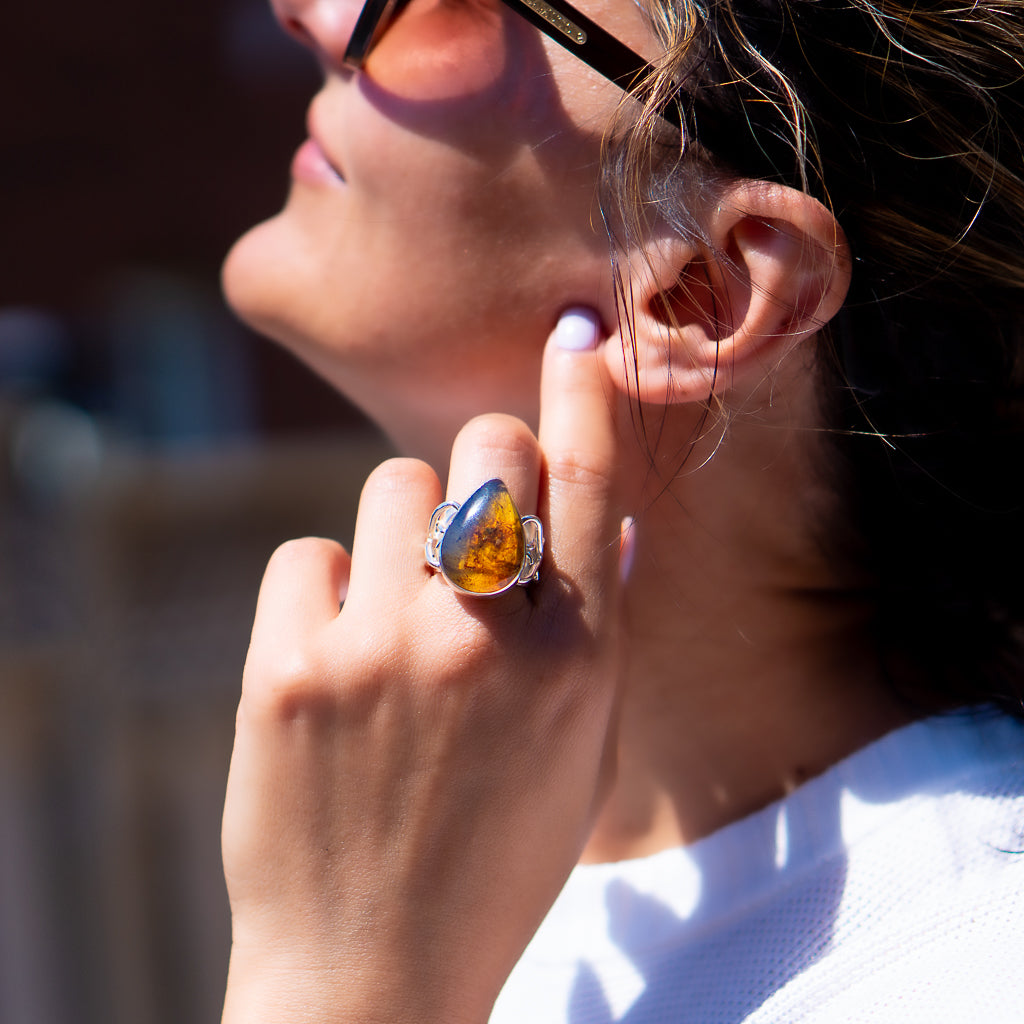
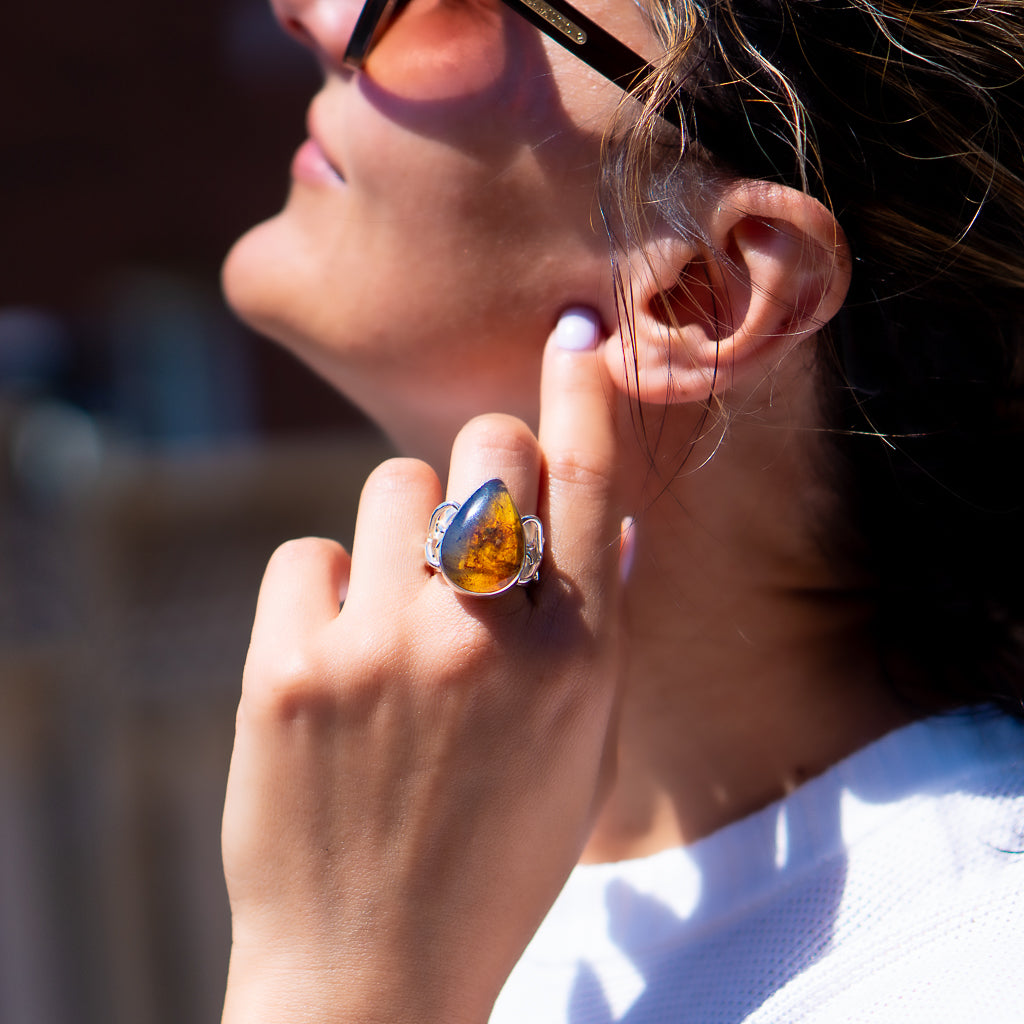
A pear-shaped Larimar engagement ring feels softer and more romantic than a standard round silhouette. The tapered end adds elegance, and the shape naturally draws attention to the center stone’s pattern.
This example suits buyers who want something feminine without excessive ornament. The caution is that the pointed end should be well protected. A partial bezel or a V-tip style setting can help guard that vulnerable area.
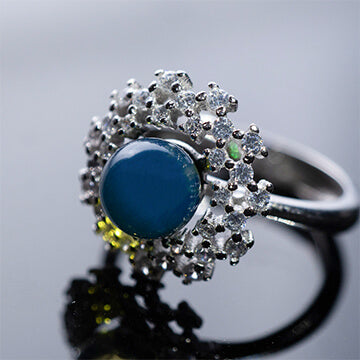
For someone who still wants bridal sparkle, a halo design bridges the gap beautifully. A round or slightly oval Larimar center surrounded by white topaz, moissanite, or diamonds creates contrast and brightness without overwhelming the stone.
This style can make Larimar appear more formal and engagement-specific, which matters for buyers who worry that a colored gem might feel too casual. The key is balance. A delicate halo often looks more sophisticated than a large one, especially with Larimar’s naturally serene appearance.
Larimar pairs surprisingly well with antique details. Filigree metalwork, milgrain edges, and romantic gallery detailing can give the ring heirloom character while keeping the center stone unusual and fresh.
This is a strong example for brides who love old-world craftsmanship but want a gemstone that feels more personal than a traditional bridal choice. Because vintage-inspired settings often include intricate metal structure, they can also provide better support around the stone.
An east-west setting turns an oval or marquise-style Larimar horizontally across the band. It feels current, design-forward, and quietly distinctive.
This is often the right choice for someone who wants an engagement ring that does not immediately resemble a conventional bridal ring. It has a fashion sensibility, but when executed in fine materials and with a high-quality stone, it still reads as premium. East-west settings also tend to sit lower on the hand, which can improve comfort.
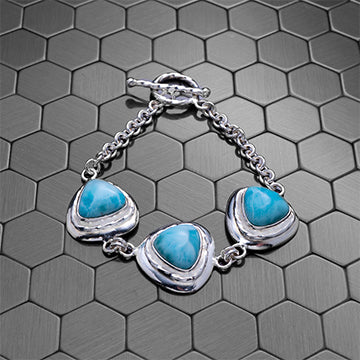
A three-stone design gives Larimar more presence and symbolism. The center stone provides the color story, while side stones add structure and light. White sapphires, diamonds, or moissanite are common companions because they sharpen the ring visually without competing with Larimar’s natural pattern.
This example works well for buyers who want a meaningful ring with a fuller look. It is also useful if the center Larimar is on the smaller side, since side stones can create a more substantial overall presentation.
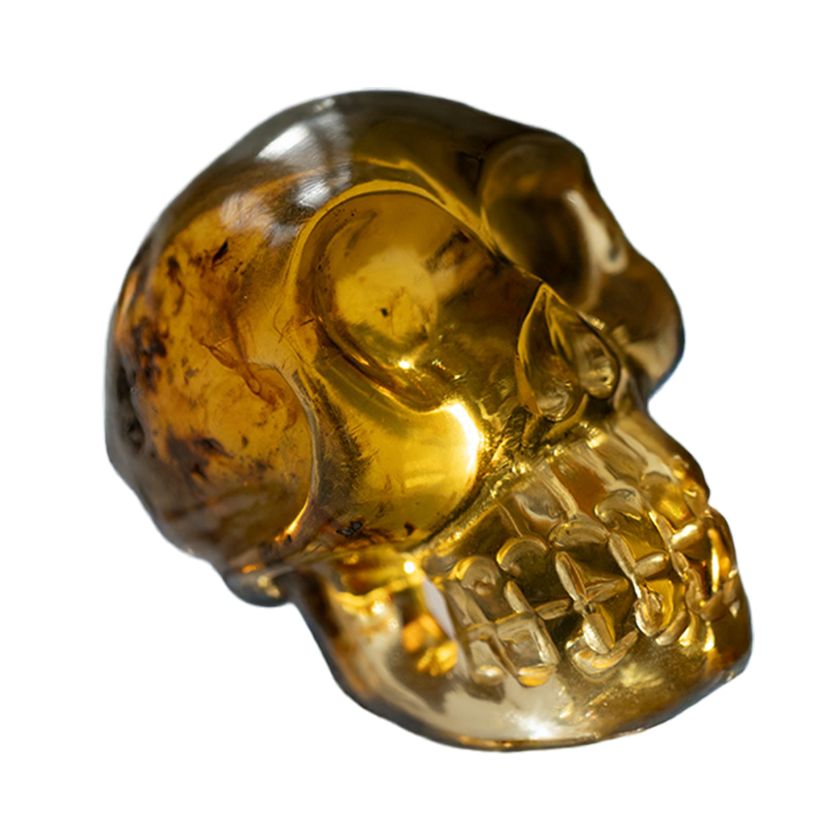
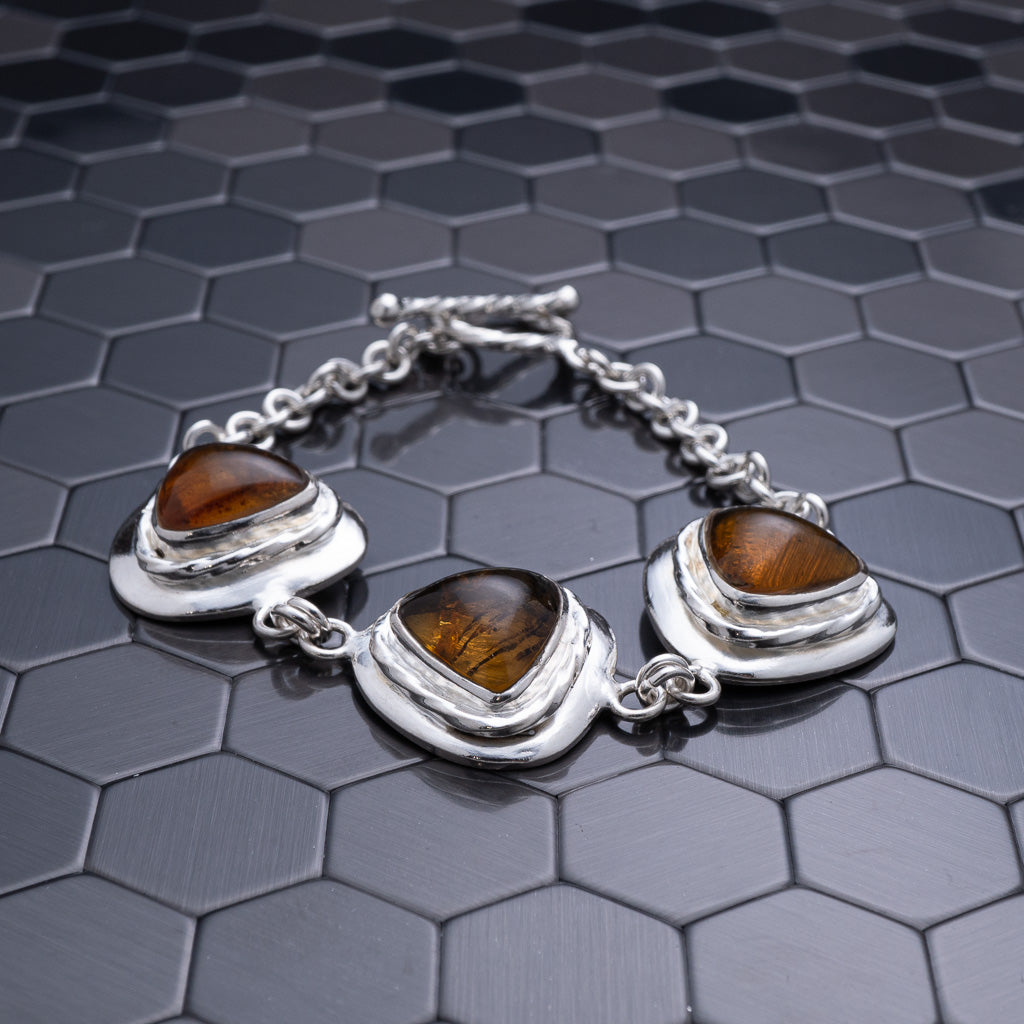
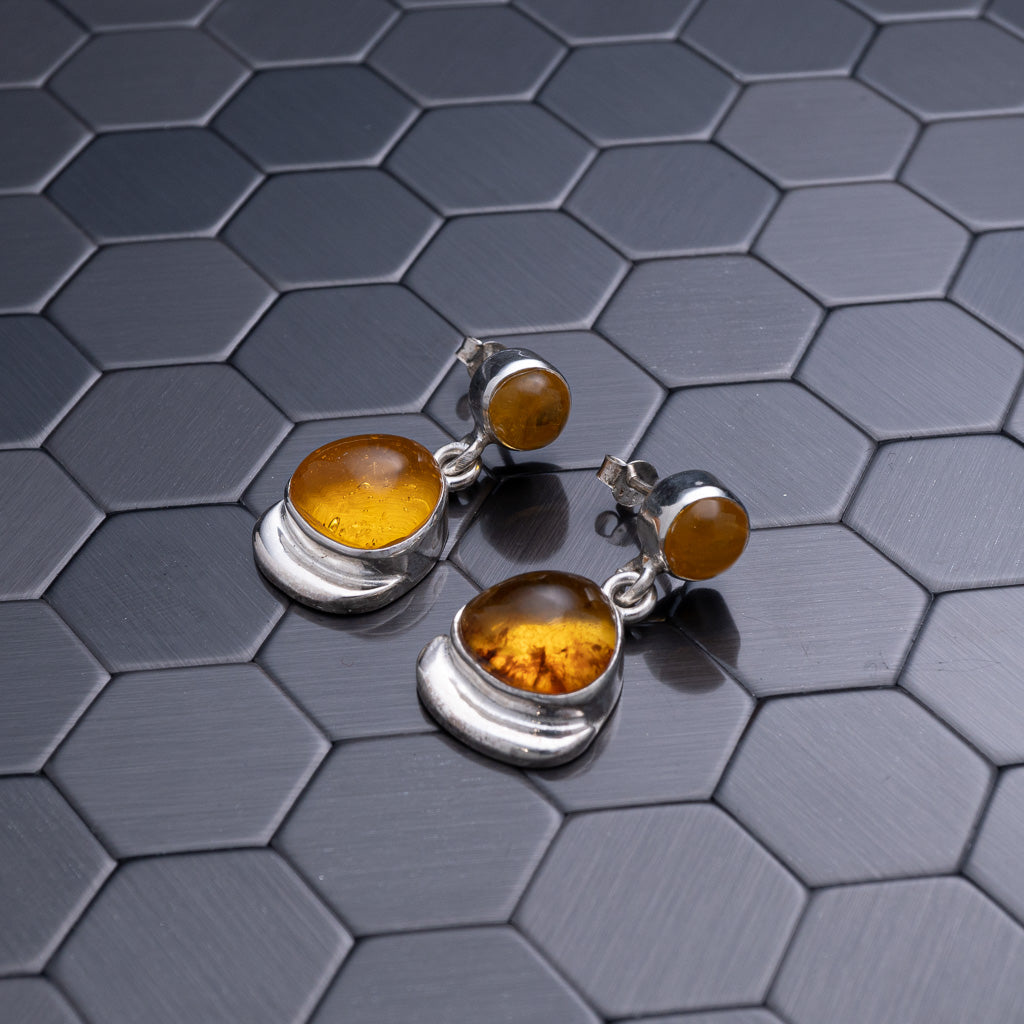
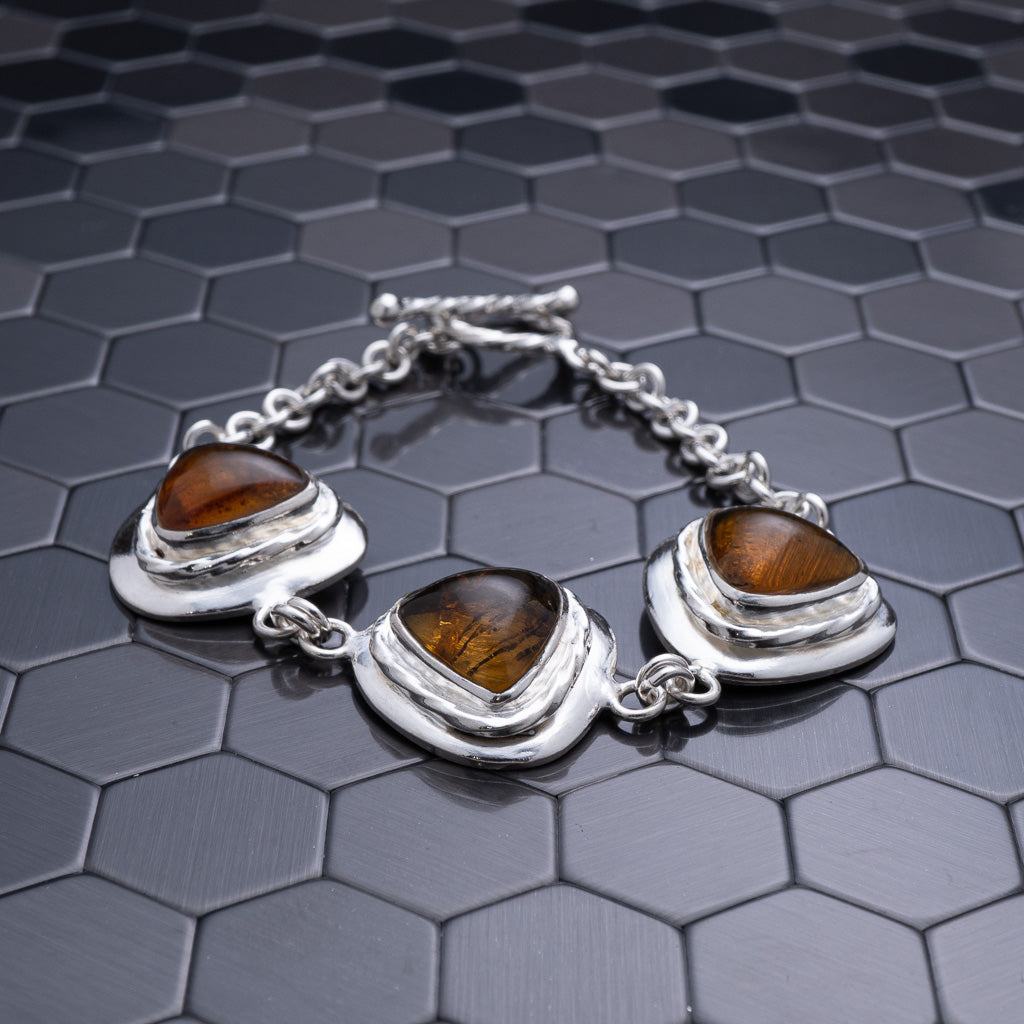
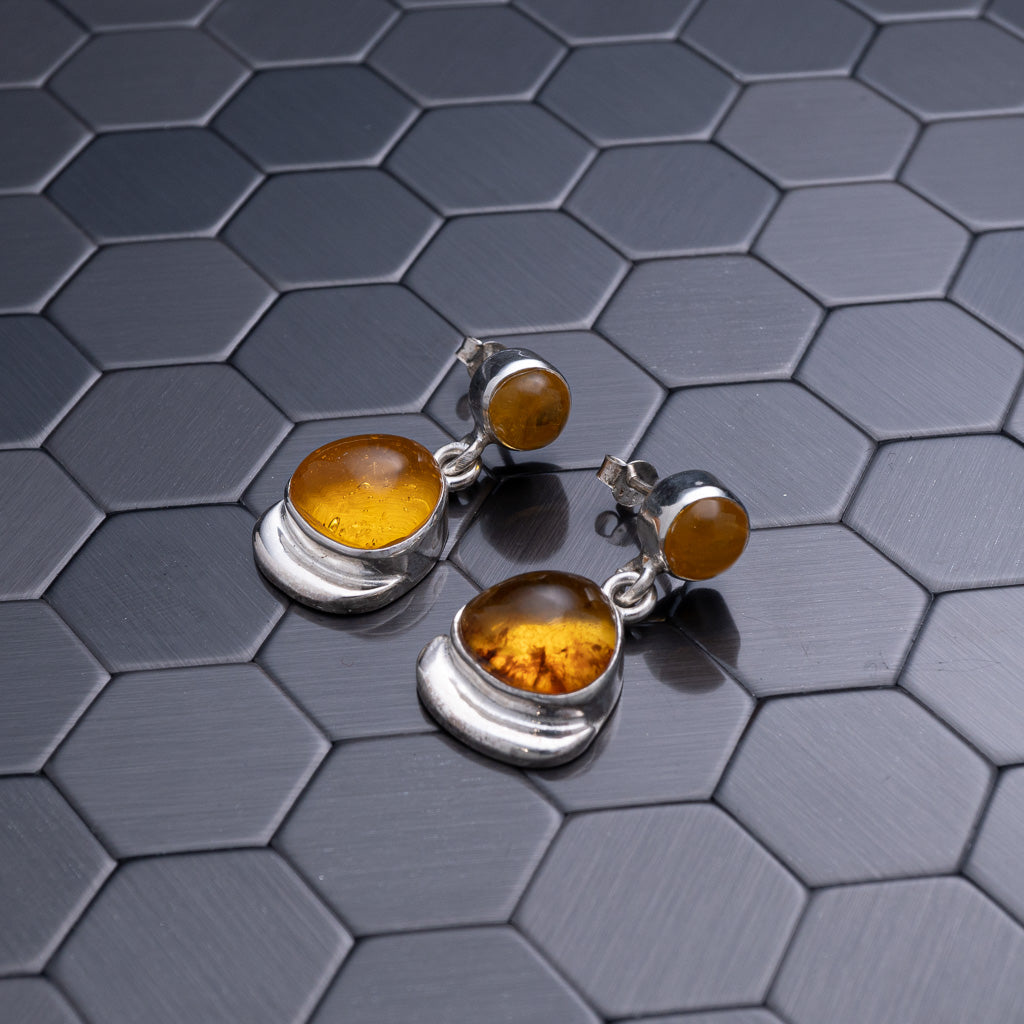
For couples who appreciate rarity and origin, a toi et moi ring pairing Larimar with Dominican amber offers a highly distinctive option. One stone brings cool oceanic blue, the other a warm golden glow. Together, they create a deeply Caribbean expression of partnership.
This is not the most traditional engagement ring example, and that is exactly the point. It suits buyers who value symbolism, collectible gemstones, and jewelry with cultural identity. The design should be thoughtfully balanced so both stones feel intentional rather than decorative.
A cushion-shaped Larimar has softness and presence, especially when cut as a cabochon to emphasize the stone’s surface pattern rather than sparkle. Add a split shank band, and the ring gains architectural interest without distracting from the gem.
This example feels more substantial on the hand, which some shoppers prefer for an engagement ring. It can be especially flattering if you want a statement piece that still feels elegant rather than oversized.
Not every engagement ring needs to make a dramatic statement. A smaller Larimar stone in a simple, low-profile setting can feel intimate, refined, and highly wearable.
This approach often makes sense for active lifestyles or for someone who prefers understated jewelry. It may also be the smartest option if Larimar will be worn daily. Smaller stones can be easier to protect, and lower settings are less likely to catch during everyday use.
The most beautiful design on paper is not always the right one for the person wearing it. If the ring will be an everyday piece, prioritize protective settings such as bezels, lower profiles, and sturdy bands. If the wearer is careful with jewelry or plans to reserve the ring for special occasions, more delicate prong-set styles may still be realistic.
Metal choice also shapes the final feel. Sterling silver highlights Larimar’s cool, fresh tones and supports an artisan look. White gold offers a more elevated bridal finish. Yellow gold creates warmer contrast and can make pale blue Larimar appear even softer. Rose gold can be beautiful too, though it changes the mood from oceanic crispness to something more romantic and contemporary.
Size matters as well. A large Larimar center stone can be spectacular, but bigger stones are also more exposed to impact. Sometimes a slightly smaller, finer-quality Larimar with strong blue color and clean patterning is the better engagement choice than a larger stone with less protection.
Because Larimar’s appeal is so tied to rarity and origin, authenticity should never be treated as a side note. A genuine Larimar engagement ring carries value not only in beauty but in provenance. Buyers should look closely at whether the stone is represented clearly as authentic Larimar from the Dominican Republic and whether the craftsmanship supports long-term wear.
This is where trust becomes part of the purchase. Fine artisan jewelry should tell you what the stone is, how it is set, and why that design was chosen. When a seller emphasizes certified authenticity and handcrafted production, it gives buyers a stronger foundation for such a meaningful piece. For a specialized stone like Larimar, that confidence matters.
The honest answer is yes, with expectations that fit the material. Larimar is ideal for couples who value rarity, symbolism, and visual individuality over the hardest possible gemstone. It is less ideal for someone who wants a ring they can wear roughly without much thought.
That does not make it a poor choice. It makes it a considered one. Many buyers are happy to choose a gemstone with a softer profile because it feels deeply personal. In those cases, smart design and mindful wear go a long way.
A well-made Larimar engagement ring can be extraordinary precisely because it resists the ordinary. It carries the calm blue of Caribbean waters, the character of natural stone, and the presence of something few people will ever own. If that speaks to your story, the right ring will not need to imitate tradition to feel lasting. It will simply need to feel true when you see it on your hand.