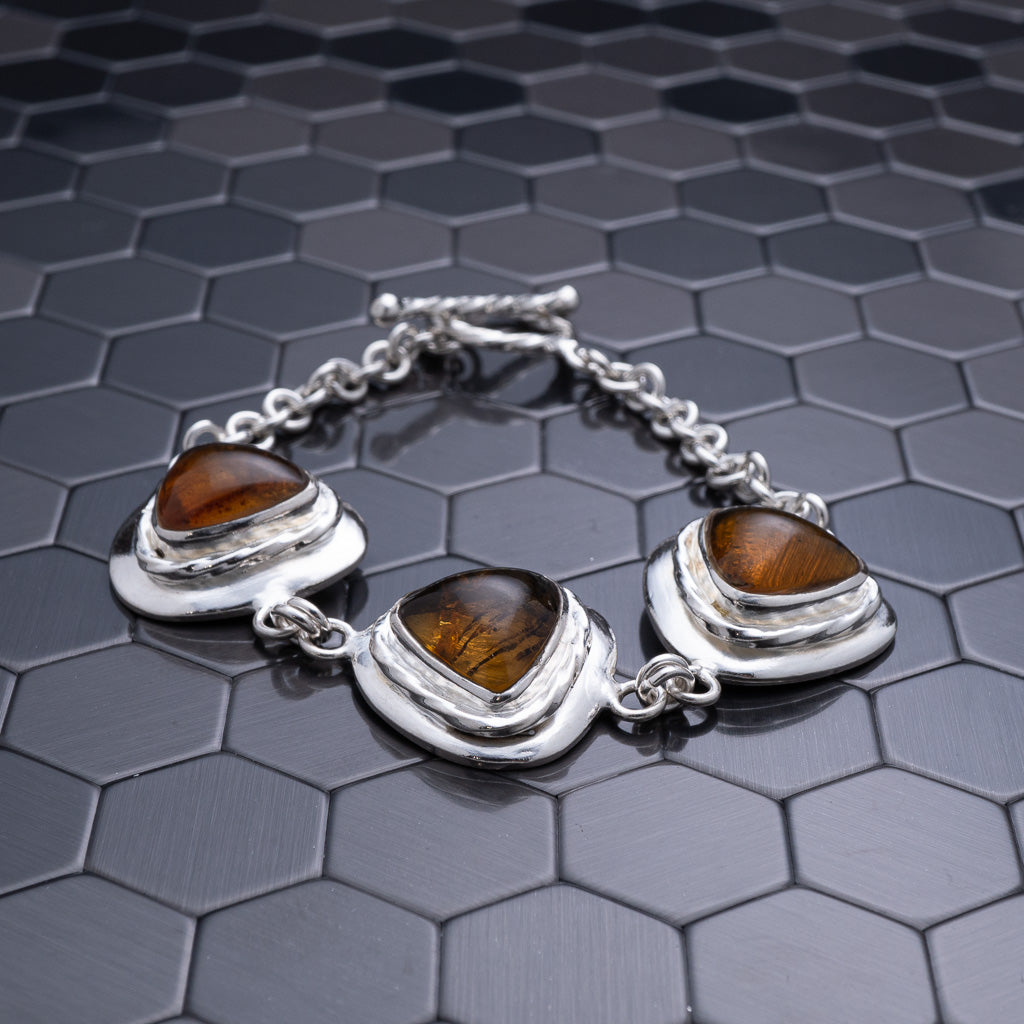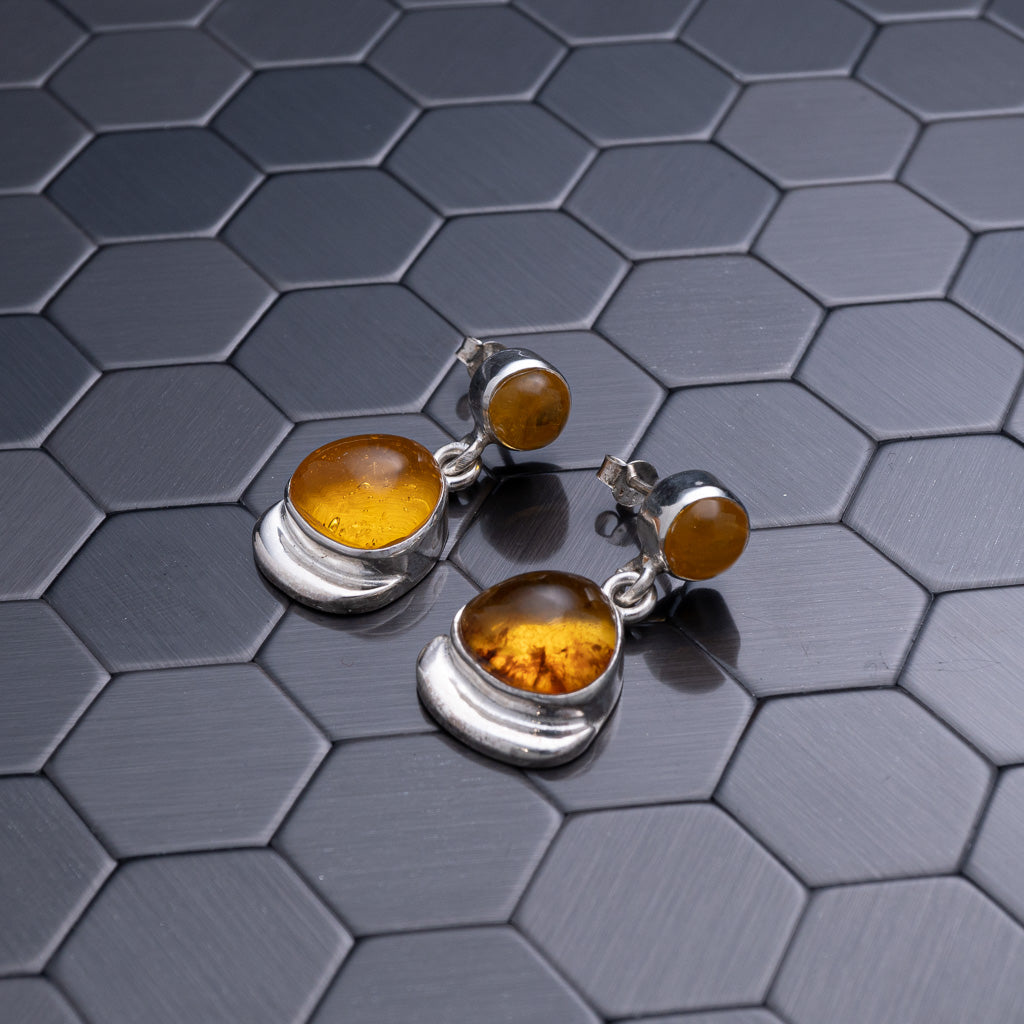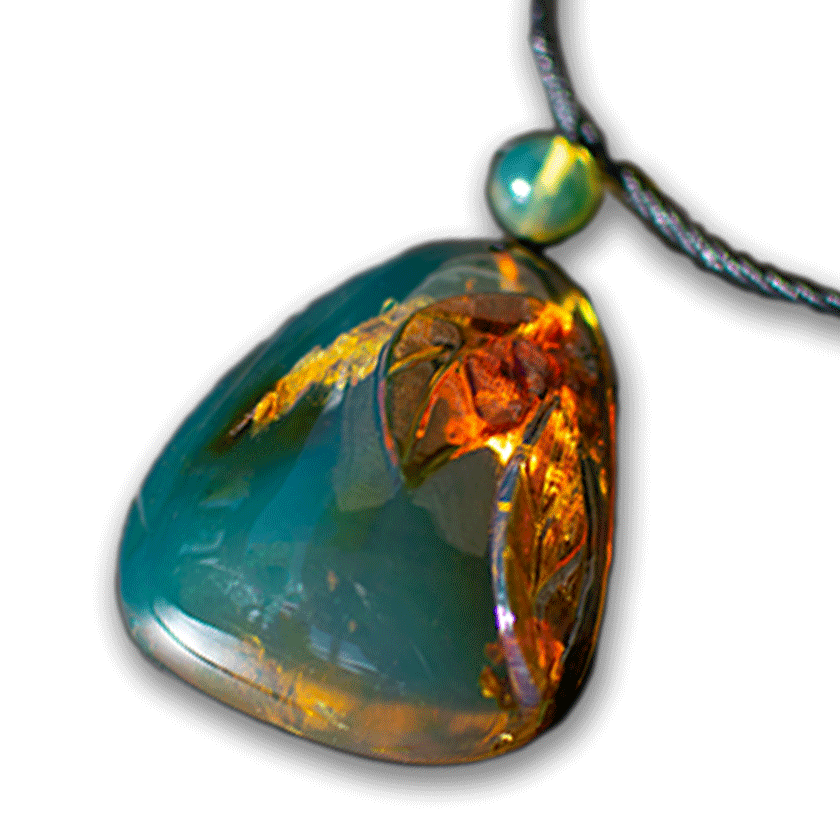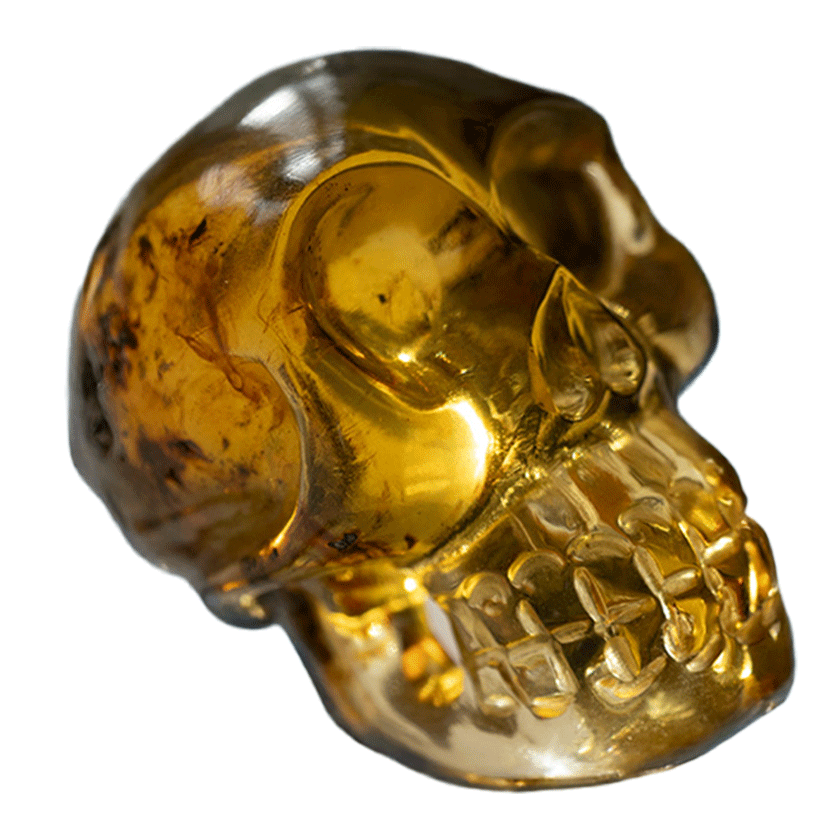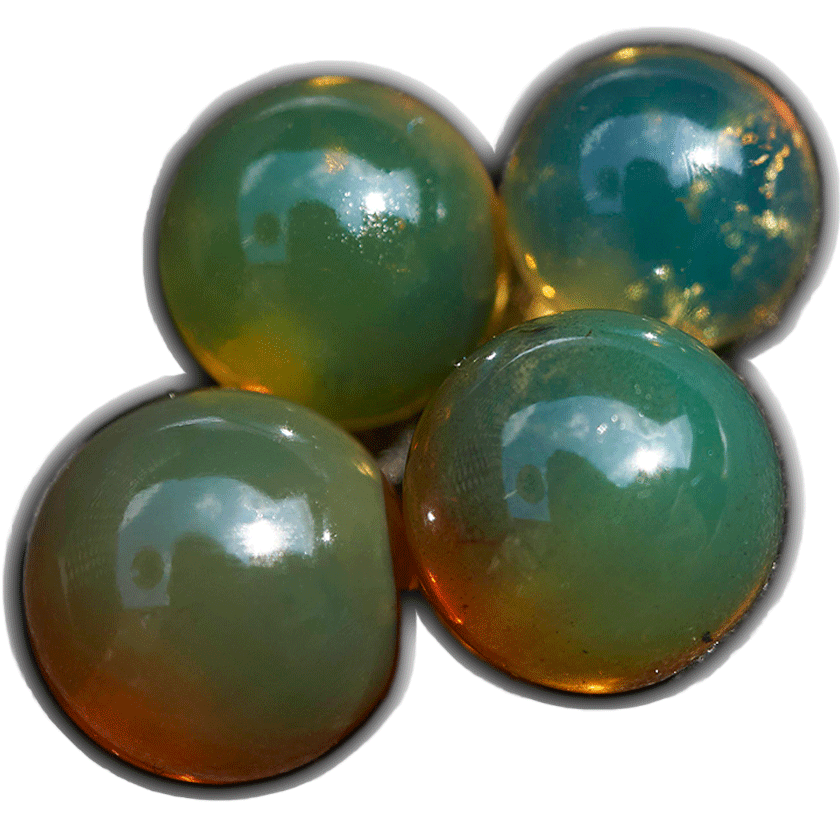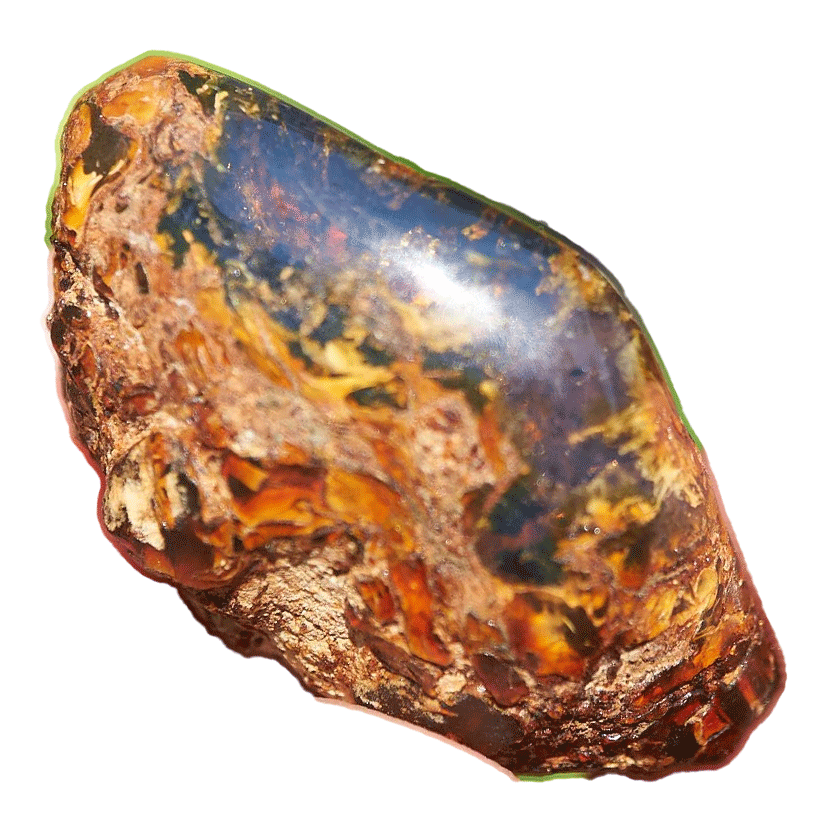


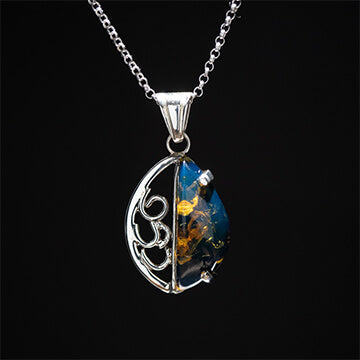
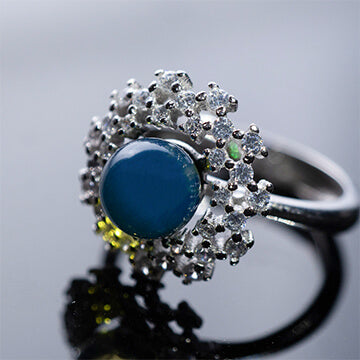
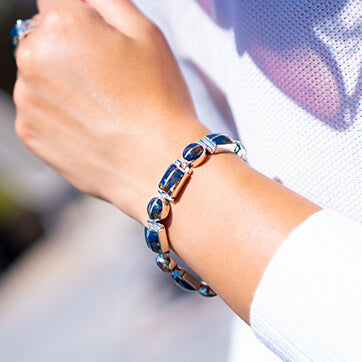
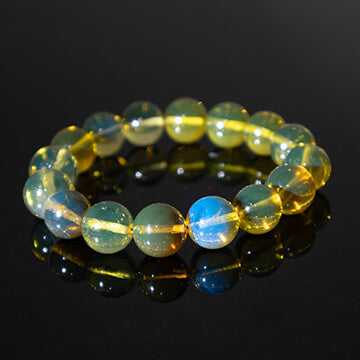
Handcrafted in DR.

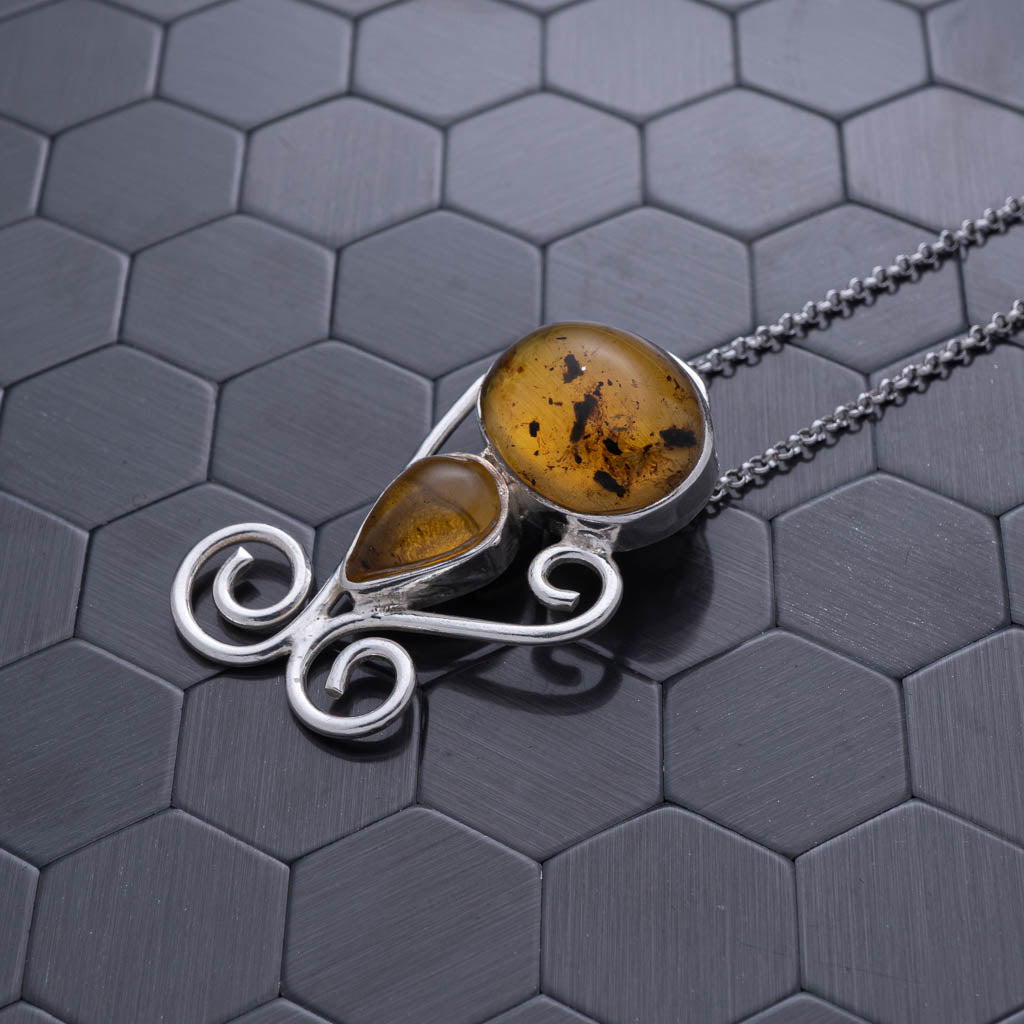
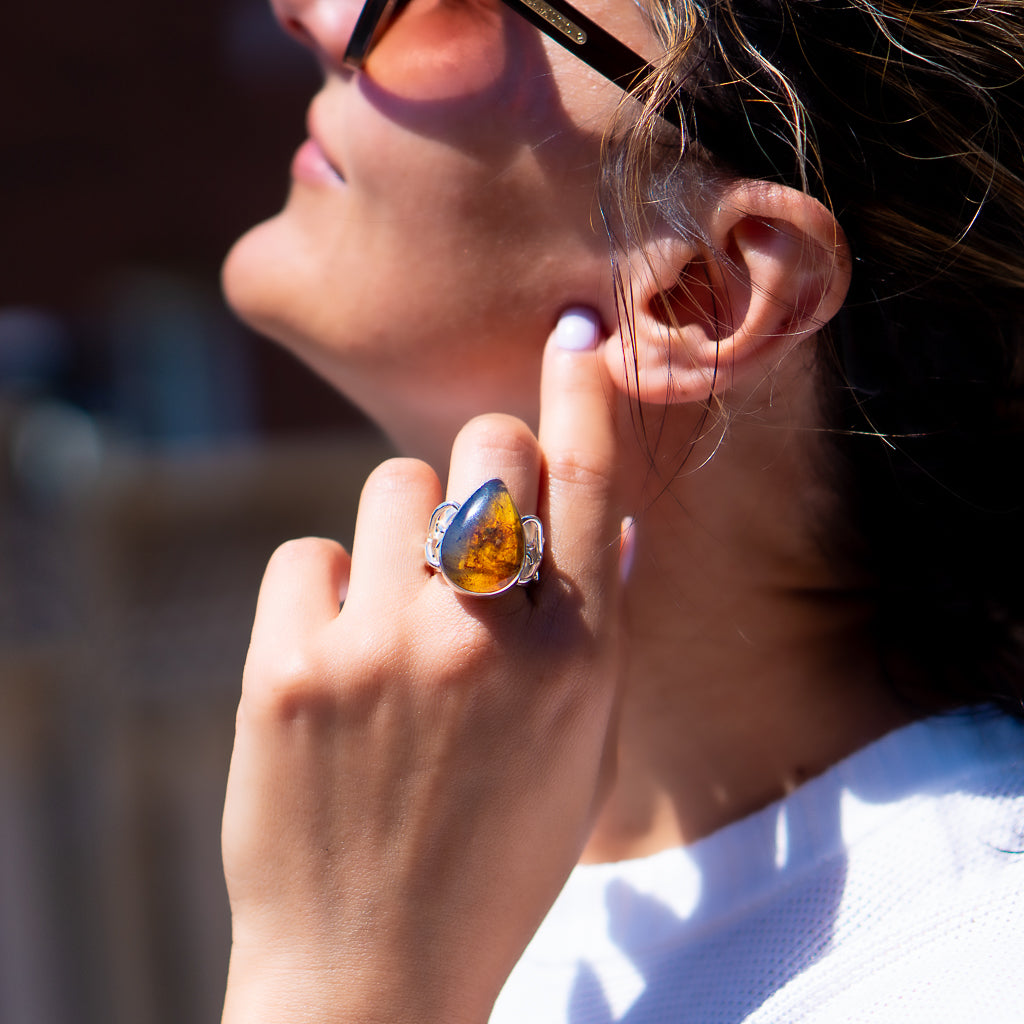
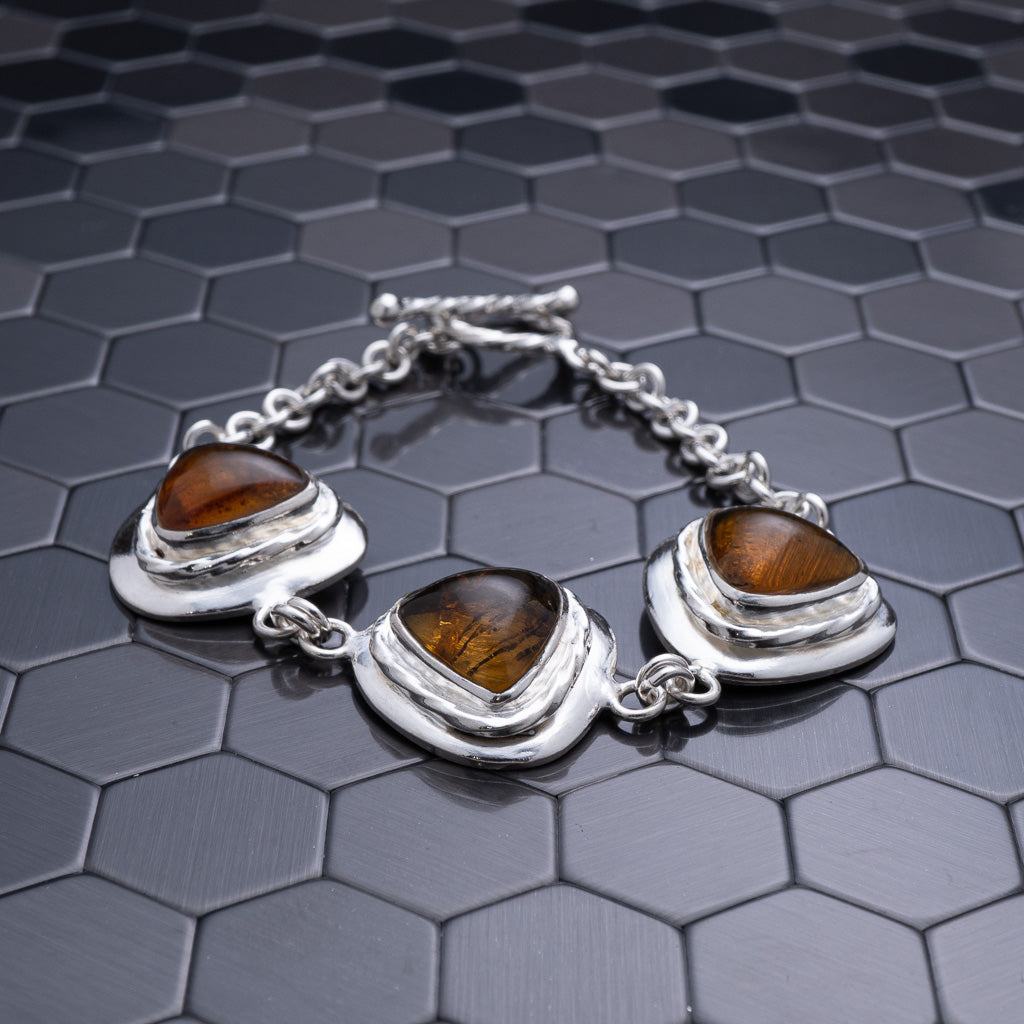
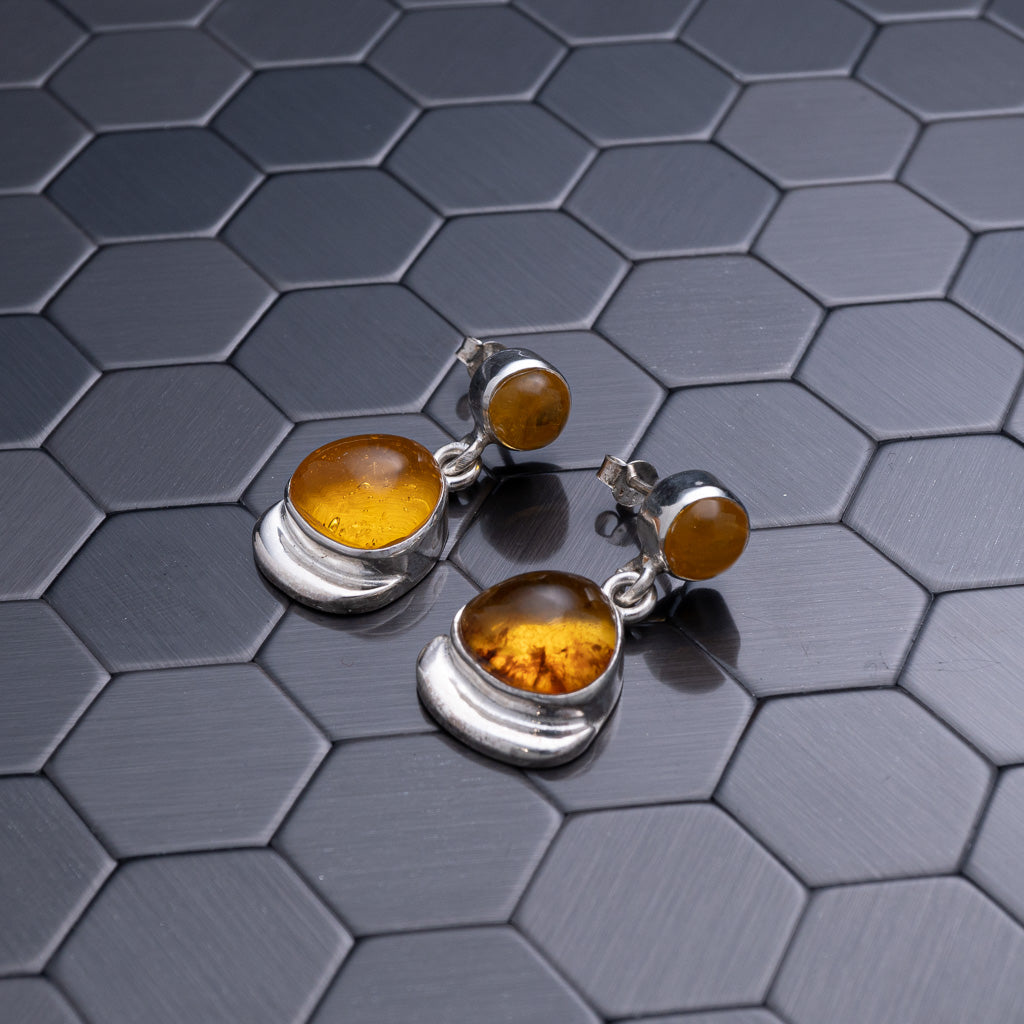


100% Handcrafted in DR.

A necklace blue pendant represents more than just an accessory-it embodies the timeless allure of the ocean, sky, and serenity. Blue gemstone pendants have captivated jewelry enthusiasts for centuries, offering a spectrum from pale aquamarine to deep sapphire and rare Caribbean blues. Whether you're seeking a statement piece for special occasions or an everyday treasure that elevates your style, understanding the nuances of blue pendant necklaces empowers you to make informed choices that reflect both your aesthetic preferences and investment goals. This comprehensive guide explores the diverse world of blue pendants, from gemstone varieties and quality considerations to styling techniques and long-term care strategies.
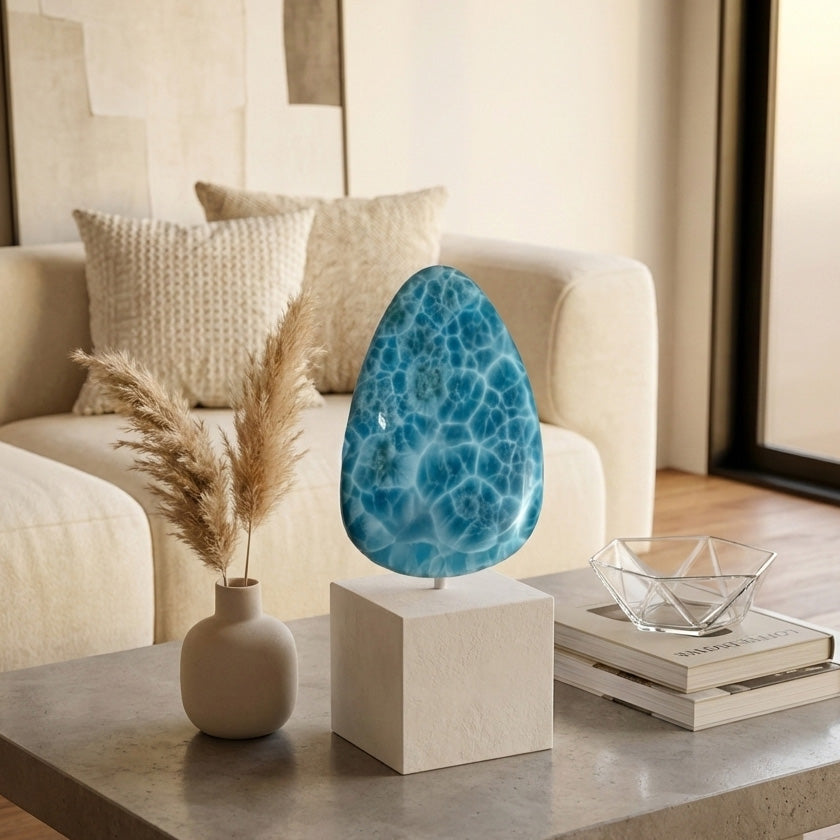
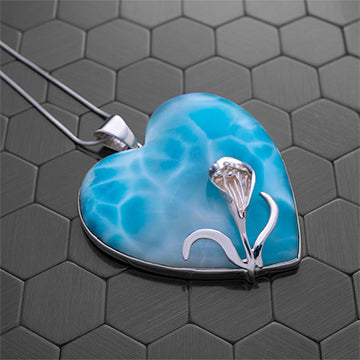
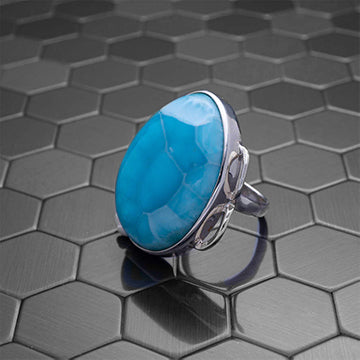
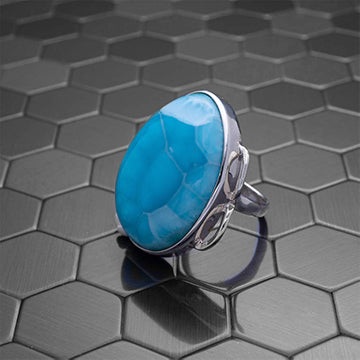
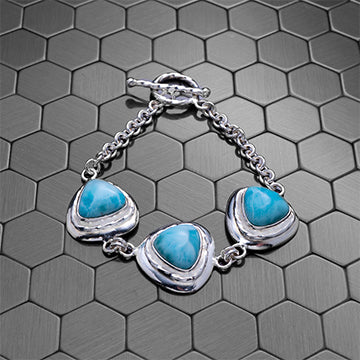
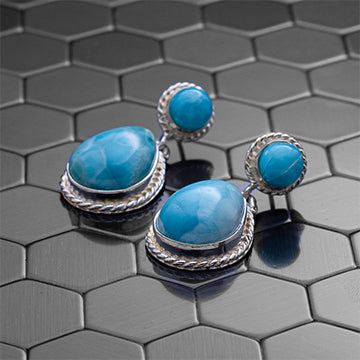
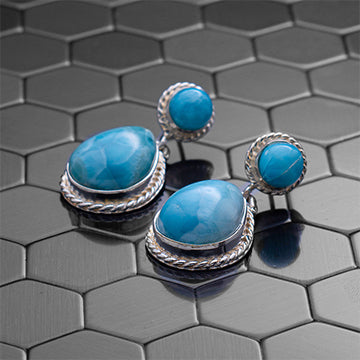
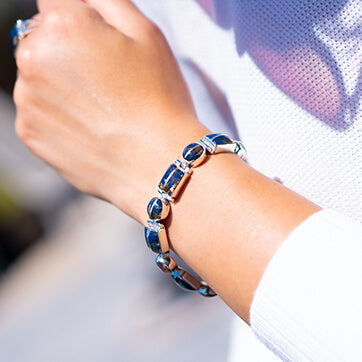
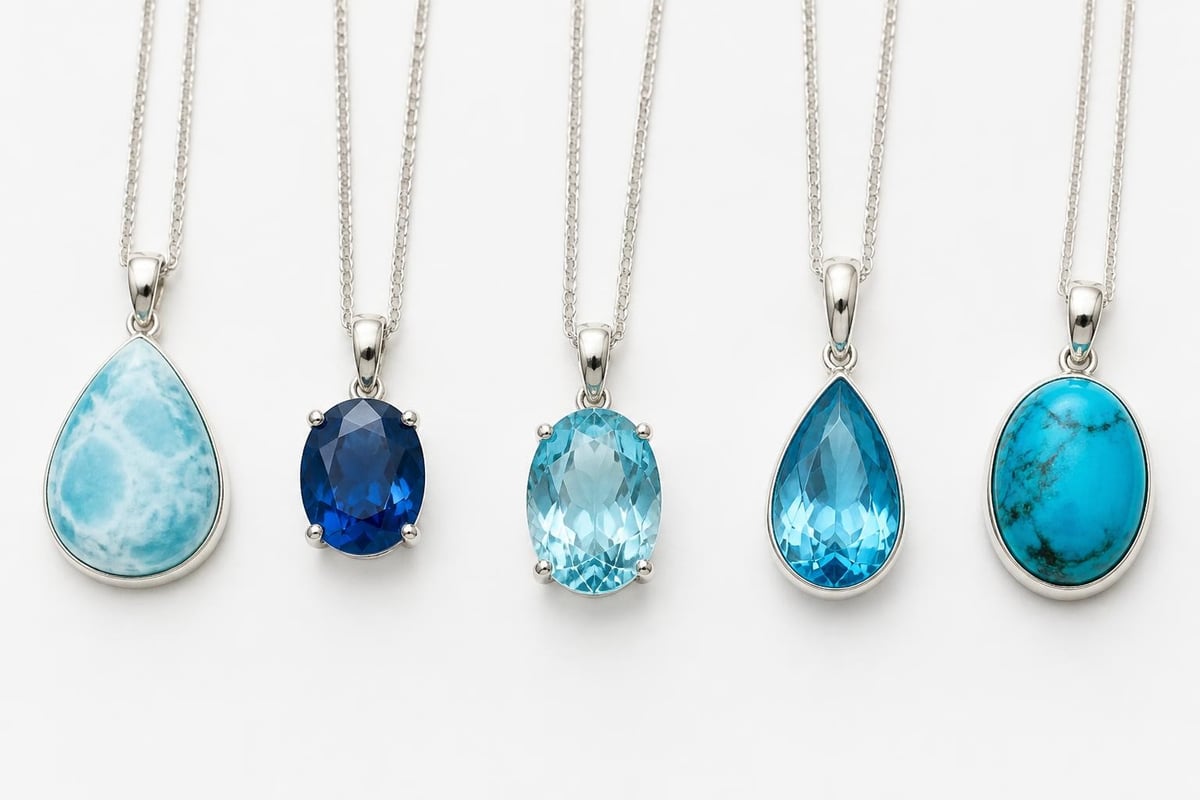
The world of blue gemstones offers remarkable diversity, each variety bringing unique characteristics to pendant designs. Larimar, found exclusively in the Dominican Republic, showcases ethereal sky-blue patterns reminiscent of Caribbean waters. This rare volcanic stone creates one-of-a-kind pendants with swirling white patterns that make each piece distinctive.
Sapphire dominates the fine jewelry market with its exceptional hardness and brilliant hues ranging from cornflower blue to deep royal tones. As a corundum variety, sapphire pendants offer durability suitable for daily wear alongside investment-grade value. Aquamarine, a beryl family member, delivers softer pastel blues with excellent clarity, perfect for larger pendant designs that showcase the gemstone's transparency.
Other popular options include:
Different blue gemstones occupy distinct positions on the rarity spectrum. Larimar's single-source origin makes it exceptionally rare, while sapphires vary widely based on origin, color saturation, and clarity. The American Gem Society buying guide emphasizes that understanding provenance and treatment disclosure remains essential when investing in quality blue pendants.
| Gemstone | Rarity Level | Durability (Mohs) | Typical Price Range |
|---|---|---|---|
| Larimar | Very Rare | 4.5-5 | $50-$500+ |
| Sapphire | Moderate-Rare | 9 | $100-$10,000+ |
| Aquamarine | Moderate | 7.5-8 | $50-$1,000+ |
| Blue Topaz | Common | 8 | $20-$200 |
| Turquoise | Moderate | 5-6 | $30-$500 |
Quality assessment for blue pendants requires examining multiple factors beyond initial visual appeal. Color serves as the primary value determinant-vivid, evenly distributed hues command premium prices. For Larimar specifically, the most sought-after pieces display volcanic blue shades with minimal white or gray infiltration, though artistic patterns add character and uniqueness.
Clarity impacts value differently across gemstone types. While sapphires and aquamarines benefit from high transparency with minimal inclusions, stones like Larimar and turquoise are valued for their distinctive patterns and matrix variations. Inclusions in these opaque-to-translucent materials contribute to authenticity rather than detract from quality.
The pendant cut should maximize the gemstone's natural beauty while ensuring structural integrity. Cabochon cuts-smooth, domed surfaces without facets-work ideally for Larimar, turquoise, and other opaque blue stones, highlighting their color and pattern. Faceted cuts enhance transparent stones like sapphire and aquamarine by maximizing light return and brilliance.
Setting quality deserves equal attention:
Professional craftsmanship ensures proportional design where the pendant size complements the gemstone without overwhelming it. Those exploring Larimar pendants will find handcrafted pieces that showcase each stone's natural beauty through thoughtful setting designs.
Modern gemstone treatments significantly impact both appearance and value, making disclosure essential for informed purchasing. Many blue gemstones undergo enhancement processes that consumers should understand before investing in a necklace blue pendant.
Heat treatment permanently improves color and clarity in sapphires and aquamarines-an industry-standard practice widely accepted when disclosed. Irradiation creates the vibrant blues seen in most commercial blue topaz, transforming colorless material into desirable hues. While stable and permanent, irradiated stones typically carry lower values than naturally colored alternatives.
Surface treatments require greater scrutiny. Coating and filling procedures, as detailed in Swiss Gemmological Institute research, temporarily enhance appearance but may wear over time. The Journal of Gemmology provides technical insights into detecting these treatments, which responsible sellers should disclose upfront.
When evaluating any blue pendant:
Reputable jewelers provide clear treatment disclosure and certification for significant purchases, ensuring transparency in the transaction.
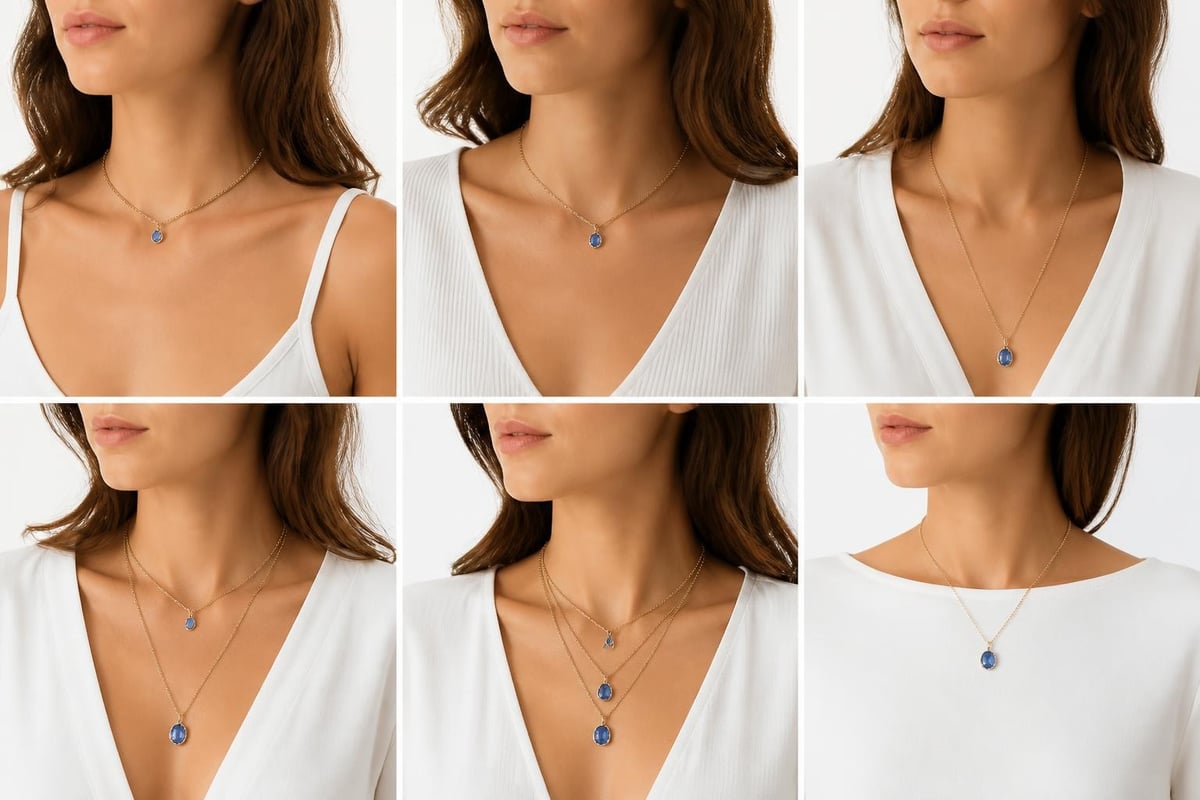
A necklace blue pendant offers remarkable versatility across different styling contexts. Chain length dramatically affects the pendant's visual impact and appropriate wearing occasions. Shorter 16-18 inch chains position pendants at the collarbone, creating elegant formal looks, while 20-24 inch lengths allow pendants to rest near the heart, perfect for layering and casual wear.
Pendant size should balance with your physical proportions and personal style preferences. Petite individuals often find delicate, smaller pendants more flattering, while statement pieces work beautifully on taller frames or for special occasions requiring visual impact.
Color coordination expands styling possibilities:
Contemporary jewelry trends embrace layering multiple necklaces for dimensional, personalized looks. When layering with a blue pendant:
The JCK colored stones report highlights growing consumer interest in personalized pendant stacking, with blue gemstones serving as versatile anchors for creative combinations.
Proper maintenance preserves the beauty and value of your necklace blue pendant for generations. Different blue gemstones require varying care approaches based on their hardness, porosity, and treatment history.
Soft blue gemstones including Larimar (4.5-5 Mohs), turquoise (5-6 Mohs), and lapis lazuli (5-6 Mohs) demand gentle handling. These materials scratch easily and may absorb chemicals, oils, and moisture. The International Gem Society care guide offers specific recommendations for porous blue stones, emphasizing minimal water exposure and chemical avoidance.
Hard blue gemstones like sapphire (9 Mohs) and aquamarine (7.5-8 Mohs) tolerate more robust cleaning methods but still benefit from professional care for valuable pieces.
| Maintenance Task | Soft Stones (Larimar, Turquoise) | Hard Stones (Sapphire, Aquamarine) |
|---|---|---|
| Cleaning Method | Soft cloth, minimal water | Warm soapy water, soft brush |
| Frequency | After each wear | Weekly or as needed |
| Chemical Exposure | Avoid completely | Minimize exposure |
| Storage | Individual soft pouches | Separate compartments |
| Professional Cleaning | Annually | Every 1-2 years |
Remove your pendant before showering, swimming, exercising, applying cosmetics, or cleaning with household chemicals. These activities expose gemstones to damaging substances that may cloud, pit, or discolor blue stones, particularly softer or treated varieties.
For treated blue gemstones, follow specific care instructions based on enhancement type. Coated stones require extra gentleness to preserve surface treatments, while irradiated topaz remains stable under normal wearing conditions.
The necklace blue pendant market encompasses pieces ranging from affordable fashion jewelry to significant gemstone investments. Understanding authentication markers helps ensure you receive genuine value for your purchase.
Documentation serves as your primary authentication tool. Quality sellers provide certificates from recognized gemological laboratories specifying the gemstone type, origin, treatments, and quality characteristics. For rare materials like Larimar and blue amber, origin verification becomes particularly important given limited source locations.
Price alignment with market standards indicates authenticity. Unusually low prices for supposedly rare gemstones often signal synthetic materials, misidentification, or undisclosed treatments. Research typical price ranges for your desired gemstone variety, considering size, quality, and origin factors.
Examine the pendant's metal components for quality indicators:
Handcrafted pendants from specialized artisans often carry distinctive marks that add provenance value. Companies specializing in specific gemstones, such as those offering blue amber pendants, typically provide detailed authenticity information with each purchase.
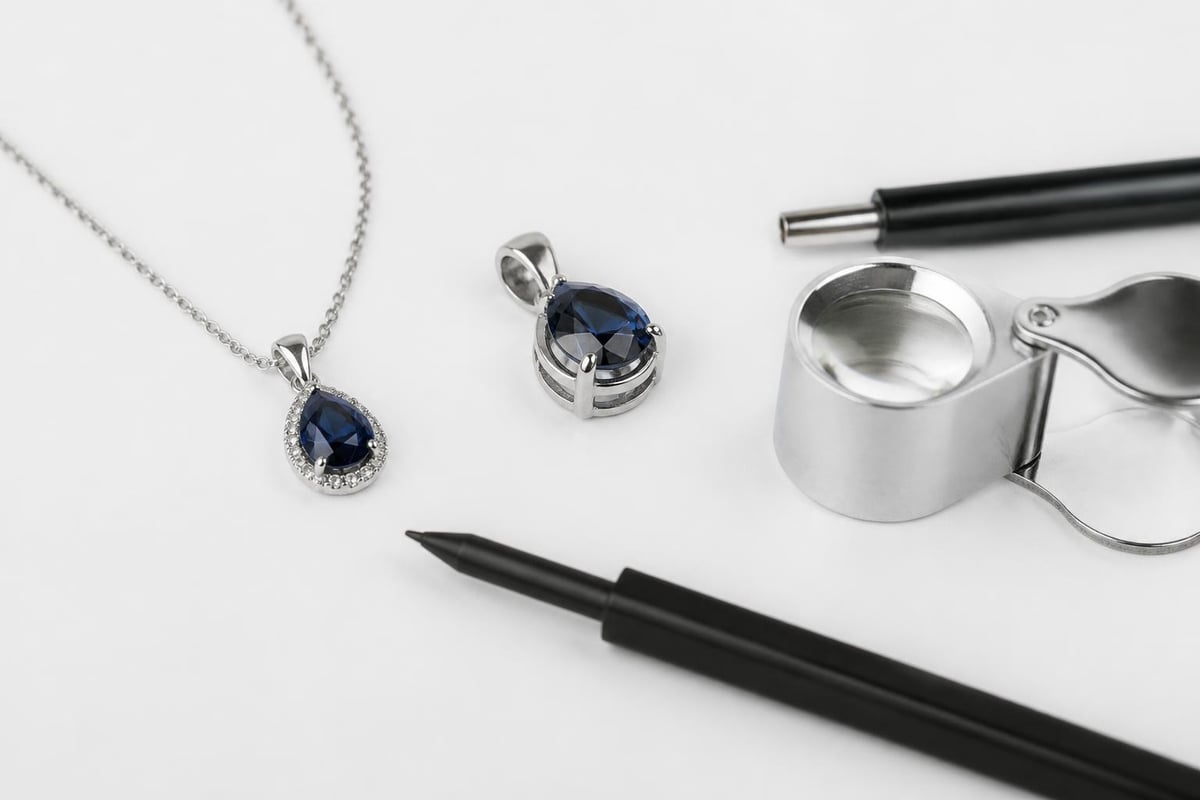
Blue gemstone pendants carry rich cultural meanings across civilizations. Turquoise holds sacred status among Native American cultures, symbolizing protection, healing, and connection to spiritual realms. Ancient Egyptians adorned themselves with lapis lazuli, associating its celestial blue with divinity and truth.
Larimar, discovered relatively recently in 1974, quickly became the Dominican Republic's national stone, representing Caribbean tranquility and oceanic energy. Many wearers attribute calming, stress-reducing properties to this unique blue gemstone, though such metaphysical claims remain in the realm of personal belief rather than scientific validation.
Sapphire historically symbolized wisdom, royalty, and divine favor, explaining its prominence in royal jewelry collections and engagement rings. The gemstone's association with fidelity and truth makes blue sapphire pendants popular for meaningful gifts and milestone commemorations.
Contemporary pendant wearers often choose blue gemstones for personal rather than traditional cultural reasons:
The meaning you attach to your necklace blue pendant ultimately matters most, whether rooted in cultural tradition, personal experience, or pure aesthetic appreciation.
Custom-designed blue pendants allow for unique expression unavailable in mass-produced jewelry. Gemstone selection offers the first customization opportunity-choosing the specific stone that speaks to you based on color, pattern, size, and energetic qualities creates personal connection from the start.
Setting design transforms the same gemstone into radically different aesthetic expressions. Consider these customization elements:
Working with skilled artisans who understand blue gemstone properties ensures both beautiful and structurally sound results. Specialized jewelers focusing on particular materials bring expertise in maximizing each stone's natural advantages while protecting against its vulnerabilities.
Creating a custom necklace blue pendant typically follows these stages:
Consultation establishes your vision, budget, and timeline while exploring design possibilities. Stone selection involves choosing from available specimens or sourcing specific materials meeting your criteria. Design development translates concepts into detailed sketches or digital renderings for your approval.
Fabrication brings the design to life through expert metalworking and stone setting. Finishing includes polishing, quality inspection, and any requested personalizations. This collaborative process typically requires 4-12 weeks depending on complexity and material availability.
Blue pendant popularity fluctuates with fashion trends while maintaining enduring appeal across decades. The 2026 jewelry landscape shows strong consumer interest in meaningful, unique pieces with traceable origins and artisan craftsmanship rather than mass-produced items.
Sustainability concerns influence purchasing decisions, with buyers increasingly seeking ethically sourced gemstones and recycled metals. Blue gemstones from single-origin sources with transparent supply chains align with these values, particularly when supporting small-scale miners and artisan communities.
Current trend highlights include:
Exploring collections from specialists reveals how contemporary designs honor traditional craftsmanship while embracing current aesthetics.
A necklace blue pendant makes an exceptional gift for virtually any celebration. The gemstone's color and symbolism allow you to match the piece to the recipient's personality and the occasion's significance.
Birthday gifts might incorporate the recipient's birthstone or favorite blue shade. Anniversary presents in blue gemstones symbolize fidelity and enduring love, with sapphire traditionally marking 45th anniversaries. Graduation or achievement recognition through blue pendants represents wisdom and future success.
When choosing a blue pendant as a gift:
Quality presentation enhances the gifting experience. Request elegant packaging and include any authentication documentation or care instructions, which add value and demonstrate thoughtfulness in your selection.
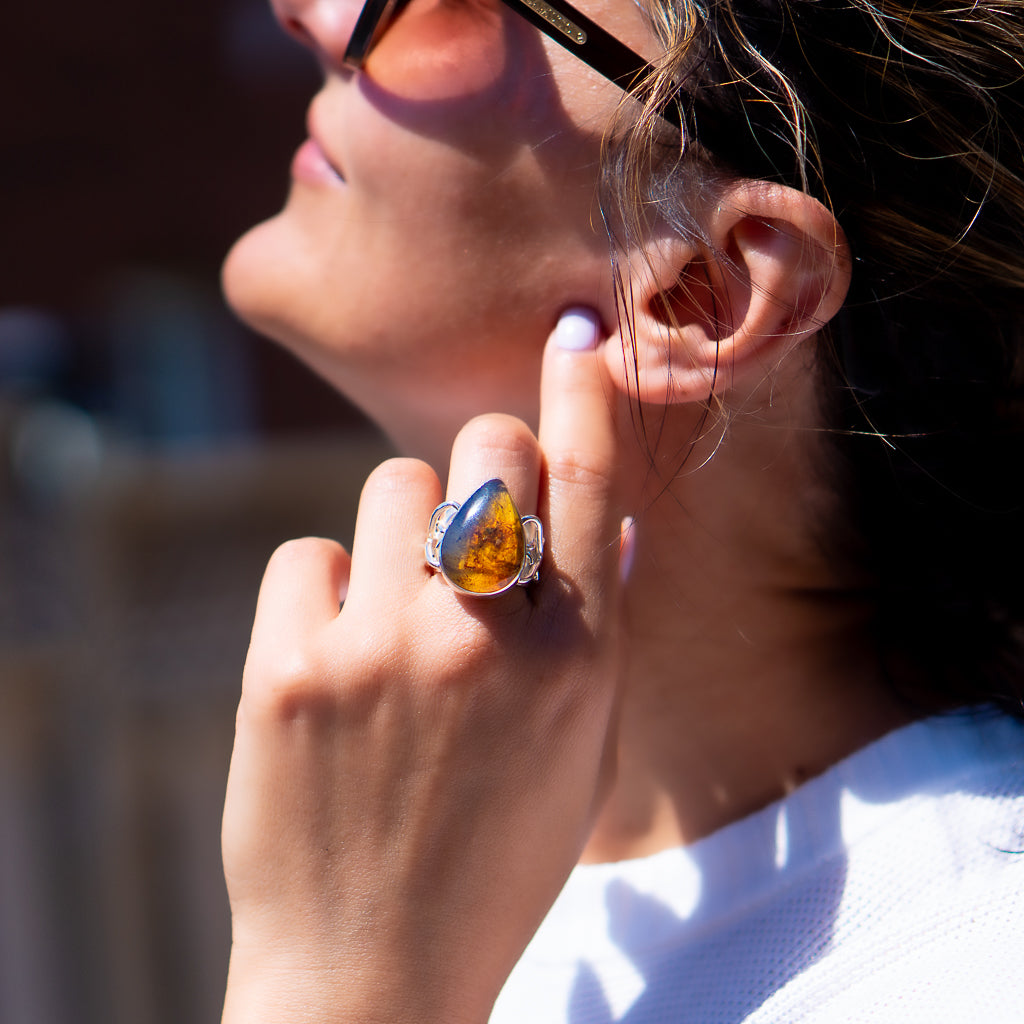
Beyond gemstone choice, pendant shape dramatically affects the necklace's overall aesthetic. Oval and teardrop shapes create classic elegance that flatters most face shapes and necklines. These proportions naturally draw the eye downward in a lengthening effect.
Round pendants offer balanced, harmonious appeal suitable for both formal and casual contexts. Square and rectangular cuts deliver contemporary, architectural statements that pair beautifully with modern fashion sensibilities.
Freeform organic shapes celebrate natural gemstone formations, particularly effective for materials like Larimar where unique patterns and inclusions add character. These irregular silhouettes create artistic, one-of-a-kind pieces impossible to replicate exactly.
| Pendant Shape | Best For | Visual Effect | Ideal Necklines |
|---|---|---|---|
| Oval/Teardrop | Traditional elegance | Lengthening, flowing | V-neck, scoop |
| Round | Versatile everyday wear | Balanced, harmonious | All necklines |
| Square/Rectangle | Modern aesthetics | Structured, bold | Boat neck, off-shoulder |
| Freeform | Artistic expression | Unique, organic | Simple, minimal necklines |
| Heart | Romantic gifts | Sentimental, playful | Sweetheart, scoop |
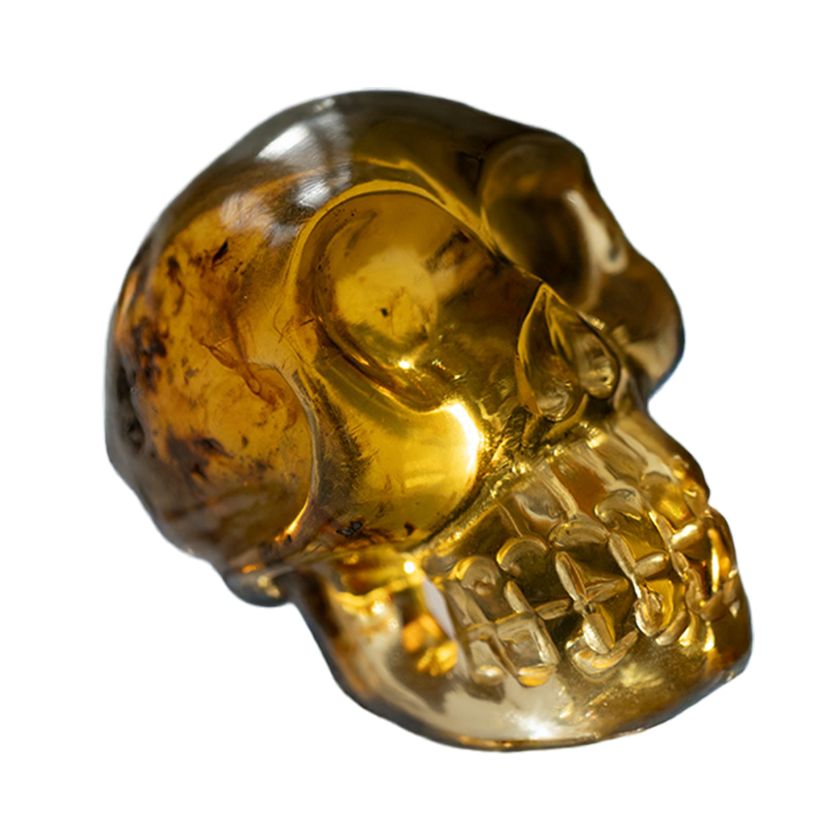
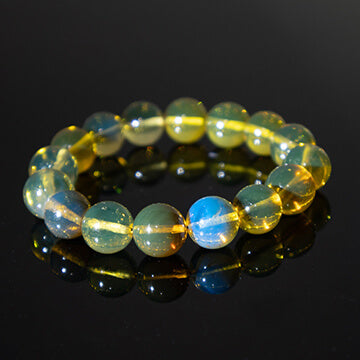
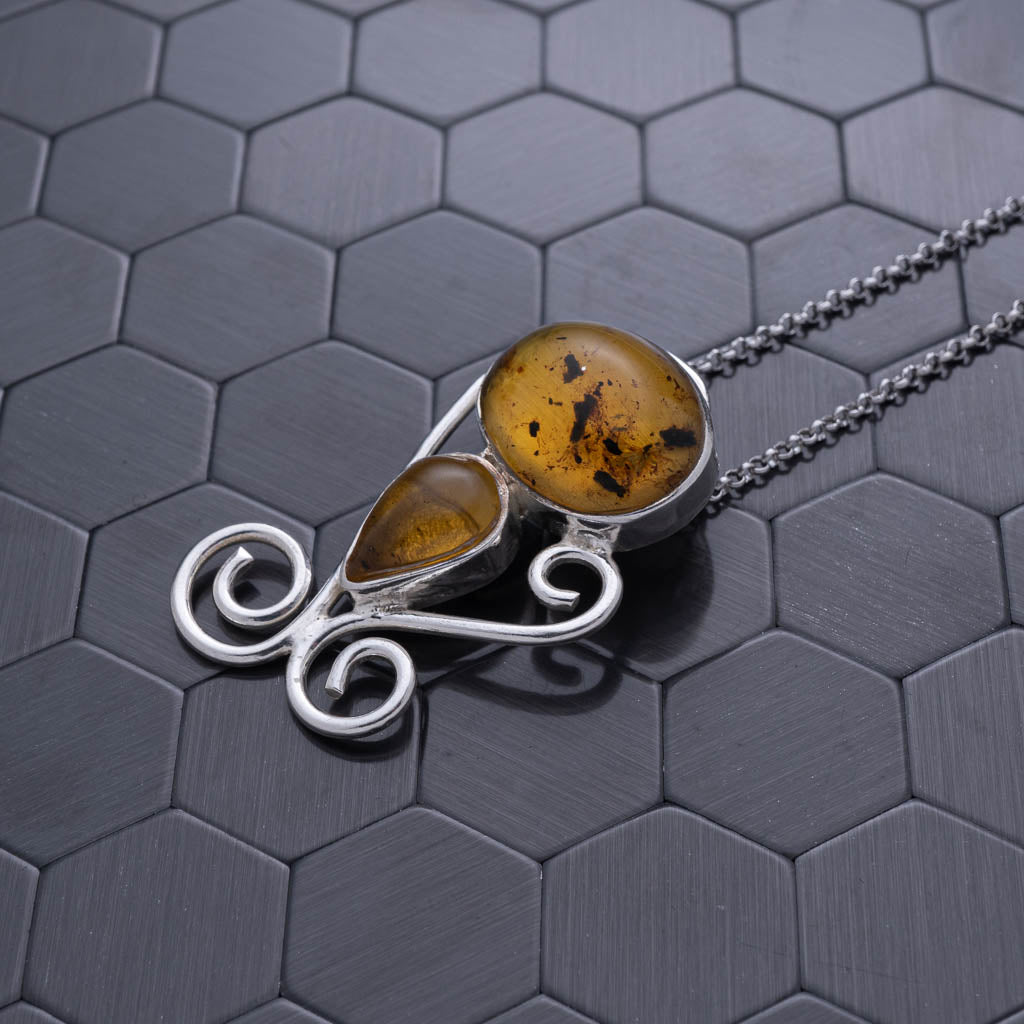
Carved pendants incorporating detailed artistry transform gemstones into miniature sculptures. Blue amber and Larimar particularly lend themselves to carving, with artisans creating specialty carvings that showcase both gemstone and artistic skill.
Metal selection profoundly impacts how a necklace blue pendant presents visually. Cool-toned metals including white gold, platinum, and sterling silver complement blue gemstones naturally, creating cohesive color harmony. These metals enhance the coolness of sapphires, aquamarines, and other clear blue stones.
Warm metals like yellow and rose gold create beautiful contrast with blue gemstones. Yellow gold particularly enhances turquoise and Larimar, evoking tropical aesthetics reminiscent of sand and sea. Rose gold's romantic warmth softens pastel aquamarines while adding contemporary flair.
Mixed metal designs offer versatility for wearers who own jewelry in multiple finishes. A pendant featuring both warm and cool metals coordinates with any existing pieces, eliminating the need to match metals strictly.
Higher purity metals offer distinct advantages and trade-offs:
Match metal choice to your budget, maintenance willingness, and skin sensitivity. Those with metal allergies should prioritize platinum or high-karat gold to minimize reactions.
Jewelry enthusiasts often develop collections spanning multiple blue gemstone varieties, each serving different styling needs and occasions. Starter collections might include one everyday pendant in a durable material like sapphire or blue topaz, complemented by a special occasion piece in a rarer gemstone.
Expanded collections incorporate:
Color variation within blue gemstone pendants creates styling flexibility. A collection spanning pale aquamarine through medium Larimar to deep sapphire provides options coordinating with countless outfit choices.
Proper collection storage prevents damage while keeping pieces accessible. Store each pendant in individual soft pouches or compartments preventing scratching contact. Consider jewelry boxes with designated pendant sections or drawer organizers separating pieces by type.
Maintain an inventory documenting each pendant's gemstone type, purchase details, certification information, and insurance value. Photograph your collection regularly, updating documentation as you acquire new pieces or notice changes requiring professional attention.
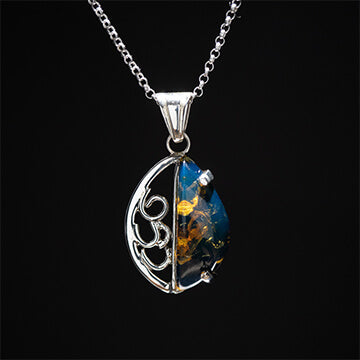
Selecting the perfect necklace blue pendant requires balancing aesthetic preferences with practical considerations including gemstone durability, treatment disclosure, and long-term care requirements. Whether you're drawn to rare Larimar's Caribbean swirls, sapphire's timeless elegance, or turquoise's cultural richness, informed choices ensure satisfaction with your investment for years to come. Larimar Creations specializes in handcrafted blue gemstone jewelry, offering authentic Larimar and Dominican Blue Amber pendants with worldwide shipping, allowing you to discover exceptional pieces that celebrate these rare treasures with expert craftsmanship and transparent authenticity.