
Larimar
Blue Amber
Green Amber
Amber Carvings
More

by Admin September 24, 2026 6 min read

A warm golden pendant can look ancient at first glance. So can a polished bead with a tiny leaf, a glittering insect inclusion, or a blue flash in sunlight. Yet amber resin versus copal is not simply a question of appearance. It is a question of time, stability, rarity, and the confidence behind the stone you choose to wear.

For jewelry lovers and collectors, understanding the difference helps protect the meaning of a purchase. Genuine amber is a remarkable piece of natural history. Copal can be beautiful in its own right, but it belongs to a younger stage of the same story.

What Is Amber Resin?

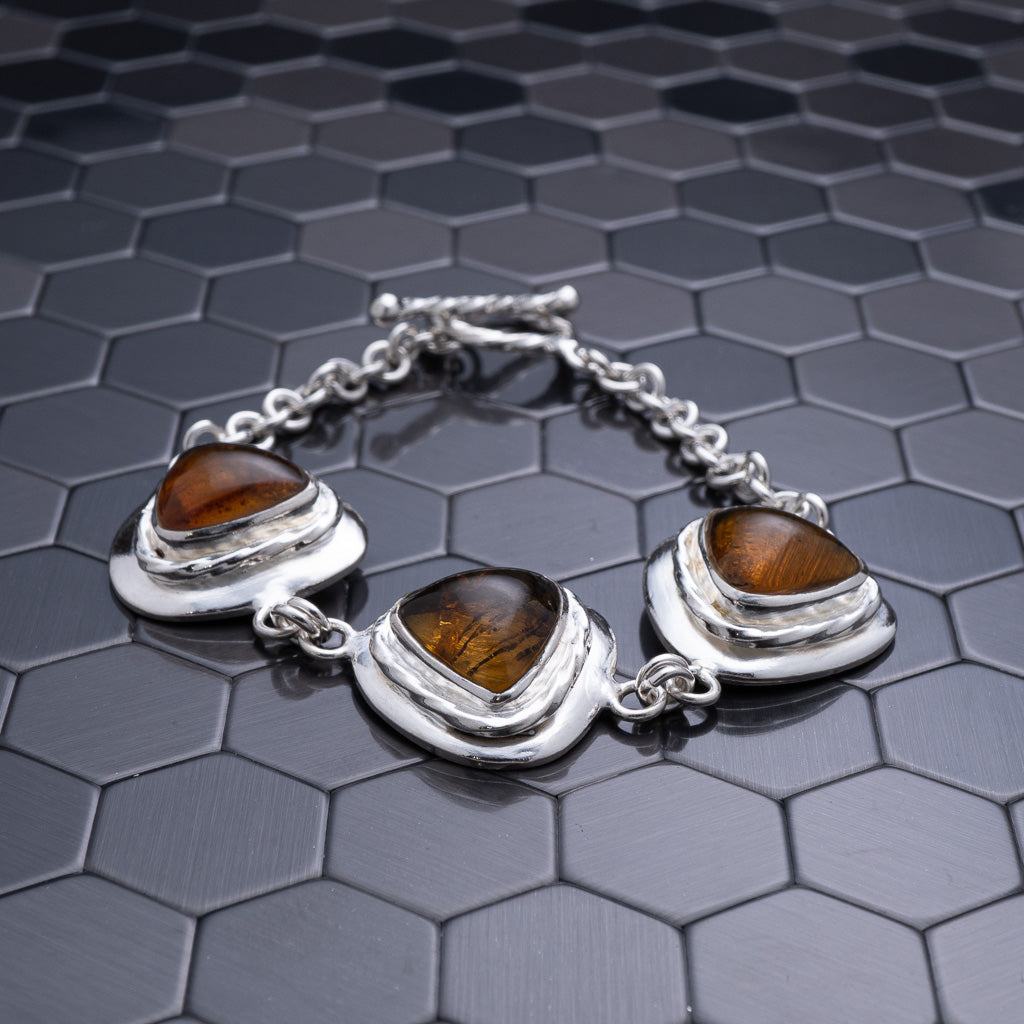
Amber began as tree resin, a fragrant, sticky substance released by ancient trees. Over immense spans of time, that resin was buried and transformed through oxidation, polymerization, pressure, and geological change. The result is fossilized resin: amber.

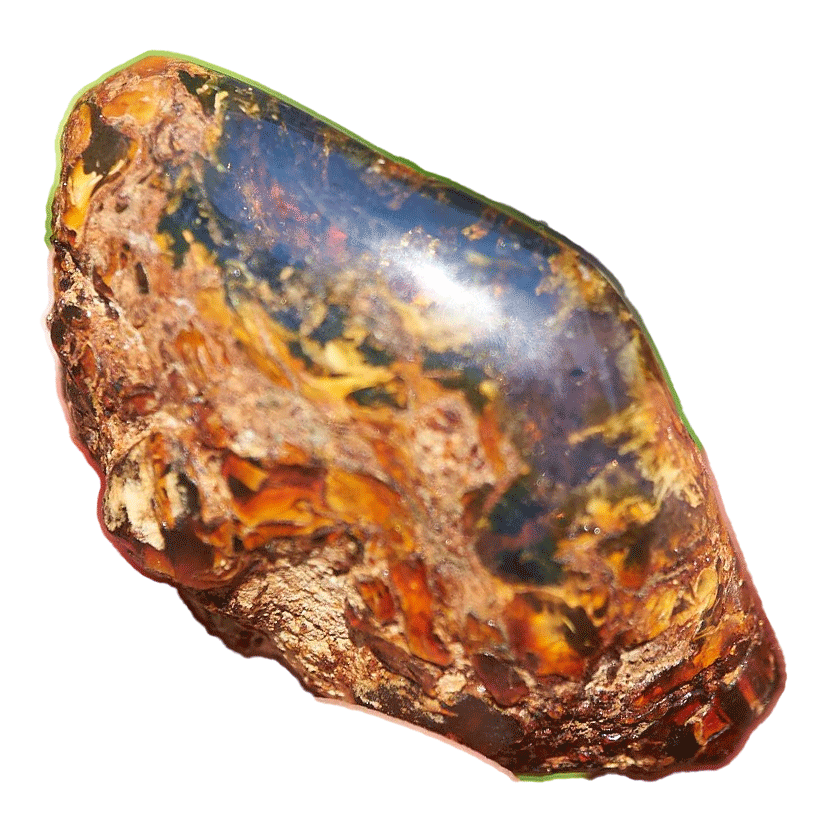
Most gem-quality amber is millions of years old. Dominican amber, formed largely during the Miocene epoch, is generally dated between roughly 15 and 30 million years old. That deep age is part of its romance. A luminous Dominican amber cabochon is not merely golden material shaped for jewelry. It is a preserved fragment of the Caribbean’s prehistoric landscape.

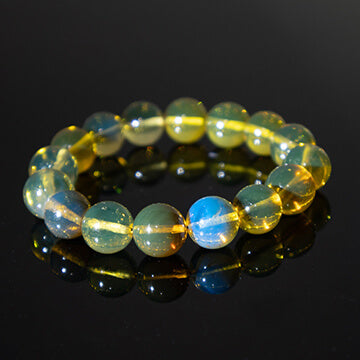
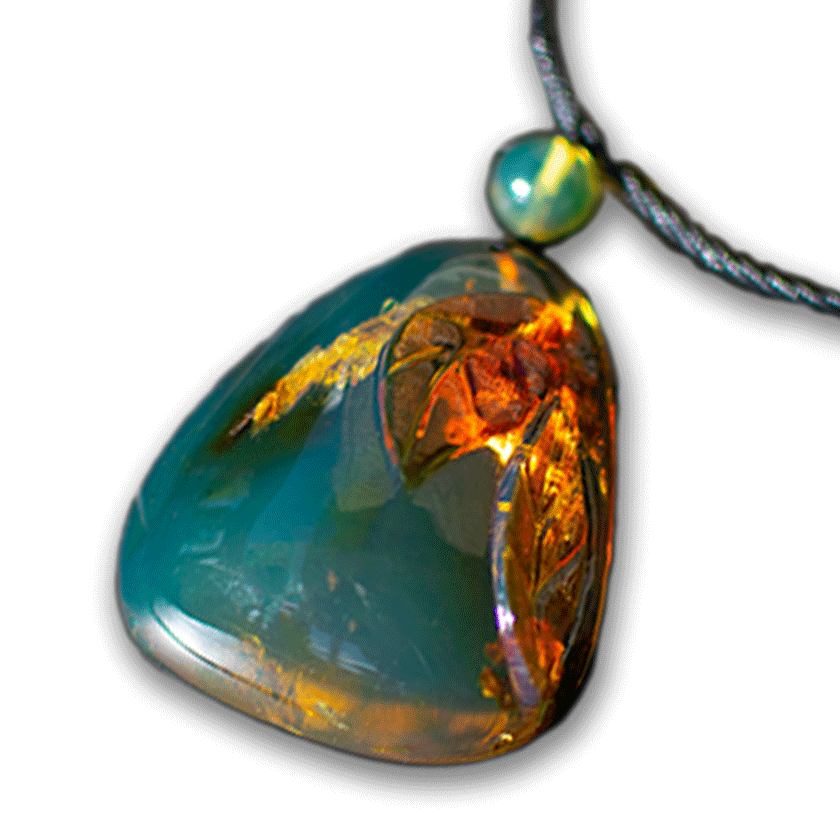
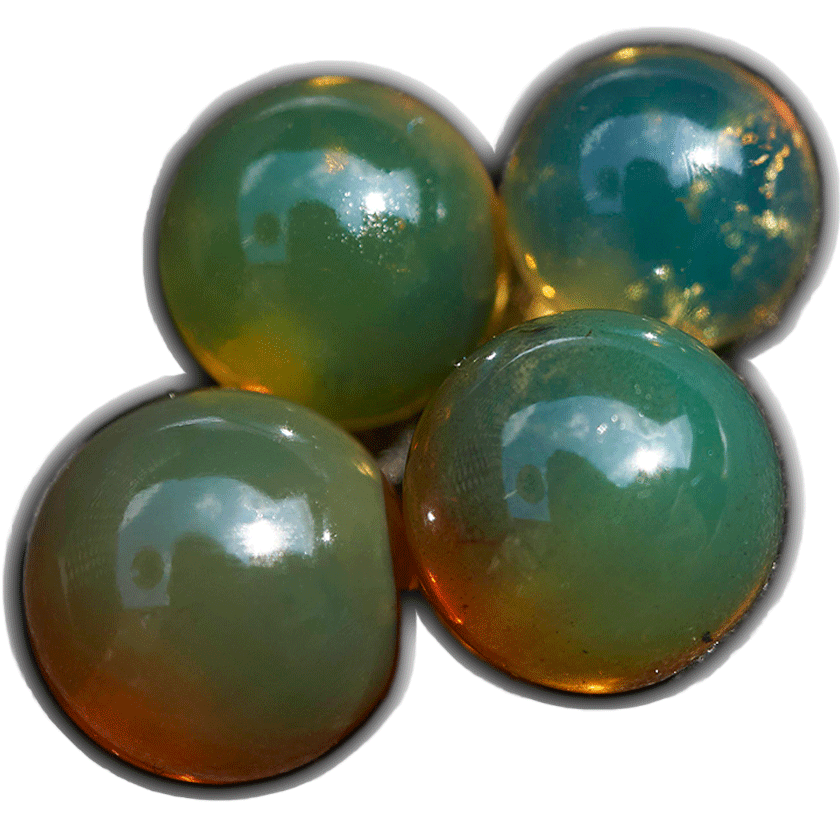
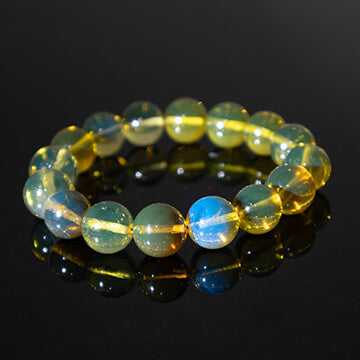
Amber occurs in many colors, from honey yellow and cognac to green, red, and rare blue. Dominican Blue Amber is especially prized because of its distinctive fluorescence. In ordinary light it may appear warm yellow, brownish, or near clear, while sunlight or ultraviolet light can reveal an electric blue glow. This visual transformation is one reason collectors seek it so passionately.

What Is Copal?

Copal is also tree resin, but it has not completed the long geological transformation that creates true amber. It is much younger, often ranging from recent material to thousands or, in some cases, far older. The word itself can be used broadly in trade, which adds to the confusion.

Fresh resin is soft and sticky. Copal sits between fresh resin and fully fossilized amber. It may look clear, golden, or richly colored, and it can contain plant matter or insects. Those inclusions may be visually captivating, but they do not automatically establish that a specimen is ancient amber.

Because copal is younger, its molecular structure is typically less stable than amber’s. It is often softer, more vulnerable to solvents, and more likely to show changes over time. That does not make copal undesirable. It simply means it should be described honestly and valued for what it is.

Amber Resin Versus Copal: The Essential Difference

The clearest distinction between amber resin versus copal is maturity. Amber is fossilized resin that has undergone extensive chemical and physical change over geological time. Copal is younger resin that remains closer to its original organic state.

That difference affects more than a label. It influences durability, collector value, rarity, and suitability for heirloom jewelry. Amber has survived extraordinary conditions beneath the earth and has become a recognized gem material. Copal may be easier to source and generally commands a lower price, although exceptional pieces can still be attractive to collectors of natural specimens.

Age alone is not always easy to prove by looking. Color is not a reliable shortcut. Both amber and copal can be pale yellow, deep cognac, or nearly transparent. Inclusions are equally inconclusive. A mosquito in copal may look dramatic, but a striking inclusion does not make the material older or more valuable than genuine amber.

Why Dominican Amber Deserves Special Attention

Dominican amber holds a distinguished place in the gem world for its clarity, range of color, and exceptional inclusions. It is often more transparent than Baltic amber, allowing fossils and natural internal details to be seen with remarkable definition.

The Dominican Republic is also the celebrated source of Blue Amber. This rare variety is valued for its blue fluorescence, a phenomenon that can make a stone appear to hold Caribbean water beneath its surface. No two pieces display the effect in precisely the same way. The depth of color, clarity, polish, cut, and lighting all influence how the blue is revealed.

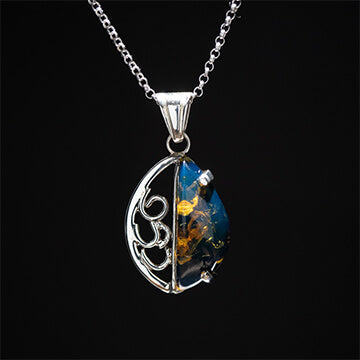
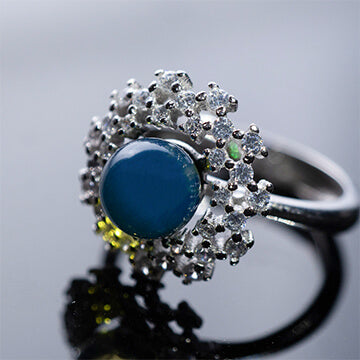
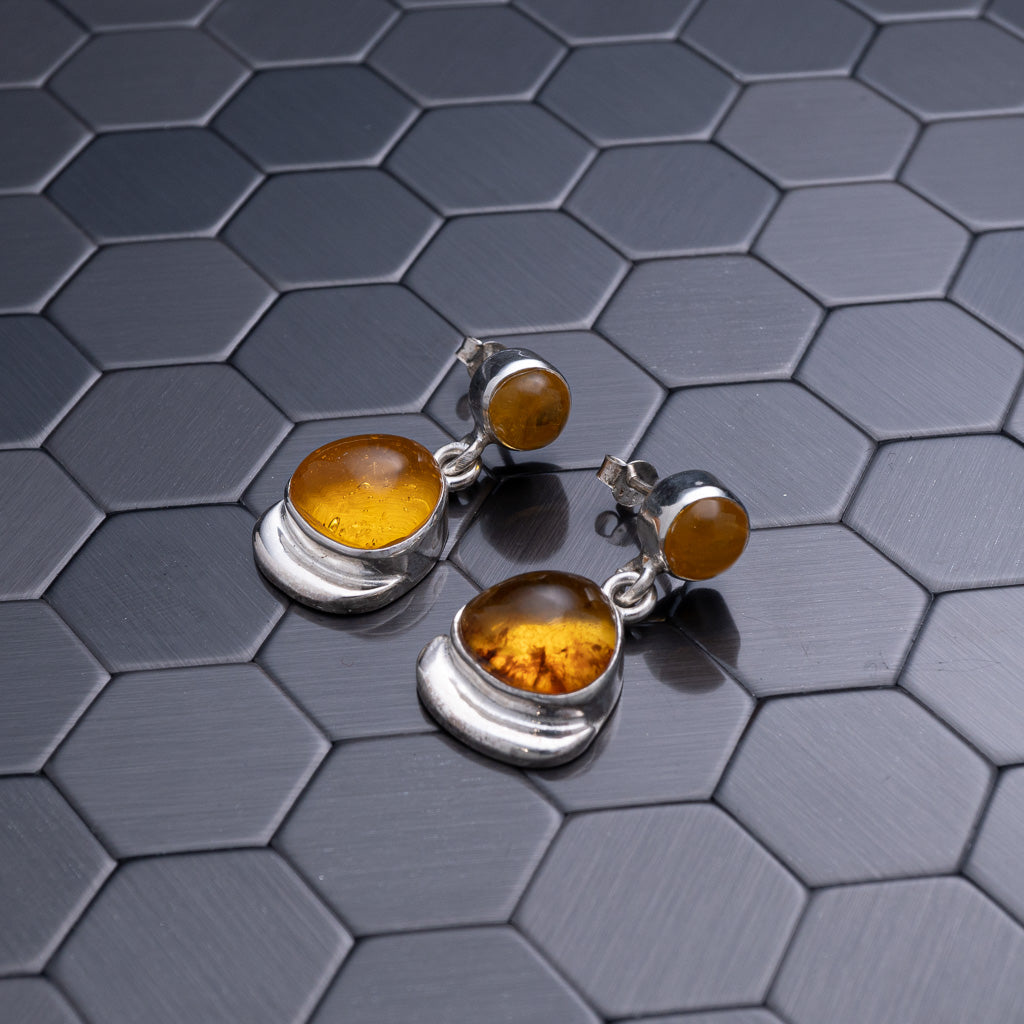
For a buyer seeking jewelry rather than a loose curiosity specimen, origin matters. Authentic Dominican amber carries a connection to a specific landscape, mining tradition, and artisan heritage. A carefully cut Dominican amber ring, pendant, or pair of earrings brings that natural history into a personal form designed to be worn and treasured.

Can You Tell Amber and Copal Apart at Home?

Simple observations may raise useful questions, but they cannot replace a professional assessment or trustworthy provenance. Copal can sometimes feel lighter, appear exceptionally clear, or show a fresher-looking surface. Amber may have deeper internal texture, fine crazing, natural flow lines, or a more weathered exterior. Still, none of these traits is conclusive on its own.

Several popular home tests are unreliable, risky, or both. Heating a needle and pressing it into a stone can damage jewelry permanently. Solvent tests may dull a polished surface or harm a setting. Saltwater flotation can be affected by size, density, mounted metal, and treatments. Even ultraviolet fluorescence should be treated as an observation, not proof, because fluorescence varies among ambers and can be imitated or altered by other materials.

The safest approach is to purchase from a specialist who clearly identifies the material and origin. Ask whether a piece is natural amber, stabilized amber, pressed amber, copal, or another resin-based material. A reputable seller should welcome the question rather than hide behind vague phrases such as “amber-like” or “natural resin.”

Authenticity Questions Worth Asking Before You Buy

When choosing an amber piece, the details should be as beautiful as the stone itself. Start with the stated origin. “Dominican amber” should mean material sourced from the Dominican Republic, not simply amber styled to resemble Caribbean stones.

Ask how the gemstone has been formed and finished. Natural amber may be cut and polished from a single piece. Pressed amber is made by fusing smaller amber fragments under heat and pressure. It can still contain genuine amber, but it is a different product and should be disclosed. Copal should also be identified by name rather than presented as ancient amber.

For Blue Amber, ask how the blue effect appears. Authentic stones commonly show their most vivid fluorescence under direct sunlight or ultraviolet light. A product image may capture this effect dramatically, but a trustworthy description should also explain the stone’s appearance in regular lighting. This sets realistic expectations while honoring the magic of the material.

Certification, transparent sourcing, and clear material descriptions create the confidence needed for a meaningful purchase. At Larimar Creations, that confidence belongs at the center of the experience, especially when selecting a rare Caribbean gemstone intended as a gift, a personal talisman, or a future heirloom.

Care for Amber and Copal Jewelry

Amber is durable enough for thoughtful wear, but it is softer than many gemstones and deserves gentle handling. Store it separately from diamonds, sapphires, and other harder stones that can scratch its surface. Put amber jewelry on after perfume, hairspray, and lotion have dried, and remove it before swimming, bathing, or household cleaning.

Clean amber with a soft, dry or barely damp cloth. Avoid ultrasonic cleaners, steam cleaners, alcohol, acetone, perfume, and harsh commercial jewelry solutions. These can affect the surface, especially on copal or treated material.

Copal requires even greater care because it is generally softer and more reactive. It is best reserved for occasional wear or displayed as a natural specimen. If you love the romance of a luminous resin stone but want a piece for frequent wear, genuine amber is usually the wiser choice.

Choosing the Right Piece for Your Collection

Choose copal when you appreciate a younger expression of nature, particularly an unusual inclusion or a specimen whose beauty matters more than geological age. Choose genuine amber when you want fossilized resin with established gem value, greater long-term stability, and a direct connection to the ancient earth.

For those drawn to rare color, Dominican Blue Amber offers something especially personal: a gemstone that changes with the light, revealing its blue fire when the sun finds it. Whether set in a refined pendant or held as a polished collector cabochon, authentic amber asks you to slow down and look again. That sense of wonder is exactly what makes a true Caribbean stone worth keeping close.

Necklace Blue Pendant: Ultimate Guide to Blue Gemstones

Necklace Blue Pendant: Ultimate Guide to Blue Gemstones

11 min read

Discover everything about necklace blue pendant styles, from rare Larimar to sapphires. Expert guide to choosing, styling, and caring for blue pendant jewelry.
Read More
Amber Resin Versus Copal: How to Tell the Difference

Amber Resin Versus Copal: How to Tell the Difference

6 min read

Learn how amber resin versus copal differs in age, beauty, value, and care, so you can choose authentic Caribbean amber jewelry with confidence every day.
Read More
Necklace Making: Expert Guide to Crafting Jewelry

Necklace Making: Expert Guide to Crafting Jewelry

8 min read

Master necklace making with expert techniques, materials, and design tips. Learn stringing, wirework, and finishing for stunning handcrafted jewelry.
Read More