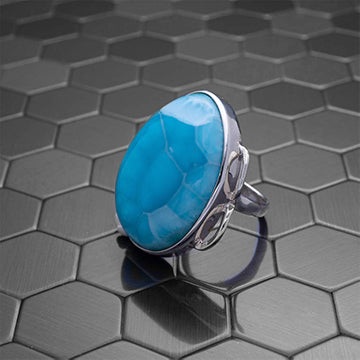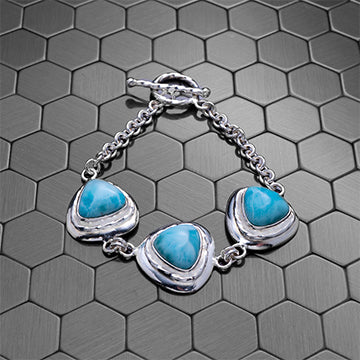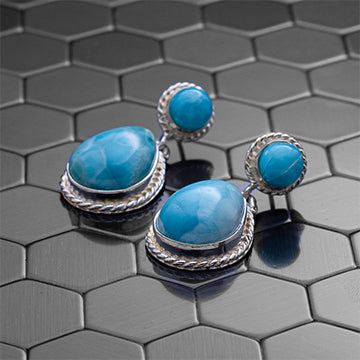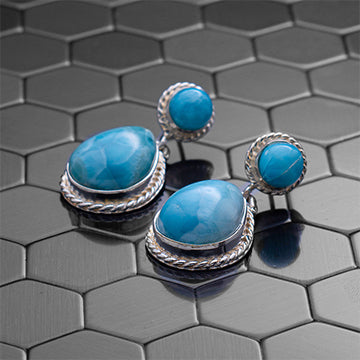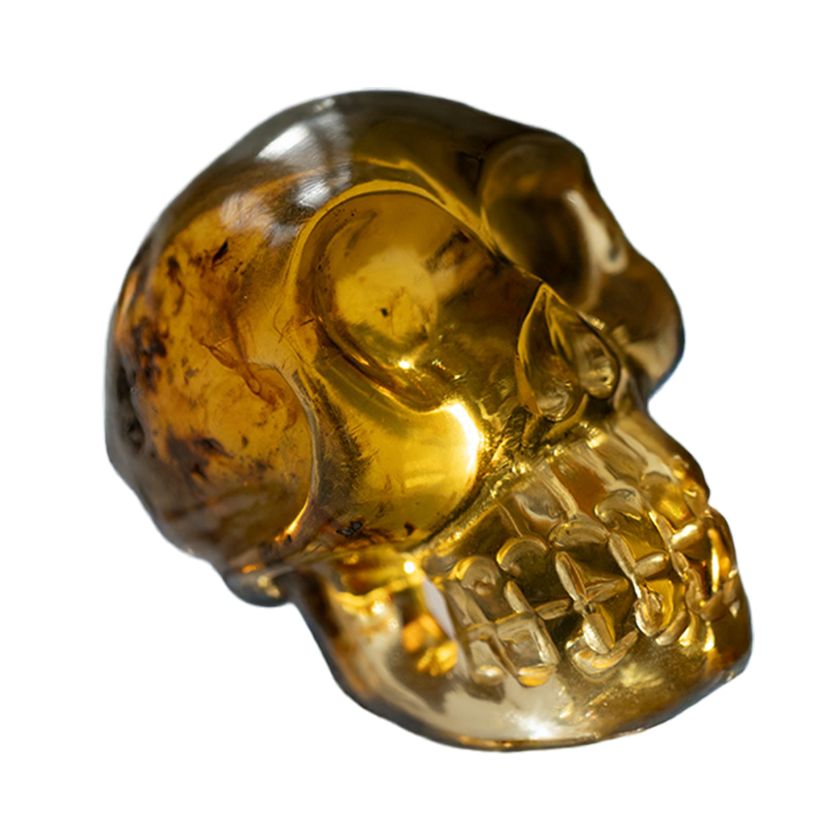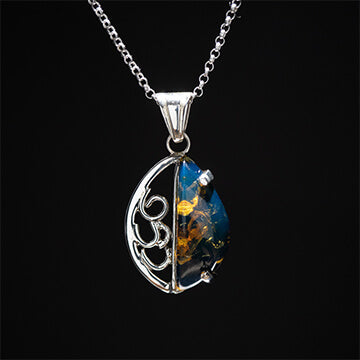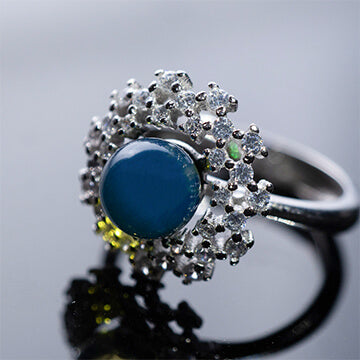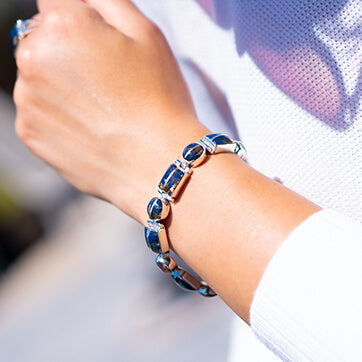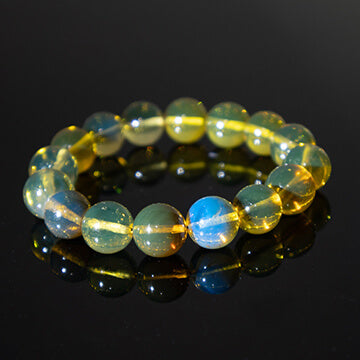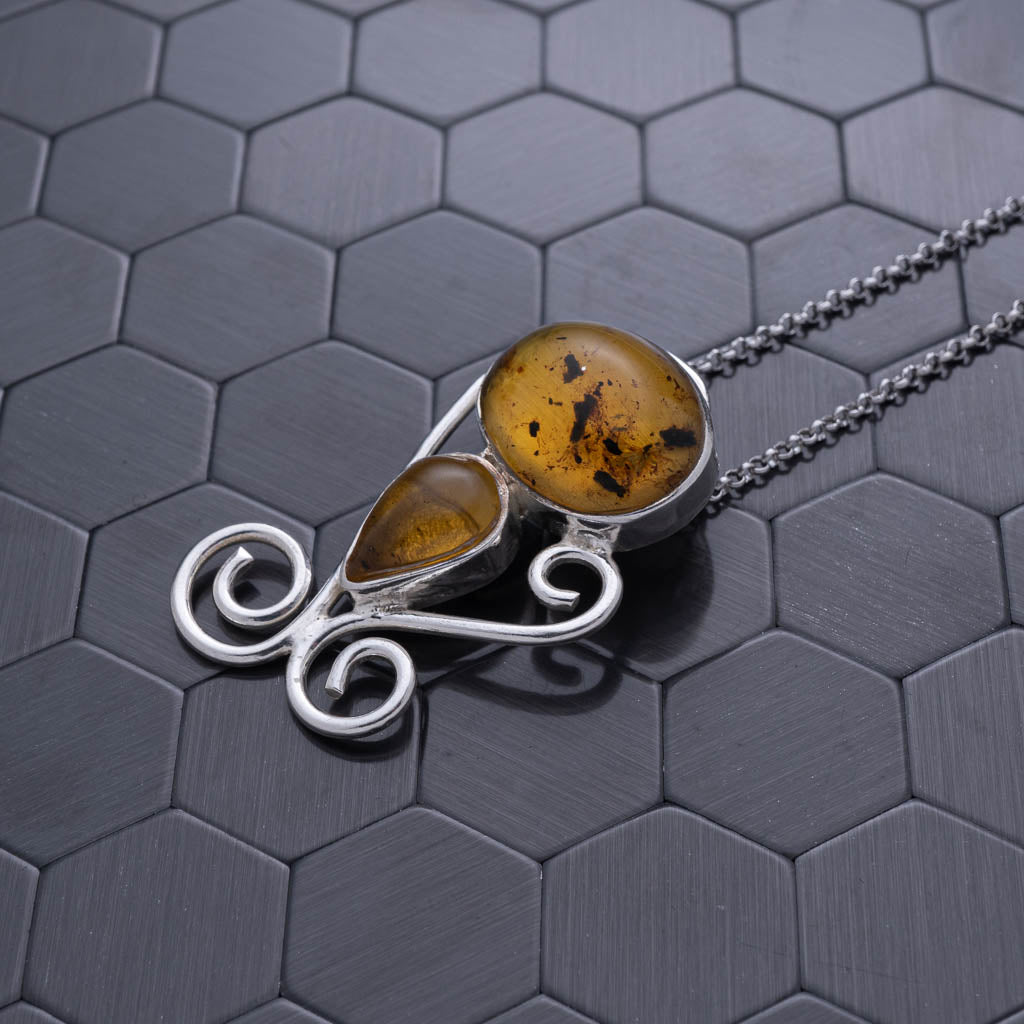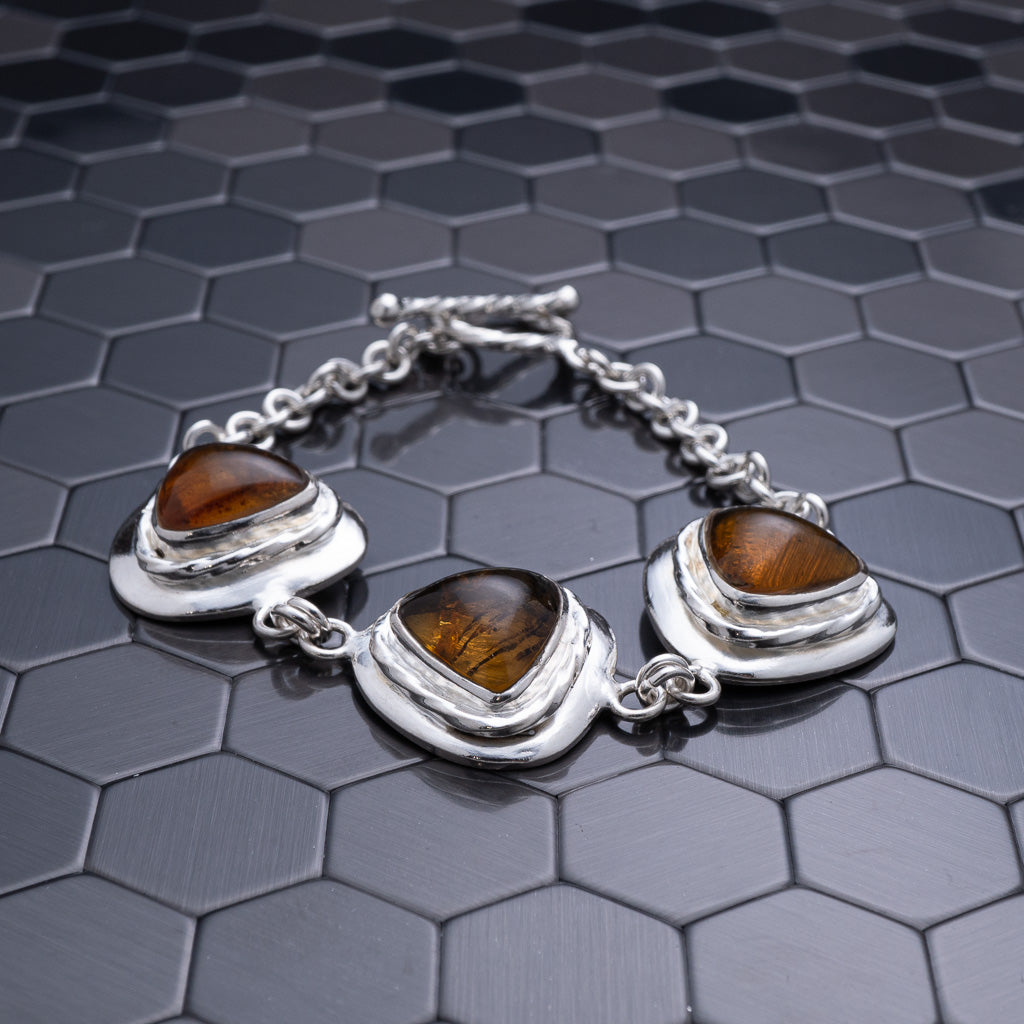


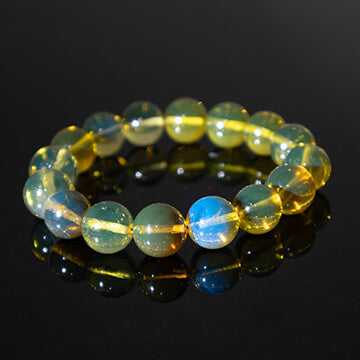
Handcrafted in DR.

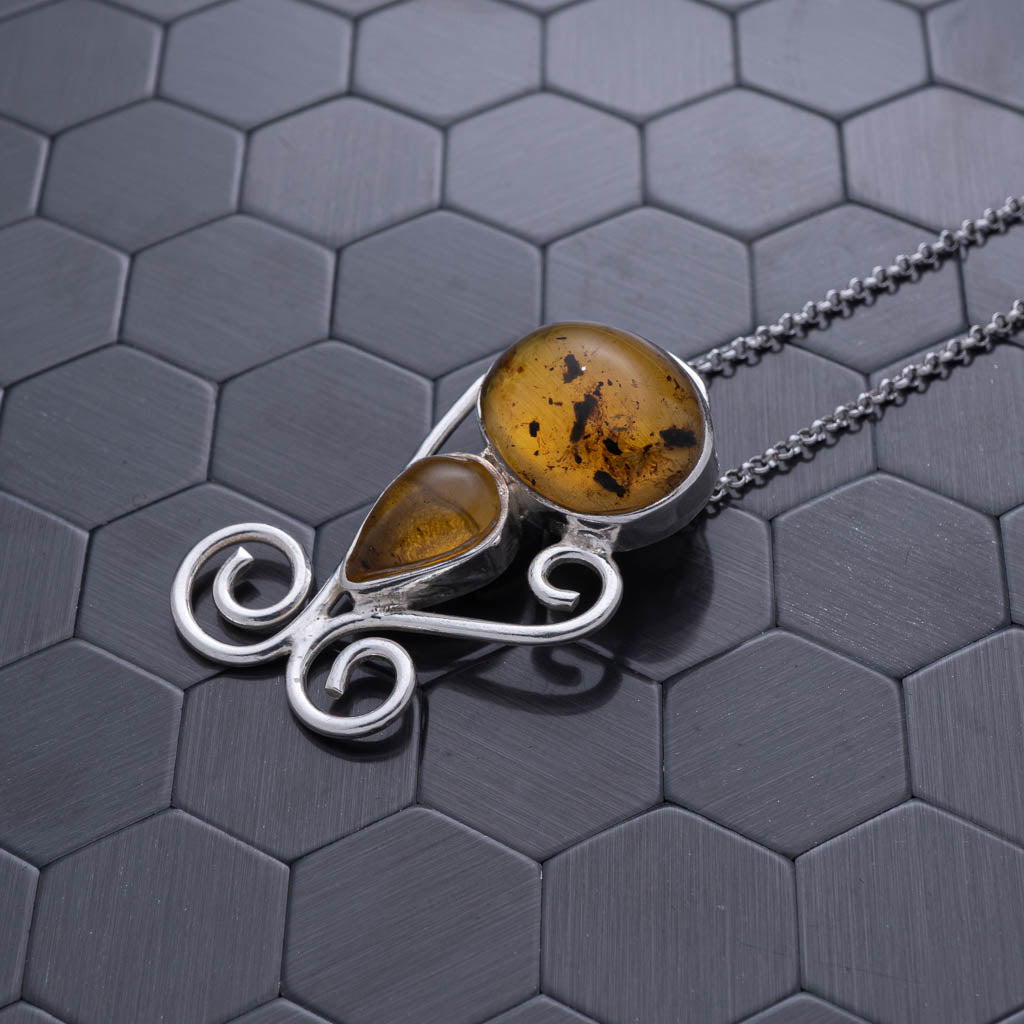

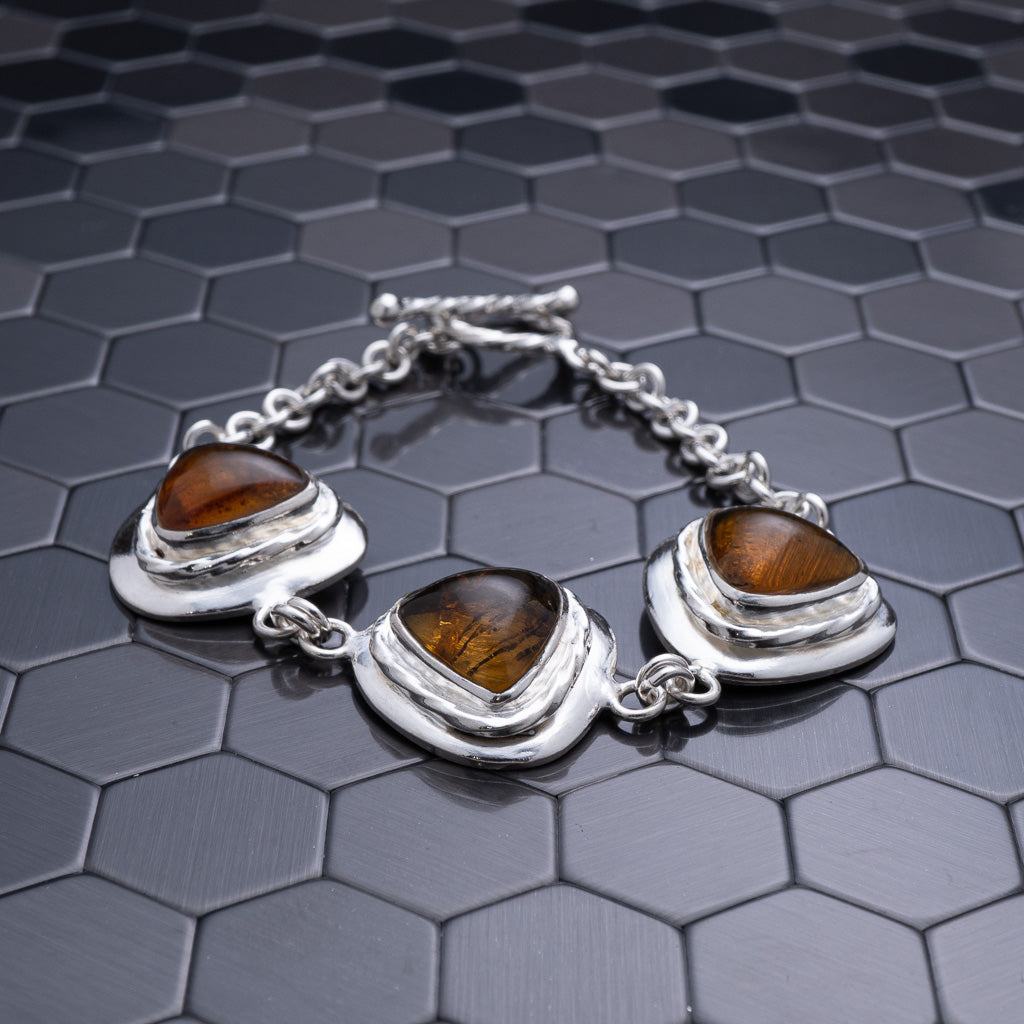
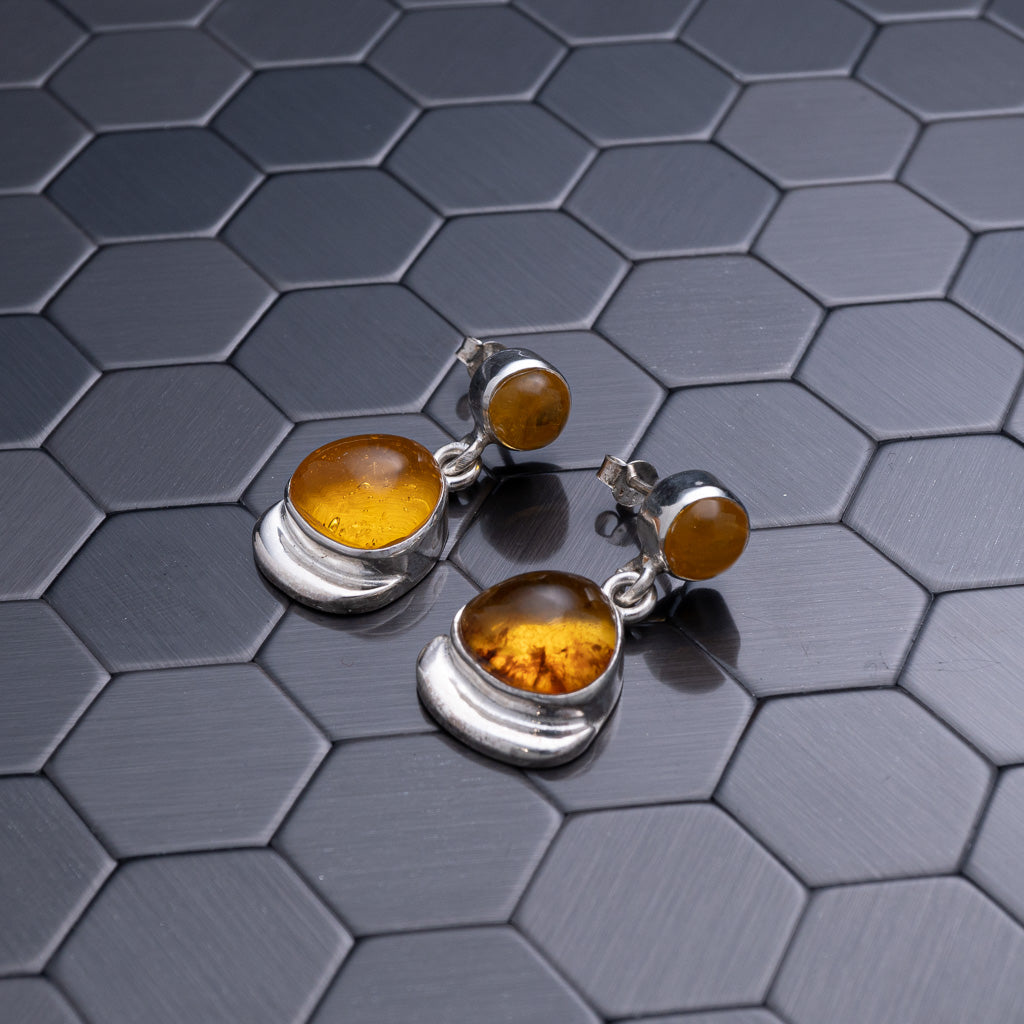


100% Handcrafted in DR.

Necklace making represents one of the most accessible yet sophisticated forms of jewelry artistry, blending technical skill with creative expression. Whether you're a hobbyist exploring a new craft or an aspiring entrepreneur planning to launch a handmade jewelry business, understanding the fundamentals of necklace construction opens doors to endless design possibilities. From selecting quality materials to mastering essential techniques, the journey of creating beautiful necklaces combines precision, patience, and an eye for aesthetic balance.
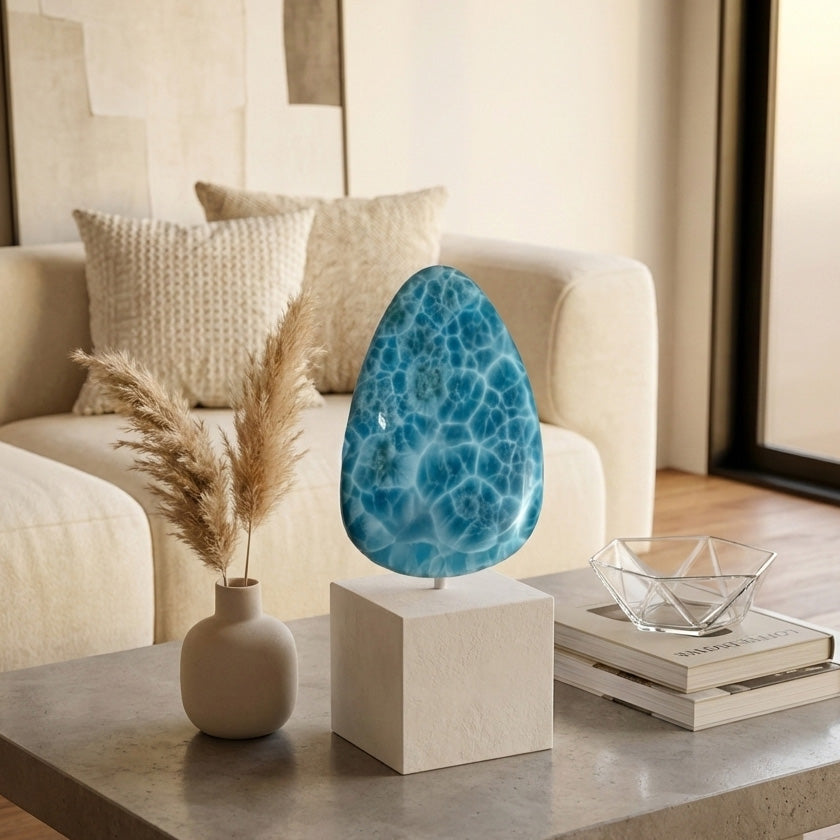
The foundation of any successful necklace lies in selecting appropriate materials that complement your design vision and durability requirements. Gemstones form the centerpiece of many necklaces, ranging from common semiprecious stones to rare specimens like larimar from the Dominican Republic. When sourcing stones, consider not only their visual appeal but also their hardness rating on the Mohs scale, which determines how well they'll withstand daily wear.
Stringing materials vary significantly in strength, flexibility, and appearance:
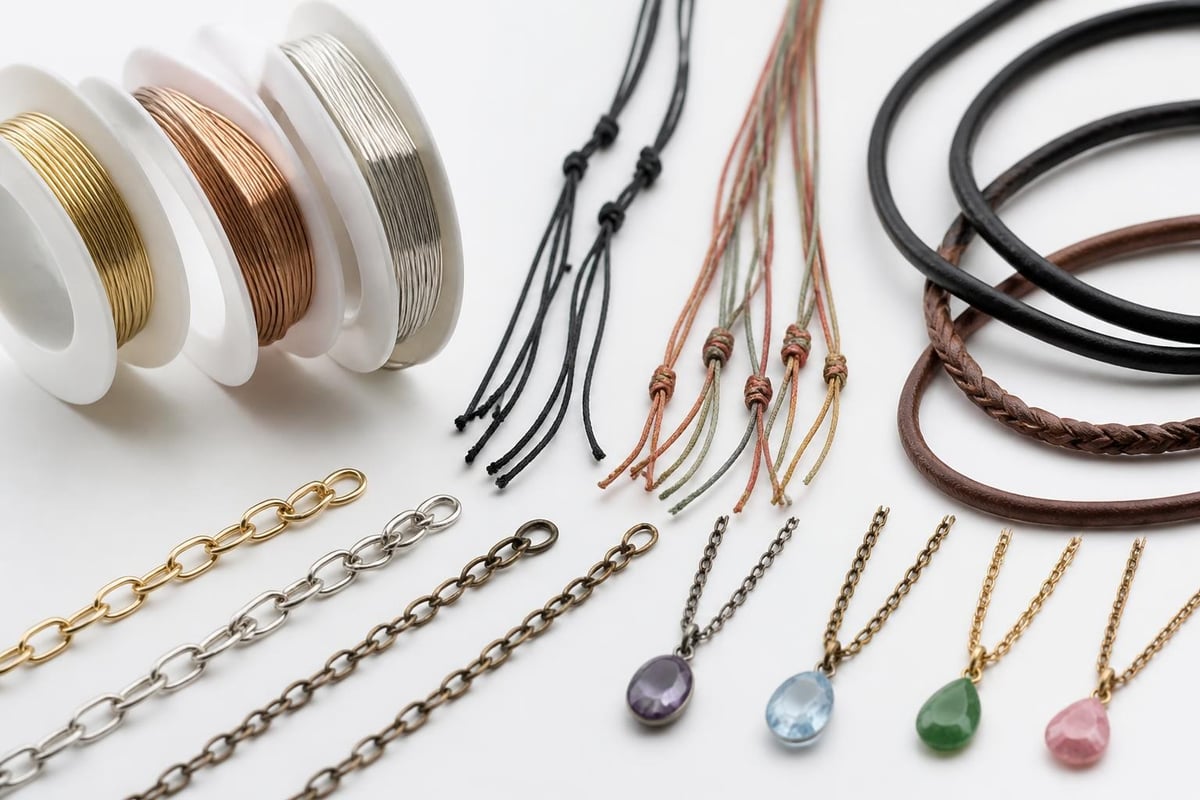
The findings and hardware complete your design. Quality clasps ensure security while contributing to the overall aesthetic. According to Jewelers Mutual's comprehensive guide to jewelry clasps, lobster clasps offer excellent security for heavier pieces, while spring rings work well for delicate designs, and toggle clasps add decorative elements that complement your overall composition.
Building a relationship with reputable suppliers ensures consistent access to quality materials. Research suppliers who provide detailed information about their gemstone origins and treatments, particularly important when working with specialty stones. The Responsible Jewellery Council provides standards for ethical sourcing that help makers verify their supply chain meets contemporary expectations for responsible business practices.
Sterling silver findings remain popular for their balance of affordability and quality. When working with silver components, verify they meet 925 sterling standards to ensure durability and hypoallergenic properties. For those interested in the technical specifications of 925 silver and its composition, understanding alloy ratios helps explain why sterling silver offers superior performance compared to lower-grade alternatives.
Mastering basic techniques provides the building blocks for increasingly complex designs. Stringing represents the most straightforward approach, involving threading beads or stones onto cord or wire. However, proper stringing requires attention to tension, spacing, and secure finishing to prevent premature failure.
Professional-quality stringing begins with selecting the appropriate diameter wire or cord for your beads. The general rule dictates that your stringing material should pass through each bead's hole at least twice to accommodate proper finishing techniques. Crimp beads secure beading wire ends, requiring specialized crimping pliers that create professional, reliable connections.
For silk-strung necklaces, knotting between beads serves dual purposes: it prevents bead-on-bead abrasion and ensures that a broken strand loses only one bead rather than the entire piece. This traditional technique, commonly used for pearl necklaces, requires practice to achieve consistent, tight knots positioned directly against each bead.
| Technique | Best For | Skill Level | Durability |
|---|---|---|---|
| Basic Stringing | Simple bead designs | Beginner | Medium |
| Knotted Silk | Pearl and delicate stones | Intermediate | High |
| Wire Wrapping | Irregular stones, pendants | Intermediate | Very High |
| Chain Integration | Mixed media designs | Beginner | Very High |
Wire wrapping transforms simple components into sophisticated designs while providing exceptional security for valuable stones. This technique involves wrapping fine-gauge wire around thicker wire or directly around stones to create decorative and functional connections. Basic wrapped loops create professional connections between components, while advanced wire weaving produces intricate focal pieces.
Learning to create consistent loops elevates your work from amateur to professional. Round-nose pliers form the foundation of loop-making, with practice developing the muscle memory necessary for uniform sizing. The wrapped loop, in particular, provides superior security compared to simple loops, making it essential for necklaces featuring heavier pendants or valuable gemstones.
Successful necklace making extends beyond technical execution into the realm of compositional balance and aesthetic harmony. Visual weight distribution ensures comfortable wear and pleasing proportions. Necklaces naturally draw the eye toward the center front, making this the ideal location for focal elements like featured gemstones or pendants.
Color theory guides material selection for cohesive designs. Complementary colors create vibrant contrast, while analogous color schemes offer subtle sophistication. When working with naturally colored gemstones, allow the stones themselves to dictate your palette, selecting supporting materials that enhance rather than compete with your primary elements.
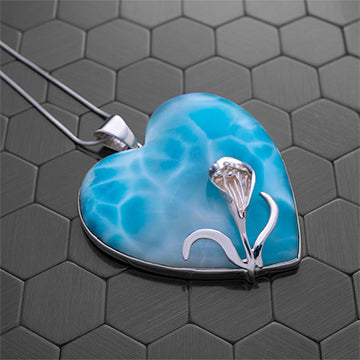
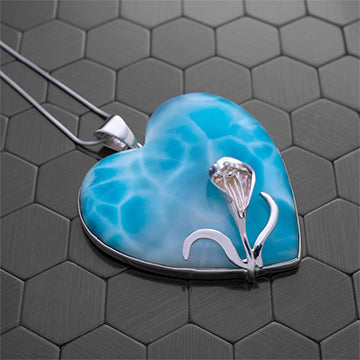
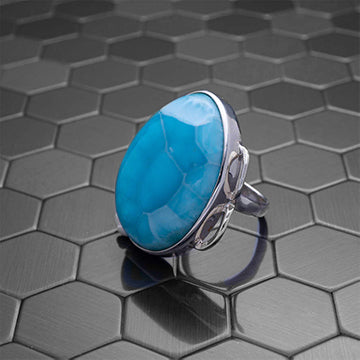
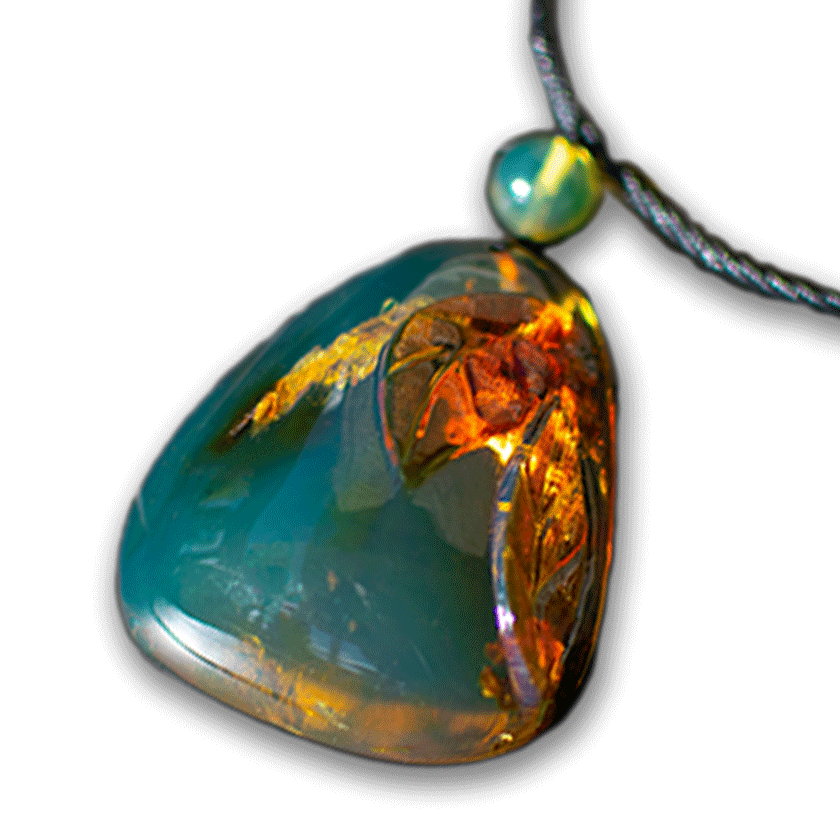
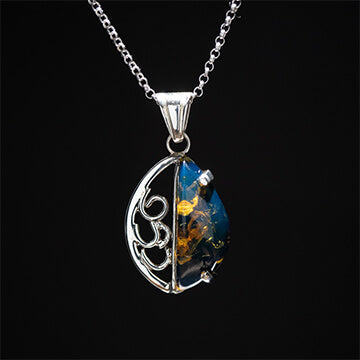
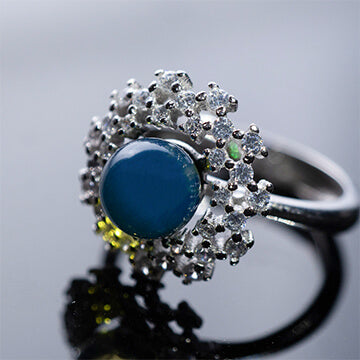
For pieces featuring rare gemstones such as larimar pendants, the stone's unique coloration serves as the design anchor. The distinctive blue-green hues characteristic of this Dominican gemstone pair beautifully with silver findings and neutral accent beads that complement rather than overwhelm the primary stone's natural beauty.
Necklace length dramatically affects both appearance and wearability. Understanding standard measurements helps create pieces suited to their intended purpose:
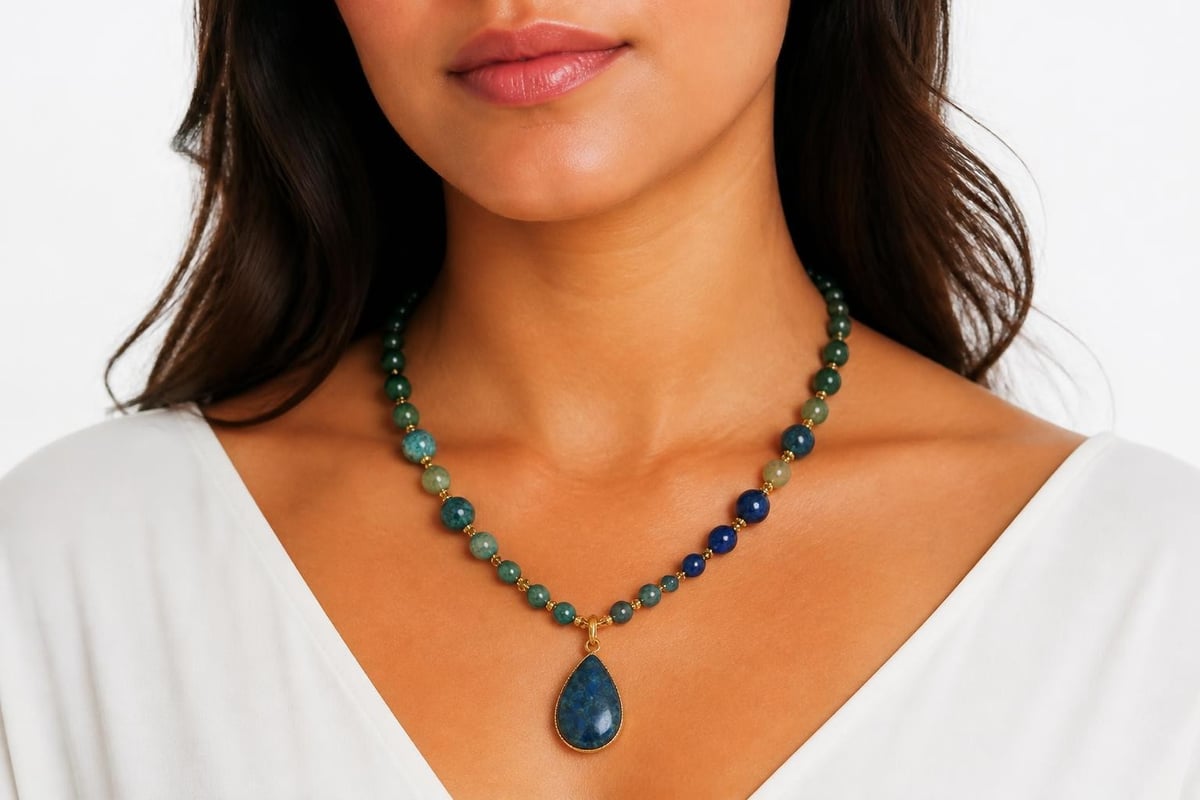
Consider the wearer's build when selecting length. Petite individuals often benefit from shorter lengths that don't overwhelm their frame, while taller individuals can carry longer, more dramatic pieces. Creating adjustable lengths through extender chains adds versatility, allowing one piece to serve multiple styling preferences.
As skills develop, necklace making offers opportunities for increasingly sophisticated techniques. Multi-strand designs create visual impact through layering, requiring careful planning to ensure all strands lie properly without twisting. Graduated strand lengths prevent tangling while creating dimensional interest.
Bead embroidery represents a textile-based approach to necklace making, stitching beads onto fabric or leather backing to create flexible, wearable art. This technique allows exceptional design freedom, accommodating irregular stones and enabling pictorial compositions impossible with traditional stringing methods.
Contemporary necklace making frequently combines multiple materials and techniques within single pieces. Metal smithing skills enable creation of custom findings, bezels, and decorative elements that elevate handmade work beyond commercial availability. Basic metalworking techniques like sawing, filing, and soldering expand creative possibilities significantly.
Resin casting offers another dimension for necklace makers, enabling preservation of organic materials, creation of custom color combinations, and production of unique components. Learning proper resin techniques, including mixing ratios, curing conditions, and finishing methods, opens new design avenues while requiring careful attention to safety protocols outlined in resources like the CPSC Art & Craft Safety Guide.
The difference between amateur and professional necklace making often lies in finishing details. Crimp covers conceal functional crimp beads, creating polished endpoints that appear seamless. French wire (also called bullion or gimp) protects silk cord where it passes through metal findings, preventing abrasion at these high-stress points.
Proper clasp attachment ensures both security and ease of use. Position clasps to open easily while wearing the necklace, typically requiring the ring component on the right side for right-handed wearers. Test all closures under tension before considering a piece complete, tugging firmly to verify crimps, knots, and wrapped loops hold securely.
Professional makers implement systematic quality control at multiple stages throughout construction. Before beginning assembly, inspect all materials for flaws, chips, or weak points. During construction, periodically check tension and alignment. Upon completion, conduct a thorough final inspection:
Documentation becomes increasingly important as your necklace making evolves from hobby to business. Photograph finished pieces from multiple angles, record material specifications, and maintain production notes that enable you to replicate successful designs or troubleshoot issues in future pieces.
Transforming necklace making skills into a viable business requires attention to both craft and commerce. The U.S. Small Business Administration offers comprehensive guidance for launching jewelry businesses, covering essential topics including business registration, tax obligations, and basic accounting practices.
Pricing handmade necklaces challenges many makers, who struggle to value their time appropriately. Calculate costs including materials, findings, packaging, and overhead, then multiply by 2.5 to 3 for wholesale pricing or 5 to 6 for retail. While this may initially seem high, remember you're compensating skilled labor, expertise, and creative vision alongside physical materials.
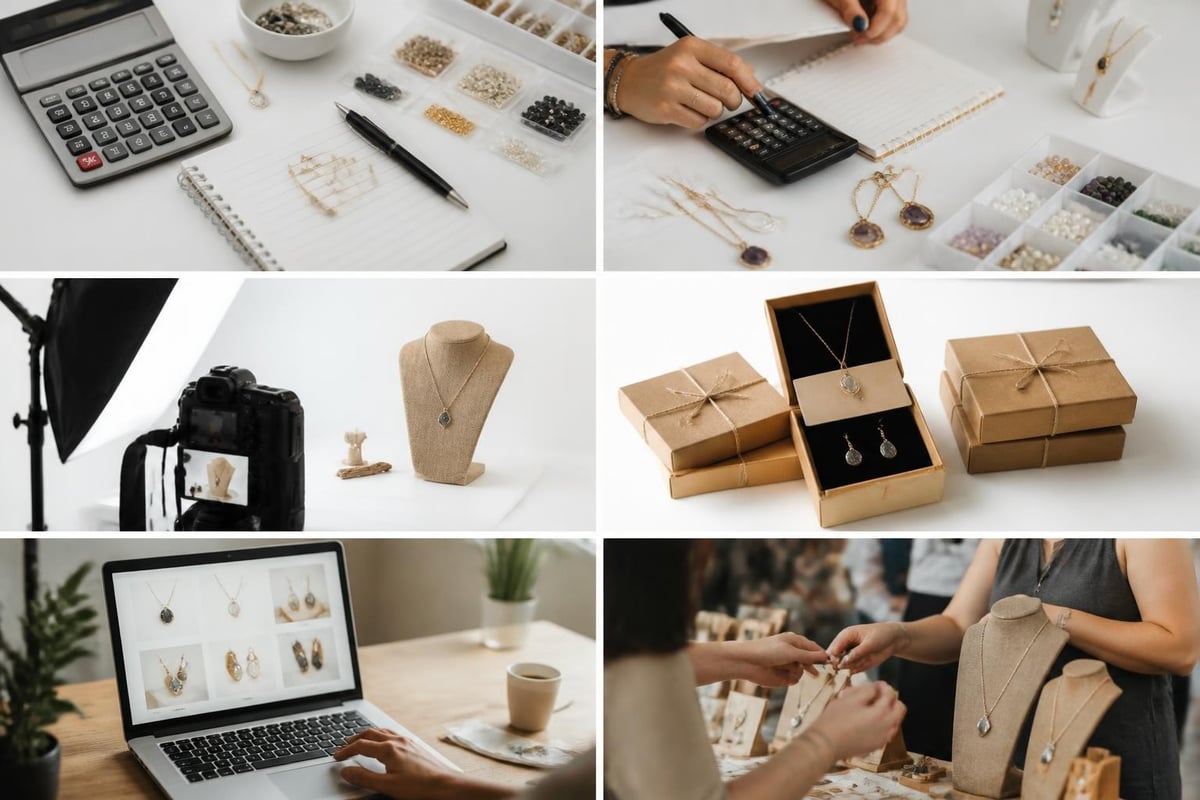
High-quality photography proves essential for online sales, where customers cannot physically examine pieces. Invest in basic photography equipment including a lightbox or daylight lamps, neutral backgrounds, and a macro lens or setting for detail shots. Capture multiple angles, include scale references, and photograph pieces both flat and worn when possible.
Build a cohesive brand identity that communicates your unique perspective. Whether you specialize in minimalist modern designs, vintage-inspired pieces, or gemstone-focused creations like those featuring larimar from the Dominican Republic, consistent aesthetic and messaging help customers understand and remember your work.
The jewelry industry continually evolves, with new materials, techniques, and design trends emerging regularly. Publications like GIA's Gems & Gemology provide scholarly insight into gemstone sourcing, treatments, and market trends that inform material selection and help makers stay current with industry developments.
Online tutorials and courses offer convenient skill development, covering everything from basic techniques to advanced metalsmithing. However, supplement digital learning with hands-on workshops when possible, as jewelry making involves tactile skills best developed through direct instruction and immediate feedback from experienced makers.
Join jewelry-making communities, both online and local, to share knowledge, troubleshoot challenges, and find inspiration. Guild memberships often provide access to equipment, workspace, and networking opportunities that accelerate skill development while connecting you with potential customers, collaborators, and mentors.
Quality tools represent significant initial investment but pay dividends through improved results and longevity. Prioritize essential items first: quality flush cutters, round-nose pliers, chain-nose pliers, and crimping tools form the foundation toolkit. Add specialized tools as specific techniques warrant, avoiding the temptation to purchase comprehensive tool sets containing items you may never use.
Maintain tools properly through regular cleaning and occasional sharpening or replacement of worn components. Store tools in organized cases or wall-mounted holders that protect cutting edges while keeping frequently used items accessible. Many professional makers find that investing in ergonomic tool designs reduces hand fatigue during extended work sessions, making these premium options worthwhile for serious practitioners.
Efficient organization transforms necklace making from frustrating to enjoyable by eliminating time wasted searching for components. Store beads and findings in clear containers organized by type, size, or color depending on your inventory volume and working style. Label all containers thoroughly, including purchase dates and supplier information for easy reordering.
Dedicated workspace, even if modest in size, significantly improves productivity and safety. Good lighting proves essential for detail work, with adjustable task lighting supplementing general room illumination. Comfortable seating at appropriate height prevents back and neck strain during extended sessions. Keep work surfaces clear of clutter, with only current project materials and necessary tools within reach.
Chain and cord management prevents tangling through careful storage methods. Hang chains on individual hooks or wrap loosely around cardboard cards. Store cord and wire on spools when possible, or coil loosely and secure with twist ties. Consider investing in storage solutions designed specifically for jewelry making, as these often incorporate features addressing common organizational challenges.
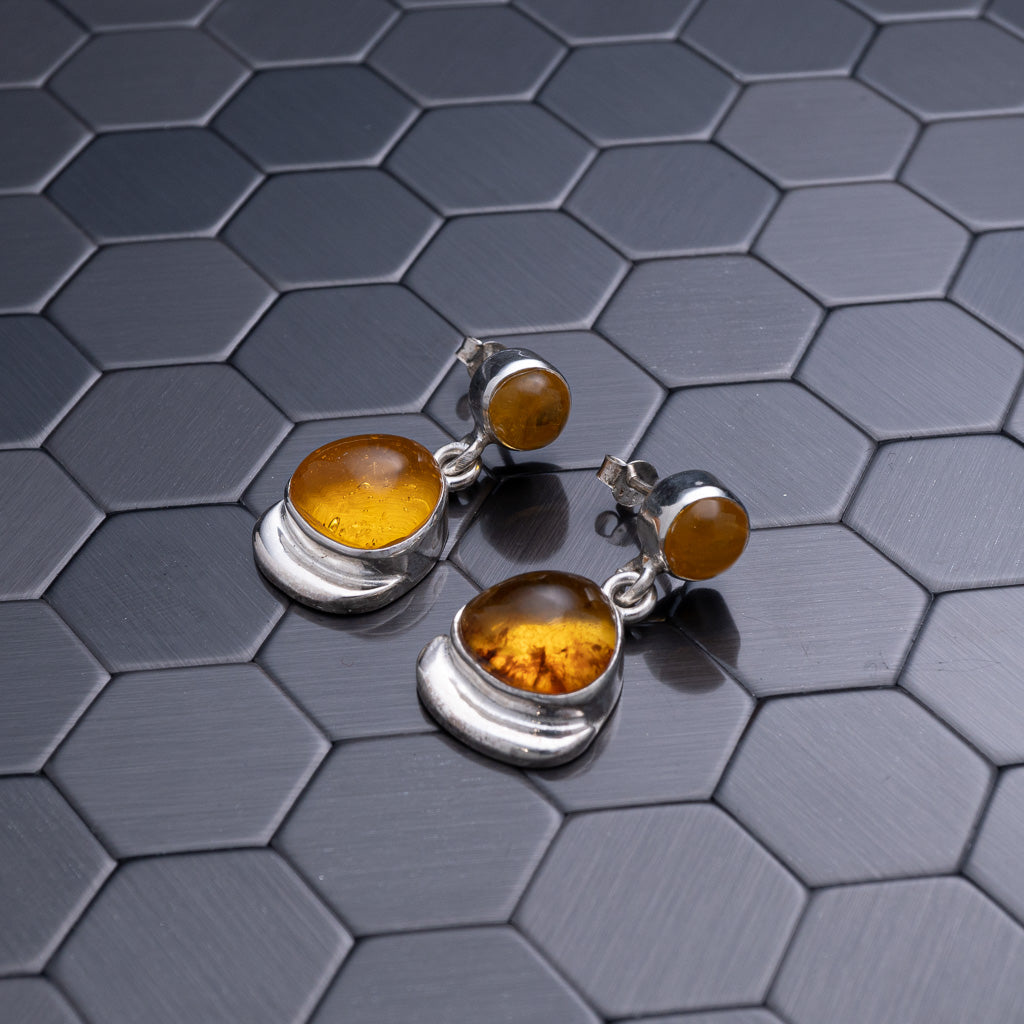
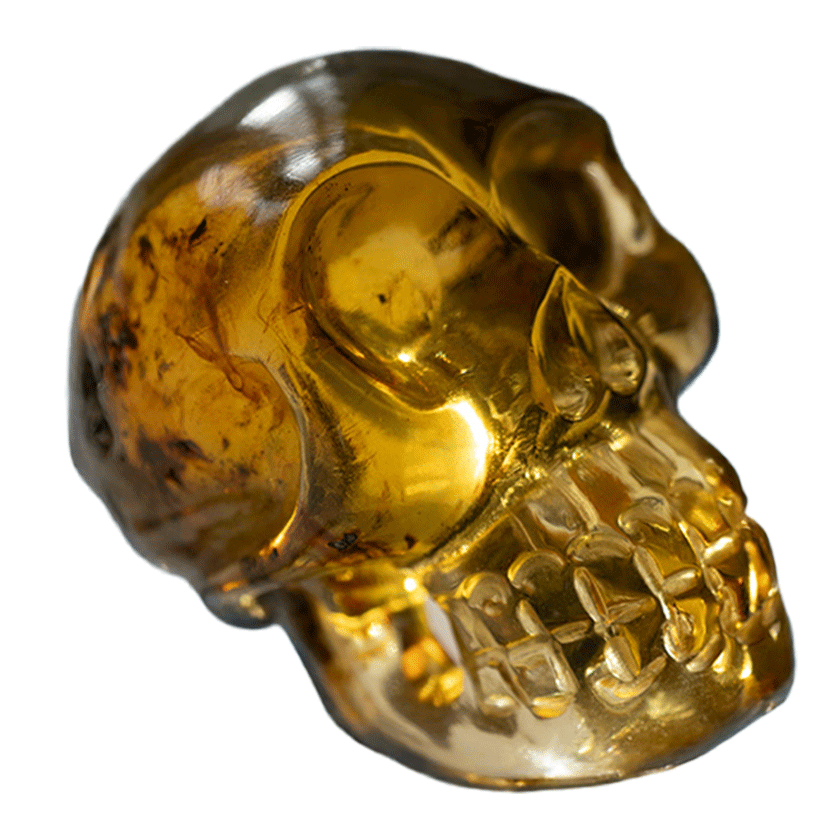
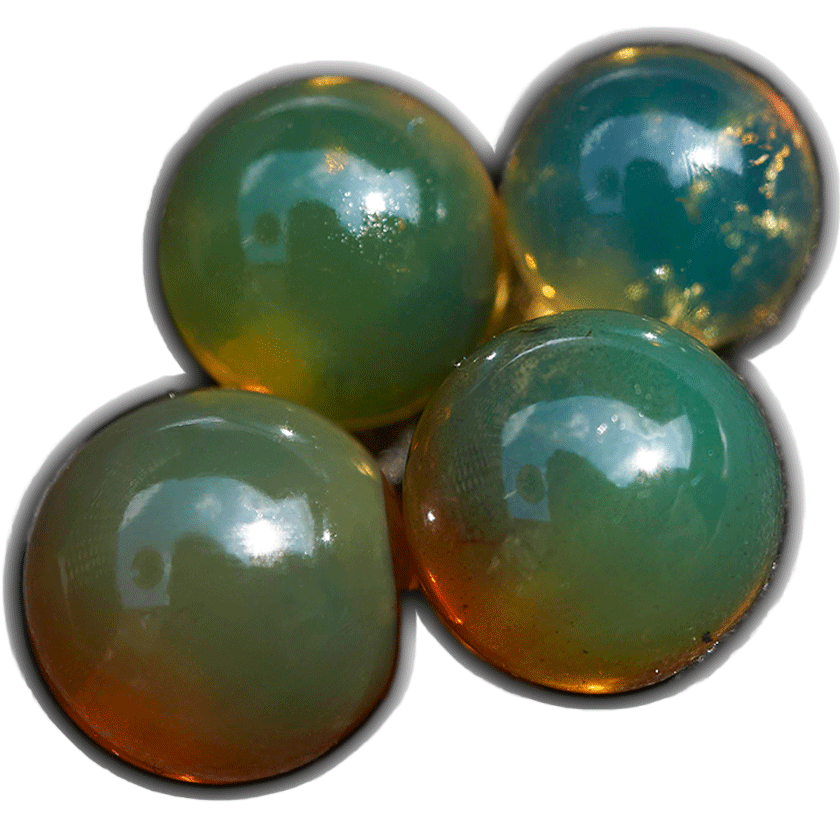
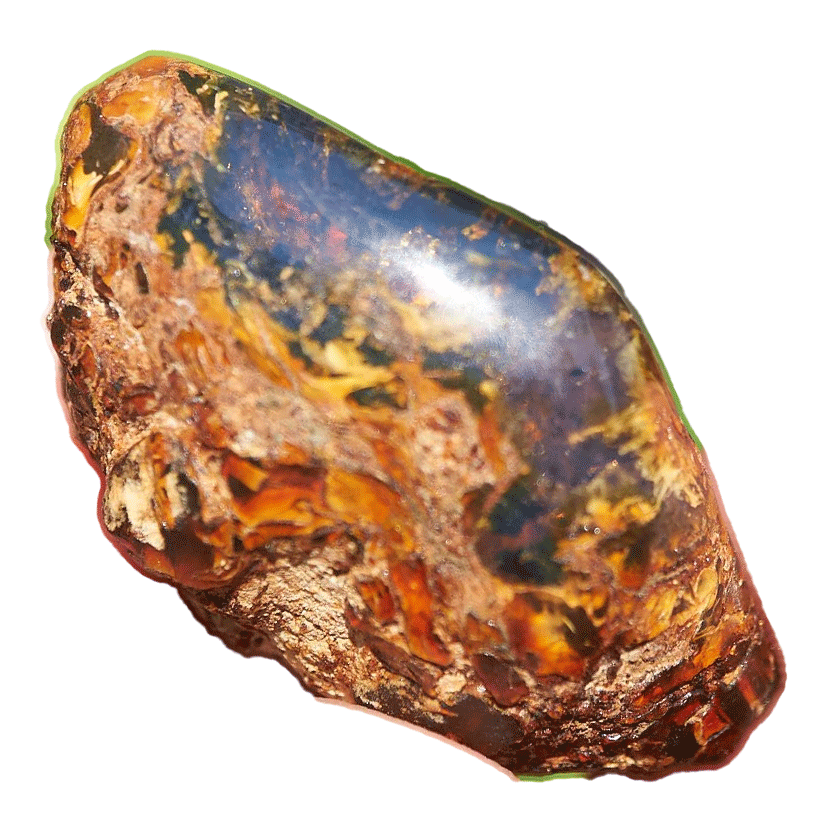
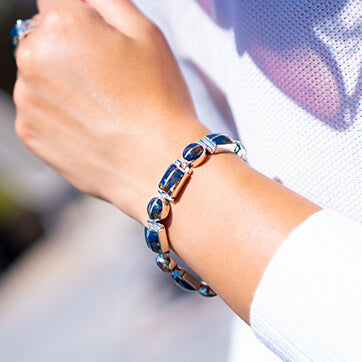
Mastering necklace making combines technical skill, design sensibility, and attention to quality that transforms raw materials into wearable art. Whether you're crafting pieces for personal enjoyment or building a professional jewelry business, the techniques and principles outlined here provide foundation for continued growth and creative exploration. Larimar Creations understands the dedication required to create exceptional jewelry, offering meticulously handcrafted pieces featuring rare gemstones like larimar and Dominican blue amber for those who appreciate the artistry of fine jewelry making. Explore their collection to experience the beauty of expertly crafted gemstone jewelry.