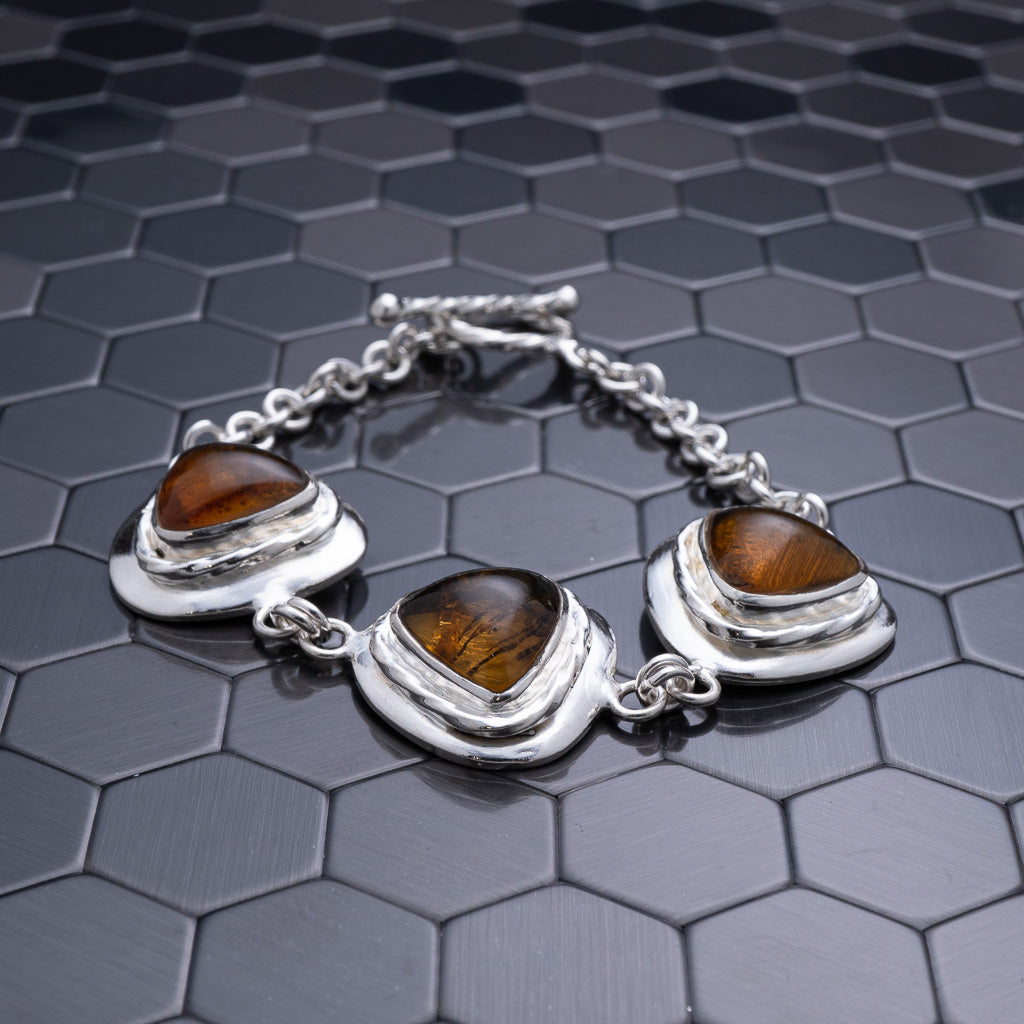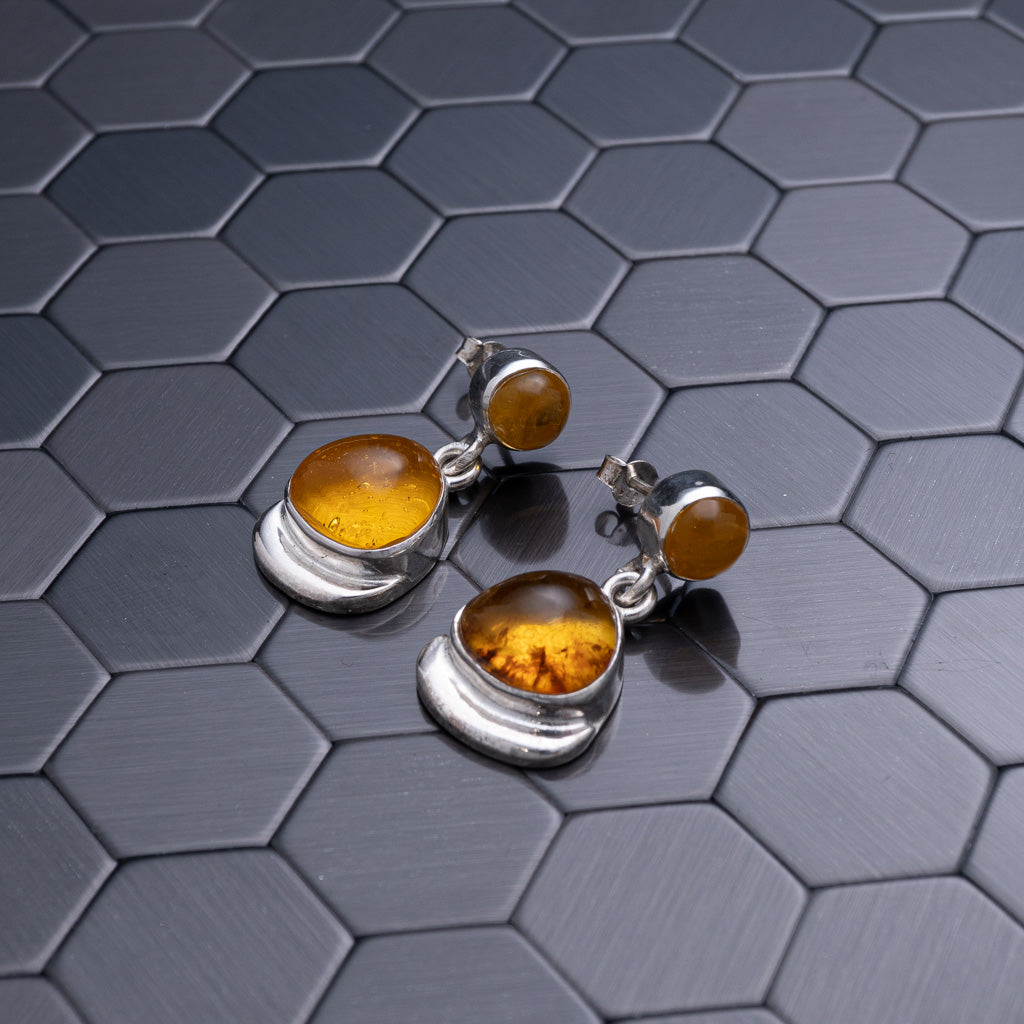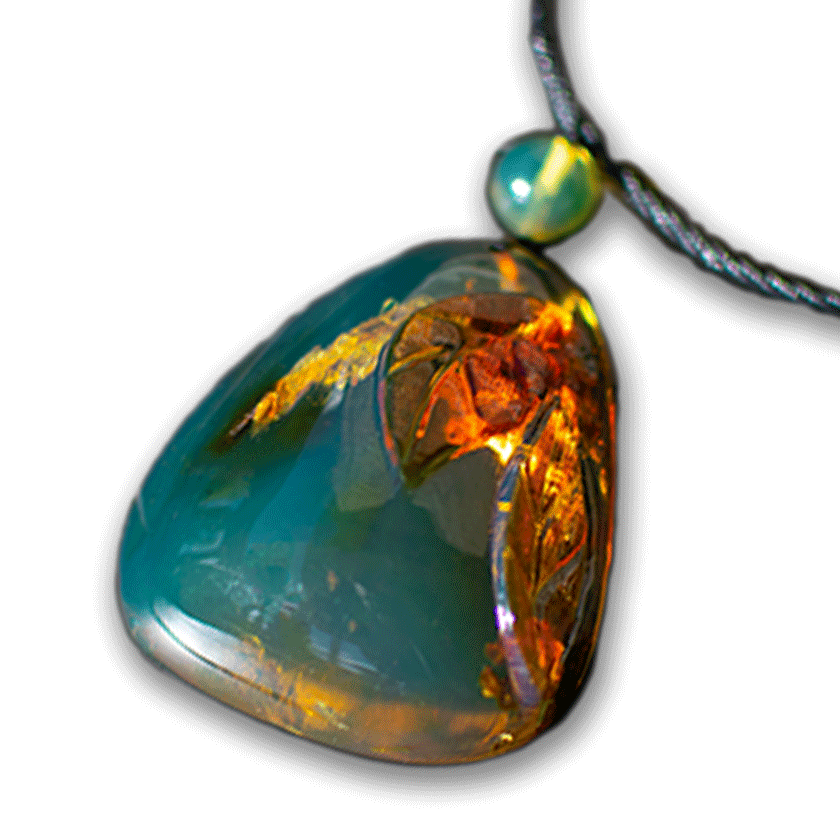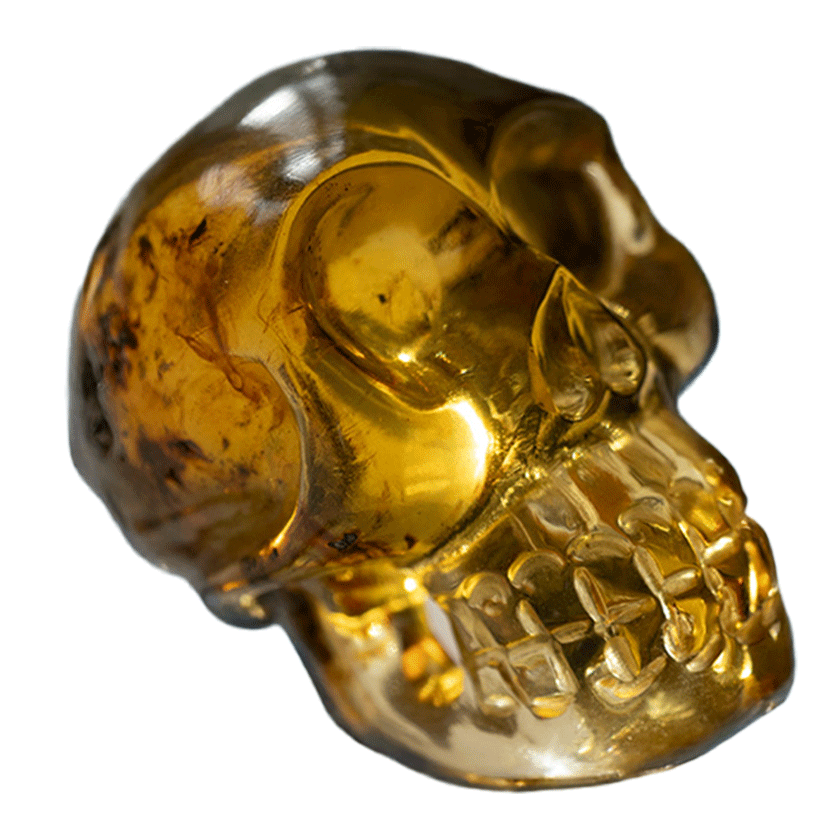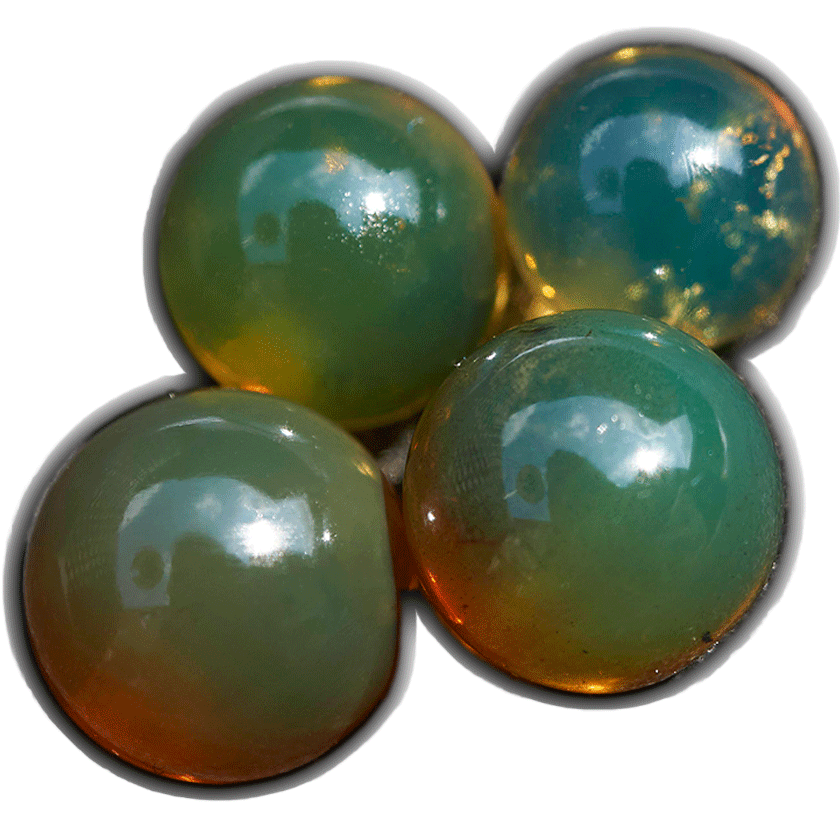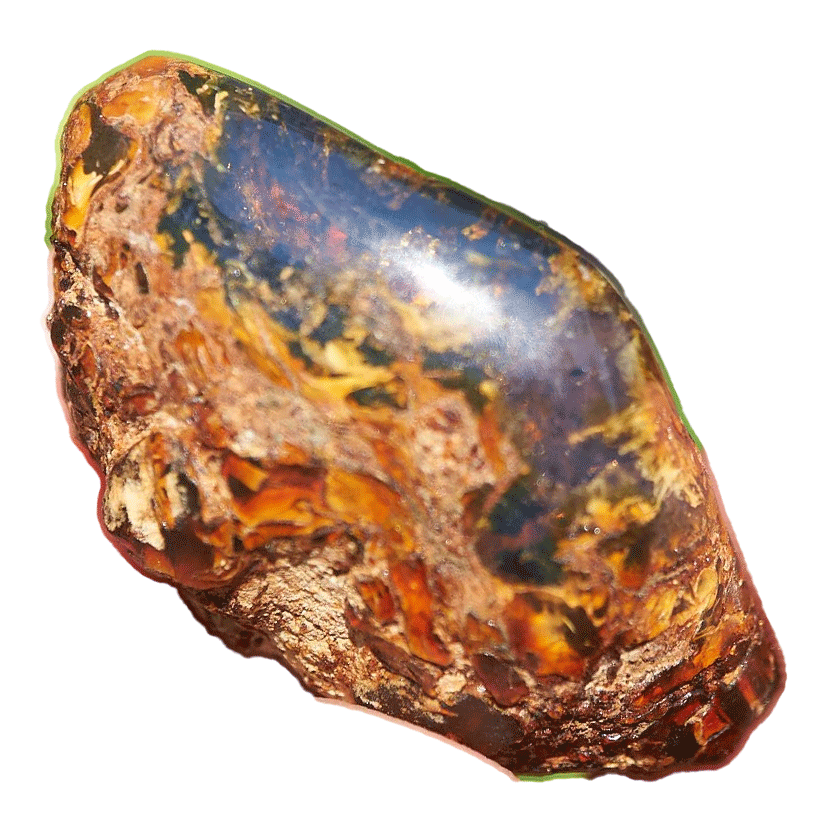


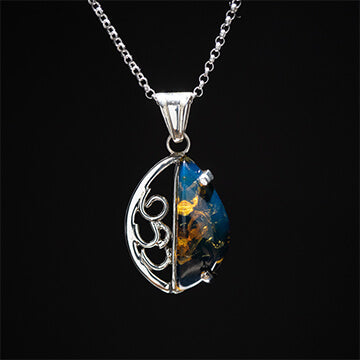
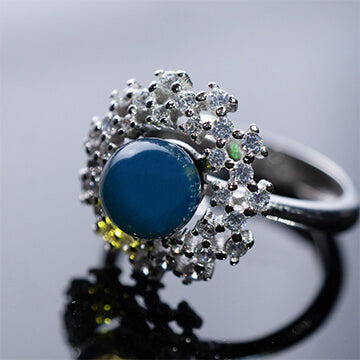
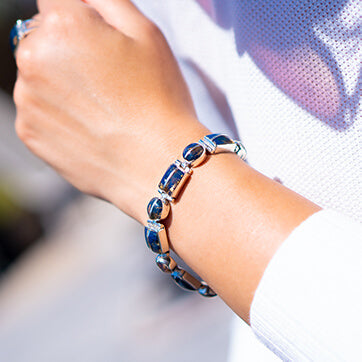
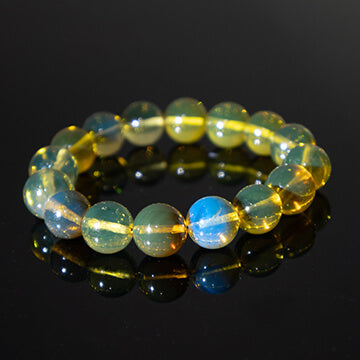
Handcrafted in DR.

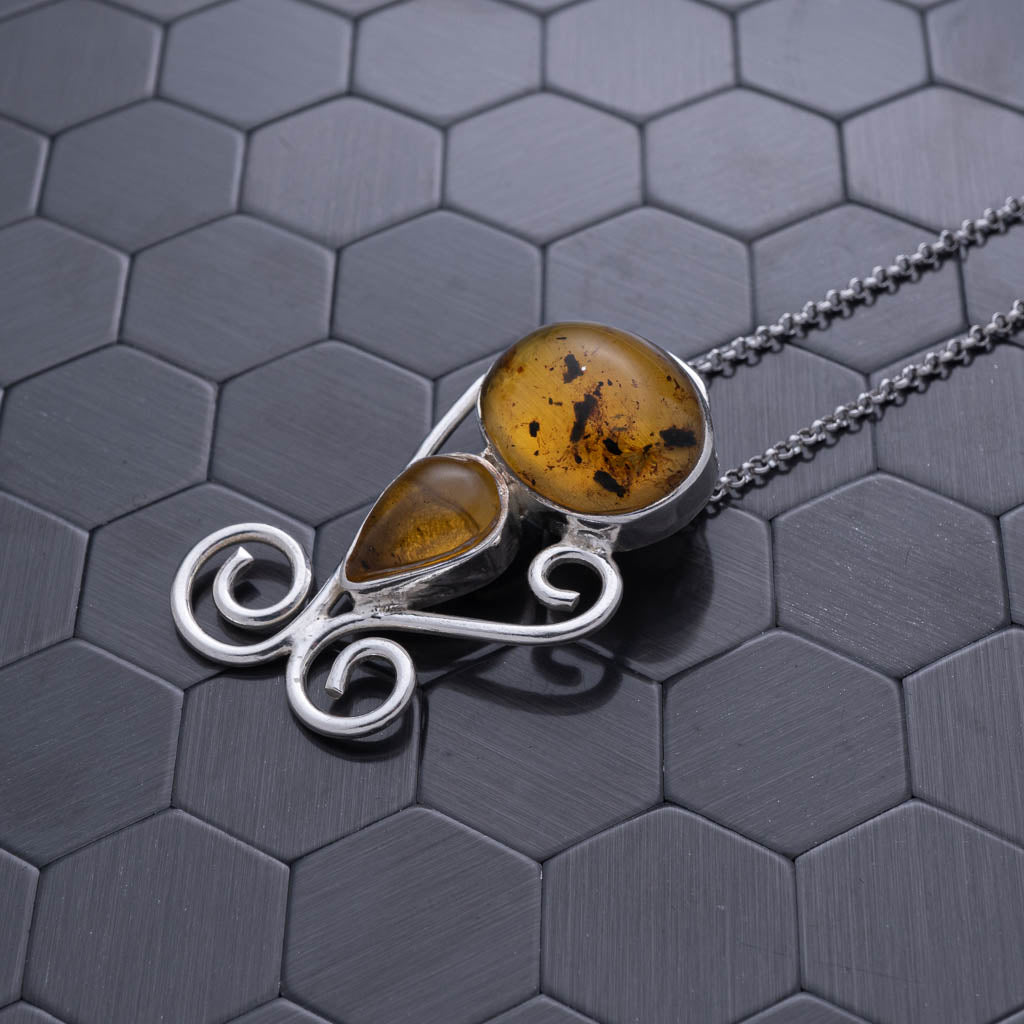
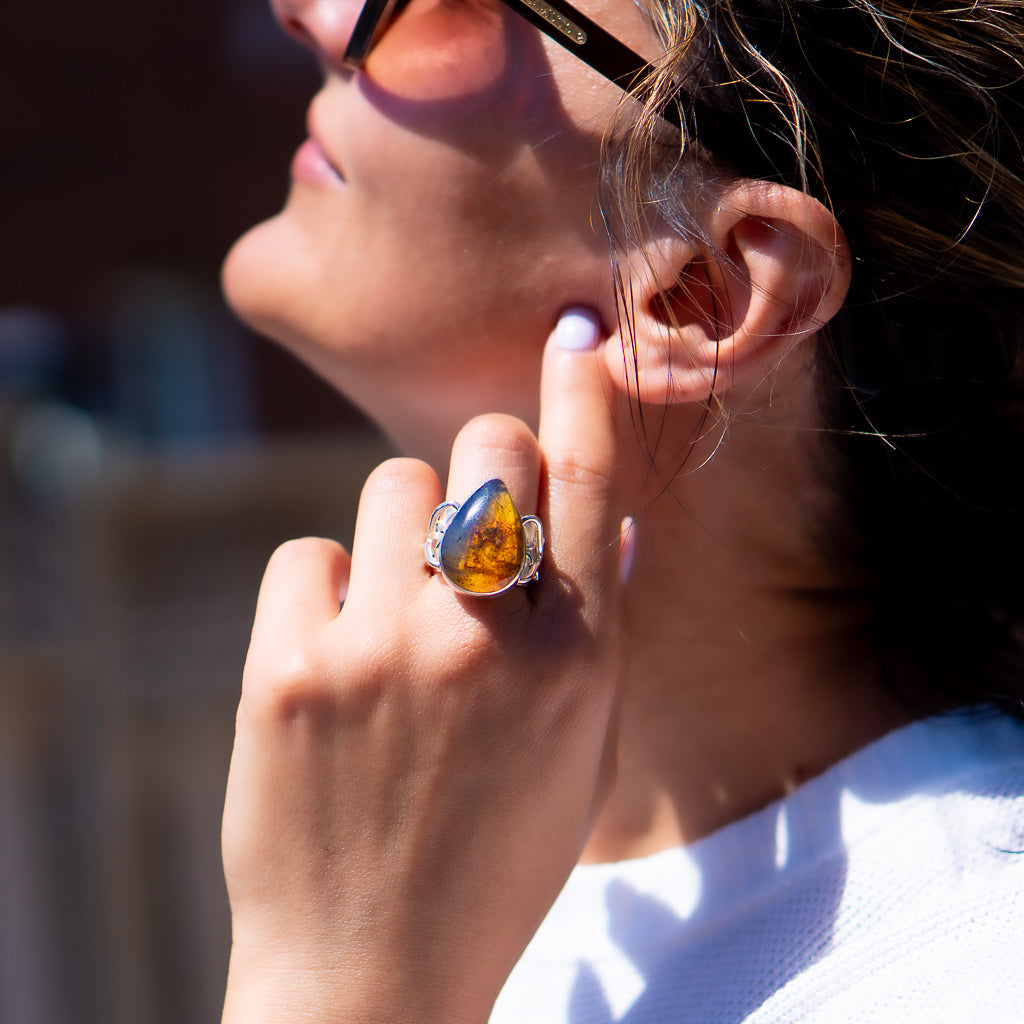


100% Handcrafted in DR.

Rings with natural stones are rings set with gems that formed in the earth and were cut or polished by hand, rather than grown in a laboratory or imitated with glass. To choose well, match the stone's hardness to how often you will wear the ring, confirm whether it has been treated, and select a setting and size that suit your hand and lifestyle. This guide walks through each decision in order, from understanding what "natural" means to caring for the finished piece.
A natural stone is a gem or mineral that formed through geological processes and was mined, then shaped and polished without being created or replaced by manufacturing. That definition covers sapphire, emerald, citrine, peridot, larimar, and fossilized resins such as amber.
Natural does not mean untouched. Many stones are cut, polished, heated, or otherwise treated before they reach a jewelry case. The American Gem Society's gemstone buying guide outlines the considerations that separate natural stones from lab-created and imitation alternatives, including color, clarity, and treatments.
Three categories are worth distinguishing:
A reputable seller names the category plainly. If a listing does not, ask before you buy.
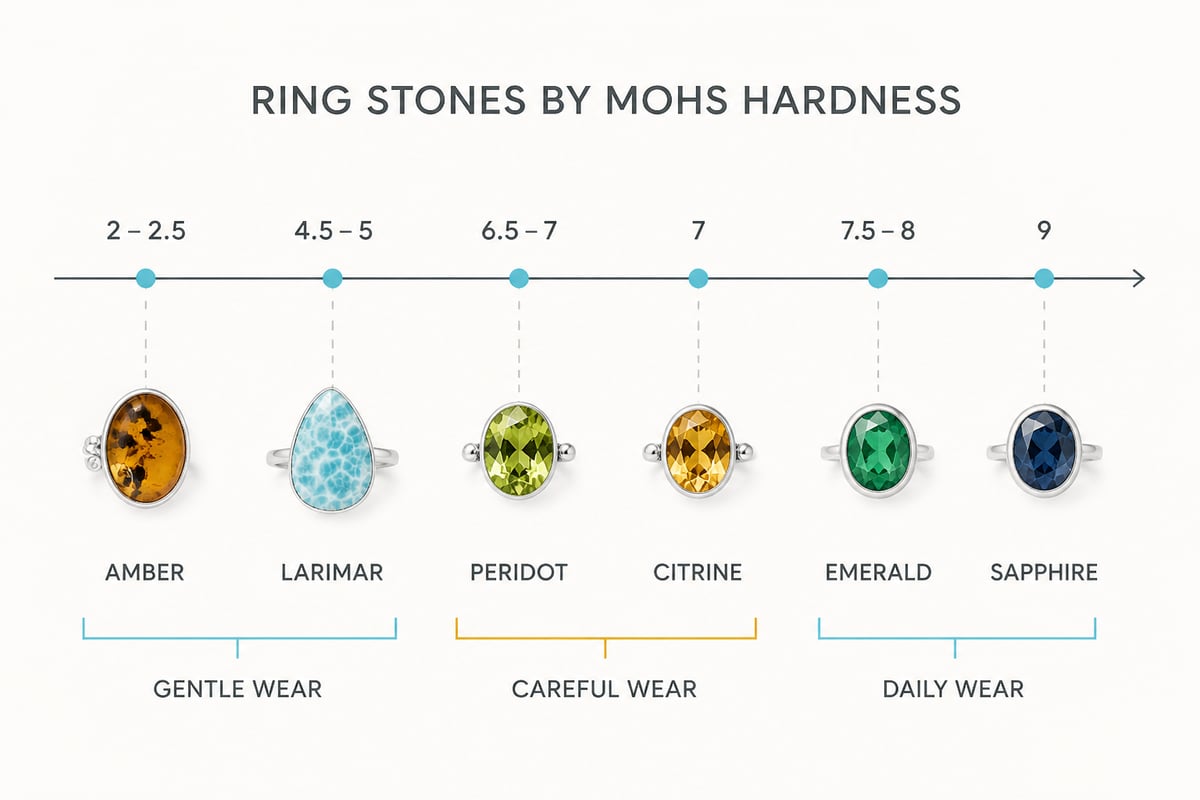
The best stone for a ring is one that matches your daily routine, because hands take more wear than any other part of the body where jewelry is worn. Hardness, measured on the Mohs scale from 1 to 10, is the quickest way to judge how a stone will age.
Here is how common choices compare:
| Stone | Approximate Mohs hardness | Everyday suitability |
|---|---|---|
| Sapphire | 9 | Excellent for daily wear |
| Peridot | 6.5 to 7 | Good with some care |
| Citrine | 7 | Good for regular wear |
| Emerald | 7.5 to 8 | Beautiful but often fractured; protect from knocks |
| Larimar | 4.5 to 5 | Best for mindful wear and special occasions |
| Amber | 2 to 2.5 | Gentle wear only; remove for chores |
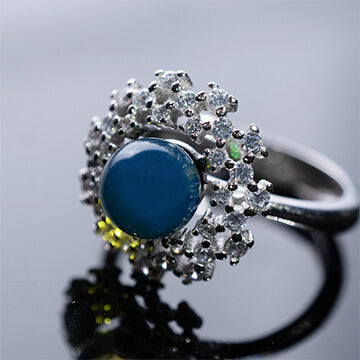
A softer stone is not a lesser stone. Larimar and amber are chosen for color and character, not for scratch resistance, and a ring set with either simply asks for a more thoughtful wearing routine. For the full picture of how rings with a single feature stone are designed, see this overview of rings with a stone.
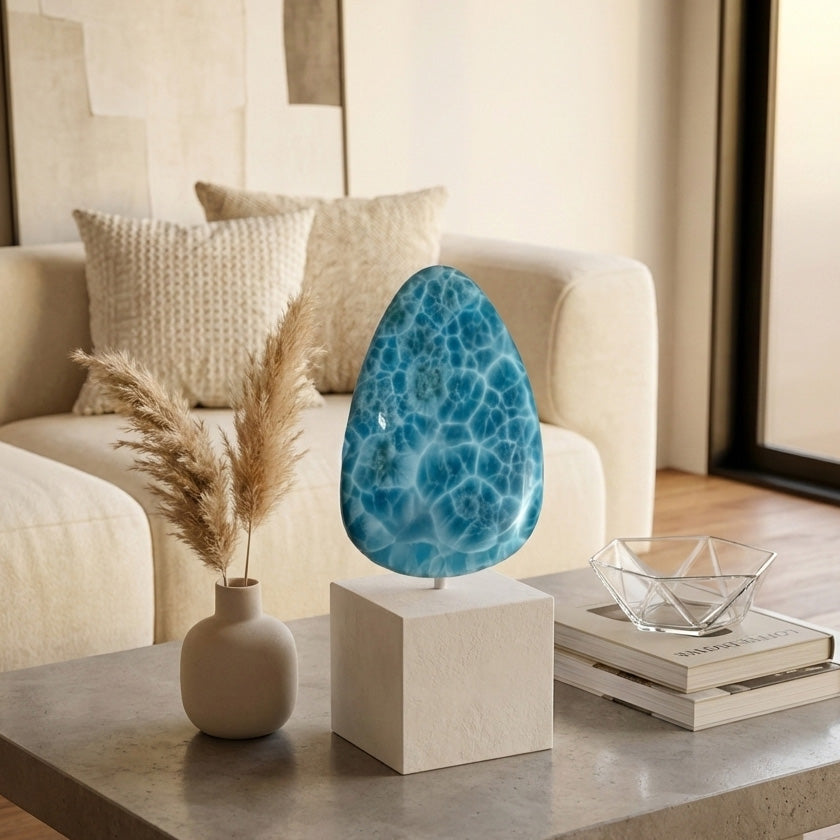
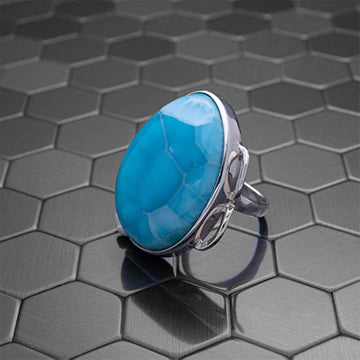
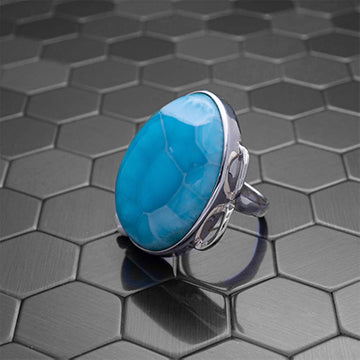
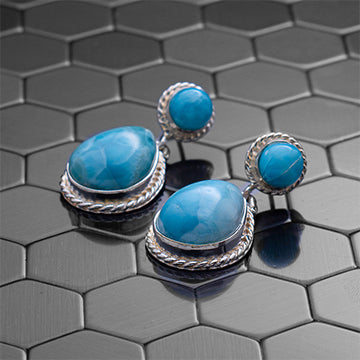
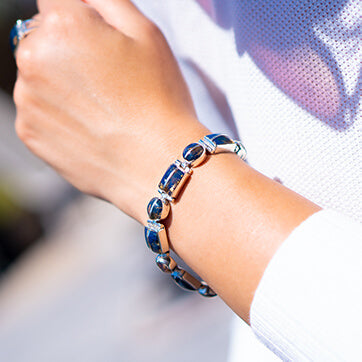
Larimar is distinctive because it is found in only one place on Earth, the Dominican Republic, and its sky-blue patterns resemble ocean water and clouds. No two stones look alike, so a larimar ring is effectively one of a kind.
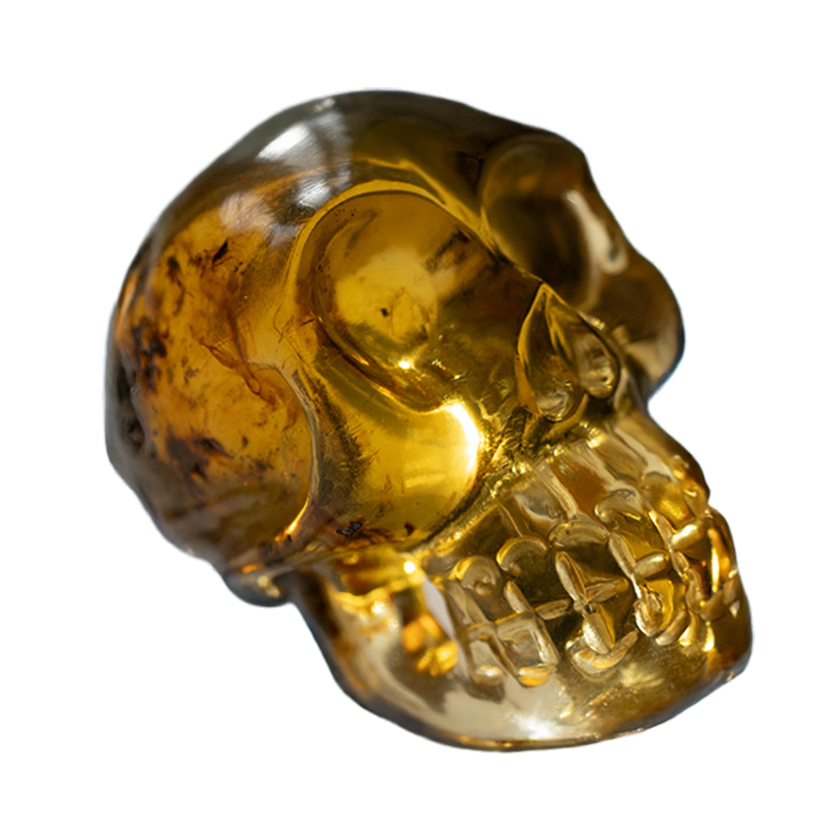
Larimar Creations crafts its jewelry from larimar and Dominican Blue Amber, and the stones come from the Dominican Republic, the only known source of larimar. The company offers worldwide shipping.
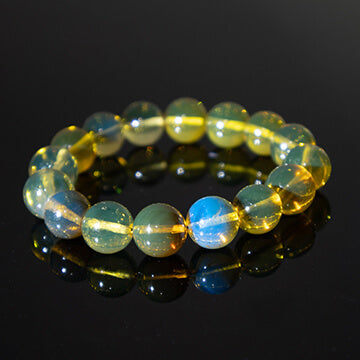
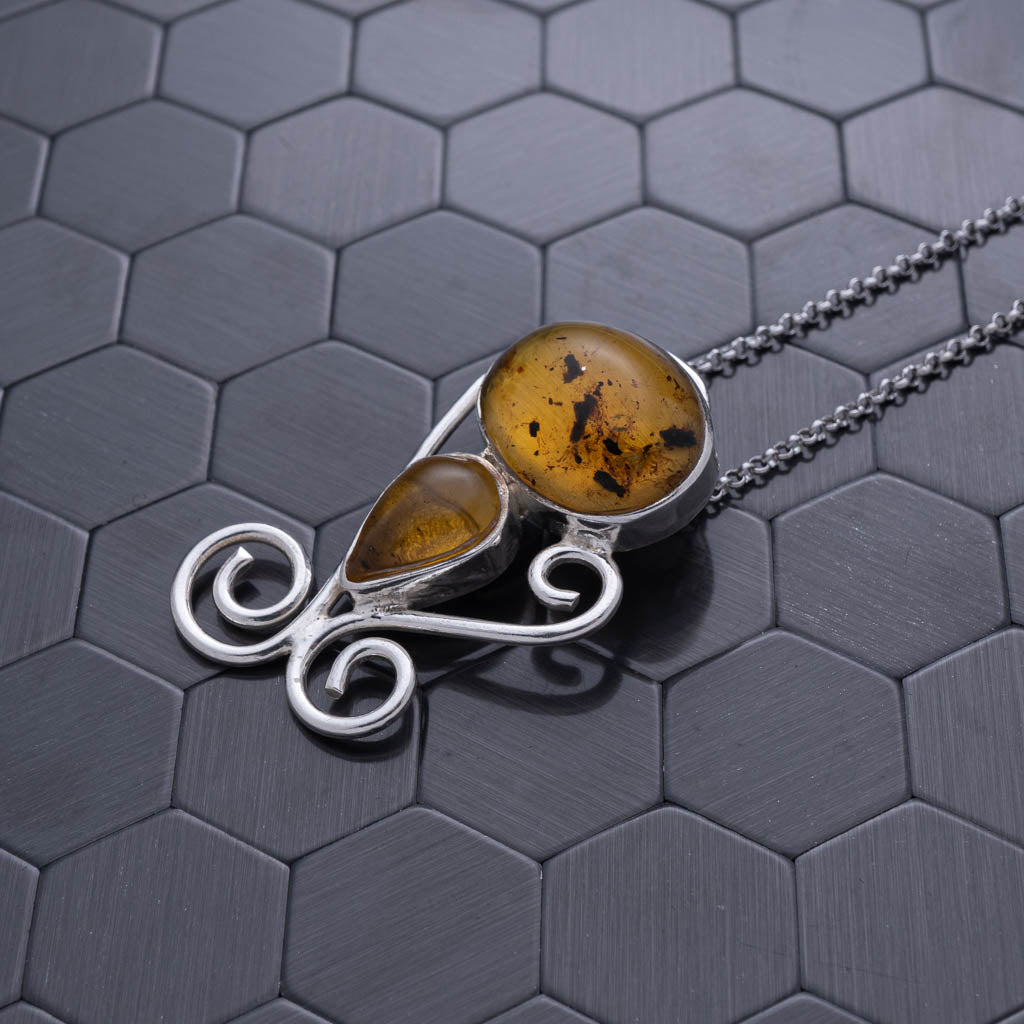
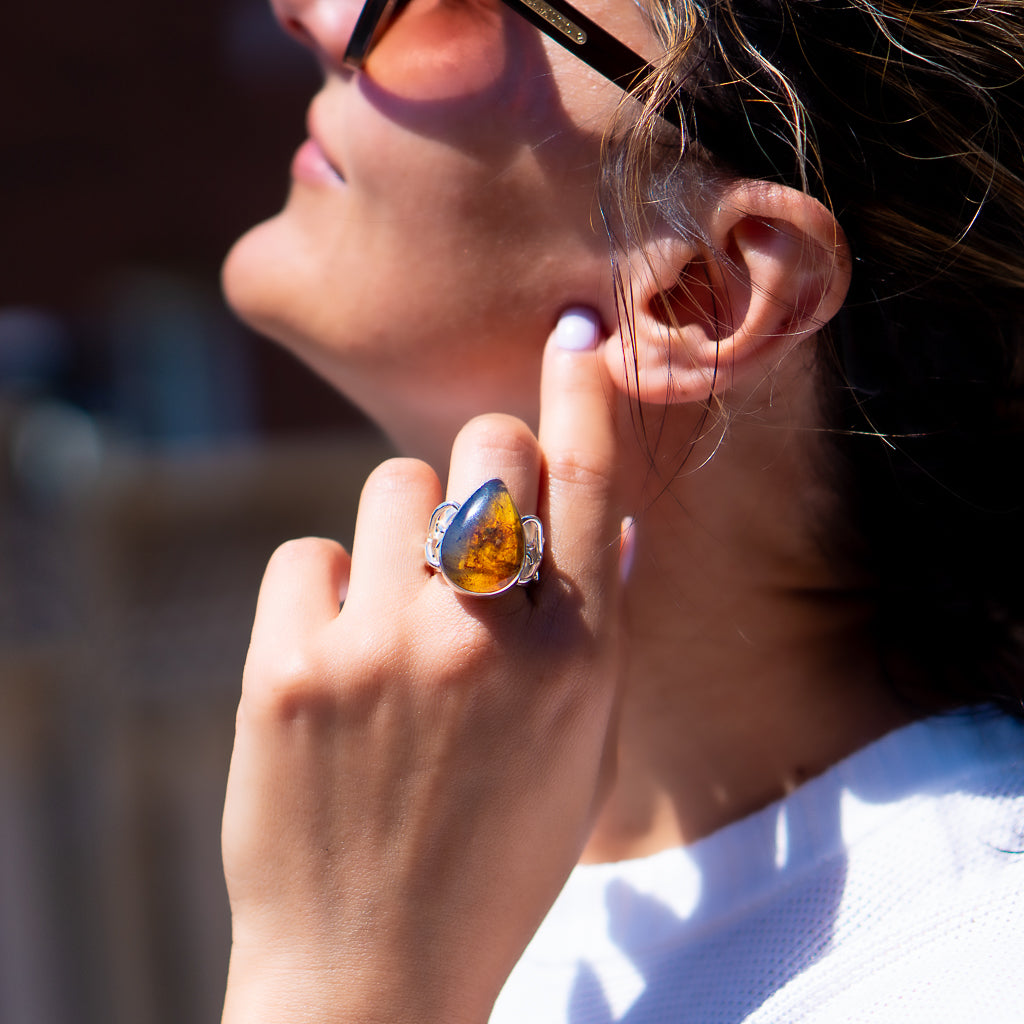
Quality standards matter here. At Larimar Creations, every piece of larimar is held to the same quality standard, so a smaller or less expensive ring is not a lesser stone. If you are drawn to cooler tones, the guide to blue stones for rings compares several options beyond larimar. For warm honey and rare blue tones, rings with amber cover the other Dominican gem the workshop crafts.
Treatments are common, and they are acceptable when disclosed, but they affect durability, care, and value, so you should always know whether your stone has been treated. GIA explains in its introduction to gem treatments that treatments can improve a stone's appearance and sometimes its durability, but they may also diminish durability. GIA also notes that sellers are legally required to disclose treatments.
The American Gem Society adds that some treatments can change or lessen over time, may require special care, and can affect value compared with a comparable untreated stone.
Before you purchase, ask these questions:
Clear answers signal a trustworthy seller. Vague answers are a reason to look elsewhere.
Carat measures weight, not dimensions, so two stones of the same carat weight can look different in size depending on the gem and its cut. According to the American Gem Society, one carat equals one-fifth of a gram, and a carat is divided into 100 points, so a half-carat stone is 0.50 ct, or 50 points.
For rings with natural stones, the cut tells you more about the look than carat alone:
Cabochons also tend to sit lower and smoother than faceted stones, which many wearers find more comfortable for daily activity.
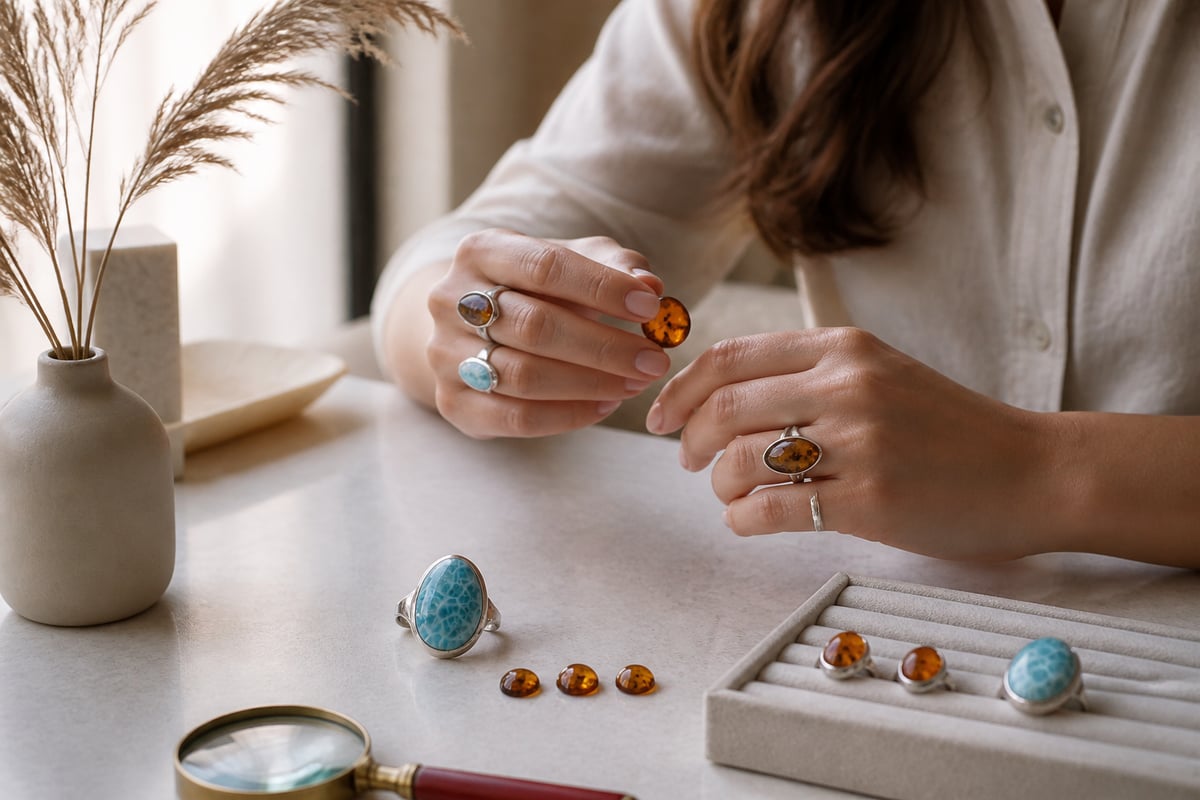
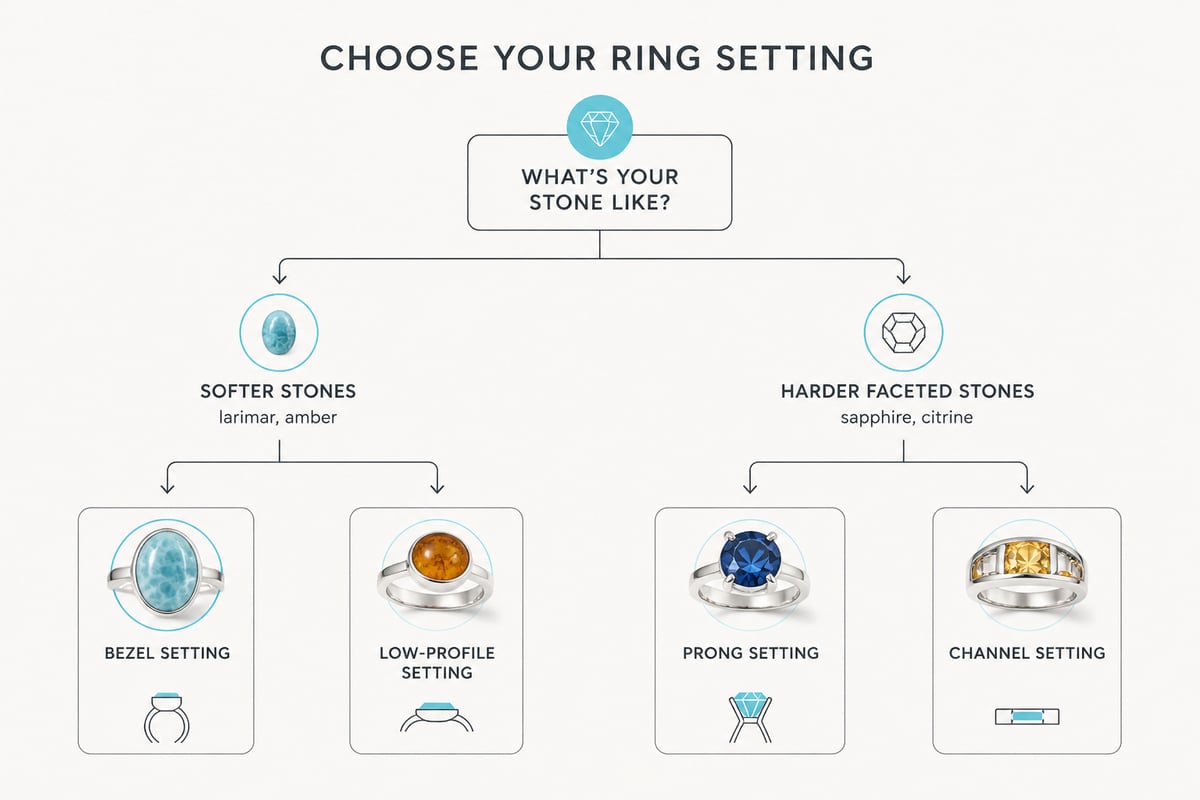
The setting should protect the stone while showing off its best feature, and the metal should complement its color. Sterling silver tends to flatter blue larimar, while warmer metals bring out the golden tones in amber.
Common settings include:
For a stone with lower hardness, favor a bezel or a protected setting over exposed prongs. A broad, low cabochon in a bezel is among the most practical ways to wear a softer gem.
Choose your ring size by measuring the finger you will wear it on at the end of the day, when fingers are at their largest, and avoid measuring when your hands are cold. Wide bands generally fit more snugly than thin ones, so many wearers go up slightly for a broad stone.
Measure more than once, on different days, because a single reading can mislead. Fingers swell with heat, salty food, and exercise, and shrink in cold weather, so two or three readings give a more reliable range. Pay attention to the knuckle as well. A ring has to pass over it, so if your knuckle is noticeably larger than the base of your finger, choose a size that slides on with slight resistance yet stays secure once it settles. The ring should turn with a little effort rather than spin freely or pinch.
If you are buying a ring as a gift, try to borrow a ring the recipient already wears on the same finger and measure its inside diameter. Because sizing conventions and available size ranges vary by maker, check each ring's product page on the Larimar Creations rings collection or contact the team directly to confirm what is offered for the piece you want.
Care depends on the stone's hardness and any treatment, but a few habits protect nearly every ring: clean it gently, store it separately, and remove it before strenuous or messy tasks.
The same principles apply across a matching set. If you plan to build a collection, the guides to natural stone necklaces and natural stone bracelets show how to coordinate pieces.
Before you commit, confirm the stone's identity, origin, and treatment history, then look at how the seller supports the purchase. A short checklist helps:
Treatment disclosure deserves the most attention. GIA states that sellers are legally required to disclose treatments, so a listing that says nothing on the subject is a prompt to ask directly. The American Gem Society points out that some treatments can lessen over time and may require special care, which means a treated stone can cost you more in upkeep and may be worth less than a comparable untreated one. Read the photos closely, too. Natural larimar varies from stone to stone, so images showing the exact ring let you judge the real pattern and color rather than an idealized sample. Check that the description names the metal, such as sterling silver, and the setting style, since both affect how well the stone is protected.
For larimar in particular, the pieces are crafted with close attention to detail in every design. A well-made ring from a maker with a long track record is easier to trust than an unbranded listing with no origin details.
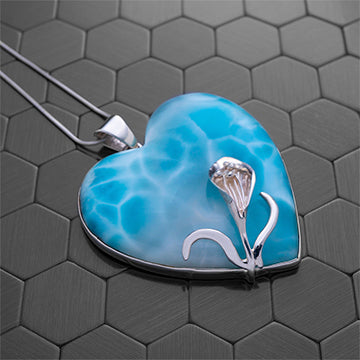
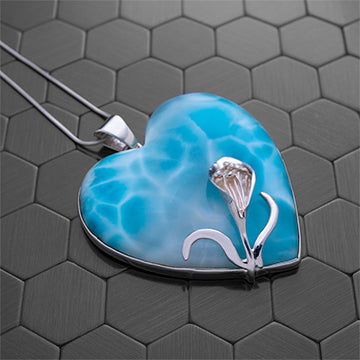
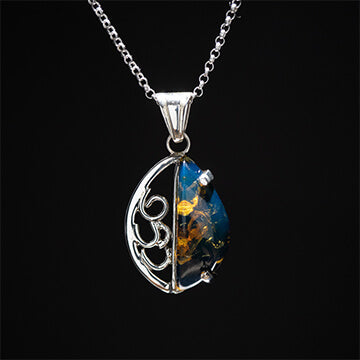
A pendant is a lower-risk way to try larimar if you are unsure about ring sizing or daily wear, because a necklace sits away from the knocks and chemicals that hands encounter. Larimar rates roughly 4.5 to 5 on the Mohs scale, so a stone that rests against the chest is far less likely to meet a countertop edge, a door frame, or hand soap than one on a finger. A pendant also removes the sizing question entirely, which makes it a practical first purchase or a safer gift when you are unsure of a recipient's ring size. Wearing one for a few weeks shows you how the stone's blue and its pattern look in different light, and whether you prefer a lighter or deeper tone, before you commit to a ring. The Larimar Pendants are a timeless gift that symbolizes love, peace, and calmness, and they pair well with a ring from the same stone once you know how it suits you.
When you are ready to coordinate, the ideas in rings with pendants cover how to match scale, metal, and stone color across the two pieces.
Your next step is to decide how often you will wear the ring, then choose a stone whose hardness fits that routine, and ask the seller about treatments before you buy. If you want genuine Dominican larimar or amber crafted by a family-owned workshop that has been making jewelry since 1982, Larimar Creations ships worldwide, so you can shop Larimar and find the ring that suits your hand wherever you live.