Your Cart is Empty

When jewelry enthusiasts and gemstone collectors ask where is larimar mined, the answer reveals one of the most remarkable aspects of this stunning blue stone. Unlike most gemstones found in multiple locations worldwide, larimar exists in only one place on Earth, making it among the rarest semi-precious stones available today. This exclusivity, combined with its captivating sky-blue coloration reminiscent of Caribbean waters, has elevated larimar from a local Dominican treasure to a globally sought-after gemstone. Understanding the specific mining locations, extraction methods, and geological conditions that create this unique mineral provides valuable context for anyone interested in authentic larimar jewelry and the challenges of bringing this beautiful stone to market.
Larimar is mined exclusively in the Dominican Republic, specifically in the southwestern province of Barahona. This single-source origin is what makes larimar so extraordinarily rare in the gemstone world. The primary mining area centers around the small village of Los Chupaderos, nestled in the Bahoruco mountain range approximately 10 kilometers from the city of Barahona.
The restricted geographic distribution of larimar relates directly to the unique volcanic conditions that formed this stone millions of years ago. The geological aspects of larimar formation in volcanic environments explain why this gemstone appears nowhere else globally.
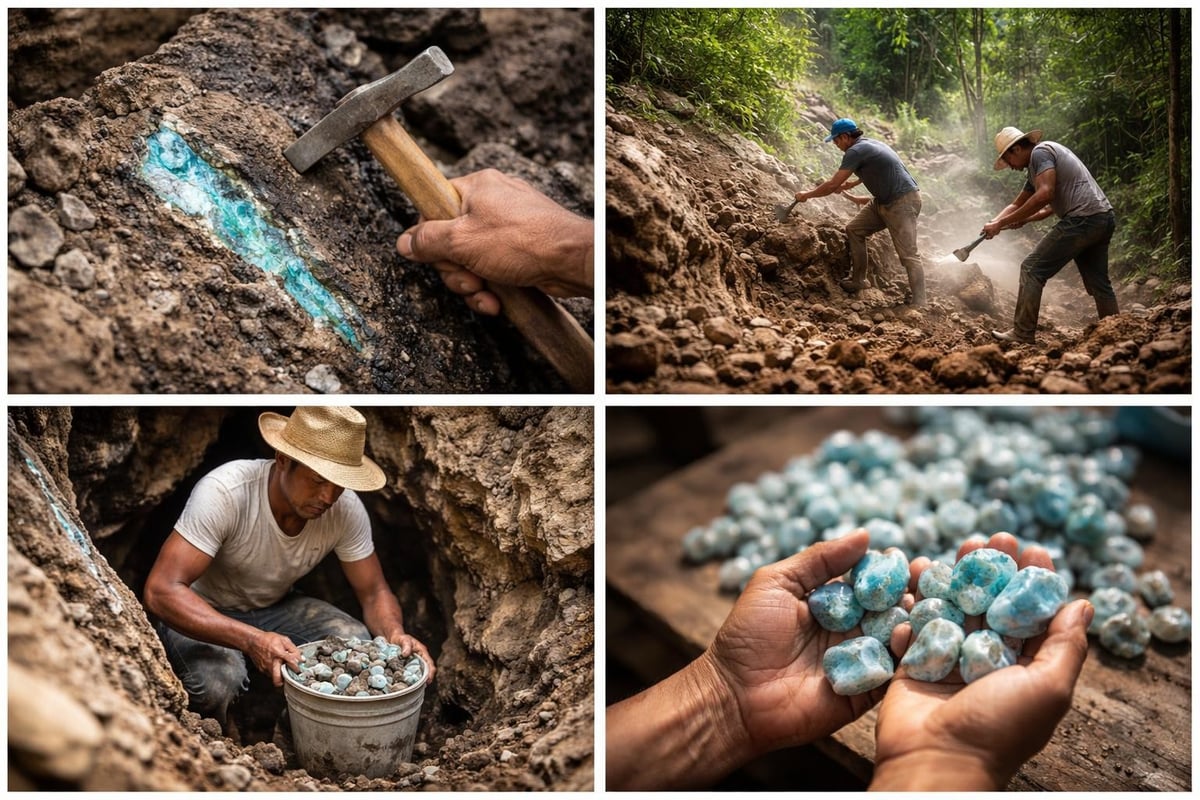
Los Chupaderos represents the heart of larimar extraction and answers definitively where is larimar mined. This mountainous region contains the richest deposits of quality larimar discovered to date. Local miners work in challenging terrain, often on steep slopes where the volcanic rock containing larimar veins is accessible.
The mine itself isn't a single industrial operation but rather consists of numerous small-scale mining sites operated by local Dominican miners. These artisanal mining operations maintain the traditional methods passed down through generations since larimar's modern discovery in 1974.
The story of where is larimar mined begins with its relatively recent discovery. Although local inhabitants had known about the blue stones for decades, larimar gained international recognition when Miguel Méndez and Peace Corps volunteer Norman Rilling officially documented it in 1974. Méndez named the stone by combining "Larissa" (his daughter's name) with "mar" (Spanish for sea), perfectly capturing its oceanic blue appearance.
Before this formal discovery, Dominican locals occasionally found blue stones in the Bahoruco River, which flows from the mountains where larimar deposits exist. The historical context of larimar's discovery reveals that these river stones had been washed down from the mountainous deposits above, eventually leading miners to trace them back to their source.
Following the 1974 discovery, mining operations gradually developed in the Los Chupaderos area. Initially, extraction was extremely limited and unorganized. Over the subsequent decades, as global demand increased, more structured mining cooperatives formed among local Dominican workers.
Today's mining operations remain predominantly artisanal and small-scale. Unlike industrial gemstone mining operations in other countries, the labor-intensive process of mining larimar emphasizes hand tools and traditional techniques rather than heavy machinery.
Understanding where is larimar mined requires examining the specific geological conditions that created this gemstone. Larimar formed in the cavities of volcanic rocks called basalt, which are abundant in the Bahoruco mountain range. These formations date back millions of years to periods of intense volcanic activity in what is now the Dominican Republic.
The blue coloration that makes larimar distinctive results from copper substitution within the mineral structure. The specific combination of volcanic conditions, mineral composition, and copper presence occurred uniquely in this small region of the Dominican Republic.
| Geological Factor | Characteristic | Impact on Larimar Formation |
|---|---|---|
| Rock Type | Basaltic volcanic rock | Provides cavity structures for mineral growth |
| Mineral Family | Pectolite variety | Base mineral structure |
| Color Agent | Copper presence | Creates distinctive blue coloration |
| Formation Period | Millions of years ago | Allows complete crystallization |
| Depth | Surface to 200+ meters | Determines mining accessibility |
The Barahona province experiences a tropical climate with distinct wet and dry seasons. These weather patterns significantly impact mining operations and access to deposits. Heavy rains during wet seasons can make mountain roads impassable and increase the danger of working in mine shafts.
The mountainous terrain where larimar is mined presents additional challenges. Steep slopes and unstable ground conditions require miners to exercise extreme caution during extraction work.
When examining where is larimar mined, it's equally important to understand how this delicate extraction process works. Dominican miners employ primarily manual techniques, using picks, shovels, hammers, and chisels to carefully remove larimar-bearing rock from mountainside deposits.
The mining process begins with identifying promising veins of larimar within the volcanic basalt. Experienced miners recognize subtle signs indicating the presence of quality larimar deposits. Once a vein is located, miners carefully excavate the surrounding rock.
The extraction follows these general steps:
The cultural significance of larimar in the Dominican Republic and its exclusive mining in Barahona has created a local industry supporting hundreds of families.

The question of where is larimar mined inevitably leads to discussions about the significant challenges facing those who extract this precious stone. Mining larimar is dangerous, physically demanding work that takes place in difficult conditions.
Miners often work in hand-dug tunnels and shafts that can extend hundreds of feet into the mountainside. These tunnels frequently lack proper structural support, ventilation, or safety equipment. Cave-ins, falling rocks, and respiratory issues from dust exposure represent constant hazards.
The remote location where larimar is mined means limited access to emergency medical care. Miners must navigate treacherous mountain paths daily to reach work sites, adding travel dangers to the inherent risks of extraction work.
Despite the global value of finished larimar jewelry, individual miners typically receive modest compensation for rough stones. The complex supply chain from mine to market involves multiple intermediaries, with the greatest profits occurring at the retail level.
Economic challenges include:
Even within the concentrated area where is larimar mined, quality and characteristics vary by specific location. Some sections of the Los Chupaderos area produce larimar with deeper, more vivid blue coloration, while others yield lighter shades or stones with more white matrix patterns.
The most prized larimar displays a deep volcanic blue color with minimal white streaks or inclusions. This premium material, sometimes called "volcanic blue," comes from specific veins within the mining area and represents a small percentage of total production.
Once extracted, larimar undergoes grading that considers several quality factors. Color intensity, pattern uniformity, translucency, and absence of fractures all influence value. Understanding these quality distinctions helps consumers identify genuine larimar vs fake alternatives.
| Quality Grade | Color | Pattern | Typical Use |
|---|---|---|---|
| Premium | Deep volcanic blue | Minimal white veining | High-end jewelry, collectors |
| High | Medium to dark blue | Some pattern variation | Quality jewelry pieces |
| Medium | Light to medium blue | Noticeable white matrix | Affordable jewelry, carvings |
| Commercial | Pale blue to gray-blue | Heavy white presence | Cabochons, beads |
As global demand for larimar continues growing, questions about sustainable mining practices become increasingly important. The single location where is larimar mined creates both conservation opportunities and challenges for managing this finite resource.
Primary extraction areas and sustainable mining efforts in the Dominican Republic focus on balancing economic needs with environmental protection.
Dominican authorities and mining cooperatives have begun implementing measures to ensure responsible extraction practices. These efforts include regulating mining permits, establishing protected zones, and encouraging rehabilitation of exhausted mining sites.
The limited area where larimar is mined makes comprehensive conservation planning more feasible than with widespread mineral deposits. However, enforcement remains challenging given the number of small, independent mining operations.
The fact that larimar is mined in only one location globally has profound market implications. This exclusivity contributes significantly to larimar's value and desirability among collectors and jewelry enthusiasts worldwide.
Single-source advantages include:
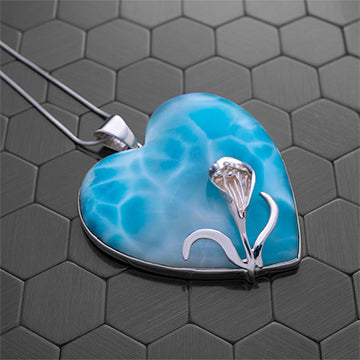
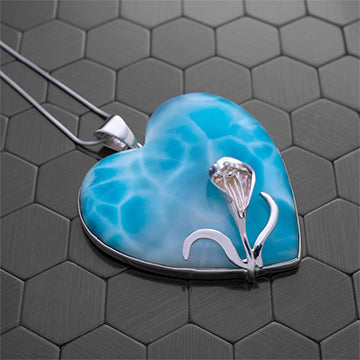
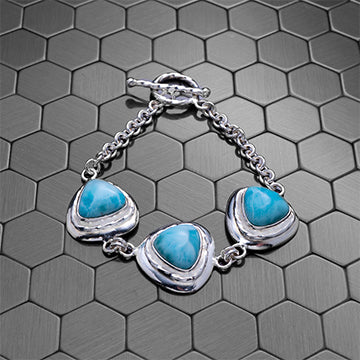
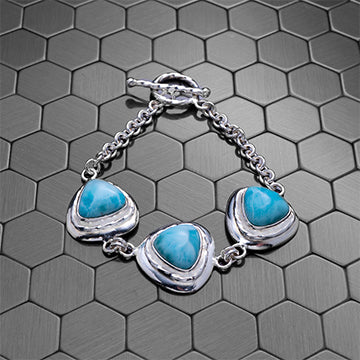
For businesses like Larimar Creations that specialize in authentic larimar jewelry, the exclusive Dominican origin provides both marketing advantages and sourcing considerations. Quality Larimar Pendants showcase the unique beauty achievable only with genuine stones from these specific mines.
Looking ahead, several factors will shape the future of where is larimar mined and how this industry evolves. Deposit depletion concerns, changing regulations, tourism impacts, and global market dynamics all play roles in larimar's future.
Experts debate how long existing larimar deposits will support continued mining. Some estimates suggest decades of remaining reserves, while others worry about premium-quality material becoming increasingly scarce. The difficulty of geological surveying in mountainous terrain makes precise reserve estimates challenging.
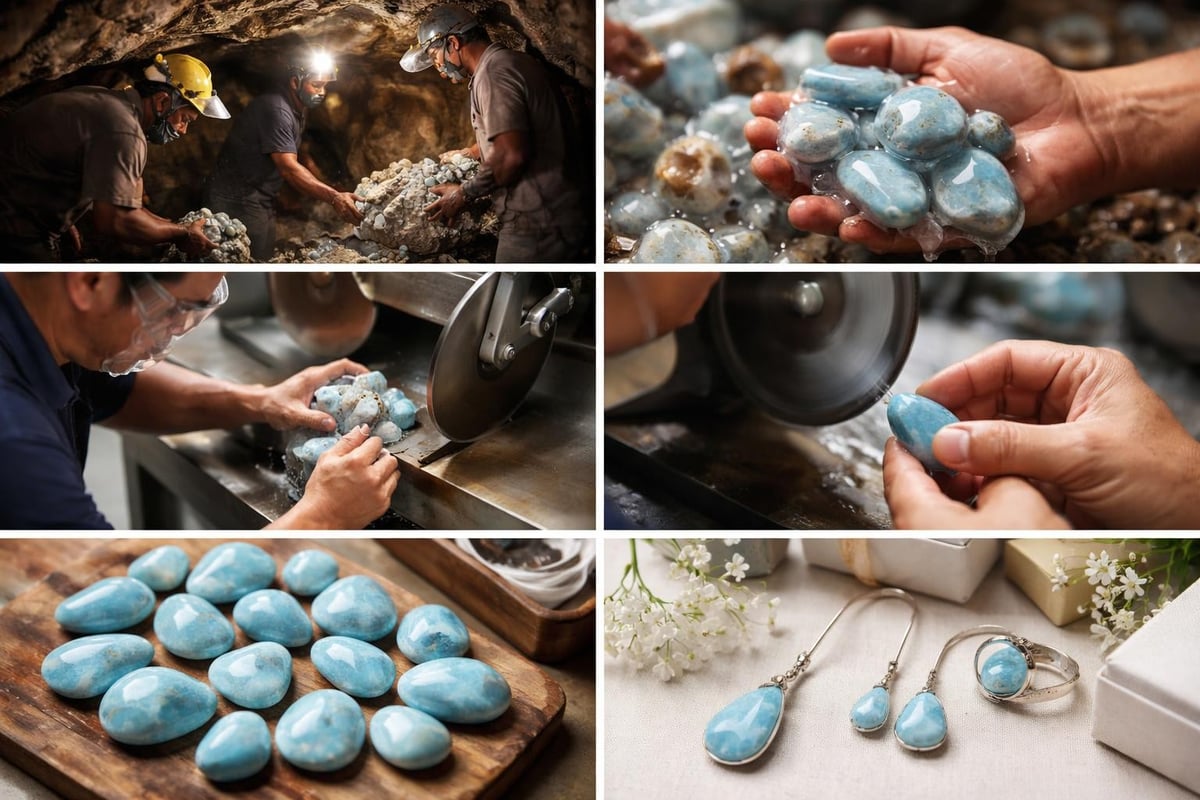
While traditional methods dominate current operations, some mining groups explore selective modernization to improve safety and efficiency. Potential innovations include better ventilation systems, structural supports for tunnels, and improved tools for extraction that minimize stone damage.
However, the artisanal nature of operations where larimar is mined will likely persist due to terrain challenges, economic factors, and the delicate extraction required to prevent damaging the stones.
Beyond its commercial value, where is larimar mined holds deep cultural significance for the Dominican people. Many Dominicans view larimar as a national treasure representing their country's natural beauty and Caribbean identity.
The larimar industry provides essential income for communities in the Barahona region, supporting not just miners but also cutters, polishers, jewelry makers, and retailers. This economic impact extends throughout the local economy, benefiting restaurants, transportation services, and other businesses supporting the larimar trade.
Tourism related to larimar has grown substantially, with visitors traveling to see where larimar is mined and purchase authentic stones directly from Dominican artisans. This tourism creates additional economic opportunities while raising international awareness of larimar and Dominican culture.
The concentration of mining in a single region has fostered specialized artisan communities with exceptional skills in working with larimar. Generations of experience have created expertise in cutting, polishing, and setting larimar that maximizes each stone's natural beauty. Understanding larimar benefits and characteristics helps these artisans make optimal design decisions.
With larimar mined exclusively in the Dominican Republic, origin becomes a critical authentication factor. Reputable sellers provide documentation confirming Dominican origin, and experienced gemologists can often identify authentic larimar through characteristic features developed during formation in Barahona's unique volcanic environment.
Consumers seeking genuine larimar jewelry should purchase from established dealers who source directly from Dominican suppliers and can verify the stone's origin. The limited location where is larimar mined actually simplifies authentication compared to gemstones with multiple global sources.
The exclusive location where is larimar mined in the Dominican Republic's Barahona province makes this stunning blue gemstone one of the world's rarest and most distinctive. Understanding its single-source origin, the challenging extraction process, and the dedicated artisans who bring it to market deepens appreciation for every larimar piece. Whether you're drawn to larimar's captivating beauty, its metaphysical properties, or its unique geological story, Larimar Creations offers exquisite handcrafted jewelry that celebrates this extraordinary Dominican treasure with worldwide shipping to bring authentic larimar to collectors and jewelry lovers globally.