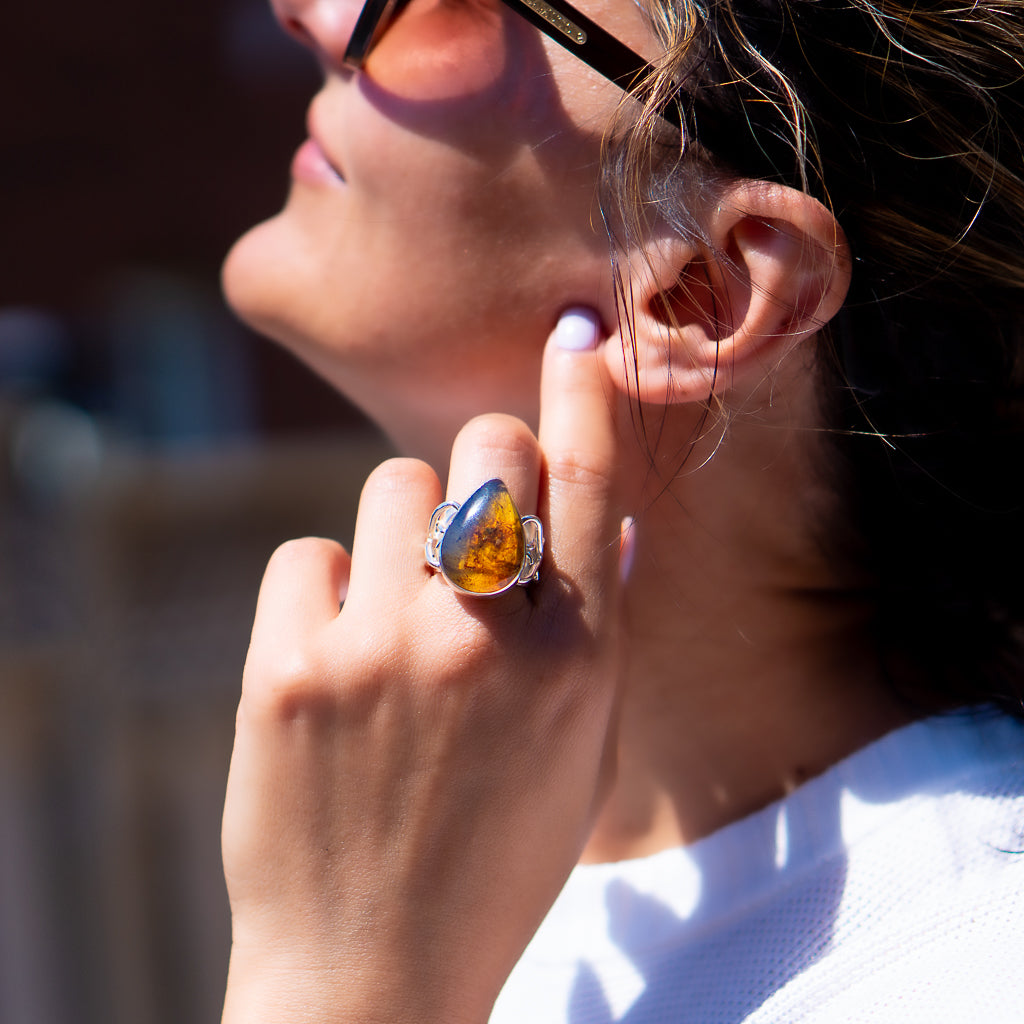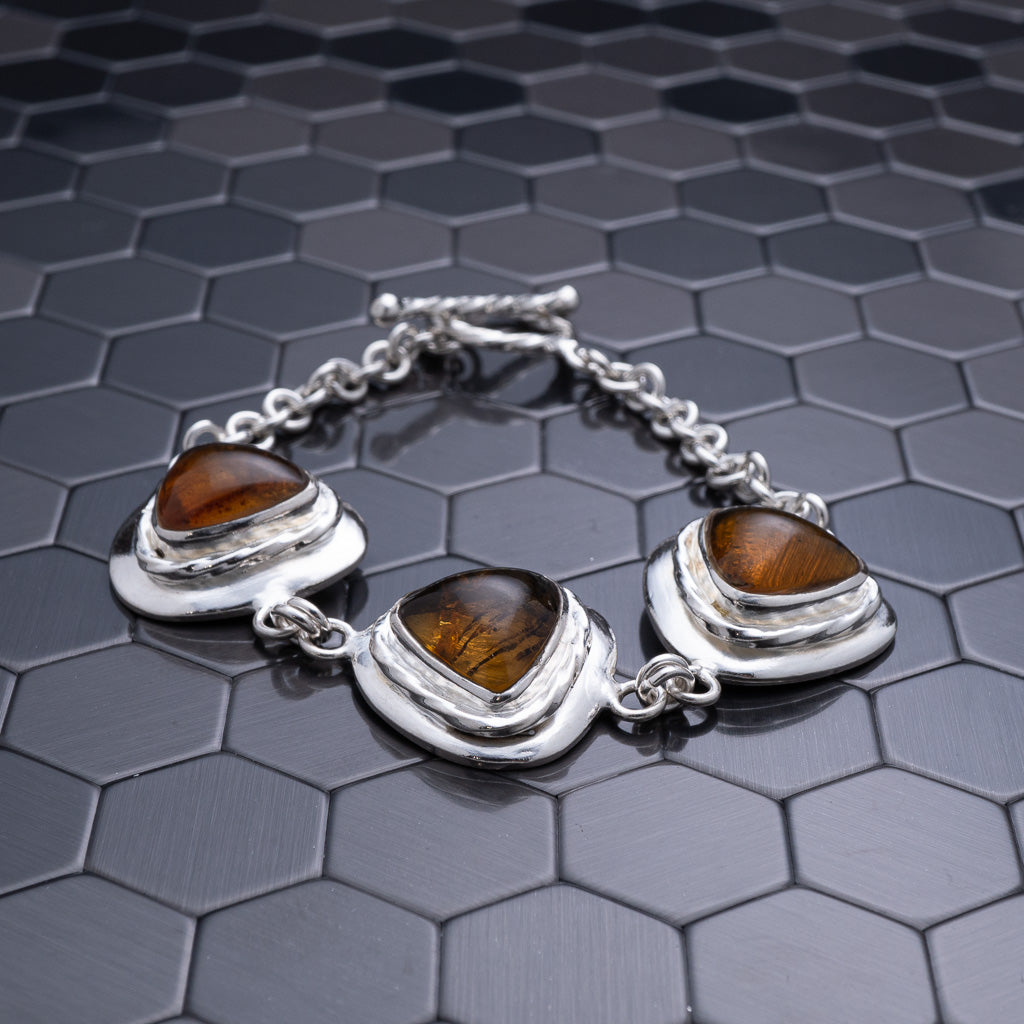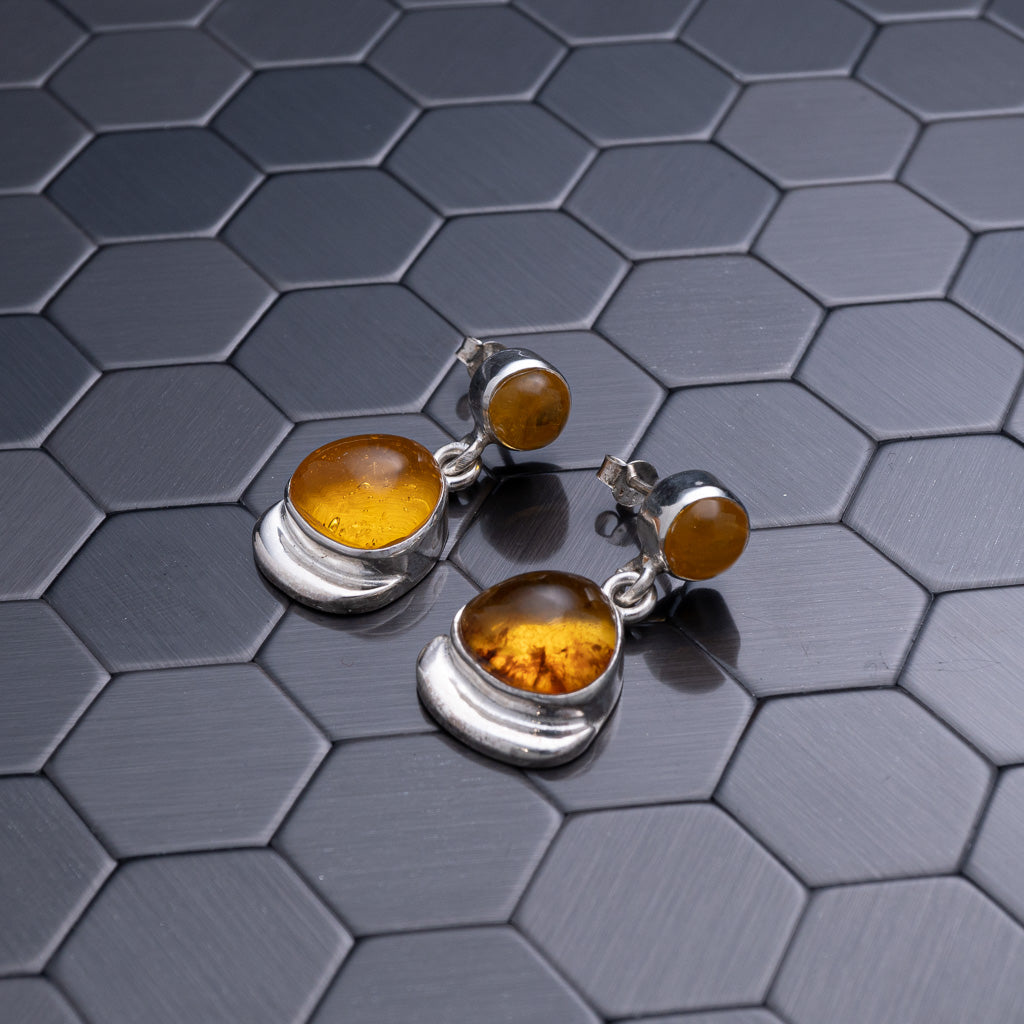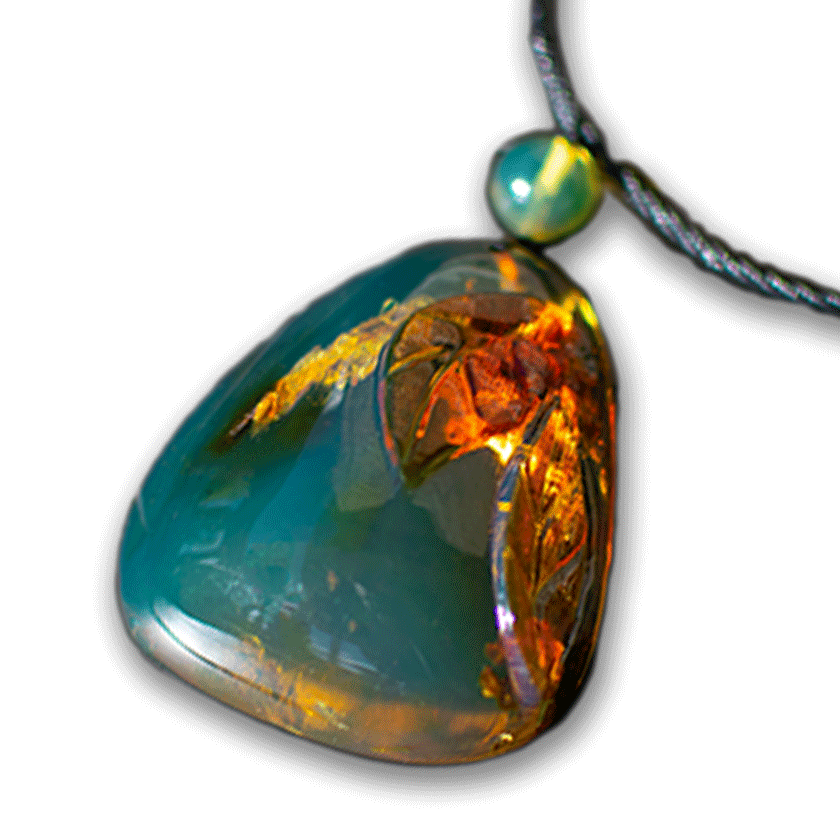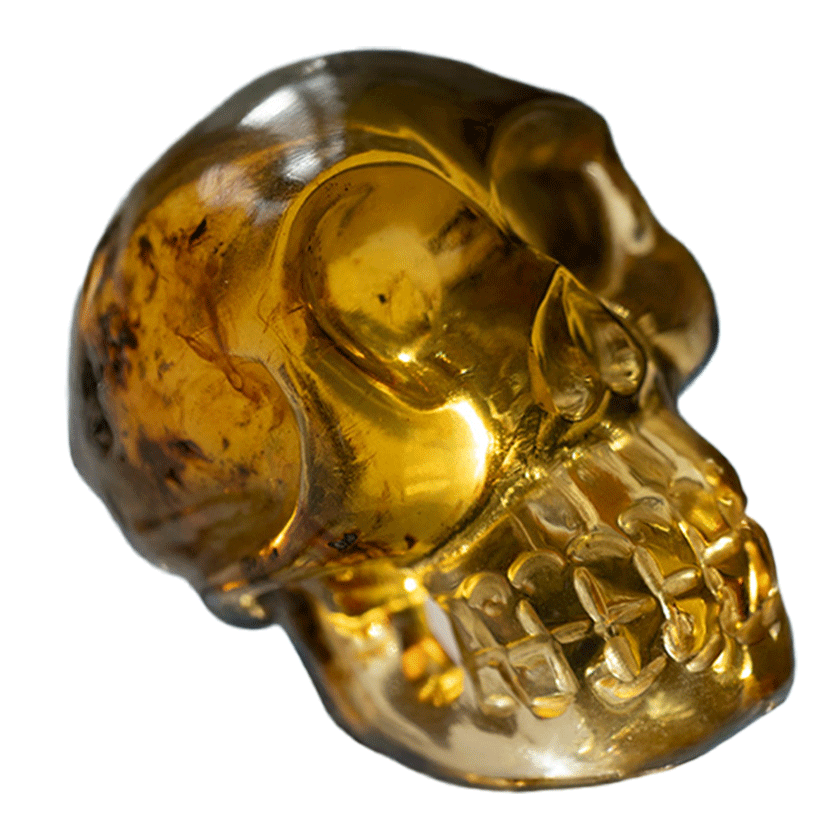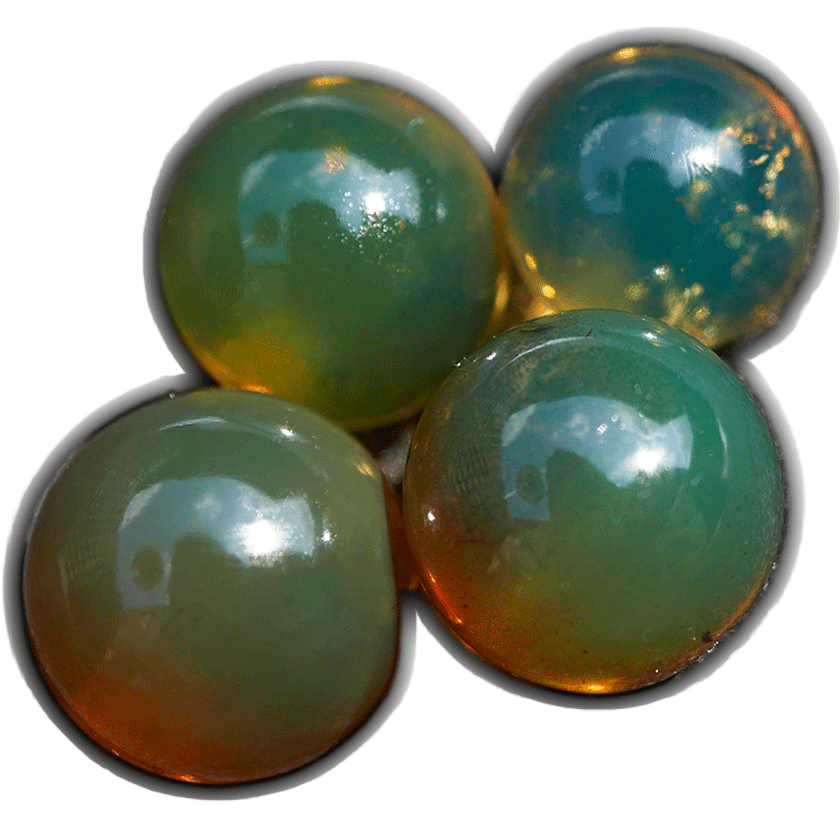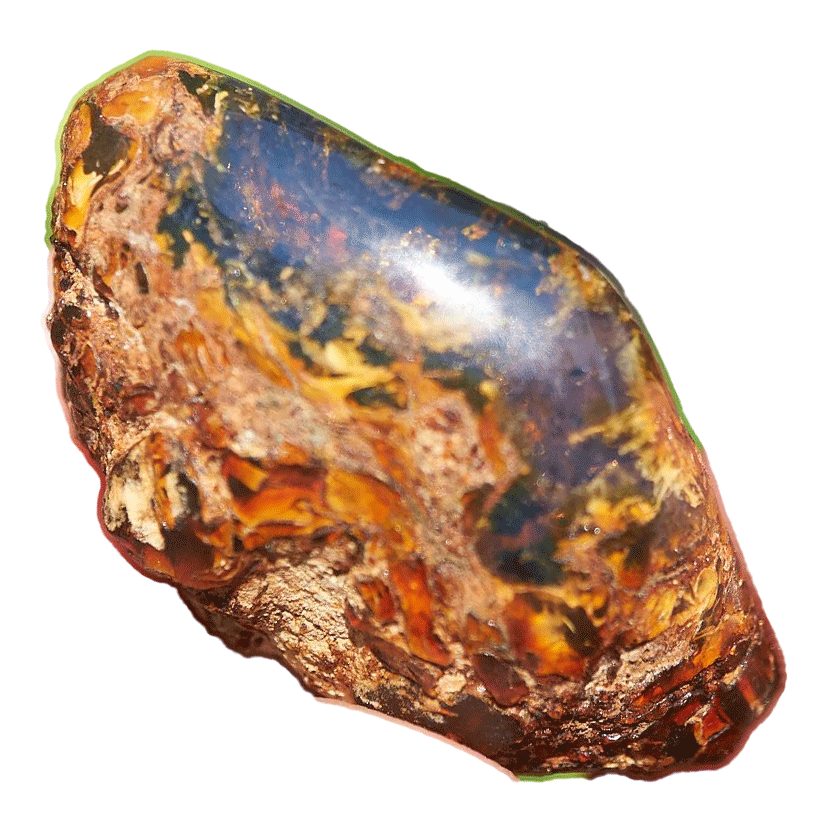


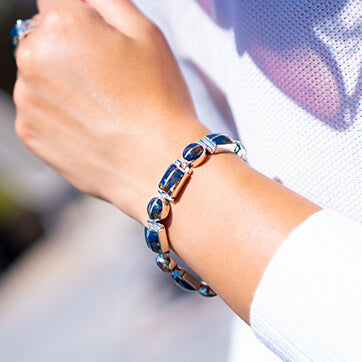
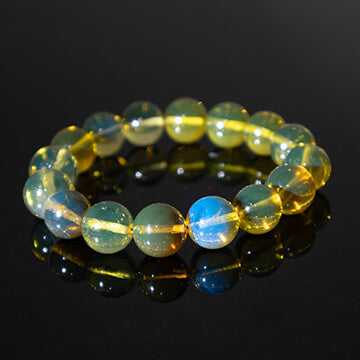
Handcrafted in DR.

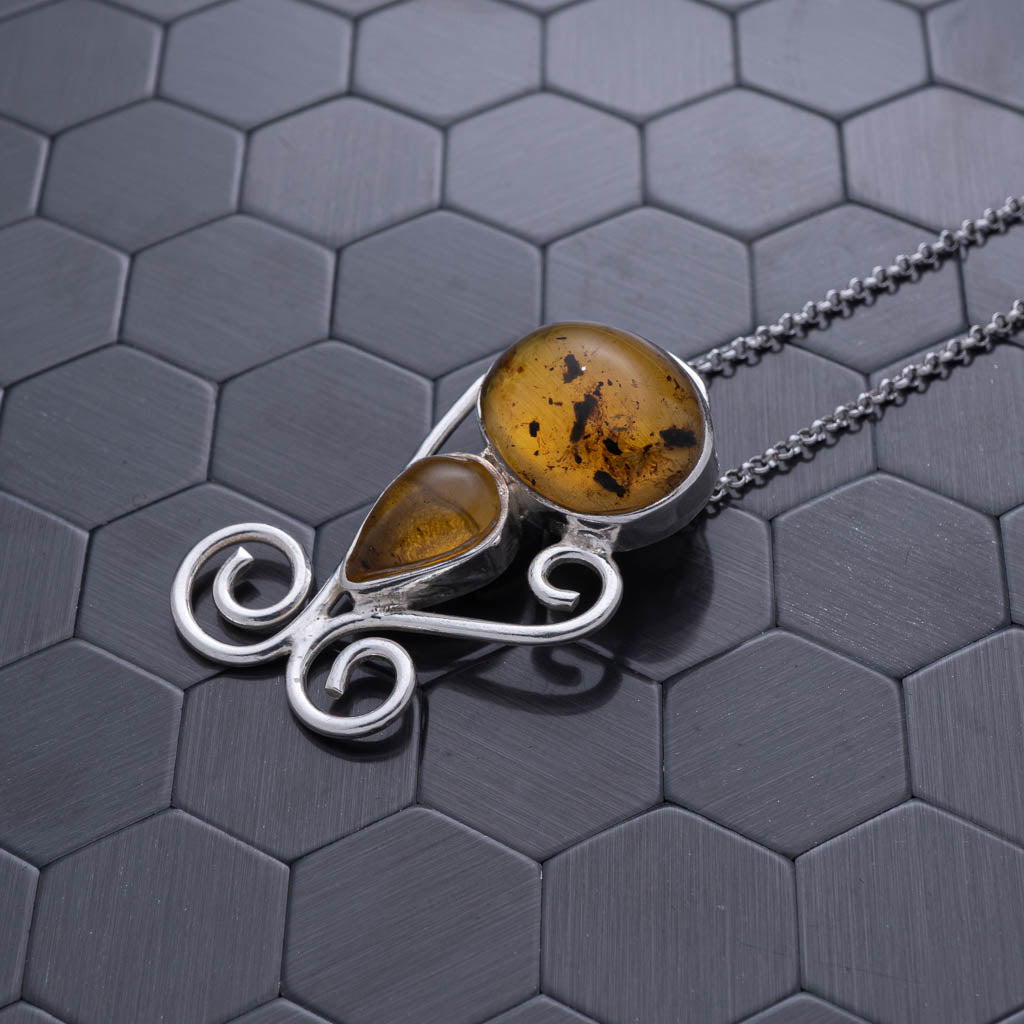
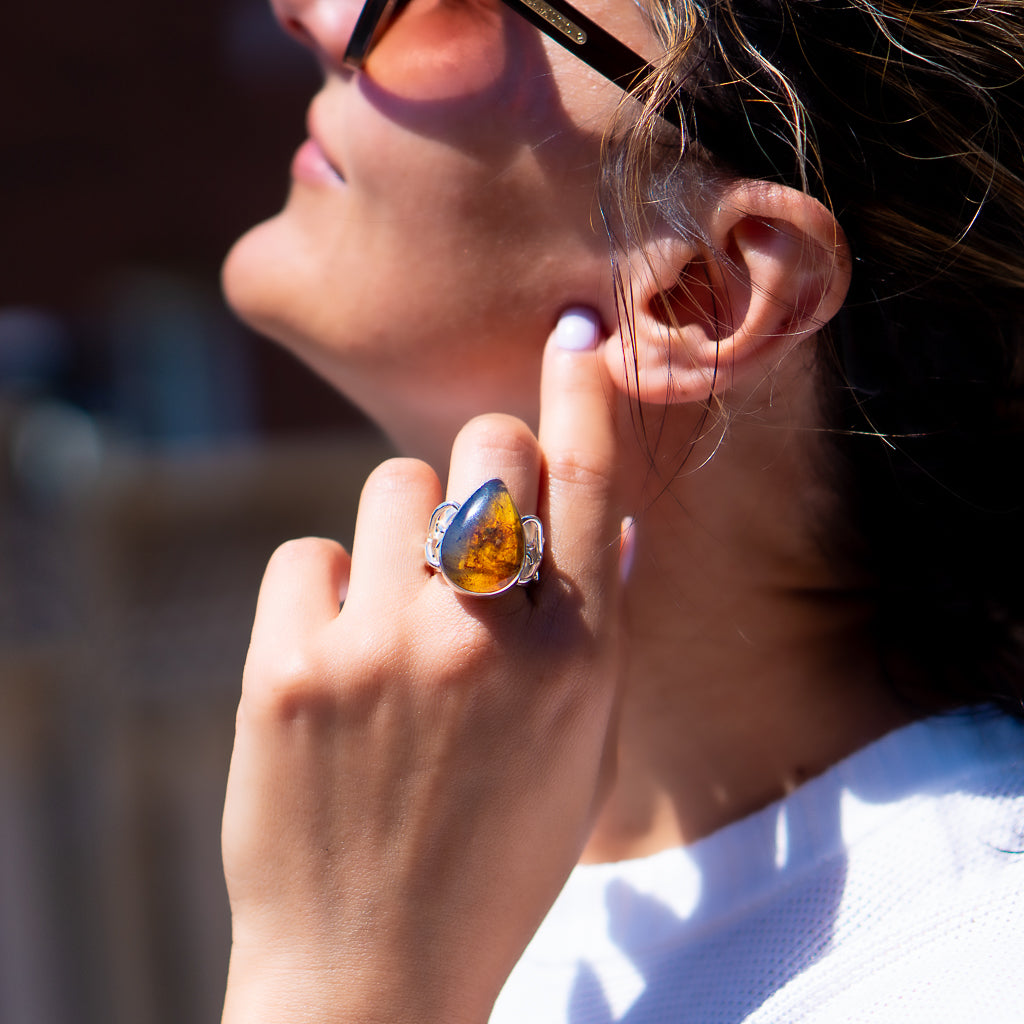
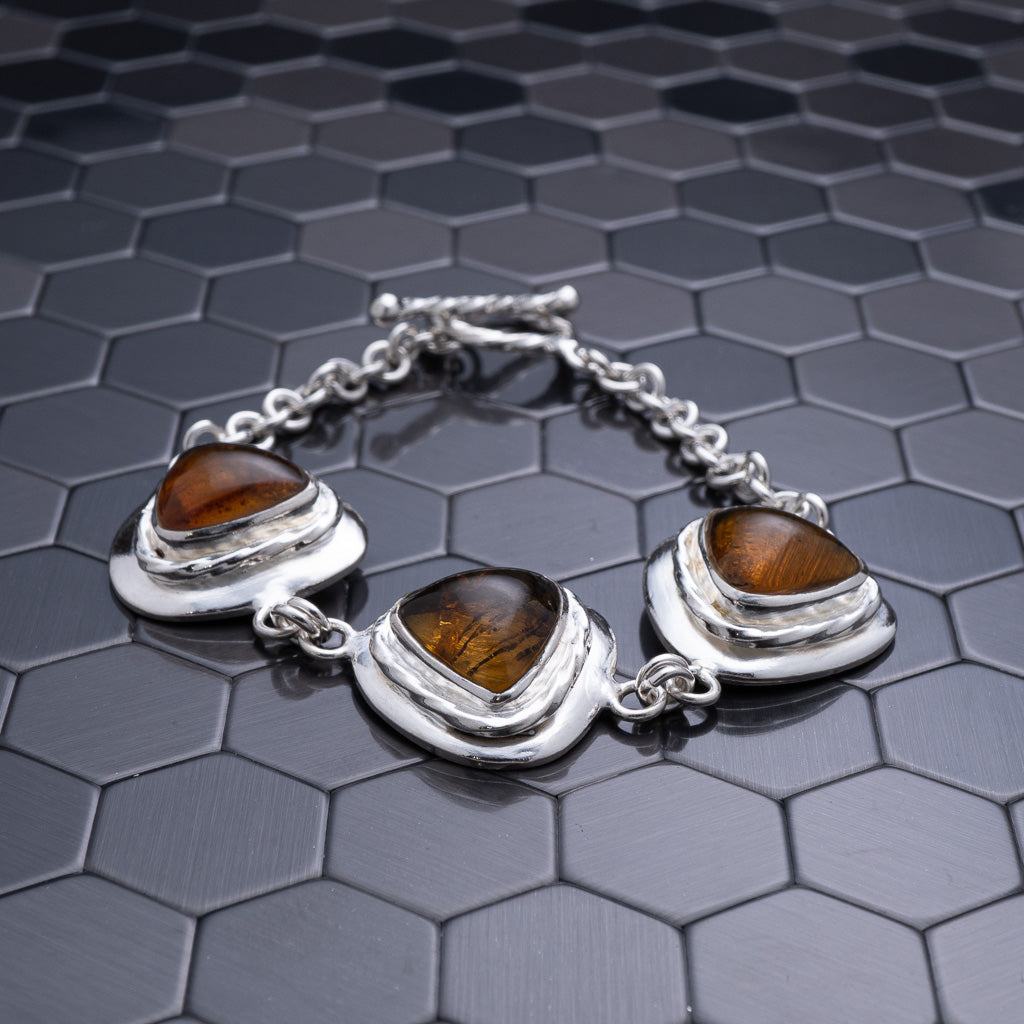
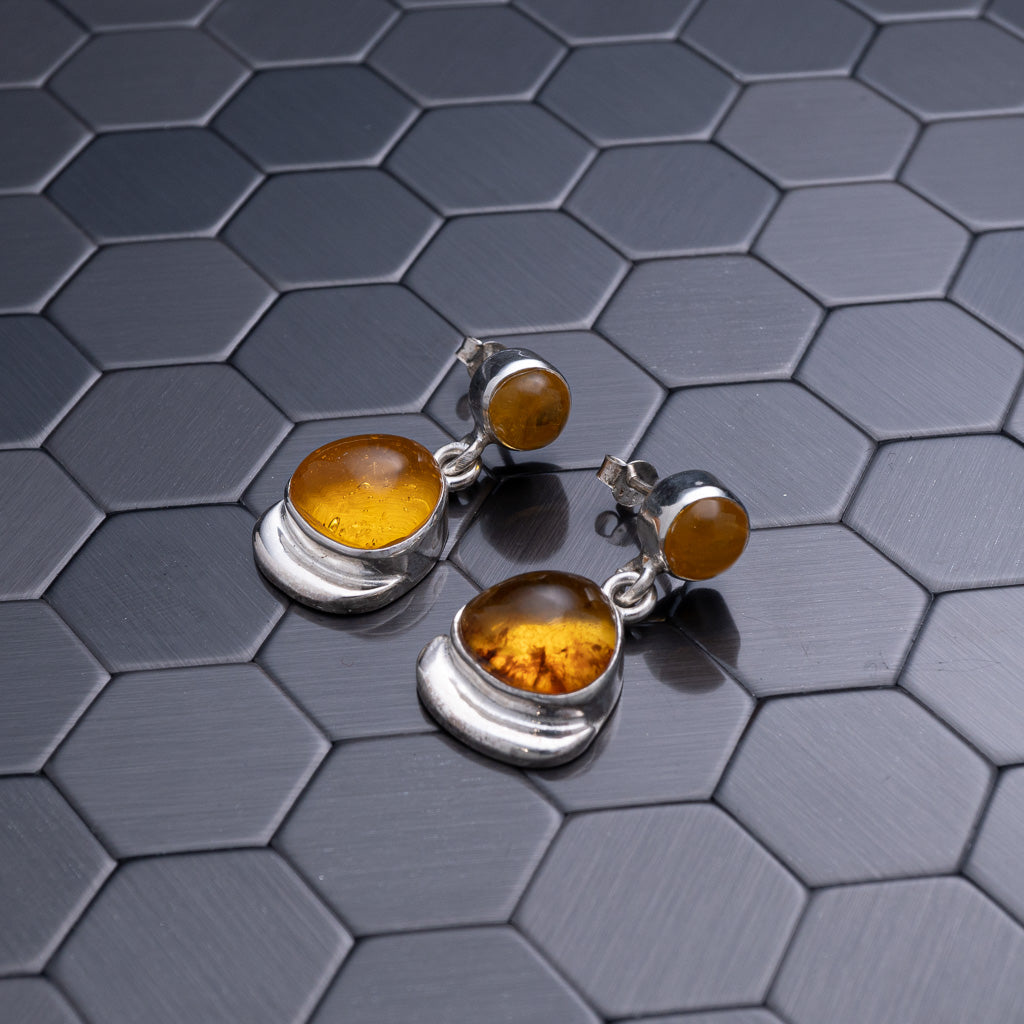


100% Handcrafted in DR.

Larimar remains one of the world's most sought-after gemstones, prized for its distinctive Caribbean blue hues and remarkable scarcity. Found exclusively in a remote mountain region of the Dominican Republic, this rare pectolite variety has captured the attention of collectors and jewelry enthusiasts worldwide. Understanding the cost of larimar requires examining multiple interconnected factors, from mining challenges and quality grading to market dynamics and craftsmanship. Whether you're considering your first larimar purchase or expanding an existing collection, knowing what drives pricing helps ensure you invest wisely in this extraordinary gemstone.
Larimar's value stems primarily from its extreme geographical limitation. The gemstone exists in only one location on Earth: the Bahoruco mountain range near the village of Los Chupaderos in the Dominican Republic's southwestern region. This singular source creates inherent scarcity that fundamentally influences market pricing.
Unlike gemstones found across multiple continents, larimar's exclusivity to one small mining area means global supply depends entirely on Dominican extraction. Mining operations remain largely artisanal, with miners working in challenging conditions to extract stone from volcanic rock formations. The Dominican Ministry of Energy and Mines has implemented formalization requirements for amber and larimar miners, impacting operational costs and supply chain dynamics.
Production volumes fluctuate based on several factors:
These variables create supply uncertainty that directly affects the cost of larimar in international markets.
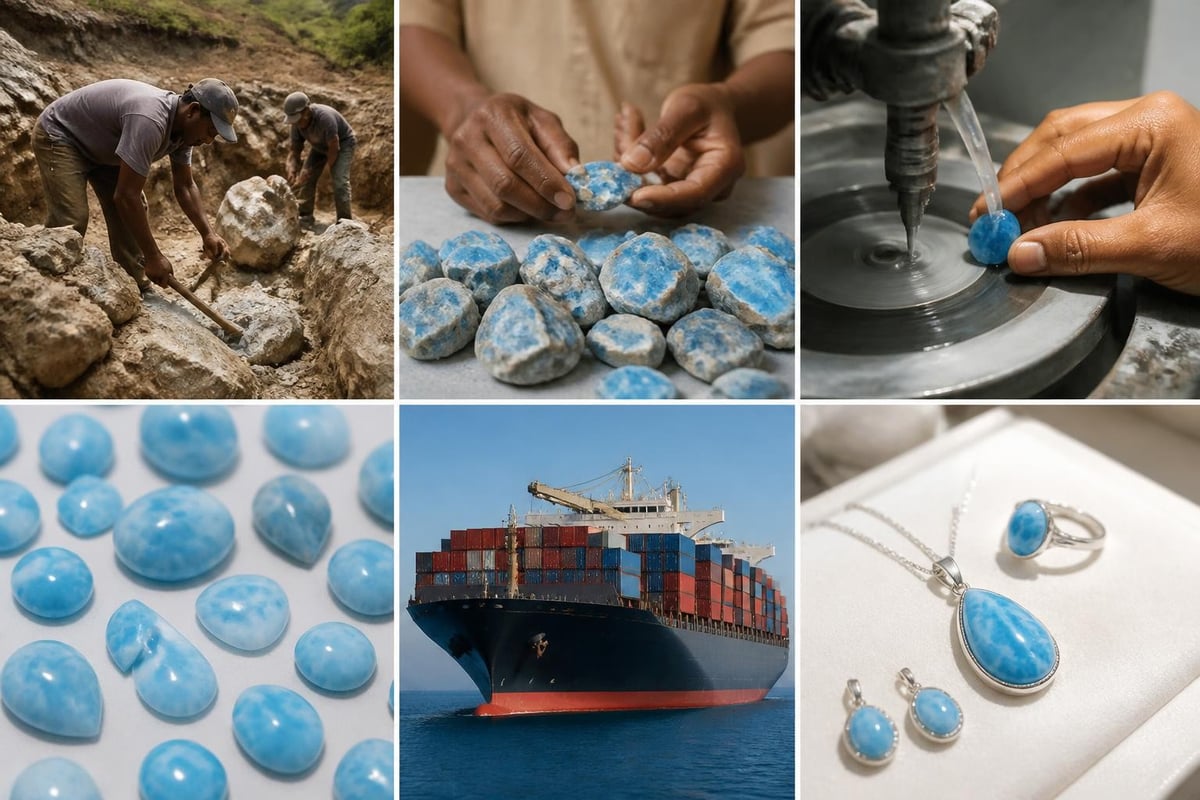
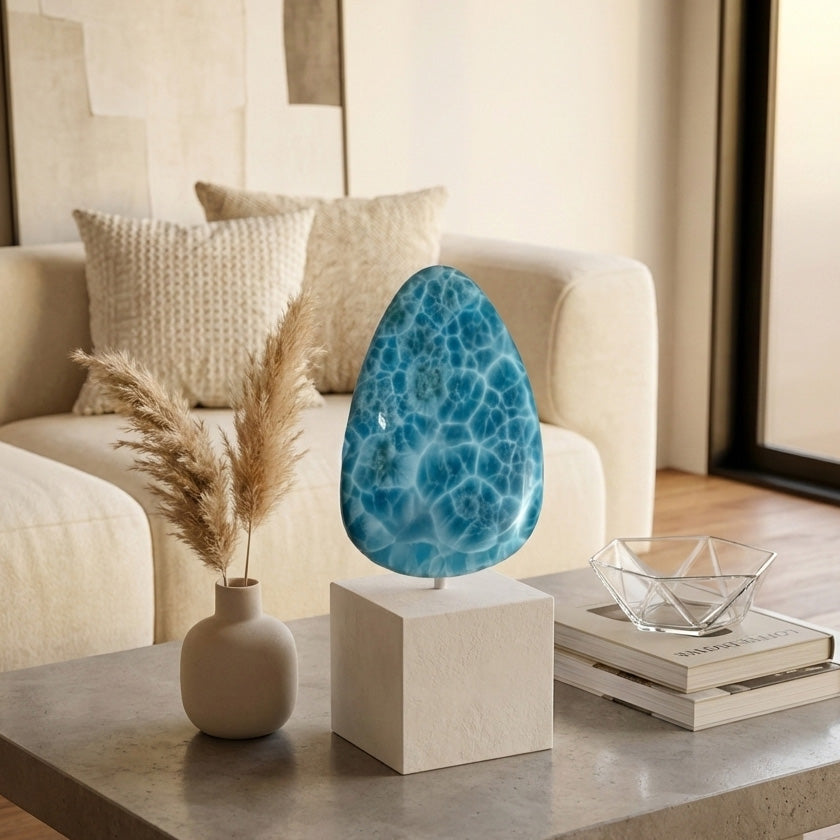
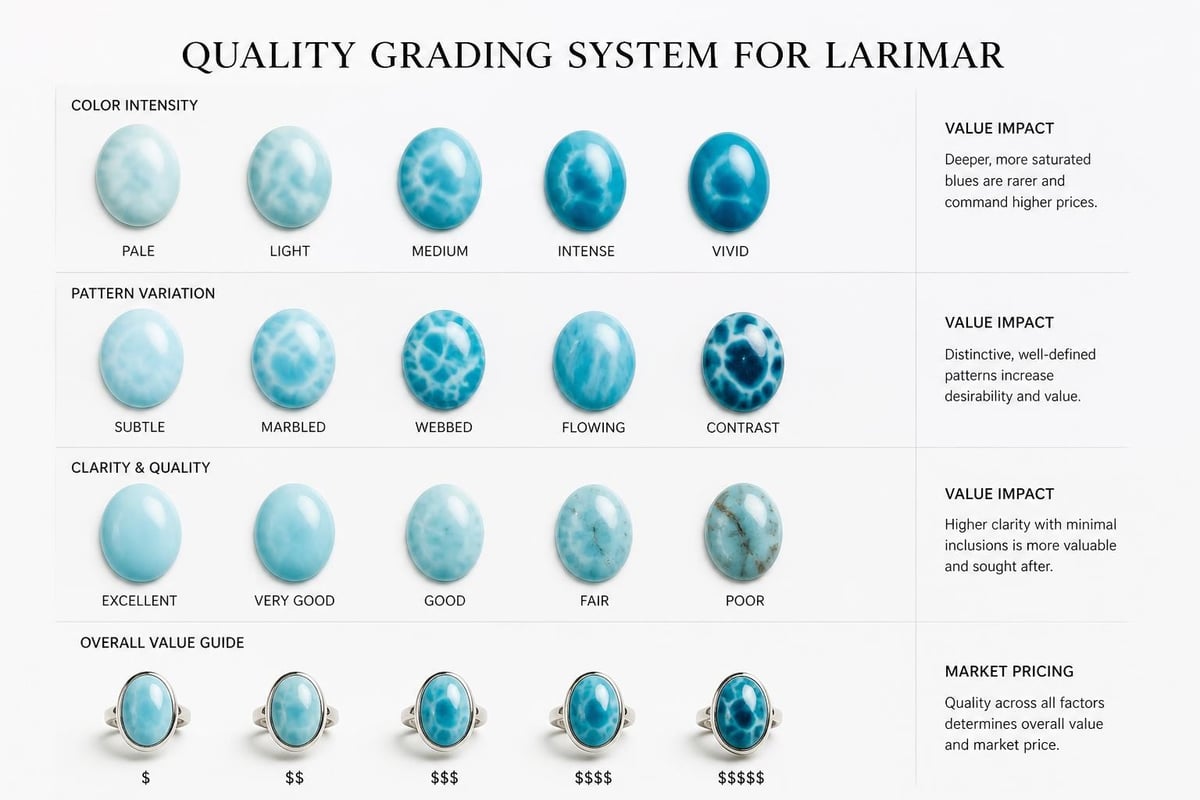
The most valuable larimar specimens display deep volcanic blue coloration reminiscent of tropical Caribbean waters. Stones exhibiting this saturated blue command premium prices, sometimes reaching $10-15 per carat for exceptionally fine material. According to gemological databases documenting pectolite varieties, color intensity and pattern complexity serve as primary value determinants.
| Color Grade | Description | Typical Price Range (per carat) |
|---|---|---|
| AAA Premium | Deep volcanic blue with minimal white | $8-15 |
| AA High | Rich blue with attractive patterns | $5-10 |
| A Standard | Medium blue, moderate white veining | $3-6 |
| Commercial | Light blue, significant white areas | $1-3 |
Patterns matter significantly. Stones displaying unique formations-swirling clouds, feather-like wisps, or dramatic contrasts-fetch higher prices than uniformly colored material.
The cost of larimar at the wholesale level varies dramatically based on quality, size, and current market conditions. Rough stone purchases involve different considerations than finished jewelry, making it essential to understand how raw material is evaluated and priced.
Miners and initial buyers grade rough larimar based on observable characteristics before cutting. Transparency, color saturation, and structural integrity all influence pricing at this earliest stage. Material with visible cracks, excessive calcite inclusions, or pale coloration sells for substantially less than premium specimens.
Size also plays a crucial role. While smaller pieces are more common, finding large blocks of high-quality larimar suitable for substantial carvings or statement jewelry becomes increasingly rare. Pieces exceeding 100 grams of solid, gem-grade material can command exponential premiums.
The regulatory environment established by Dominican mining law affects extraction costs through licensing requirements, environmental compliance, and operational standards that miners must maintain.
Wholesale dealers purchasing directly from miners or cooperatives typically pay $50-300 per pound for commercial-grade rough material, while premium specimens may reach $500-1,000 per pound. These prices fluctuate based on:
Market transparency remains limited in artisanal mining communities, creating price variability even for comparable material. Established relationships between miners and buyers often yield better pricing than spot purchases.
Once rough larimar undergoes cutting and polishing, the cost of larimar increases substantially to reflect the labor, expertise, and material loss inherent in lapidary work. Finished cabochons represent the most common form for jewelry setting.
Skilled artisans typically lose 40-60% of rough material during the cutting process as they remove fractured sections, shape the stone, and create smooth, polished surfaces. This waste factor significantly impacts final pricing. A 20-gram piece of rough material might yield only an 8-12 gram finished cabochon.
Labor costs in the Dominican Republic, while lower than North American or European rates, still represent a substantial portion of finished stone pricing. Experienced cutters who understand how to maximize color and minimize inclusions command premium wages.
Finished larimar cabochons ready for jewelry setting typically sell at these ranges:
Premium color and exceptional patterns can double or triple these baseline prices. Perfectly matched pairs for earrings carry additional premiums of 20-40% over single-stone pricing.
When larimar enters finished jewelry, costs multiply again to account for precious metals, craftsmanship, design, overhead, and retail margins. Understanding these layers helps consumers evaluate whether they're receiving fair value.
A typical larimar pendant involves several cost components beyond the gemstone itself:
| Component | Percentage of Retail Price | Notes |
|---|---|---|
| Larimar stone | 25-40% | Varies with stone quality |
| Precious metal (silver/gold) | 15-30% | Based on current metal prices |
| Labor and craftsmanship | 20-35% | Design complexity matters |
| Business overhead | 10-15% | Rent, utilities, insurance |
| Retail margin | 15-25% | Allows sustainable operation |
Artisan jewelers often charge higher percentages for labor because each piece receives individual attention rather than mass production. This handcrafted approach typically ensures better stone selection and superior metalwork.
The cost of larimar jewelry in 2026 varies widely based on quality, size, and setting complexity. Here are current market ranges:
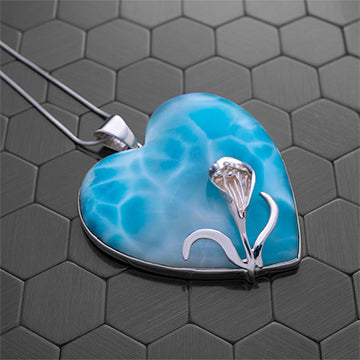
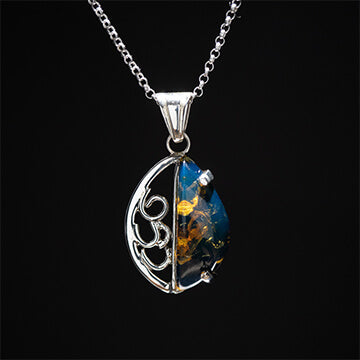
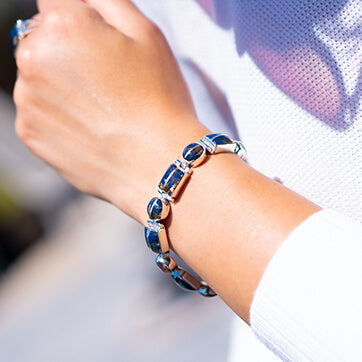
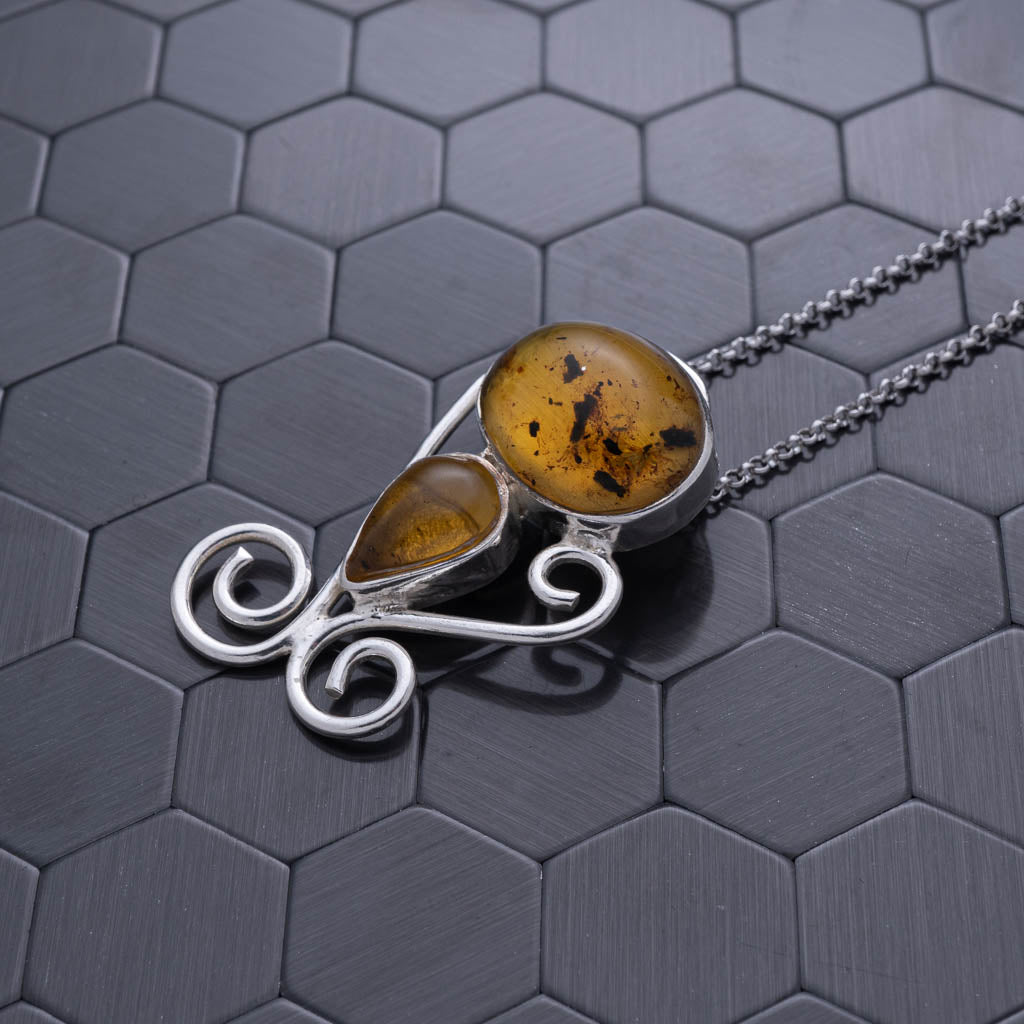
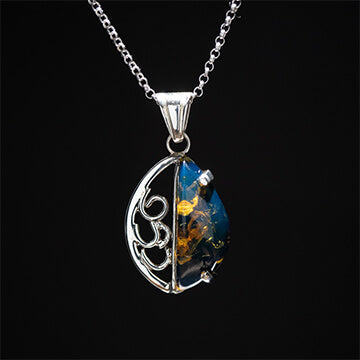
Pendants: Simple wire-wrapped settings start around $35-60 for small, commercial-grade stones. Mid-range sterling silver pendants with quality larimar typically retail for $80-200. Premium pieces featuring AAA-grade larimar in elaborate gold settings can exceed $400-800.
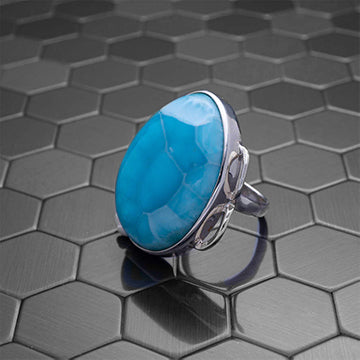
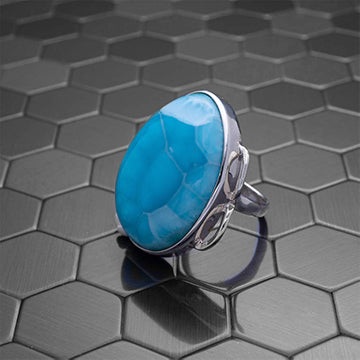
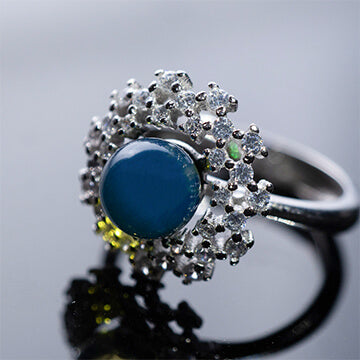
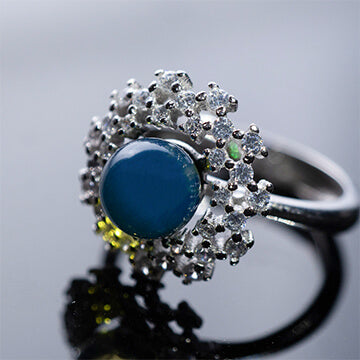
Rings: Basic larimar rings in sterling silver begin around $60-100. Well-crafted rings with substantial stones and quality metalwork commonly sell for $150-350. Designer rings with exceptional larimar and gold settings may reach $500-1,200.
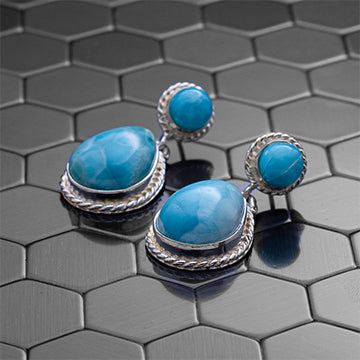
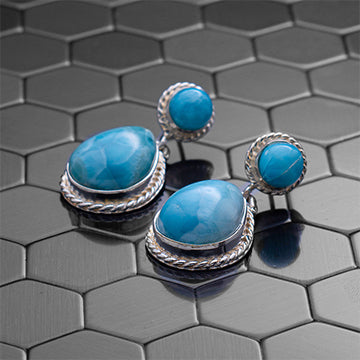
Earrings: Matched pairs command premium pricing due to stone-matching requirements. Simple studs start at $50-80, while elaborate dangle earrings with quality larimar range from $120-400.
Those seeking exquisite larimar pendants will find pieces that showcase the gemstone's natural beauty while representing fair value for quality craftsmanship and authentic Dominican material.
The growing popularity of larimar has unfortunately led to various forms of misrepresentation that affect pricing and value. Educated buyers protect their investments by understanding authenticity markers and common treatments.
Several materials get misrepresented as larimar in unscrupulous markets:
Genuine larimar displays specific characteristics including unique fibrous structure, distinctive patterning, and appropriate hardness (4.5-5 on Mohs scale). Reputable sellers provide documentation of Dominican origin and avoid artificially treated material.
While larimar doesn't typically undergo the heat treatment or irradiation common with other gemstones, some lower-quality material faces surface treatments:
These enhancements should be disclosed and significantly reduce value compared to completely natural stones. The cost of larimar drops substantially when treatments are revealed, sometimes by 50-70% for heavily enhanced material.
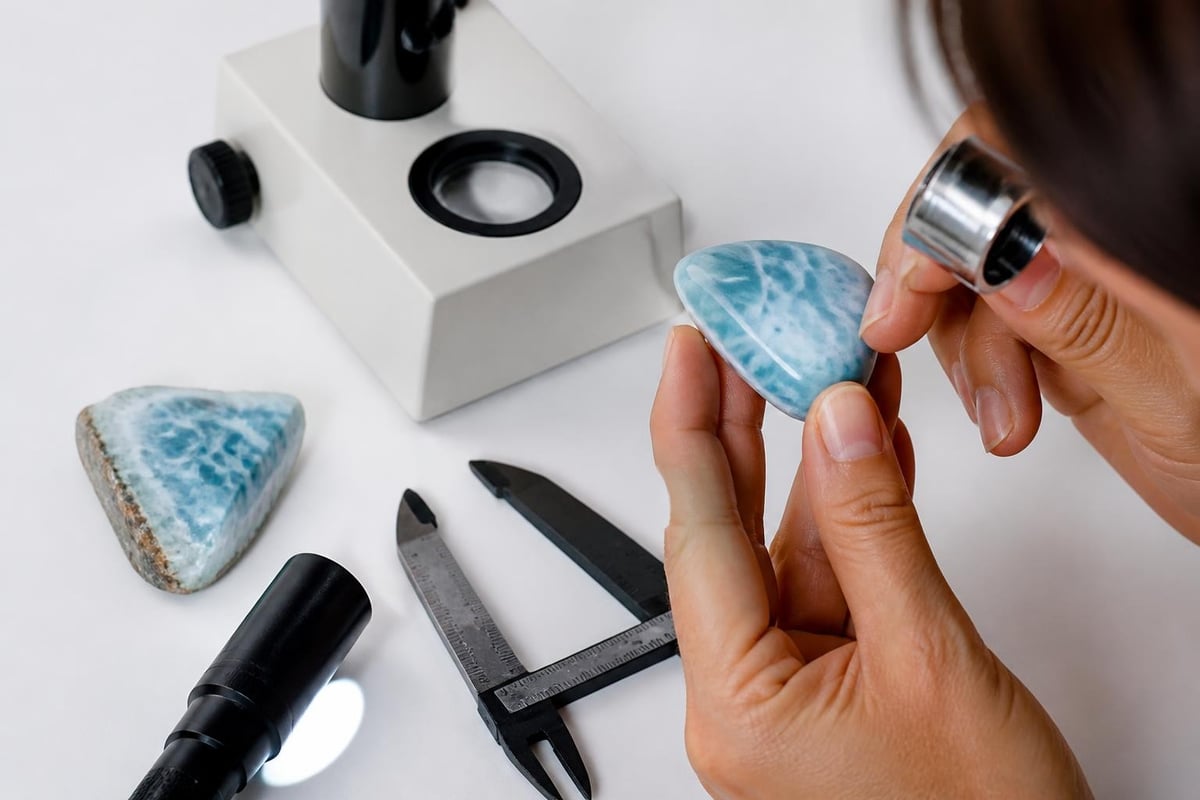
Larimar pricing shows notable geographic differences based on proximity to source, local market dynamics, and tourism patterns. Understanding these variations helps buyers identify optimal purchasing opportunities.
Purchasing in the Dominican Republic offers potential savings but requires caution. Tourist areas like Punta Cana and Santo Domingo feature numerous larimar vendors, though quality and pricing vary dramatically. Savvy buyers who research beforehand can find excellent values, particularly when buying directly from artisan workshops or established dealers.
International markets add import duties, shipping costs, and additional dealer margins. However, reputable international sellers often provide better quality assurance, return policies, and customer service than impulse purchases from unfamiliar vendors.
Typical price differences:
Tourism patterns influence the cost of larimar in Dominican markets. High season (December through April) brings increased demand and higher prices, while summer months may offer better negotiating opportunities. Additionally, broader commodity market trends documented by the U.S. Geological Survey show that gemstone pricing follows economic cycles affecting discretionary luxury spending.
Many buyers view larimar as both a beautiful accessory and potential investment. Understanding value retention and appreciation potential helps inform purchasing decisions.
Several trends suggest continued strength for larimar values:
Premium-quality larimar has shown steady appreciation over the past two decades, though like all gemstones, it's primarily purchased for enjoyment rather than pure financial investment.
Collectors maximizing long-term value focus on:
For those interested in maintaining their larimar pieces, proper care ensures gemstones retain their beauty and value over time.
Navigating the larimar market successfully requires knowledge, patience, and strategic thinking. Informed buyers consistently achieve better value than those making impulsive decisions.
Successful larimar purchases begin with education:
Comparing offerings from multiple sources like Larimar Creations helps establish baseline expectations for quality and pricing at different tiers.
Always request or verify:
Reputable dealers welcome questions and provide transparent information about their sourcing, pricing, and quality standards.
While larimar availability remains relatively stable year-round, certain periods offer advantages:
Optimal buying times:
Less favorable times:
Current market analysis reveals several trends affecting the cost of larimar throughout 2026 and beyond. Staying informed about these patterns helps buyers make strategic decisions.
The Dominican government's ongoing formalization of artisanal mining creates both challenges and opportunities. While compliance requirements increase operational costs, they also improve worker safety, environmental standards, and long-term sustainability of mining operations.
Recent developments include:
These changes may initially constrain supply and elevate prices, but ultimately support the industry's long-term viability.
Growing environmental and ethical awareness among jewelry consumers increasingly favors gemstones with traceable, responsible sourcing. Larimar's artisanal mining heritage and single-country origin story align well with these values, potentially driving demand among conscious consumers.
Social media platforms have also expanded larimar's visibility, particularly among younger buyers discovering the gemstone through Instagram, Pinterest, and TikTok. This digital exposure creates new market segments and supports premium pricing for exceptional material.
The cost of larimar reflects its extraordinary rarity, mining challenges, quality variations, and the skilled craftsmanship required to transform rough stone into wearable art. Understanding these pricing factors empowers you to make informed decisions that balance budget, quality expectations, and long-term satisfaction with your purchase. Whether you're drawn to larimar's captivating blue hues, its exclusive Caribbean origin, or its metaphysical properties, Larimar Creations offers meticulously crafted, authentic pieces that showcase this remarkable gemstone's natural beauty while delivering exceptional value through quality materials and expert artisanship.