
Larimar
Blue Amber
Green Amber
Amber Carvings
More

by Admin October 10, 2026 6 min read

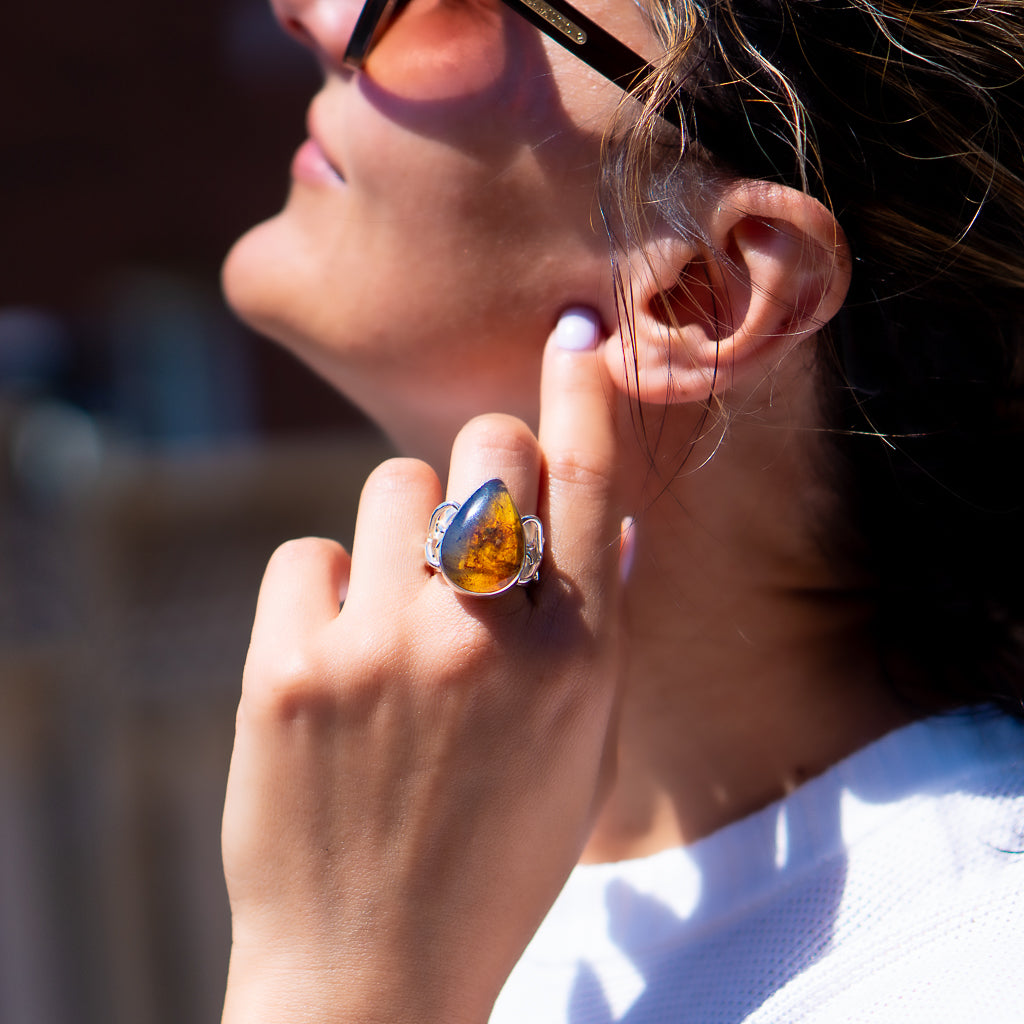
A vivid blue flash in amber can stop a collector in their tracks. It can also invite difficult questions: Is the piece natural? Did it truly come from the Dominican Republic? Has its color been enhanced? A Dominican amber certification guide helps answer those questions before you choose a pendant, cabochon, fossil, or one-of-a-kind jewelry piece meant to be treasured for years.

Dominican amber is among the world’s most sought-after ambers because of its exceptional clarity, warm honey tones, rare blue fluorescence, and remarkable insect and plant inclusions. Its beauty is unmistakably Caribbean. Yet beauty alone is not proof of origin or authenticity. Understanding what certification can confirm, and what it cannot, is the most reliable way to buy with confidence.

What Dominican Amber Certification Really Means

Certification is not a single universal document issued by one global authority. In the amber market, the term may describe a seller’s certificate of authenticity, an independent gemological report, provenance paperwork, or a combination of these records.

The strongest documentation identifies the material as natural fossil resin and, when testing supports it, provides an opinion on geographic origin. It should also disclose detectable treatments or modifications. A proper report is not simply a decorative card stating that a gemstone is genuine. It should identify the item, the testing organization or qualified expert, the date, report number, observations, and any limitations of the conclusion.

Origin deserves special care. Dominican amber is generally associated with deposits on the island of Hispaniola, particularly in the Dominican Republic’s northern mountain regions. Determining precise geographic origin can be more complex than identifying amber itself. Laboratories may rely on visual features, fluorescence, infrared spectroscopy, microscopic examination, known reference materials, and the character of inclusions. Results can be compelling, but origin opinions are often expressed with appropriate scientific caution.

For a fine blue amber pendant or a collector fossil, ask what the certificate is actually certifying. “Natural amber” and “Dominican origin” are related claims, but they are not identical claims.

The Documents Worth Asking For

A trustworthy purchase begins with clear, consistent information. For high-value Dominican blue amber, substantial specimens, fossil inclusions, or investment-minded collector pieces, independent documentation offers the greatest reassurance. For smaller artisan jewelry, a detailed certificate of authenticity from a specialized seller may be appropriate when it includes meaningful material and origin information.

Look for documentation that addresses the following details:

  • Whether the material is natural amber rather than copal, plastic, resin composite, or imitation
  • The stated origin, such as Dominican Republic, along with any limits on origin determination
  • Whether the material shows signs of heat treatment, dyeing, reconstruction, coating, or other enhancement
  • A clear description of the item, including weight, dimensions, color, and notable inclusions where relevant
  • The issuer’s name, date, signature or authorization, and report or certificate number
Photographs are helpful when a certificate is created for a particular finished piece, especially for distinctive carvings, cabochons, and fossil specimens. They make it easier to match the document to the amber in your hands. A generic certificate that could accompany any item should be viewed as supporting seller documentation, not as the same thing as an individual laboratory report.

Why Blue Amber Requires Extra Care

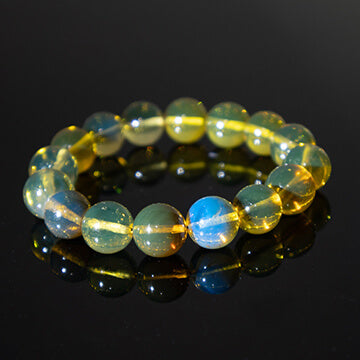
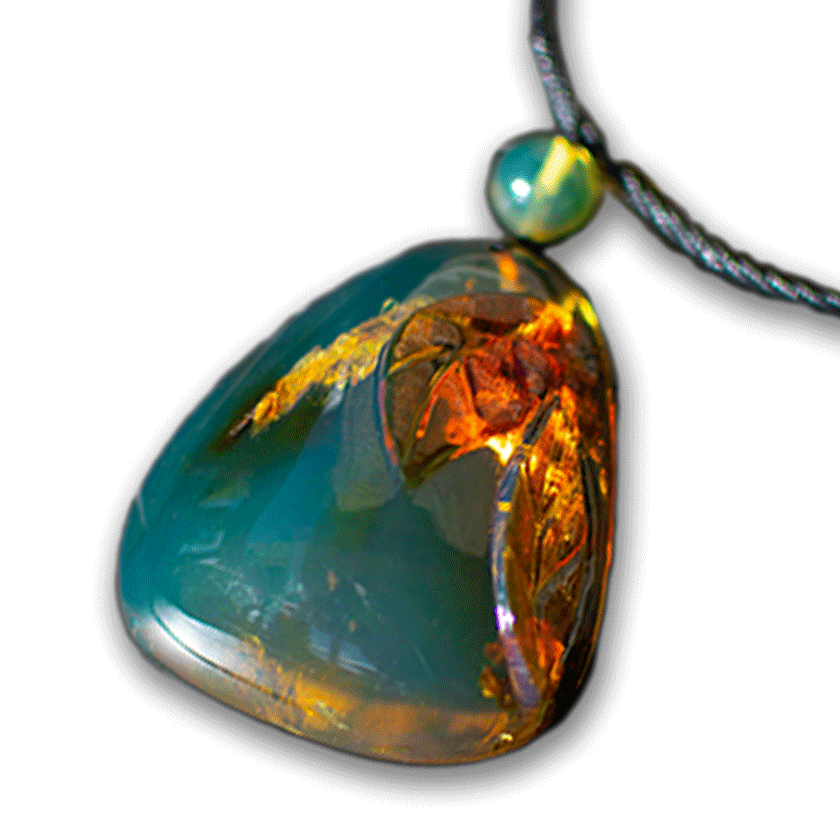
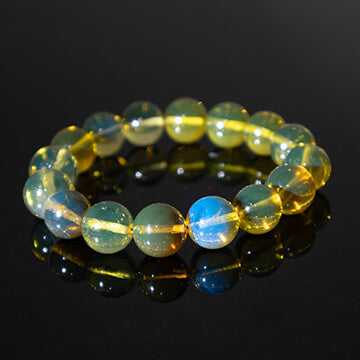
Dominican blue amber is prized for an optical effect that can look almost unreal. In daylight, it may appear honey-gold, cognac, or pale yellow. Against a dark background or under sunlight and ultraviolet light, it can reveal a blue, violet-blue, or bluish-green glow. The strength and shade vary from stone to stone.

This effect is one reason blue amber commands a premium. It is also why buyers should be particularly alert to vague descriptions. The word “blue” can refer to body color, surface reflection, fluorescence, photographic lighting, or a blue background placed behind a transparent stone. A natural blue response is not always dramatic in every setting. A seller who promises identical electric-blue color in all light conditions may be oversimplifying a material that is valued precisely for its individuality.

Ultraviolet light can be useful as one part of an evaluation, but it is not a standalone authenticity test. Several natural ambers fluoresce, and some synthetic or altered materials can produce convincing reactions. Likewise, a saltwater float test, a hot needle test, or rubbing amber for static may circulate as home checks, but they can damage jewelry and do not establish Dominican origin. Do not risk a finely polished cabochon, delicate bead strand, or heirloom pendant for an unreliable shortcut.

Natural Amber, Copal, and Imitations

Natural amber is fossilized tree resin that has undergone a long geological process. Copal is younger resin that may look similar but is less mature and often softer. Both can be beautiful, but they are different materials with different rarity, durability, and collector value.

Imitations create another layer of concern. Plastic, glass, modern resin, pressed amber, and reconstructed amber can all be made into attractive jewelry. Pressed amber is formed from smaller amber pieces under heat and pressure. It may still contain amber material, but it is not equivalent to a single natural amber piece. If an item has been reconstructed, that should be disclosed clearly.

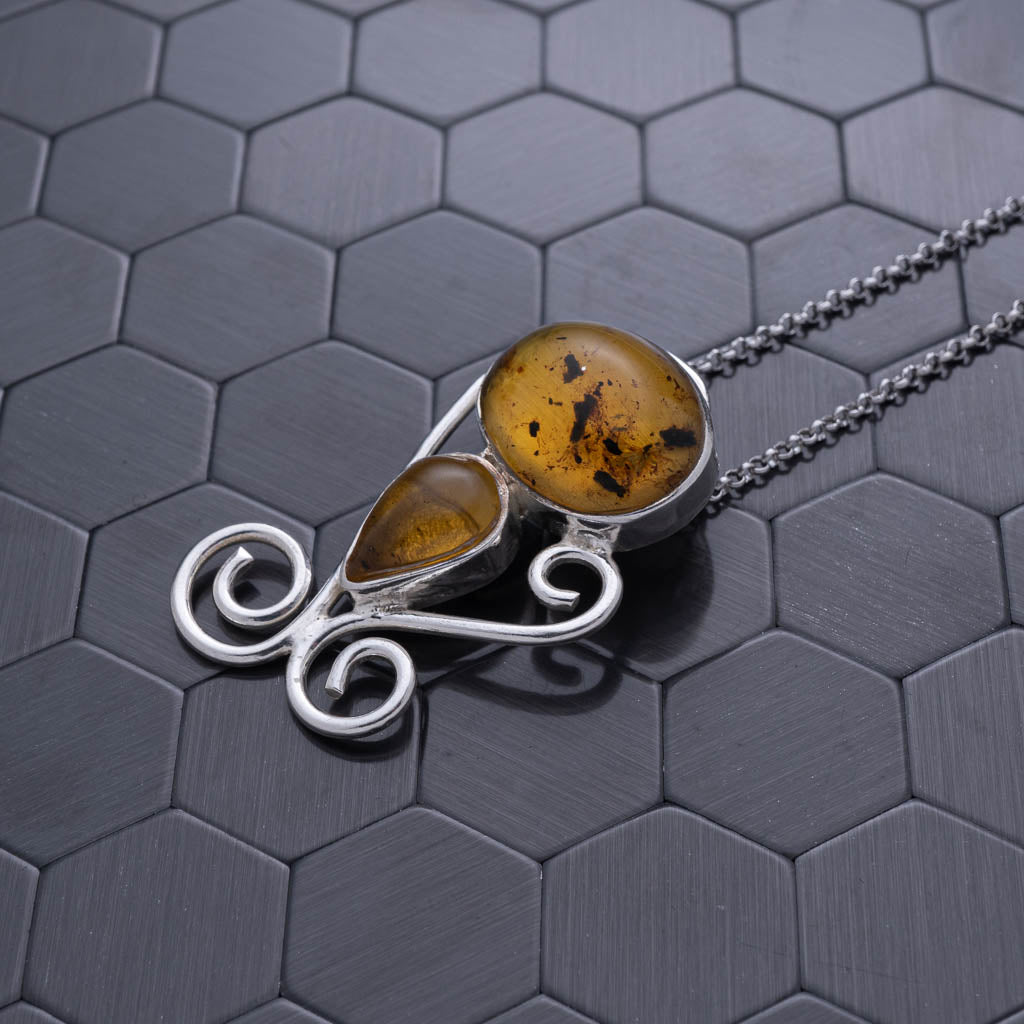
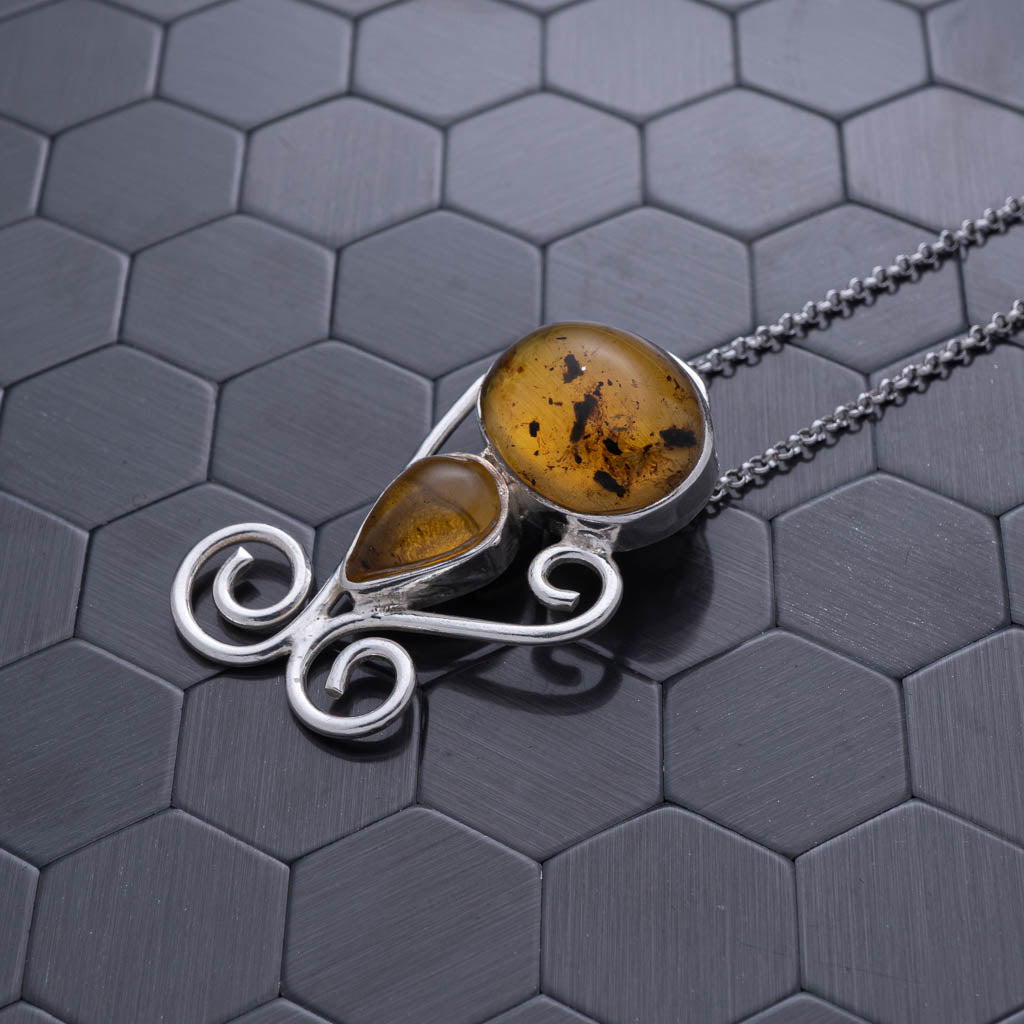
Inclusions require the same thoughtful approach. A perfectly visible insect within amber is fascinating, but it should not automatically command a premium without documentation and careful inspection. Modern insects can be inserted into resin, and unusual inclusions can be exaggerated in product descriptions. Authentic fossil inclusions tend to have a natural relationship with the surrounding amber: flow lines, stress features, positioning, and preservation that do not look staged.

A certificate can add confidence, but the seller’s transparency matters just as much. Clear close-up photographs, consistent descriptions, measurements, and straightforward treatment disclosure are all signs of a careful source.

Reading a Certificate Without Guesswork

Begin with the material identification. Terms such as “amber,” “natural amber,” “fossil resin,” “copal,” “pressed amber,” and “resin” should never be treated as interchangeable. If the wording is broad, ask for clarification before purchasing.

Next, read the origin language closely. “Dominican amber” is a direct origin claim. “Reportedly from the Dominican Republic” may indicate that origin is based on seller provenance rather than laboratory confirmation. Neither phrase is automatically wrong, but they carry different levels of certainty. The right choice depends on the piece, its price, and why you are buying it.

Then look for treatment disclosure. Heat may be used to clarify amber or alter its appearance. Some treatments are common in the broader amber trade, but they should be declared because they can affect value and collectibility. Dyeing, coatings, and assembled construction also deserve explicit disclosure. A natural stone with disclosed treatment can still be beautiful jewelry. The concern is undisclosed treatment, not honest information.

Finally, make sure the details match the item. If the document says 18 grams and the piece weighs far less, or describes a round cabochon while the jewelry holds an oval stone, pause and ask why. A genuine certificate only has value when it belongs to the specific amber being sold.

Choosing the Right Level of Proof

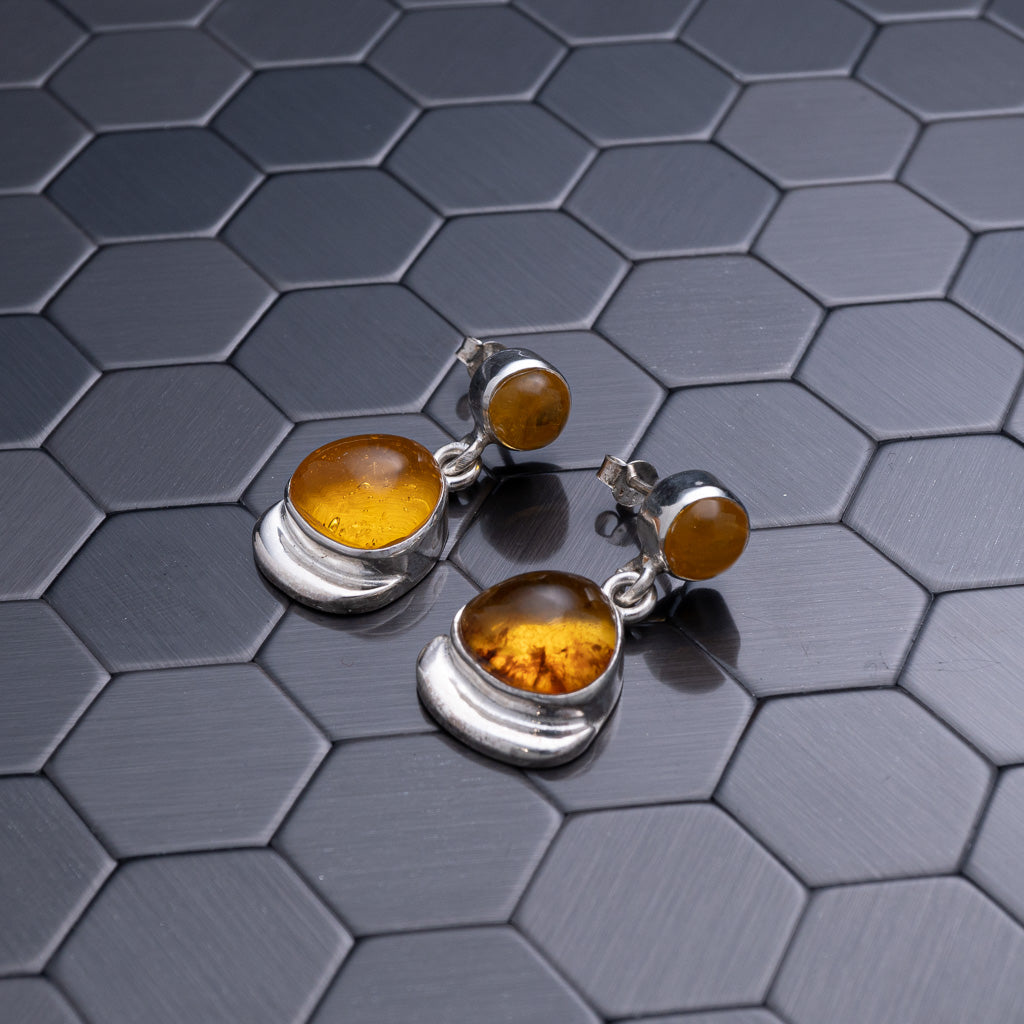
Not every Dominican amber purchase requires the same degree of documentation. A small pair of earrings may reasonably come with a seller-issued authenticity certificate and full material disclosure. A rare blue amber ring, a large polished specimen, or an inclusion-rich fossil deserves stronger provenance and, where appropriate, an independent report.

Price is one factor, but not the only one. Consider the rarity of the color, the size of the piece, the clarity, the presence of an inclusion, and whether you are buying primarily for daily wear or long-term collecting. Fine jewelry buyers may prioritize beauty, craftsmanship, and a trusted source. Collectors often need more detailed origin and condition records. Both approaches are valid when the documentation matches the claim being made.

At Larimar Creations, the appeal of certified Dominican stones begins with their character: no two pieces reveal the Caribbean in exactly the same way. A soft golden glow, a deep blue flash, or a small prehistoric inclusion makes each piece personal. Certification protects that story by tying the material to clear, honest information.

Questions to Ask Before You Buy

Before choosing your amber, ask whether it is natural amber or copal, whether Dominican origin is documented or seller-reported, and whether any treatments or reconstruction are present. Ask if the certificate is specific to the item and whether it includes a report number or identifying details. For blue amber, ask how the color appears in ordinary light, sunlight, and ultraviolet light rather than relying on one highly edited product image.

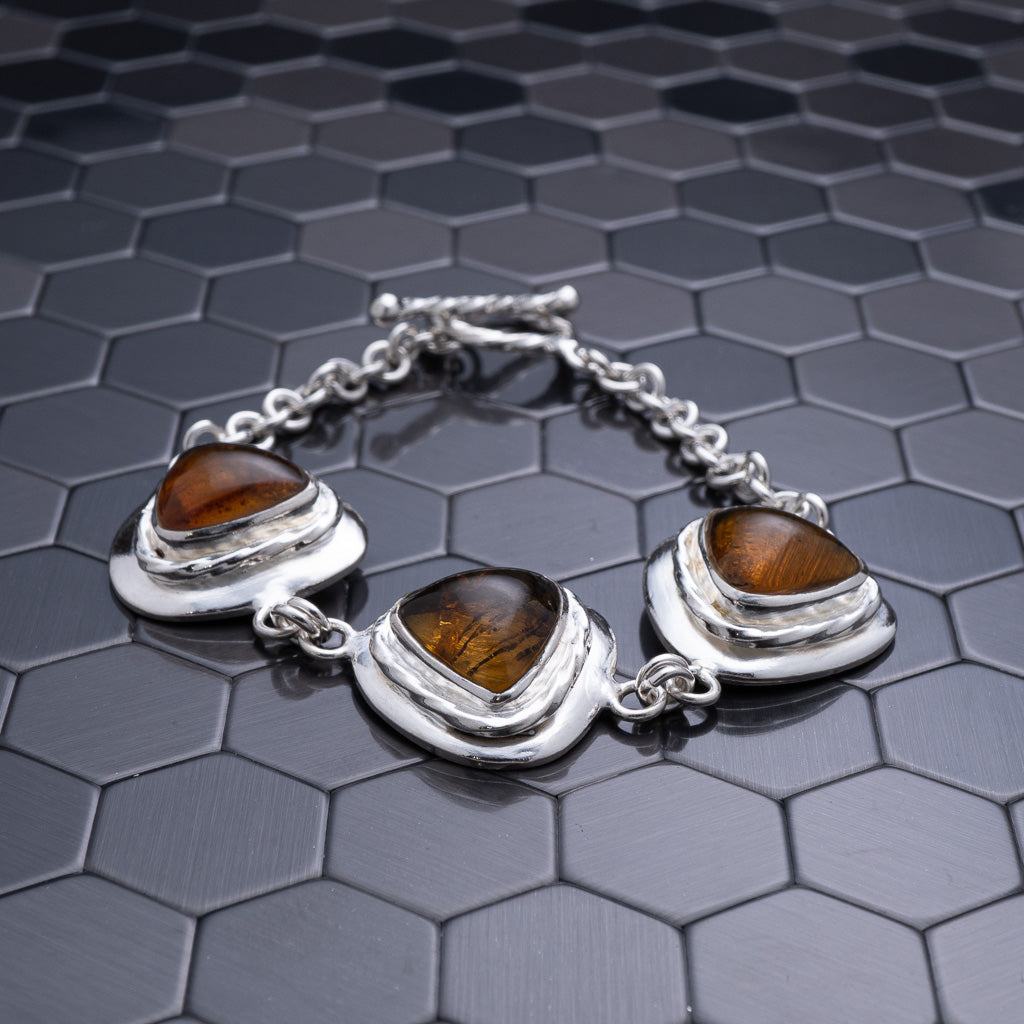
Also ask about condition. Amber is softer than many gemstones and can scratch, chip, or craze if exposed to heat, chemicals, or rough wear. A fine setting protects an amber cabochon, but it does not make it indestructible. This is especially relevant for rings and bracelets, which receive more daily contact than pendants or earrings.

The most satisfying amber purchase is not merely the bluest, clearest, or largest piece available. It is the piece whose beauty feels true to you and whose story is supported by the care, disclosure, and certification it deserves. Wear a piece of the Caribbean with the confidence that comes from knowing what, exactly, you are holding.

Cost of Larimar: Complete 2026 Pricing Guide - Larimar Creations

Cost of Larimar: Complete 2026 Pricing Guide

8 min read

Discover what drives the cost of larimar in 2026. Explore pricing factors, quality grades, market trends, and how to invest wisely in this rare gemstone.
Read More
Dominican Amber Certification Guide for Confident Buyers - Larimar Creations

Dominican Amber Certification Guide for Confident Buyers

6 min read

Use this Dominican amber certification guide to assess origin, treatment, inclusions, and documents before choosing a rare Caribbean amber piece with care.
Read More
Ocean Inspired Gemstone Jewelry That Feels Rare - Larimar Creations

Ocean Inspired Gemstone Jewelry That Feels Rare

5 min read

Ocean inspired gemstone jewelry brings Caribbean color, natural rarity, and artisan detail to meaningful pieces made to be treasured for years ahead.
Read More