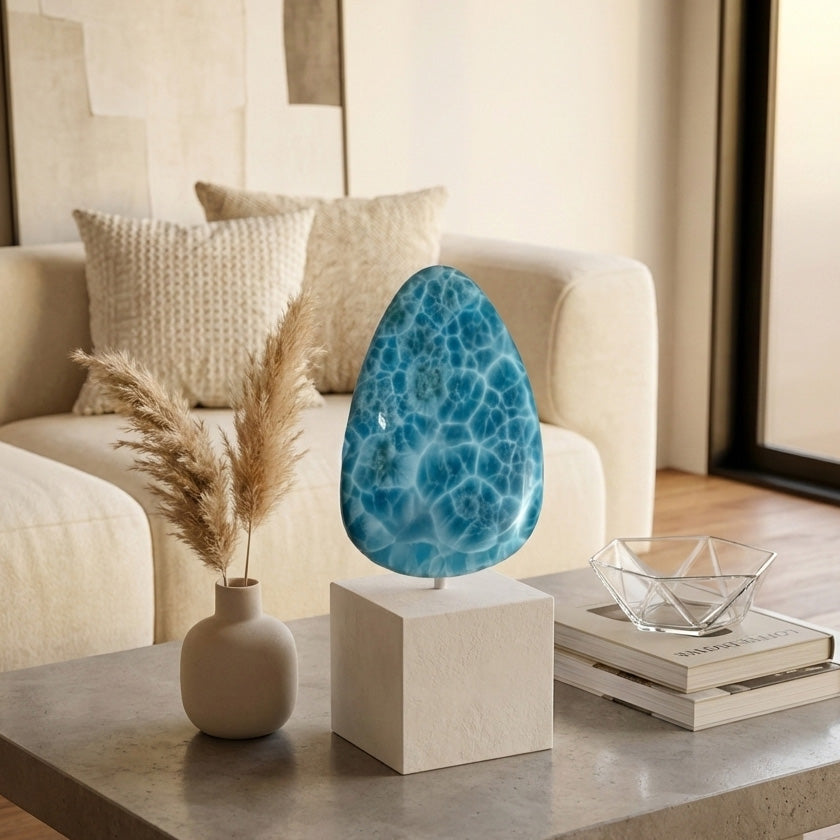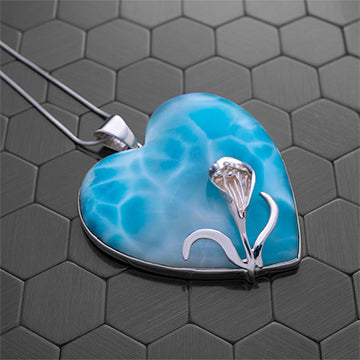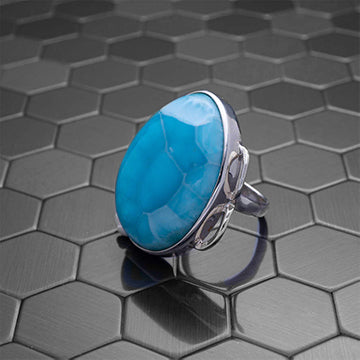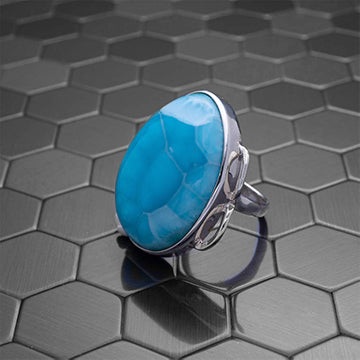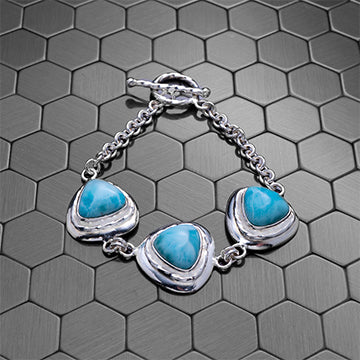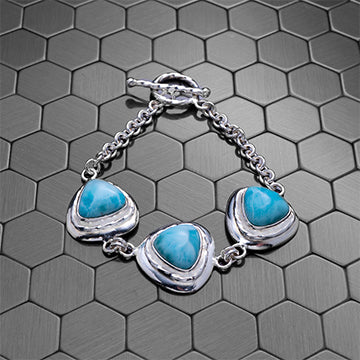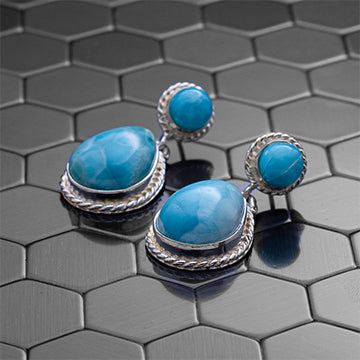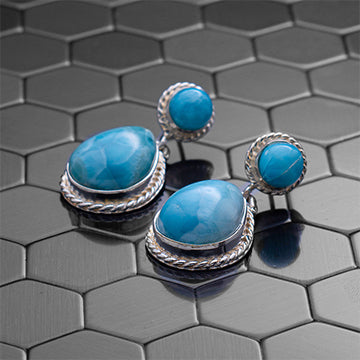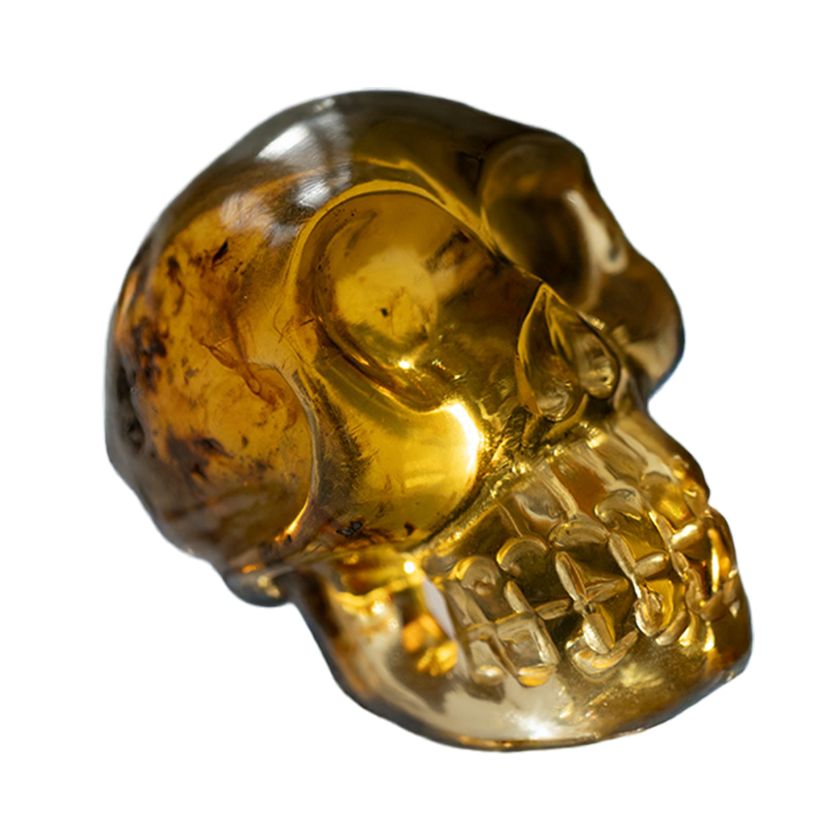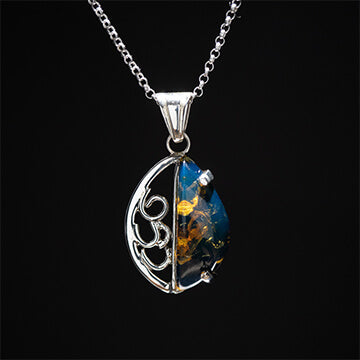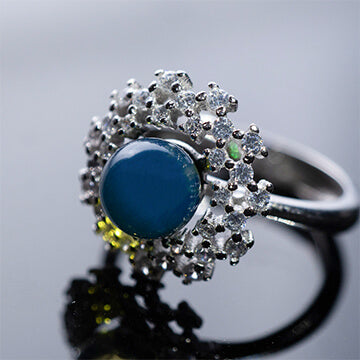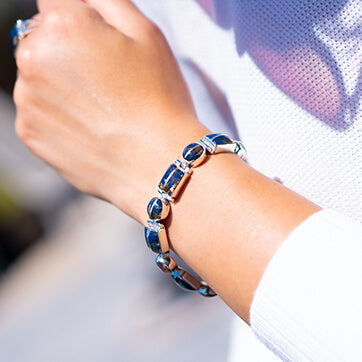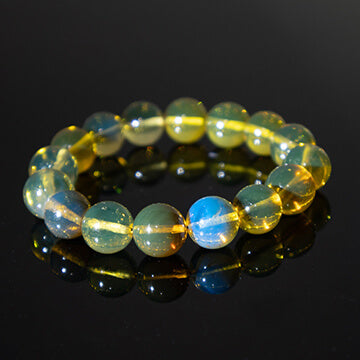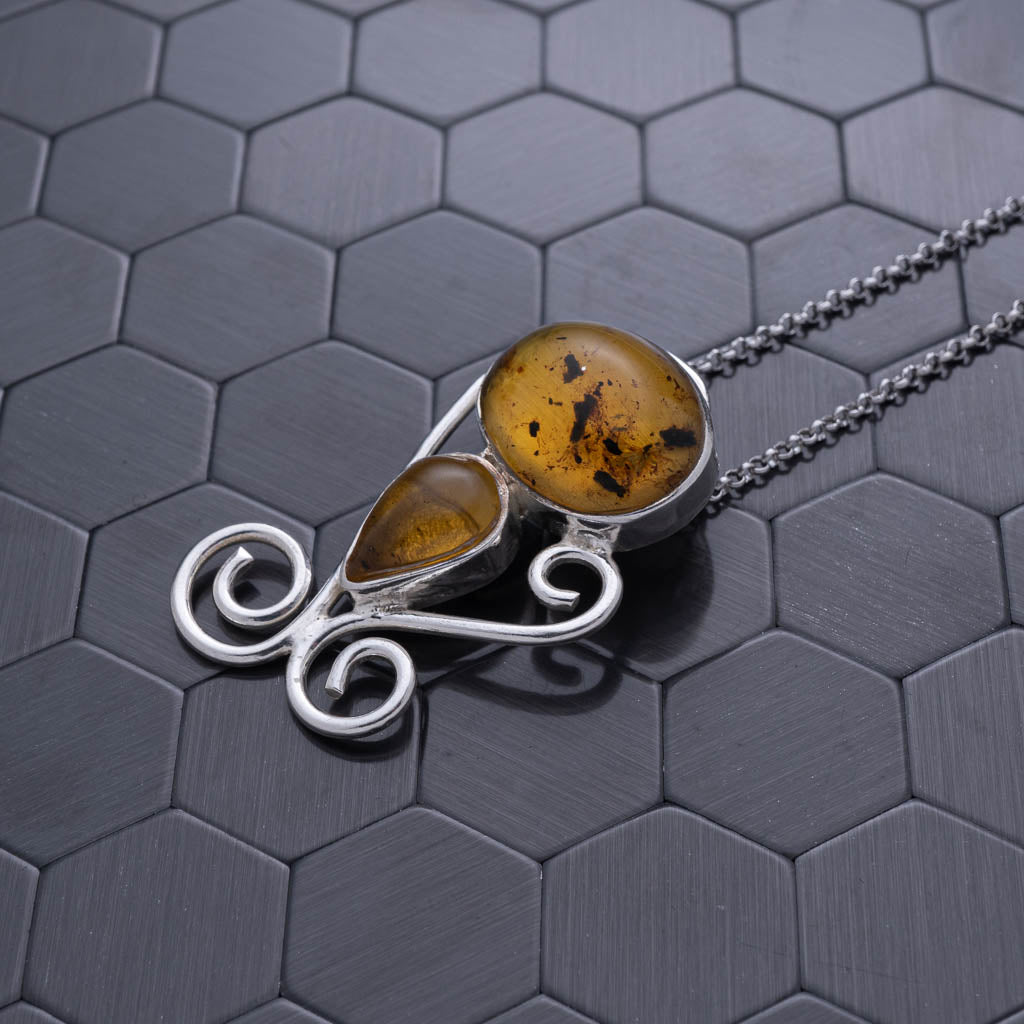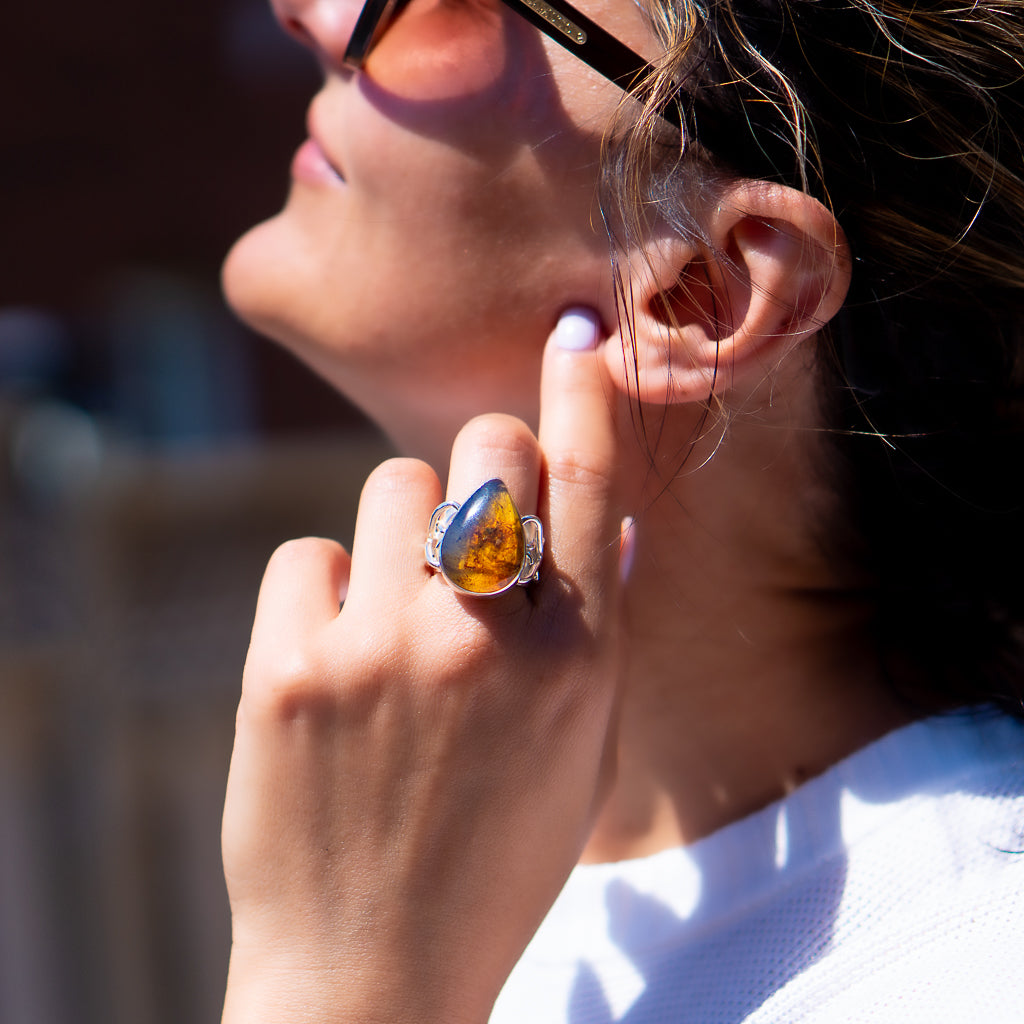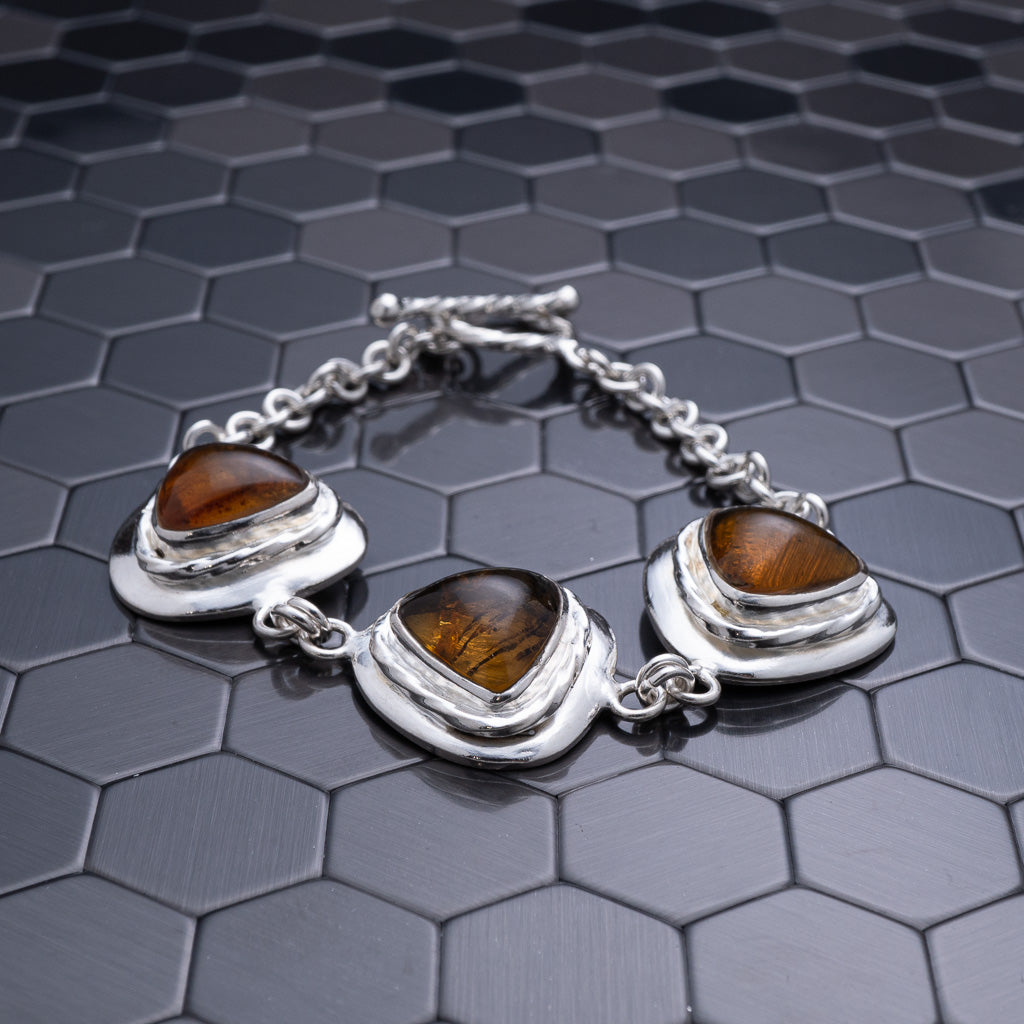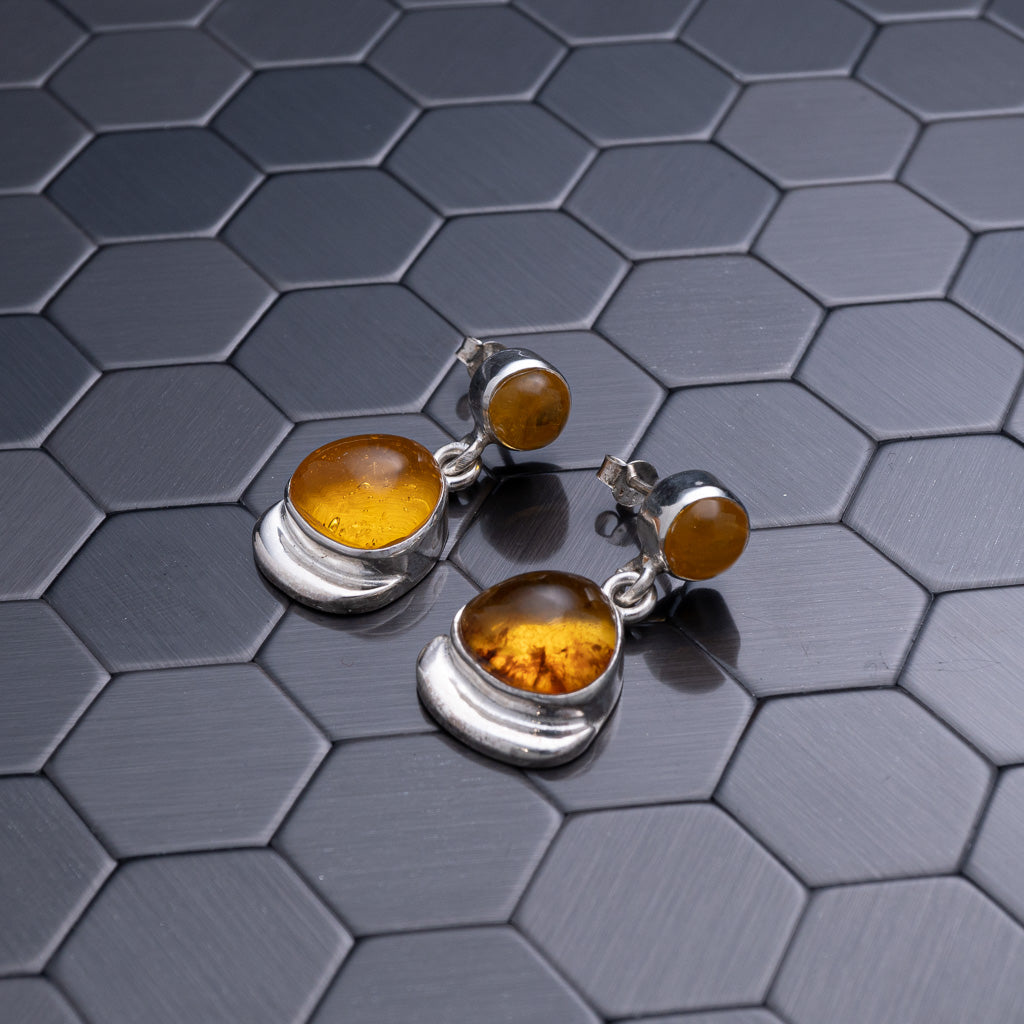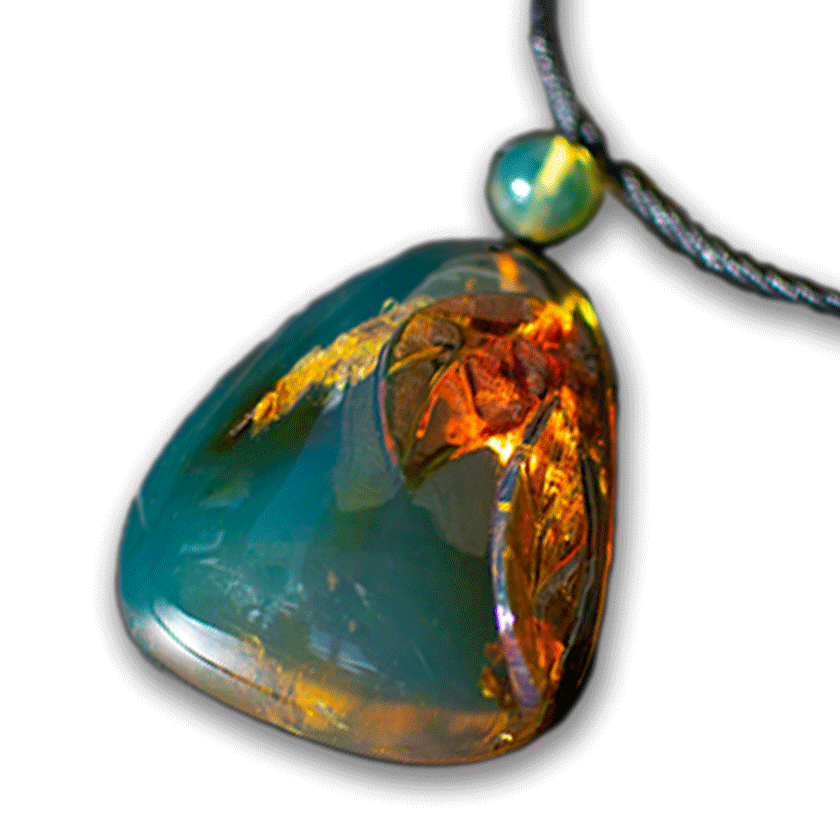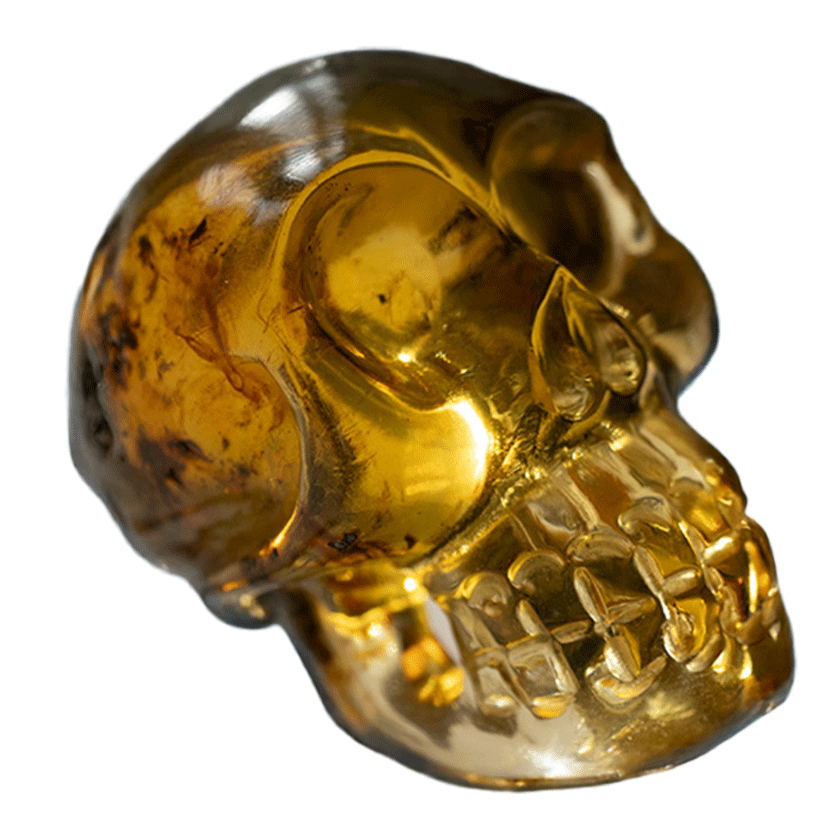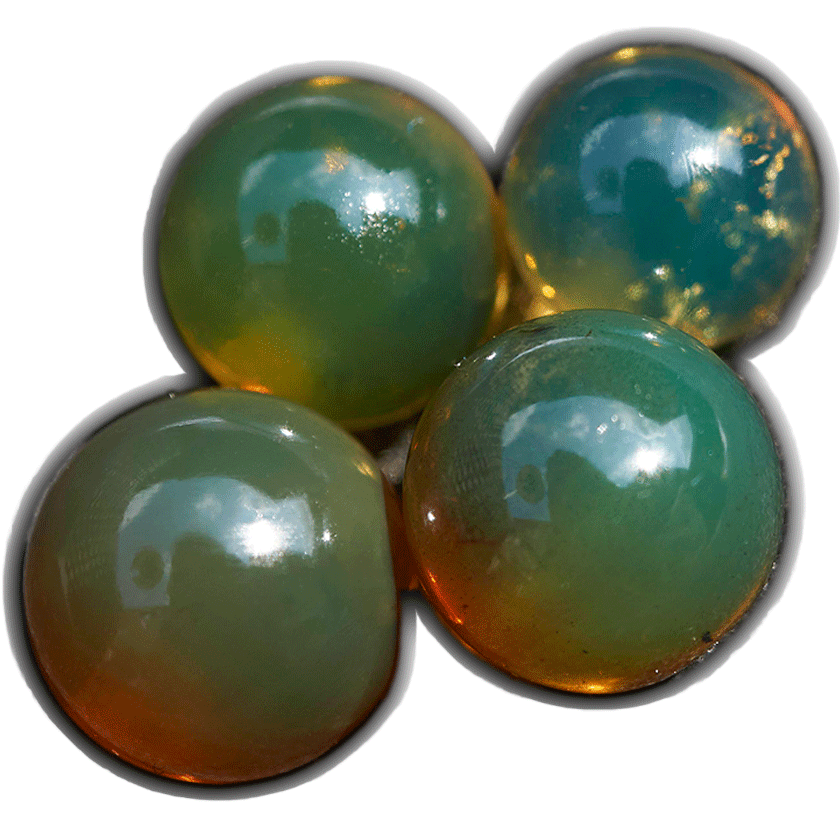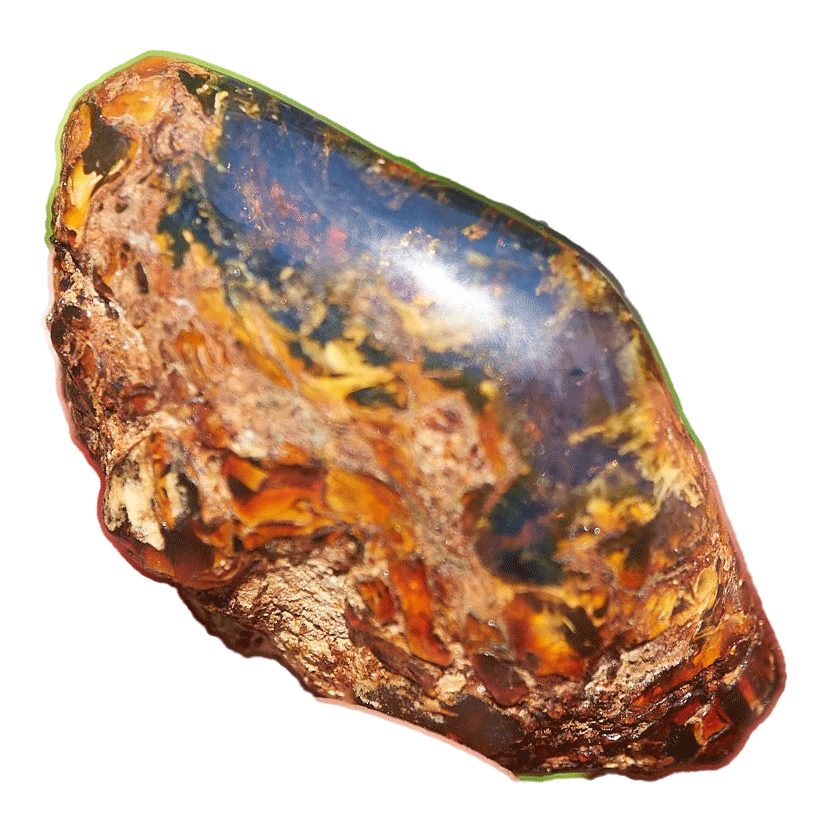


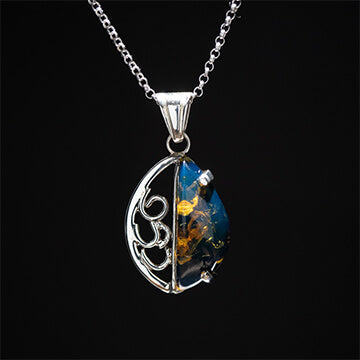
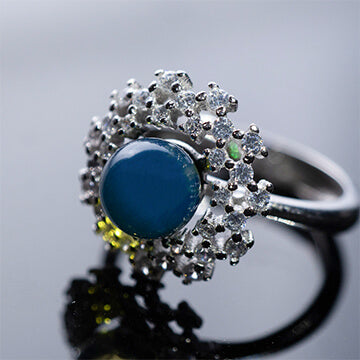
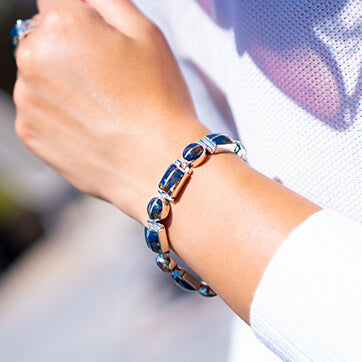
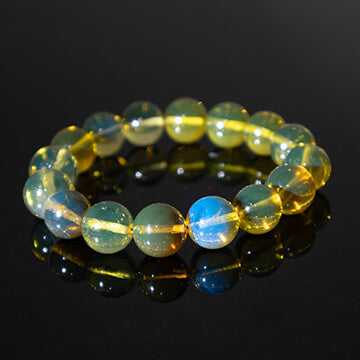
Handcrafted in DR.

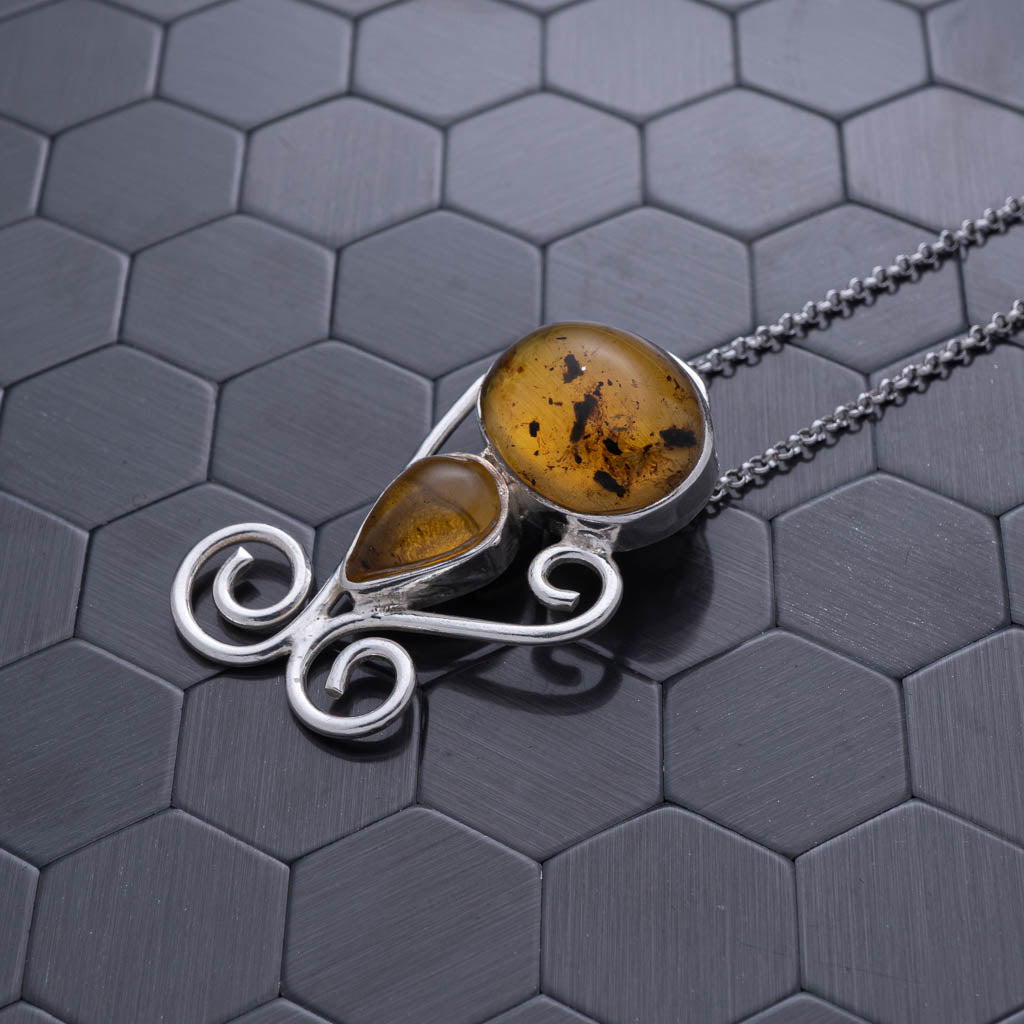
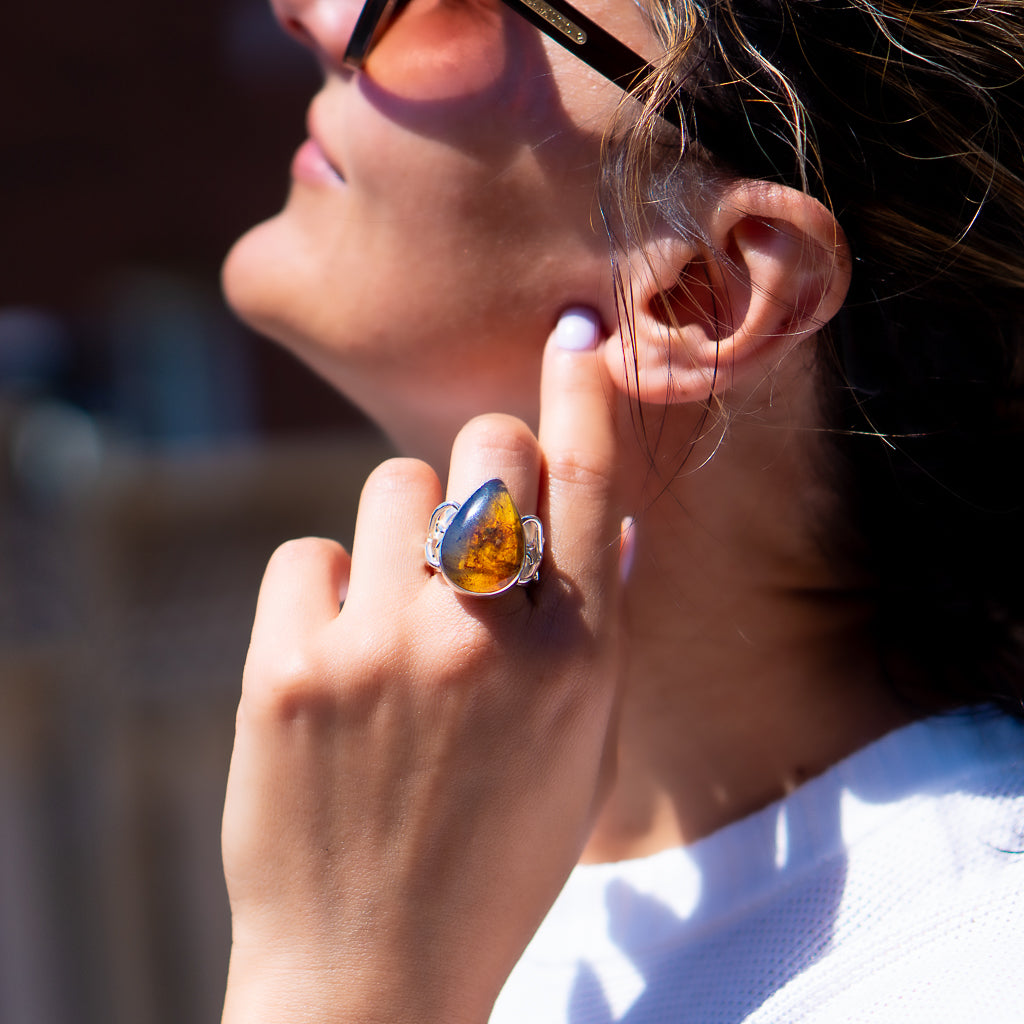
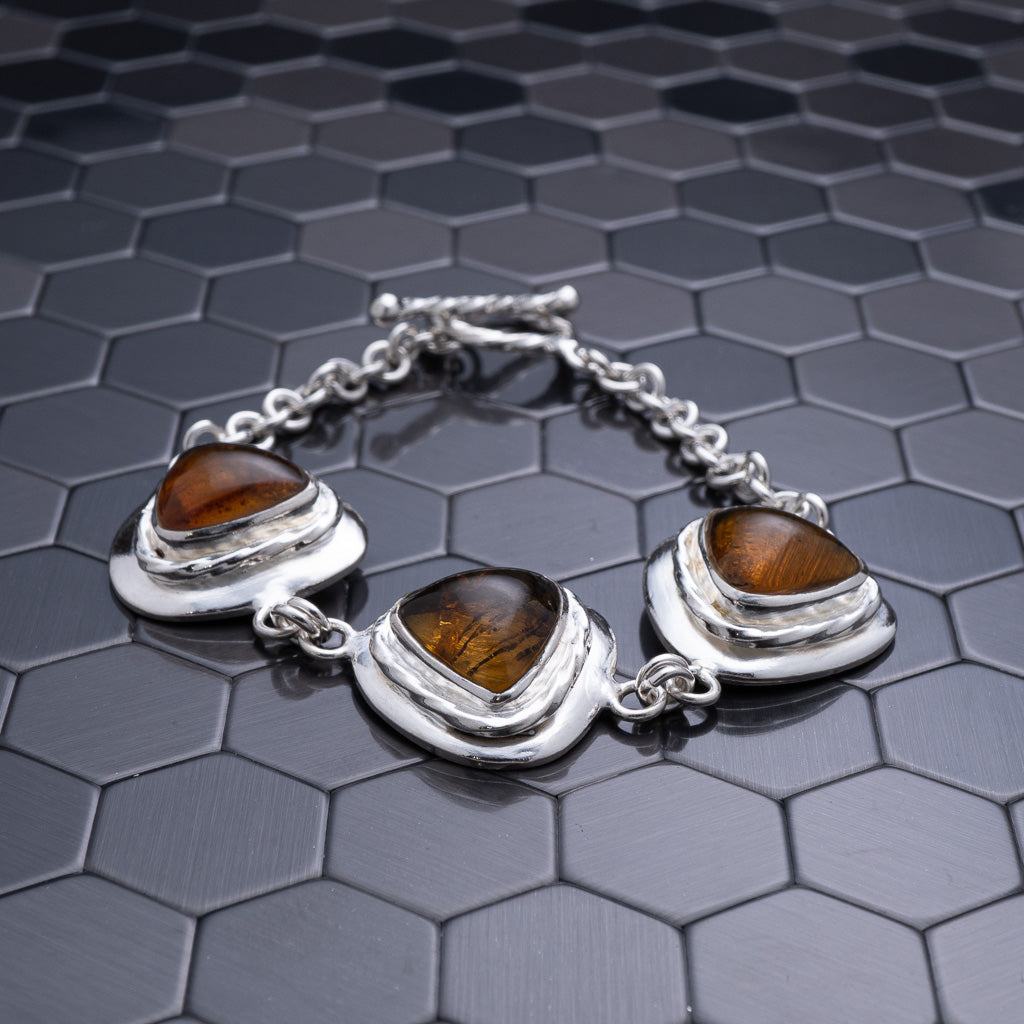
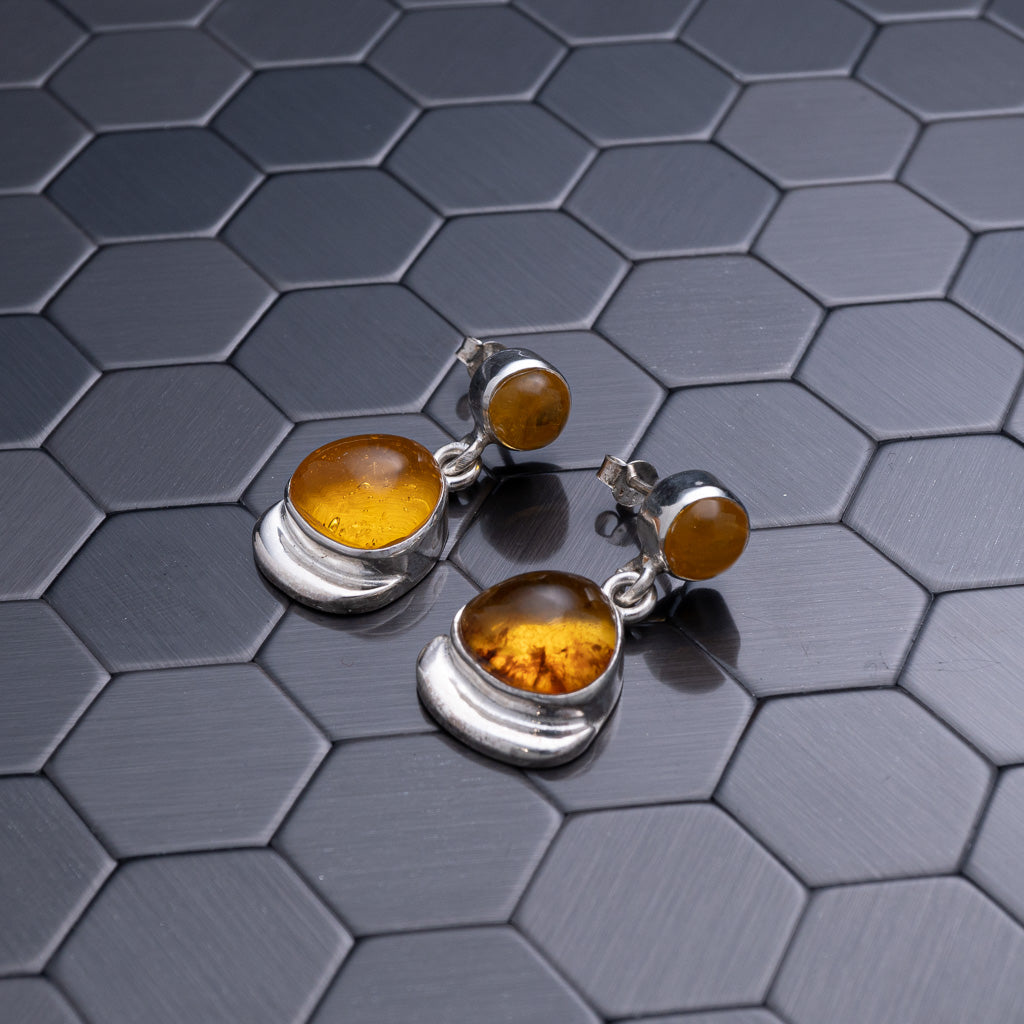


100% Handcrafted in DR.

Blue crystal necklaces have captivated jewelry enthusiasts for centuries, combining the calming essence of blue hues with the natural beauty of crystalline gemstones. Whether you're drawn to the serene ocean tones of larimar, the deep indigo of lapis lazuli, or the brilliant sparkle of blue topaz, a crystal necklace blue in color offers both aesthetic appeal and meaningful symbolism. In 2026, the demand for authentic, handcrafted blue gemstone jewelry continues to grow as consumers seek pieces that reflect individuality and connect them to the natural world. Understanding the different varieties, quality indicators, and care requirements helps you make informed decisions when selecting your next blue crystal necklace.
The world of blue crystals encompasses a remarkable range of gemstones, each with distinct properties and origins. The variety available today offers something for every preference and budget.
Larimar stands out as one of the rarest blue stones, found exclusively in the Dominican Republic. This volcanic stone displays colors ranging from light sky blue to deep volcanic blue with white patterns resembling ocean waves. Its unique pectolite composition creates an appearance unlike any other gemstone.
Aquamarine belongs to the beryl family and exhibits a transparent blue to blue-green color. The blue gemstones guide explains that aquamarine derives its color from iron impurities within the crystal structure. This March birthstone ranks 7.5-8 on the Mohs hardness scale, making it durable for everyday wear.
Blue Topaz comes in several intensity levels:
Most blue topaz on the market has been treated to enhance or create the blue color, as naturally occurring blue topaz is extremely rare.
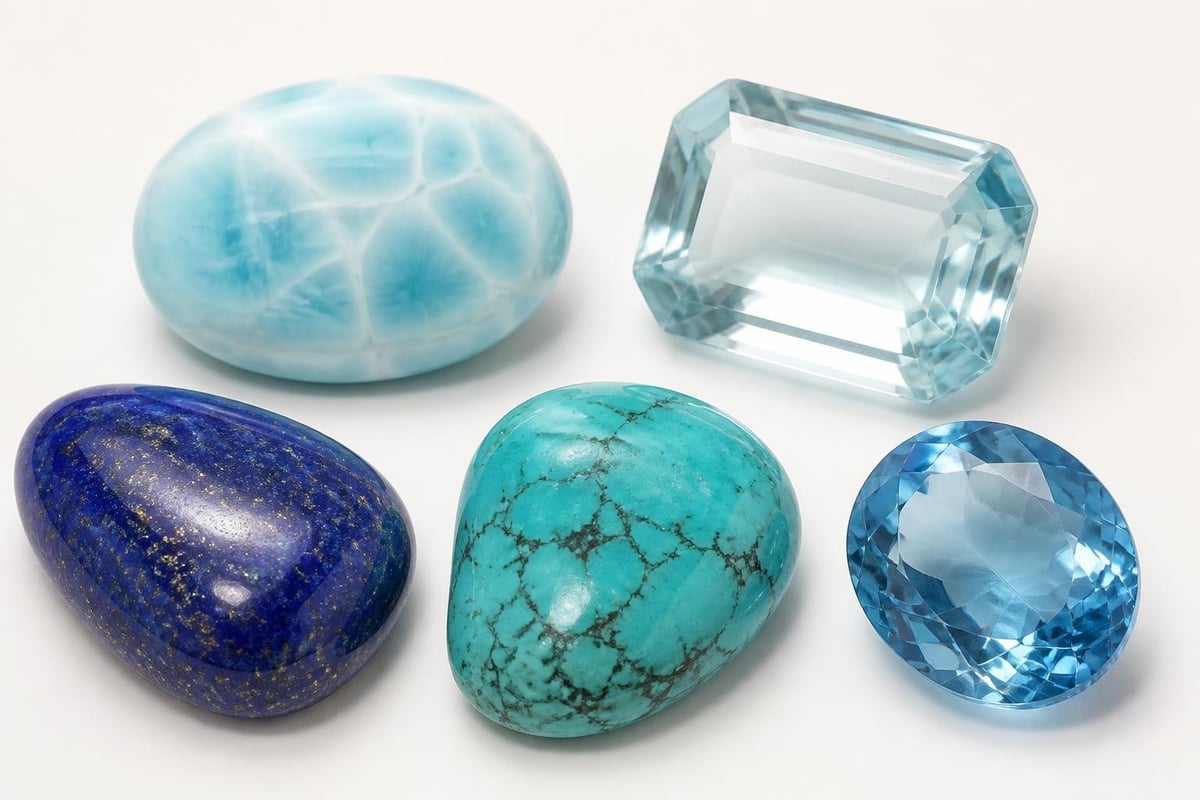
Lapis Lazuli presents a deep celestial blue with golden pyrite flecks throughout. This metamorphic rock has been prized since ancient civilizations, particularly in Egypt and Mesopotamia. Quality lapis shows intense, uniform blue with minimal white calcite veining.
Turquoise ranges from sky blue to greenish-blue, with color variations depending on copper and iron content. According to research on turquoise geology, this hydrous phosphate mineral forms in arid regions where groundwater interacts with copper deposits. Persian turquoise typically shows the purest blue, while American turquoise often displays matrix patterns.
| Gemstone | Hardness | Transparency | Color Range | Origin |
|---|---|---|---|---|
| Larimar | 4.5-5 | Translucent to opaque | Sky to volcanic blue | Dominican Republic only |
| Aquamarine | 7.5-8 | Transparent | Pale to deep blue | Brazil, Pakistan, Madagascar |
| Blue Topaz | 8 | Transparent | Sky, Swiss, London blue | Brazil, Russia, Nigeria |
| Lapis Lazuli | 5-6 | Opaque | Deep blue with pyrite | Afghanistan, Chile |
| Turquoise | 5-6 | Opaque | Sky to greenish-blue | Iran, USA, China |
Evaluating quality ensures you invest in a crystal necklace blue that retains value and beauty over time. Several factors determine gemstone quality.
Color intensity and saturation significantly impact value. For a crystal necklace blue in color, look for:
Larimar quality, for instance, varies considerably. The most valuable pieces display deep volcanic blue with minimal white streaking, though many collectors appreciate the natural patterns that make each larimar gemstone unique.
Transparency expectations differ by gemstone type. Aquamarine should show excellent clarity with minimal visible inclusions, while lapis lazuli naturally contains pyrite and calcite. Understanding these differences prevents unrealistic expectations.
Acceptable inclusions:
Problematic flaws:
The way a blue crystal is shaped and set dramatically affects its appearance. Cabochon cuts suit opaque stones like turquoise and larimar, maximizing color and pattern. Faceted cuts enhance transparent stones like aquamarine and topaz, showcasing brilliance and fire.
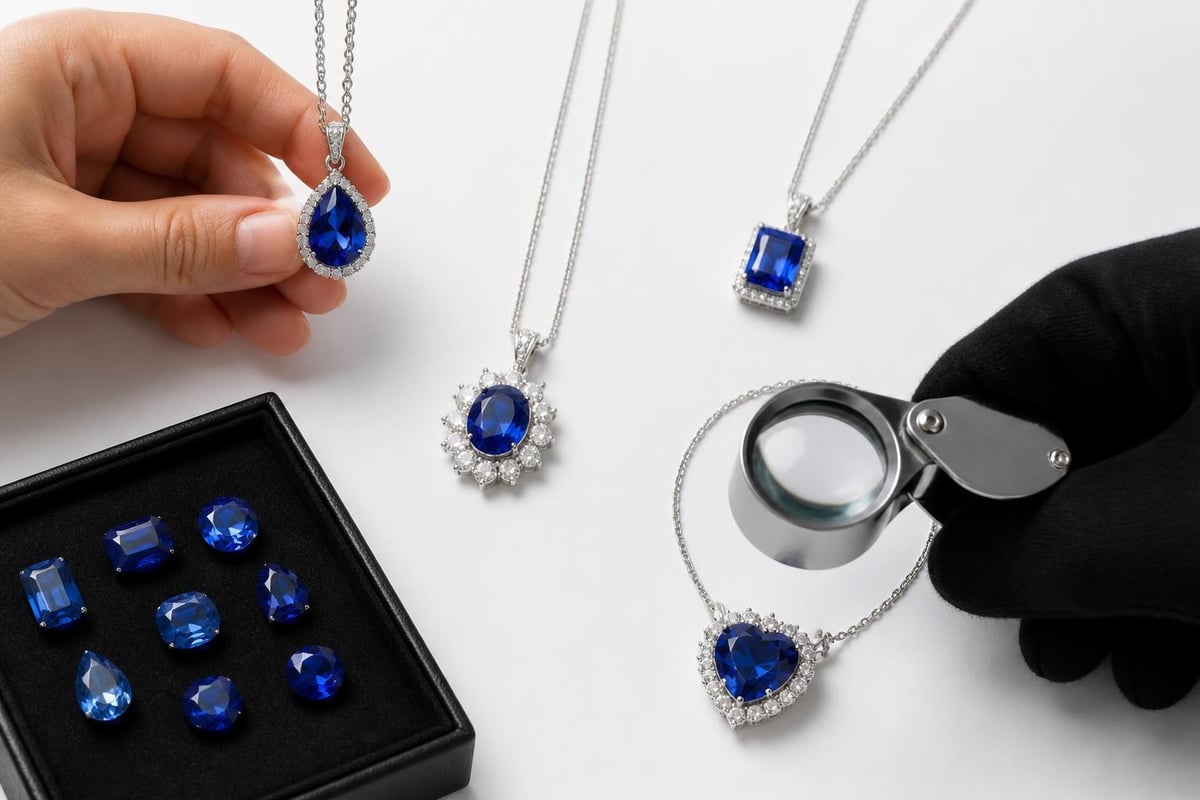
A crystal necklace blue offers versatile styling options for various occasions and personal aesthetics. Strategic pairing enhances both the jewelry and your overall appearance.
Blue crystals pair beautifully with specific color palettes:
Warm neutrals (cream, beige, tan) create gentle contrast that makes blue stones pop without overwhelming. This combination suits professional settings and daytime wear.
White and silver tones amplify the cool elegance of blue crystals. This classic pairing works especially well with transparent stones like aquamarine in sterling silver settings, as discussed in guides about silver jewelry craftsmanship.
Earth tones (rust, olive, chocolate brown) provide grounding warmth that balances cool blue hues. This combination creates bohemian or natural aesthetic appeal.
Necklace length affects how a crystal necklace blue sits on your frame:
Match pendant size to necklace length. A substantial larimar pendant looks proportional on a matinee-length chain, while delicate aquamarine suits princess length.
Layering blue crystal necklaces with other pieces creates dimension and personal expression. Follow these guidelines:
Throughout history, blue crystals have carried symbolic meaning across cultures. Understanding these associations adds depth to your jewelry selection, though it's important to approach metaphysical claims with balanced perspective.
Ancient Egyptians adorned themselves with lapis lazuli, believing it connected them to the divine and offered protection in the afterlife. Persian turquoise symbolized victory and protection for warriors. Indigenous peoples of the Americas used turquoise in ceremonial contexts for centuries.
Modern crystal enthusiasts attribute various properties to blue stones. While scientific research on crystal healing indicates these effects likely stem from placebo mechanisms rather than inherent stone properties, many wearers find personal meaning in these associations.
According to popular belief systems:
As Healthline's evidence-based overview explains, wearing crystals may provide psychological benefits through mindfulness and intention-setting, even if the stones themselves don't possess measurable energetic properties. The value lies in what the jewelry means to you personally.
Proper care preserves the beauty of your crystal necklace blue for generations. Different gemstones require specific maintenance approaches.
The American Gem Society's cleaning guidance provides authoritative recommendations:
Hard, non-porous stones (aquamarine, topaz):
Softer or porous stones (larimar, turquoise, lapis):
For valuable pieces requiring professional attention, understanding when to seek expert help prevents damage. Information about repairing larimar gemstone jewelry provides insight into restoration options.
Proper storage prevents scratches and damage:
| Stone Type | Water Sensitivity | Heat Sensitivity | Chemical Sensitivity | Storage Priority |
|---|---|---|---|---|
| Larimar | Moderate | High | High | Individual soft pouch |
| Aquamarine | Low | Low | Moderate | Separate compartment |
| Blue Topaz | Low | Moderate | Low | Away from harder gems |
| Lapis Lazuli | High | Moderate | Very high | Dry, individual storage |
| Turquoise | Very high | High | Very high | Climate-controlled |
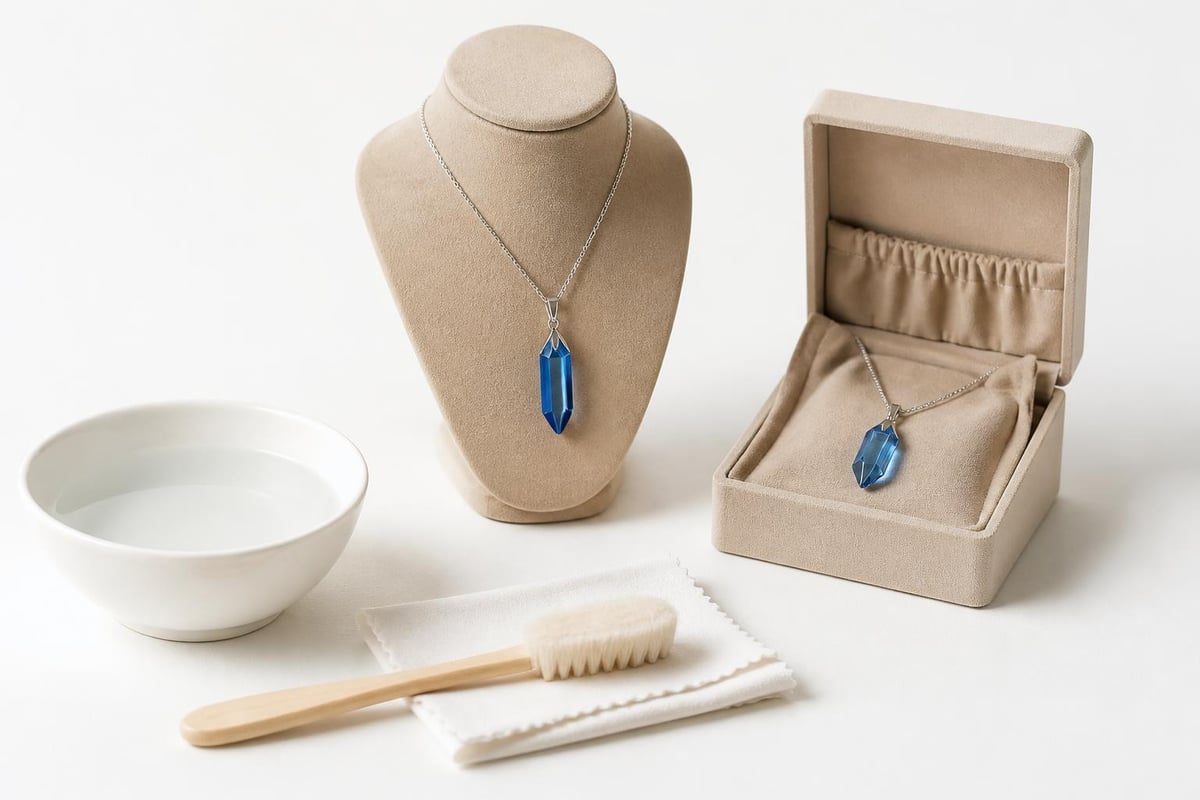
As interest in rare blue gemstones grows, understanding value factors and authentication becomes crucial for collectors and enthusiasts.
Several factors influence the investment potential of a crystal necklace blue:
Rarity - Larimar's single-source origin makes it inherently rare. As the Dominican mine depletes, values may increase. Aquamarine and topaz are more abundant, affecting long-term value differently.
Treatment status - Untreated stones typically command higher prices. Most blue topaz has been irradiated and heat-treated to achieve color. Disclosure of treatments affects value and should always be transparent from reputable sellers.
Craftsmanship quality - Hand-crafted settings in precious metals add value beyond the stone itself. For instance, Larimar Pendants showcase how expert metalwork complements rare gemstones, creating heirloom-quality pieces.
Provenance documentation - Certificates from recognized gemological laboratories and clear origin information support authenticity and value.
Synthetic and imitation stones exist for most blue crystals. Key authentication steps include:
The Larimar Creations story demonstrates how specialized expertise in specific gemstones ensures authenticity and quality for customers seeking genuine rare stones.
Choosing the right crystal necklace blue depends partly on when and where you'll wear it.
For daily wear, prioritize durability:
Avoid wearing softer stones like larimar or turquoise during physical activities, exposure to chemicals, or in situations where impact is likely.
Statement necklaces featuring larger or more delicate stones suit formal events:
Consider the neckline of your outfit when selecting pendant size and necklace length. V-necks accommodate longer chains with drop pendants, while high necklines suit shorter choker styles.
While blue crystals work year-round, certain shades align with seasonal aesthetics:
Spring/Summer - Light aquamarine and sky blue larimar complement warm-weather palettes. These refreshing tones pair well with whites, pastels, and bright colors.
Fall/Winter - Deeper blues like London blue topaz and intense lapis lazuli harmonize with richer seasonal colors. Layer with warm metals and heavier chains for cold-weather styling.
Conscious consumers in 2026 increasingly prioritize ethical sourcing when purchasing gemstone jewelry. Understanding supply chains helps align purchases with personal values.
Gemstone mining impacts communities and environments differently depending on location and methods:
Ask jewelers about their sourcing practices. Reputable sellers like those specializing in Dominican gemstones often maintain direct relationships with mining communities, ensuring fair compensation and responsible practices.
Consider these options for environmentally conscious jewelry:
The blue crystal necklace market continues evolving with new design approaches and consumer preferences.
Current trends include:
Minimalist settings - Simple bezel or tension settings showcase the stone without ornate metalwork, appealing to modern aesthetic preferences.
Mixed metal designs - Combining silver, gold, and copper creates visual interest and versatility, allowing pieces to work with various jewelry wardrobes.
Asymmetrical arrangements - Off-center pendants and irregular stone shapes reflect movement away from perfect symmetry toward organic, natural presentations.
Layered looks - Jewelry designed specifically for layering, with varying lengths and complementary stones, continues gaining popularity.
Advanced techniques enhance blue crystal necklaces:
The jewelry industry's digital transformation makes rare stones more accessible globally. Specialized retailers now ship worldwide, as seen with Larimar Creations, connecting collectors with unique pieces regardless of location.
Combining blue crystals with complementary stones creates unique, personalized jewelry designs.
Blue and white - Pairing blue crystals with clear quartz, moonstone, or pearls creates fresh, airy compositions perfect for bridal jewelry or summer wear.
Blue and green - Aquamarine with emerald or peridot produces oceanic color schemes reminiscent of tropical waters.
Blue and earth tones - Combining turquoise or larimar with amber, citrine, or tiger's eye grounds the cooling blue with warm, earthy balance. Those interested in warm-toned complements might explore amber necklace options that create striking contrasts.
Blue and purple - Lapis lazuli paired with amethyst creates regal, mystical aesthetics favored in bohemian and spiritual jewelry designs.
Blue and pink - The unexpected combination of blue topaz with rose quartz or morganite offers playful, contemporary appeal.
Selecting the perfect crystal necklace blue involves understanding gemstone varieties, quality factors, care requirements, and personal style preferences. Whether you're drawn to the rare beauty of larimar, the classic elegance of aquamarine, or the ancient allure of lapis lazuli, each blue crystal offers unique characteristics and meaning. For those seeking authentic, expertly crafted blue gemstone jewelry, Larimar Creations specializes in rare larimar and Dominican blue amber pieces, combining exceptional stones with skilled craftsmanship to create wearable art that ships worldwide. Explore their collection to discover blue crystal necklaces that reflect both natural beauty and timeless design.