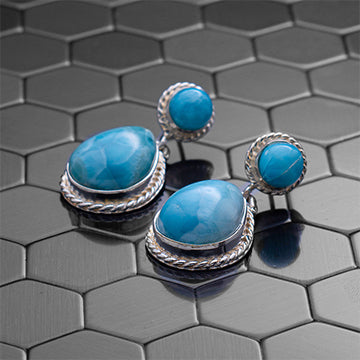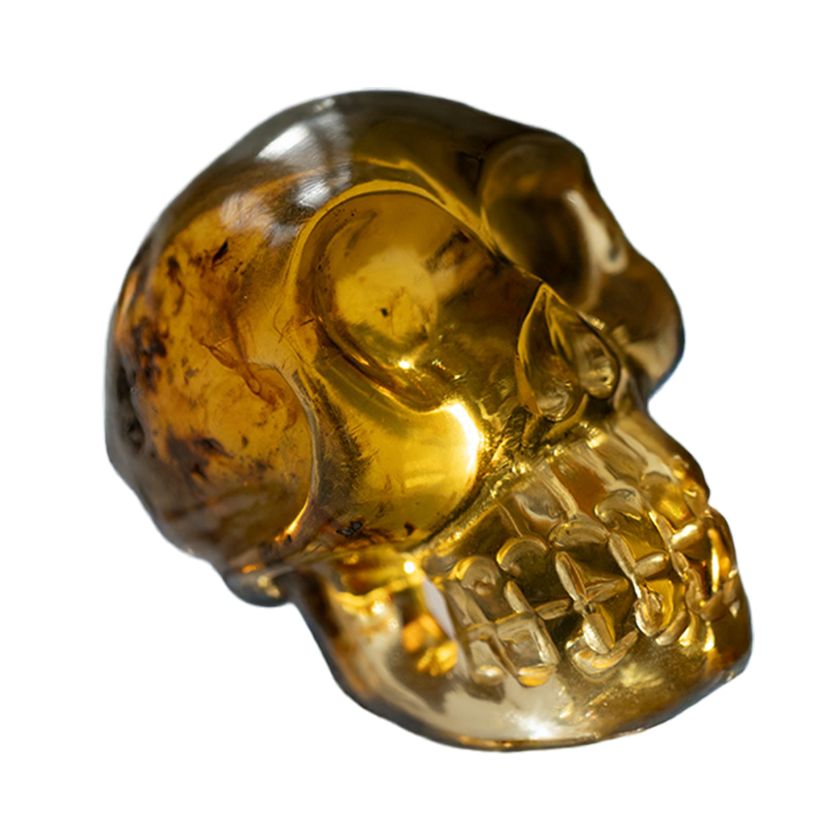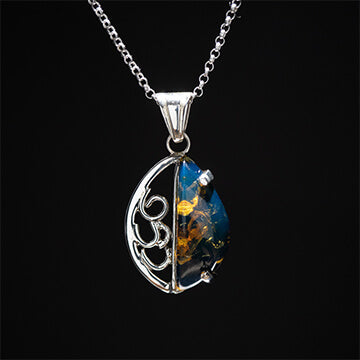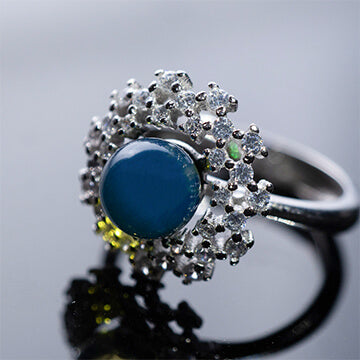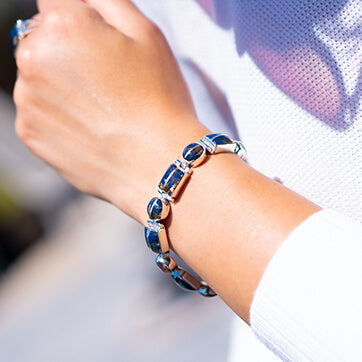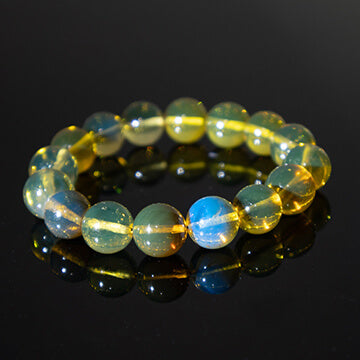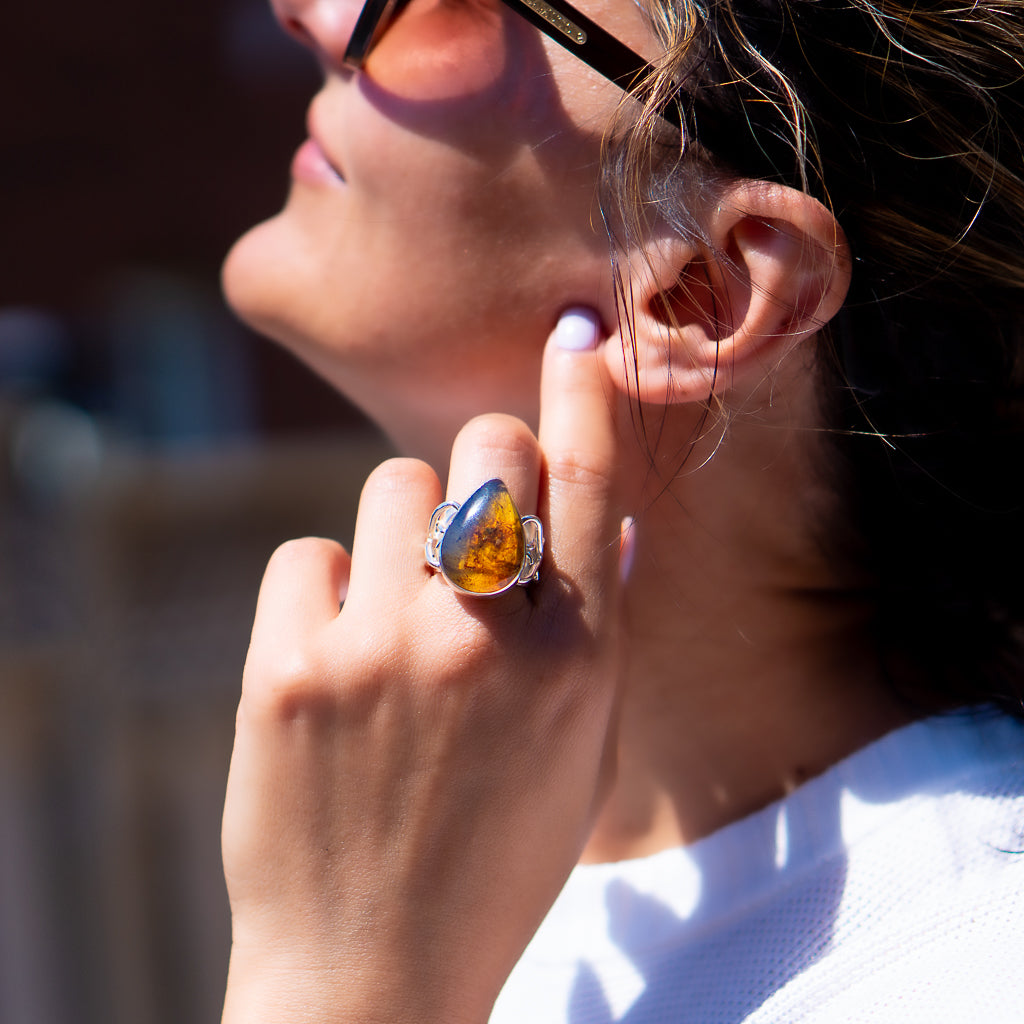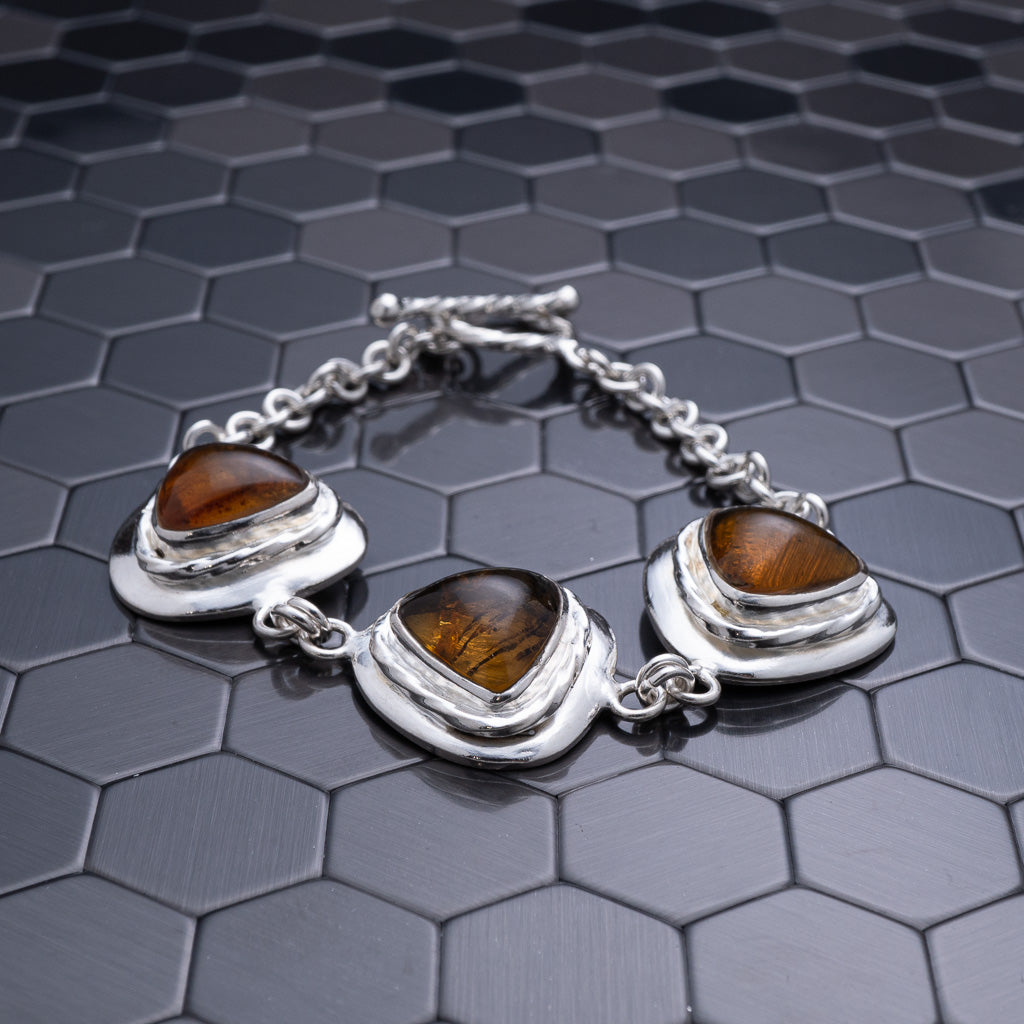


Larimar
Blue Amber
Green Amber
Amber Carvings
More

by Admin October 07, 2026 6 min read

A beautiful stone is no longer enough on its own. Certified gemstone shopping trends show that buyers increasingly want to know where a gemstone came from, how it was identified, whether it was treated, and who shaped it into jewelry. For collectors and gift buyers alike, that knowledge turns a striking blue cabochon or warm amber pendant into something more lasting: a genuine connection to a place, a craft, and a rare natural material.

For Caribbean gemstones, the shift is especially meaningful. Larimar is found only in the Dominican Republic, while Dominican amber holds a distinct place among the world's most sought-after ambers, particularly when it displays the elusive blue glow. These are not stones chosen simply for a color story. Their origin is part of their identity, and shoppers are learning to value proof of that identity as much as the finished design.

Certified Gemstone Shopping Trends Are Becoming More Personal

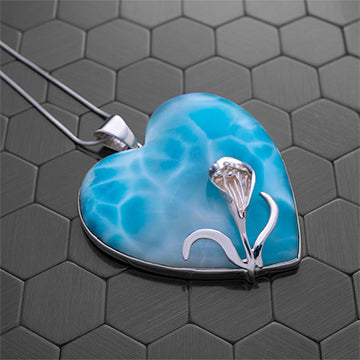
Certification once felt like a concern reserved for high-value diamonds, investment gems, and seasoned collectors. That boundary has softened. A customer choosing a Larimar heart pendant for an anniversary, or a pair of Dominican amber earrings as a meaningful gift, may reasonably ask the same questions a collector asks: Is this natural? Is its stated origin credible? Has it been altered? What exactly does the documentation confirm?

This is not about turning every jewelry purchase into a laboratory exercise. It is about buying with clarity. Natural gemstones vary by color, pattern, inclusions, transparency, and cut. Those variations are often what make a piece memorable. Certification and clear product information help buyers distinguish natural individuality from vague claims, dyed material, imitation resin, or a stone presented without dependable sourcing.

The strongest shopping trend is therefore not a single color or silhouette. It is informed desire. Buyers want jewelry that can be worn with ease and admired for its story, without sacrificing confidence in what they are bringing home.

Origin Has Become a Luxury Detail

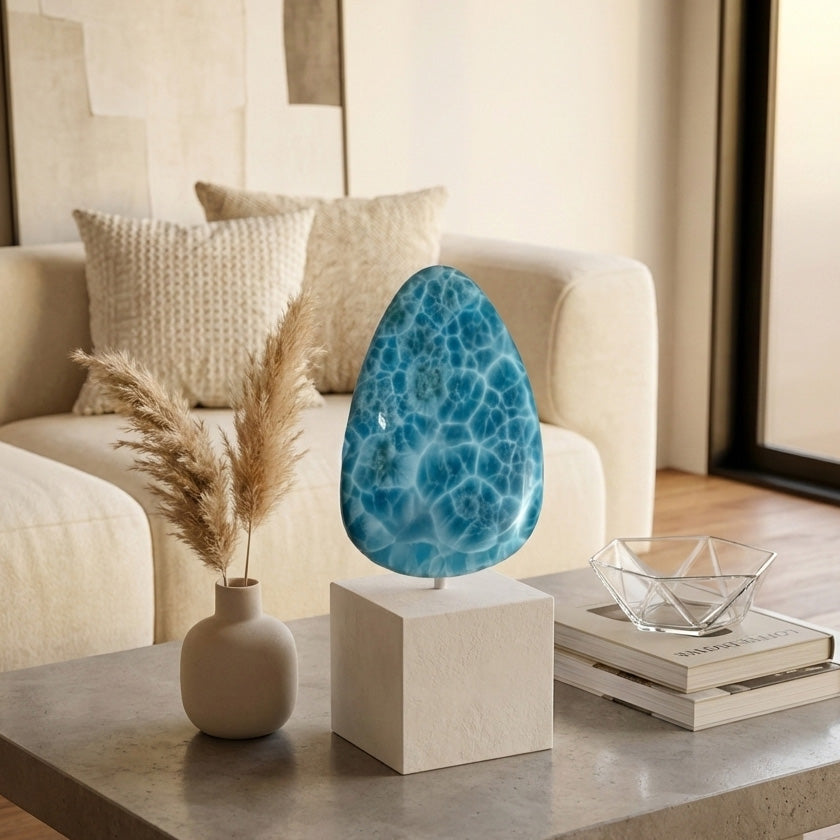
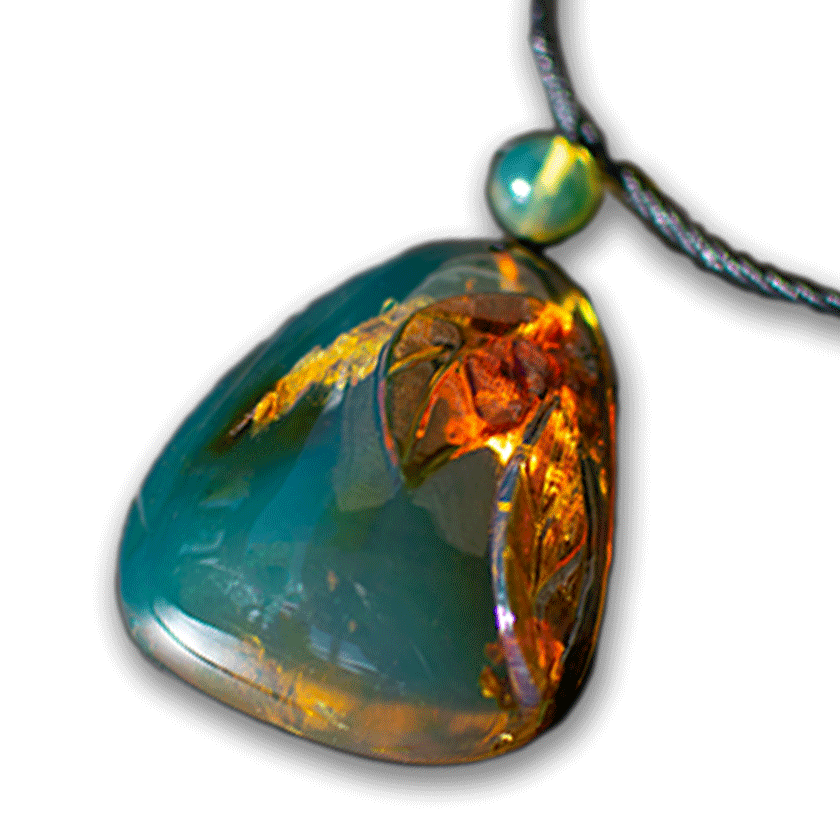
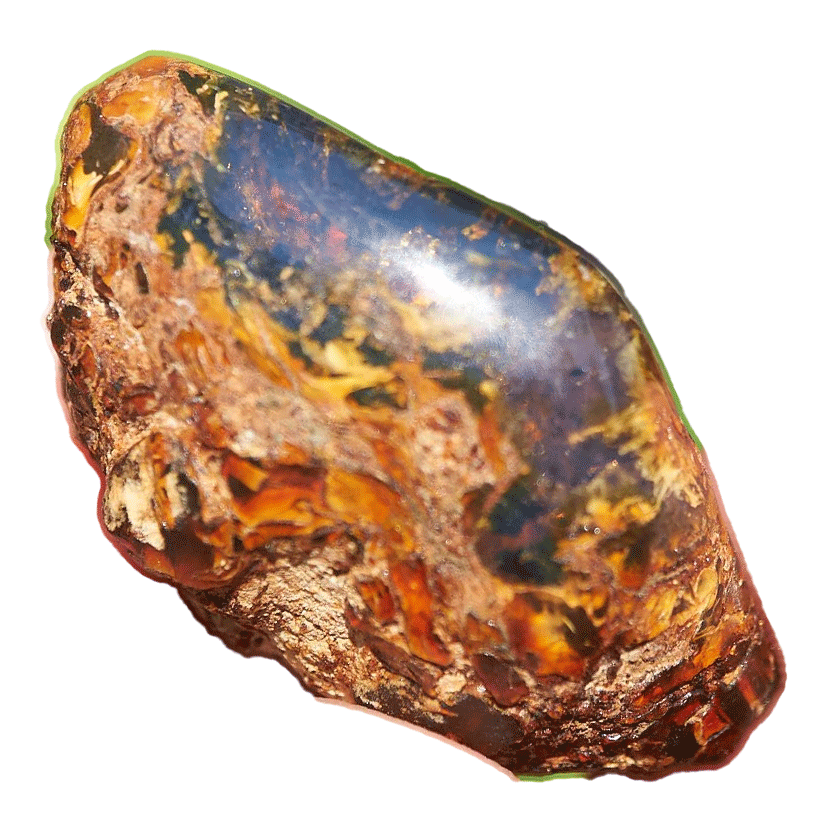
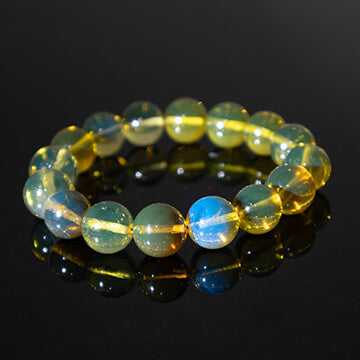
Luxury is moving away from sameness. A perfectly uniform collection may look polished, but many gemstone buyers now seek the detail that cannot be repeated. In Larimar, that might be soft white clouding across tranquil blue, vivid volcanic blue, or an ocean-like pattern that feels different from every angle. In Dominican Blue Amber, it may be a honey-toned piece that reveals an electric blue cast under particular light.

Origin gives these visual qualities context. Larimar's Dominican source is central to its rarity, not a decorative footnote. Dominican amber is equally tied to place, formed over millions of years and valued for its clarity, color range, and occasional prehistoric inclusions. A shopper who understands that provenance is not merely choosing a gemstone. They are choosing a piece of the Caribbean.

That makes origin documentation especially valuable when shopping online. Product images can reveal color and craftsmanship, but they cannot independently establish where a stone was mined or whether a seller's description is accurate. Reputable certification, transparent sourcing language, and a specialist's category knowledge work together to close that gap.

What a Certificate Can and Cannot Tell You

A certificate is meaningful only when shoppers understand its scope. Depending on the document and issuing authority, it may identify the gem material, record observable characteristics, disclose detectable treatments, or provide an opinion on origin. Some certificates are laboratory reports; others are seller-issued authenticity documents supported by sourcing records. They are not identical, and a thoughtful buyer should not assume every paper carries the same weight.

For rare materials, ask what the certificate specifically verifies. Does it identify the stone as natural Larimar or genuine amber? Does it address the stated Dominican origin? Does it disclose treatments or enhancements, if applicable? Is the information matched to the actual piece through photos, weight, dimensions, or an item number?

A certificate also cannot make a gemstone visually perfect, and it should not have to. Natural veining in Larimar and internal features in amber can be part of a stone's character. The goal is honest representation, not artificial flawlessness.

Buyers Are Looking Beyond the Front-Facing Photo

Online jewelry shoppers have become more observant. They expect multiple views, close-up imagery, dimensions, metal details, and a description that goes beyond phrases like “genuine stone.” This is particularly true for cabochons, carvings, beads, fossils, and one-of-a-kind jewelry, where the exact piece matters.

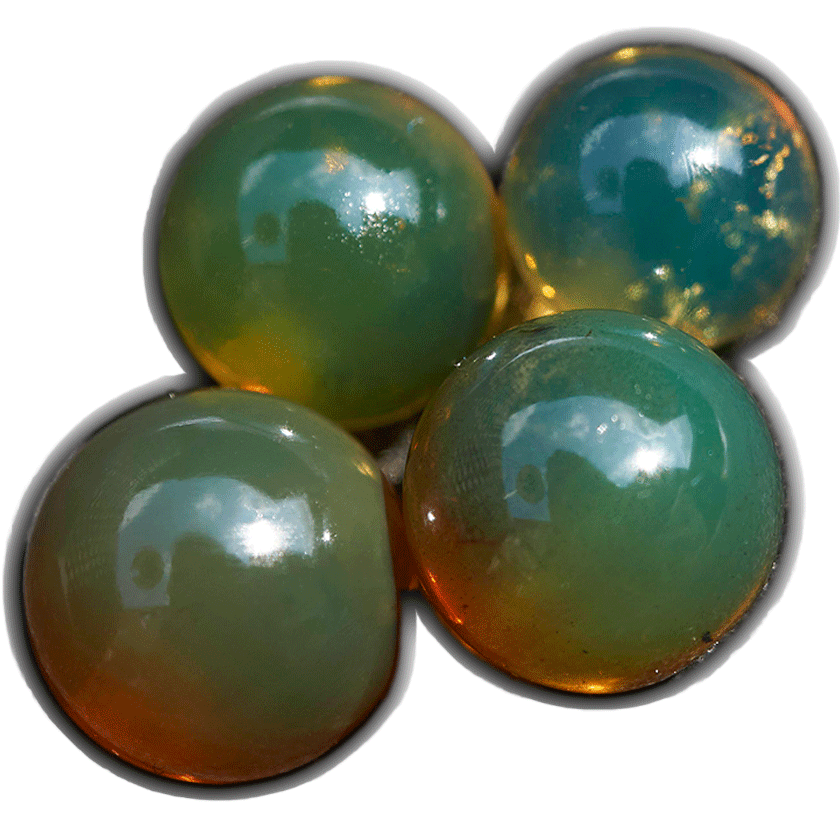
Color remains a major consideration, but it requires a measured approach. Larimar can range from pale sky blue to saturated blue with white marbling, and no two pieces will carry the same balance. Dominican Blue Amber may look golden or tea-colored in ordinary conditions, then reveal blue fluorescence or a blue surface effect under sunlight or ultraviolet light. A responsible seller explains the lighting used in photographs rather than promising that every environment will produce the same effect.

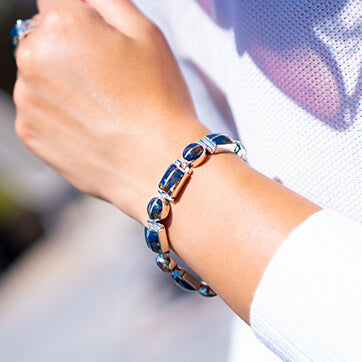
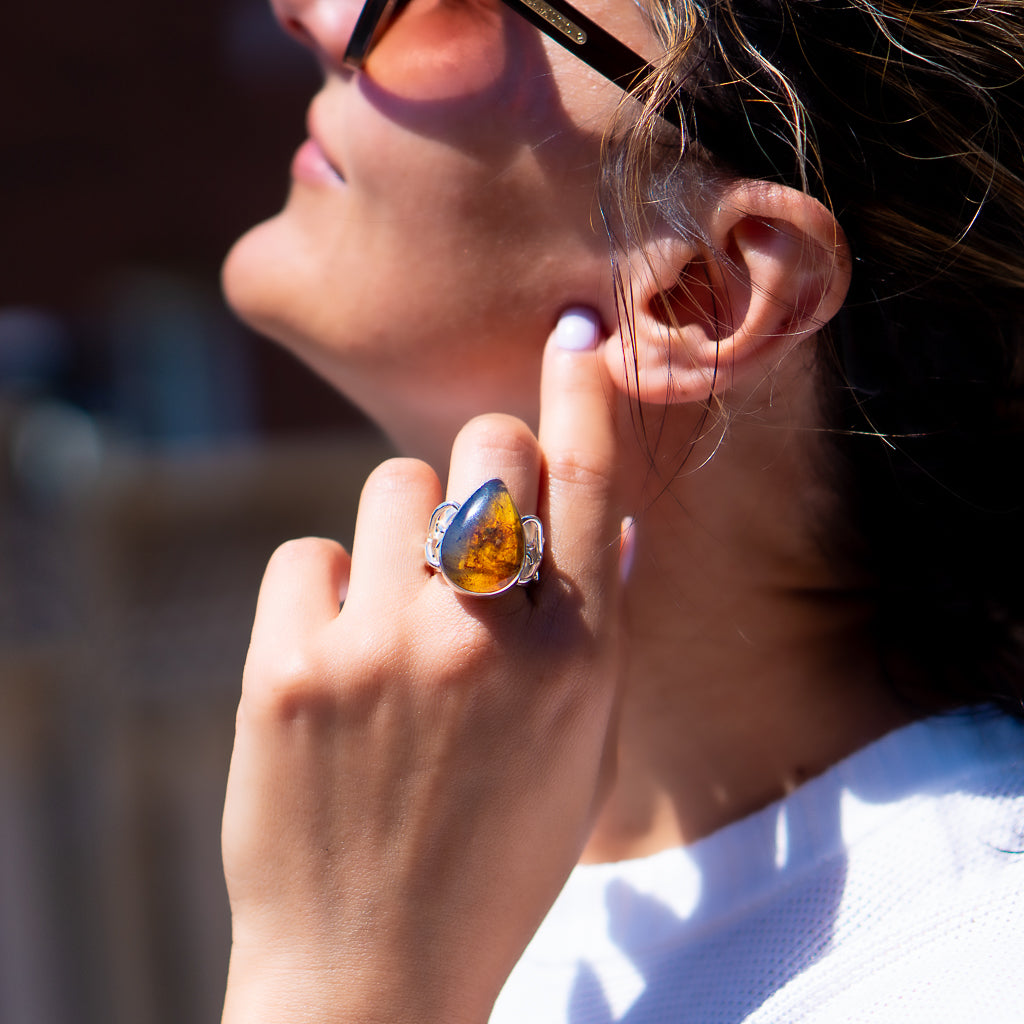
Shoppers are also paying closer attention to scale. A pendant that appears dramatic in a close-up may be delicate in person; a substantial amber cabochon may be lighter than expected because amber is an organic material. Clear measurements and weight help turn an emotional purchase into a satisfying one.

Craftsmanship Is Part of Authenticity

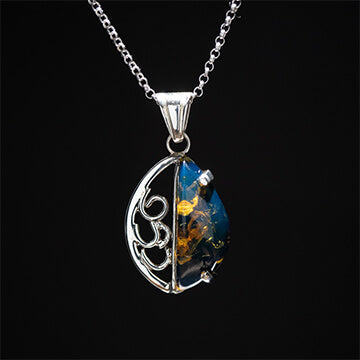
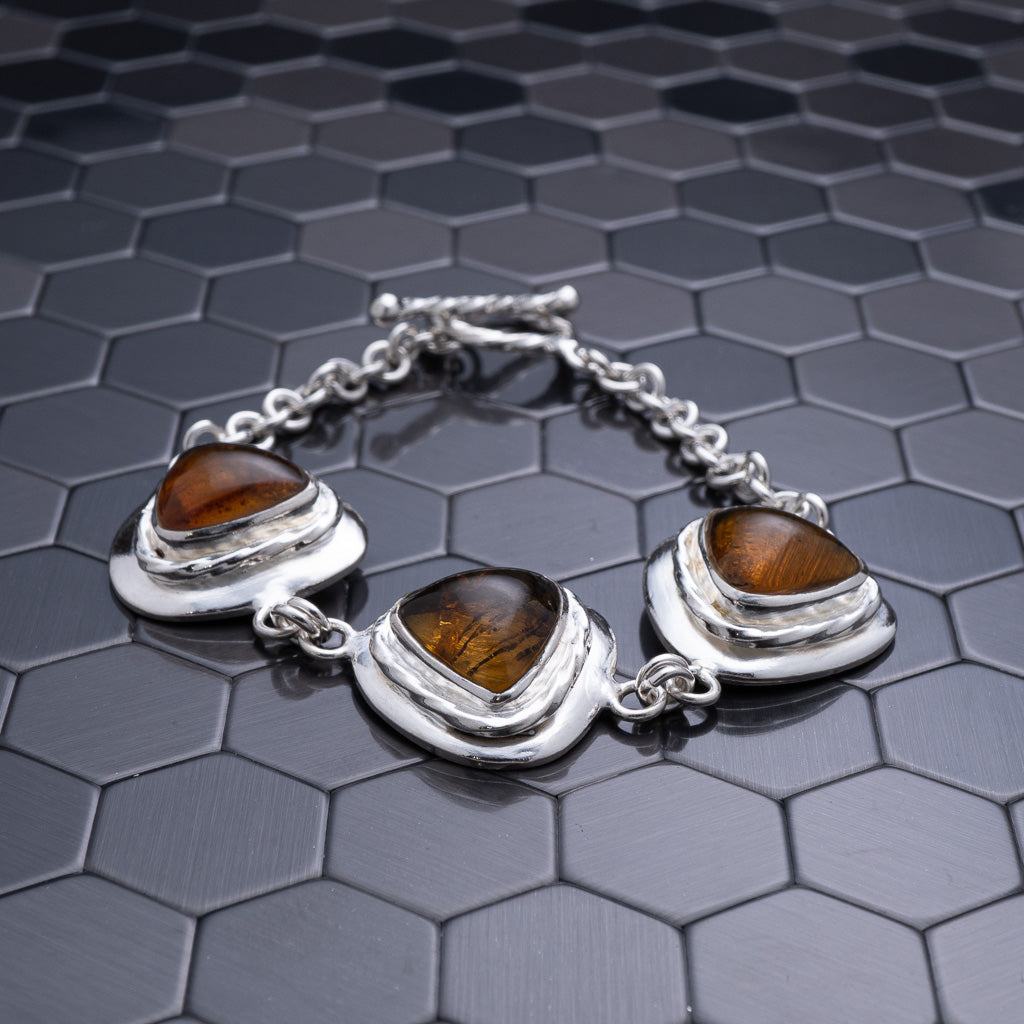
The renewed interest in certified stones has also elevated the setting around them. A rare gemstone deserves workmanship that respects its shape, durability, and natural beauty. For artisan jewelry, this means thoughtful bezel work, balanced proportions, secure closures, and metal choices that let the stone remain the focal point.

There is a practical reason for this attention. Larimar is beautiful but should be treated with care, especially around hard impacts, harsh chemicals, and prolonged exposure to conditions that may affect its surface. Amber is lightweight and luminous, yet softer than many mineral gemstones. Its setting and everyday care matter. Buyers increasingly appreciate jewelry that pairs romance with useful guidance instead of treating a rare stone as an ordinary fashion accessory.

Handcrafted character is also becoming a mark of value. Slight differences in bezel contours, wirework, or the orientation of a patterned cabochon can show that a maker responded to an individual stone rather than forcing it into a standardized mold. It depends on personal preference: some buyers want a clean, minimal setting, while others want an expressive artisan design. In both cases, the craftsmanship should feel intentional.

A More Selective Approach to Value

Price-conscious shoppers are not necessarily seeking the lowest price. They are comparing material quality, rarity, documented authenticity, craftsmanship, and the long-term appeal of a design. A larger stone is not always more valuable than a smaller one with exceptional color, pattern, polish, or provenance. Nor is a high price proof by itself.

For Larimar, buyers often look closely at blue saturation, attractive marbling, polish, and the absence of distracting fractures. For amber, color, clarity, size, fluorescence, and unusual inclusions can shape desirability. Blue Amber carries particular fascination because its appearance changes with light, but the right choice still comes down to what the individual buyer finds captivating.

This more selective mindset has made category specialists increasingly appealing. A broad retailer may offer gemstones from everywhere, but a focused source can offer deeper familiarity with the material, its variations, and the questions that matter before purchase. That expertise is part of the value shoppers are seeking.

How to Shop With Confidence for Certified Gemstones

Before choosing a piece, begin with the stone's story rather than the product category alone. Decide whether you are drawn to Larimar's ocean-blue calm, amber's ancient warmth, a collectible cabochon, or a finished piece intended for daily wear. Then compare the specific information provided for each item: gemstone identity, origin claim, certification details, dimensions, metal, care requirements, and photographs in useful lighting.

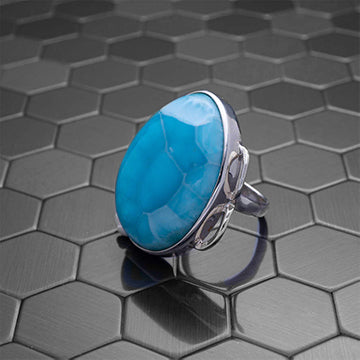
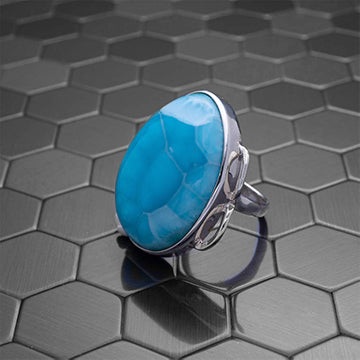
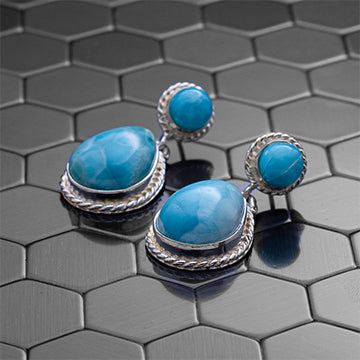
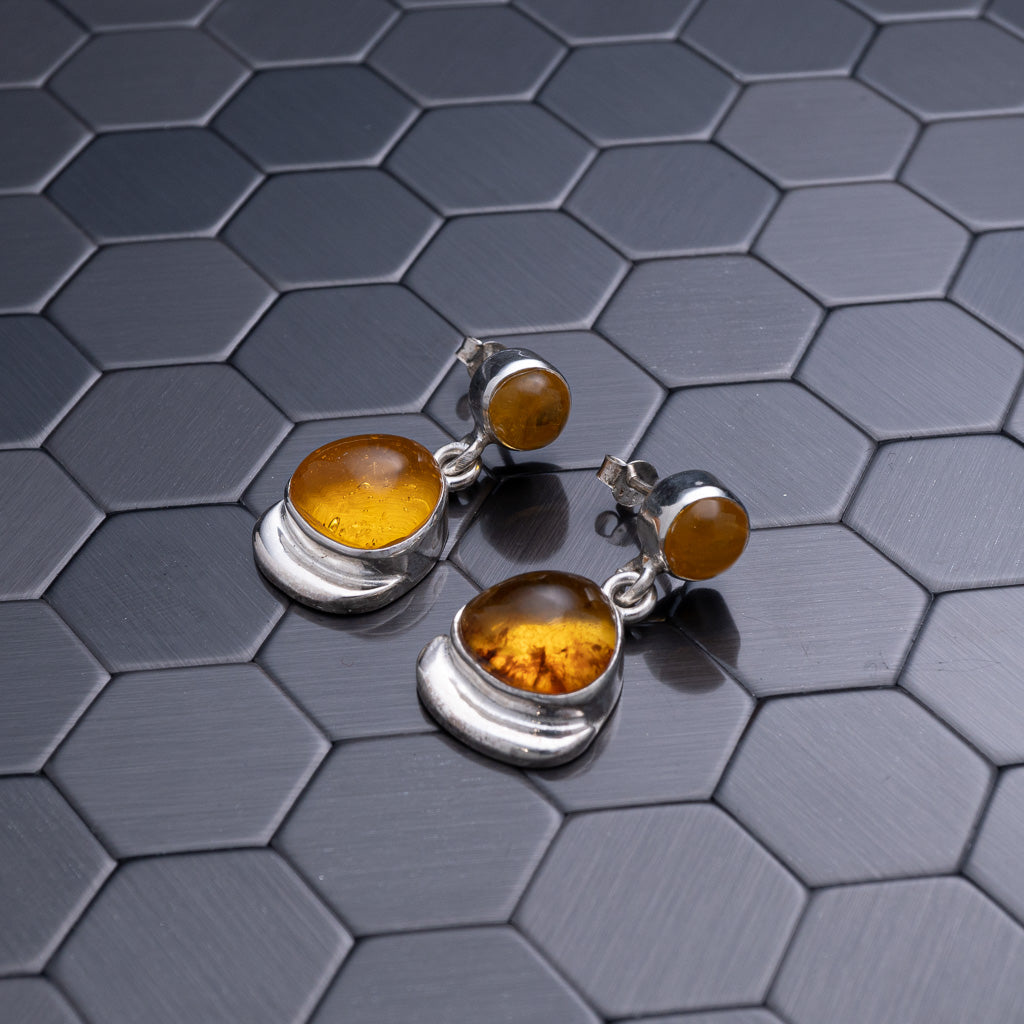
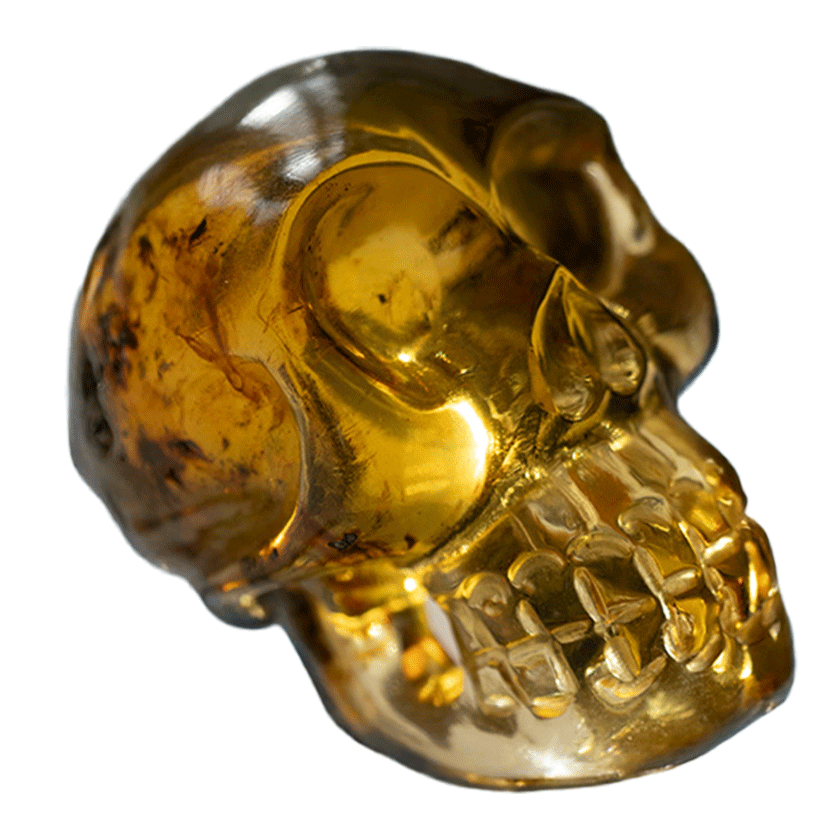
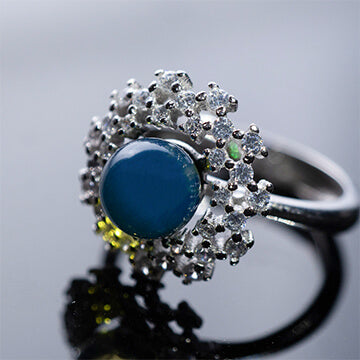
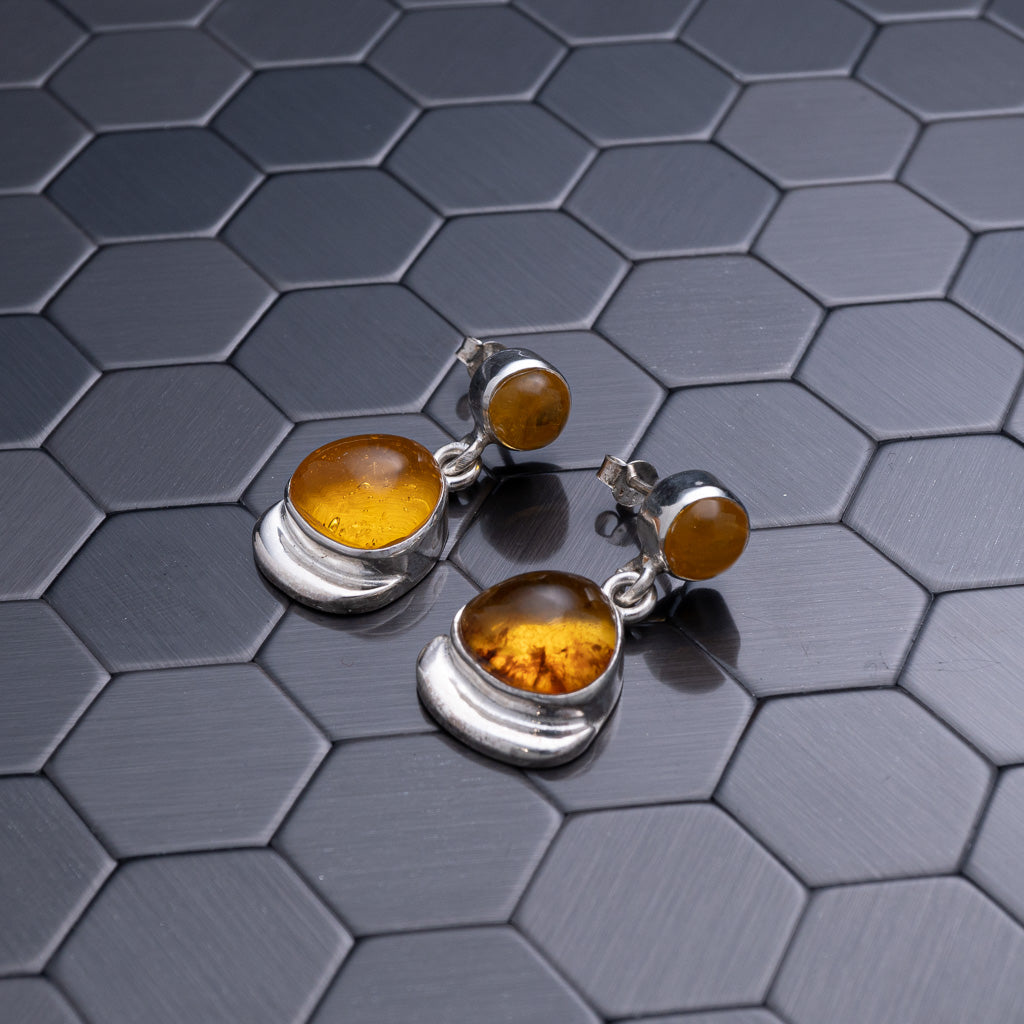
It also helps to match expectations to purpose. A substantial Larimar ring can be a remarkable statement piece, though a pendant may be better suited to someone who prefers a lower-contact way to wear a softer stone. A luminous Blue Amber carving may belong in a collection, while amber earrings offer a light, easy-to-wear expression of the same material. There is no universal best choice, only the piece that fits the recipient, occasion, and desired relationship with the stone.

The most rewarding purchases leave room for both evidence and emotion. Ask for the proof that supports authenticity, study the details that reveal quality, and then choose the stone that keeps drawing your eye. When rarity, origin, and craftsmanship meet in a piece you genuinely want to wear, you have found more than jewelry. You have found a small, luminous piece of the Caribbean to make your own.

Genuine Larimar: Expert Guide to Authenticity & Quality

Genuine Larimar: Expert Guide to Authenticity & Quality

9 min read

Discover how to identify genuine Larimar stone. Learn expert authentication methods, quality grading, and what sets authentic Larimar apart from imitations.
Read More
What Makes Blue Amber Valuable and Rare?

What Makes Blue Amber Valuable and Rare?

6 min read

Learn what makes blue amber valuable: its rare Dominican origin, natural fluorescence, vivid clarity, and the handcrafted beauty it brings to jewelry.
Read More
Certified Gemstone Shopping Trends to Watch - Larimar Creations

Certified Gemstone Shopping Trends to Watch

6 min read

Certified gemstone shopping trends reveal a return to origin, proof, and personal beauty. Learn how to choose rare stones with confidence for real value.
Read More