
by Admin July 08, 2026 6 min read

A blue glow in amber stops people for a reason. When a stone looks golden in one light and flashes electric blue in another, it does not feel ordinary - and it is not. If you are wondering, is Dominican blue amber rare, the short answer is yes. But the real value lies in why it is rare, how that rarity shows up in the stone itself, and what it means when you are choosing a piece to wear or collect.

Is Dominican Blue Amber Rare in the Gem World?

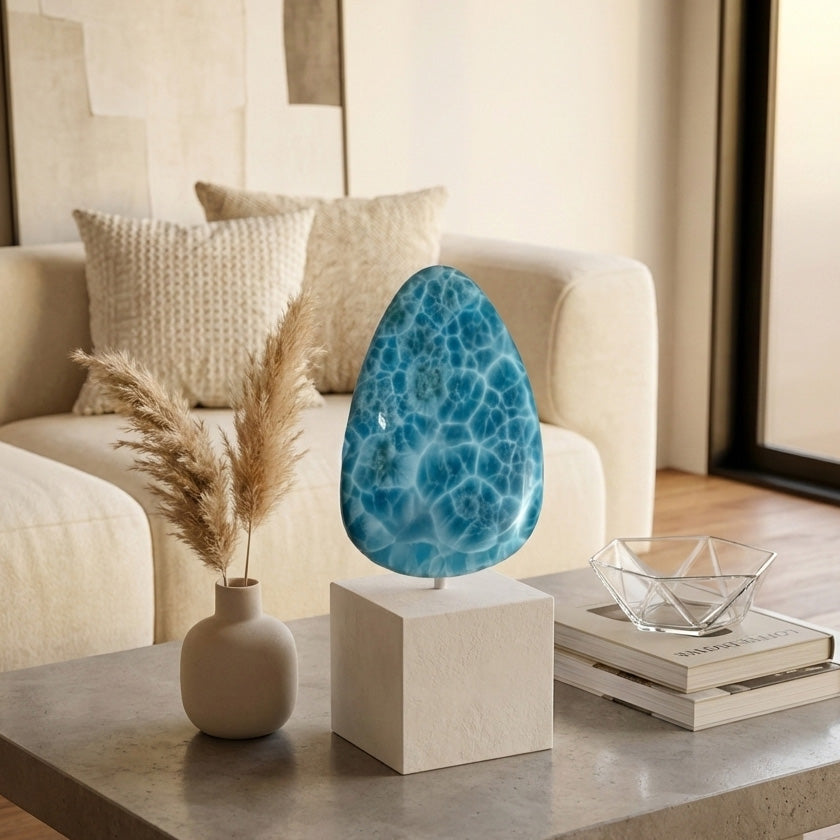
Dominican blue amber is widely considered one of the rarest ambers in the world. Not all Dominican amber is blue, and not all blue amber shows the same level of fluorescence, clarity, or body color. That matters because rarity in gemstones is never just about the label. It is about the combination of origin, visual effect, natural formation, and the limited number of truly exceptional pieces that make it into fine jewelry.

The Dominican Republic is the primary source of natural blue amber known in the market. Other ambers can show interesting colors, but the distinctive blue effect associated with Dominican material has earned its own place among collectors and luxury jewelry buyers. Within that category, the finest pieces are even harder to find. Stones with strong blue fluorescence, high transparency, pleasing shape, and minimal inclusions represent only a small fraction of what is mined.

That is why shoppers often notice a wide gap in quality and price. Two stones may both be called blue amber, yet one will appear soft and muted while another seems almost lit from within.

What Makes Dominican Blue Amber So Rare?

The rarity starts with geology. Amber is fossilized tree resin, and Dominican amber formed millions of years ago under specific environmental conditions. The blue effect is believed to be connected to the resin’s organic composition and the way it interacts with light. In simple terms, nature had to get a lot of things exactly right.

Then there is the mining itself. Dominican amber is not produced on an industrial scale like common commercial materials. It is recovered from limited deposits, often through labor-intensive mining methods. That immediately reduces supply. From there, miners and cutters must sort through material that ranges from common amber tones to much more unusual pieces with blue fluorescence.

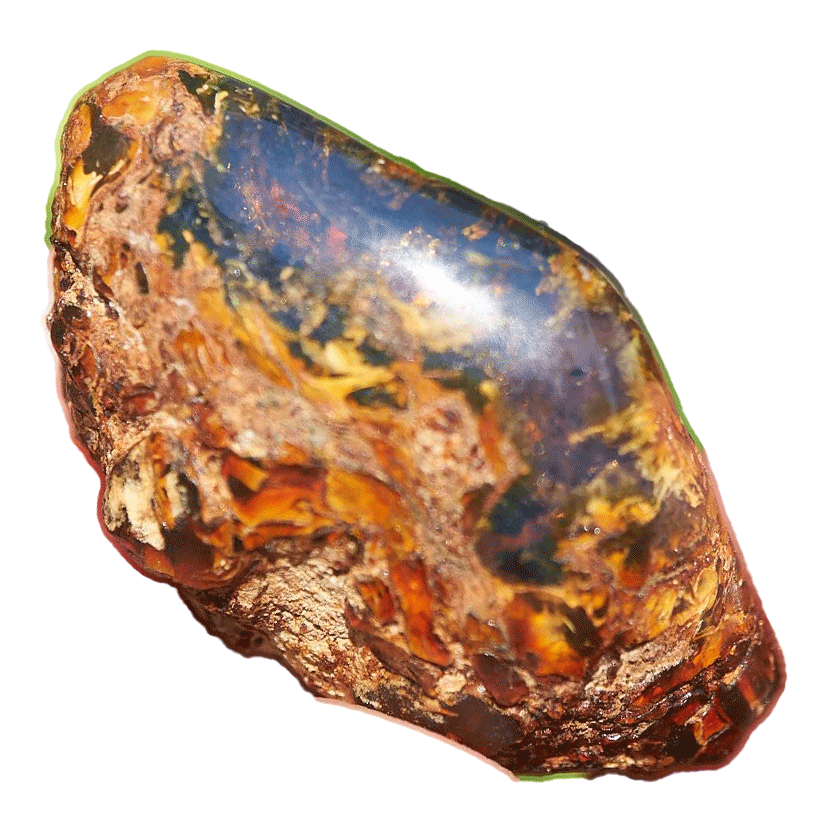
Even among blue pieces, truly jewelry-grade material is scarce. A specimen may show the blue effect only under sunlight or UV-rich light. Another may contain fractures, cloudiness, or natural inclusions that reduce its use in refined jewelry. For collectors, inclusions can be desirable. For elegant wearable pieces, clarity and color presence usually carry more weight. This is one reason authenticated, well-finished Dominican blue amber jewelry commands attention.

Rarity Does Not Mean Every Piece Looks the Same

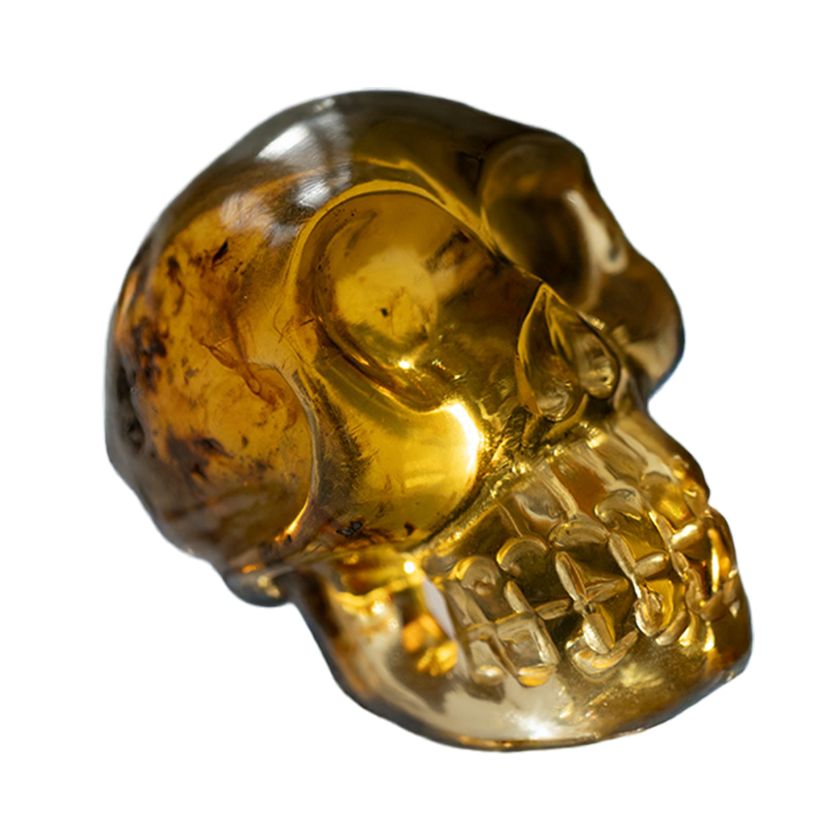
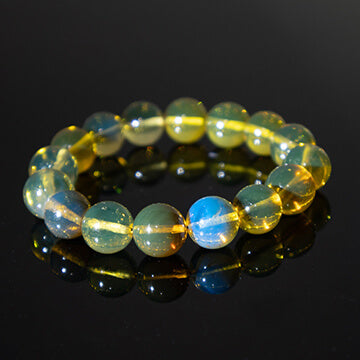
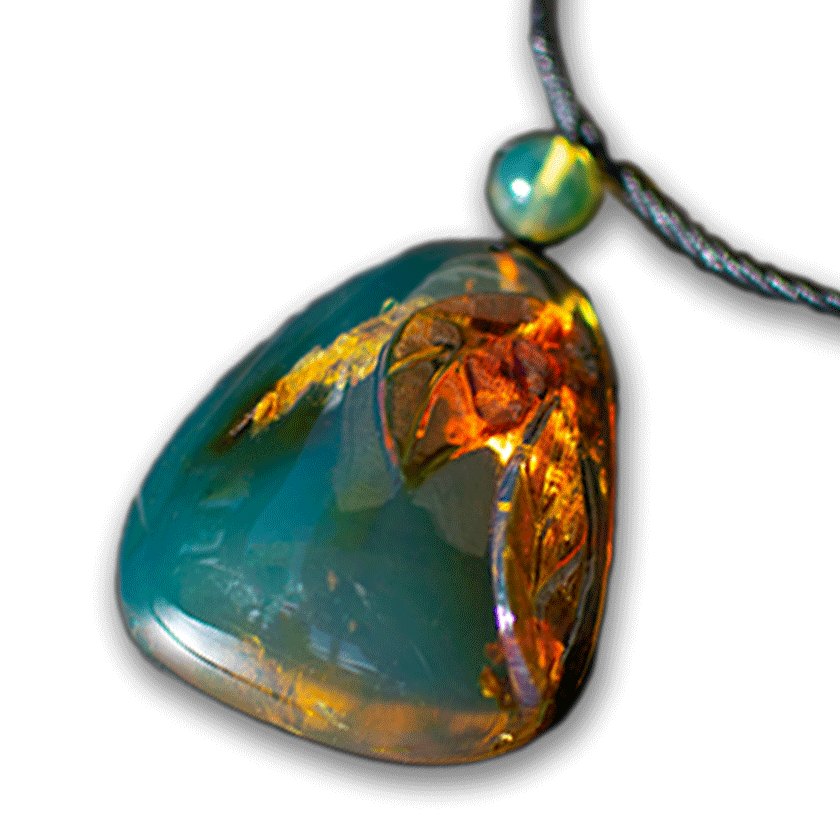
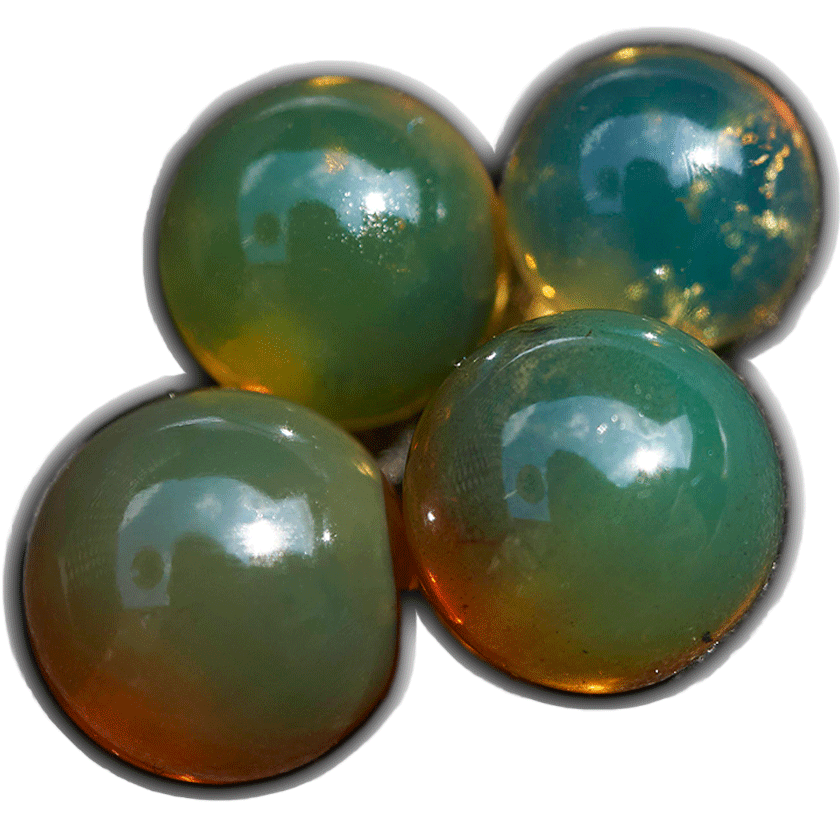
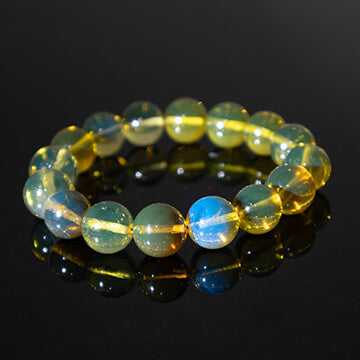
One of the most misunderstood parts of this gemstone is that blue amber is not always vividly blue at first glance. In normal indoor lighting, some stones can appear honey, cognac, or golden with only a subtle cool cast. Step into sunlight, and the blue fluorescence may become dramatically more visible.

That shifting appearance is part of its appeal, but it also explains why buyers should look beyond simple product names. The strongest and most visually striking pieces are rarer than the category itself. In other words, Dominican blue amber is rare, and top-tier Dominican blue amber is rarer still.

This is also why photography can be misleading when a seller does not understand the material. Lighting conditions, background color, and camera settings can exaggerate or flatten the effect. A trustworthy source will present the stone honestly and place real emphasis on authenticity, origin, and craftsmanship.

How Rare Is Dominican Blue Amber Compared With Other Amber?

Compared with more common amber from regions such as the Baltic, Dominican blue amber is far less abundant. Baltic amber has a long history, broad market presence, and much higher familiarity among casual buyers. It is beautiful in its own right, but it typically appears in warmer tones like yellow, honey, cognac, or butterscotch.

Dominican amber overall is already less common in mainstream jewelry, and the blue variety is a specialty within that specialty. That gives it a different market position. It is not simply amber in a different shade. It is a collector-grade Caribbean gemstone with a visual identity that feels unmistakably exotic and refined.

For jewelry lovers who want something beyond standard gemstone choices, that distinction matters. Wearing Dominican blue amber feels personal because it is not overexposed in mass-market fashion. It carries the allure of rarity without losing the warmth and natural softness that make amber so wearable.

Does Rarity Make It More Valuable?

Usually, yes - but value depends on more than scarcity alone. In Dominican blue amber, the most important factors include the strength of the blue effect, clarity, size, cut potential, and whether the piece is natural and properly represented. A large stone with poor transparency may be less valuable than a smaller stone with vivid blue fluorescence and excellent clarity.

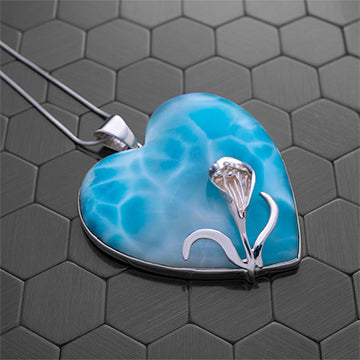
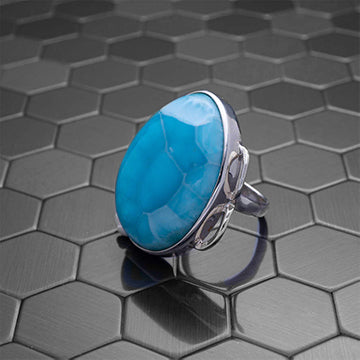
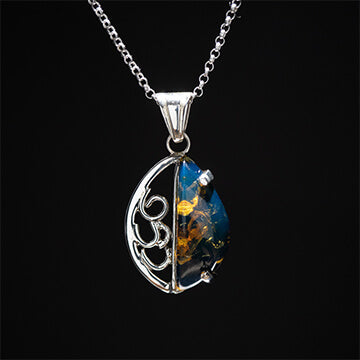
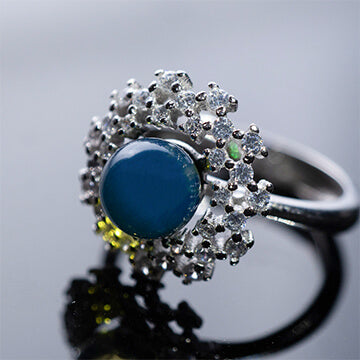
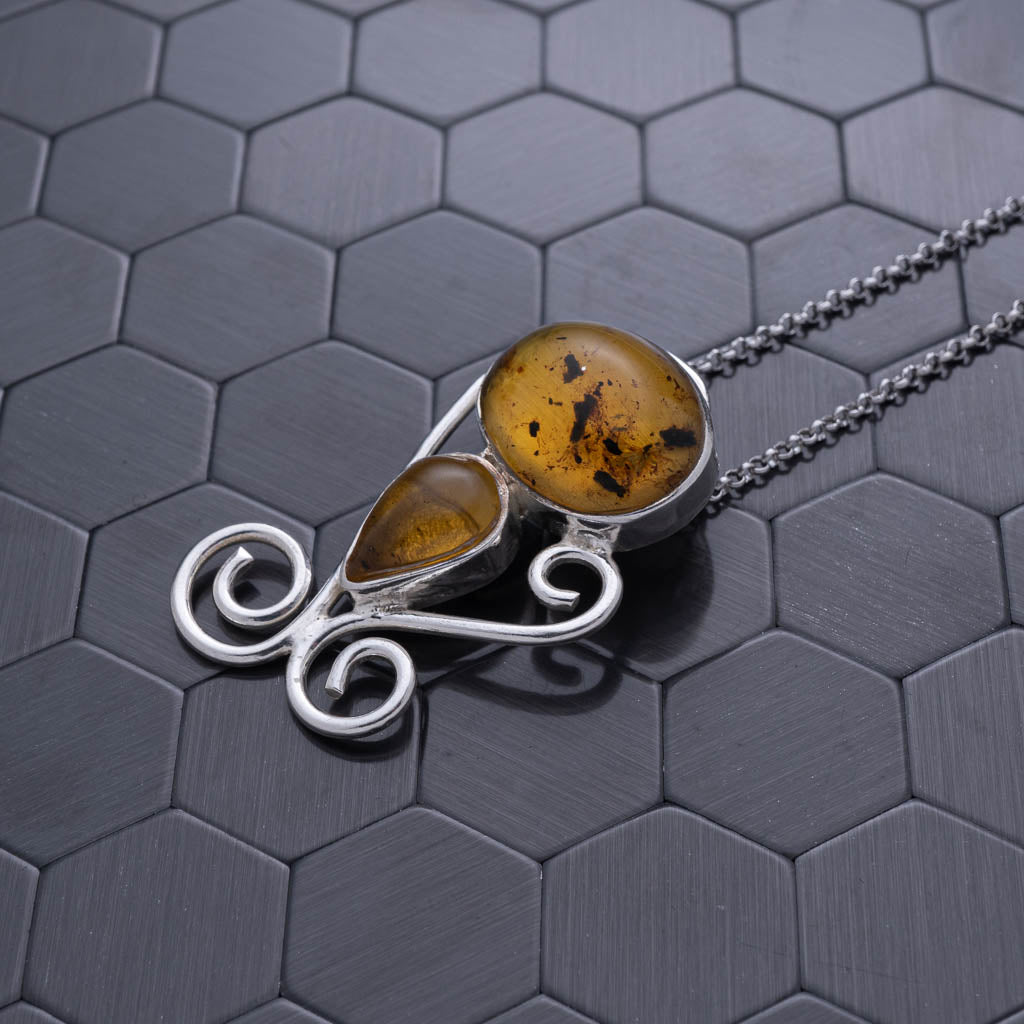
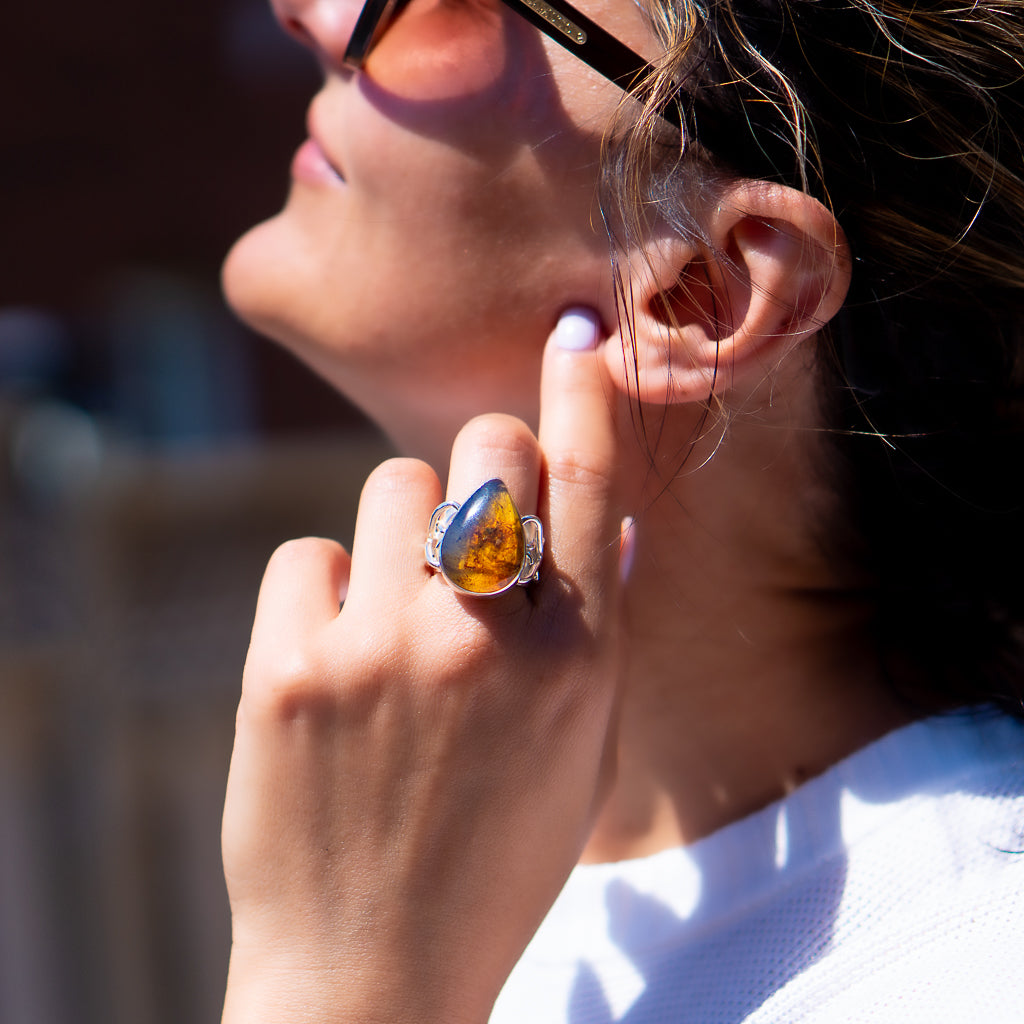
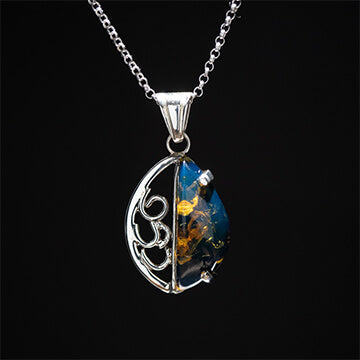
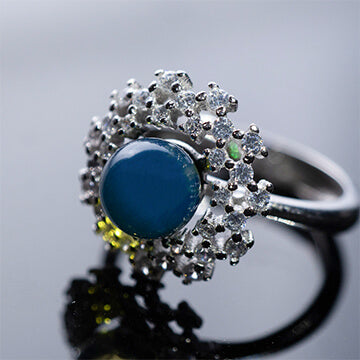
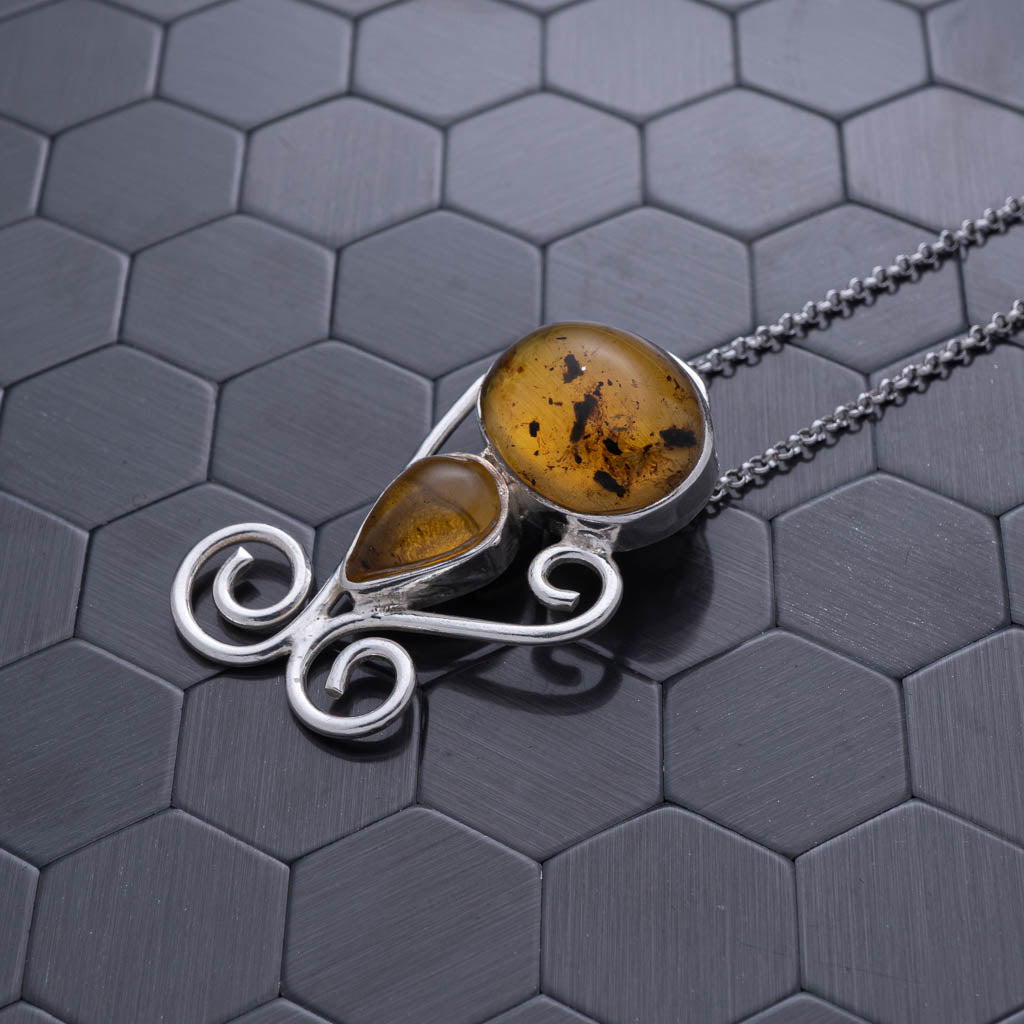
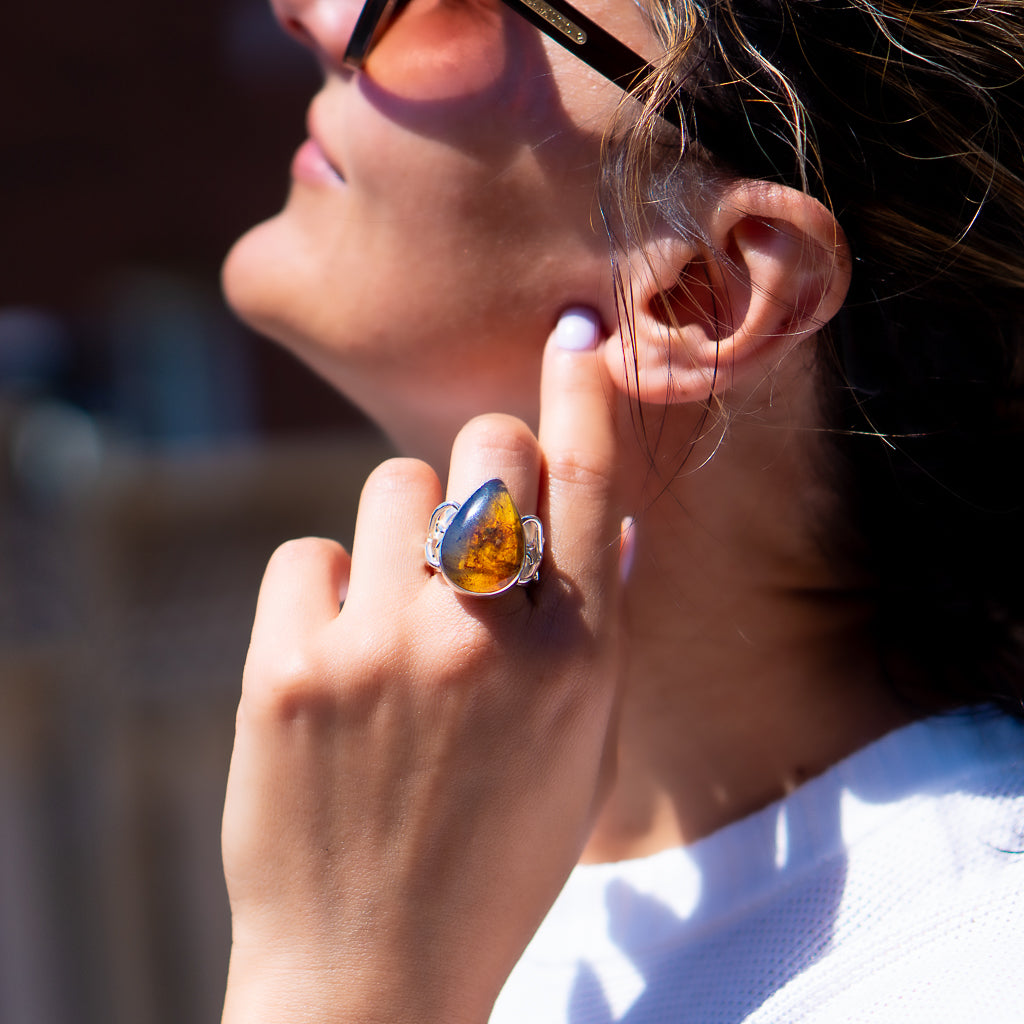
Craftsmanship also matters. A beautifully cut cabochon set into a well-made pendant or ring can elevate the gemstone’s appeal and long-term desirability. For buyers choosing jewelry rather than loose specimens, the setting should complement the stone instead of overpowering it. Blue amber has a luminous quality that benefits from thoughtful design.

Authenticity is another major part of value. Because rare materials attract imitation, buyers should be careful with pieces marketed as blue amber without clear sourcing or certification standards. A premium gemstone deserves premium transparency.

Who Should Buy Dominican Blue Amber?

This stone appeals to several kinds of buyers, and each values its rarity a little differently. Jewelry lovers are often drawn to the color shift and the sense that they are wearing something few people own. Gift buyers appreciate that it feels meaningful, uncommon, and romantic - a true piece of the Caribbean rather than a generic gemstone gift.

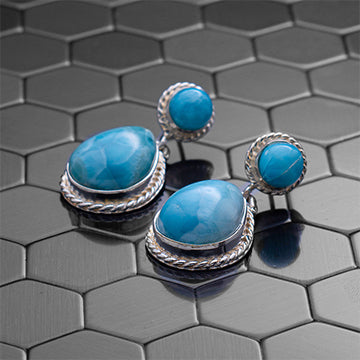
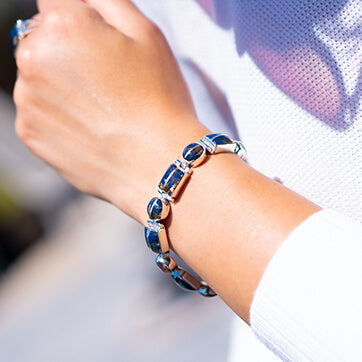
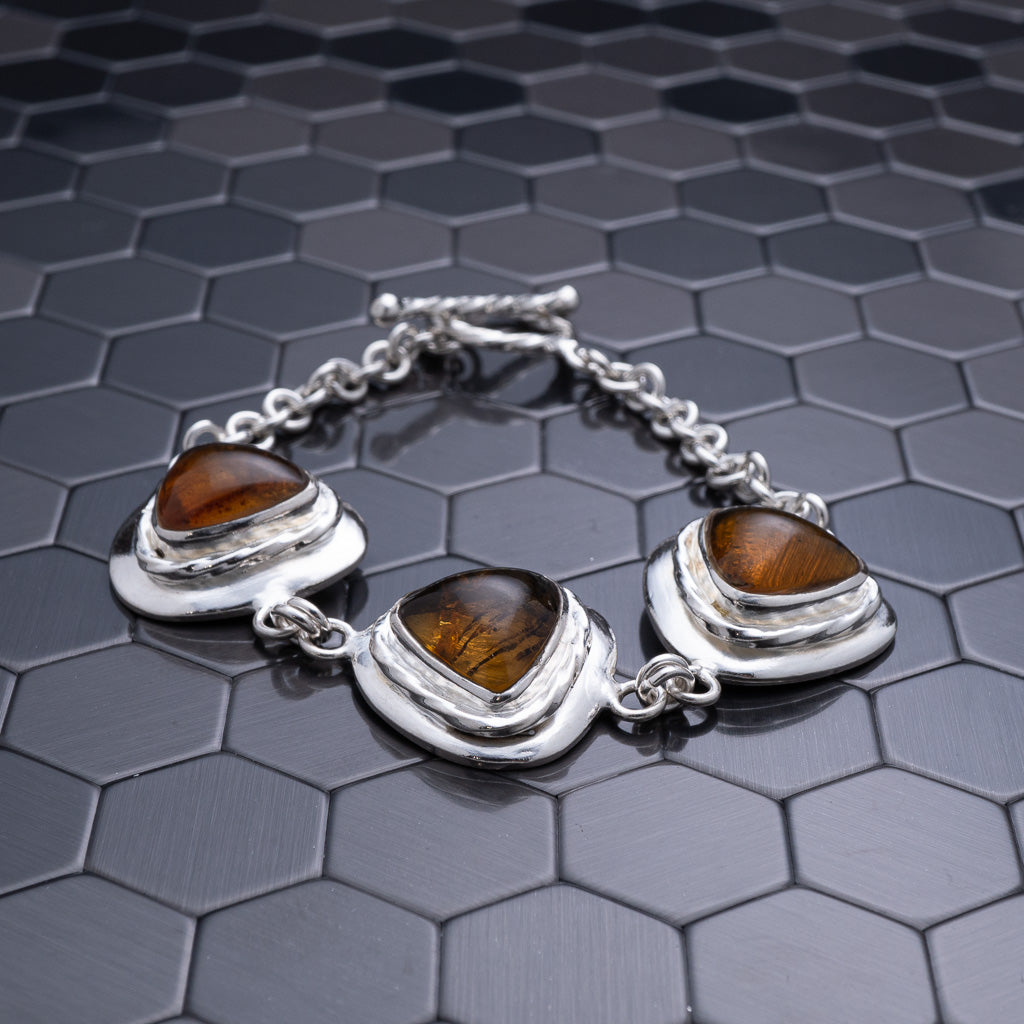
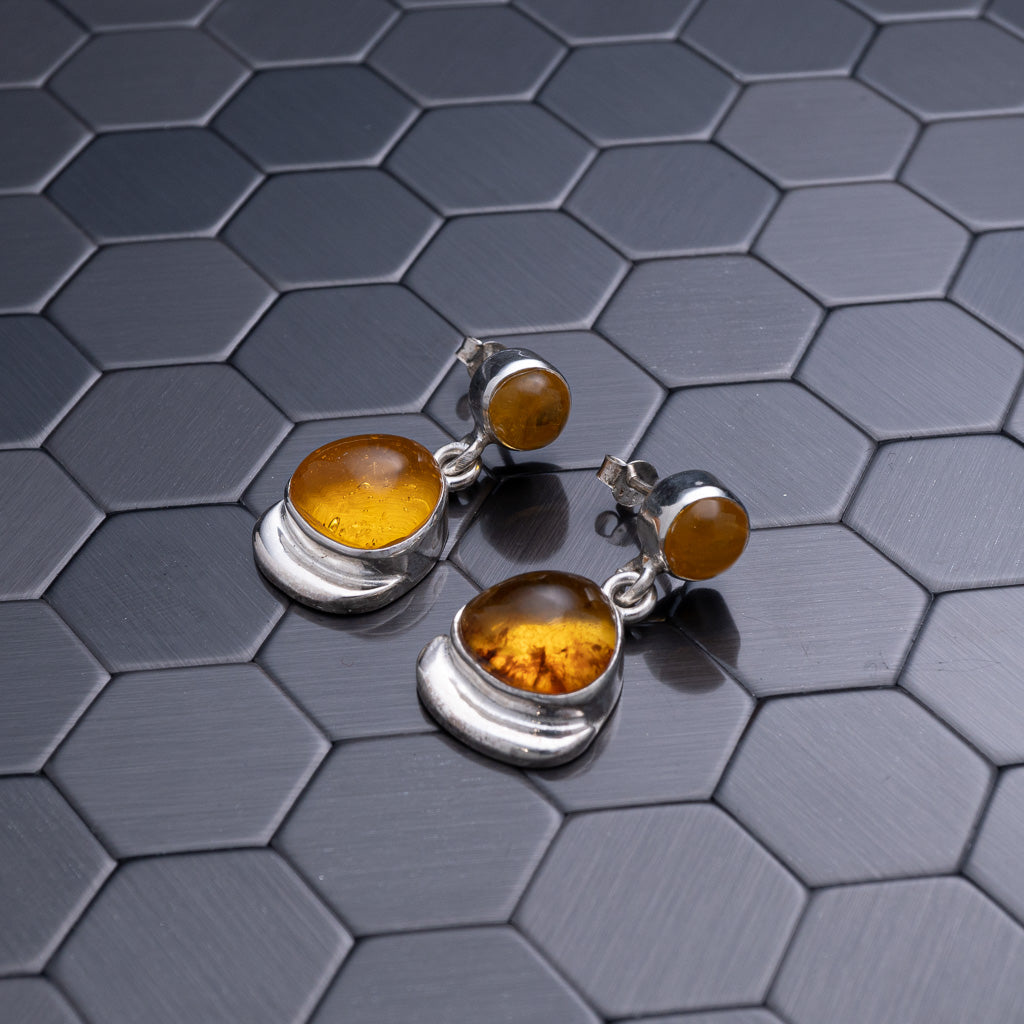
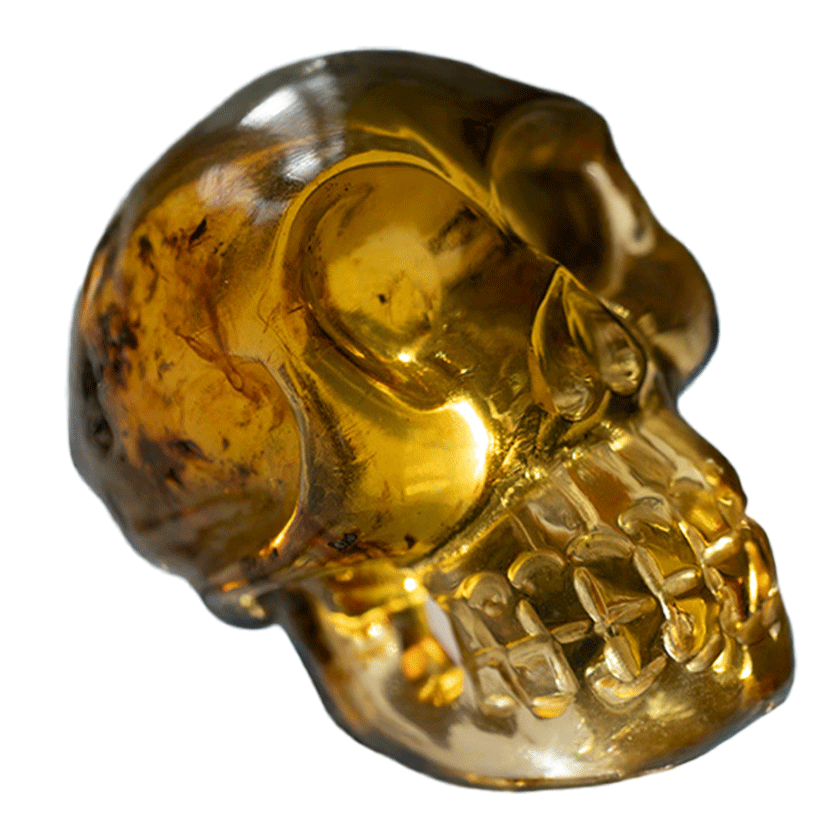
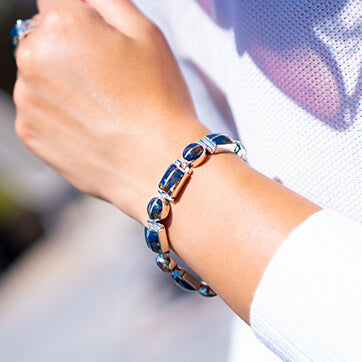
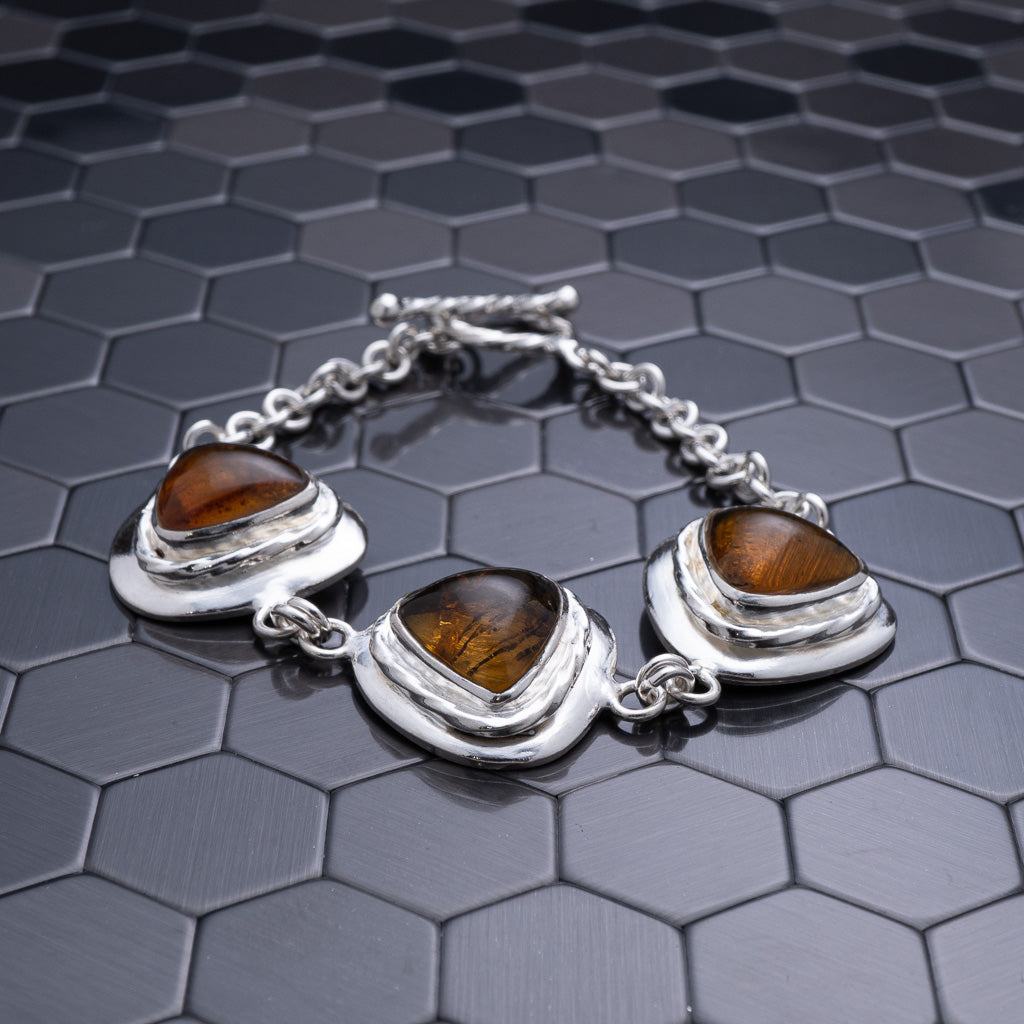
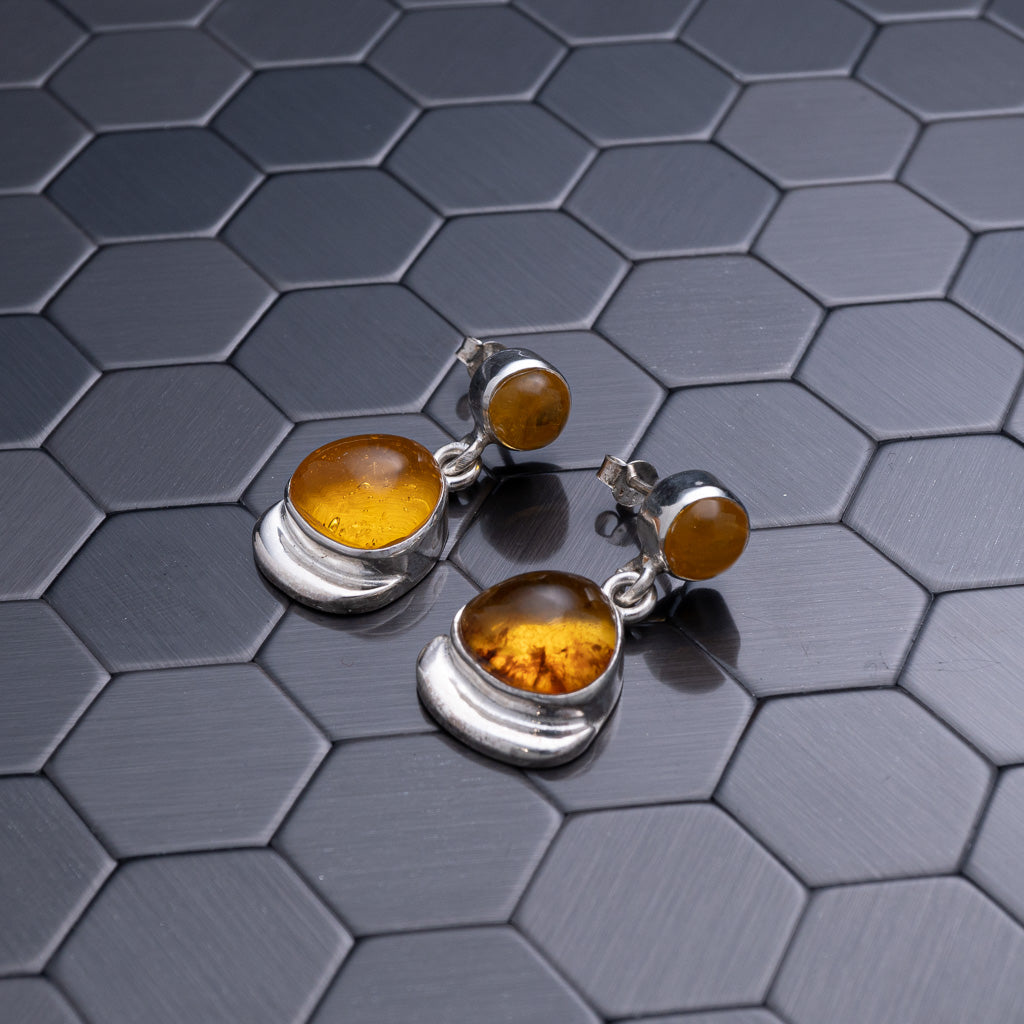
Collectors tend to focus on the specifics: origin, fluorescence, clarity, inclusions, and cut quality. Some seek polished cabochons, carvings, beads, or fossil-bearing specimens. Others want wearable art, where rarity meets craftsmanship in pendants, rings, earrings, or bracelets.

There is also a more symbolic audience. Amber has long been associated with warmth, preservation, and positive energy. In blue form, that symbolism takes on a more ethereal quality. The result is a gemstone that feels both grounding and luminous.

How to Tell if a Piece Is Worth the Premium

If you are considering a purchase, the best question is not only is Dominican blue amber rare, but is this particular piece a strong example of it? Look at the color behavior in different lighting. Ask about the stone’s origin. Pay attention to transparency, polish, and the overall finish of the jewelry.

A quality piece should feel intentional. The stone should be showcased, not hidden. The seller should speak confidently about authenticity and source, not rely on vague claims. This is especially important in a category where lower-grade material and lookalikes can confuse the market.

For many buyers, the right piece is the one that balances rarity with wearability. An extraordinary collector stone may be ideal for a display or curated gem collection. A finely crafted pendant or ring may be the better choice if you want to wear that rarity every day.

Why Dominican Blue Amber Continues to Captivate

Some gemstones impress through hardness or sparkle. Dominican blue amber captivates in a different way. It has softness, history, and light play that feels almost mysterious. Its beauty is not loud. It is atmospheric, warm, and unforgettable when seen in the right light.

That is part of why demand remains strong among people who care about natural origin and distinctive design. In a market crowded with familiar stones, blue amber offers something more intimate and more unusual. It feels discovered rather than manufactured.

At Larimar Creations, that sense of rarity matters because it is tied to origin, authenticity, and the hands that shape each finished piece. A gemstone this special deserves to be presented with the same care that brought it from the Caribbean earth to the final setting.

If you are drawn to gemstones with a story, Dominican blue amber earns your attention. Not just because it is rare, but because its rarity is visible every time the light finds it.


Let's Stay In Touch