
FREE WORLD WIDE SHIPPING
HANDCRAFTED IN THE DOMINICAN REPUBLIC
30% DISCOUNT APPLIED AT CHECKOUT
FREE WORLD WIDE SHIPPING
HANDCRAFTED IN THE DOMINICAN REPUBLIC
30% DISCOUNT APPLIED AT CHECKOUT
FREE WORLD WIDE SHIPPING
HANDCRAFTED IN THE DOMINICAN REPUBLIC
30% DISCOUNT APPLIED AT CHECKOUT
FREE WORLD WIDE SHIPPING
HANDCRAFTED IN THE DOMINICAN REPUBLIC
30% DISCOUNT APPLIED AT CHECKOUT
FREE WORLD WIDE SHIPPING
HANDCRAFTED IN THE DOMINICAN REPUBLIC
30% DISCOUNT APPLIED AT CHECKOUT
FREE WORLD WIDE SHIPPING
HANDCRAFTED IN THE DOMINICAN REPUBLIC
30% DISCOUNT APPLIED AT CHECKOUT
100% Handcrafted in DR.
by Admin October 08, 2026 6 min read
A blue amber pendant can look like warm honey indoors, then flash an electric Caribbean blue when it meets sunlight or ultraviolet light. That transformation is not a surface trick. It is one reason collectors and jewelry lovers ask what makes blue amber valuable - and why an authentic piece carries a presence that ordinary amber cannot imitate.
Blue amber is an organic gemstone formed from ancient tree resin, yet its appeal feels remarkably alive. Its value comes from a rare combination of origin, natural optical character, condition, size, and the skill required to reveal its beauty in a finished piece. The finest examples are not simply blue. They carry depth, transparency, and a changing glow that makes every stone feel personal.
The short answer is rarity. The fuller answer begins in the Dominican Republic, where the world’s most celebrated natural blue amber is found. While amber occurs in several regions, Dominican material is prized for its clarity, luminous color, and frequent botanical or insect inclusions. Blue amber is an especially scarce expression of this already remarkable Caribbean treasure.
Unlike a faceted mineral gemstone, amber began as resin from prehistoric trees. Over millions of years, that resin hardened and fossilized. Dominican amber is generally associated with the Miocene era, making each genuine stone a tangible connection to an ancient tropical forest. Its organic origin means no two pieces develop in exactly the same way.
A valuable blue amber stone brings several qualities together. It should have credible provenance, a natural blue fluorescence or blue body color, good transparency for its type, and a shape or cut that honors the material rather than forcing it into a generic jewelry format. Large, clear pieces with a strong blue display are particularly difficult to find.
For blue amber, place matters. Dominican Republic blue amber has earned its reputation because the region produces material with an exceptional fluorescent effect. In the right light, certain pieces show blue, blue-green, or violet-blue tones that appear to float beneath the polished surface.
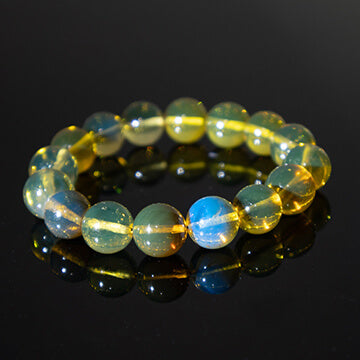
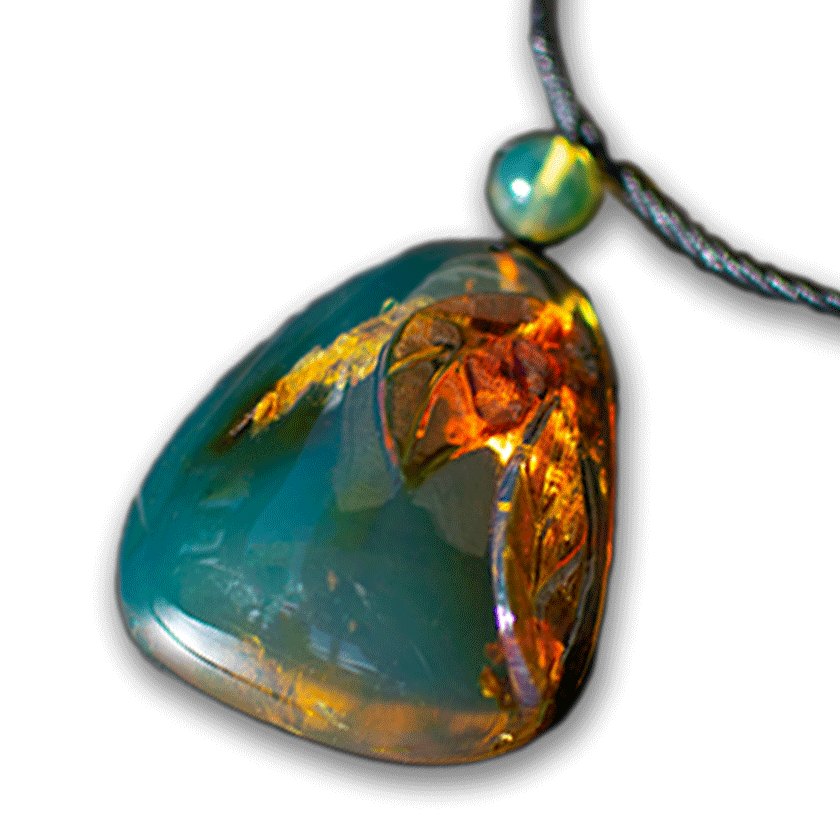
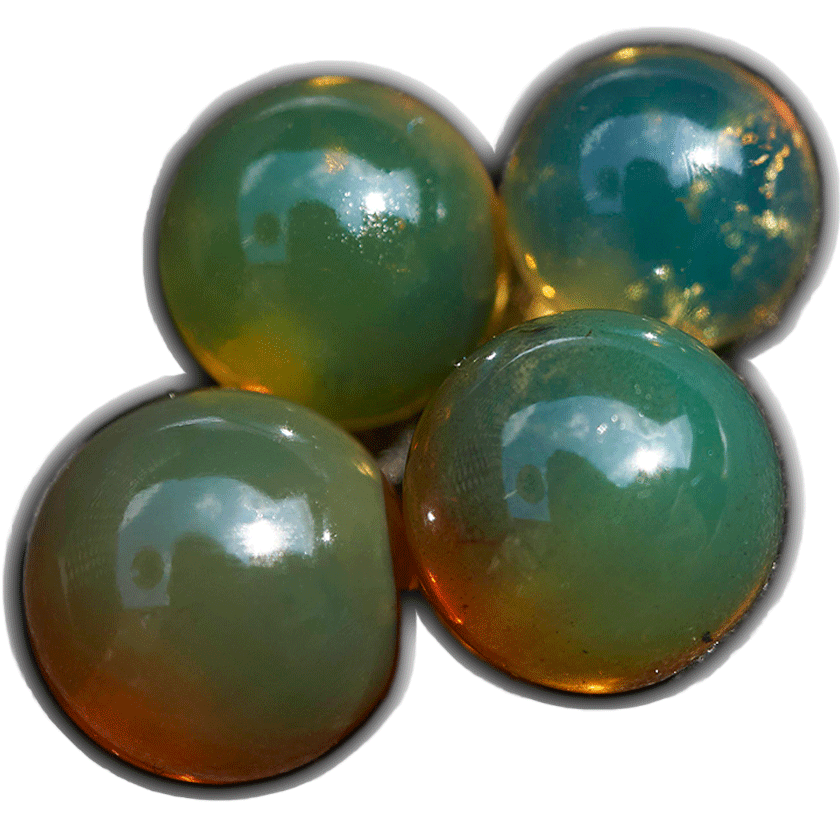
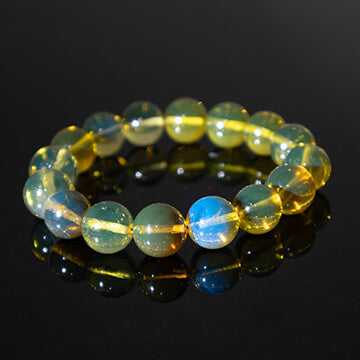
This does not mean every amber labeled “blue” will look intensely blue at every angle. Natural blue amber often appears golden, cognac, or nearly colorless under indoor light. Its blue character may become most visible against a dark background, in direct sunlight, or under UV light. That changing appearance is part of its charm, not a flaw.
The most desirable specimens often show a vivid, even blue glow with clean transparency. Still, beauty is not limited to one look. A soft blue haze over warm amber can be exquisite in a pendant, while a deeper blue-green flash may be especially compelling in a collector cabochon. Natural variation is a signature of authentic material.
Blue amber does not rely on dye or a painted backing to create its effect. Its famous color behavior is linked to fluorescence and the way the fossil resin interacts with light. Under ultraviolet light and, in many cases, sunlight, blue amber can emit visible blue light. The effect is associated with aromatic compounds within the amber, although the exact appearance differs from stone to stone.
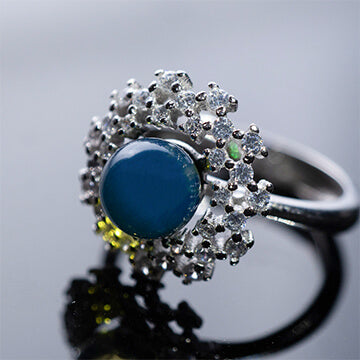
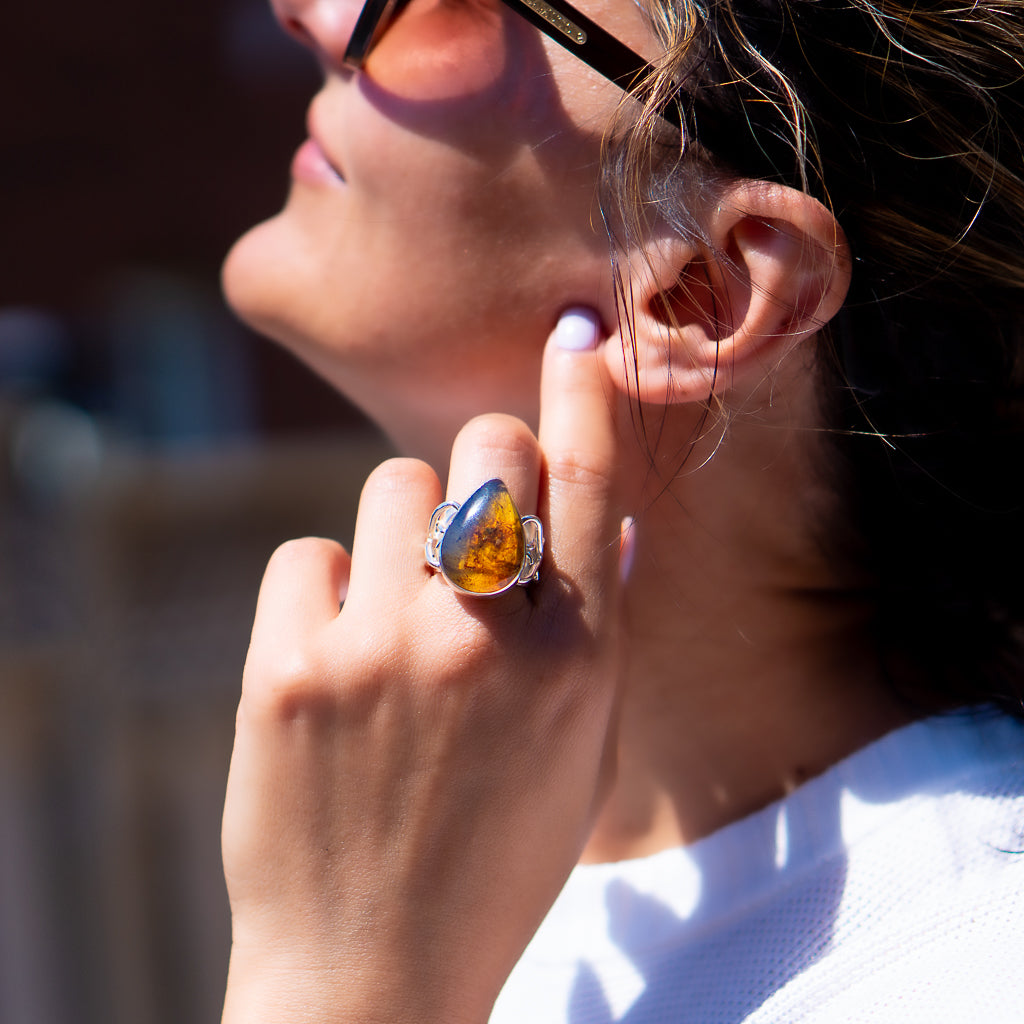
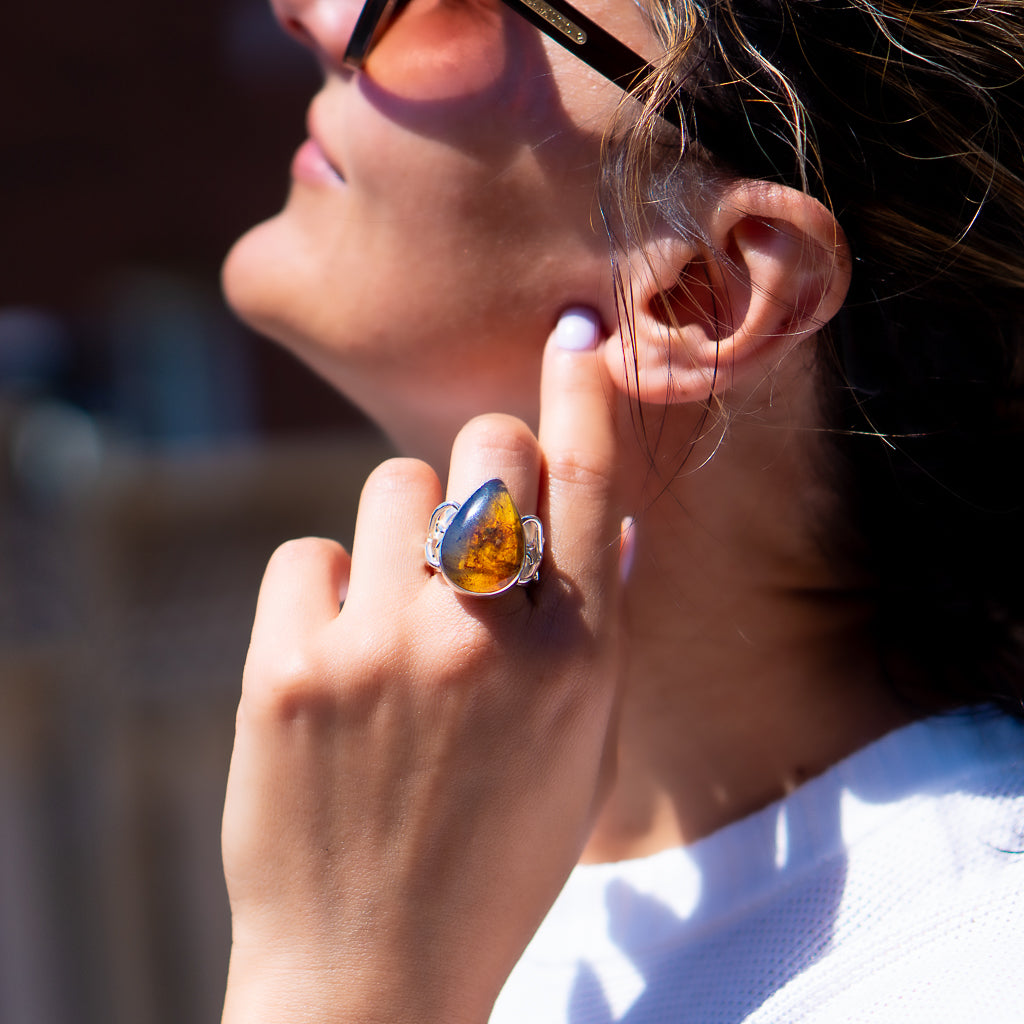
This optical response gives blue amber a rare sense of movement. A ring may look quietly golden over morning coffee, then reveal a brilliant blue halo outdoors. A polished cabochon can appear translucent and calm in one setting, vivid and almost electric in another.
For jewelry, this is a meaningful advantage. The wearer is not choosing a color that remains fixed and predictable. They are wearing a piece of the Caribbean that responds to light, atmosphere, and movement.
Once origin and authenticity are established, visual quality has a major influence on value. In general, blue amber with stronger fluorescence, better clarity, and a more appealing blue presentation commands greater attention. A clean stone allows light to travel through the resin, helping its inner glow become more visible.
Clarity does not always mean perfection. Natural amber may contain delicate clouds, tiny fractures, plant matter, or bubbles created during its long formation. Minor internal features can confirm that a stone is natural and give it character. However, obvious cracks, unstable fissures, heavy cloudiness, or damage that weakens the stone usually lower its value for jewelry.
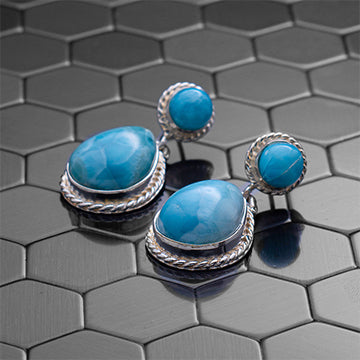
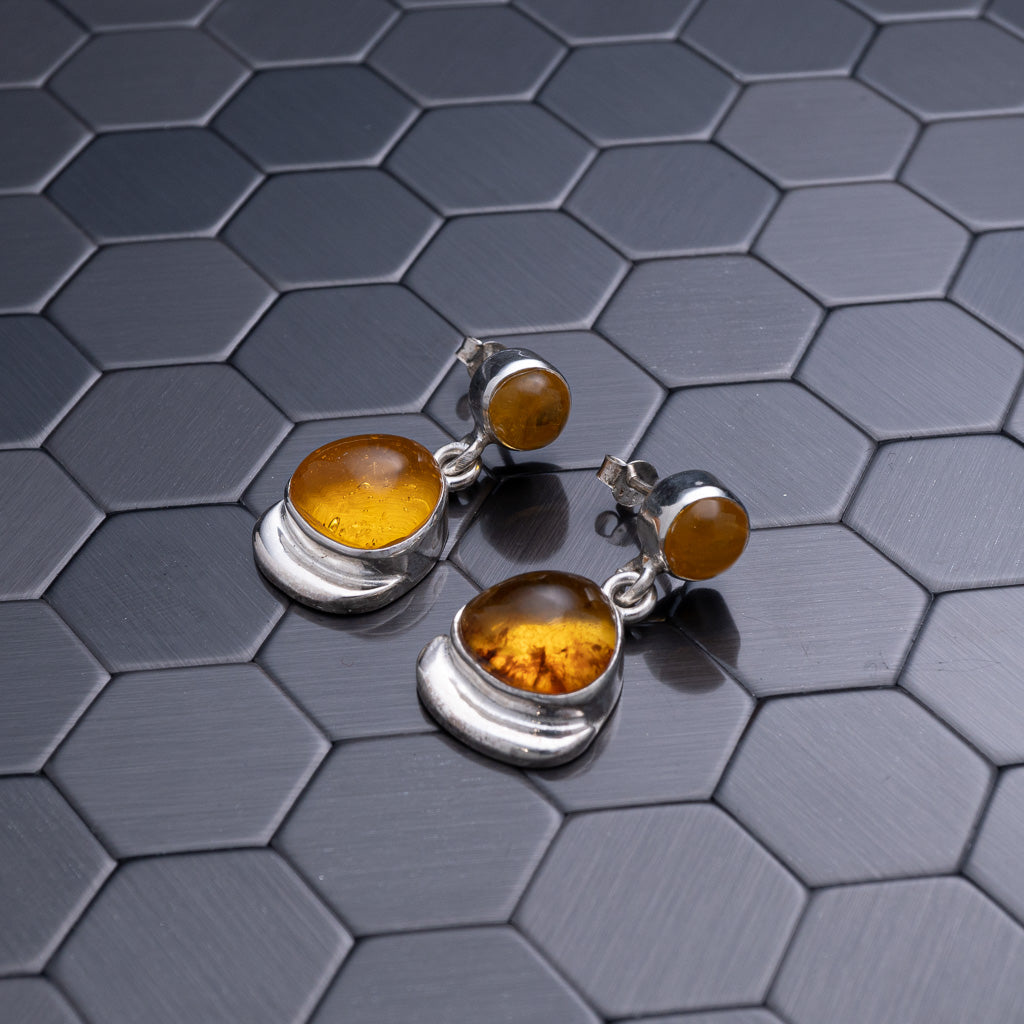
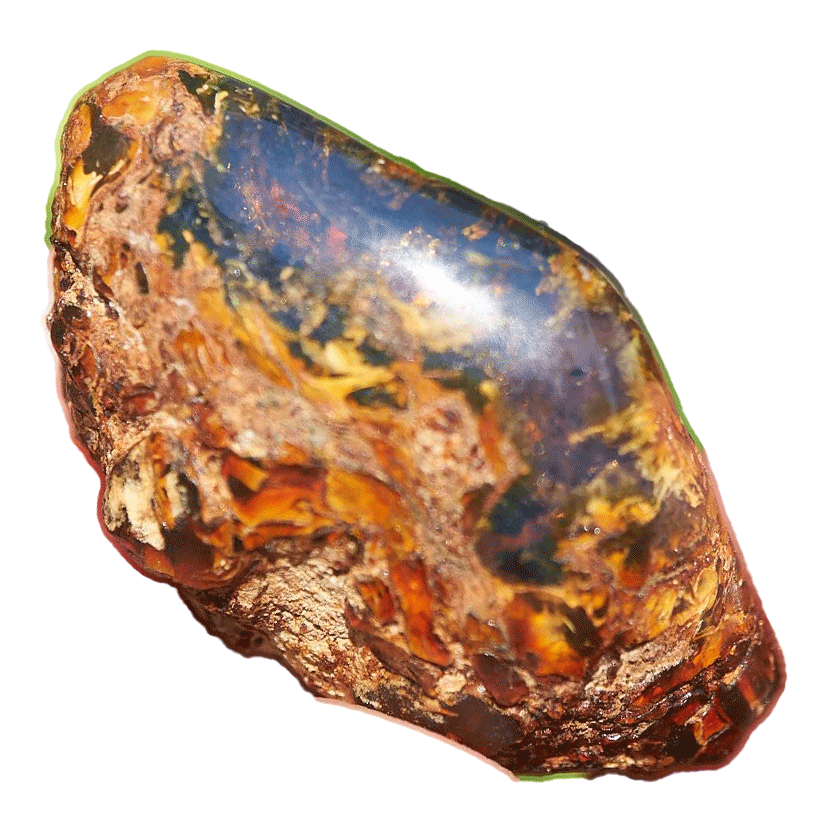
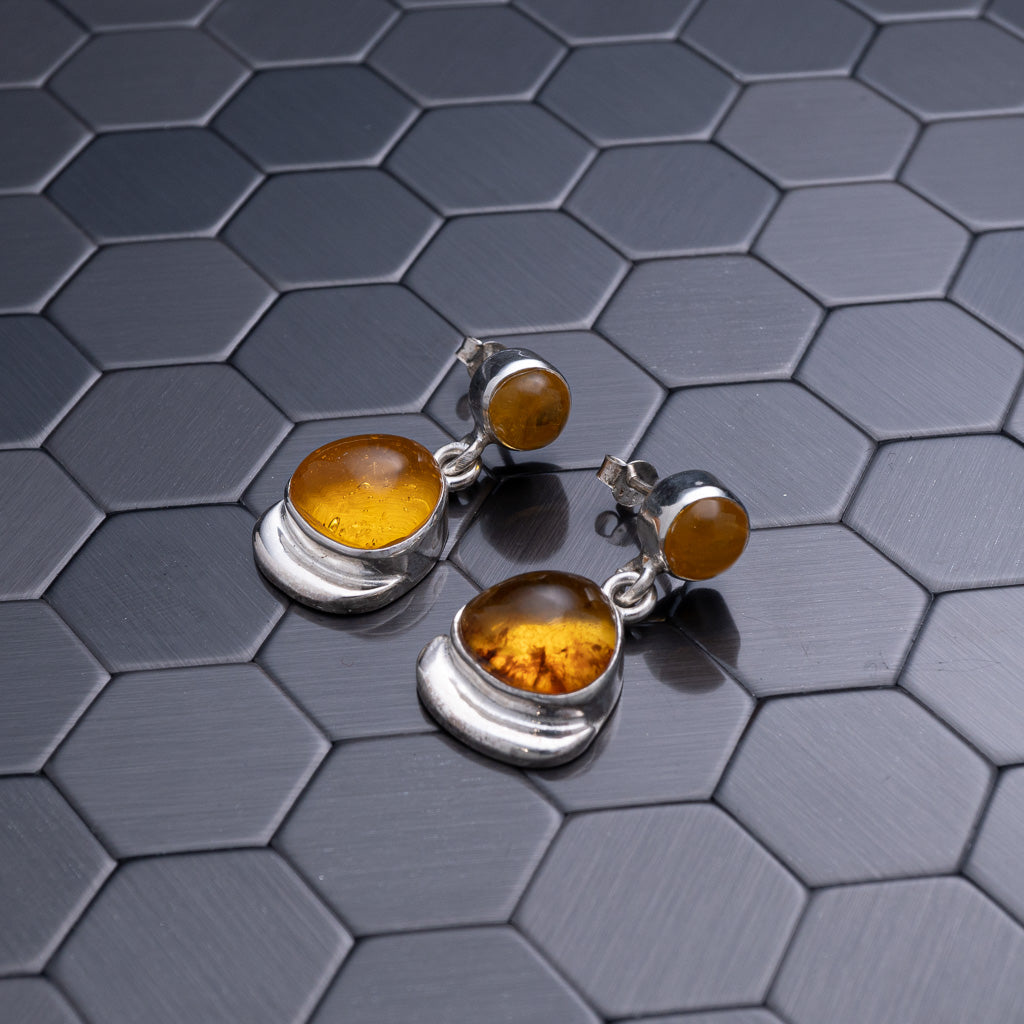
Size also matters, but it is not a simple rule that bigger is always better. Large blue amber rough is rare, and a sizable polished stone with rich fluorescence can be highly valuable. Yet a smaller pendant or pair of earrings may be more desirable if the color is brighter, the clarity is stronger, and the design makes the blue effect easy to enjoy. A beautifully matched pair of blue amber earrings, for example, requires careful selection from naturally varied material.
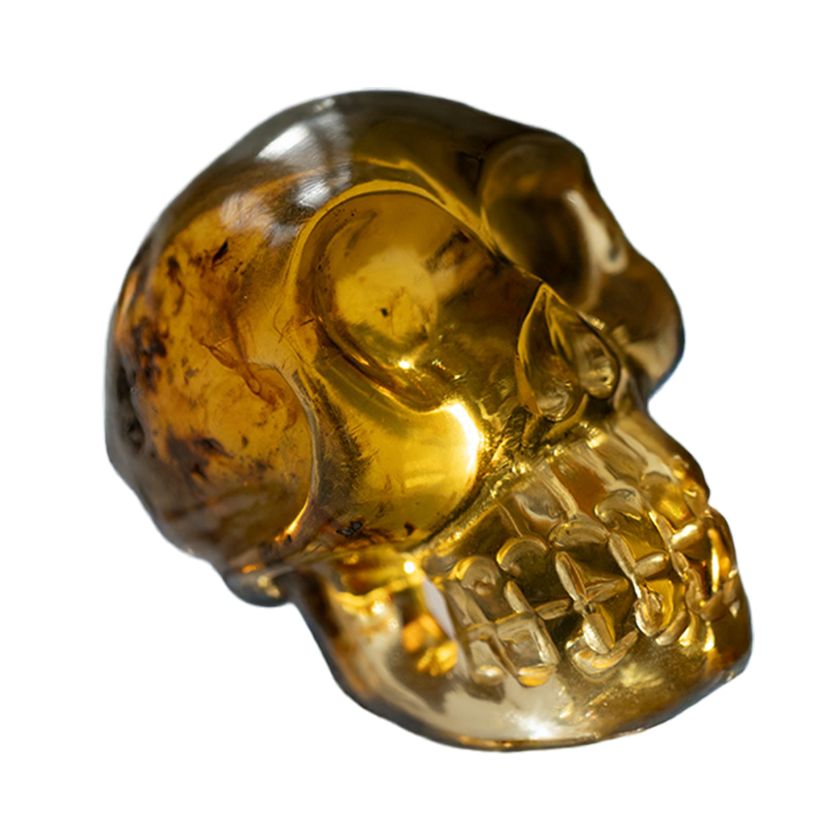
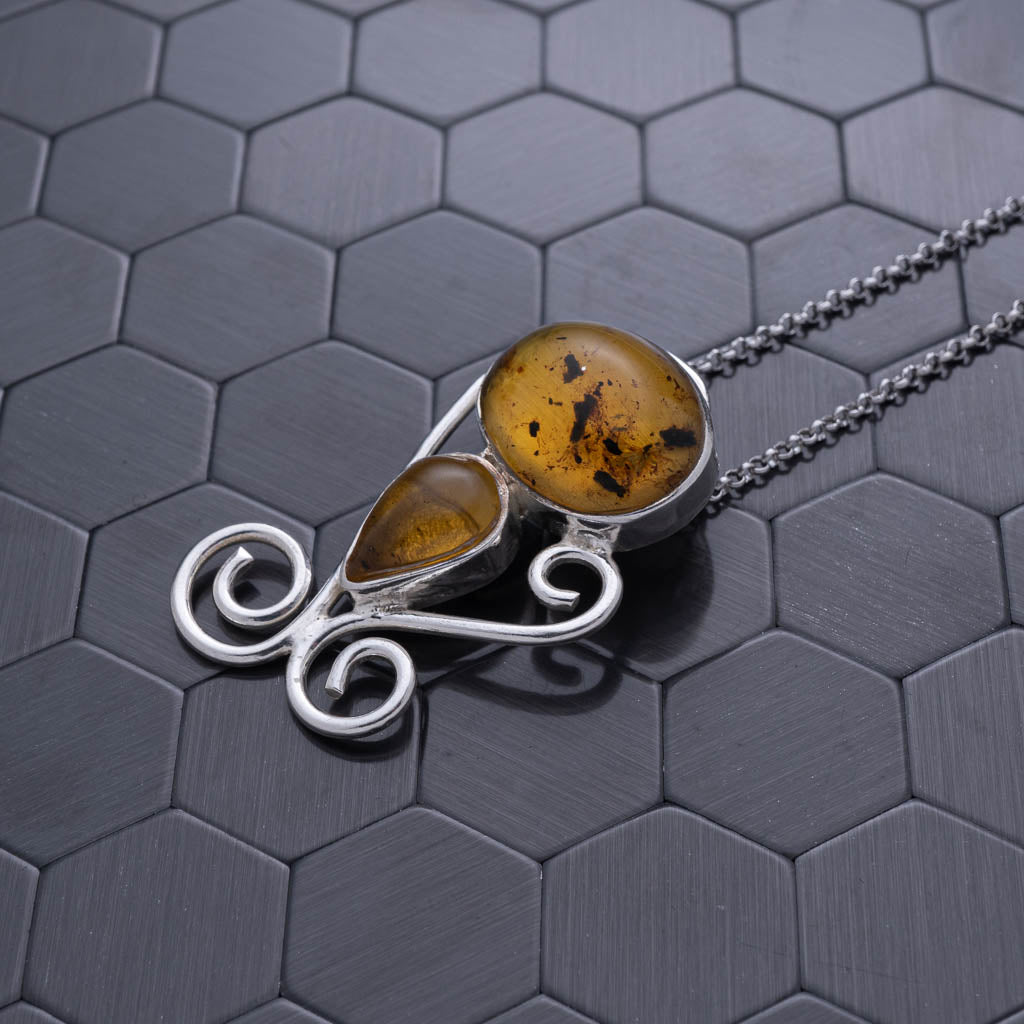
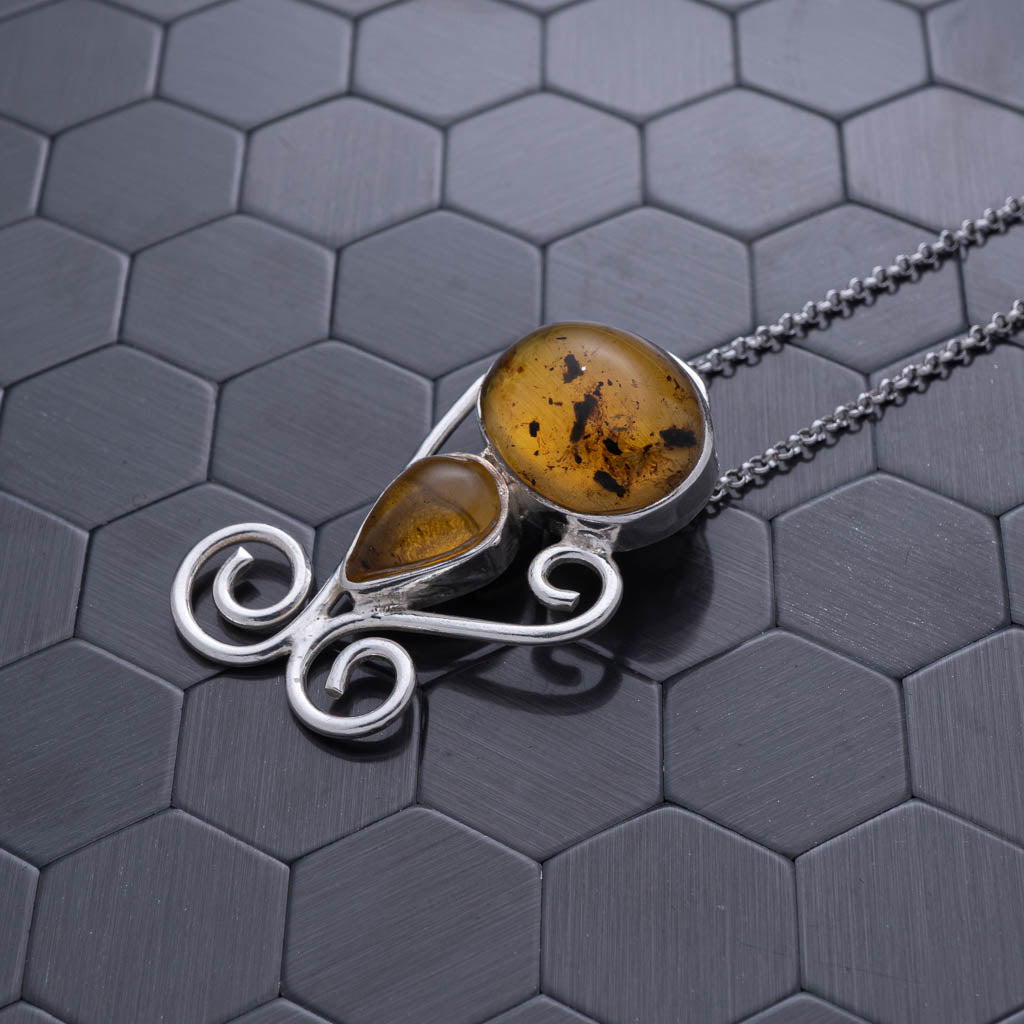
Amber is known for preserving fragments of prehistoric life. A piece may hold a leaf, flower, seed, spider, or tiny insect from an ancient forest. These inclusions can add substantial collector interest when they are natural, well preserved, and clearly visible.
Not every inclusion increases value. Common debris or opaque material may be visually interesting without being rare. The strongest collector appeal comes from unusual, identifiable inclusions and clear amber that allows them to be studied. A genuine inclusion is also different from a manufactured scene. Modern insects or plant fragments embedded in resin have no geological history and should never be represented as fossil amber.
For some collectors, the ideal specimen is a transparent blue amber piece with a visible inclusion and a dramatic fluorescent response. It is a rare meeting of natural history and gemstone beauty.
Blue amber is softer and lighter than many traditional gemstones. On the Mohs scale, amber is approximately 2 to 2.5, which means thoughtful craftsmanship matters. A skilled artisan considers the direction of the rough, natural internal features, thickness, and setting style before cutting or polishing.
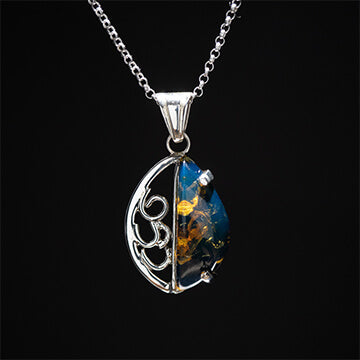
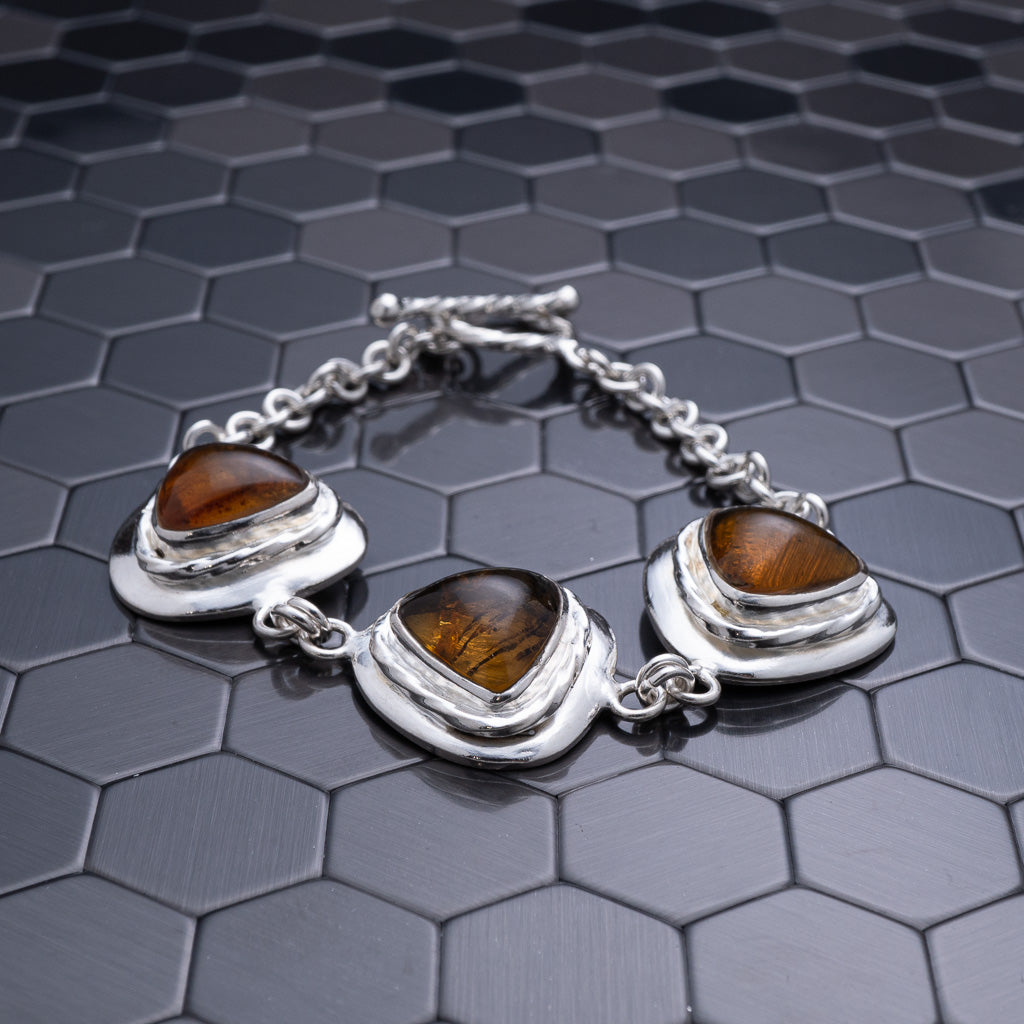
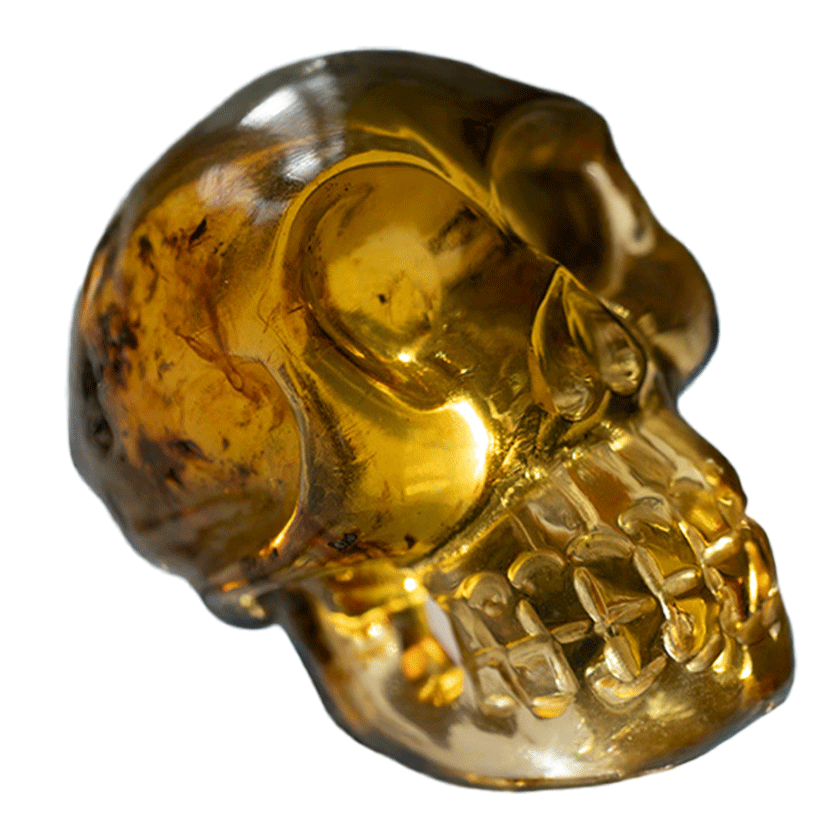
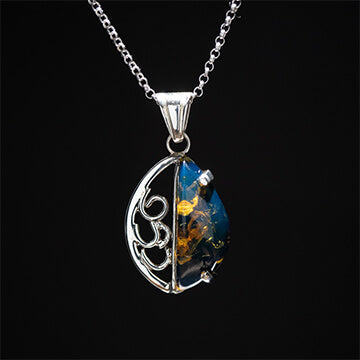
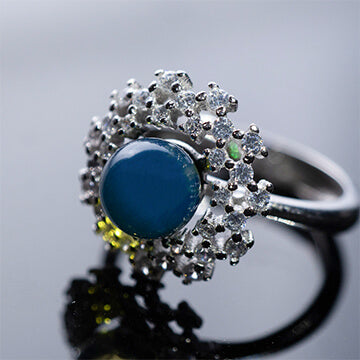
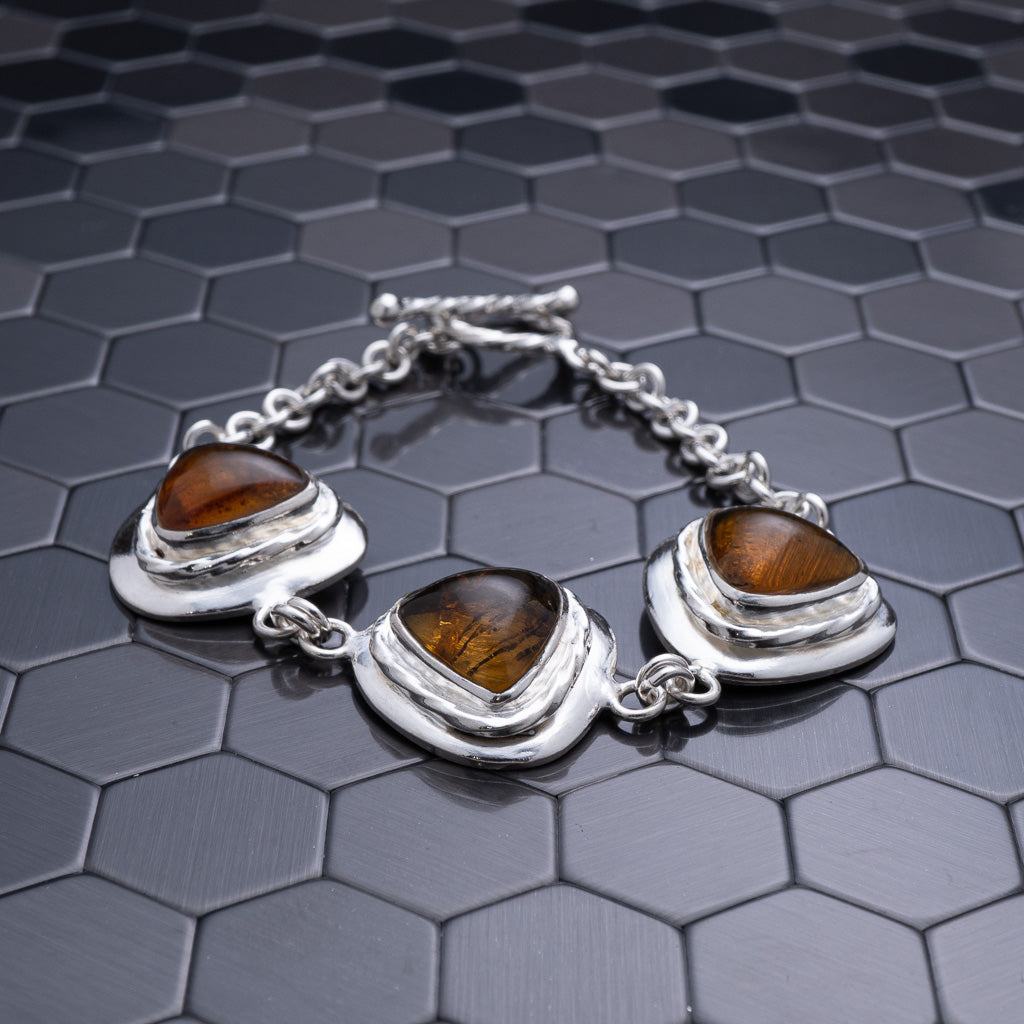
The best designs make room for light. Open-backed pendants, carefully shaped cabochons, and polished carvings can allow blue amber’s transparency to shine. In rings and bracelets, a protective bezel or thoughtfully raised setting can help reduce exposure to hard knocks. The goal is not to make amber behave like a diamond. It is to honor its own warm, luminous nature.
Fine craftsmanship also adds value because blue amber is not forgiving. Overcutting can sacrifice color. Aggressive polishing can conceal rather than celebrate the stone’s natural personality. A handcrafted piece that feels balanced, secure, and visually alive reflects respect for both material and wearer.
Because blue amber is rare and visually dramatic, it is often imitated. Some look-alikes are glass, plastic, synthetic resin, treated amber, or copal - younger, partially fossilized resin. These materials may be attractive, but they do not carry the same rarity, age, or collector value as authentic Dominican blue amber.
A trustworthy seller should be transparent about origin and material. Certification and documented sourcing provide meaningful reassurance, especially for substantial stones, fossil specimens, or fine jewelry purchases. Be cautious of prices that seem implausibly low for a large, intensely blue piece, or descriptions that promise identical color in every lighting condition. Genuine blue amber is naturally varied, and honest descriptions acknowledge that.
At Larimar Creations, the appeal of certified Dominican gemstones begins with that respect for authenticity. A blue amber jewel should feel beautiful on arrival, but it should also give you confidence in the story it carries.
Preserving blue amber’s beauty is straightforward, but gentle care is essential. Avoid perfumes, hairspray, household cleaners, ultrasonic machines, steam cleaning, and prolonged heat. Clean it with a soft, dry or lightly damp cloth, then store it separately from harder gemstones and metal pieces that could scratch its surface.
Amber rewards wearers who treat it as the natural treasure it is. It is perfect for pendants, earrings, and carefully designed rings, but it is not the best choice for rough daily wear without attention. The trade-off is part of its intimacy: blue amber asks to be worn with care, and in return it offers a glow few stones can match.
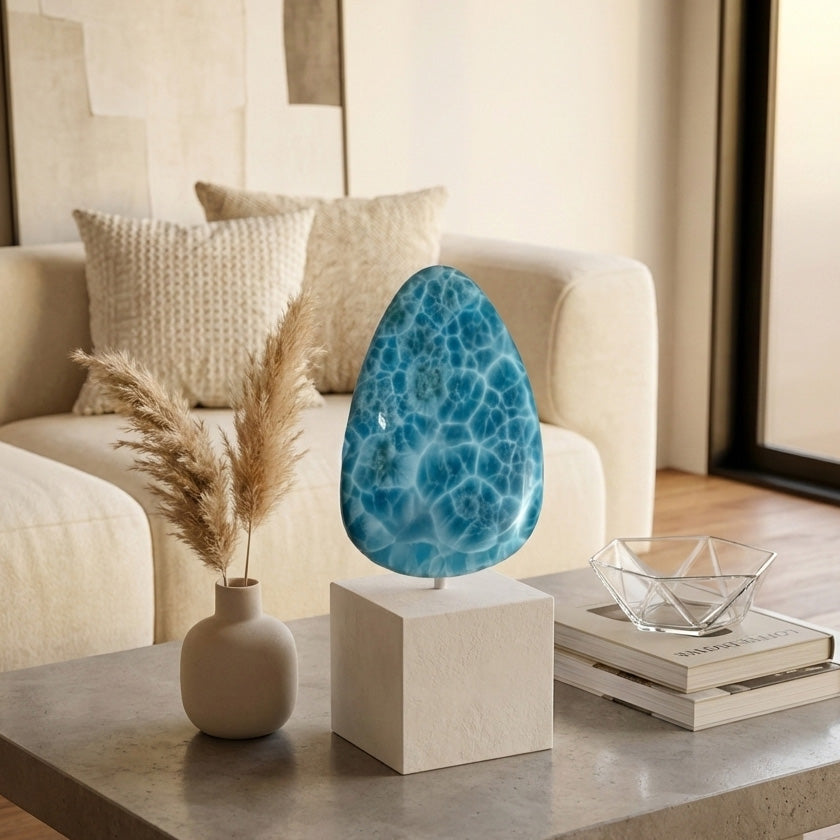
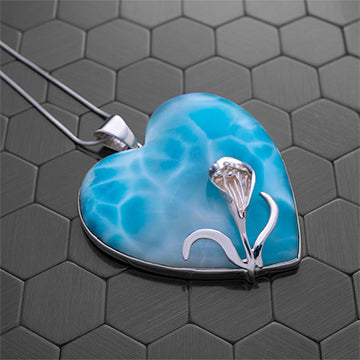
Choose the piece that makes you pause when the light changes. Whether it is a luminous heart pendant, a polished cabochon, or a fossil specimen with a story held inside, authentic blue amber offers more than decoration. It lets you wear a rare fragment of the Caribbean’s ancient forest, shaped by time and made luminous again in your hands.
Sign up to get the latest on sales, new releases and more …
5 min read
10 min read
9 min read